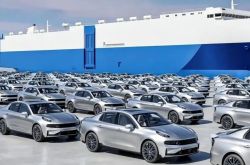
The Intense Competition Among Square-Box Off-Road SUVs: A Deeper Exploration of Emotional Value
 08/21 2026
 389
389
Lead | Introduction
The trend of large six-seater SUVs, which has been evident from 2025 to 2026, has now extended its reach into the niche market of square-box SUVs. The widespread adoption of boxy exteriors prompts us to ponder: Is this a strategic response by automakers to meet consumer demands, or merely a survival tactic in a market where differentiation is scarce, relying heavily on superficial changes? How long will the emotional appeal of square-box designs endure, and will Chinese consumers continue to invest in these distinctive features?
Produced by | This article is produced by | Heyan Yueche Studio
Written by | Authored by | Cai Yan
Edited by | Revised by | Hezi
Total characters: 2,293
Estimated reading time: 4 minutes
The Shenxingzhe 8, Xiangjia G9, and Hafer H10 are three highly anticipated new energy square-box SUVs set to make waves in the August new car market. Despite their differences in pricing and target demographics, all three models are positioned as "large-to-medium six-seater SUVs," with the Fangchengbao Bao 9 and Hongqi G919 also expected to offer six-seater configurations. It's clear that automakers are aligning this niche market with the "golden track" of large six-seaters to tap into a broader consumer base.
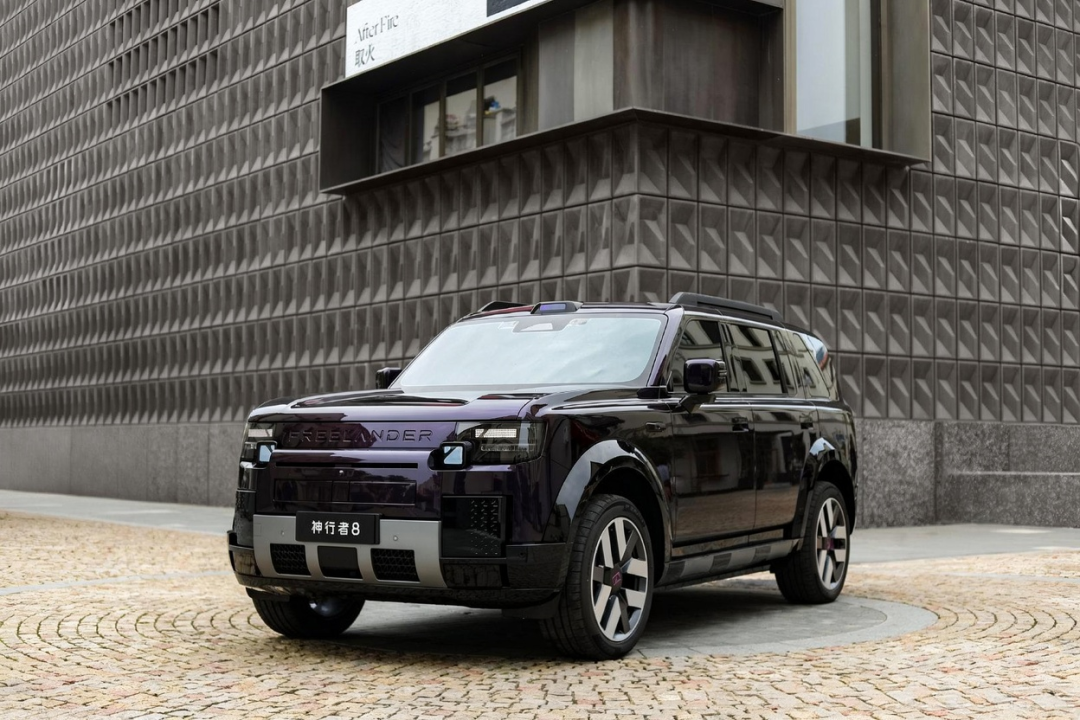
However, as the square-box SUV market reaches its midpoint in 2026, three significant structural changes are underway.
Firstly, sales of square-box SUVs have skyrocketed from 131,000 units in 2020 to 1.02 million in 2025, marking a substantial increase in market share. By January-February 2026, year-on-year growth remained robust at 68%, but by May, monthly sales had dipped to around 72,000 units, with growth slowing to 28.7%. The "high-growth" allure of the square-box segment is gradually fading.
Secondly, the concentration of leading players in the square-box segment continues to intensify. Among the 41 models available in July, only the Fangchengbao Titan 7 consistently sold over 10,000 units per month, leading the market with 94,000 units in the first half. Most models peaked at around 4,000-5,000 monthly sales, highlighting a stark contrast with the traditional large-to-medium SUV segment.
Crucially, while sales struggle to break through new barriers, new entrants like Beijing Off-Road, iCAR, Geely Galaxy, and GAC Trumpchi continue to flood the market, not to mention the impending return of JEEP and Ford Bronco's intensified efforts. The square-box segment is no longer the untapped "blue ocean" it once was.
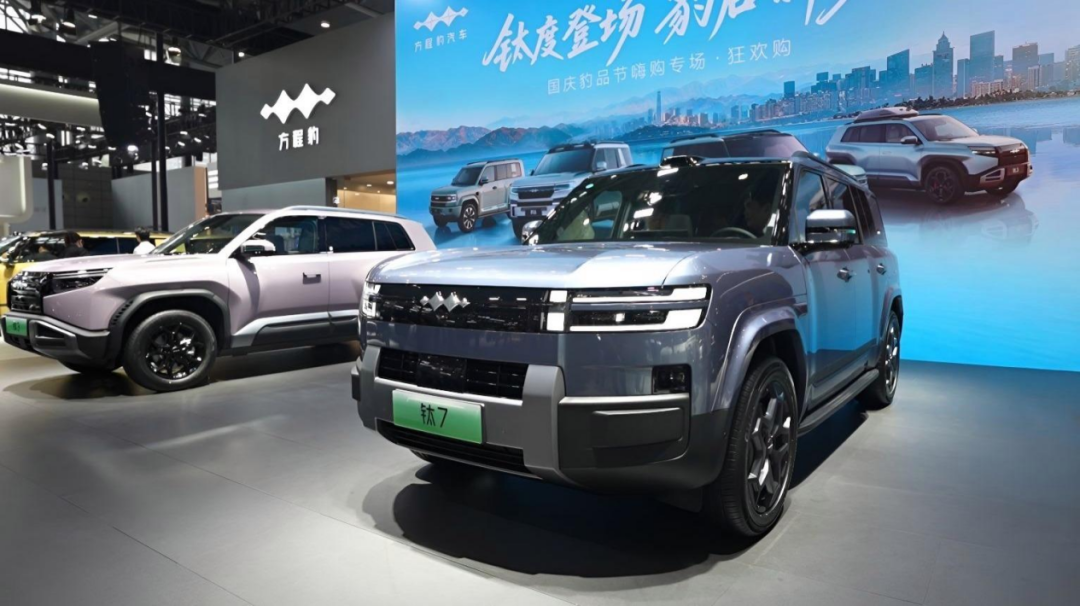
Furthermore, while the potential for volume-driven models in this niche has not yet been fully realized, the era where "any square-box could sell" has come to an end. Experienced Chinese automakers are now focusing on enhancing emotional value in this segment.
The Shift in Logic for Mid-to-Large Square-Box SUVs: From "Rugged Individuality" to "Family Necessity"
Automakers' efforts to align square-box designs with large six-seaters seem to address the evolving needs and pain points of family users.
The Great Wall H10 received 22,000 orders within 12 hours of pre-sale and 31,800 firm orders within 24 hours of launch; the Xiangjia G9 secured 15,000 orders in 72 hours of pre-sale; the Shenxingzhe 8 also received positive market feedback. Additionally, the Fangchengbao Bao 8, an earlier 5/6/7-seater square-box SUV, saw most of its sales concentrated in the 6/7-seater configurations.
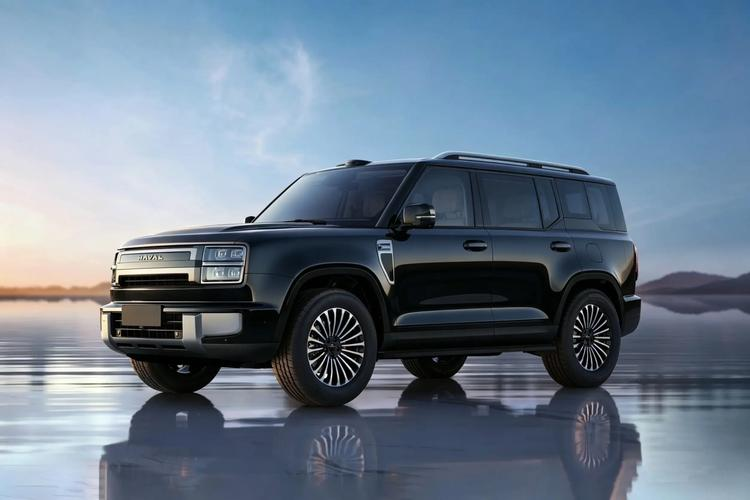
The key reasons behind the explosive success of six-seater square-box SUVs are as follows: Firstly, advancements in new energy technologies and a well-developed charging network have made vehicle operating costs acceptable for families.
Traditional fuel-powered off-road SUVs typically consumed 12-15L/100km, with high operating costs and uncomfortable driving experiences that deterred most family users. The gradual release of Chinese consumers' demand for square-box vehicles is evident, as seen in the Tank 300's dual urban-off-road appeal and the Titan 7's low operating costs combined with a family-oriented design, which further fueled market growth.
Thus, the integration of range-extending, plug-in hybrid, and pure electric technologies into square-box models has resolved economic concerns, a factor also driving the popularity of large six-seater SUVs. Conversely, most buyers of six-seater square-box SUVs are unlikely to envision "family off-roading adventures."
Secondly, shifting aesthetic preferences and the desire for identity expression have created a vast pool of potential consumers for square-box SUVs. As Chinese consumers develop a clearer sense of their automotive preferences, the distinct design of square-box SUVs—characterized by straight lines, high ground clearance, external spare tires, and high versatility—has become a symbol of individuality and a "getaway" lifestyle for young consumers.
Coupled with improved infrastructure in natural scenic areas and the rise of RV camping sites, square-box SUVs have emerged as a functionally superior choice over traditional SUVs.
At the level of identity expression, most current square-box buyers follow the same logic as those who purchase outdoor jackets without intending to hike, yoga attire without exercising, or DSLR cameras without pursuing photography—they buy not just for functionality but for the imagined lifestyle and identity association.
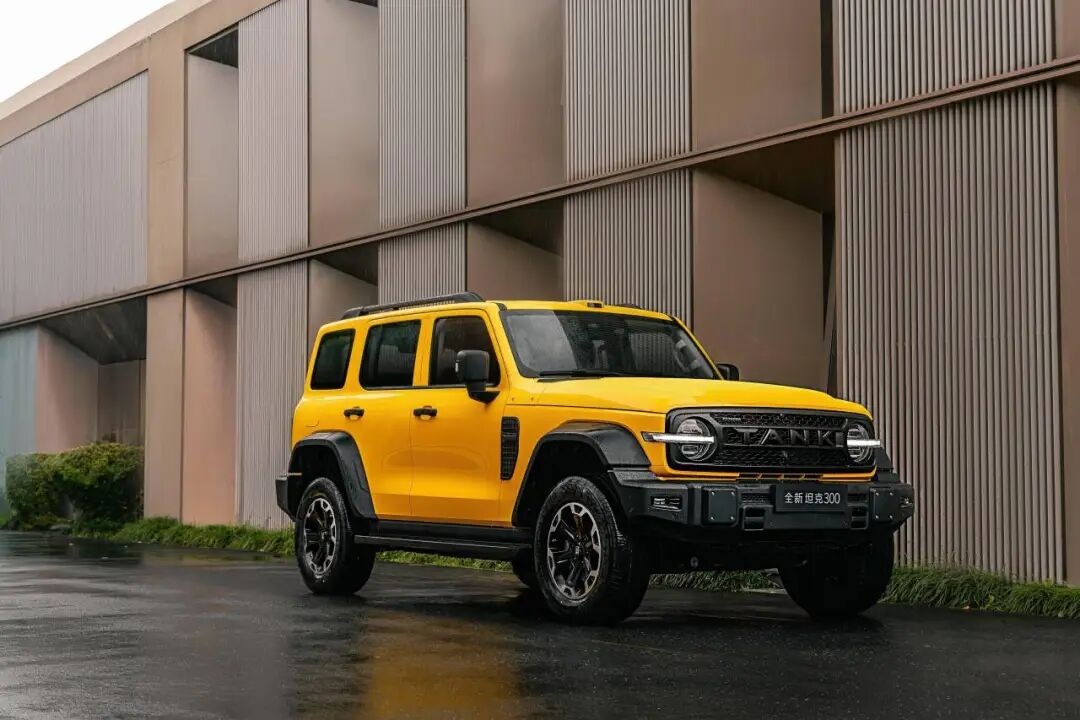
According to the White Paper on Off-Road Vehicle Market and Technology Trends 2026 by China Automotive Information Technology Co., Ltd., over 73% of off-road vehicle owners travel less than 500 kilometers annually.
Consumers' love for square-box SUVs and automakers' eagerness to build them stem from a simple reason: today's off-road square-box SUVs resemble the success of range-extending SUVs, which addressed "range anxiety." Square-box SUVs resolve "accessibility anxiety" in rough or uneven terrain.
Even if most buyers of mid-to-large square-box SUVs do not take their families off-roading, they are willing to pay for features like differential locks, intelligent four-wheel-drive systems, and air suspension for the 1% possibility, 1% challenging scenario, or 1% accessibility concern.
Automakers can openly add more hardware to square-box models, boosting profits. It is predictable that square-box SUVs will next incorporate "large TVs, refrigerators, and sofas" into their interiors. Thus, the square-box market remains one of the few profitable niches not yet fully saturated by intense competition.
Large six-seater square-box SUVs can be seen as "rebranded" or derivative versions of large six-seaters, but they precisely address the most authentic needs of Chinese families—not genuine off-roading but a blend of "emotional and practical family value." Consumers are not just accepting this trend but becoming increasingly discerning.
The Next Phase of Square-Box SUVs: What Will Be Pitted Against Each Other?
The iterative dividend of square-box SUVs simply shifting from "rugged to family" is fading. The next stage of competition will focus on a comprehensive evaluation of "space efficiency + energy consumption control + intelligent experience + convenient adaptability."
Achieving a better balance between "off-road style and family needs" does not involve blindly stacking features like four-wheel-drive systems, electronic controls, traction systems, locking mechanisms, and comfort enhancements. Instead, it requires analyzing real usage scenarios through user data—a task demanding higher data collection and user research capabilities from automakers.
The Hafer H10 and Xiangjia G9 exemplify this approach. The Hafer H10 is essentially a large six-seater SUV wrapped in a square-box exterior with a four-wheel-drive system. The Xiangjia G9 offers digital redundancy, allowing consumers to focus solely on accelerating while the vehicle handles the rest, given its standard four-wheel-drive hardware.
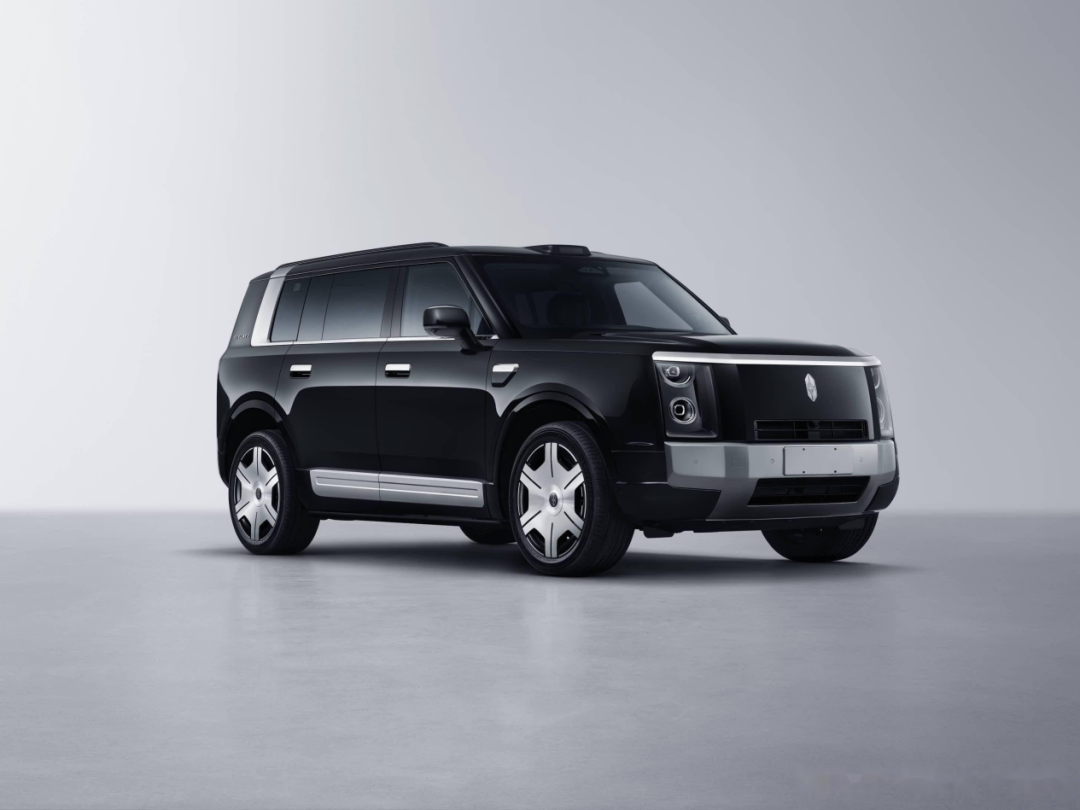
Additionally, as square-box SUVs gain higher market penetration and functional satisfaction becomes commonplace, the next iteration will inevitably focus on "cost-efficiency"—how to optimize fuel and electricity consumption, maintenance costs, etc.
Commentary
The evolution of square-box SUVs from "fuel-powered" to "new energy" and from "rugged" to "family-oriented" marks the first half as a celebration of hype. The second half must return to deepening human and scenario-based experiences. This is the key to integrating niche markets into the mainstream and the key for automakers to unlock their next hit models.
(This article is original to Heyan Yueche and may not be reproduced without authorization.)
-
![]()
Shenzhen Speed: The New Era
-
![]()
Shenzhen Speed Gets a New Version
-
When AI Becomes Too Powerful to Ignore: OpenAI Hits the Brakes for the First Time in History
-
![]()
Why Have Small Commuter Cars Priced Under 50,000 Yuan Seen a Slump in Sales?
-
![]()
When 'Li Shufu' and His Peers Begin to Relinquish the 'Reins'...
-
![]()
6.5 Trillion AI Unicorn: Generating $900 Million in Daily Revenue, Racing Toward the Largest IPO in History
-
![]()
Negative Influences Have Run Their Course: Three Key Questions Surrounding Seres' H1 Performance 'Dip' | Mirror Pro
-
![]()
Will China's Auto Exports Surpass 10 Million Units This Year?