Chengdu International Auto Show: Igniting the Auto Market with a 'Dual-Flavored Hotpot'?
 08/24 2026
 496
496
Introduction | Lead
This year's Chengdu International Auto Show can be likened to a spicy and aromatic dual-flavored hotpot, seamlessly blending rich and nuanced flavors that mirror the diverse essence of the automotive industry. It encapsulates the industry's vibrancy, perseverance, breakthroughs, and compromises. Amid a 20% decline in nationwide passenger vehicle retail sales, the Chengdu International Auto Show aims to invigorate the market in anticipation of the upcoming 'Golden September and Silver October' sales surge.
Produced by | Heyan Yueche Studio
Written by | Li Suwan
Edited by | He Zi
Full text: 3,633 characters
Reading time: 5 minutes
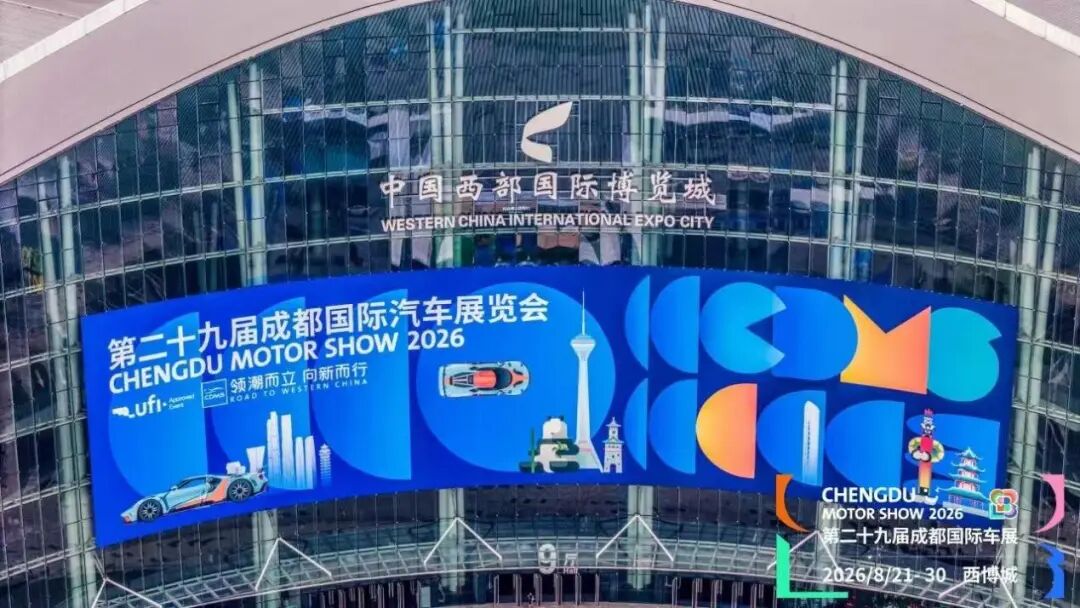
On August 21, the 29th Chengdu International Auto Show (hereinafter referred to as the 'Chengdu Auto Show') commenced. The Western China International Expo City was abuzz with energy, as Chinese domestic brands shone brightly like a fiery red broth hotpot, while joint venture and foreign brands, despite some absences, showcased their dedication, akin to adding various seasonings to a mild white broth hotpot.
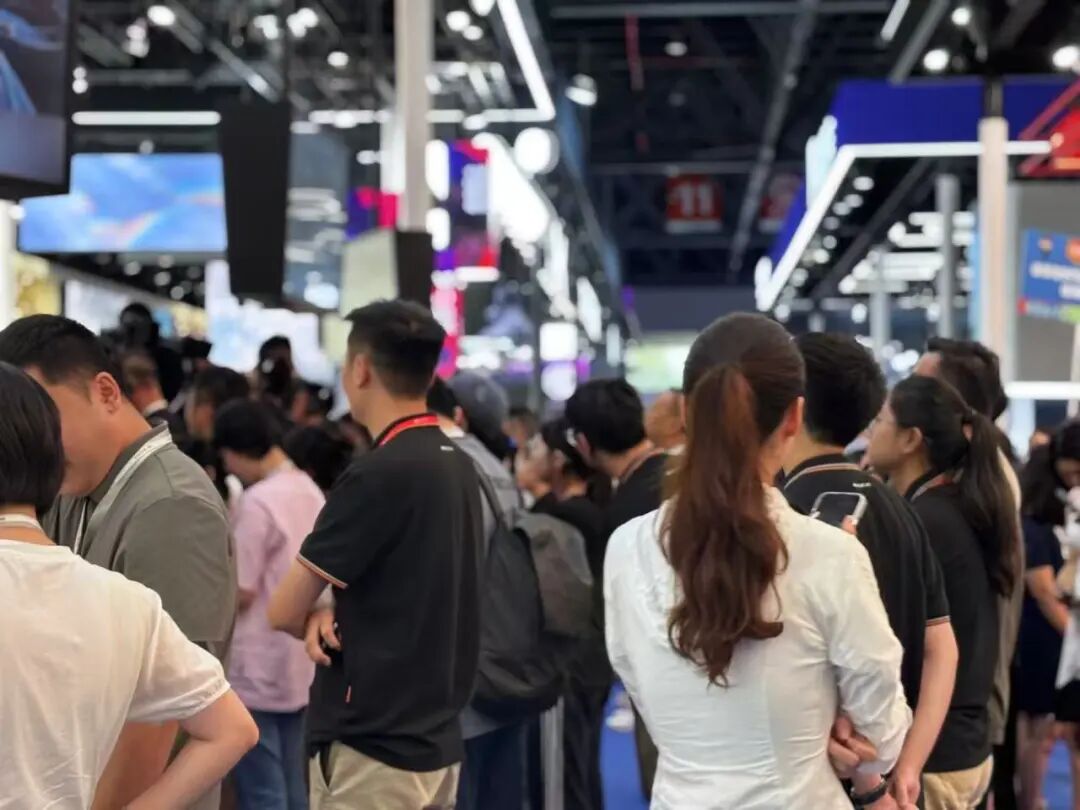
Chinese domestic brands made a strong showing, with leading players eager to display their full capabilities. Chery and BYD rented Hall 5 and Hall 9, respectively, vying for supremacy and adding intense heat to the auto show. Meanwhile, the joint venture camp appeared calm on the surface but was actually simmering with activity.
Prior to the show's opening, some speculated that it would be lackluster due to the absence of over 20 brands, reduced pre-show promotions, and fewer social media posts of hotpot gatherings among automotive journalists. However, the event spanned 220,000 square meters, featuring nearly 120 mainstream domestic and international automotive brands and around 1,600 exhibition vehicles. On the opening day, 56 brand launches were held, with 71 global, national, and regional premieres and new car debuts. Some booths were crowded, while others were sparse. It would be inaccurate to simply label this year's show as hot or cold; instead, it resembles a dual-flavored hotpot, blending rich and nuanced flavors.
Participating automakers are leveraging this large-scale offline car-buying event targeting Southwest Chinese consumers to invigorate the currently sluggish national auto market. As the first A-class auto show of the second half of the year, the Chengdu Auto Show shoulders the responsibility of warming up the market for the 'Golden September and Silver October' period.
Red Broth Hotpot: The Boiling Excitement of Chinese Domestic Brands
Chery and BYD sparked a rivalry in Hall 5 and Hall 9, respectively, creating the hottest and most intense atmosphere that resonated both domestically and internationally, showcasing the 'group combat' strength of China's leading brands. Chery, positioning itself as a global champion in Chinese automotive, and BYD, labeled as the 'world champion in new energy vehicles,' each brought their ace products and technologies.
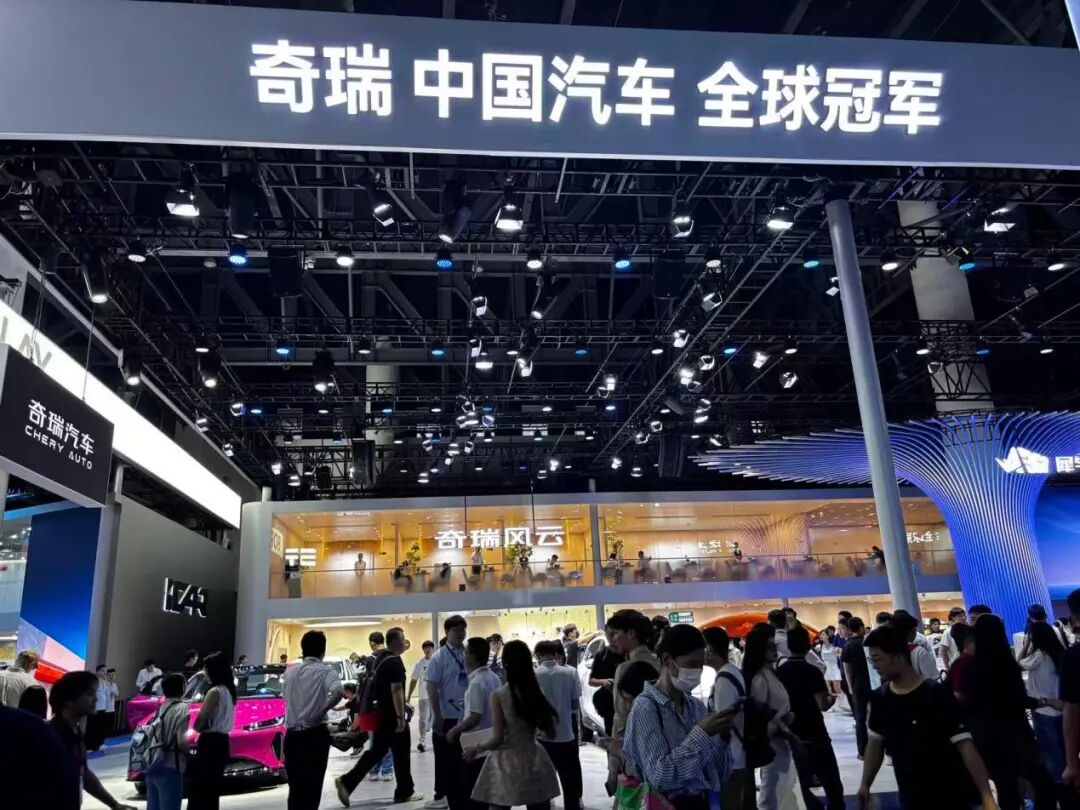
Chery Group rented the entire Hall 5, showcasing 38 models across five brands: Chery, Exeed, Jetour, iCAR, and Omoda. Twelve Chery models made their debut, including the stylish duo Fengyun A9 and Fengyun T7, the QQ3 Modern Edition available for early experience, and the global premiere of the new benchmark for global-quality family sedans, Arrizo 7. Additionally, Chery displayed technologies such as the Rhino Battery, Kunpeng Power, and advanced AI autonomous driving, demonstrating its smart electrification transformation and global strength through a new product matrix, core self-developed technologies, and a youthful ecosystem.
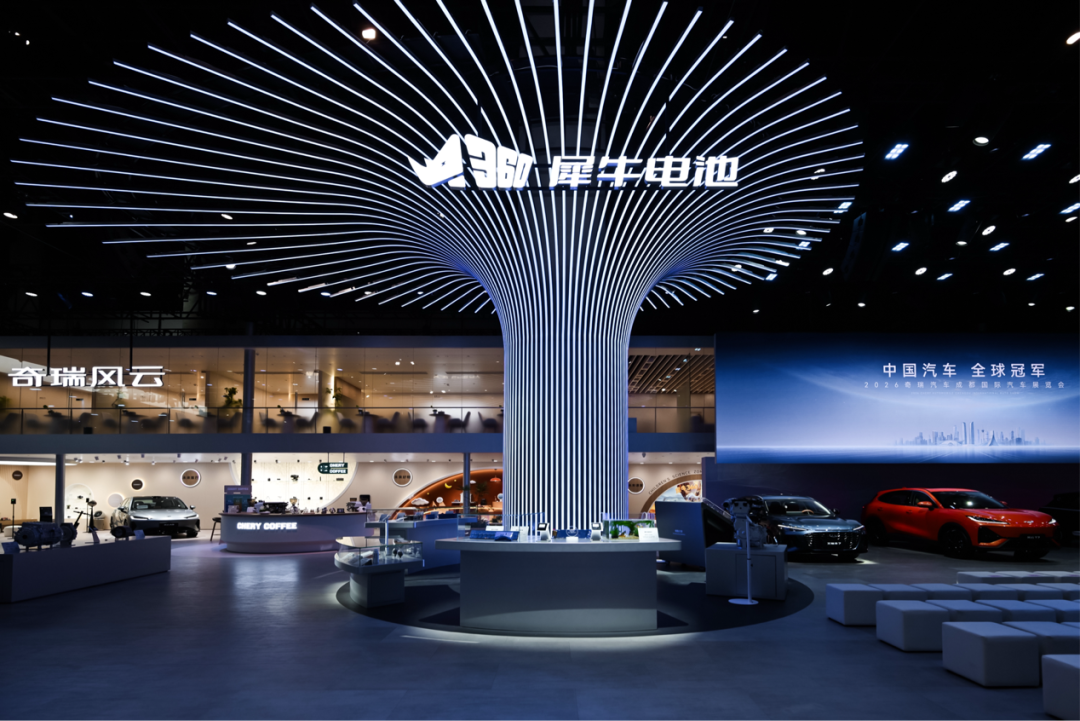
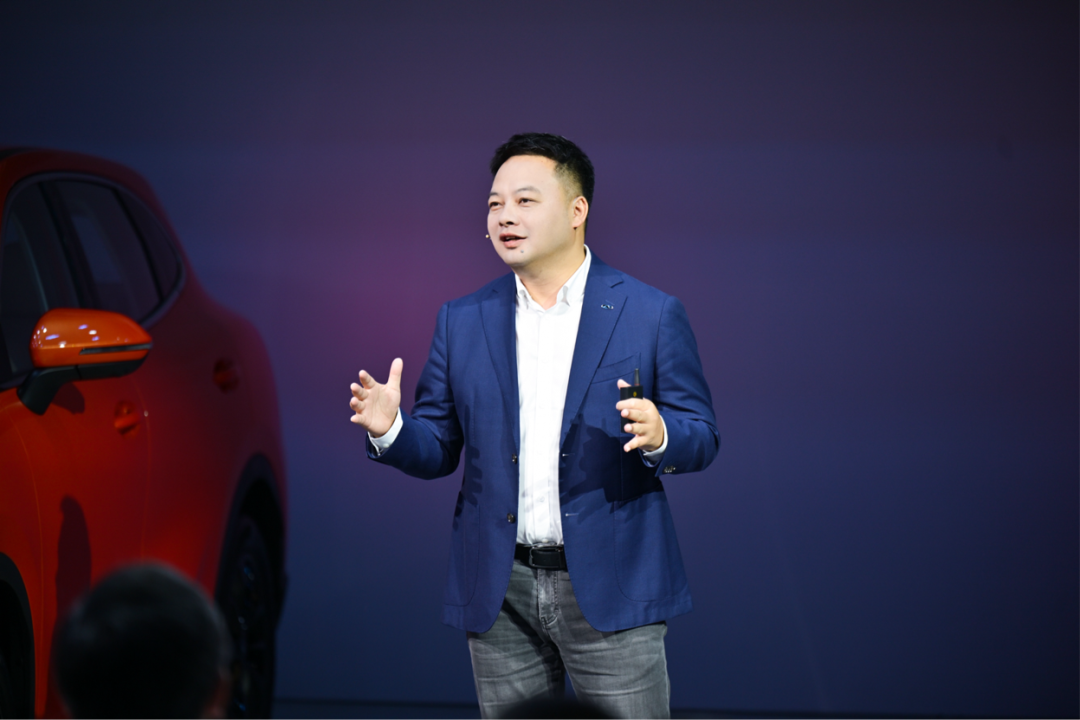
Currently, Chery has found its 'new coordinates' in the global automotive landscape. Li Xueyong, Executive Vice President of Chery Automobile Co., Ltd., stated at the show that true global vehicles are not developed domestically and then modified for export but are designed for global markets from the outset. Chery insists on creating genuine global vehicles from the initial product definition. At this auto show, Chery's matrix of global models for the new energy era, which are the same globally and meet diverse global needs, reaffirms the new paradigm that 'the global automotive industry has entered the China era.'
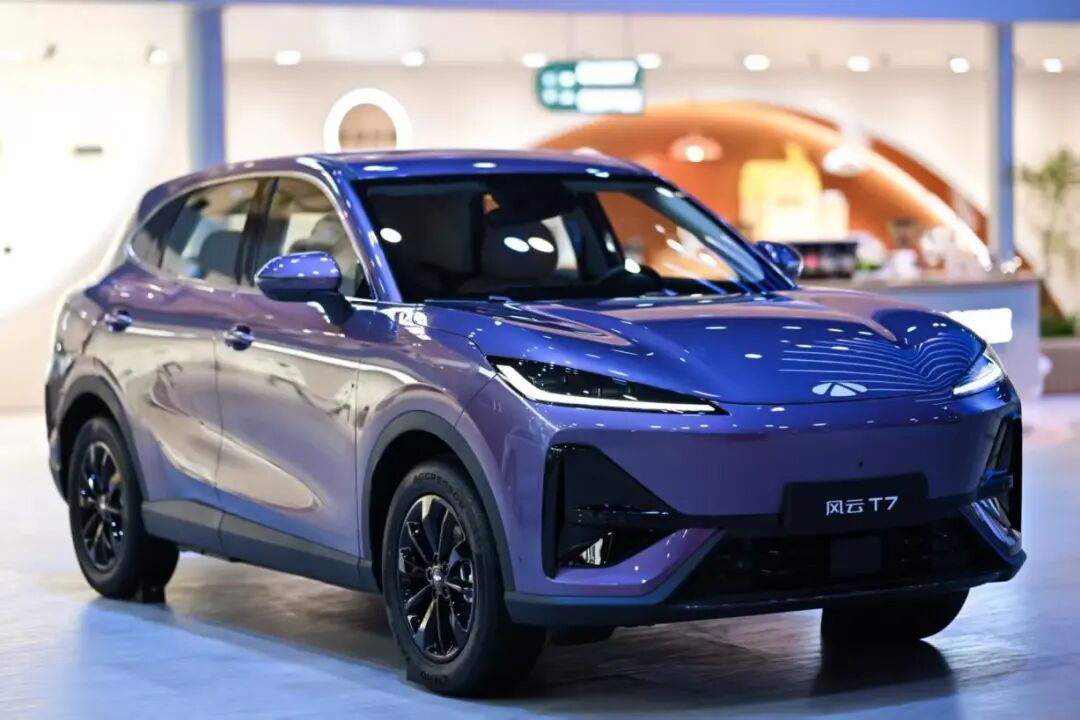
Notably, as Chery's first genuine global model in the smart electrification era, the global-quality pure electric SUV Fengyun T7 embodies four core strengths: 'superb performance, global beauty, enhanced safety, and intelligent features.' This new model, blending Eastern heritage with global mainstream aesthetics, aims to create a new sensation both domestically and internationally.
BYD Group also rented an entire hall (Hall 9), showcasing five brands—Wangchao, Ocean, Fangchengbao, Denza, and Yangwang—with cutting-edge technologies and heavyweight new models, demonstrating China's comprehensive strength in the new energy vehicle supply chain.
The all-new D+ flagship sedan, the Great Han EV, under BYD's Wangchao brand, officially opened pre-sales at the show, priced between RMB 249,900 and RMB 299,900. This new model features a 1,008 km pure electric range, fast-charging technology, a million-dollar-level intelligent chassis, the 'Divine Eye B' system, and a luxurious cabin, attracting significant attention. The large five-seater king, the BYD Tang (8th generation), officially named the third-generation Tang, also made its global debut at the show. Simultaneously, several heavyweight models, including the Haishi 08, Fangchengbao Titan 9, Denza Z9GT, and the Yangwang U8L Limited Edition, were unveiled, covering diverse usage scenarios such as family, business, off-road, and sports.
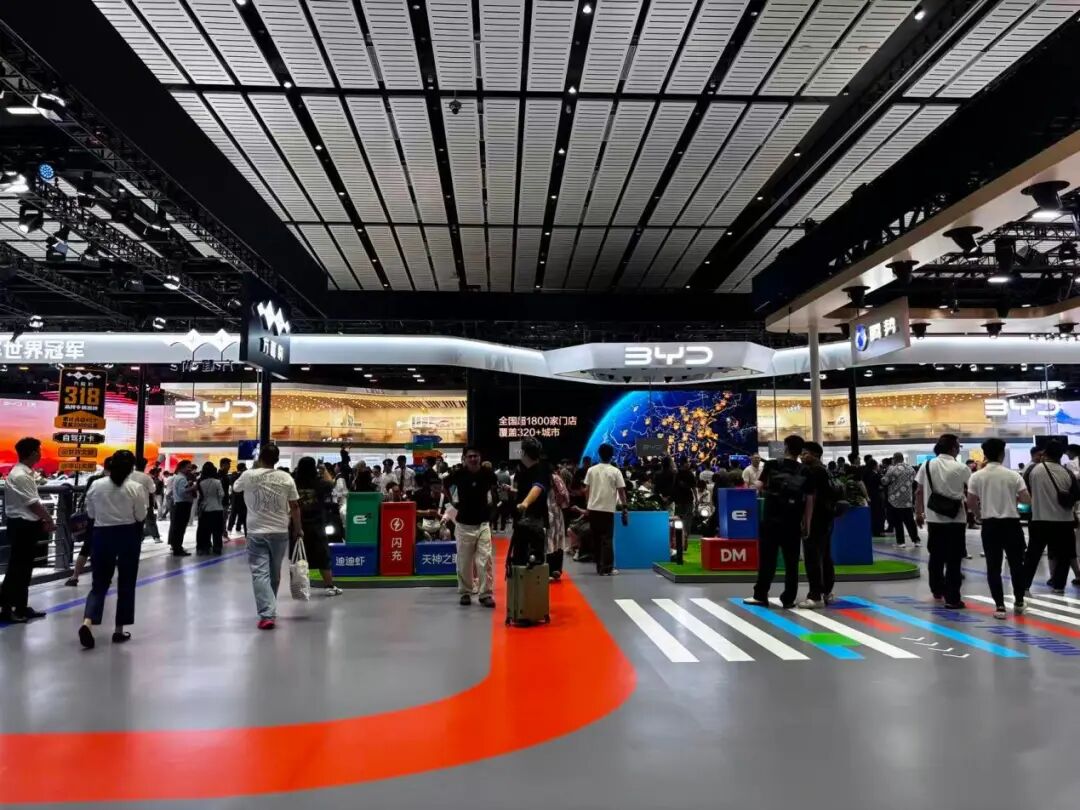
In addition to complete vehicles, BYD showcased core technologies such as the 'Divine Eye' system, fifth-generation DM technology, and the Yunlian chassis. Furthermore, BYD set up a technology open exhibition area in the North Plaza of the exhibition hall, creating immersive technology experience camps, including Denza's 'Easy Three' technology experience, autonomous drifting experience, Fangchengbao's power experience, Yangwang's 45-degree slope challenge, and the U8 emergency floating experience area, once again showcasing its strength.
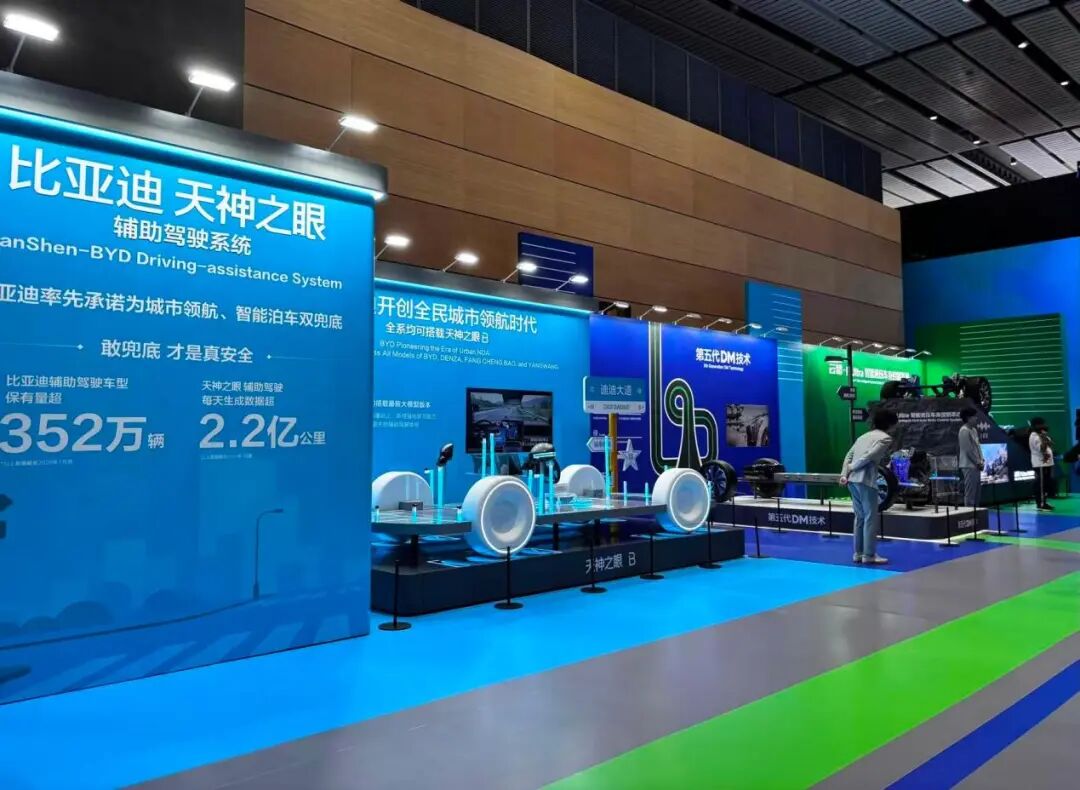
The competition between these two major exhibition halls reflects that Chinese domestic brands are transitioning from individual product competition to systematic, multi-brand collaborative group competition. BYD and Chery have distinct advantages. From January to July this year, BYD continued to lead the global new energy vehicle market with 2.227 million units sold. Although its domestic sales declined by 10%, its overseas sales were impressive, nearing 1 million units. During the same period, Chery sold 1.634 million units overall. While its total sales were lower than BYD's, its overseas strength was superior, ranking first in Chinese automotive exports for 23 consecutive years. From January to July this year, Chery exported 1.146 million vehicles, becoming the first Chinese automaker to export over 200,000 units in a single month in July. Taking this auto show as a new starting point, these two groups are embarking on a new round of competition both domestically and internationally.
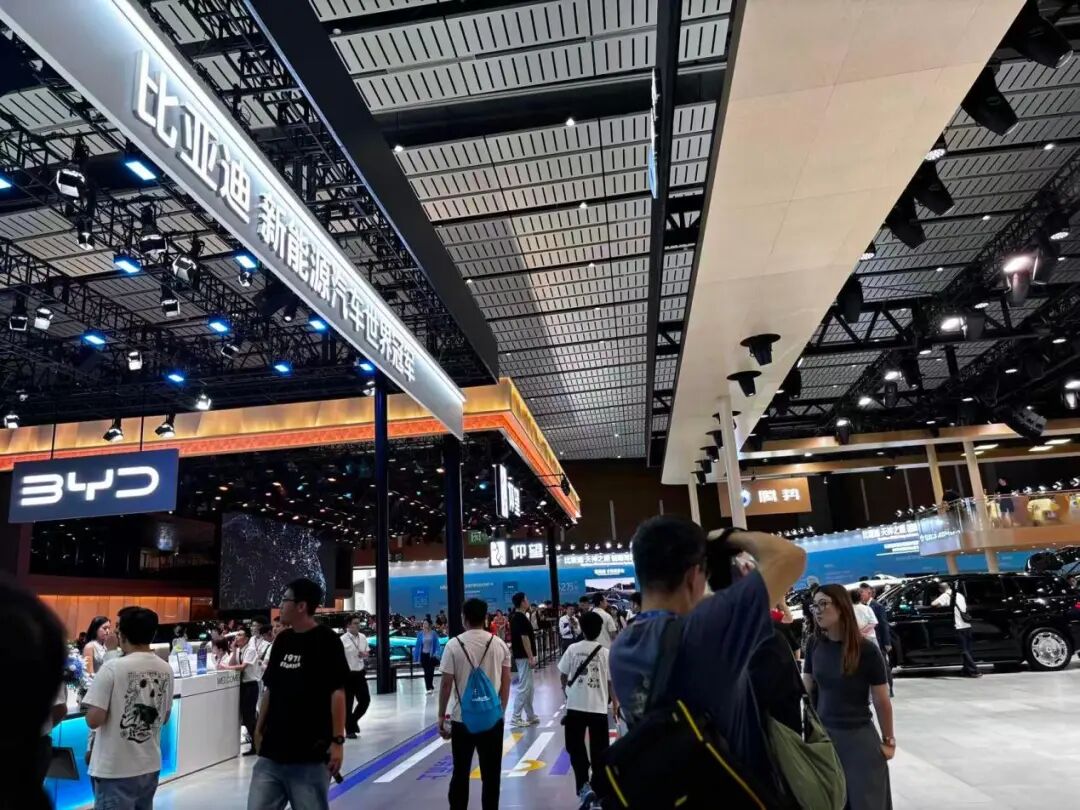
Besides these two 'hall-renting' groups, traditional automakers or their sub-brands, such as Great Wall, Geely Galaxy, BAIC Arcfox, Seres, Roewe, IM Motors, Aion, Hyper, and Dongfeng Fengshen, also participated with new models, collectively livening up the show's atmosphere. Meanwhile, new automotive forces continued to innovate, with several popular models making their debut. Hall 3 became the home ground for Harmony Intelligent Mobility Alliance (HIMA), with its 'Five Realms' product matrix attracting significant attention with collective enthusiasm and strength. Additionally, new forces like Xiaomi, XPENG, and Leapmotor did not hold large-scale national launches but showcased their main new energy vehicles, focusing on vehicle experience, order conversion, and technology display.
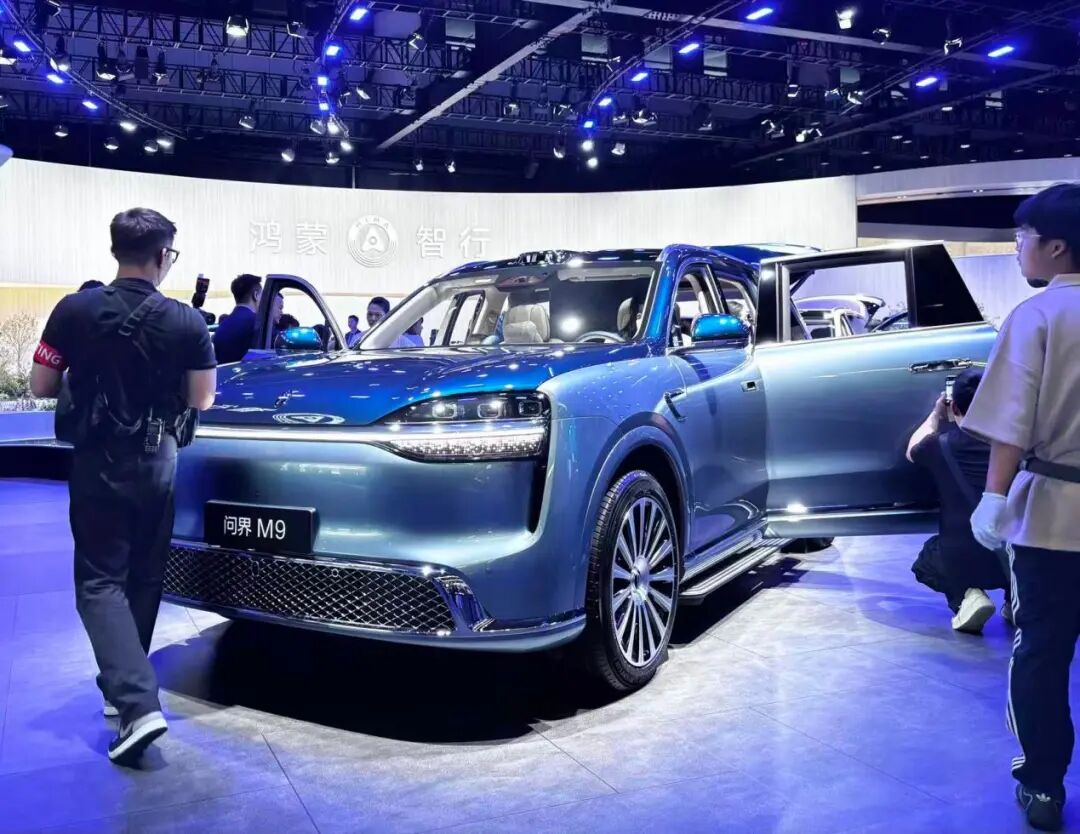
Overall, the booths of Chinese domestic brands were generally bustling. Many automakers gradually shed hype and restlessness, returning to the essence of products and technologies, showcasing genuine strengths in the red broth hotpot, with intensifying competition and bolder flavors. Some accelerated overseas expansion, others focused on spacious family vehicles, some targeted luxury flagships, and others excelled in intelligent cockpits, all striving to resist the current domestic auto market downturn and drive market recovery.
White Broth Hotpot: Joint Venture Brands Simmering with Activity
Unlike the 'scorching heat' of Chinese domestic brands, some mainstream joint venture and traditional luxury brands were absent from this auto show. However, participating joint venture and luxury brands, though not in the spotlight and lacking the heat of Chinese domestic brands like BYD, Chery, Xiaomi, and HIMA, still maintained steady foot traffic at their booths. These automakers, akin to a mild white broth, emphasize mellow and steady approaches, avoiding intense parameter competition like the red broth, favoring balanced and pragmatic strategies while quietly adapting to consumer preferences. Joint venture automakers like SAIC Volkswagen and Beijing Hyundai signaled their adaptability at this show.
At this auto show, SAIC Volkswagen debuted its complete ID. ERA family of four models for the first time, including the official launch of the ID. ERA 5S. Priced between RMB 89,900 and RMB 119,900 during the limited-time offer, it directly entered the fiercely competitive 100,000-yuan plug-in hybrid family sedan market, raising the bar for family sedans. The ID. ERA 8X and ID. ERA 5X also made their global debuts and will be launched in the fourth quarter. Combined with the previously launched ID. ERA 9X, these four models cover multiple new energy technology routes, including extended-range, plug-in hybrid, and pure electric. With mature German engineering, stable quality control, balanced driving experience, advanced technologies like urban NOA (Navigate on Autopilot), and ultra-long range capabilities, SAIC Volkswagen has embarked on a steady new path in the smart electrification era.
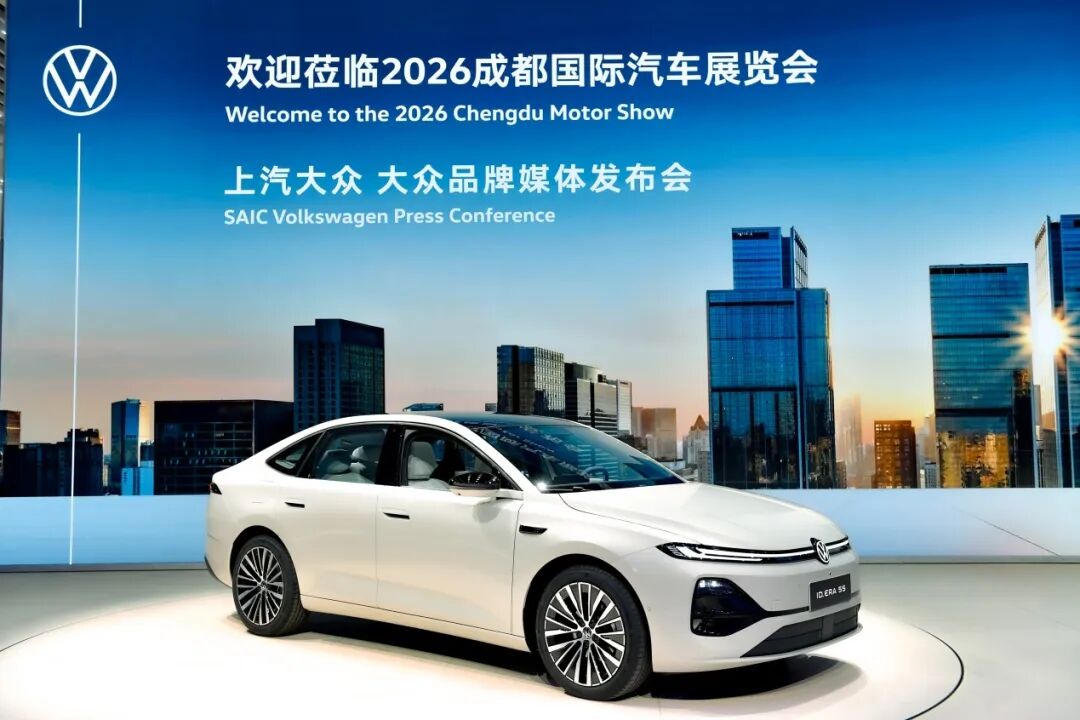
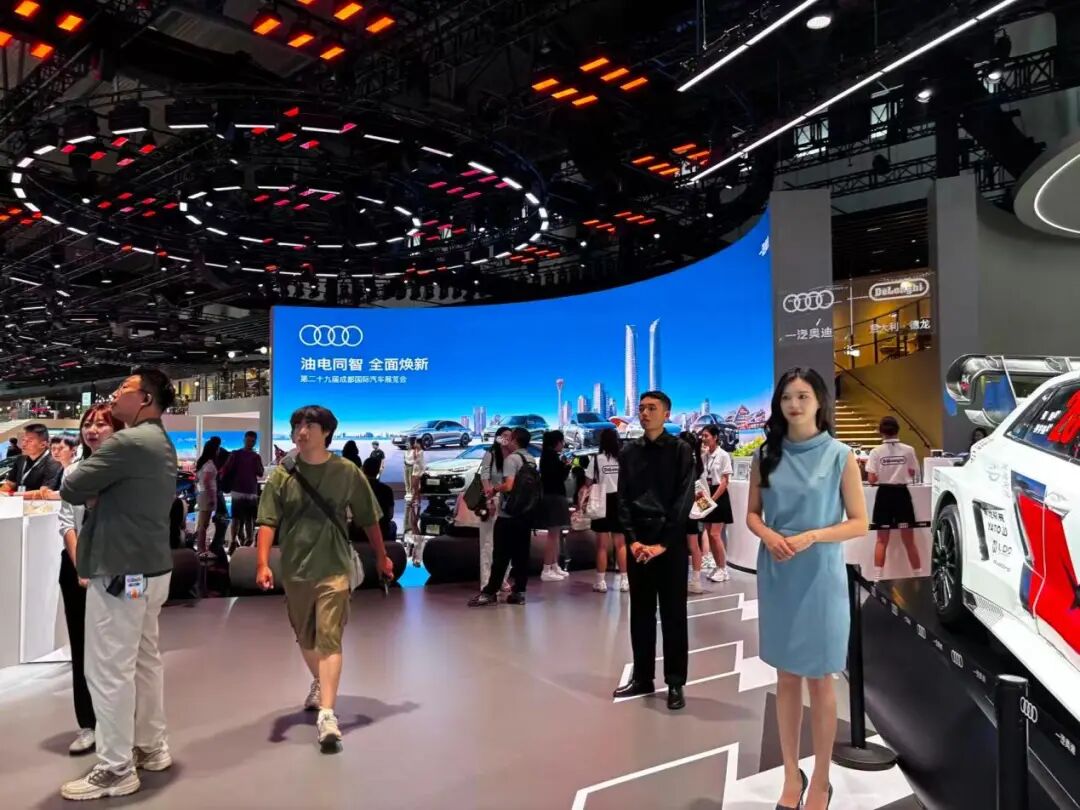
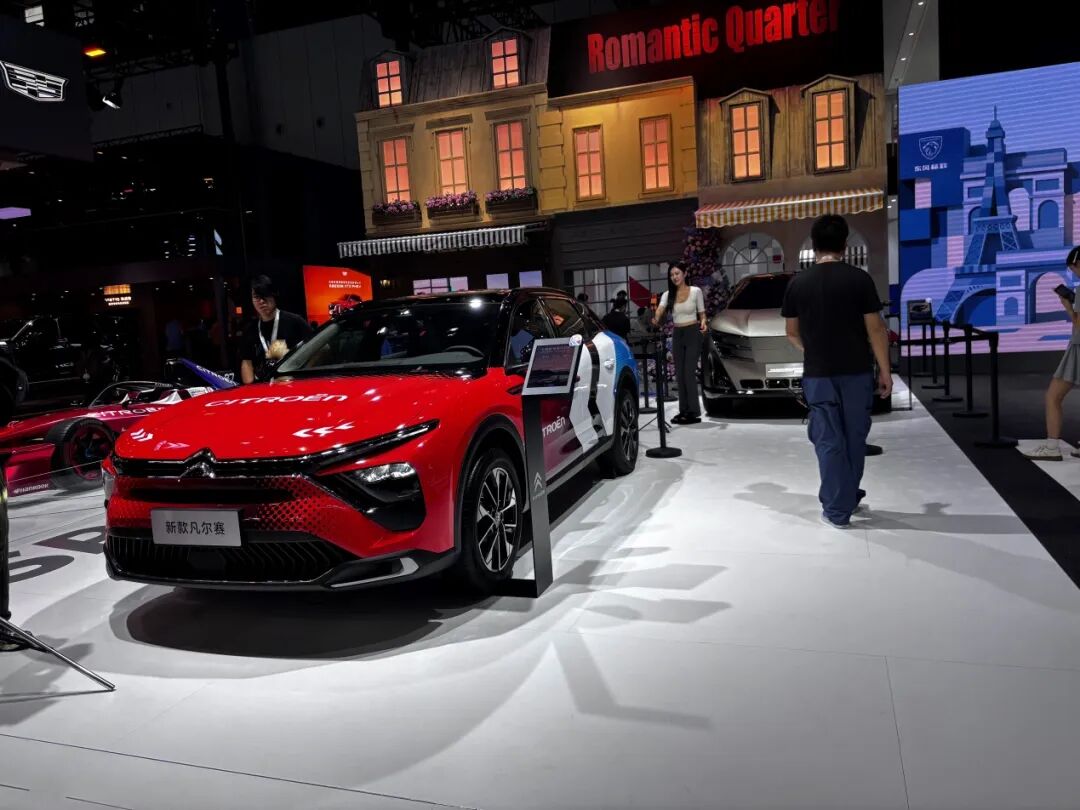
In fact, the “white broth hotpot” of the auto market is far from bland. Joint venture brands and traditional luxury car brands have quietly begun to add new “seasonings” according to the tastes of local consumers. Consumer preferences are becoming more diverse and continuously evolving. The technology and experience accumulated by multinational brands over the years still cannot be underestimated. For example, despite years of sluggish performance, Dongfeng Citroën and Dongfeng Peugeot, under the banner of the once-struggling Dongfeng Peugeot Citroën Automobile (DPCA), still secured a spot in Hall 14 at this auto show, showcasing the differentiated competitiveness of French brands through a luxurious lineup of mass-produced models, concept cars, and racing vehicles. The highly anticipated Jeep brand, although not yet present with physical vehicles at this auto show, might one day return to the Chengdu International Auto Show, following the recent official announcement by DPCA that it will produce two Jeep new energy vehicle models in the future.
The auto market is changing, consumer tastes are evolving, and the protagonists of auto shows are always shifting.
Commentary
One red, one white; one intense, one stable. This auto market landscape, reminiscent of a 'dual-flavored hotpot,' is evident at the Chengdu International Auto Show. Domestic brands compete on breakthroughs, popularity, and ultimate cost-effectiveness, while joint ventures vie on texture, stability, and long-term reputation. However, these two camps are not absolutely separated; they also mutually infiltrate and learn from each other's strengths, jointly driving progress in the automotive industry and contributing to the recovery of the auto market.
(This article is original to
-
![]()
Registered Capital Slashed to 372 Million Yuan! Yutong Optical Finalizes Industrial and Commercial Change Registration
-
![]()
Zhuque-3 Successfully Lands, and 'Time Traveler' Secures Another ¥100 Million in Funding: China's Commercial Space Industry Experiences a 'Dynamic August'
-
![]()
Autohome Faces a Shrinking Window of Opportunity
-
![]()
Even a Titan Like Musk Has Faced Setbacks in Fulfilling Promises
-
![]()
AI Office: The End of the Racing Era, Context Becomes the Key to Success
-
![]()
Domestic Vehicle Chassis Revolution ②: The Steering Wheel Remains, But Mechanical Connections in the Steering System Are Decreasing
-
![]()
Exploring MiniMax Design: Can Video Editing Be as Simple as Speaking?
-
![]()
Why Can SenseTime Achieve Profitability While CloudWalk Still Faces Challenges, Despite Both Adopting Large Models?