[In-depth Report] From 'Being Seen' to 'Being Remembered': The Next Big Battle for Chinese Automotive Design
 08/26 2026
 420
420
As technological gaps gradually narrow, design is becoming the primary battleground for brand differentiation. For the Chinese automotive industry to transition from a 'manufacturing powerhouse' to a 'brand powerhouse,' it must establish its own aesthetic system and cultural discourse power, transforming design soft power into hard power that supports high-quality industrial development.
The technological revolution, represented by electrification and intelligence, is accelerating its impact on the automotive industry. The competitiveness of a vehicle can no longer be defined by a single configuration, parameter, or powertrain form alone. Automobiles are evolving from mere transportation tools into mobile spaces, intelligent terminals, and components of lifestyles. Design is shifting from a 'styling task' at the end of product development to a strategic front that connects technology, brand, culture, and users.
This means that the core challenge for Chinese automotive design is no longer just 'whether we can design a good-looking car,' but whether we can establish a brand expression with long-term vitality, translate Chinese culture into a product language that global users can understand, escape homogenization amid rapid iteration and fierce competition, and ultimately enable the world to recognize a Chinese car even with its logo covered.
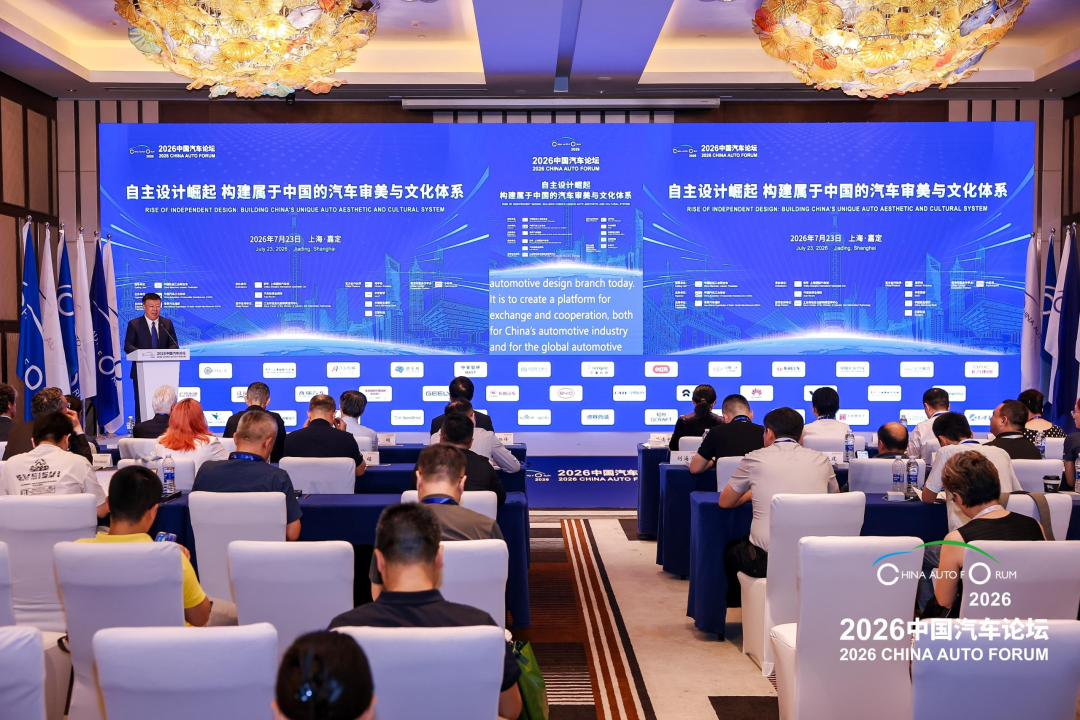
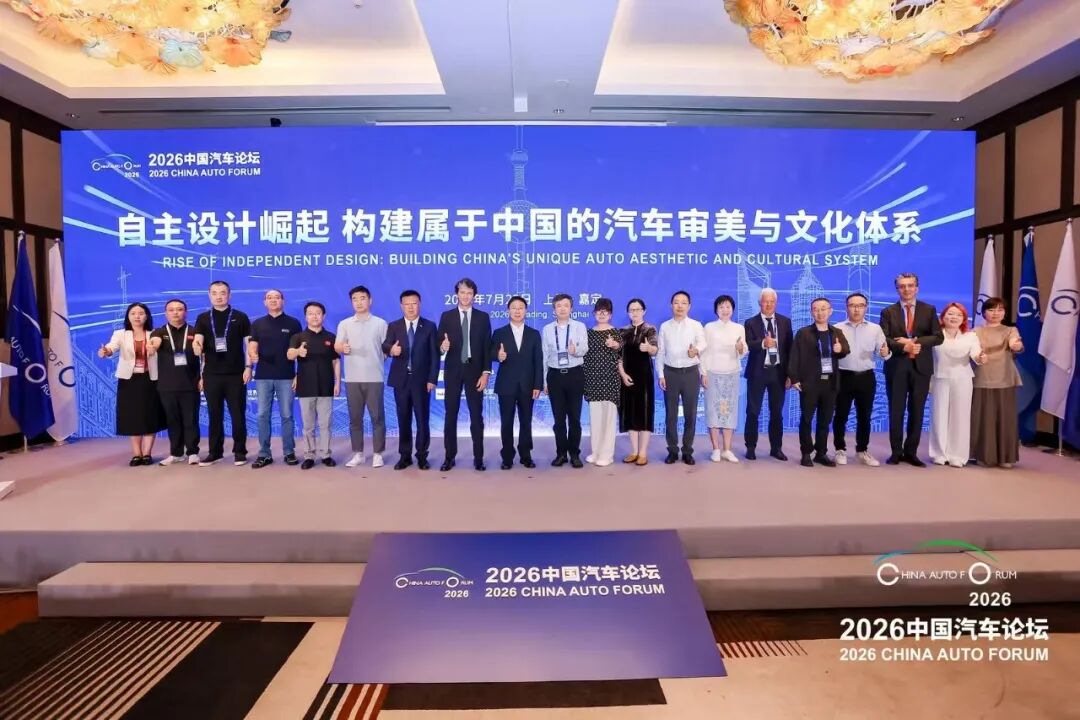
On July 23, 2026, at the 2026 China Auto Forum's thematic forum on 'The Rise of Independent Design: Building a Chinese Automotive Aesthetic and Cultural System,' held in Jiading, Shanghai, guests from industry associations, OEMs, design firms, universities, and the international design community engaged in in-depth discussions on this topic. The forum was moderated by Chen Xu, Deputy Secretary-General of the China Association of Automobile Manufacturers (CAAM), who also announced the establishment of the CAAM Automotive Design Branch during the event.
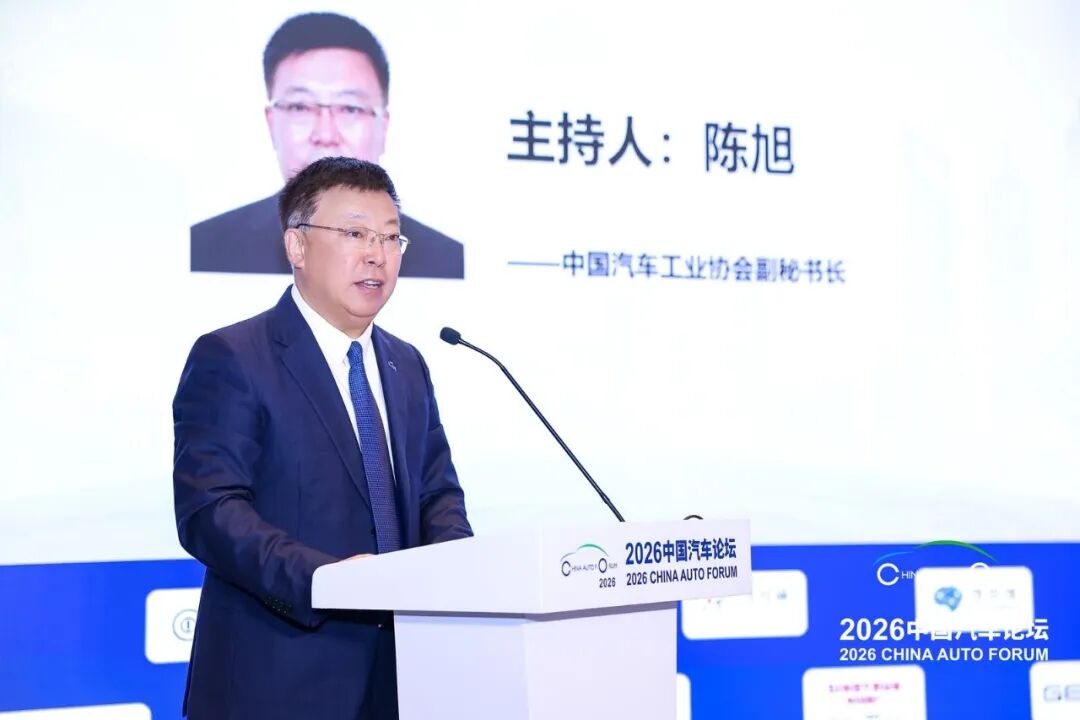
Chen Xu, Deputy Secretary-General of the China Association of Automobile Manufacturers (Moderator)
Shift in Dynamics: Competition Focus Moves from Hard Power to Soft Power
'If electrification and intelligence represent the industry's technological hard power, then automotive design embodies the soft power of brand and culture,' said Fu Bingfeng, Vice President and Secretary-General of the CAAM, at the forum. He emphasized that automobiles must not only be smarter, more efficient, and technologically advanced but also more aesthetically pleasing, warmer, and culturally rich, delivering emotional value.
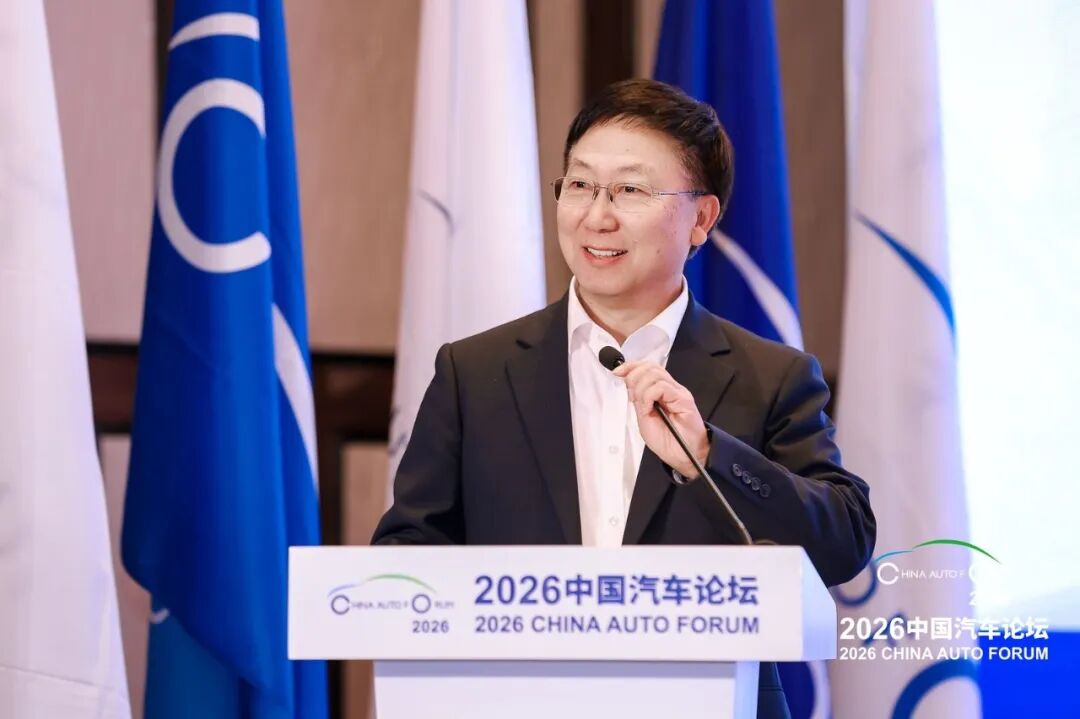
Fu Bingfeng, Vice President and Secretary-General of the China Association of Automobile Manufacturers
The first half of this statement has been proven by the Chinese automotive industry, which has secured the top spot in production and sales for 17 consecutive years. The latter half, focusing on beauty, warmth, and emotional value, is the answer Chinese design is currently crafting. This is not merely an emphasis on 'appearance' but an insight into the changing logic of industrial competition.
As the world's largest and most dynamic automotive market, China has over 371 million motor vehicles and more than 500 million drivers. One in every three new vehicles globally is produced in China. This vast market size brings diverse demands and provides high-density feedback and ample experimental space for automotive design.
Goffredo Baduini, Manager of GFG Style, compared the Chinese automotive industry in 2000 to today: In 2000, China sold approximately 2 million vehicles; by 2025, this figure exceeded 34.5 million. More significant than numerical growth is the reversal of the industry's reference frame—in the early 21st century, China looked to Europe for guidance; today, Europe is paying attention to China, with Chinese companies becoming objects of study in some areas.
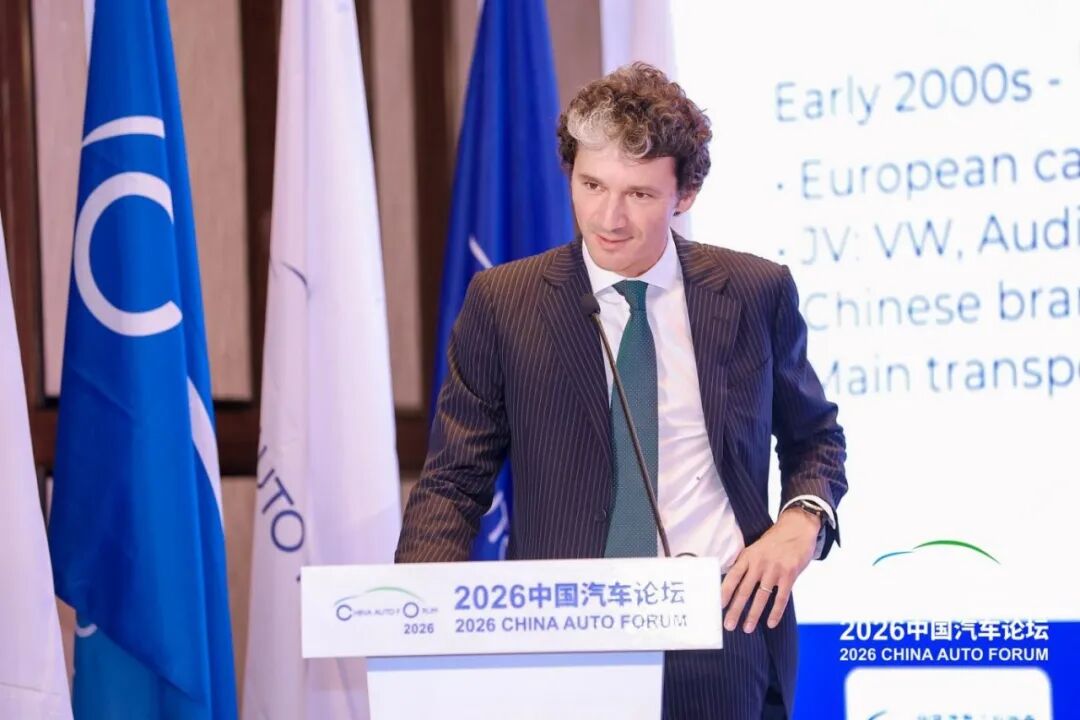
Goffredo Baduini, Manager of GFG Style
What truly shocks Goffredo Baduini is not the numbers themselves but the shift in industrial discourse power: Chinese companies no longer primarily benchmark against European automakers but instead measure themselves against other Chinese firms. Chinese cars have developed clear advantages in lighting design, lounge cabins, electric vehicle proportions, and rapid development, with technological DNA directly influencing styling functionality.
Fu Bingfeng pointed out that global automotive design centers are converging in China. Multinational automakers are establishing cutting-edge design centers in China, attracting large numbers of international design talents to Chinese enterprises. China is gradually becoming the global hub for automotive styling design and innovation. Many leading design centers have chosen to set up in Shanghai, with numerous renowned overseas designers joining domestic automakers and art and design universities continuously supplying styling talent.
Data provided by Guan Qingping, Member of the Communist Party Committee and Deputy General Manager of Shanghai International Automobile City (Group) Co., Ltd., supports this trend: Shanghai's Smart Mobility Design Valley has gathered over 180 design and R&D institutions, including SAIC Motor's Innovation Research and Development Institute, Future Design Center, Volvo, and Pininfarina. The valley's Innovation Center opened last year, with more than ten signed enterprises covering automotive design, CMF innovation, and intelligent connected vehicle support.
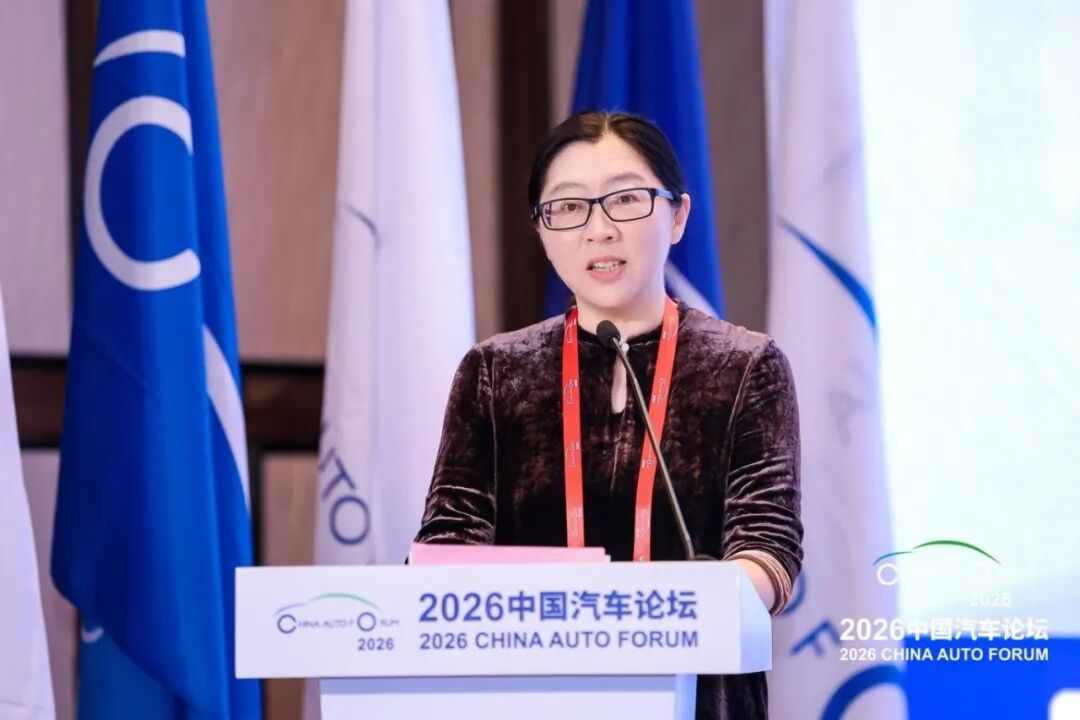
Guan Qingping, Member of the Communist Party Committee and Deputy General Manager of Shanghai International Automobile City (Group) Co., Ltd.
Guan Qingping stated that, standing at a new starting point for industrial transformation, Shanghai International Automobile City will continue to focus on three areas: first, improving carrier functions by relying on the 'Three Ports, Two Parks, One Valley' industrial matrix, with the Smart Mobility Design Valley as the core, to provide full-chain services from creative incubation to market alignment; second, optimizing the innovation ecosystem by leveraging the concentration of design institutions to build cross-sector resource alignment platforms and foster an open and collaborative industrial atmosphere; third, deepening industry-research integration by strengthening cooperation with universities nationwide to precisely match design theory with industrial needs and accelerate the implementation of innovative outcomes.
Chinese automotive design must shift from isolated breakthroughs to systemic capabilities. It cannot rely solely on a single star designer, a blockbuster model, or a short-lived trend but requires enterprises, design firms, universities, and industrial platforms to jointly build long-term innovative infrastructure.
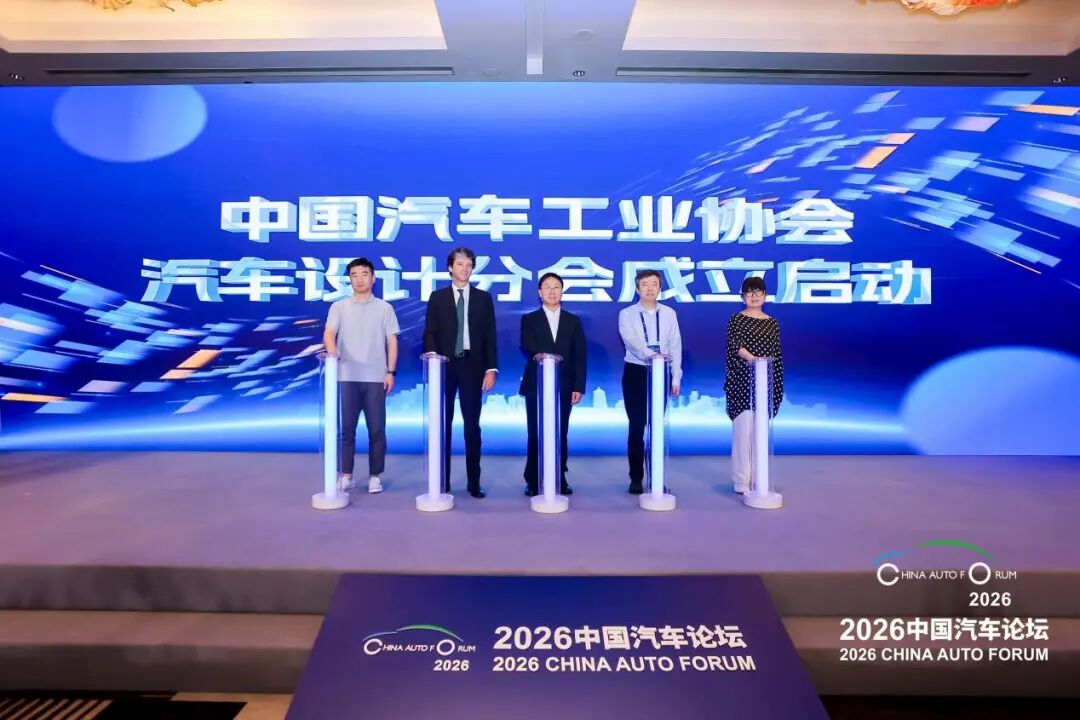
At this forum, the CAAM Automotive Design Branch was officially inaugurated, aiming to unite global OEMs, design institutions, and art and design universities to advance the automotive design field and establish an open, inclusive, and professional international exchange platform. In its future work, the branch will focus on flourishing the automotive cultural ecosystem, promoting not only automotive design progress but also emphasizing the dissemination of design philosophies, deepening design education, and highlighting design value, making automotive design a cultural domain that connects industry and the public, blending rationality and sensibility.
Cultural Reflection: What Defines Chinese Aesthetics and Chinese 'Automobile Essence'
Currently, Chinese automobiles are under global scrutiny, but how can the world recognize a Chinese car at a glance when its logo is covered?
Behind this profound question lies the core proposition of China's autonomous automotive design: How to construct a Chinese automotive aesthetic and cultural system? What should 'Chinese design' look like? The answer to this question determines whether Chinese automotive brands can truly achieve 'recognition' and 'remembrance' after being 'seen.'
According to Roberto Fedeli, Founder of RF Company & Senior Advisor to Italy's DR Automobile Group, during his time at Ferrari, a new model could only qualify for industrialization if it remained recognizable as a Ferrari even after all Prancing Horse emblems were removed from the exterior and interior. Conversely, if identification relied solely on emblems, the design was considered inadequate.
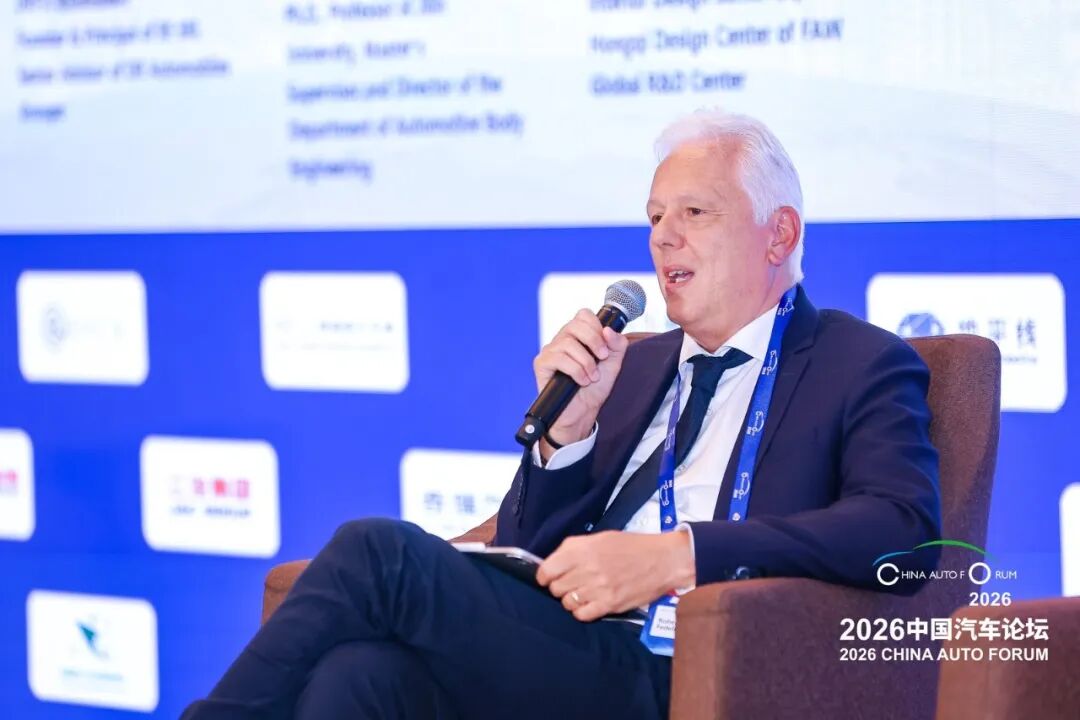
Roberto Fedeli, Founder of RF Company & Senior Advisor to Italy's DR Automobile Group
Taking German vehicles as an example, Li Yanlong, a doctoral supervisor at Tongji University's School of Automotive Studies, asked during his speech: 'Do German brands like BBA and Porsche display any overt German symbols on their models? They do not.' He argued that what represents German cars is an abstract quality, such as technical precision and performance excellence, rather than superficial visual symbols.

Li Yanlong, Doctoral Supervisor at Tongji University's School of Automotive Studies
He categorized cultural design into multiple layers: the surface layer is visual symbols, the middle layer is functional behavior, the deep layer is values, and the underlying layer is cultural spirit. Using the Chinese perspective of viewing cars as 'mobile homes,' Li Yanlong suggested that users' placement of decorations, dolls, and emphasis on in-car refrigerators, TVs, and sofas should not be dismissed as 'lack of automotive knowledge' but rather reflect local users' genuine understanding of automotive space. A car is people's 'second layer of clothing,' carrying social image, taste, and values.
Li Yanlong stated that Chinese culture in automotive design could manifest as a deep understanding of family relationships, spatial experiences, emotional expression, and social psychology, rather than merely replicating traditional patterns. He noted that Chinese automotive design sometimes overemphasizes traditional labels and grand narratives, occasionally going to extremes to showcase culture. Truly effective cultural design does not make products resemble mobile traditional artifacts but understands Chinese lifestyles, emotional structures, and values. He recommended that Chinese automotive design should promote the modern interpretation of traditions, the humanization of technology, and the globalization of local elements, seeking the greatest common divisor of global aesthetics.
How should genuine Chinese character and aesthetics be established? How can design and culture mutually empower each other? Chinese automakers have conducted multiple explorations in practical automotive design.
Wu Xiaochuan, Senior Interior Design Expert at the Hongqi Styling Center of the FAW Research and Development Institute, revealed during a roundtable discussion that, starting with the H9 project, the Hongqi team's core approach has been to organically integrate Chinese traditional culture with contemporary lifestyles and forward-looking technologies under the guidance of Eastern aesthetics, forming a complete vehicle design system. The H9's front fascia design draws proportional relationships from ancient Chinese architecture—the use of comprehensive proportions in structures like the Temple of Heaven and Earth, combining squares and circles with balance, differs from Western golden ratio forms. According to Wu, the design team visits the Dunhuang Caves annually to study spatial arrangements, patterns, and sculptures, 'continuously reflecting on how to translate these insights through a design perspective afterward.' Wu emphasized that automotive design is not pure artistic creation; the greatest challenge always lies in balancing aesthetic expression with engineering feasibility. Whether it's the 'State Gift' circular headlights interpreting the layered sense of ancient architectural caissons or the texture shaping of landscape speakers, each element undergoes multiple rounds of data refinement and physical verification.

Wu Xiaochuan, Senior Interior Design Expert at the Hongqi Styling Center of the FAW Research and Development Institute
Li Xinyuan, Senior CMF Design Expert at Dongfeng Shanghai Design Center, introduced that Dongfeng Motor has formed a design philosophy system called 'Oriental Charm, Universal Harmony.' Li summarized its core with four keywords: 'Concealed Strength' derived from Eastern wisdom, 'Potential Energy' ready to unleash, 'Moderation' emphasizing propriety and restraint, 'Authenticity' pursuing genuine experiences, and 'Long-Termism' achieving far-reaching impact.
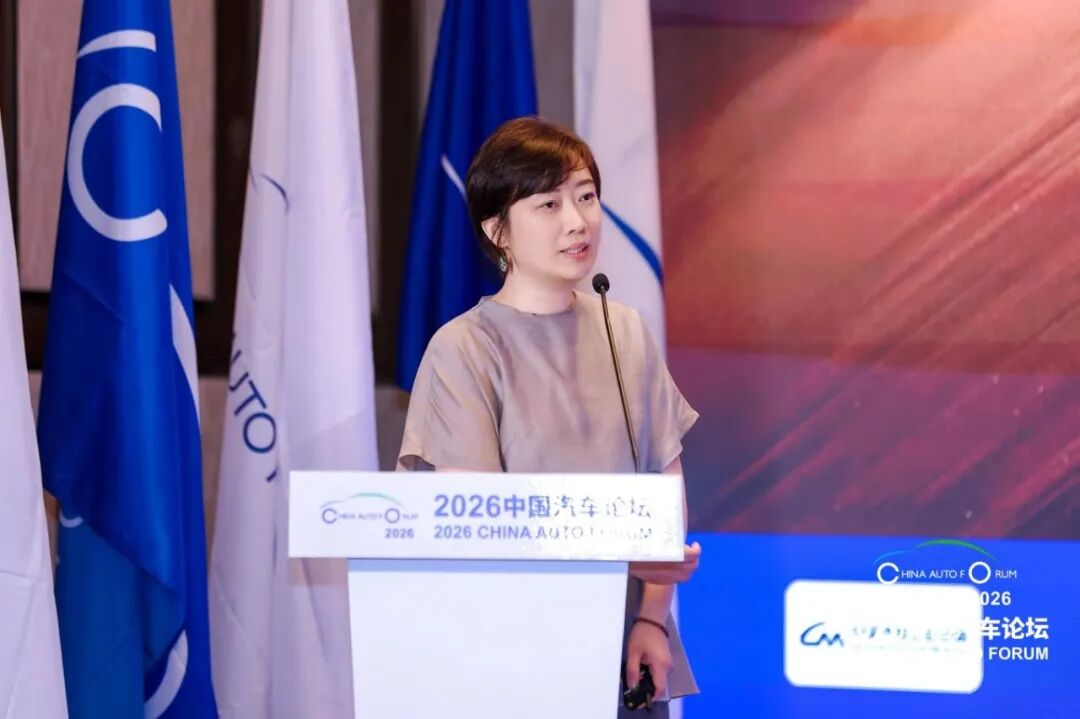
Li Xinyuan, Senior CMF Design Expert at Dongfeng Shanghai Design Center
Ding Wei, Forward-Looking Strategy Manager at Changan Global Design Center, proposed a design methodology called 'Resonance of Sensibility and Rationality.' Changan positions design as a strategic tool to connect consumers and cultivate emotions, shoulder ing the mission of enhancing brand recognition and driving industrial upgrading. In Ding's view, design essentially integrates brand, technology, and users, with the core being to convey cutting-edge technologies to users in a perceptible and empathetic manner. 'Rationality' involves integrating touchpoints across the ecosystem, such as in-vehicle systems, smartphones, and dealerships, to achieve consistency in design language and experience, constructing a concrete brand perception for users. 'Sensibility,' meanwhile, involves imbuing products with emotional warmth through design, fostering spiritual resonance with users.
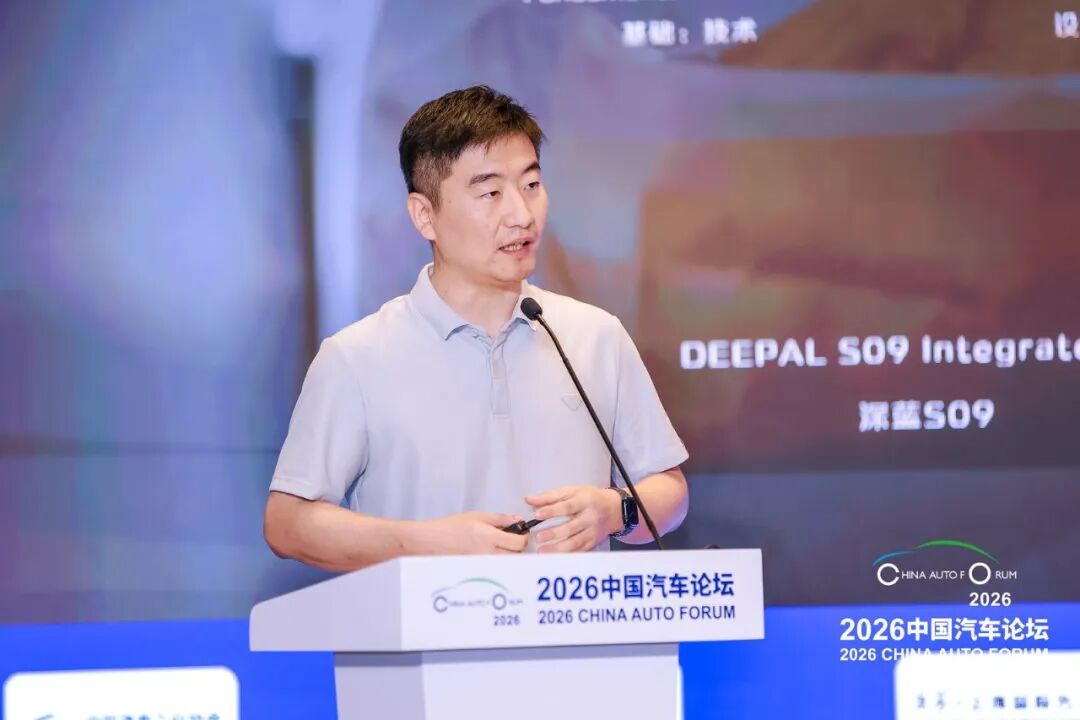
Ding Wei, Forward-Looking Strategy Manager at Changan Global Design Center
This methodology has been implemented across Changan Automobile's multi-brand matrix. Facing a global design layout, Changan has established a relatively mature and complete design strategy system, ensuring that teams worldwide can precisely understand Chinese user needs while maintaining a global perspective, transforming rational demands into product expressions that highly fuse sensibility and rationality through multidimensional design languages.
The guests unanimously agreed that the ultimate expression of cultural confidence is not about plastering Chinese symbols all over a vehicle, but about seamlessly blending the temperament of Eastern aesthetics with contemporary design language—so that when users see a car, they perceive a 'Chinese temperament' rather than just 'Chinese elements.'
Breaking the Mold: How to Address Homogenization Challenges in the 'Fast' Era
The 'Chinese Speed' of automotive industry development brings significant advantages while also posing new challenges to the sector.
As platforms, hardware, and technologies gradually become universal capabilities, brands can no longer rely on logos and specifications to create differentiation. Proportions, stance, lighting, materials, interaction, tactile feel, and even driving experience collectively shape a brand's temperament. Design is no longer just 'packaging'; it is a crucial step in making trade-offs, establishing consistency, and determining brand direction during the product definition phase.
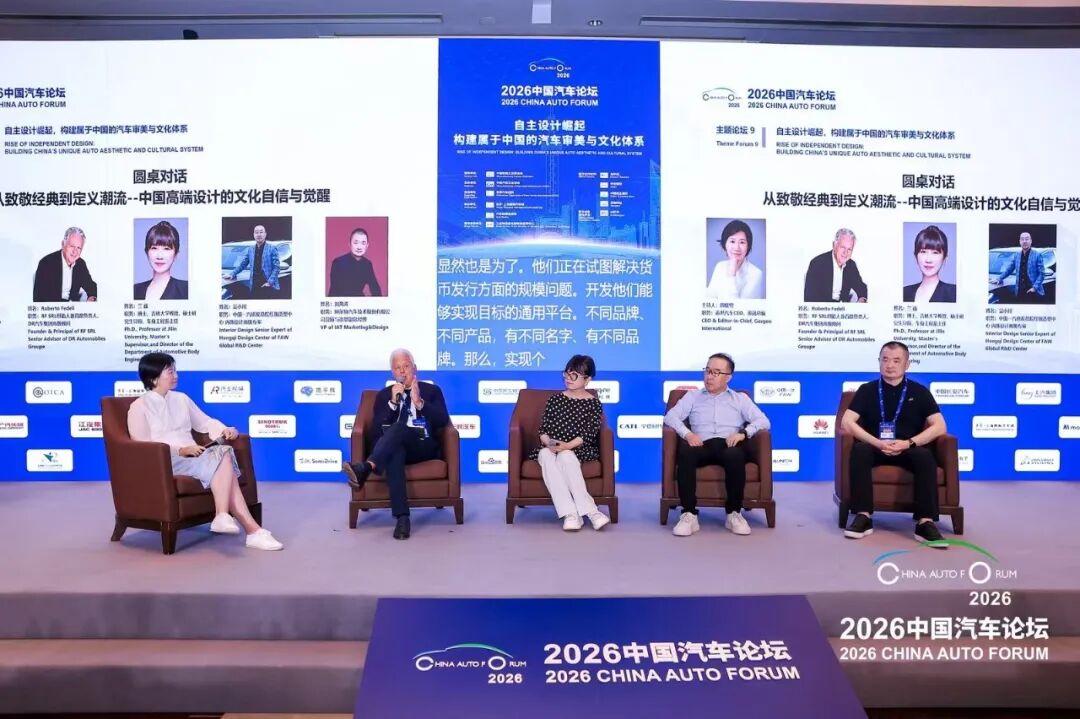
Zhou Xiaoying, moderator of the roundtable dialogue, CEO of Gasgoo, and Editor-in-Chief, identified vehicle homogenization as one of the most prominent issues facing the industry today. Fu Bingfeng also admitted, 'The issue of design homogenization still persists in the industry.' From a dialectical perspective, he analyzed, 'Aesthetic convergence is natural in the process of era development; the pursuit of beauty in a specific era inherently shares commonalities.' However, the key lies in the fact that 'the long-term development of each brand requires cultivating a unique personality.'

Zhou Xiaoying, CEO and Editor-in-Chief of Gasgoo (Roundtable Moderator)
Li Xinyuan offered another perspective from the CMF (Color, Material, Finish) angle: In the past, it typically took three to five years for a trending color to transition from fashion to the automotive industry. In the era of social media, the turnover of trending colors has accelerated, and the automotive industry starts to act during the nascent stages of color trends. However, when chasing trends becomes an industry consensus, design instead converges in an accelerated cycle. 'Design that blindly pursues trends is sliding into a homogenization trap; only design rooted in a brand's heritage can resist aesthetic fatigue and endure over time.'
'Design is not a process of quantitative to qualitative change,' said Liu Haitao, Deputy General Manager of Marketing/Styling at IAT Automotive Technology Co., Ltd. He noted that this year's Beijing Auto Show featured over 1,400 models, with a massive number of products launched simultaneously—not necessarily good news for design firms. High-quality products require time to mature, encompassing a mature platform, reliable performance, cost control, and meticulous attention to detail. If insufficient time is allocated to each vehicle, quality control and design details may 'fall short.'
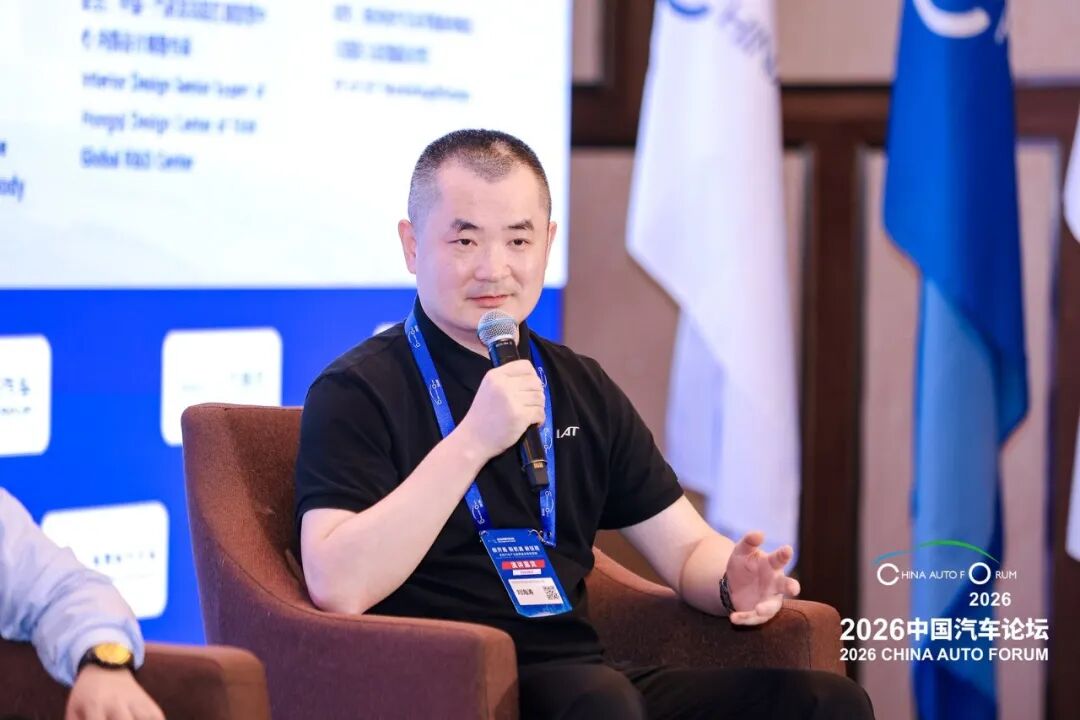
Liu Haitao, Deputy General Manager of Marketing/Styling, IAT Automotive Technology Co., Ltd.
The rapid application of AI is further complicating this contradiction. According to Liu, IAT has independently developed and deployed its proprietary AI system. Previously, producing a high-quality rendering took a full day; now, with AI assistance, it can be generated in just over ten seconds. AI can liberate designers from repetitive tasks, allowing them to devote more time to brand tonality, user needs, and original thinking. However, AI primarily relies on existing knowledge and historical data for induction and cannot truly define the future. The higher the efficiency of tools, the more critical the designer's creativity, judgment, and ability to master those tools become.
The new landscape and challenges also impose higher demands on future talent development. Ultimately, design competition remains a talent competition. Lan Wei, Director of the Vehicle Body Engineering Department at Jilin University, stated that automotive design education must incorporate new knowledge such as artificial intelligence and big data while continuing to strengthen aesthetic and artistic cultivation. Jilin University's Formula Racing Team requires students to design a complete vehicle starting from individual components, enabling them to gain professional skills and an international perspective through practice. Faced with rapid industry changes, theoretical instruction alone is no longer sufficient for universities; companies need to participate more deeply in talent development through joint industry-education bases, collaborative curriculum design, and shared mentorship teams.

Lan Wei, Director of the Vehicle Body Engineering Department, Jilin University
History can only be created by time, and brands need to maintain consistency year after year. Roberto Fedeli advised that new brands, in particular, should not anxiety (anxiety) over lacking a long history but must avoid frequently changing their design direction, core essence, and target demographic.
AI can shorten timelines but cannot generate a brand's soul; speed can reduce development cycles but cannot compress the time needed for cultural formation. This is the clarity Chinese automotive design must maintain in the fast-paced era.
The Trend of Integration: Sailing Abroad, Co-creating Value with the World
Looking ahead, Chinese automotive design is destined to occupy a more important position in the global industry, using design as a bridge to convey China's aesthetic philosophy and cultural values to the world.
As the leader of China's first 'National-Level Industrial Design Center' in the automotive design sector, Wang Xun, Chairman of Shanghai Longchuang Automotive Design Co., Ltd., suggested that Chinese automotive expansion abroad should not be limited to exporting independently branded complete vehicles but should promote the joint globalization of R&D technology, a complete supply chain, and full-chain services, aligning the development of China's automotive industry with the long-term interests of local industries in various countries. Only by shifting from 'selling products' to 'building shared capabilities' can Chinese automotive globalization become more sustainable.
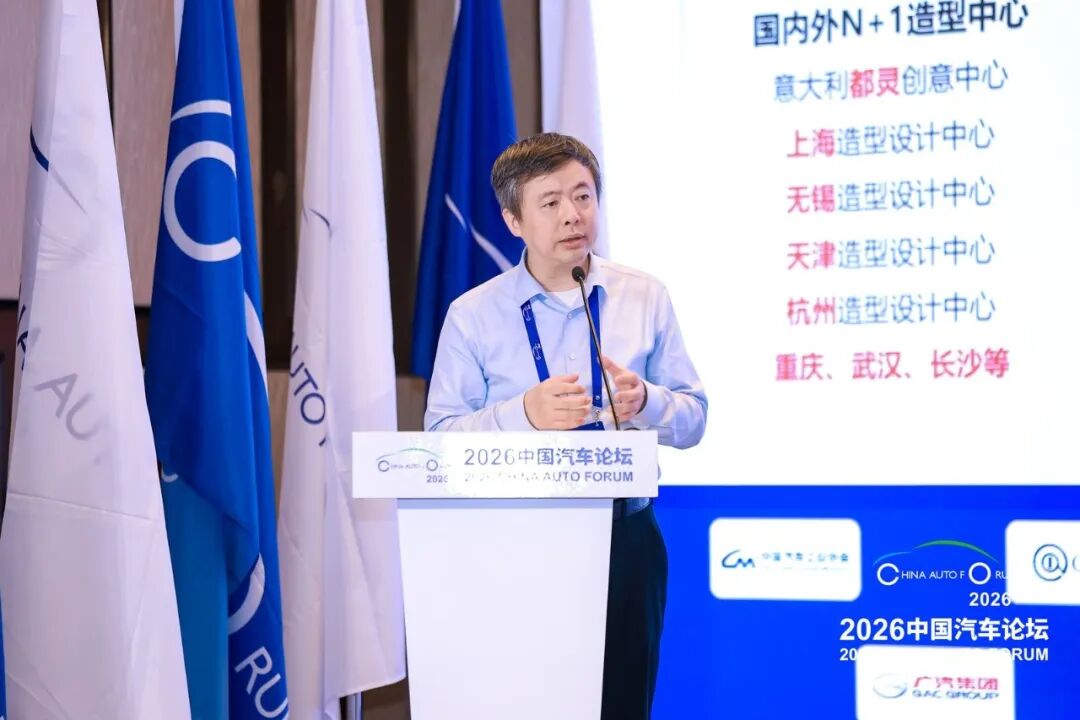
Wang Xun, Chairman of Shanghai Longchuang Automotive Design Co., Ltd.
How should Chinese automotive design better go global and integrate into the world?
From the perspective of brand building, Roberto Fedeli offered insights for Chinese brands' globalization: While vehicle technology platforms can be universally reused, brand imagery and design must adapt to local contexts. Companies are unlikely to need significant changes to core structures like the body-in-white; instead, they can achieve cost-effective regional customization by differentiating exterior details, chassis tuning, powertrain calibration, and other dimensions according to the target market's culture and user preferences. He also recommended that Chinese companies establish technical and design centers in more regions globally and promote Sino-foreign university collaborations. Young people will shape the industry's future, making cross-border educational cooperation an indispensable foundation for design globalization. Additionally, motorsports and classic car culture are important components of automotive culture; Chinese brands with historical depth can explore value in this domain, showcasing technical prowess through racing and reinforcing brand heritage through classic car operations.
This resonates with Goffredo Baduini's assessment: The future will not be a design competition between China and Europe but a fusion of two strengths and two cultures. China has become a leader in some areas, but Europe still holds value in brand building, styling proportions, design heritage, and cross-domain innovation. Both sides need to co-create through design centers, professional teams, and cross-cultural collaboration, combining technological innovation with design culture to drive mutual prosperity.
Chinese automotive design's global journey is not about simply slapping bold Chinese labels on every vehicle or replicating domestic bestsellers worldwide. True global design should possess a stable, clear brand core while understanding the aesthetics, lifestyles, and industrial interests of different markets; it should export technology while respecting local culture and express itself while growing together with local industries.
'Aesthetics are justice, and justice relies on design.'
Design is not just about making Chinese cars more beautiful; it's about ensuring they are truly remembered by the world. Chinese automotive design is forging ahead on this longer, more challenging path.
In-Depth Coverage of the 2026 China Automotive Forum:
Main Forum: New Beginnings, New Opportunities—The Automotive Industry Embarks on a New Journey Together
Technology Leaders Summit: Upholding Safety Boundaries, Exploring New Directions in Automotive Technology
Theme Forum 1: Old Maps Cannot Find New Continents—Collective Reflection and Breakthroughs for Joint-Venture Automakers in the New Era
Theme Forum 2: Anchoring ESG Benchmarks, Empowering a New Journey of Industrial Globalization
Theme Forum 3: Insurance Safeguards Chinese Automobiles' Global Voyage
Theme Forum 4: Seizing Critical Windows of Opportunity, Deepening Automotive Globalization
Theme Forum 5: Reconstructing the Talent Foundation, Securing Victory in the New Automotive Arena
Theme Forum 6: Calculating the Vehicle's 'Carbon Footprint,' Anchoring Chinese Automobiles in Global Green Passports
Theme Forum 7: Systemic Symbiosis—Foreign Capital Empowers New Paths for Chinese Automotive Globalization
Theme Forum 8: Building a Solid Quality Foundation, Leading the New Development of the New Energy Vehicle Industry
Theme Forum 10: AI Empowers the Automotive Industry, Driving Upgrades Across the Entire Industrial Value Chain
Theme Forum 12: Technical Standards Empower High-Quality Development of the Automotive Industry
Special Forum: Anchoring Standard Foundations, Accelerating the Popularization of StarFlash Digital Keys

-
![]()
Qianwen App Faces Financial Struggles Amidst Competition with Qianwen Office—Wu Jia Under Increasing Pressure
-
![]()
【Intelligentization】 No Resignation, but Entrepreneurship! Ren Shaoqing of NIO Takes on Dual Roles
-
![]()
"Ox Coming" Makes a Splash in the AI Circle! Mysterious Large Model Goes Viral, Who's Behind the Big Move?
-
![]()
Xiaopeng’s New Car is Popular, but Financial Results are Less Impressive
-
![]()
Dialogue with Lv Wenbin from Great Wall Motors: The 30,000+ Orders for Great Wall H10 is Just the Beginning!
-
![]()
Can Xiaomi Pengcheng N90 and N70 Recreate the 'Success Story' of the SU7?
-
![]()
Can Stellantis Revitalize Jeep’s Domestic Production in China via the ‘New Dongfeng Peugeot Citroen Automobile’ Initiative?
-
![]()
Xpeng's Q2 2026: Automotive Losses, Service Gains, and a Narrative Shift Toward Robotics