Can Xiaomi Pengcheng N90 and N70 Recreate the 'Success Story' of the SU7?
 08/26 2026
 522
522
Lead | Introduction
On August 21, Xiaomi unveiled the interior designs of the Pengcheng N90 Max and N70 Max at the Chengdu Auto Show. Pre-sales for these two extended-range SUVs commenced on July 30, with the spacious five-seat N70 Max priced at RMB 259,900 and the flagship seven-seat N90 Max at RMB 299,900. Both models are built on Xiaomi's proprietary Kunlun technology architecture and come equipped with LiDAR and Xiaomi HAD autonomous driving assistance as standard features. Can the Pengcheng series replicate the success story of the SU7 in the extended-range family vehicle market?
Published by | This article is produced by | Heyan Yueche Studio
Written by | Article written by | Cai Yan
Edited by | Editing by | He Zi
Full text: 1,984 characters
Reading time: 3 minutes
After the SU7 made waves in the pure electric vehicle market, Xiaomi has set its sights on the extended-range family SUV segment. The arrival of the Pengcheng N90 and N70 introduces a formidable competitor to the rearview mirrors of Li Auto and Seres. However, the extended-range market is no longer a blue ocean in 2024, with fierce competition in the RMB 250,000-300,000 price bracket. How will Pengcheng carve out its market share?
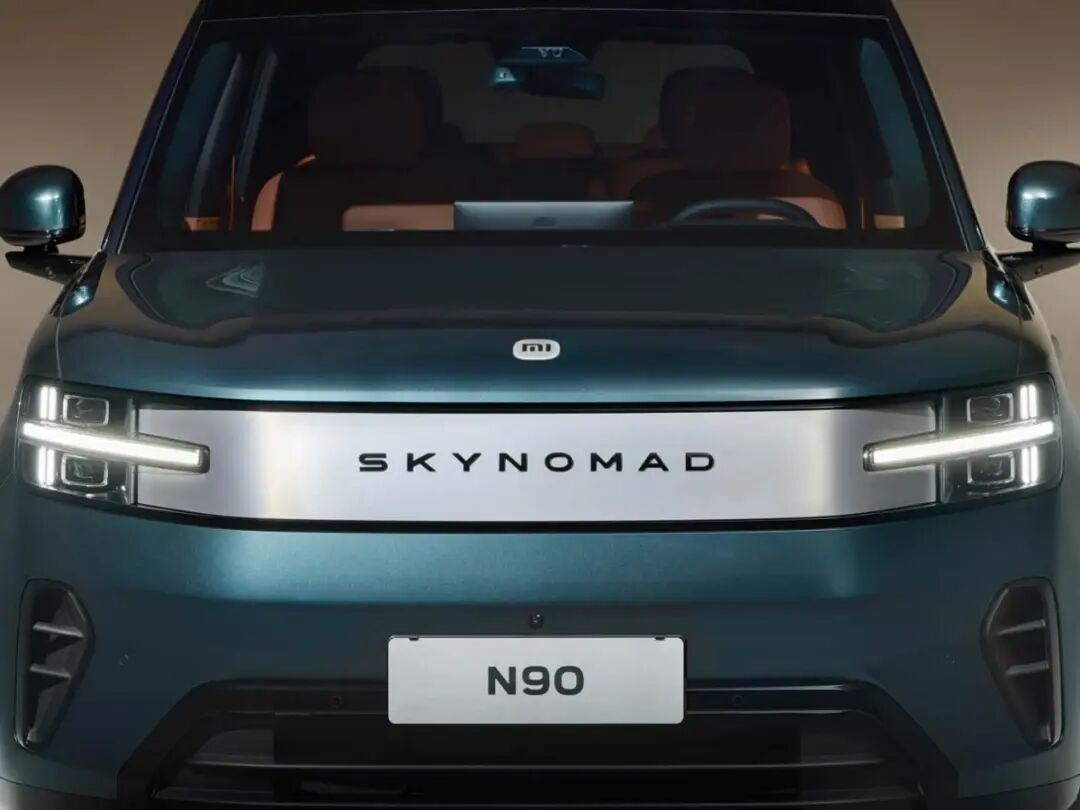
△ The Pengcheng series enters the extended-range family vehicle market
Three Key Advantages: Space, Range, and Pricing
The debut of the Pengcheng N90 and N70 at the Chengdu Auto Show was more than just a showcase of power—it represented Xiaomi's comprehensive response to family travel needs. As a new category following the SU7, Pengcheng not only aims to broaden Xiaomi's user base but also tests the company's engineering prowess in integrating complex powertrain systems. Based on the disclosed parameters and experiences, Pengcheng has indeed introduced several compelling metrics that could disrupt the existing market.
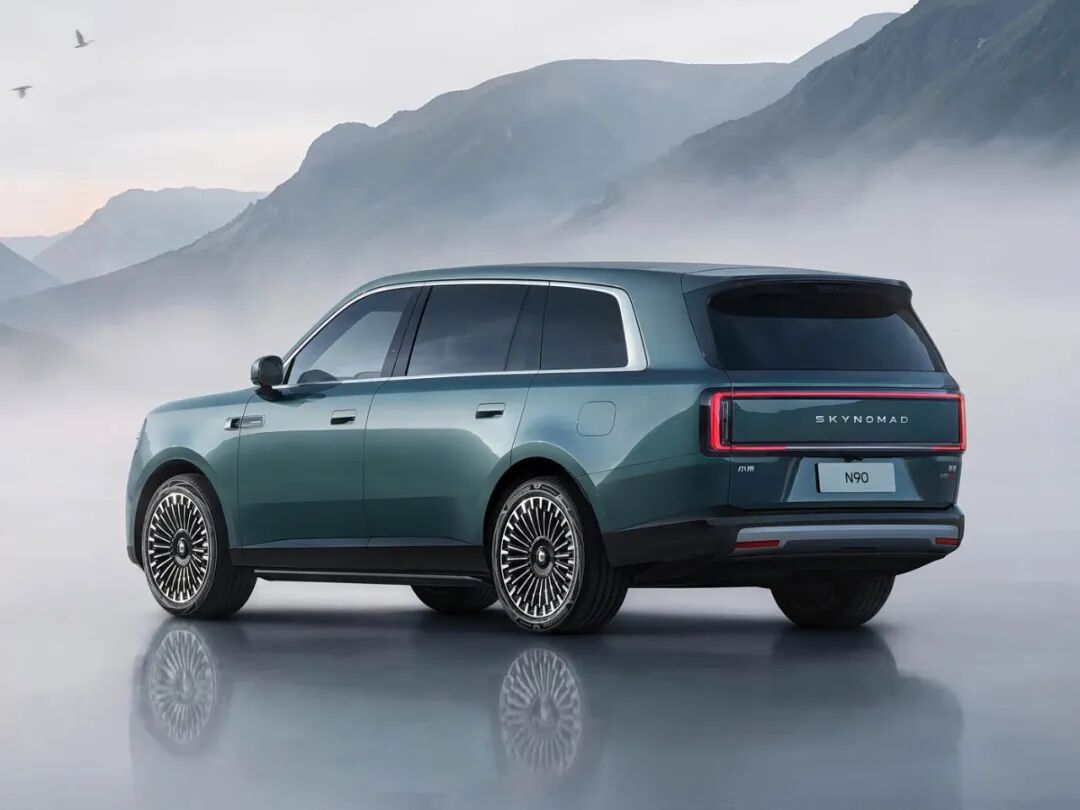
△ Pengcheng is tasked with expanding Xiaomi's user base
The flagship N90 Max measures 5,285mm in length with a 3,080mm wheelbase, featuring a 2+2+3 seven-seat layout. This size positions it precisely between the Li Auto L8 and L9, with a clear objective: to offer a space experience comparable to the L9 at a slightly lower price than the L8 (N90 pre-sale price: RMB 299,900; L8 starting price: RMB 321,800). In terms of performance, the N90 is equipped with a 1.5T four-cylinder range extender boasting a maximum thermal efficiency of 44.3%, compatible with 92-octane gasoline. Paired with a dual-motor all-wheel-drive system, it delivers a combined power output of 310kW and accelerates from 0-100km/h in 5.9 seconds. The 76kWh ternary lithium battery pack provides a CLTC pure electric range of 464km, with a combined range of 1,705km.
The Pengcheng N90 excels particularly in terms of range, especially with its pure electric range exceeding 460km, which covers most weekly urban commuting needs. The N70 Max, as a large five-seat variant, measures 4,960mm in length with a 2,950mm wheelbase. It also features the same dual-motor all-wheel-drive system, accelerating from 0-100km/h in 5.5 seconds, with a pure electric range of 505km and a combined range of 1,461km. Additionally, the N70 offers a 52kWh lithium iron phosphate battery version, achieving a minimum WLTC fuel consumption of 5.7L/100km when the battery is depleted, further lowering the entry barrier. However, Pengcheng's true differentiation lies not just in performance parameters but in spatial reconfiguration. The N90 Max is equipped with four zero-gravity seats inside, with front seats supporting 180° rotation and an independent central island that can move along a rail system extending up to 1,938mm. When the second row is fully reclined, the maximum legroom reaches 1,550mm; when both the second and third rows are fully forward, the trunk offers a maximum capacity of 1,831L, accommodating two 25-inch road bikes without disassembly.
In terms of intelligence, all Pengcheng models come standard with Xiaomi HAD autonomous driving assistance, featuring NVIDIA Thor chips with 700TOPS of computing power and Xiaomi's XLA cognitive large model. The sensor suite includes a roof-mounted LiDAR, 4D millimeter-wave radar, 11 high-definition cameras, and 12 ultrasonic radars. The N90 Max additionally features a rear solid-state LiDAR optimized for large vehicle parking scenarios. The cabin continues the SU7's HyperOS ecosystem, with a 16.1-inch 3K central display, an 8.88-inch liquid crystal instrument cluster, and a 20-inch AR-HUD as standard features. The N90 Max also includes an additional 21.4-inch rear entertainment screen. Pengcheng has made a commendable decision by fully equipping its vehicles with intelligent driving hardware upfront, avoiding 'futures'-style pre-installations. Its core competitiveness clearly lies in space, range, and pricing. The flat floor, combined with four zero-gravity seats and rotating mechanisms, creates a unique mobile living room experience; the N90 Max's 1,705km and N70 Max's 1,461km combined ranges place them in the top tier; and the pre-sale prices of RMB 259,900 and RMB 299,900 create a significant price differential compared to competing models from Li Auto and Seres, precisely targeting the decision-making core of family users.
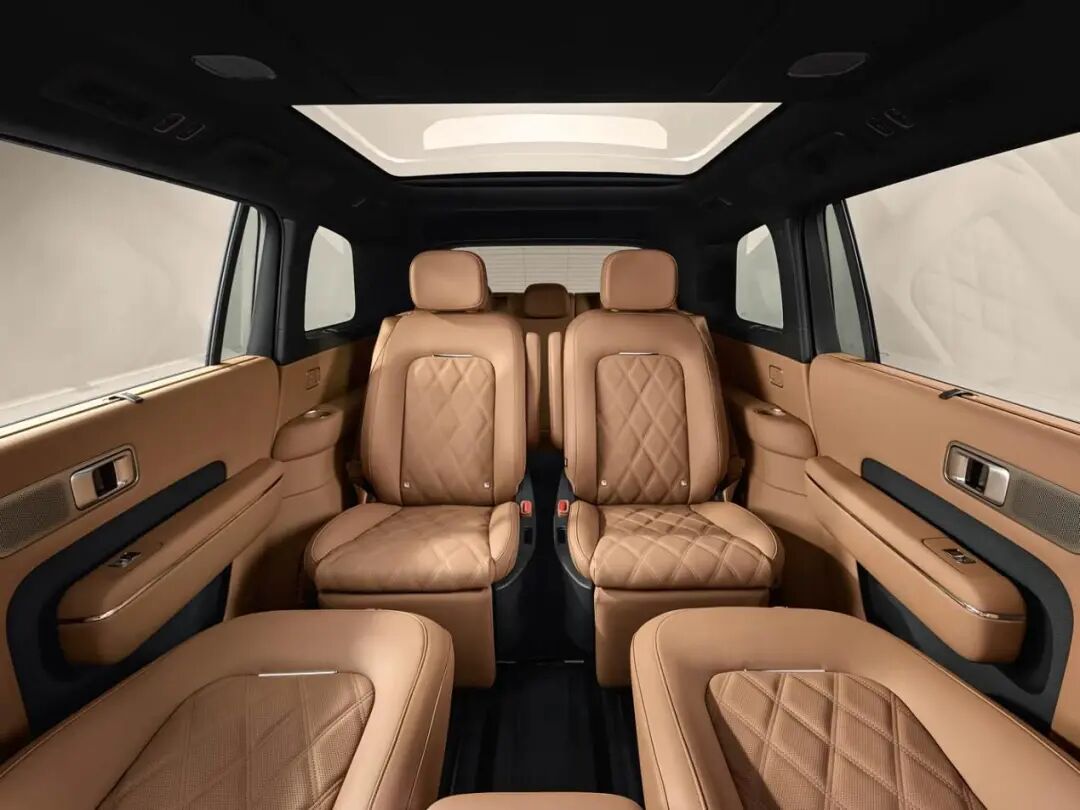
△ The Pengcheng series boasts three key advantages: space, range, and pricing
A Different Segment, Heightened Challenges in Recreating Success
While product strength determines the lower limit, the market environment sets the upper limit. The extended-range SUV segment, where Pengcheng operates, is entirely different from the pure electric sedan market where the SU7 thrived. The SU7's success was fueled by the 'expectation gap' in the RMB 200,000 pure electric sedan market in early 2024—a lack of high-value benchmark products allowed Xiaomi to break through with its three-year automotive momentum. However, Pengcheng faces a highly mature market with a largely consolidated leadership structure. In July, the Li Auto L8 sold 6,210 units, while the Seres M7 led the extended-range market with over 68,000 units sold in the first half of the year. These competitors not only boast mature product strength but also have established strong user reputation and channel barriers.
Nevertheless, Pengcheng also enjoys late-mover advantages that the SU7 lacked. First is the continuation of brand momentum—the SU7 and YU7 pure electric models have cumulatively delivered over 700,000 units, meaning Pengcheng enters the market with built-in traffic and trust. Second is channel maturity—while the SU7 launched with only about 60 stores nationwide in 2024, Pengcheng debuts with 499 sales outlets, significantly improving test drive and delivery efficiency. Third is production capacity assurance—Pengcheng is already in production at Xiaomi Automotive's Phase II facility in Beijing, with official commitments to avoid the lengthy delivery queues experienced by the SU7.
From a market impact perspective, Pengcheng's entry will directly reshape the competitive landscape of the RMB 250,000-300,000 extended-range SUV segment. The N90 Max, priced at RMB 299,900, enters the large seven-seat market dominated by the Li Auto L8, L9, and Seres M8, offering a clear price advantage; the N70 Max, priced at RMB 259,900, competes directly with the Li Auto L6 and Seres M7.
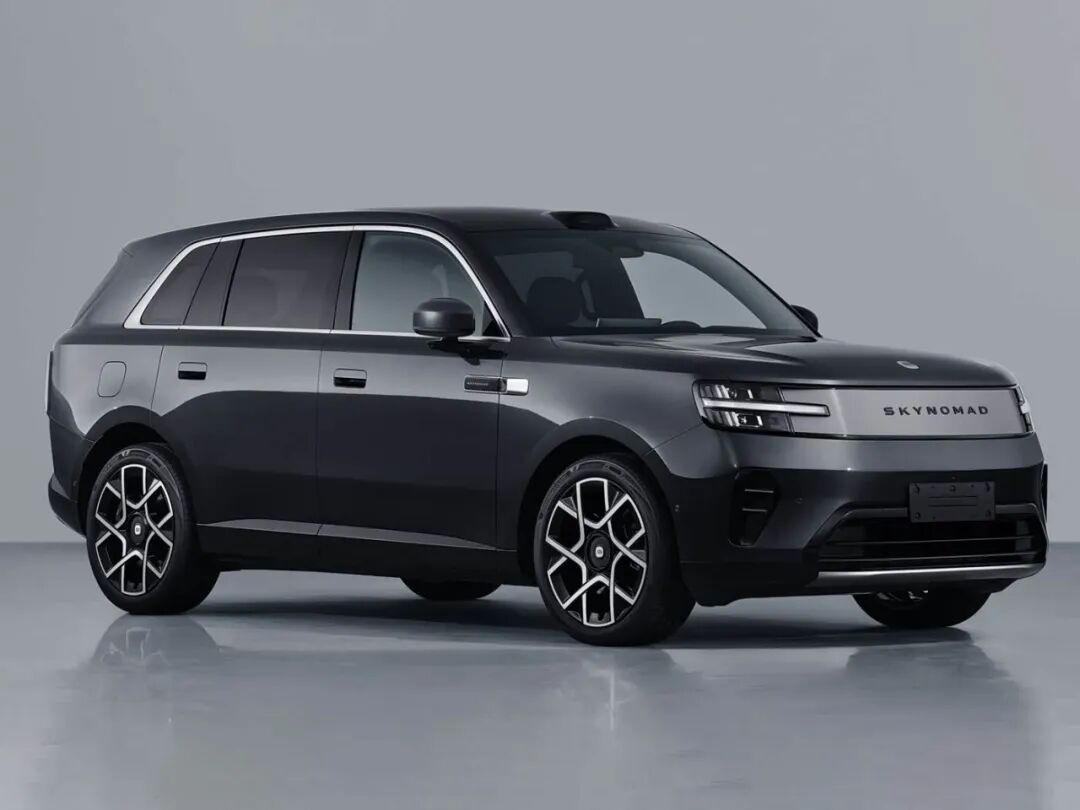
△ The N70 Max competes with the Li Auto L6 and Seres M7
However, recreating the SU7's phenomenal success is no easy feat. Extended-range vehicles are technically more complex, requiring time to refine the coordination between engines, motors, and batteries. As a newcomer to the extended-range segment, Xiaomi has yet to undergo large-scale user testing in terms of NVH performance and smoothness under depleted battery conditions. More importantly, the overall market size for extended-range vehicles is not optimistic—in July 2026, extended-range models accounted for 27,158 units sold in the large three-row SUV market, compared to 35,919 units for pure electric models. The extended-range segment faces limited growth potential and continuous pressure from pure electric competitors.
Commentary
Monthly sales of over 10,000 units for the Pengcheng N90/N70 are within reach, but recreating the SU7's 'phenomenal' success seems unlikely. The SU7's achievement was tied to a unique market window, whereas Pengcheng faces a fiercely competitive extended-range segment. Nevertheless, monthly sales exceeding 10,000 units and annual sales of 100,000 units would represent a scalable victory for Xiaomi. Whether Pengcheng can become a key player in the family market ultimately depends on post-delivery reputation building. As for capturing significant market share from Li Auto and Seres, this question may warrant longer-term attention than the SU7's sales miracle.
(This article is original to Heyan Yueche and may not be reproduced without authorization.)
-
![]()
Qianwen App Faces Financial Struggles Amidst Competition with Qianwen Office—Wu Jia Under Increasing Pressure
-
![]()
【Intelligentization】 No Resignation, but Entrepreneurship! Ren Shaoqing of NIO Takes on Dual Roles
-
![]()
"Ox Coming" Makes a Splash in the AI Circle! Mysterious Large Model Goes Viral, Who's Behind the Big Move?
-
![]()
Xiaopeng’s New Car is Popular, but Financial Results are Less Impressive
-
![]()
Dialogue with Lv Wenbin from Great Wall Motors: The 30,000+ Orders for Great Wall H10 is Just the Beginning!
-
![]()
Can Xiaomi Pengcheng N90 and N70 Recreate the 'Success Story' of the SU7?
-
![]()
Can Stellantis Revitalize Jeep’s Domestic Production in China via the ‘New Dongfeng Peugeot Citroen Automobile’ Initiative?
-
![]()
Xpeng's Q2 2026: Automotive Losses, Service Gains, and a Narrative Shift Toward Robotics