Volkswagen's Layoffs and Factory Closures: What Should Car Owners Make of It?
 08/27 2026
 341
341
Recently, Volkswagen has dominated the news cycle, but for all the wrong reasons: factory closures in Germany, tens of thousands of layoffs, profits halved, and its electric vehicle lineup in disarray. Amid this barrage of negative headlines, ordinary car owners and potential buyers are experiencing heightened anxiety.
Current Volkswagen owners are primarily concerned with two main issues: Will the maintenance and parts supply for their Volkswagen vehicles dry up in the future? Will their resale value plummet?
Prospective buyers find themselves at a crossroads: Are the significant discounts currently available a genuine opportunity to snag a bargain, or are they simply paying a premium?
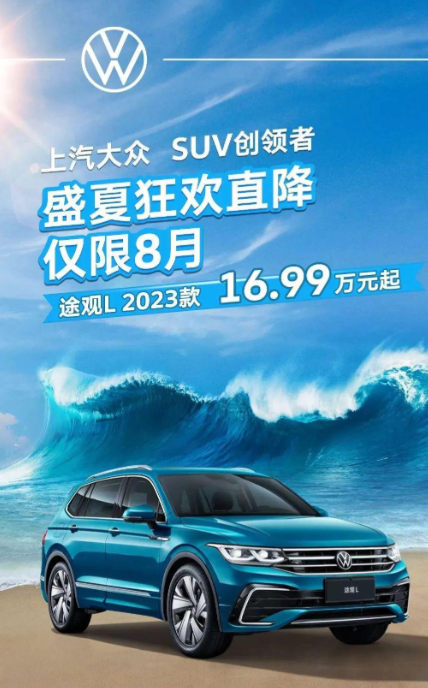
Image Source: Baijiahao
Online information is a blend of fact and fiction, with rumors and verified details often blurred together. This article cuts through the sensationalism, relying instead on hard data, concrete facts, and industry fundamentals to thoroughly analyze Volkswagen's massive restructuring.
1. First, distinguish: What has truly collapsed, and what is just negotiation
This round of structural reorganization marks Volkswagen's most resolute and severe self-rescue effort since World War II. However, the biggest external misunderstanding is assuming all management proposals are confirmed facts. In reality, most aggressive reform plans are still under negotiation and have not been implemented.
[Confirmed and Implemented 100%]
In December 2025, Volkswagen officially closed its Transparent Factory in Dresden, Germany. This marks the first closure of a Volkswagen vehicle manufacturing plant in Germany in the brand's 88-year history, sending a strong signal to the industry.
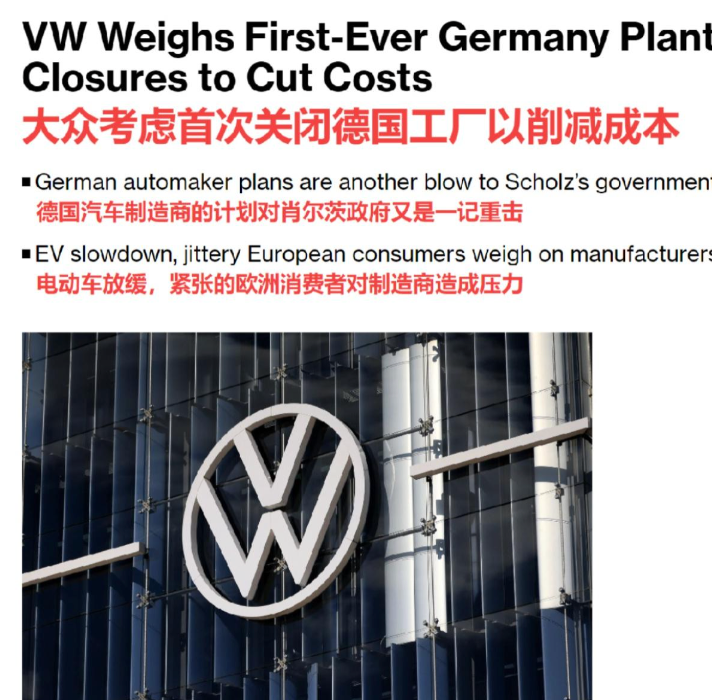 Image Source: Weibo
This factory, once a symbol of German industrial craftsmanship producing the top-tier luxury Phaeton, later transitioned to mass-producing the ID.3. However, it ultimately ceased operations due to persistently low capacity utilization and severe losses. Its journey from an industrial showcase and technological icon to a casualty of electrification highlights Volkswagen's embarrassment and predicament.
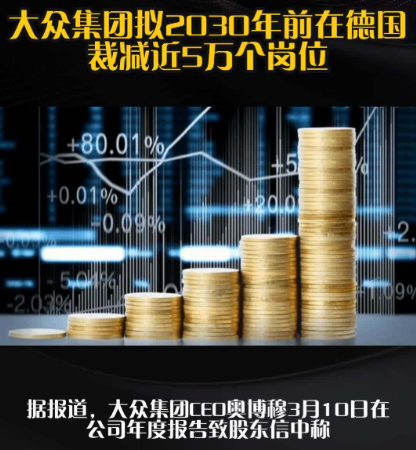
In terms of workforce optimization, Volkswagen reached a binding agreement with Germany's IG Metall union by the end of 2024: 35,000 jobs in Germany will be cut by 2030, reducing annual labor costs by €1.5 billion. This plan is now set in stone. As of August 2026, 28,000 German employees have been reassigned through voluntary departures and early retirements, with workforce reductions already underway.
[Rumored Mass Layoffs: Negotiations Ongoing, Plans Not Implemented]
In 2026, management proposed an extremely aggressive plan: an additional 50,000 job cuts in Germany, with global layoffs potentially reaching 100,000, along with plans to close four core electric vehicle factories in Zwickau and Emden. This news instantly sparked global outrage.
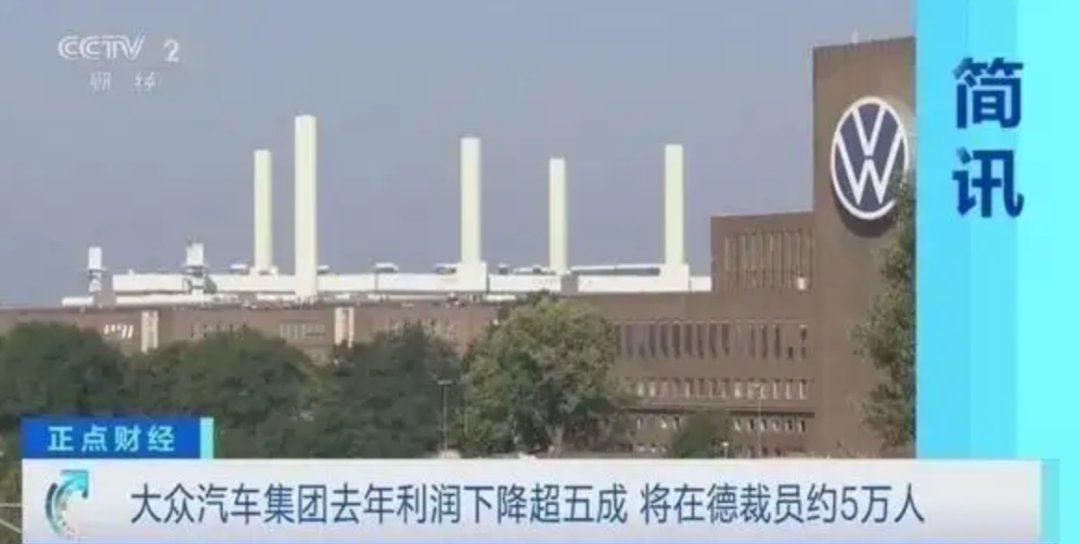
Image Source: CCTV Finance
However, this aggressive plan was immediately rejected by Volkswagen's supervisory board. The German union took a hardline stance, refusing to budge: misjudgments in electrification strategy and costly failures with CARIAD software were management's mistakes and should not be paid for by frontline workers. The union even publicly threatened large-scale strikes. Currently, only minor optimization plans remain, and all rumors of 100,000 layoffs and mass factory closures are unimplemented market speculation.
[Global Capacity Reduction: Now a Certainty]
The only point without controversy is Volkswagen's global capacity reduction. The group officially announced its target: cutting planned global capacity from 12 million vehicles to 9 million, eliminating 3 million in excess capacity, including 500,000 in Europe.
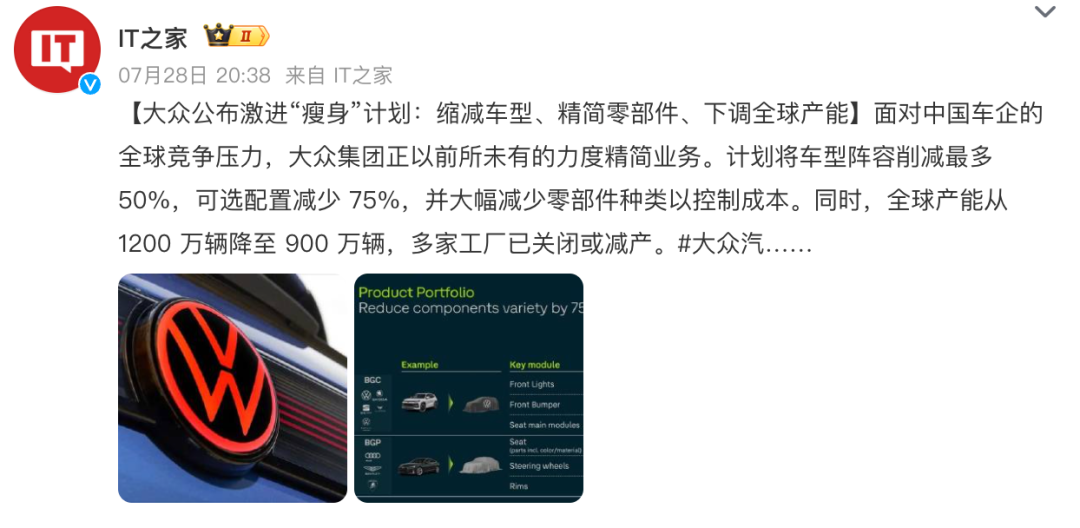
Image Source: Weibo
At the same time, Volkswagen plans to eliminate 50% of its low-efficiency models, reduce vehicle customization complexity by 75%, and fundamentally address long-standing issues of "bloated model lineups, high costs, and thin profits." The Wolfsburg headquarters will compress four vehicle assembly lines into two, and by 2027, the fuel-powered Golf will no longer be produced in Germany, with a full retreat of domestic fuel vehicle capacity.
It is crucial to clarify here: Germany's drastic downsizing has nothing to do with the Chinese market.
Domestic FAW-Volkswagen and SAIC-Volkswagen have no plans for factory closures or large-scale layoffs. Only outdated production lines will see idle reductions, and back-office roles will undergo structural optimization, primarily through natural attrition and internal transfers. CARIAD China will only undergo organizational adjustments and personnel relocations, with the domestic production, supply chain, and after-sales systems operating entirely independently and unaffected by reforms at the German headquarters.
2. More fatal than layoffs: Volkswagen's bizarre dilemma of high volume but low profits
Outsiders have struggled to understand Volkswagen's core predicament: with global sales ranking second and a massive scale, why is it so eager for drastic self-rescue and aggressive cost-cutting?
The answer lies in stark financial data: Volkswagen has transformed from a premium profit giant into a low-margin, high-volume assembly line worker.
In 2024, Volkswagen's global sales reached 9.02 million vehicles, with an operating profit of €19.1 billion.
In 2025, global sales dipped slightly to 8.984 million vehicles, down just 0.5%, nearly flat.
However, operating profit plummeted by 54% to €8.9 billion, marking the worst performance since the Dieselgate scandal. Its 2.8% operating profit margin fell far short of its internal 9% health threshold and paled in comparison to Toyota's consistently double-digit margins.
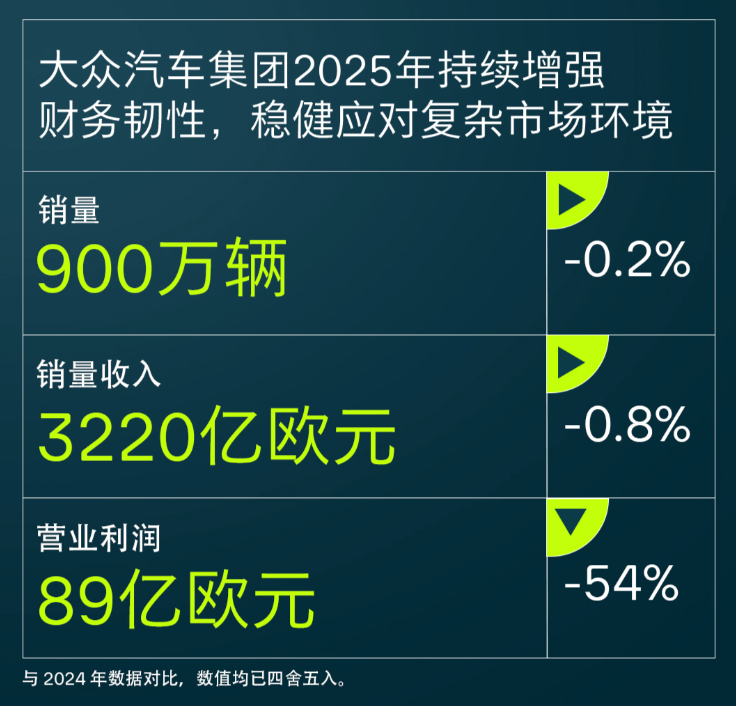
Image Source: National Business Daily
In the first half of 2026, the downturn spiraled further: global sales fell 6.3% year-on-year, with Chinese market sales collapsing by 25.9%. Equity profits from joint ventures shrank by over 60%.
The final blow to Volkswagen was the completely stalled Chinese market.
In 2019, Volkswagen hit a peak of 4.23 million sales in China, dominating half of the domestic auto market.
By 2025, sales had plummeted to 2.694 million vehicles, a 1.5 million-unit drop in six years, reverting to levels seen over a decade ago.
The first half of 2026 saw a complete market collapse, with quarterly declines exceeding 36.6% and no signs of recovery.
The divergence between SAIC-Volkswagen and FAW-Volkswagen was extreme: SAIC-Volkswagen nearly halved from its peak of 2.06 million sales to 1.02 million, with several classic models exiting the mainstream. FAW-Volkswagen barely held on through residual brand inertia, but declines continued to widen with no rebound in sight.
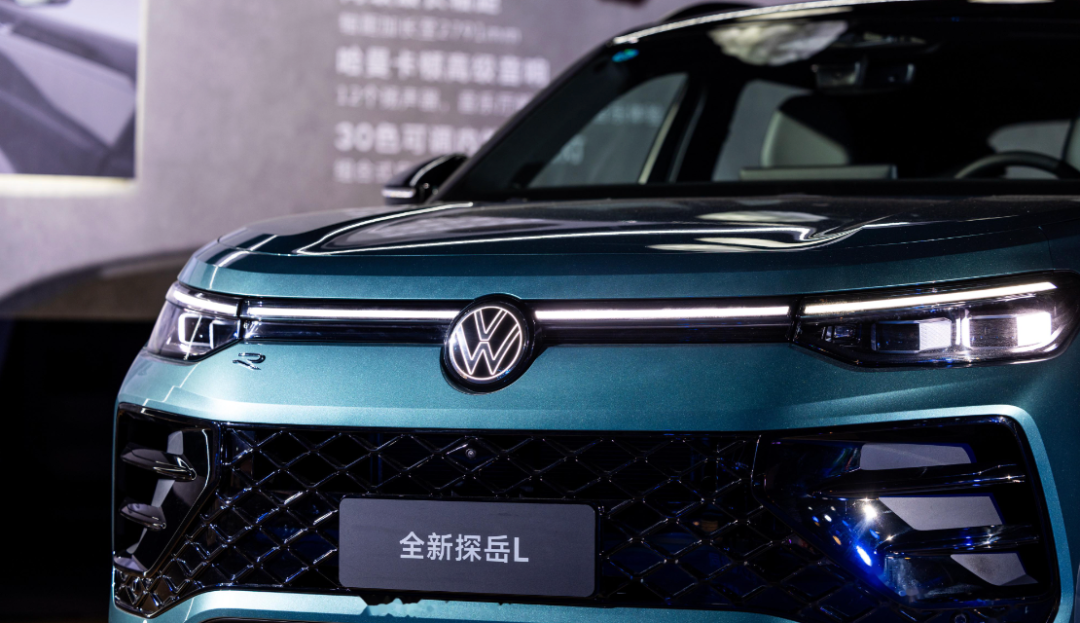
Image Source: Weibo
The most fatal strategic failure came in electrification. The ID series, upon which the group pinned its hopes, saw Chinese pure electric sales plummet by 44.3% year-on-year in 2025, with annual new energy sales reaching just 120,000 units. Several flagship models sold fewer than 1,000 units per month, becoming marginalized products.
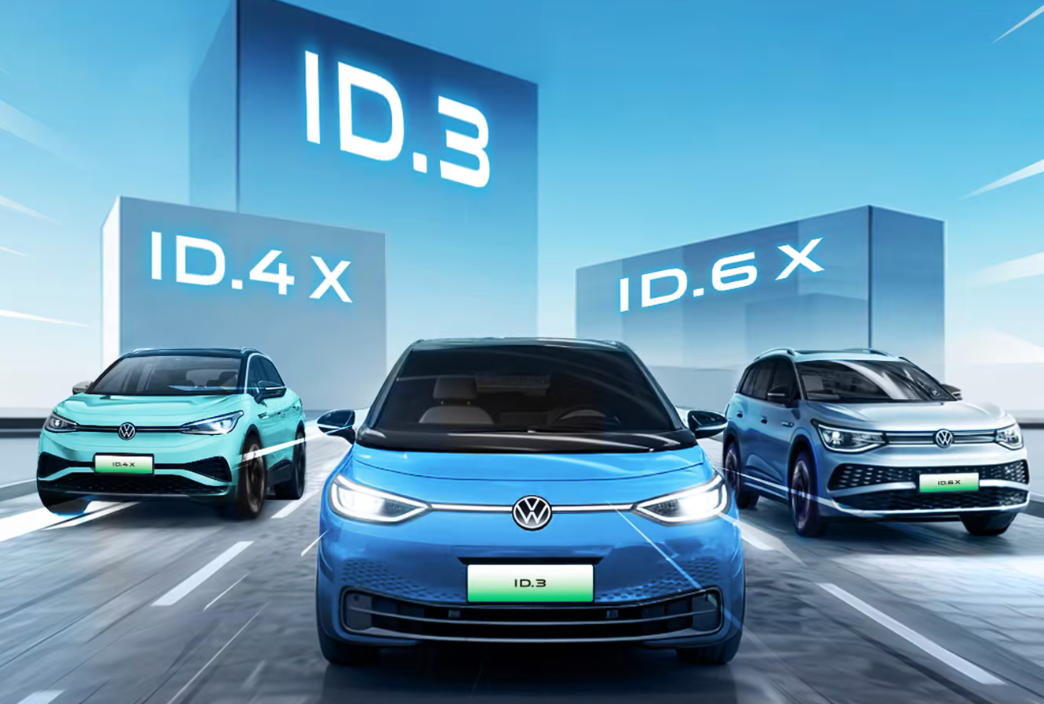
Image Source: Weibo
Volkswagen's largest hidden financial drain was the perpetually money-losing CARIAD software company.
Over several years, Volkswagen invested tens of billions of euros in self-developed in-car software architecture, only to face repeated delays, frequent bugs, and poor user experiences. Not only did this fail to support electrification, but it also became the group's biggest loss black hole. In contrast, all other joint-venture brands took a pragmatic approach: leveraging Chinese platforms, Huawei's intelligent driving technology, and mature domestic cockpit systems to quickly launch new models at low costs and capture market share.
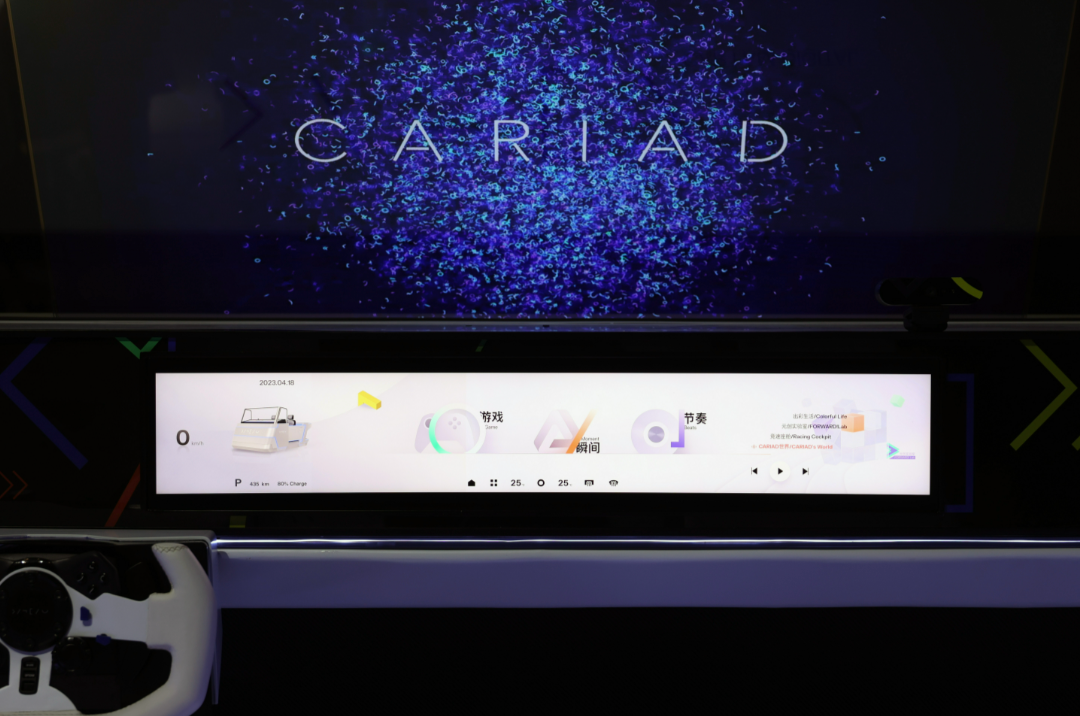
Image Source: Weibo
Only Volkswagen stubbornly persisted with in-house development, missing China's golden window for electrification. While competitors took shortcuts and improved efficiency, Volkswagen poured money into pitfalls and sustained losses—the core reason its predicament far exceeds that of all other joint-venture automakers.
3. Not an isolated case: The entire joint-venture sector is collectively retreating
Volkswagen's struggles are the ultimate microcosm of the entire joint-venture sector. A decade ago, joint-venture brands dominated over 60% of the domestic market; today, their share has shrunk to 20-25%. The era of joint-venture dividends has completely ended.
Japanese brands are in collective decline: Toyota's Chinese sales plunged 17% in the first half of 2026, surviving only on hybrid models. Honda suffered its first annual massive loss since going public, with multiple domestic production lines shutting down and sales collapsing by 60% from their peak. Nissan directly closed its Changzhou vehicle factory, retrenching globally and cutting jobs to survive, with Chinese market sales nearly halved.
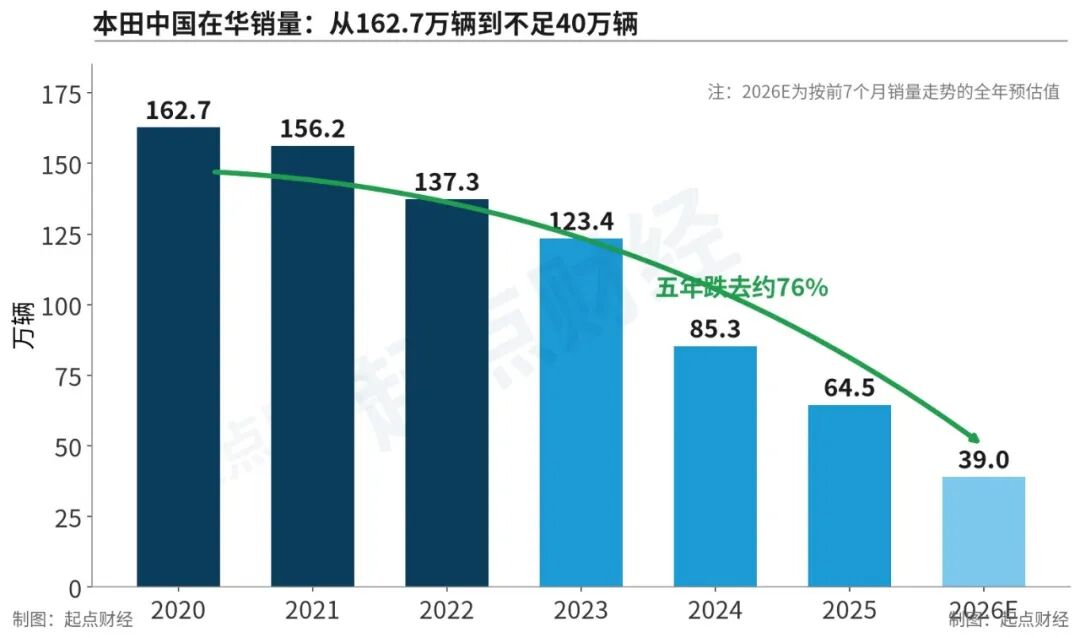
Honda's Chinese sales: From 1.627 million to under 400,000. Image Source: Qidian Finance
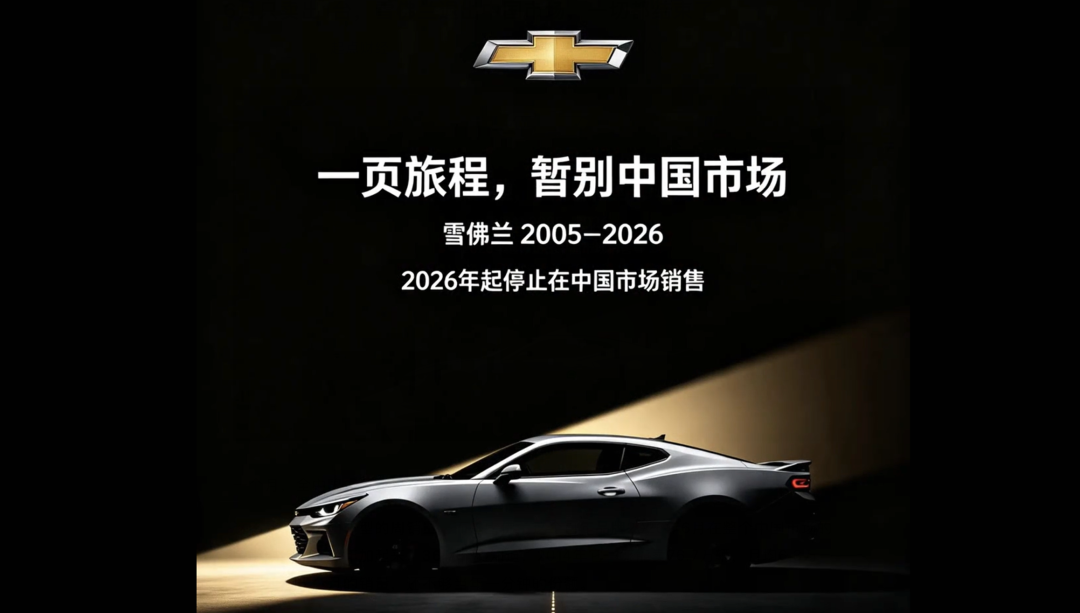
American brands are in full retreat: GM's Shenyang vehicle factory officially shut down, with multiple production lines idle or reduced. Chevrolet completely exited the Chinese market. Ford scrapped its two major production bases in Chongqing and Nanjing, retaining only its Hangzhou plant and abandoning scale competition in China.
Korean and French brands are completely marginalized: Beijing Hyundai shut down its Chongqing factory, leaving significant idle capacity. Stellantis contracted its battle lines and retreated to niche markets. Skoda completely exited China's sales system, retaining only after-sales support.
The auto market now features a highly ironic pattern: all foreign automakers remain profitable overseas, yet collectively face slim profits, losses, and bleeding in China.
China's auto market is no longer the profit cow for joint-venture brands; it has become the most brutally competitive red ocean. The era of making money while lying down for joint ventures is over.
4. Hard truths: Should ordinary car owners panic?
Setting aside sensationalism and industry chaos, here's the most straightforward, grounded truth for all car owners and prospective buyers.
First: Mainstream high-volume models have lifelong maintenance support
Core high-volume models like the Lavida, Sagitar, Magotan, Tiguan L, and Passat boast tens of millions of units in domestic inventory, with extremely mature supporting supply chains, original parts, and third-party maintenance systems. Even as Volkswagen continues to cut capacity and streamline operations, after-sales support and parts supply for these models will never dry up, ensuring long-term hassle-free ownership.
Second: Niche and imported models face real risks
Volkswagen's core cost-cutting logic involves eliminating low-efficiency, niche businesses. Future obscure special-edition models and imported niche vehicles will inevitably face parts shortages, prolonged repair wait times, soaring maintenance costs, and continuously declining used car resale values, with ownership risks steadily rising.
Third: Current massive discounts are essentially inventory liquidation, not consumer benefits
Volkswagen's current terminal discounts of tens of thousands of yuan are not brand giveaways but a passive strategy to compress fuel vehicle capacity and clear outdated fuel inventory.
For short-term purchases (2-3 years before trading in), these discounts offer tangible value and excellent cost-effectiveness, making them worth considering.
For long-term ownership (7-8+ years), accept the reality: Volkswagen's fuel vehicle iteration speed will slow dramatically, with model updates shrinking, features being cut, and technological stagnation becoming the norm.
Fourth: Resale values have completely diverged, with a clear generational gap
The myth of Volkswagen models universally holding their value is over. Today, mainstream fuel Volkswagens maintain stable resale values, but ID series electric models see resale values continuously collapsing, with used depreciation far exceeding domestic new energy vehicles and high buy-in risks.
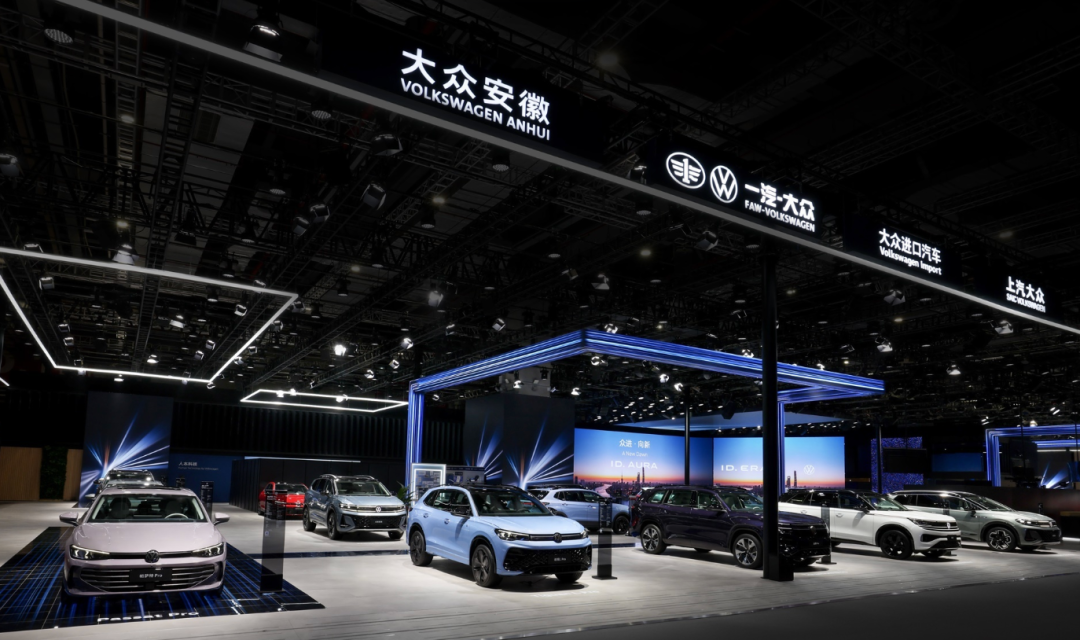
Image Source: Volkswagen China Official Website
5. Final thoughts: Understanding Volkswagen means understanding the auto market's future
Volkswagen's current drastic self-rescue is not a crisis unique to one company but a final foreshadowing of the entire fuel-powered joint-venture era.
The era of joint ventures, during which brands could easily reap profits by virtue of their reputation, well - established chassis designs, and dependable engines, has come to an end. As the automotive industry embarks on the new tracks of electrification, intelligence, and localization, industrial behemoths that fail to keep up with the rapid pace of domestic innovation will inevitably be forced to scale back their ambitions and make compromises.
For current owners: There's no need to panic at the prospect of a giant's downfall. Mainstream Volkswagen models still offer reliability, but the days of blindly believing in the invincibility of joint - venture brands are over. The heyday of gasoline - powered Volkswagens has drawn to a close.
For potential buyers: It's okay to take advantage of end - of - line discounts, but refrain from making a long - term bet on a brand's future without careful consideration. Stay well - informed about industry trends and make rational purchasing decisions.
In the ever - changing tides of the times, the auto market knows no permanent winners; instead, it is characterized by constant innovation and evolution.
Disclaimer: This article is intended solely for financial commentary and does not serve as investment advice. All corporate data and regulatory events mentioned are sourced from publicly available information and are provided for reference purposes only. In case of any discrepancies, official announcements shall prevail. The images used in this article are sourced from the internet. If copyright infringement is a concern, please contact us for removal.
Daily Insights into Intelligent Technology, Finance, and Economics
-
![]()
Profits Plunge by 61% in the First Half of the Year! The Rise and Challenges of Great Wall Motors
-
![]()
BAIC Taitan 700 vs. Xiangjie G9: A Clash of Kin, How Will Yu Chengdong Navigate This Challenge?", "Taitan 700, Xiangjie G9, BAIC, Huawei Intelligent Driving, Pricing Showdown", "BAIC has unveiled its
-
![]()
Volkswagen's Layoffs and Factory Closures: What Should Car Owners Make of It?
-
![]()
Yu Chengdong’s Luxseed V9 Dominates Sales, but Netizens Warn Against Complacency
-
HAND Enterprise Solutions Sees Big Jump in Main Shareholder’s Stock Value After AI Integration, Trims Over 1,000 Jobs in Two Years After Cashing In Hundreds of Millions
-
![]()
Insta360 Luna Pro Review: Lightweight and More Freedom with One Less Lens
-
![]()
Minimize Reliance on Huawei! Seres AIVA Embraces Battery Swapping, Echoing NIO's Strategy?
-
Surging 143-Fold in 18 Months! From a Struggling Property Developer to Hong Kong Stocks' Premier AI Computing Power Contender, 'China's CoreWeave' Emerges