NIO’s Battery Swap Stations in Wuhan Transition to State Ownership: What’s Next for the Battery Swap Industry?
 08/27 2026
 410
410
In the swift evolution of new energy vehicles (NEVs), the method of energy replenishment has consistently captured market attention. Today, alongside range-extended refueling, two main approaches dominate the market: the charging model, led by Tesla, and the battery swap model, pioneered by NIO. Recently, NIO’s battery swap stations in Wuhan have undergone a full transition to state ownership. This shift prompts a natural question: what does the future hold for the battery swap sector?
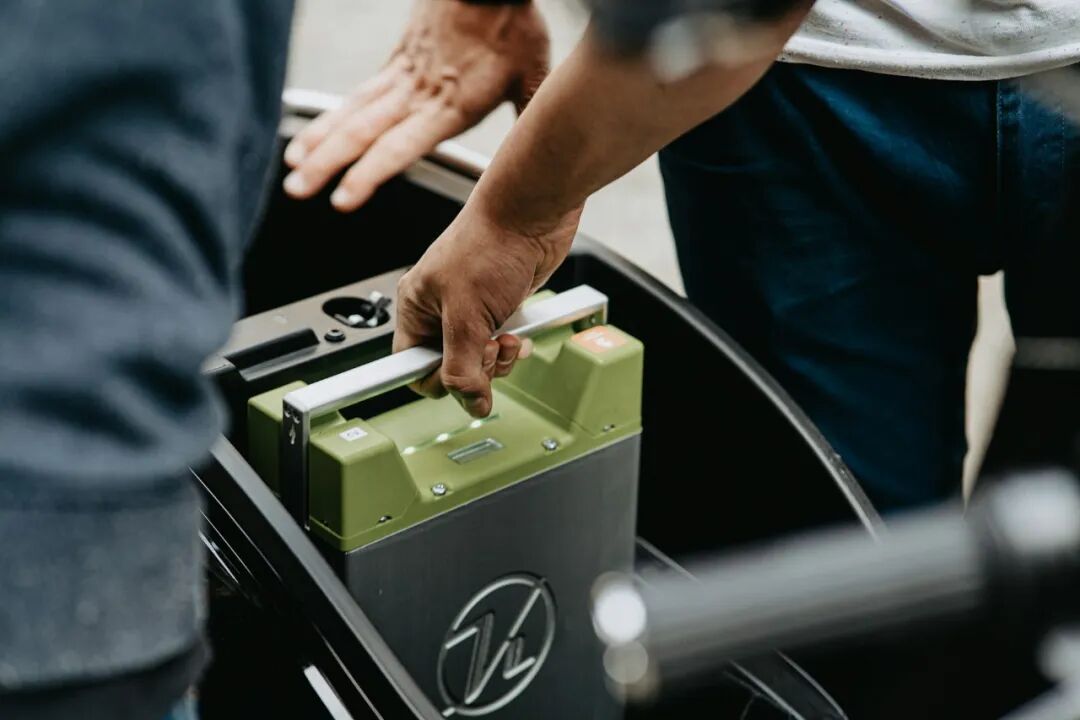
PART 01: NIO’s Battery Swap Stations in Wuhan Transition to State Ownership
According to a report by Jiemian News, NIO Energy and Optics Valley Transportation Group held a ceremony to mark the delivery of the first batch of collaborative charging and battery swap stations in Wuhan. The initial 36 stations, jointly constructed and operated by both entities in Wuhan, have been officially handed over. Officials highlighted that these stations represent a significant step in implementing NIO Energy’s model of “assets held by state-owned partners + professional operation by NIO” in the Hubei region.
The assets of these charging and battery swap stations are now owned by Optics Valley Transportation Group, which operates them leveraging NIO Energy’s technological expertise and industry experience. Following this transaction, all existing battery swap station assets in Wuhan will be under state-owned ownership.
NIO Energy, a subsidiary of NIO, focuses on electric vehicle energy services, primarily responsible for establishing a charging and battery swap network. Business information from Tianyancha reveals that Wuhan NIO Energy Co., Ltd. recently underwent changes, with its registered capital increasing from 1.784 billion RMB to 7.484 billion RMB, a roughly 320% rise. Established in May 2017, the company is led by legal representative Guo Chenggang and is wholly owned by NIO Energy Investment (Hubei) Co., Ltd.
CATL, the power battery giant known as the “Battery King,” has previously provided financial support to NIO Energy, and the two have also entered into a battery swap collaboration. In March of the previous year, NIO and CATL signed a strategic cooperation agreement in Ningde, Fujian, aiming to build the world’s largest and most technologically advanced passenger vehicle battery swap service network. The agreement involves constructing a battery swap network covering all passenger vehicles, unifying industry technical standards, and deepening capital and business cooperation. CATL is making a strategic investment of no more than 2.5 billion RMB in NIO Energy to further solidify their partnership.
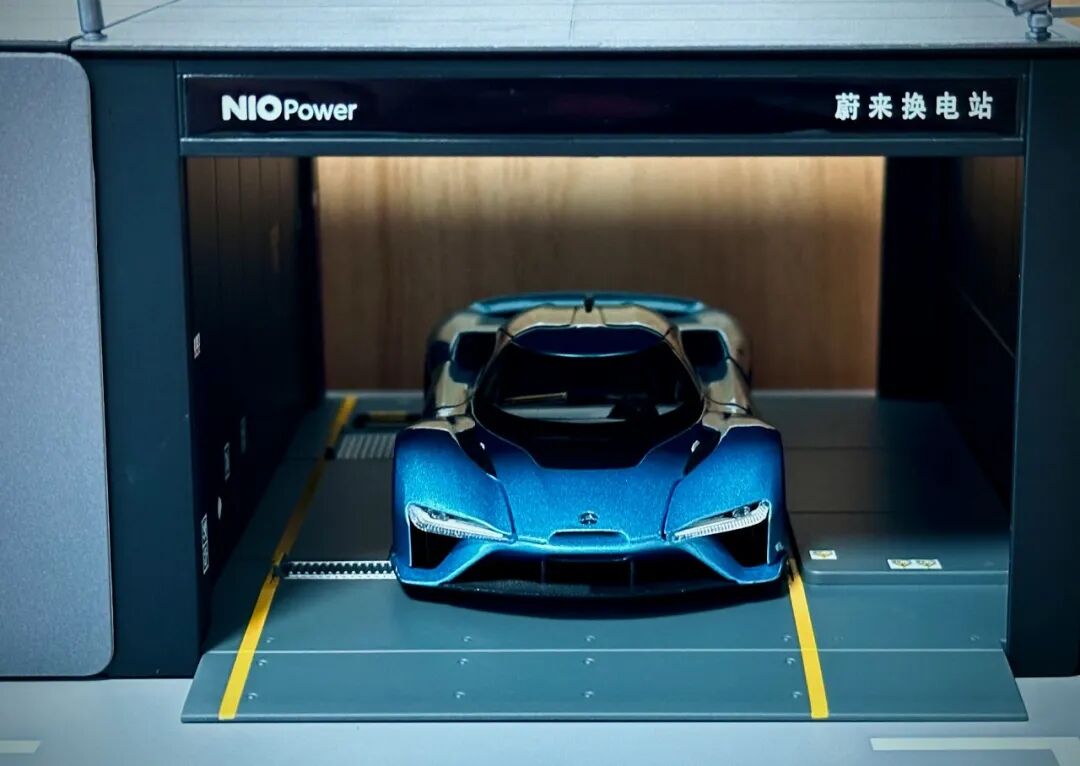
PART 02: What’s Next for the Battery Swap Sector?
NIO’s recent decision to fully transfer its battery swap station assets in Wuhan to state ownership comes as no surprise. In fact, one could argue that this move was overdue. How should we interpret this development?
Firstly, the shift of NIO’s battery swap stations in Wuhan to state ownership is an inevitable trend. To grasp why the battery swap model has attracted so much attention, we must recognize that the development of NEVs has followed two distinct paths: charging and battery swapping. Over time, we’ve seen an increasing number of charging piles and battery swap stations along highways. Essentially, battery swapping serves as a public energy replenishment infrastructure, akin to charging piles and gas stations, representing a significant asset investment.
Compared to a simple charging pile, a battery swap station is a more complex facility, with investment costs far exceeding those of charging piles. I have repeatedly emphasized that it is unrealistic for NIO, as a single automaker, to bear the entire investment burden of the battery swap sector. The logic of transitioning to a model where automakers operate while state entities own the assets is the most suitable approach. A single battery swap station requires several million RMB for power battery packs alone. When factoring in site rental, grid expansion, daily operation and maintenance, and personnel costs, the total investment can easily reach tens of millions of RMB. Even if NIO sells over 10,000 vehicles a month now, the profits earned would barely make a dent when reinvested in battery swapping.
Previously, to promote battery swapping, NIO offered free battery swaps and vehicle-battery separation, shouldering a heavy asset burden. A glance at NIO’s financial reports reveals that whenever revenue seemed promising, it was quickly consumed by the costs associated with battery swapping. Is this reasonable? Expecting automakers to undertake public infrastructure projects is akin to asking restaurant owners to pave the entire street themselves—it’s an unsustainable burden. Now, transferring these assets to state ownership makes sense. State-owned entities possess financial advantages and the ability to coordinate public resources. Issues like land acquisition, grid connection, and safety approvals, which are challenging for automakers to resolve, can be easily addressed by state-owned partners. NIO can then focus on vehicle manufacturing and battery swap technology iteration, with each party excelling in their respective areas. This approach is far superior to the previous model where one party shouldered the entire burden. Therefore, from a fundamental analysis, NIO’s decision to transfer its battery swap assets to state ownership is undoubtedly the correct choice.
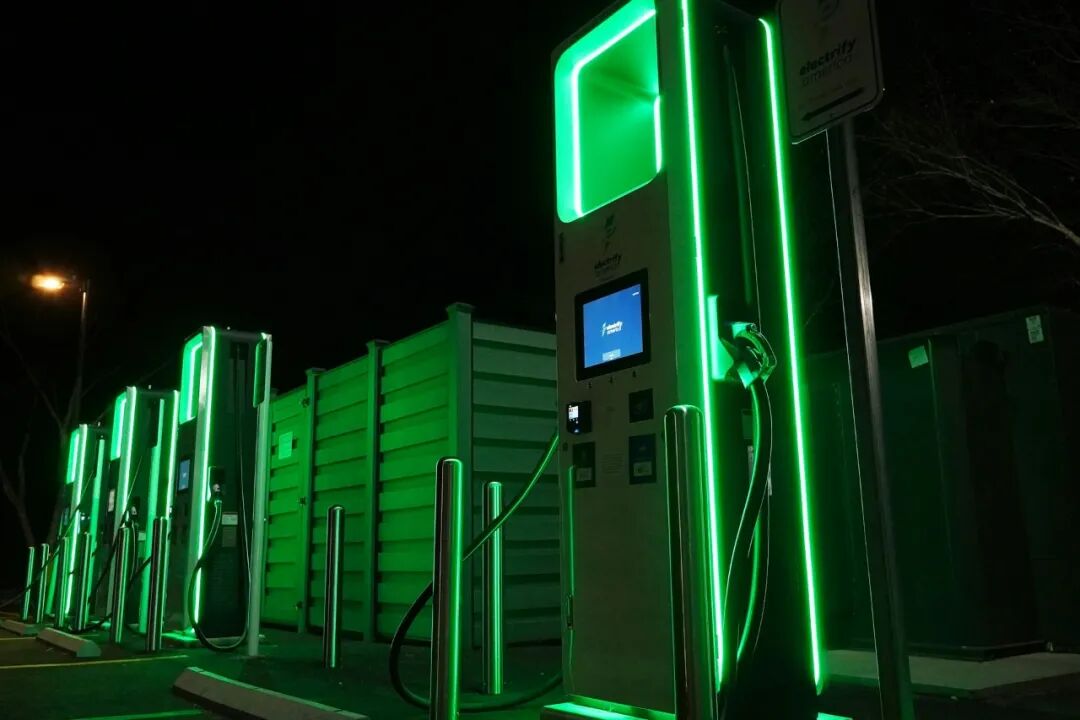
Secondly, what dilemmas does the battery swap sector face? Over the years, the battery swap sector has been trapped in an industrial dilemma of “single-party investment and heavy burden.” What exactly are battery swap stations? They are infrastructure, specifically urban public energy replenishment infrastructure. As infrastructure, their public attributes far outweigh their private commercial attributes. In economics, public goods are characterized by non-excludability and non-rivalry. These attributes often necessitate prolonged investment cycles and high investment costs. Unless the government purchases services, it is generally difficult for enterprises to undertake the substantial investment required for public goods. To take the simplest example, the most common public goods in our daily lives are the power grid and elevated highways. Have you ever seen a private enterprise undertake the construction of an entire city’s elevated highways or power grid? No.
The same logic applies to battery swapping. Infrastructure investment has an extremely long payback period and strong externalities. Relying solely on a single market entity to drive this forward not only places financial strain but also risks creating an island effect. This is why, despite NIO’s efforts to promote the battery swap model over the years, apart from expanding its own cost black hole, it has seemed difficult to achieve significant returns. This time, introducing local government capital to support development and engage in socialized co-construction is the most appropriate course of action for this sector. State-owned involvement not only brings credit endorsement and low-cost funding but, more importantly, integrates battery swap stations into the overall energy network planning of the city. They are no longer just NIO’s energy replenishment toys but nodes for interaction with the main power grid and energy storage peak shaving. This transition from enterprise self-construction to socialized co-construction is the prerequisite for the widespread deployment of the battery swap network.
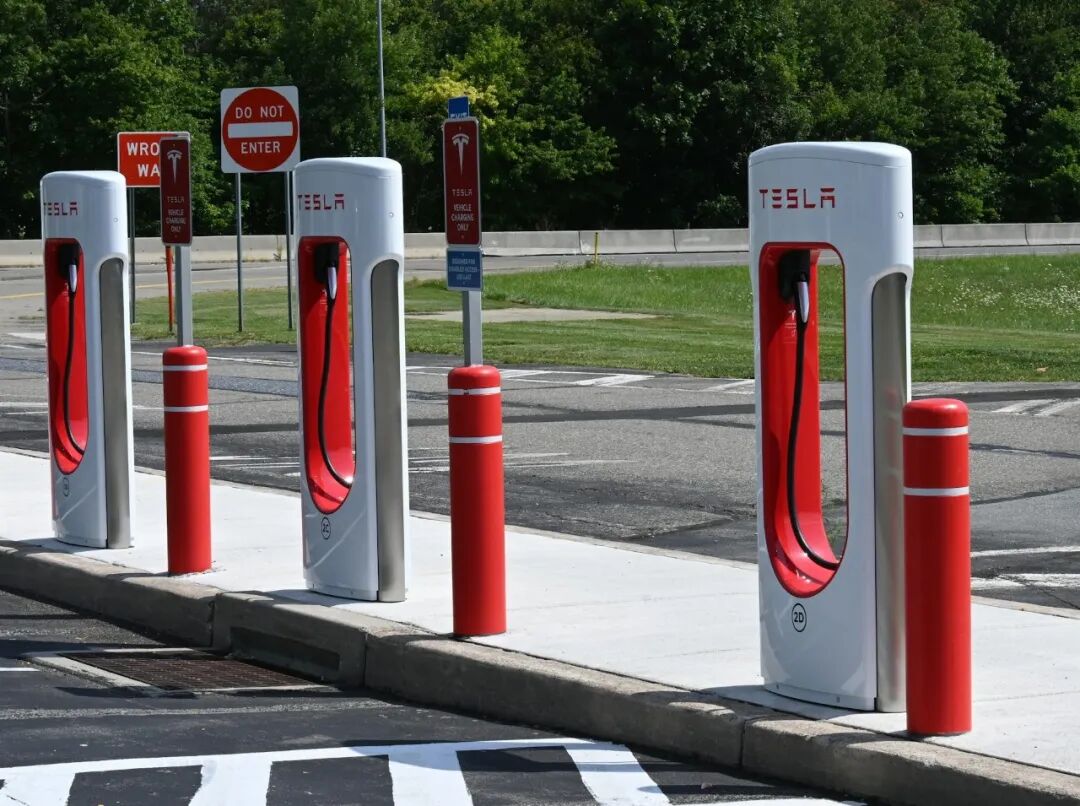
Thirdly, the cost advantages of the battery swap model are increasingly being recognized. From the practices of several automakers adopting the battery swap model, such as NIO and BAIC, there is a very practical value to this approach: it lowers the threshold for users to purchase vehicles through a “low-priced vehicle purchase + battery rental” model. Over the years, with the rapid development of NEVs, we have become accustomed to the widespread adoption of electric vehicles. However, the reason why electric vehicles have not yet achieved comprehensive replacement is primarily due to price anxiety surrounding NEVs. Compared to mature fuel vehicles, the price anxiety associated with NEVs often stems not from users’ unwillingness to adopt electric vehicles but from the high cost of batteries, which keeps overall vehicle prices elevated, coupled with severe battery degradation issues. The battery swap model separates the battery from the overall vehicle purchase, allowing users to avoid bearing the full cost of the battery when buying a vehicle. Subsequent energy replenishment is addressed through battery rental and service fees, which is attractive to consumers.
The significance of this approach goes beyond just lowering the threshold; it fundamentally alters the asset structure of NEVs. Previously, when users bought a vehicle, the battery represented a sunk cost, and users had to bear the high costs associated with battery degradation. However, in the battery swap system, the battery is more akin to an ongoing service. Users do not need to worry about battery degradation, residual value decline, or depreciation due to technological iteration because the battery assets can be uniformly managed, maintained, and upgraded by the operator. If this model matures, it could significantly change the consumer psychology surrounding NEVs.
Fourthly, what insights can we gain from the Wuhan case? NIO’s attempt in Wuhan essentially serves as a blueprint for the entire battery swap sector. If this model proves successful and standardized, the development space for the battery swap logic will be much larger than it is now. Previously, there has been much debate over whether battery swapping should be undertaken by automakers or state-owned enterprises. Now, Wuhan has provided an answer: automakers contribute technology, operation, and user resources, while state-owned entities provide funding, public resources, and infrastructure capabilities. Clearly defined equity and responsibilities allow each party to earn their respective profits and shoulder their respective responsibilities.
If this model proves successful in Wuhan, it could be replicated in other regions with high NEV penetration and significant energy replenishment demands, such as the Yangtze River Delta and Pearl River Delta. The battery swap sector would then no longer be a niche game for NIO but a public infrastructure venture involving state-owned entities, automakers, battery companies, and energy enterprises. Of course, this model is still in its early stages and will undoubtedly face various challenges that require refinement, such as equity distribution, profit sharing, technical standardization, and pricing of battery swap services. However, at least the direction is correct. Previously, battery swapping was a niche approach; if it can evolve into a universal public energy replenishment network, that would truly mark the springtime for the battery swap sector.
Therefore, the future growth of the battery swap model does not hinge solely on NIO’s continued expansion but on whether this model can be accepted by more cities, capital, and automakers. If the Wuhan example proves successful, more cities may follow suit. At that point, battery swapping will no longer be just NIO’s story but an increasingly important component of China’s NEV energy replenishment system. The complementary advantages of battery swapping and charging represent the ideal state for the development of NEVs in China.
END
Daily Quote: If people are not on the same level, no matter what you do, they will always find fault. Level does not refer to social status but to character and clarity in perceiving things. In any relationship, initiating kindness is called upbringing. If I am kind to you and you reciprocate, that is a mutual effort. If you are unappreciative, then I will withdraw my politeness—that is called setting boundaries. If you stab me in the back and I retaliate, that is called reciprocity. One should possess a certain degree of sophistication but also have limits. Be shrewd in handling affairs but not excessively so; overstepping bounds damages character, and excessive calculation leads to loss of virtue. In an era of overwhelming tactics, sincerity and integrity may not yield immediate results, but they provide a solid foundation and stability.
Jiang Han's Perspective
-
![]()
Nine Days After DeepSeek Raised Prices, Zhipu Enters the Market with One-Tenth the Cost
-
![]()
Ruidu丨Sinonet Half-Year Report: Profit Halved, Computing Power Lags, Caught Between Traditional and New Businesses
-
![]()
NIO’s Battery Swap Stations in Wuhan Transition to State Ownership: What’s Next for the Battery Swap Industry?
-
![]()
Silicon Valley AI Battle Royale: How Anthropic Is Draining OpenAI's 'Superbrain'?
-
![]()
"Quick-Made Cars"? Hit the Brakes
-
![]()
Li Auto Reports H1 2026 Operating Loss of 5.3 Billion Yuan, Cash Reserves Decline by 13.7 Billion Yuan, Vehicle Gross Profit Margin Shows Signs of Rebound!
-
![]()
Chery Leads, Geely Surges: A Review of Overseas Sales of China's Top Five Automakers
-
![]()
Can the Affordable IONIQ V Win Back Consumer Hearts?