This Year’s Joint Venture Pure Electric Models Adopt a More Pragmatic Pricing Strategy
 08/28 2026
 490
490
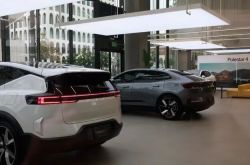
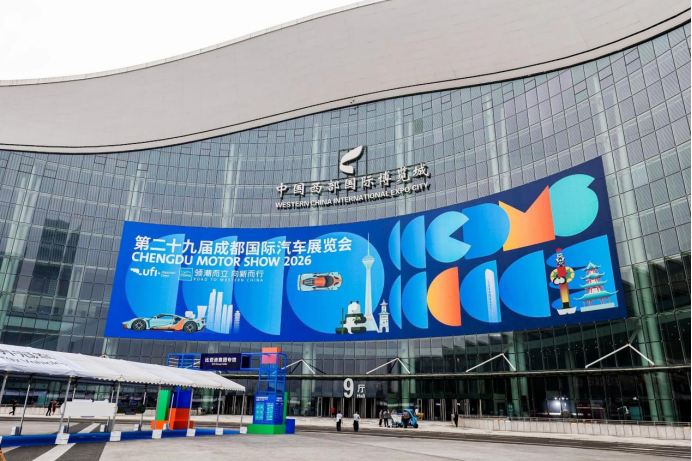
Recently, the 29th Chengdu International Auto Show opened its doors, showcasing a dynamic shift in the automotive landscape. Domestic brands continued to assert their dominance, as seen in previous years, by launching a diverse and systematic range of models to solidify their market positions. In contrast, joint venture brands, which have been relatively slow in transitioning to electric vehicles, have introduced new, more targeted products this year. These brands have made strategic adjustments in both vehicle configurations and pricing, with the most notable change being their adoption of more competitive pricing strategies.
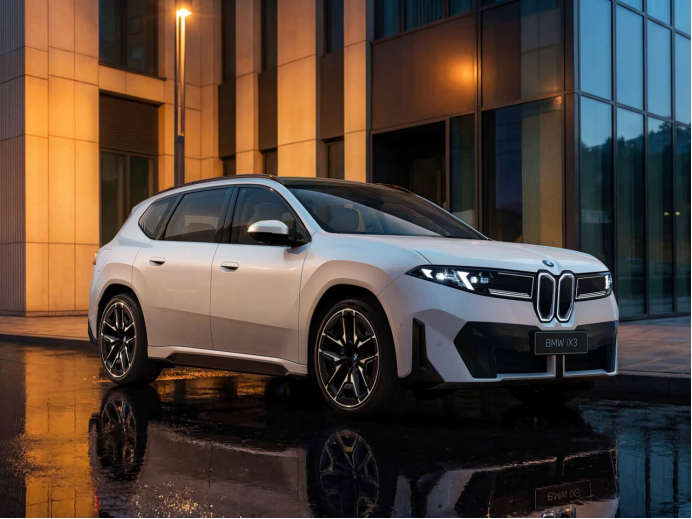
As the inaugural model of BMW’s new generation, the BMW iX3 is priced starting at 269,900 yuan. The previous iteration of the BMW iX3 was priced closer to 400,000 yuan, whereas the new model brings the price tag below the 300,000 yuan mark, aligning it with the pricing of the Tesla Model Y and Xiaomi YU7. This pricing adjustment not only challenges conventional perceptions of luxury brand pricing for new energy vehicles but also underscores BMW’s commitment to accelerating its pursuit of aligning with China’s new energy vehicle development trajectory.
The Buick Envision L7 has also carved out a specific market segment, with a starting price of 169,900 yuan. It features an 800-volt platform across all trims, is equipped with a 6C temperature-controlled ultra-fast charging battery, and offers an electric range exceeding 700 kilometers. As a mid-to-large pure electric SUV, this pricing strategy marks a significant departure from Buick’s previous pricing structure in the pure electric vehicle segment.
The pre-sale price for the Beijing Hyundai Ioniq V is set between 119,900 and 139,900 yuan, directly positioning it within a highly competitive price range for domestic brands. Developed primarily by Hyundai’s China Design Center, the vehicle’s advanced driver-assistance system was co-developed with Momenta, and its battery is supplied by CATL. From product definition to supply chain selection, the level of localization is unprecedented.
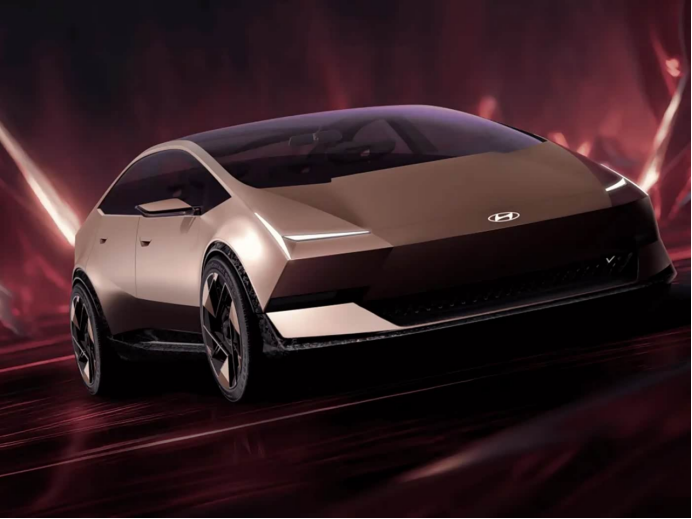
The Jetta M6 has also commenced pre-sales at the auto show, although the final price has yet to be officially announced. As Jetta’s first pure electric sedan, the M6 is positioned as a family-oriented pure electric vehicle, featuring a smart cockpit with three AI large models: Doubao, DeepSeek, and Tongyi Qianwen. Based on its product positioning and the group’s product lineup, the industry generally anticipates a pricing range of 100,000 to 140,000 yuan. Leveraging German engineering expertise, Jetta aims to penetrate the family pure electric market with high cost-effectiveness, seeking to establish a foothold in a segment deeply cultivated by domestic brands.
The SAIC Volkswagen ID.ERA 5S further pushes pricing boundaries, with a limited-time entry price of just 89,900 yuan. The 114,900 yuan version offers urban driver-assistance features, achieves a fuel consumption of 2.82 liters per 100 kilometers in hybrid mode, and provides a combined range exceeding 2,000 kilometers. A Volkswagen brand executive stated to the media that the internal expectation for this model is to achieve significant sales volume. The company also deliberated on whether the pricing of this new model would impact its own fuel vehicle market but ultimately concluded that transformation is the necessary path forward.
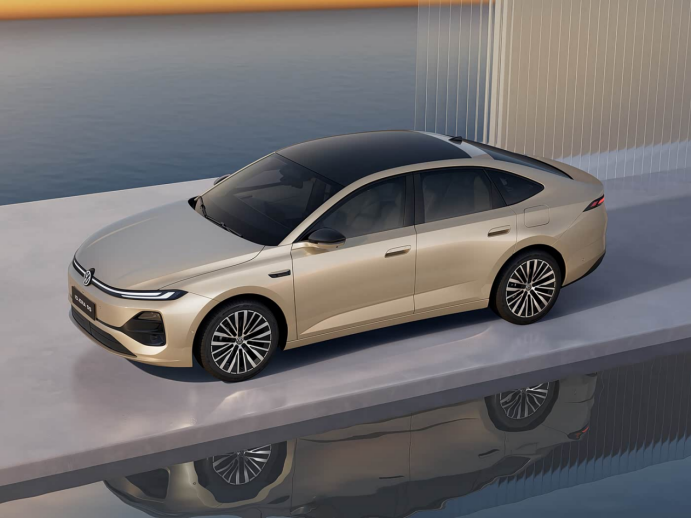
It is clear that foreign and traditional luxury brands are experiencing a continuous downward trend in product pricing.
The willingness of joint venture and even luxury brands to adopt a more pragmatic approach in the new energy era is directly related to the fiercely competitive automotive market environment. Data from the China Passenger Car Association reveals that in July 2026, retail sales of new energy passenger vehicles in China reached 951,000 units, with a new energy penetration rate of 65.1% for the month. Meanwhile, the new energy retail penetration rate for mainstream joint venture brands was only 13.7%, while domestic brands achieved a rate as high as 83.8%. Domestic brands are gradually encroaching upon the traditional advantage segments of joint venture brands, exerting continuous pressure on their market share. In this context, joint venture brands must innovate to survive.
Simultaneously, the competitive logic in the domestic automotive market has evolved. In the era of fuel vehicles, joint venture brands leveraged their brand heritage to command premium pricing, an advantage that no longer holds sway in the new energy market. Now, consumer decision-making is more heavily influenced by factors such as range, intelligent experience, and overall cost-effectiveness. Consequently, joint venture brands have no choice but to adopt more competitive pricing strategies, aligning their offerings with those of domestic brands.
Moreover, localized supply chains have facilitated price adjustments by joint venture brands. For instance, the urban NOA solution for the ID.ERA 5S is a joint venture between Volkswagen and Horizon Robotics, while BMW’s new generation iX3 intelligent driving system was co-developed with Momenta. The Ioniq V also incorporates Momenta’s driver-assistance solution. By leveraging mature solutions from local tech companies, joint venture brands avoid the need to build entire intelligent systems from scratch, thereby shortening development cycles and controlling costs for intelligent hardware.
Overall, the price adjustments of joint venture brands’ new energy models this round represent a necessary response to market changes. On the other hand, lower pricing reduces market resistance for product entry and helps establish a relatively favorable initial perception among consumers. If initial pricing deviates significantly from market expectations, compounded by the fact that joint venture brands already lag behind domestic brands in product competitiveness—whether in core electric technology or intelligent configurations, where domestic brands demonstrate superior cost-effectiveness and product strength—it becomes even more challenging for joint venture brands to attract users.
What is certain is that the pricing logic from the fuel vehicle era is no longer applicable in the new energy market. How joint venture brands will navigate this transition and the extent to which new pricing strategies can help them stabilize market share are dynamics worth monitoring in the domestic automotive market.
(Images sourced from the internet; removal upon infringement notice)
-
![]()
Don’t Use Efficiency as an Excuse to Conceal the Problems of Hastily Launched Cars
-
![]()
Core Indicators Rebound Across the Board in the First Half of the Year! Li Auto Steps Out of the 'Encirclement' During the Industry's Coldest Period | Mingjing Pro
-
Is This the 'Prometheus Moment' for Vertical AI Applications?
-
![]()
NASA Halts Swift Rescue Efforts: 20-Year Gamma-Ray Burst Telescope Slated for Year-End Demise, China’s Tianguan Satellite Steps In for Deep-Space Surveillance
-
![]()
Polestar Strikes Out in US: Volvo Gets the Nod Amid Rising Sino-US EV Regulatory Clash
-
![]()
Parent Company’s Net Profit Drops by Over 3.8 Billion Yuan: Why Does Great Wall Motors Report Higher Revenue but Lower Profit?
-
![]()
Over 20 Billion Yuan in Losses Over Four Years! Why Did Konka, the Former 'Color TV Leader,' Take the Initiative to Delist?
-
![]()
【Electric Equipment】200 electric dump trucks depart from Shaoyang, with half heading to South American mining areas