Polestar Strikes Out in US: Volvo Gets the Nod Amid Rising Sino-US EV Regulatory Clash
 08/28 2026
 553
553
The Verge Unveils: Polestar's Bid to Sell Cars in the US Blocked, Plans to Pull Out Starting with 2027 Models. Volvo, Also Under Geely's Wing, Secures Approval, Intensifying Sino-US EV 'Connected Vehicle' Regulatory Tussle.
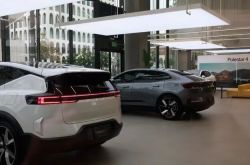
Based on an August 18 letter to dealers obtained by The Verge, electric vehicle maker Polestar disclosed that, after being 'kept in limbo for months' by the Trump administration, its application to keep selling cars in the US was ultimately denied. The crux of the issue stems from the 'connected vehicle' regulations rolled out during the Biden era and now enforced by the current administration—prohibiting the import and sale of vehicles fitted with connected software from so-called 'countries of concern,' with China being the main focus. More notably, Volvo, another Geely-owned brand, secured US Department of Commerce approval to sell cars in the US in May this year; just a month later, Polestar's similar application was rejected, compelling the company to declare its withdrawal from the US market beginning with the 2027 model.
Same Parent, Divergent Outcomes: Volvo Gets the Green Light, Polestar Gets the Boot
In the letter, Polestar's head of product, Peter Wexler, detailed the timeline of interactions with the government: starting with an application submitted to the Bureau of Industry and Security (BIS) within the Department of Commerce on May 29, 2025, and in subsequent meetings, officials—including Jeffrey Kessler, the Under Secretary of Commerce for Industry and Security—had given clear signals, stating that 'if Volvo can sell, given your nearly identical equity and ownership structure, and the Polestar 3 and Volvo EX90 having similar hardware and software, you should also be approved.' Yet, Volvo secured approval in May, while Polestar's bid was turned down in June. The controversy lies here: two companies with the same roots and highly similar vehicles were treated very differently. Wexler noted in the letter that the company has yet to receive a clear rationale for the denial.
All Mitigation Efforts Rebuffed, National Security Concerns Take Center Stage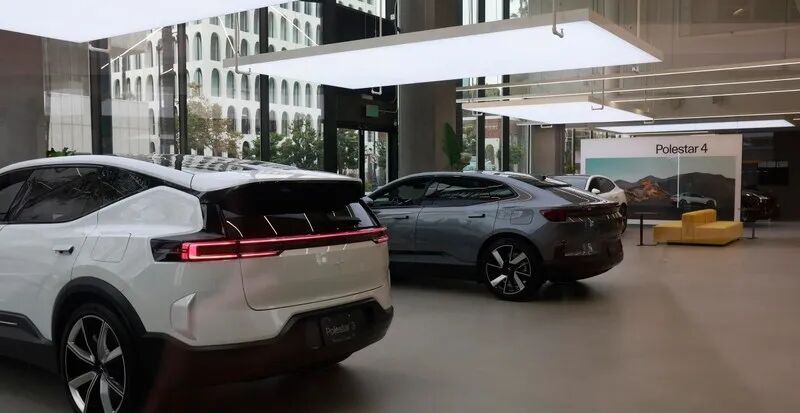
Image Source: The Verge
Polestar didn't take the rejection lying down. The letter stated that the company proactively put forth various 'mitigation measures' to the government to ensure adherence: regular audits, geographic restrictions on data storage and handling, limitations on digital keys and remote access, etc. However, BIS dismissed all of them, asserting that they 'already had enough information to make a decision' and never engaged in any meaningful discussions on these proposals. The regulations, citing 'national security,' prevent vehicles with Chinese connected software from entering the market. To add insult to injury, Prestige Imports, a New Jersey dealer, has filed a lawsuit against Polestar, claiming that the company 'didn't do enough to meet regulatory standards' leading to its US exit—in essence, even partners are questioning whether this exit was mandated by regulations or due to the company's own inadequate response.
Rising Sino-US EV Regulatory Clash, 'Compliance Red Line' for Automakers Going Global
For readers aged 36–60 who are concerned about the nation's industrial future, Polestar's predicament serves as a wake-up call: in the latter half of electrification, 'whether you can sell into the other's market' has emerged as a new battleground beyond just technology. The US employs 'connected vehicle safety' regulations to erect barriers, effectively keeping Chinese-backed supply chains at bay; Chinese automakers and supply chains are compelled to rework their compliance in data security and localized operations. Regulations are barriers, compliance is competitiveness—while tariffs were once the obvious threat, now 'national security' reviews are a more covert soft blade. For all Chinese EV and component companies venturing overseas, Polestar's tale should be etched into the risk playbook: the cost of geopolitics is often steeper and more unpredictable than visible tariffs.
Placing this case on a broader strategic map, the contours of the regulatory clash become clearer. Polestar and Volvo, both under Geely, with similar hardware and software yet facing 'one approved, one rejected,' reveal that the review is not purely a technical safety assessment but is intertwined with industrial protection and geopolitical considerations. For Chinese electric vehicle and component companies expanding overseas, the message is straightforward: entering the European and US markets, product prowess alone is insufficient; data localization, software supply chains, and equity structures must all be placed on the 'reviewable' table. Compliance is no longer a back-office function but a front-stage competitiveness—whoever can establish this compliance system sooner will face fewer blows in the regulatory clash.
Today's Golden Nugget
'In the latter half of electrification, beyond technology, 'whether you can sell into the other's market' has become a new battleground—regulations are barriers, compliance is competitiveness.'
Follow ['Degaoxing Zhikinglang'] for three daily hardcore tech insights, understanding the industry and national fate behind the technology.
-
![]()
Don’t Use Efficiency as an Excuse to Conceal the Problems of Hastily Launched Cars
-
![]()
Core Indicators Rebound Across the Board in the First Half of the Year! Li Auto Steps Out of the 'Encirclement' During the Industry's Coldest Period | Mingjing Pro
-
Is This the 'Prometheus Moment' for Vertical AI Applications?
-
![]()
NASA Halts Swift Rescue Efforts: 20-Year Gamma-Ray Burst Telescope Slated for Year-End Demise, China’s Tianguan Satellite Steps In for Deep-Space Surveillance
-
![]()
Polestar Strikes Out in US: Volvo Gets the Nod Amid Rising Sino-US EV Regulatory Clash
-
![]()
Parent Company’s Net Profit Drops by Over 3.8 Billion Yuan: Why Does Great Wall Motors Report Higher Revenue but Lower Profit?
-
![]()
Over 20 Billion Yuan in Losses Over Four Years! Why Did Konka, the Former 'Color TV Leader,' Take the Initiative to Delist?
-
![]()
【Electric Equipment】200 electric dump trucks depart from Shaoyang, with half heading to South American mining areas