Fujifilm Provides Free LUT Solutions! What Lies Ahead for Mobile Imaging Post the Widespread Adoption of the 'Fujifilm Look'?
 12/05 2025
 781
781
The best is what you own.
A significant development recently unfolded in the imaging community: Fujifilm is set to compile its classic film simulations into a comprehensive suite of LUTs (Look-Up Tables) and offer them for free download. This move has triggered a surge in online tutorials and posts, guiding users on how to import LUTs into cameras and editing software. Across various platforms, users are enthusiastically sharing before-and-after comparisons and detailing their color grading processes. Titles such as 'XX Camera Now Boasts the Fujifilm Look' are becoming increasingly prevalent.
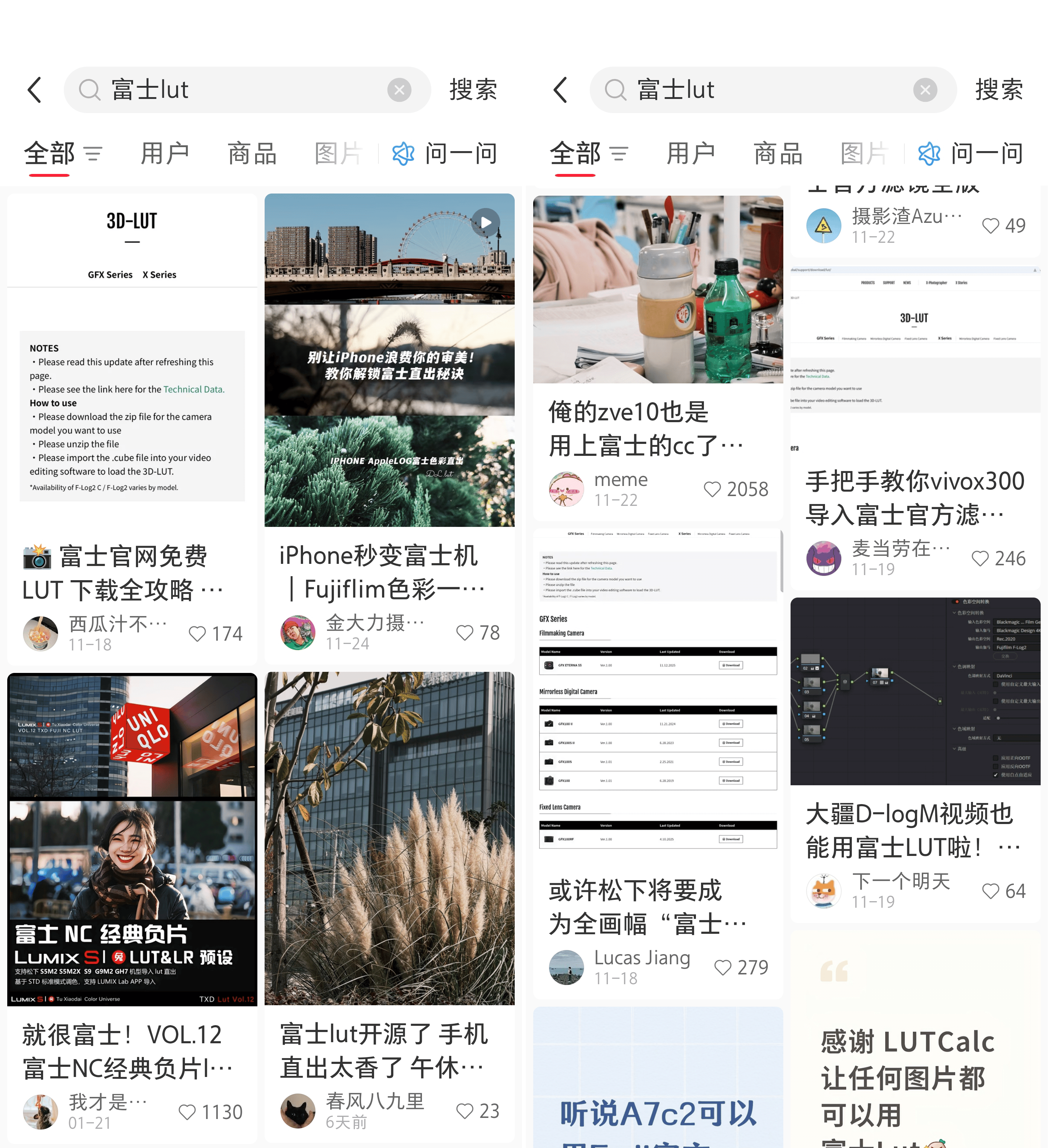
(Image Source: Leitech Graphics)
In essence, Fujifilm has generously shared its most significant selling point—color—with the entire user base. From the perspective of traditional cameras, this move is quite understandable: the unique color palette previously exclusive to Fujifilm camera owners can now be replicated, albeit with some effort, using LUT-compatible cameras from other brands or even through video editing software to achieve a 'Fujifilm Look' in post-production. This effectively extends Fujifilm's color influence from a single hardware platform to a broader imaging ecosystem.
However, the impact on the mobile phone industry is nuanced. Over the past few years, many mobile phones have adopted similar strategies in their imaging promotions: 'Film Mode,' 'Japanese-style Filters,' 'Fujifilm Style,' complemented by a retro UI design, effortlessly creating a so-called sense of experience imbued with 'emotion' and 'texture.'
Now, with Fujifilm directly releasing authentic LUTs for free, questions arise: Can mobile phone 'Fujifilm-like filters' still maintain their appeal? And without a 'mimicry benchmark,' where should mobile imaging head towards?
'Fujifilm-like' is no longer the key; mobile phones should revert to imaging fundamentals.
Many readers may not realize that current mainstream flagship mobile phones already possess the foundational capabilities for professional imaging creation. Flagships from iPhone, Xiaomi, OPPO, vivo, etc., already support 10-bit Log video recording, with some models even offering LUT import interfaces. This means that, technically, mobile phones can also produce images that closely resemble the 'original Fujifilm look.' However, the reality is that regardless of how appealing mobile phone filter names may be, they essentially remain stylistic simulations within their own processing pipelines—simply put, they are still just filters.
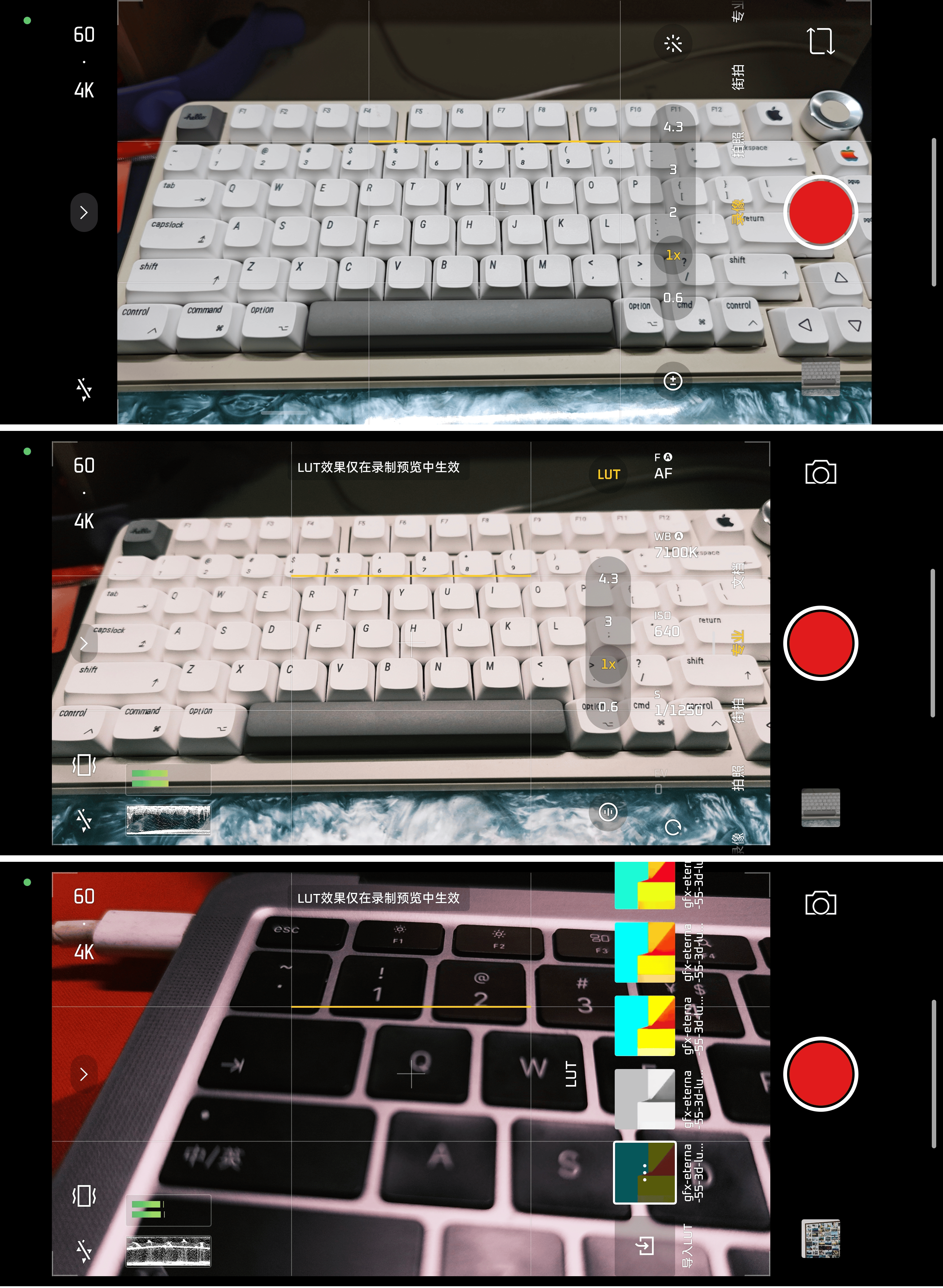
(Image Source: Leitech Graphics)
Firstly, it must be acknowledged that mobile phones have achieved some success in mimicking the 'Fujifilm look' or 'film look.' For instance, OPPO's film filters not only replicate Fujifilm Classic Chrome's low-saturation tones but also simulate film's dynamic range characteristics, achieving a minimal gap with Fujifilm camera outputs in well-lit scenes.
Many users open their camera, swipe through filters, and upon seeing a softer, yellower image with noticeable grain, naturally associate it with a 'film look.' Through word-of-mouth, the marketing effect is instantly amplified.
However, this success was based on the absence of a reference point. The issue arises now that true comparisons exist. After Fujifilm released its LUTs, many began sharing side-by-side comparisons: on one side, a camera shooting in LOG mode with post-applied LUTs; on the other, a mobile phone's one-click filtered image. The differences are stark: on the camera side, highlights are well-controlled, shadows are lifted, skin tones transition naturally, and grain appears fine; on the mobile side, highlights may turn gray upon compression, shadows may lose detail when lifted, skin tones may appear overly yellow or pink, and grain can look 'fake.'
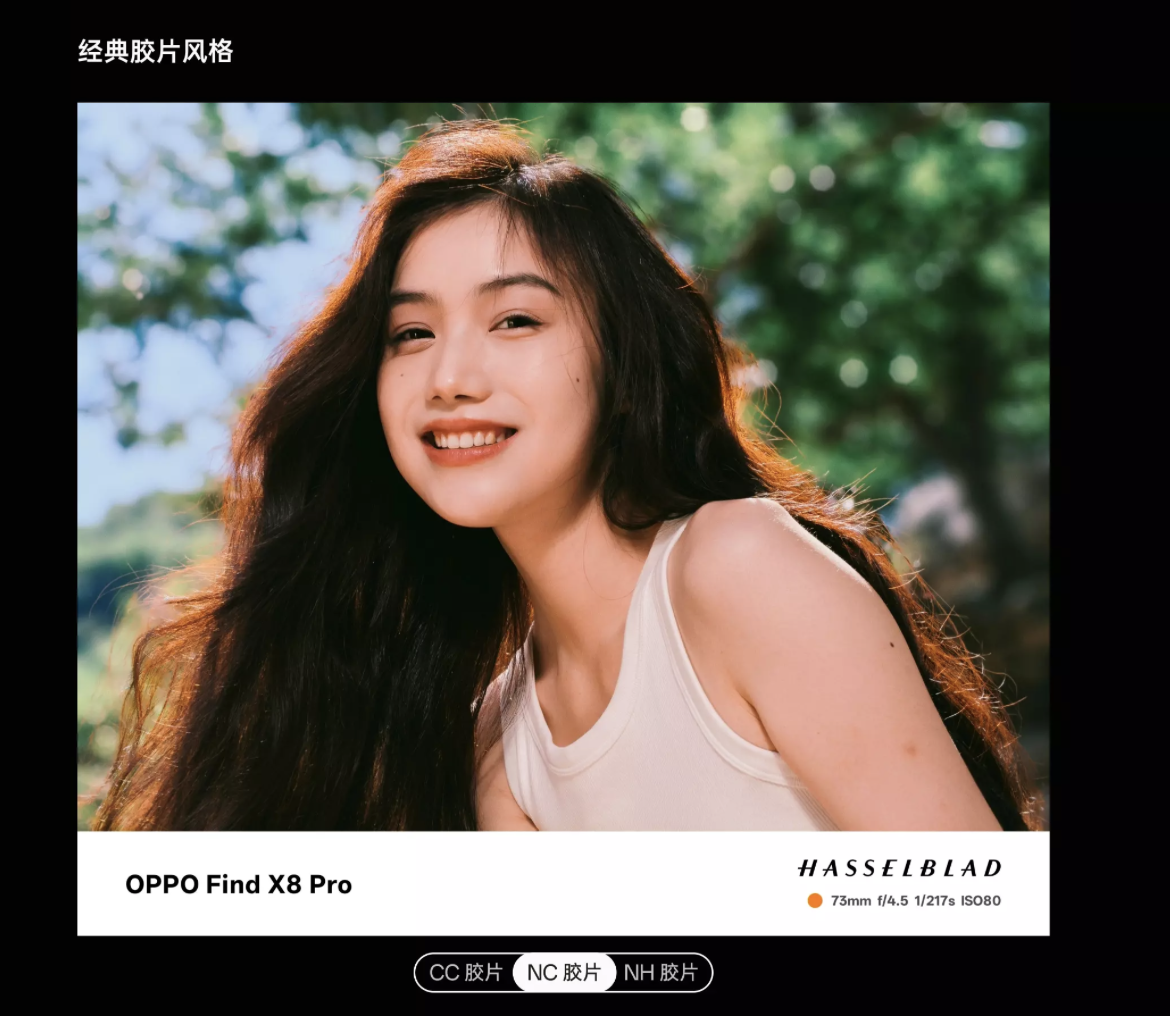
(Image Source: OPPO Official)
This is understandable. Mobile phone manufacturers, aiming for one-click results, often encapsulate color processing as a black box—essentially simplified algorithms nested within the phone's ISP processing pipeline, vastly different from the working logic of professional LUTs. The so-called Fujifilm filters merely make minor stylistic adjustments to color and contrast at the end of this pipeline.
Not to mention that during this processing, the original image information undergoes multiple compressions and modifications, significantly compromising color accuracy and detail richness.
Professional camera LUTs, on the other hand, are tailored for high bit-depth, LOG ('grayish') footage. They serve as mapping tables, dictating 'where to push' different brightness levels and colors, enabling color adjustments to the Fujifilm style without destroying the original information. Compared to mobile phones' 'assembly-line craftsmanship,' this camera logic better aligns with professional needs.
Therefore, once users truly grasp the LUT+LOG workflow, they naturally perceive a significant gap when revisiting mobile phone 'Fujifilm-like' filters. In other words, Fujifilm offering free LUTs serves as a wake-up call for mobile phones—manufacturers can no longer rely solely on filter naming and UI packaging to get by. Instead, they must focus on the fundamentals.
What are these fundamentals? They are not the '200-megapixel,' '10x optical zoom' parameters found in presentation slides but rather the user experiences hidden in the details: for instance, whether colors remain consistent across different focal lengths and lenses; whether night scenes strive for 'brightness at all costs' or find a balance between brightness and realism; whether portraits rely solely on skin smoothing and whitening or retain skin details and respect different ethnic skin tone variations, and so on.
When mobile phones solidify these basics, even without mentioning 'Fujifilm,' 'retro,' or 'film,' users will recognize, 'This new phone's imaging performance has indeed improved significantly,' upon seeing the sample images.
Fujifilm's LUT Release Actually Aids Mobile Imaging
Many discussions interpret Fujifilm offering free LUTs and similar moves by camera brands, such as 'Creative Looks' and 'Film Dials,' as cameras vying for mobile phone users.
However, viewing this from another perspective reveals a different truth: it's not that cameras have suddenly become smarter but rather that after a decade of being 'educated' by mobile phones, they finally understand that 'users don't need complex professional parameters but simple, user-friendly creative tools.'
In Lei's view, mobile imaging holds three advantages over traditional cameras: first, 'real-time preview'—users see roughly what they'll get in the phone's viewfinder, eliminating the need for tedious post-adjustments; second, 'simplified operation'—users don't need to understand shutter speed, aperture, or ISO; they can simply point and shoot; third, 'highly integrated functionality'—after shooting, the phone's built-in editing software can instantly apply beautification, filters, cropping, etc., and directly share to social platforms, all within a minute, perfectly suited for today's fast-paced social life.
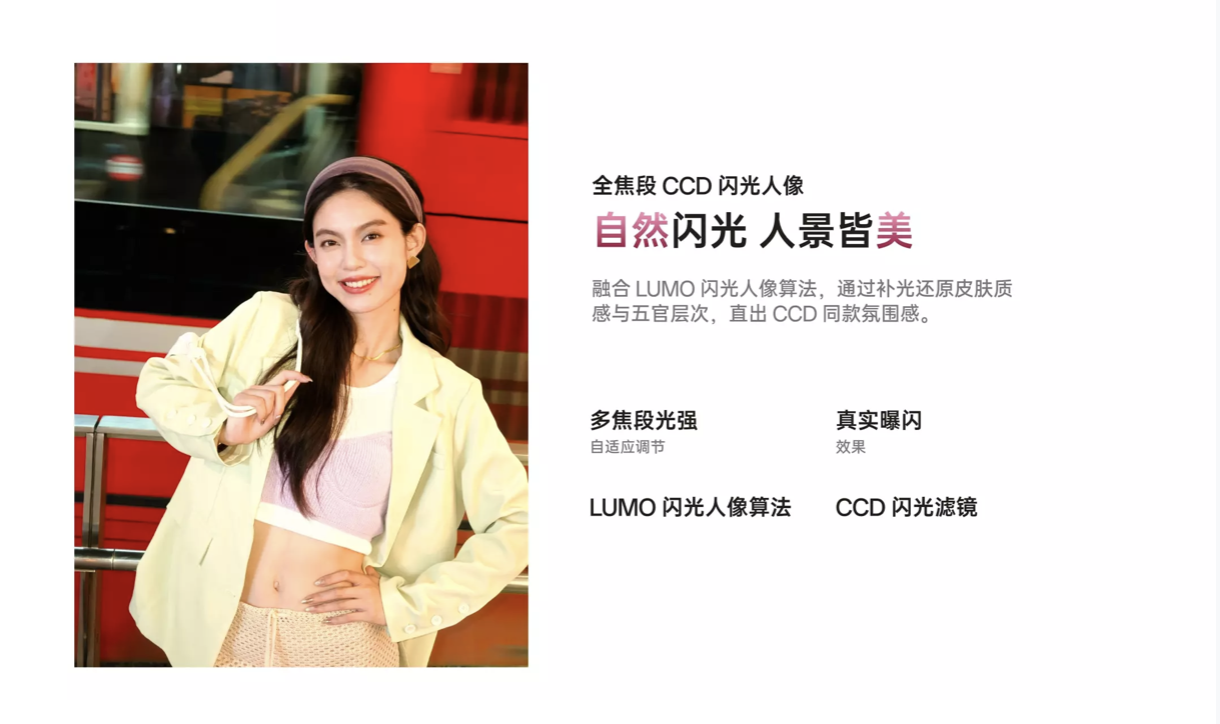
(Image Source: OPPO Official)
The evolution of mobile photography essentially involves dismantling numerous barriers of professional imaging and replacing them with a more user-friendly interaction model.
Now, we notice that cameras are also emphasizing 'straight-out-of-camera' results, 'one-click styles,' and 'in-camera filters'—essentially retracing mobile phones' path but with a more professional veneer, using LUTs and film simulations to tell the same story.
Perhaps unbeknownst to many, this actually benefits mobile phones in three ways.
Firstly, camera manufacturers are using more professional rhetoric to educate users on behalf of mobile phones. Previously, when mobile phones promoted 'imaging styles' and 'color languages,' they often faced criticism as 'useless marketing.'
Now, with renowned camera brands like Fujifilm, Nikon, and Panasonic highlighting LUTs and film simulations as core selling points, users no longer perceive terms like 'style' and 'workflow' as false advertising. Consequently, when mobile phones introduce more advanced imaging features later, users are more likely to accept them.
Secondly, it proves that mobile phones are on the right track. In reality, everyone is moving towards simplicity and lower barriers, with cameras retaining a more professional end and mobile phones focusing on the mass market. From a business standpoint, this indicates that mobile phones have seized the initiative in 'mass imaging.'

(Image Source: Leitech Photography)
Thirdly, it offers mobile phones an opportunity for clearer positioning. The future of imaging will not be a simple opposition between mobile phones and cameras but rather a collaborative ecosystem where cameras handle ultimate image quality and mobile phones focus on portable recording.
In Lei's view, mobile phone manufacturers should now focus on further refining and optimizing functions, such as providing more reliable LOG previews and LUT simulation tools for professional users or integrating stronger editing and color grading tools at the system level. Ultimately, this round of 'involution' among cameras may drive more creators back to the mobile phone ecosystem: cameras will handle 'shooting better,' while mobile phones will ensure 'faster usage and wider sharing.'
The Ultimate Goal of Mobile Imaging: The Best Is What You Own
From a broader perspective, Fujifilm offering free LUTs serves as a 'warning' to the mobile phone industry.
It signifies that the previous approach of merely mimicking Fujifilm in naming and UI will no longer suffice. What truly resonates with mobile imaging users long-term is not how well the filter names are crafted but the reliability of the image itself. Mobile phones have already made 'everyone can shoot' a reality; the next step is to enable 'more people to shoot better.'
For mobile phone manufacturers, the priority should not be worrying about cameras seizing the market but rather diligently refining basics like color accuracy, dynamic range, night photography, portraits, and telephoto capabilities to ensure users can trust the phone in various extreme scenarios. Additionally, for users transitioning from casual to creative, a more professional pathway should be paved—from one-click results in default mode to high controllability in professional mode, and potentially future LUT support, style sharing, and mobile-end professional color grading—allowing them to experience more professional and convenient imaging without leaving the mobile phone ecosystem.
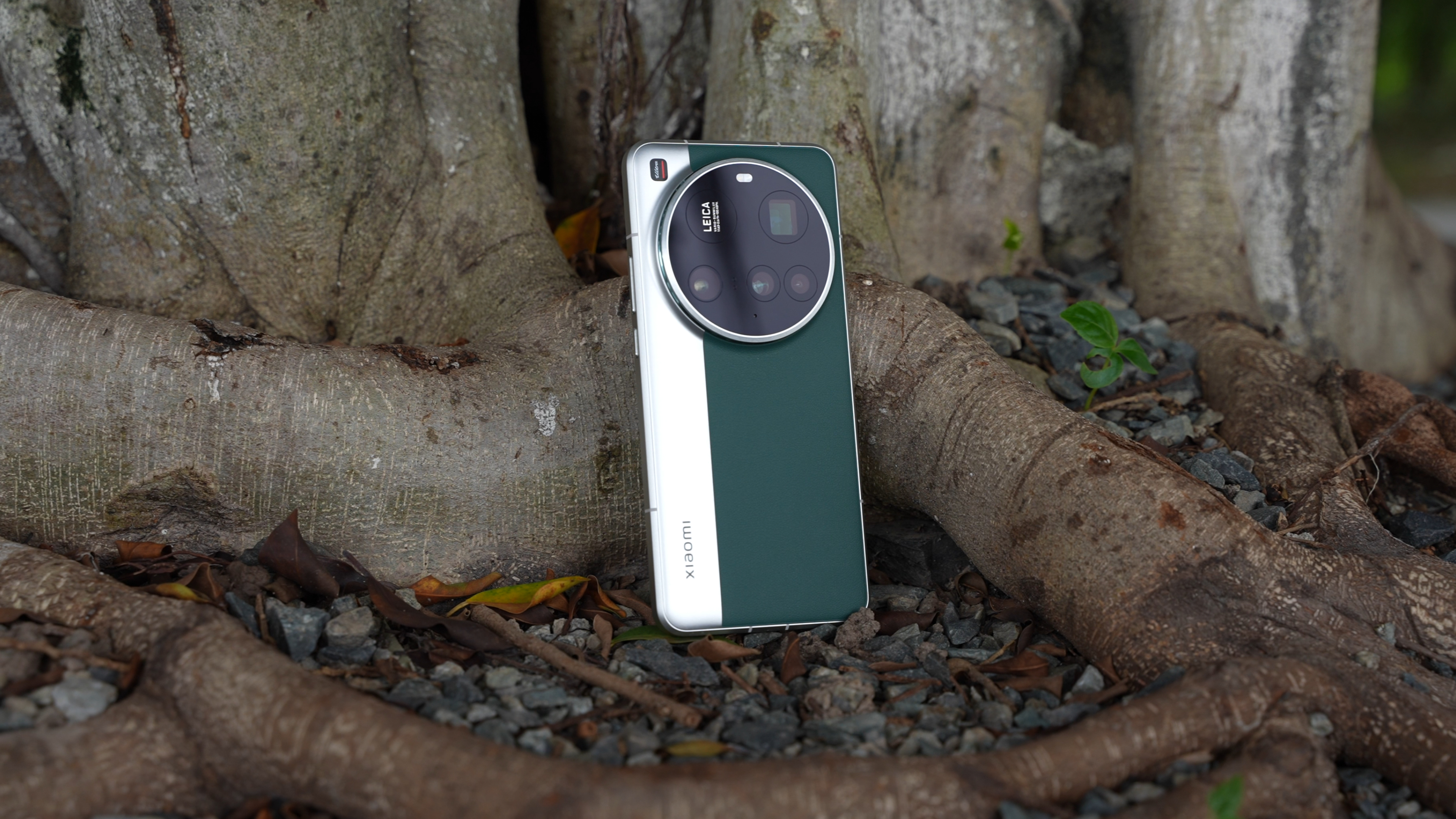
(Image Source: Leitech Photography)
When mobile phones achieve this, they no longer need to play the role of 'imitators' but can naturally become 'definers' of the imaging era: instead of telling you 'I resemble Fujifilm,' they let users say, 'This is the unique flavor of this mobile phone,' through a series of stable, natural, and distinct sample images.
Fujifilm offering free LUTs merely serves as a reminder for mobile phone manufacturers: stop being obsessed with 'resembling someone' and instead seriously answer a more crucial question—what kind of 'world' do you truly want to capture?
-
On the Eve of Its IPO, Avatr Finds Itself Embroiled in a 'Farce of Controversy and Belittlement'
-
![]()
Yutong Optics' Japanese Subsidiary Unveiled in Tokyo, Shifting Strategic Focus to Technology-Driven Growth
-
![]()
Half-Year Revenue Outstrips Last Year’s Total! Zhongrun Optics Forecasts 80.2% H1 Revenue Growth
-
![]()
Why Does AI Competition Start with Computing Power?
-
![]()
Apple AI Finally Makes Its Debut in China, Yet iPhone's 'AI Autonomy' Faces Uncertainty
-
![]()
Apple AI and QianWen Make Up Lessons: Alibaba Has Its Own 'Doubao Phone'
-
![]()
QianWen Joins Apple, Signal for Large Models to ‘Fade into the Background’
-
![]()
The ‘Anchor’ Strategy of Google Hidden Behind the Bleeding Financial Report