The imaging capabilities of smartphones are continuously improving, but why are there more and more 'add-ons' for shooting?
 07/01 2026
 600
600
Using add-ons is nothing to be ashamed of.
Smartphone manufacturers have spent over a decade cramming cameras into phones, and now they are starting to attach camera components to the outside of smartphones piece by piece.
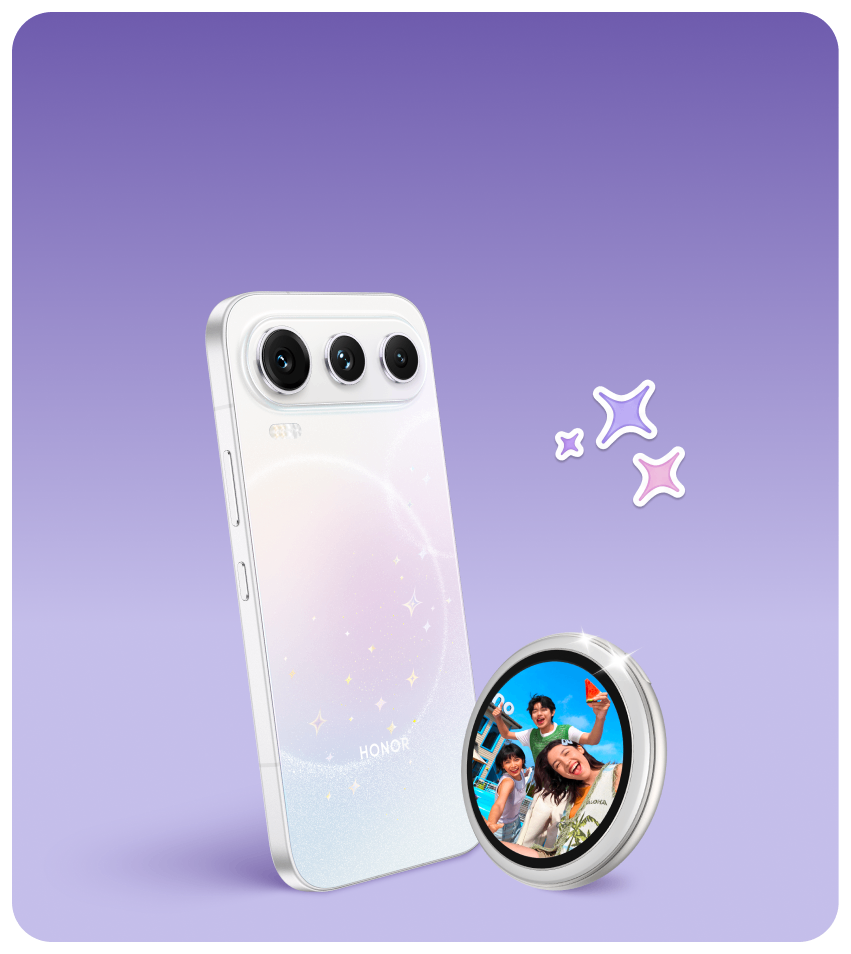
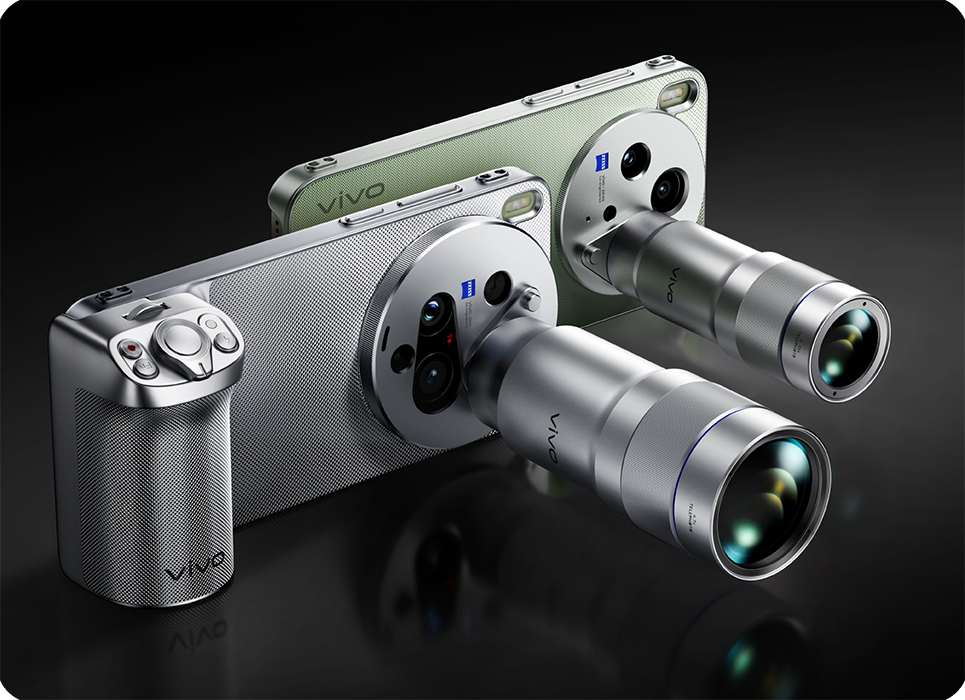
If you have been paying attention to the recent developments in smartphone imaging, you will notice that more and more 'add-ons' are taking center stage. For example, the vivo XFold6 comes with a 200mm teleconverter, while OPPO and Honor have added magnetic secondary screens to their phones, allowing solo shooters to use the rear main camera for selfies, previews, and controls.
(Image source: Honor)
When people buy smartphones, they often do so with the idea of leaving their cameras behind. However, when it comes time to shoot seriously, they pull out lenses, screens, gimbals, wireless microphones, fill lights, and SSDs, making their smartphones increasingly professional. Surprisingly, these accessories are not just for professional users; teleconverters, fill lights, and wireless microphones have become essential tools for ordinary people attending performances.
Therefore, Leitech believes that the next battle in smartphone imaging will not completely abandon lenses. The battlefield has expanded from inside the device to the outside. While sensors and lenses determine the upper limit of image quality, for ordinary people to create a 'professional' video, they need to enhance both the 'internal' and 'external' aspects.
Smartphone imaging is growing external 'organs'
To be honest, smartphones have limited thickness and weight, and extreme capabilities with low daily usage frequency are unlikely to permanently reside inside the device. The most direct example is the ultra-telephoto lenses that major smartphone manufacturers are competing with. For instance, the vivo X300 Ultra retains a high-frequency 85mm equivalent telephoto lens, and when users need to shoot birds, stages, or distant subjects, they can attach a 2.35x or 4.7x Zeiss teleconverter to extend the focal range to 200mm or 400mm equivalent. The G2 Ultra weighs 248g, and of course, it's not lightweight when equipped, representing the division of labor in smartphone imaging—common capabilities remain in the phone, while low-frequency but high-value optical capabilities are installed as needed.
(Image source: vivo)
However, this type of teleconverter does not necessarily mean that external attachments are superior to native periscope telephoto lenses. It adds weight, and installation precision and optical quality can affect the final image. Low-quality external lenses may even introduce vignetting, color shifts, and edge blur. Nevertheless, it is commendable that smartphone manufacturers are beginning to treat extreme focal lengths as loadable optical plugins, no longer insisting on permanently cramming every possibility into the limited device space.
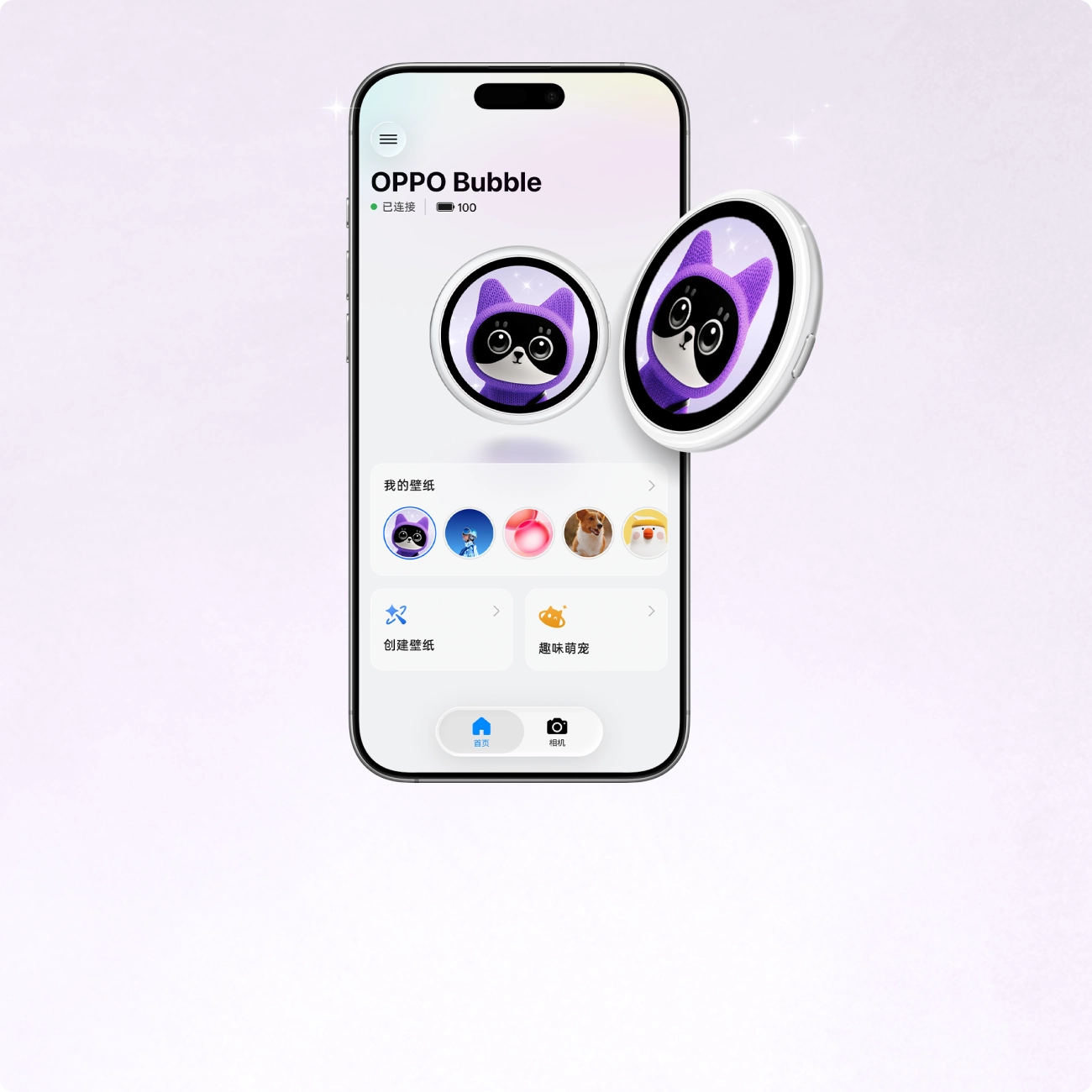
Unlike 'teleconverters,' smartphone imaging add-ons also include some fun and interesting accessories, such as 'selfie screens.' The OPPO Bubble and Honor 600 series magnetic secondary screens take a different approach; they hardly participate in imaging but allow solo creators to use the higher-quality rear main camera while still seeing their expressions and movements clearly. Honor has also integrated four levels of fill light into the secondary screen, while OPPO has made the screen serve as wallpaper and an 'electronic badge.' For imaging add-ons to fit into ordinary people's pockets, they need to be useful, lightweight, good-looking, and something people are willing to carry every day.
(Image source: OPPO)
In the past, manufacturers were accustomed to defining imaging capabilities with lenses and algorithms, but now a screen that does not participate in imaging can also become a selling point. The reason is simple: for solo shooters, if they cannot see themselves, even the best main camera is difficult to use effectively. The OPPO Bubble does not make the main camera parameters stronger; it makes it easier for a person to use the main camera to shoot themselves well. Nowadays, framing rights and control rights should also be included in the scope of smartphone imaging capabilities.
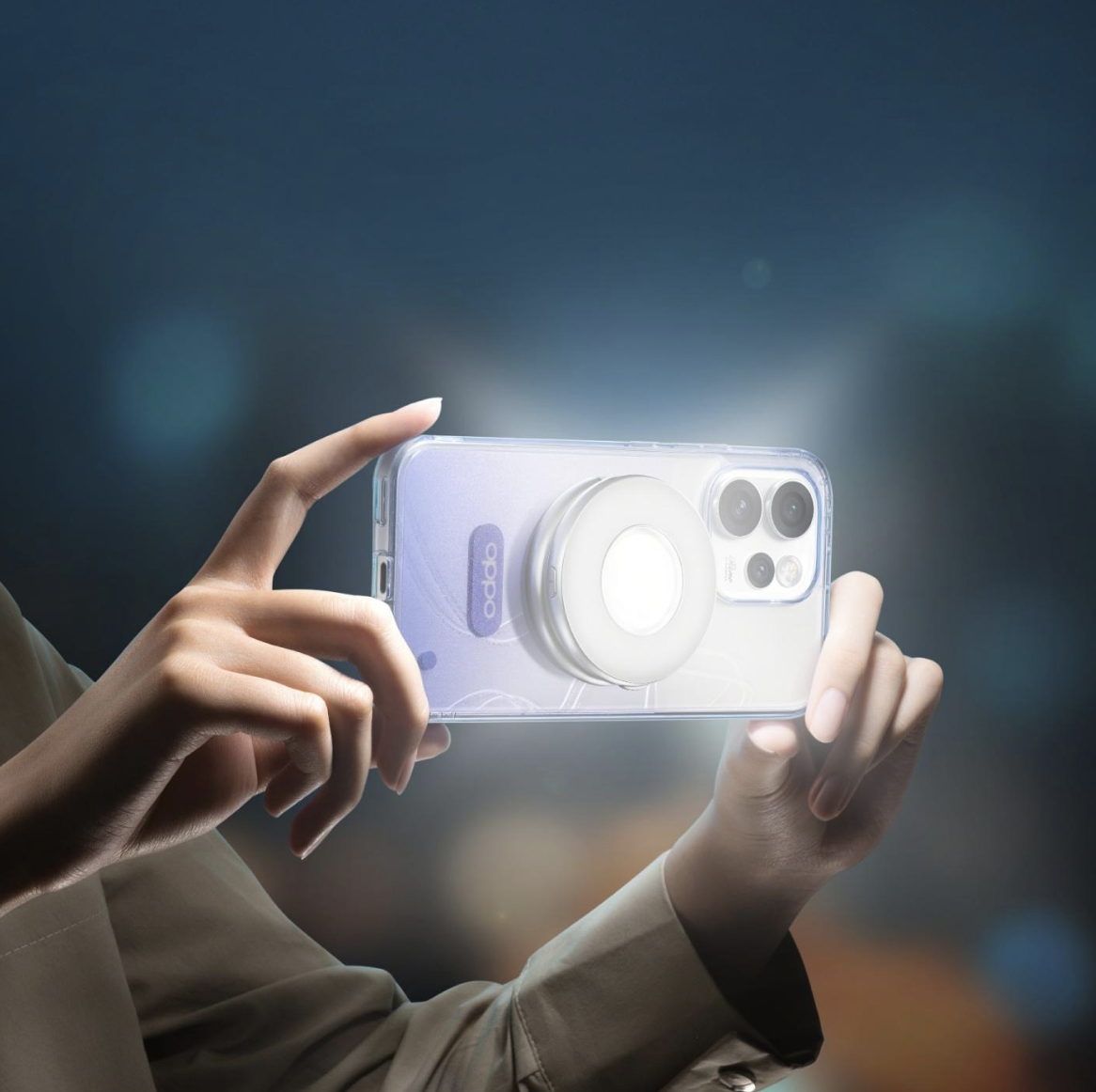
Honor has integrated fill light into the magnetic secondary screen, and OPPO's official accessories include magnetic flash fill lights. DJI has also created a 10g OM fill light that can be directly attached to a gimbal. While smartphone night scene algorithms can synthesize brighter static images, they cannot easily change the direction of light or automatically make skin tones appear ideally lit.
The significance of small fill lights is not to turn night into day but to add a small, controllable amount of real light to faces, food, or close-up subjects. They can be used as soon as they are attached, without separate wiring, often aligning better with smartphone usage habits than pursuing extreme brightness.
(Image source: OPPO)
Of course, when it comes to smartphone imaging accessories, handheld gimbals must be mentioned.
The latest DJI Osmo Mobile 8P integrates three-axis stabilization, subject tracking, remote framing, an extension rod, a tripod, and smartphone power supply into a single device, while providing shooting guidance and one-click post-production through DJI Mimo. With powerful software algorithms, gimbals have taken over some of the photographer's responsibilities, helping solo shooters follow subjects, adjust composition, control camera position, and even remind users which shots to take next.
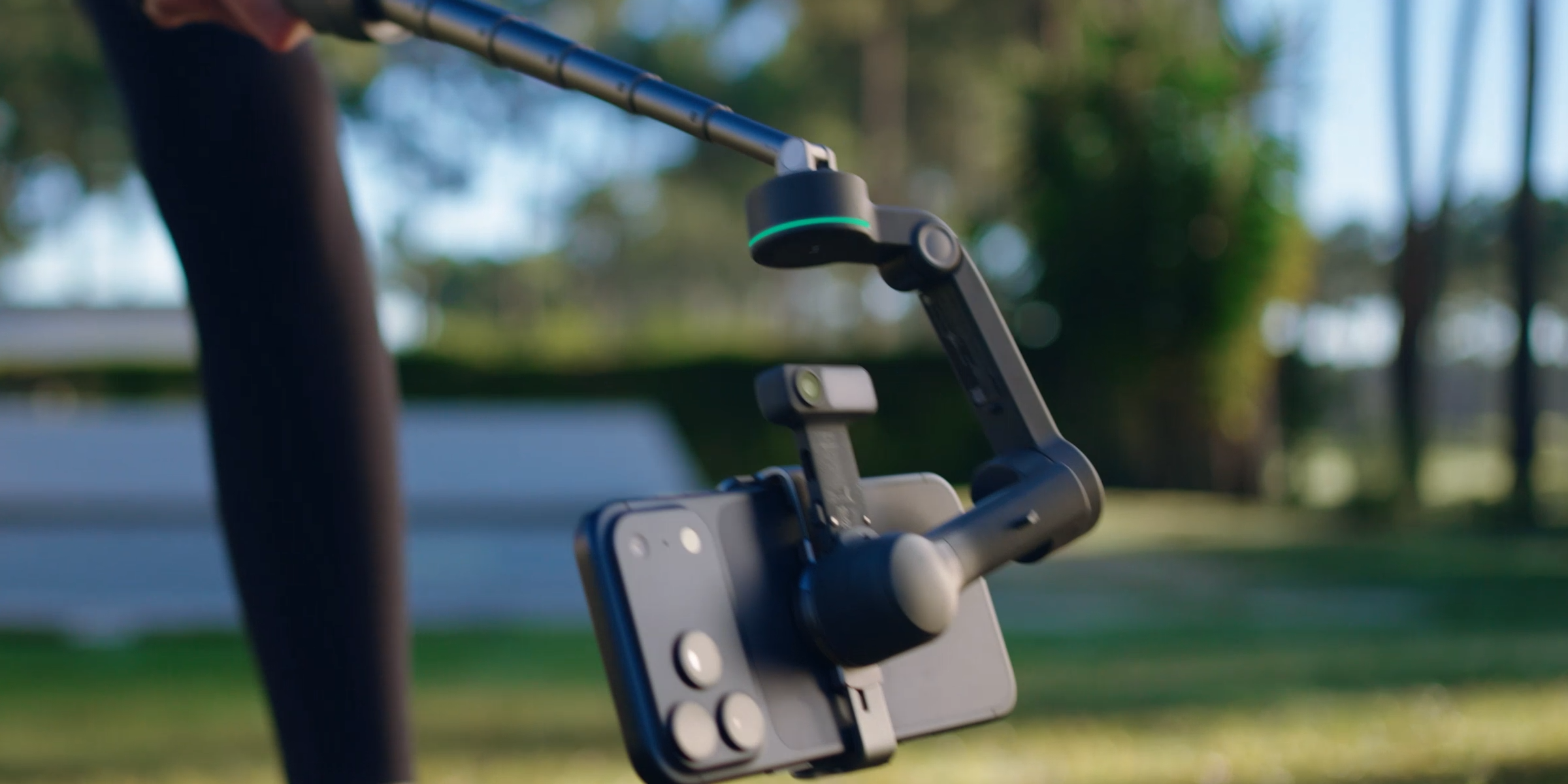
(Image source: DJI)
Then there are wireless microphones, such as RØDE, which move the microphone from meters away on the smartphone to the speaker's collar. While algorithms can reduce ambient noise, they cannot eliminate the distance sound travels. For shop review (store exploration), street interviews, and dual Vlogs, wireless microphones remain the best solution.
Overall, lenses, screens, lights, gimbals, microphones, and apps may seem like different categories, but they are all becoming new tools to assist smartphone imaging in becoming more powerful and professional. Although we have seen them in the camera field years ago, they do not hinder smartphones from making photography more convenient while offering a better experience.
Accessories matter because algorithms cannot compensate for physical limitations
Reports show that as of December 2025, China's online audio-visual user base has reached 1.099 billion, with an average daily usage time of 201 minutes per person. The market size of the online audio-visual industry in 2025 is approaching 1.29 trillion yuan. Among major online applications with a usage rate exceeding 80%, short videos are the only segment to achieve growth in both user scale and usage rate.
Users previously accepted 'just capturing the shot,' but now the same smartphone may need to handle appearing on camera, interviews, product displays, on-site recording, editing, and same-day publishing. As the smartphone itself approaches professional image quality, gaps in other areas become more visible. For example, the image may be clear enough, but the subject tracking may lag, or the video may have a high dynamic range, but the sound may be unclear. If the footage is shot in Log format, storage space and battery life may be insufficient. The bottleneck in smartphone imaging is shifting from the upper limit of image quality to the lower limit of the workflow.
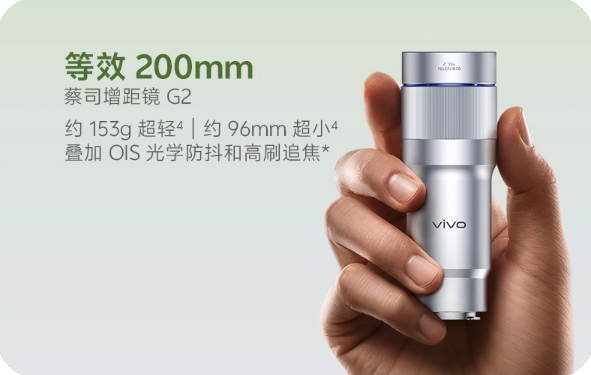
(Image source: vivo)
Distance is the first threshold that algorithms struggle to overcome. Digital zoom cannot infinitely recover distant details, and noise reduction cannot turn distant speech into close-up audio. Teleconverters and wireless microphones may seem unrelated, but they serve similar purposes—both shorten the physical distance between the smartphone and the subject, making light or sound usable before entering the algorithm.
Light and motion will not disappear with the advent of AI. Night scene synthesis excels at relatively stable scenes, but moving faces, constantly changing stage lights, and steaming dishes are more prone to motion blur and color deviations. Electronic image stabilization can offset some shaking through cropping, but it won't plan camera movements, continuously track subjects, or adjust composition from a distance for the user. Fill lights, gimbals, and selfie screens fill the gaps that occur before pixel calculation.
Then there's high-specification video, especially Log and RAW footage. The iPhone 15 Pro can already record ProRes at up to 4K 60fps directly to external storage and provide Log encoding. Manufacturers like Lexar and SanDisk have also started designing SSDs around direct smartphone connectivity and magnetic external recording. Higher bitrates offer more post-production flexibility but also result in larger files, higher power consumption, and more noticeable heat.
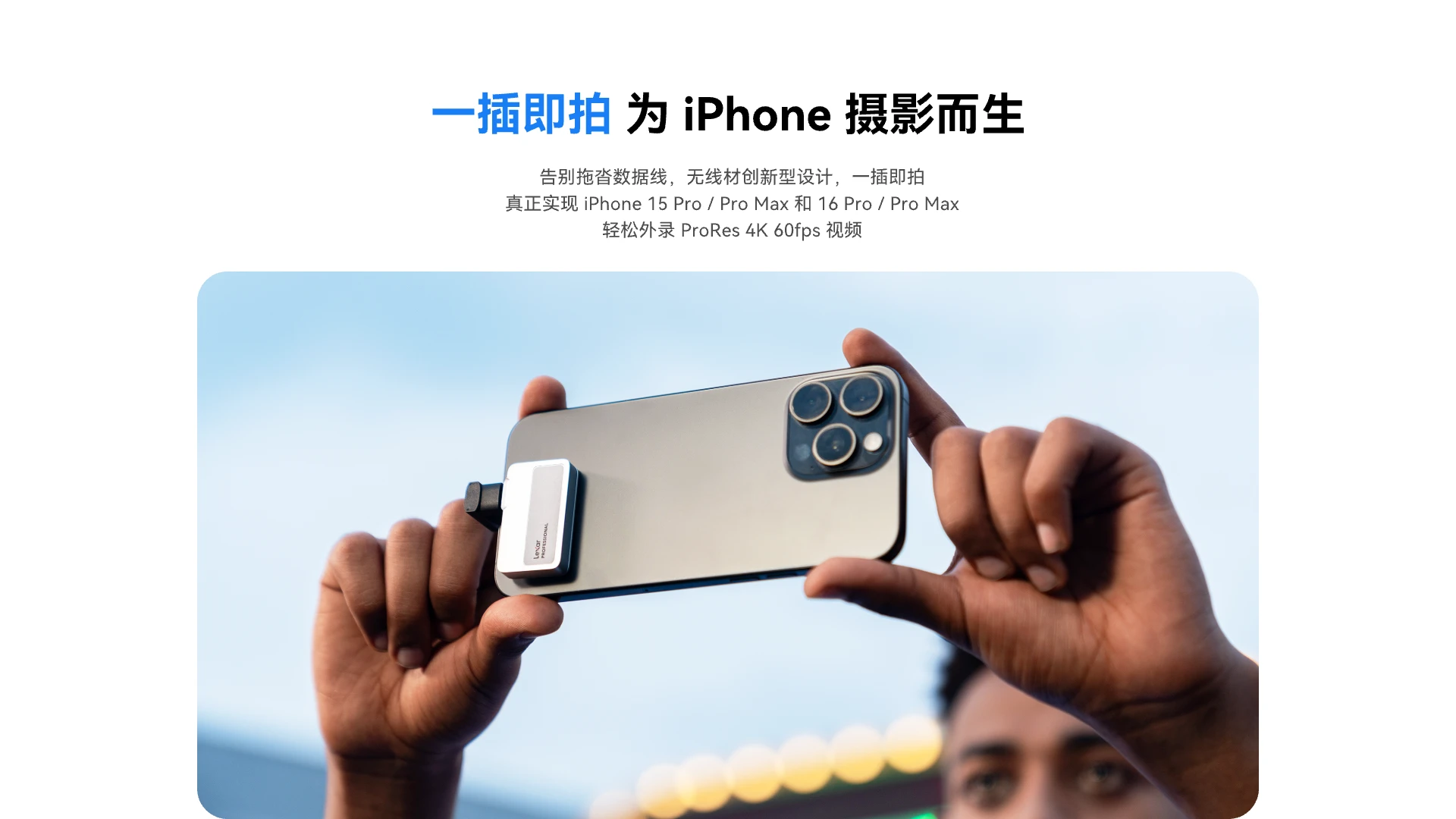
(Image source: Lexar)
The systematization of add-ons stems from smartphones taking on too many roles—they must serve as cameras, recorders, monitors, hard drives, editing stations, and publishing terminals. As lenses push the upper limit of image quality higher and higher, any shortcoming (weak link) that fails to keep up can render an entire video unusable. In Leitech's view, the next competition in smartphone imaging cannot simply focus on who offers more accessories; it must also consider whether these components can seamlessly integrate.
More imaging accessories, but what about the ecosystem?
Vivo's teleconverters, OPPO and Honor's secondary screens, and dedicated photography grips from various brands are all reinventing a lightweight mount ecosystem. When users purchase dedicated phone cases, lenses, filters, and grips, they also leave some future choices to the same brand. This logic is somewhat similar to the camera mount business, except that smartphone designs change faster, and a dedicated accessory may only serve one generation of products, with a much shorter lifespan than a camera lens.
Cross-generational reuse will, therefore, be the biggest question mark in this business. Whether new smartphones can remain compatible with previous-generation accessories, whether interfaces are willing to open up to third parties, and whether the same device can retain core functions across brands and apps will all influence users' willingness to continue investing. If every phone upgrade requires discarding lens cases, grips, and secondary screens along with the old device, the so-called ecosystem resembles a set of expensive consumables, making it difficult to build long-term trust.
However, during the group interview at vivo's XFold6 launch event, vivo officials revealed to Leitech that there are indeed plans to establish vivo's teleconverters as a standardized lens mount ecosystem, with more future models potentially joining this ecosystem. Even if the phone becomes obsolete, the teleconverter can still be used.
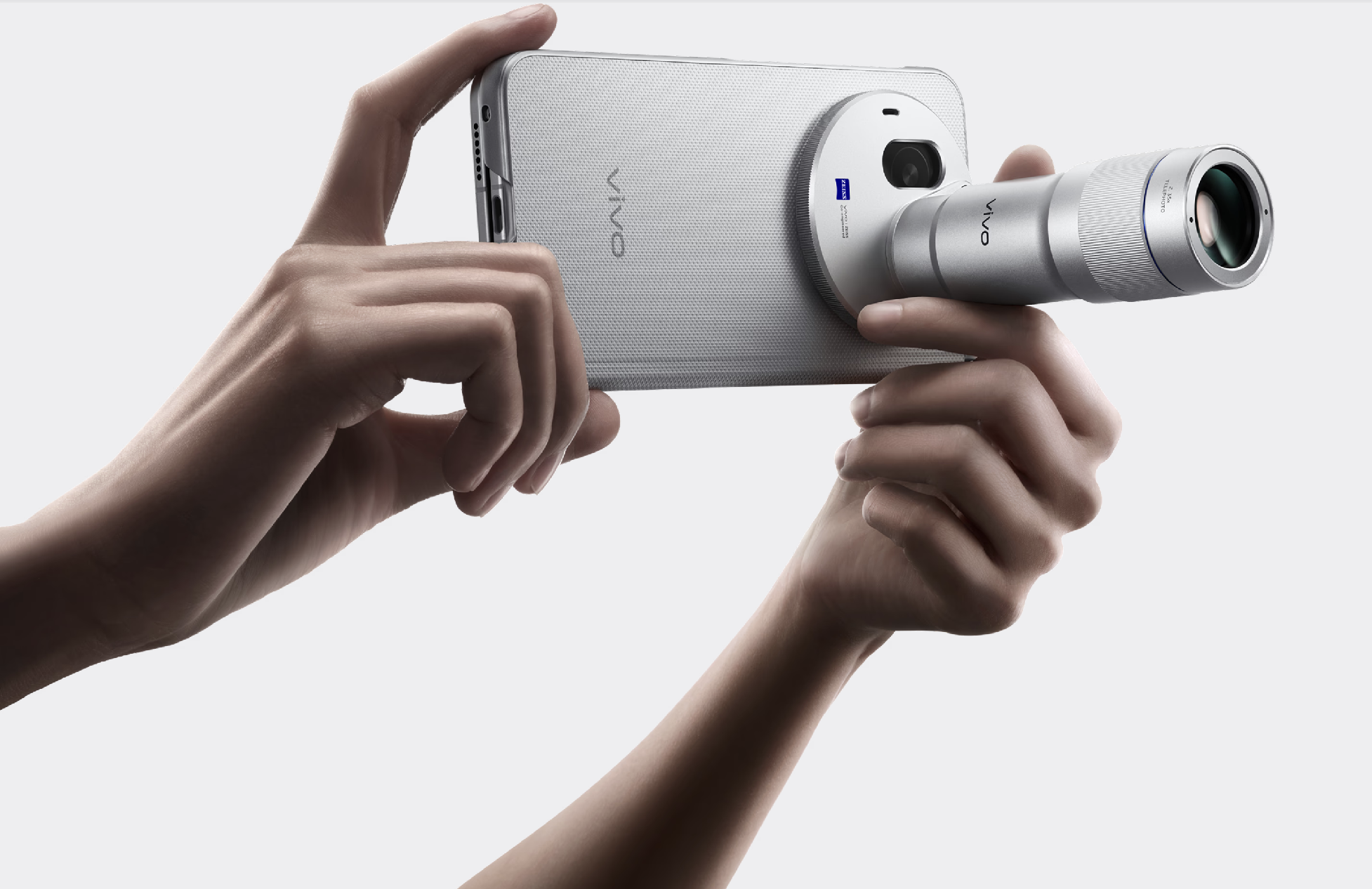
(Image source: vivo)
In reality, more add-ons do not necessarily equal more professionalism. After attaching large lenses, cages, SSDs, power banks, coolers, and wireless microphones, the smartphone loses its most crucial feature: portability. Gimbals require setup and stowage, which may cause users to miss moments; cheap lenses may degrade image quality; wireless microphones and professional apps may lack some features on different Android models. As built-in stabilization, AI tracking, native audio recording, and computational photography continue to improve, a batch of low-value add-ons will still be eliminated.
Therefore, Leitech believes that smartphone imaging add-ons should follow a different approach from cameras. For example, weight should be reasonably controlled to avoid sacrificing portability; installation should be easy and compatible with more products; stabilization, audio recording, storage, and editing should not compete for interfaces or power; hardware and software should work together to complete the process from recording to final editing, and so on.
Ultimately, the smartphone imaging ecosystem is compressing the complex workflows once reserved for photographers, sound engineers, lighting technicians, and editors into a portable, ready-to-use solution for ordinary people. For peripheral manufacturers, the winner of the next round of competition will be whoever can make these actions shorter, more stable, and more natural, becoming the center of attention in smartphone imaging.
In Conclusion
It is not difficult to see that whether it's moving extreme focal lengths outside the device with teleconverters, relocating the viewfinder outside with selfie screens, or transferring some of the photographer's and sound engineer's tasks outside with gimbals and wireless microphones, their ultimate goal is to elevate smartphone functions that could only achieve 60 points to 80 or even 90 points through add-ons.
However, this may also raise concerns in the market. Some consumers may worry that if manufacturers focus too much on add-ons and neglect the development of the smartphone's inherent capabilities, and if add-ons require additional purchases, is this not a form of price hiking and putting the cart before the horse? For now, this concern may not yet be a real issue. Taking telephoto lenses as an example, the hardware limitations of smartphones are still very apparent, and teleconverters are indeed a superior solution.
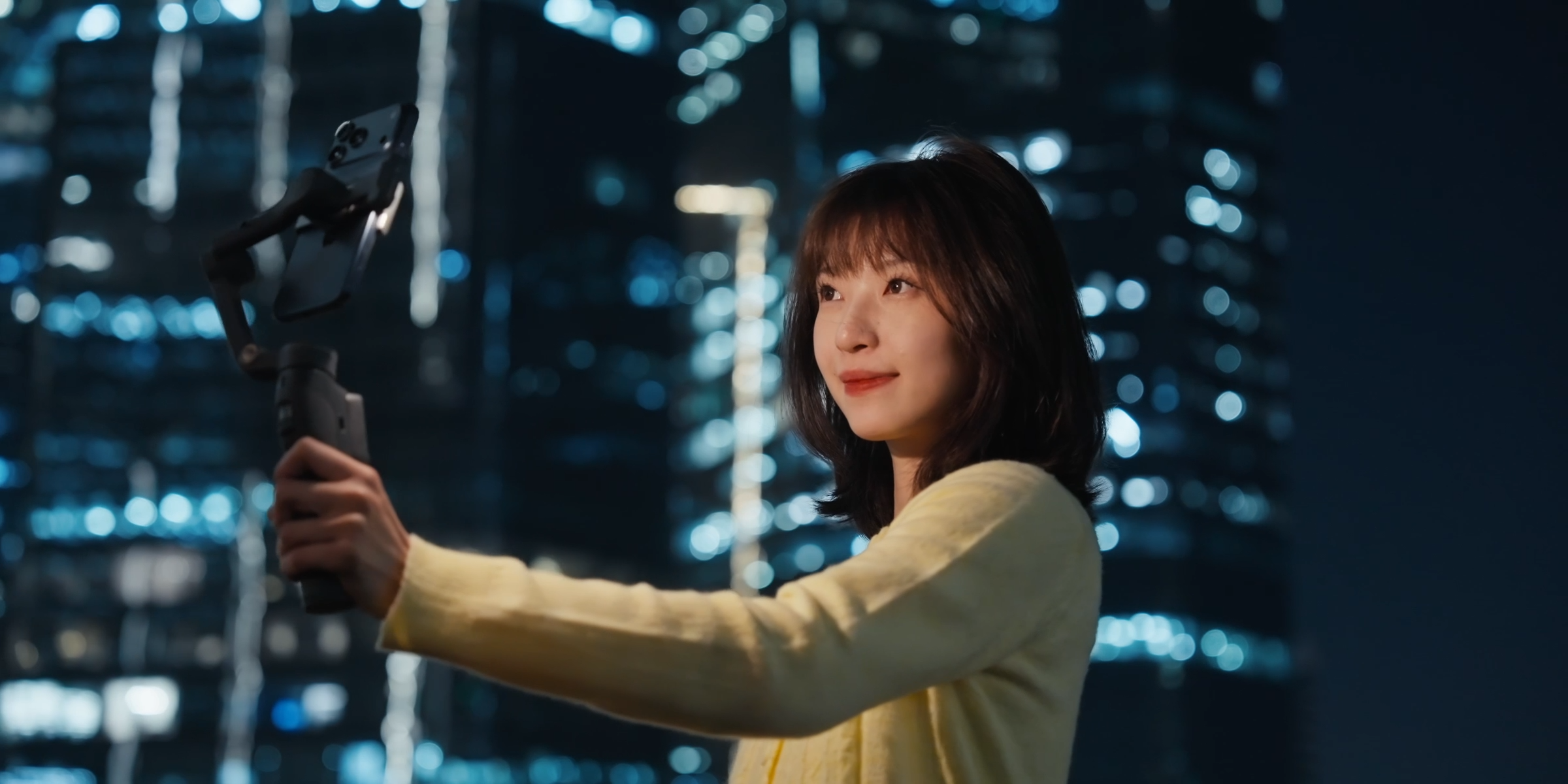
(Image source: DJI)",
-
![]()
Two Major Optical Film Projects Reach Pivotal Implementation Stage! Tianlu Technology Records RMB 268 Million in H1 Revenue
-
![]()
Following Equipment Business Integration, Sugon’s Net Profit (Excluding Non-Recurring Items) Skyrockets by 222.54% in H1!
-
![]()
Insta360 Sidesteps Price Wars, Pursues New Avenues for Growth
-
![]()
Strategic Emphasis on Digital Photonics Gains Momentum! Optical Behemoth Reports RMB 12.4 Billion in H1 Revenue
-
![]()
In-depth | Li Shufu's "Turn at the Peak": Why Did Geely Choose to Change Leadership at Its Prime?
-
![]()
Has Xiaomi Weathered Its Toughest Times?", "Xiaomi, Financial Report, Chips, Automobiles, AI
-
![]()
Has Xiaomi Ridden Out the Storm?
-
![]()
Why Are Children Better at Learning Languages Than AI? MIT TR: Large Models Need to Burn Down an Entire Forest, While Kids Only Need 100 Million Words