"Robotaxi Five Tigers" Compete in Guangzhou! Who Will Seize the Crown?
 03/31 2026
 811
811
Is Guangzhou poised to become the global epicenter for Robotaxi?
What Makes Guangzhou the Mecca of the Robotaxi Industry?
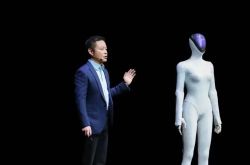
Recently, XPENG Motors, a leading Chinese new energy vehicle manufacturer, announced the establishment of an independent Robotaxi business unit, with plans to launch a passenger demonstration operation in the latter half of 2026.
XPENG is not the first Chinese automaker to venture into the Robotaxi sector. Companies such as BYD, Changan Automobile, and Geely Automobile have already secured Robotaxi testing licenses. Some automakers have opted for independent deployments, while others have formed partnerships with ride-hailing or autonomous driving firms.
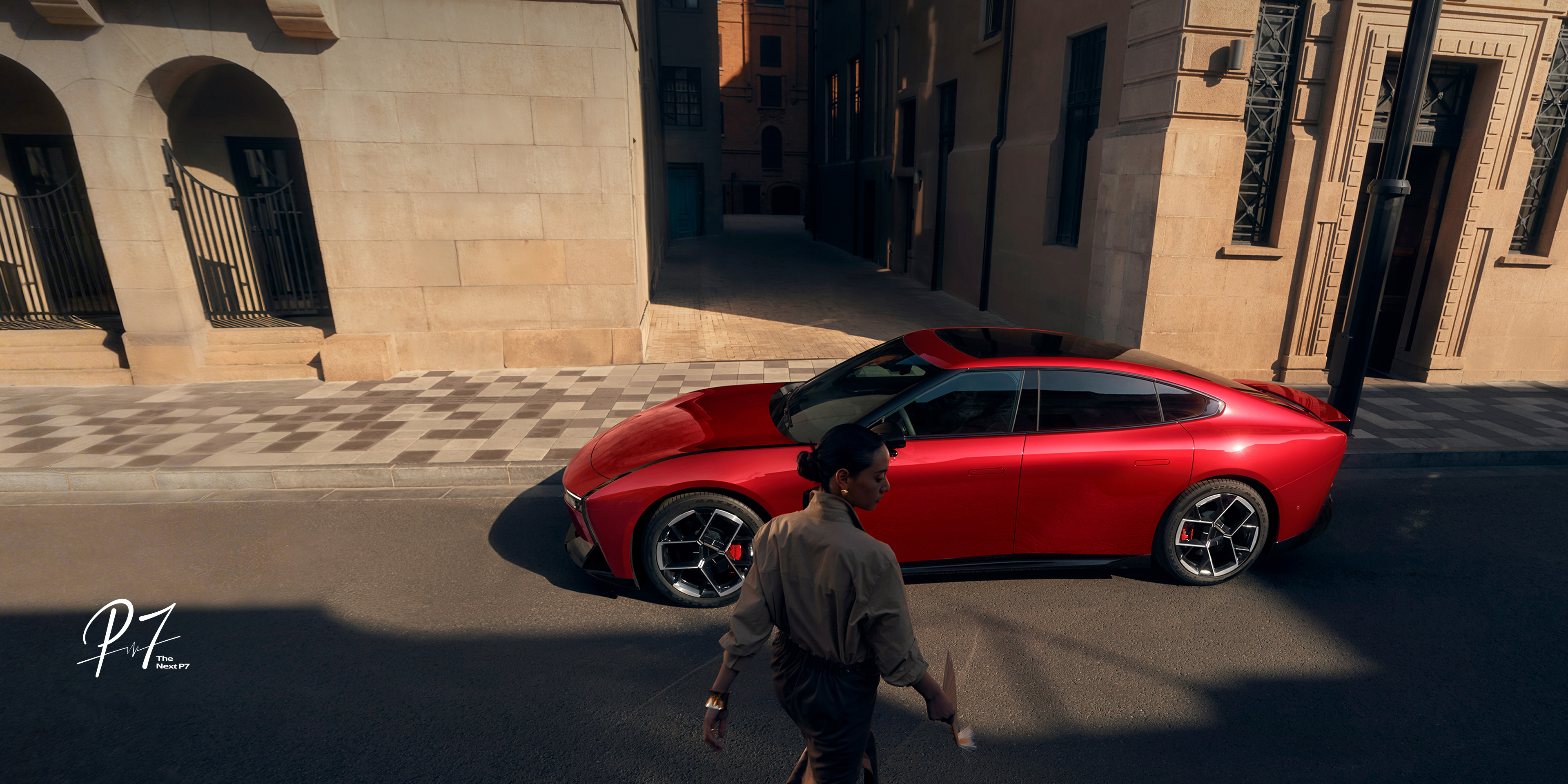
(Image source: XPENG Motors)
However, constrained by factors such as technological development, vehicle manufacturing, and policy alignment, many autonomous driving companies and automakers with testing licenses have yet to roll out their Robotaxi services.
While other automakers and local governments are still in the planning stages for Robotaxi deployment, Guangzhou has already attracted five major players—XPENG Motors, WeRide, Baidu Apollo, Pony.ai, and Didi Chuxing—creating a rare industry cluster effect.
The "Robotaxi Five Tigers" Converge in Guangzhou, Initiating a Technological Showdown
Compared to the other four Robotaxi companies, XPENG entered the field relatively late. Nevertheless, XPENG Motors holds a unique advantage: it is an automaker itself.
As an automaker, XPENG possesses vehicle manufacturing capabilities and does not need to rely on partnerships with other automakers. This effectively reduces the cost of deploying Robotaxis and allows for strategic capacity planning.
Meanwhile, XPENG's intelligent driving technology is already integrated into several of its mass-produced models. The real-world usage experience of hundreds of thousands to millions of domestic users, combined with testing and validation by automotive media and professional institutions, has significantly boosted consumer awareness and trust in XPENG's intelligent driving technology, laying a solid foundation for its Robotaxi business expansion.
Didi Chuxing's primary strength lies in its extensive channel network. As the largest domestic ride-hailing platform, Didi is well-positioned to promote its Robotaxi services.
In terms of partnerships, Didi has aligned with industry giant GAC Group. The first factory-installed mass-produced Robotaxi, jointly developed by the two companies, was delivered in January of this year. This model is equipped with a 2000TOPS high-computing-power chip, along with multiple sensors including LiDAR, cameras, 4D millimeter-wave radar, infrared cameras, and acoustic sensors, forming a comprehensive safety perception system and achieving sufficient safety redundancy design.
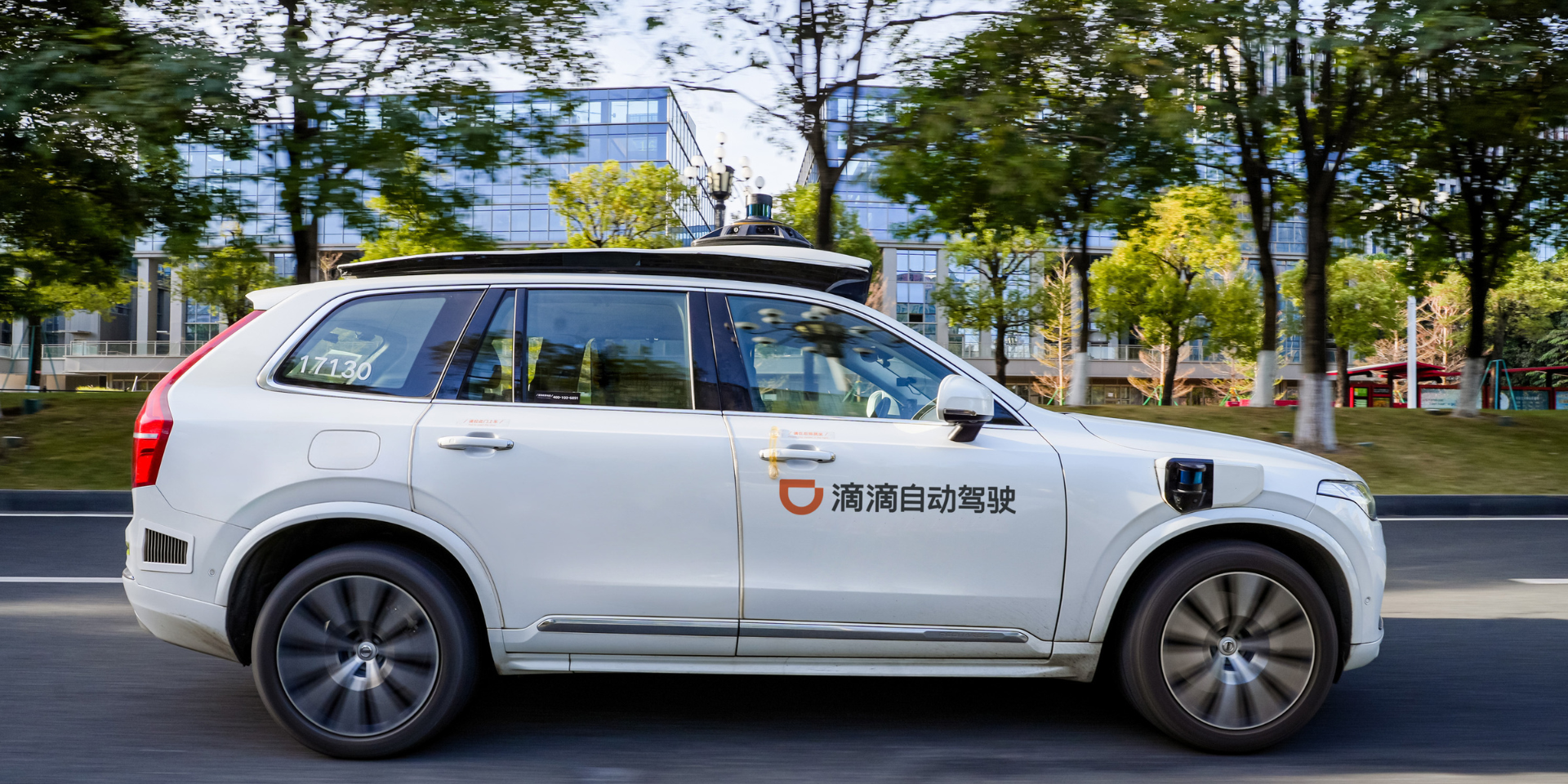
(Image source: Didi Chuxing)
Currently, Didi has achieved commercial operation of Robotaxis in areas such as Nansha, Guangzhou, and Jiading, Shanghai, and plans to deploy 100,000 Robotaxis by the end of 2027. Leveraging GAC's vehicle manufacturing resources and industrial support, achieving this goal is significantly less challenging than pursuing it independently.
In terms of scale, Baidu Apollo's ride-hailing platform, Luobo Kuaipao, is arguably the largest among domestic Robotaxi companies. As early as the Q1 2025 earnings call in May 2025, Baidu disclosed that Luobo Kuaipao had deployed over 1,000 Robotaxis globally, with 1.4 million orders in the first quarter. By the third quarter of 2025, Luobo Kuaipao's Robotaxi orders reached 3.1 million, a year-on-year increase of 212%, demonstrating strong growth momentum.
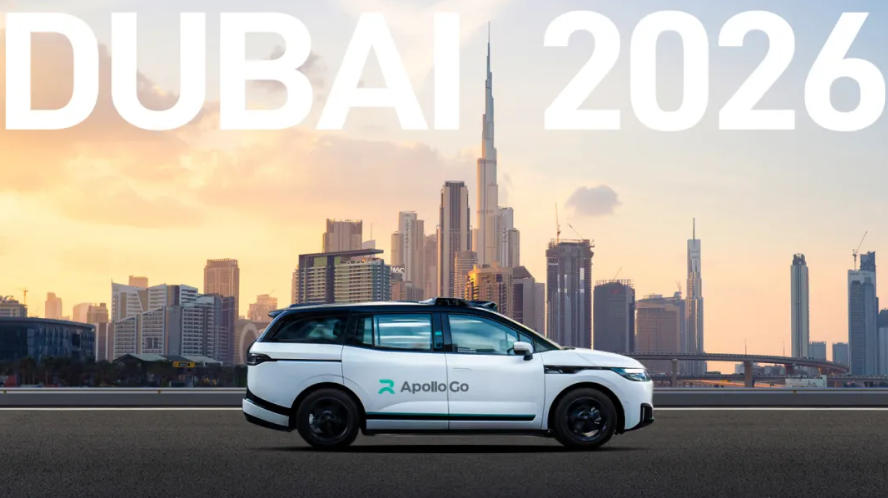
(Image source: Luobo Kuaipao)
Baidu Apollo adopts a multi-automaker collaboration model, partnering with companies such as GAC Aion and BAIC Arcfox. This "broad net" strategy not only rapidly increases Robotaxi production capacity but also enables localized production and deployment by leveraging the production bases of various automakers. In Guangzhou, Baidu Apollo's Robotaxis are primarily deployed in the Huangpu and Nansha districts, with plans to gradually expand service coverage.
With its outstanding performance in the Robotaxi sector, Baidu Apollo's Luobo Kuaipao was also ranked second in the automotive category of Fast Company's 2026 Most Innovative Companies list, making it the only Chinese company to rank in the top three in this sub-sector. Beyond the internet sector, Robotaxi is poised to become Baidu's second major pillar business.
Compared to XPENG, Didi, and Baidu, pure autonomous driving companies like WeRide and Pony.ai have relatively lower brand recognition due to less direct contact with ordinary consumers. However, this has not hindered their exceptional achievements in the industry.
WeRide's financial report shows that its full-year revenue in 2025 reached RMB 685 million, a year-on-year increase of 90%, with Robotaxi revenue reaching RMB 148 million, a staggering year-on-year increase of 209.6%. In the fourth quarter, the number of users grew by 900% year-on-year. WeRide's autonomous driving fleet has reached 2,113 vehicles, including 1,125 Robotaxis.
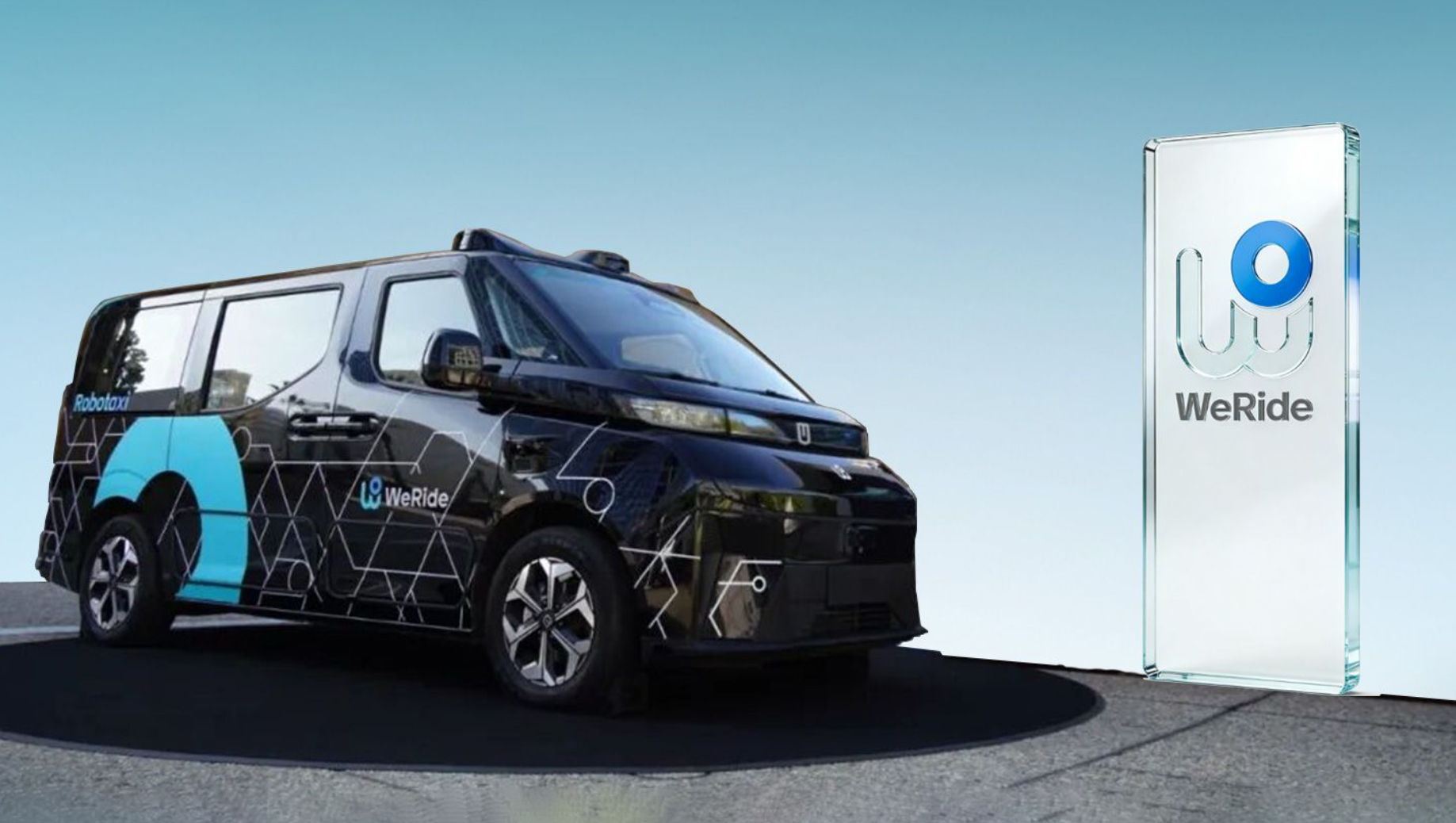
(Image source: WeRide)
In terms of partnerships, WeRide, like Didi and Baidu, has chosen to collaborate with GAC Aion. Additionally, in its early stages, WeRide received financial support from GAC, indicating a deep-rooted relationship between the two companies.
Pony.ai's Robotaxi business also achieved breakthroughs in 2025. According to its financial report, Robotaxi revenue in 2025 reached RMB 116 million, a year-on-year increase of 129%. In the fourth quarter, Robotaxi revenue reached RMB 46.6 million, accounting for approximately 40% of the annual revenue. Notably, in the fourth quarter of 2025, Pony.ai achieved profitability for the first time.
Pony.ai's surge in Robotaxi revenue is closely tied to the city of Guangzhou. After Pony.ai's seventh-generation Robotaxi was put into commercial operation in November 2025, it achieved positive operational profit per vehicle in Guangzhou within the same month.
Of course, GAC is also a key partner for Pony.ai. Pony.ai, in collaboration with GAC and Toyota, established a subsidiary, Zuifeng Intelligent Technology, and mass-produced its first L4-supported driverless autonomous vehicle, the BZ4X Robotaxi, in February this year.
In addition to the "Five Tigers" of Robotaxi, other companies deploying Robotaxis in Guangzhou include Hello Robotaxi, Ruqi Mobility (controlled by GAC), and more. These companies have enabled Guangzhou residents to be among the first to experience the convenience and affordability of autonomous driving.
Across the country, cities like Beijing, Shenzhen, Hangzhou, Shanghai, and Wuhan are also advancing Robotaxi deployment. However, only Guangzhou has attracted a concentration of top-tier companies, becoming a true industry hub.
The reasons for this may lie in Guangzhou's three major advantages.
Three Advantages That Make Guangzhou a Robotaxi Hub
Dianchetong believes that Guangzhou's ability to attract so many Robotaxi companies stems from three key advantages: production capabilities, policy support, and testing and operational environment.
Companies like Pony.ai, WeRide, Didi Chuxing, and Baidu Apollo lack vehicle manufacturing capabilities and need to collaborate with automakers to deploy Robotaxis. GAC, as an established automaker with strong technical heritage, actively explores new business ventures. It not only created Ruqi Mobility to venture into ride-hailing and Robotaxi services but also provides financial support to companies like Didi Chuxing, WeRide, and XPENG Motors, making it an "angel" partner.
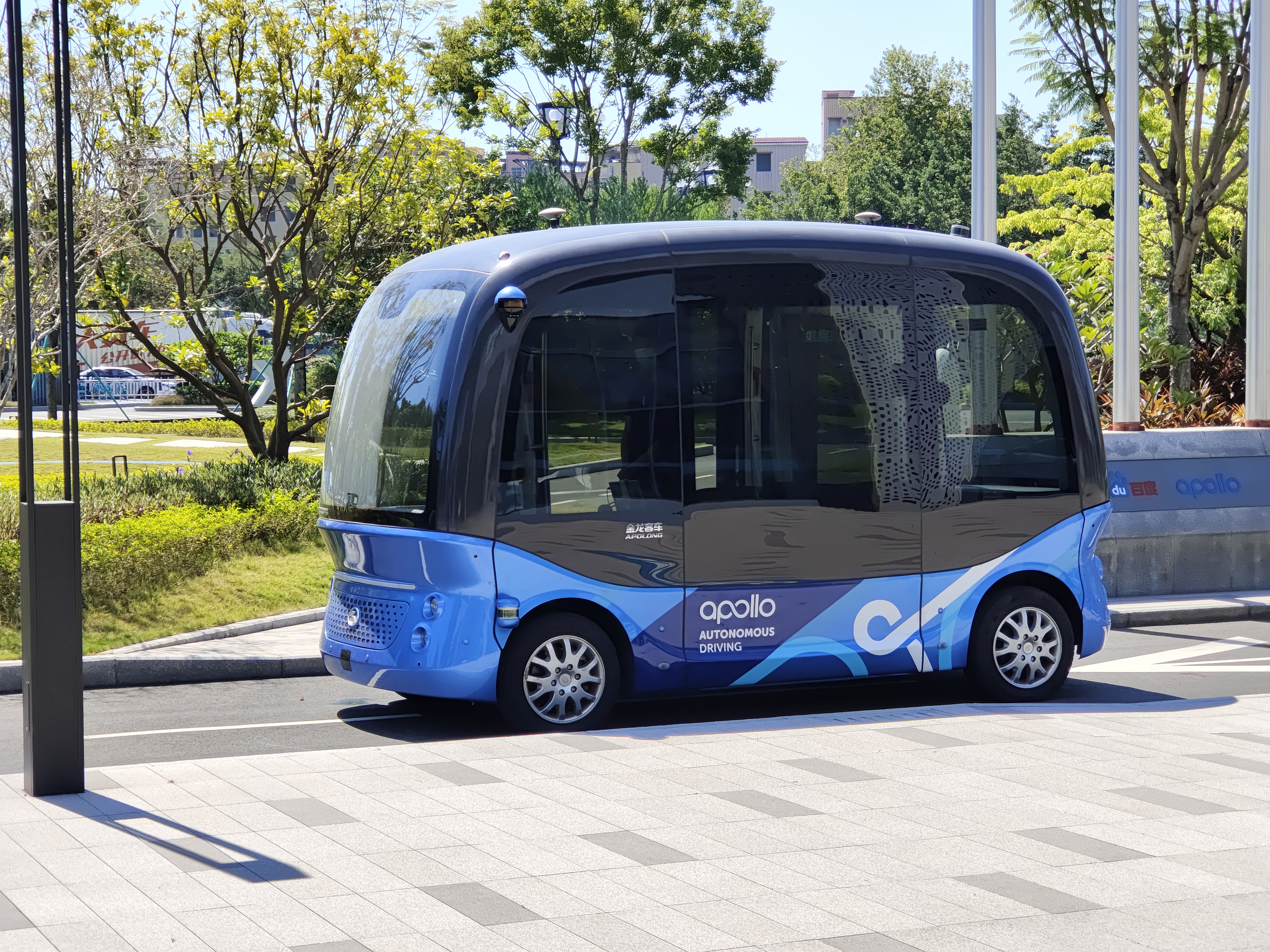
(Image source: Dianchetong)
To encourage Robotaxi companies to settle in Guangzhou, the city issued the nation's first autonomous driving passenger testing license to WeRide as early as 2019, marking the beginning of autonomous driving legalization.
The implementation of regulations such as the "Administrative Measures for Road Testing and Demonstration Activities of Intelligent Connected Vehicles and Unmanned Driving Equipment in Guangzhou" and the "Regulations on Innovative Development of Intelligent Connected Vehicles in Guangzhou" has gradually improved relevant laws and regulations, creating a favorable development environment for L4 autonomous driving and Robotaxi deployment. Guangzhou also became the first city in China to conduct commercial demonstration operations of autonomous driving.
Guangzhou's support for Robotaxi is also reflected in the designated operational areas. Huangpu and Nansha districts serve as testing grounds for Robotaxis in Guangzhou. The new urban areas of Huangpu District, where Science City and Sino-Singapore Guangzhou Knowledge City are located, are home to a large number of high-tech enterprises. Baidu Apollo and WeRide have their regional headquarters and R&D centers in Guangzhou located here, while Pony.ai has chosen Nansha District for its headquarters.
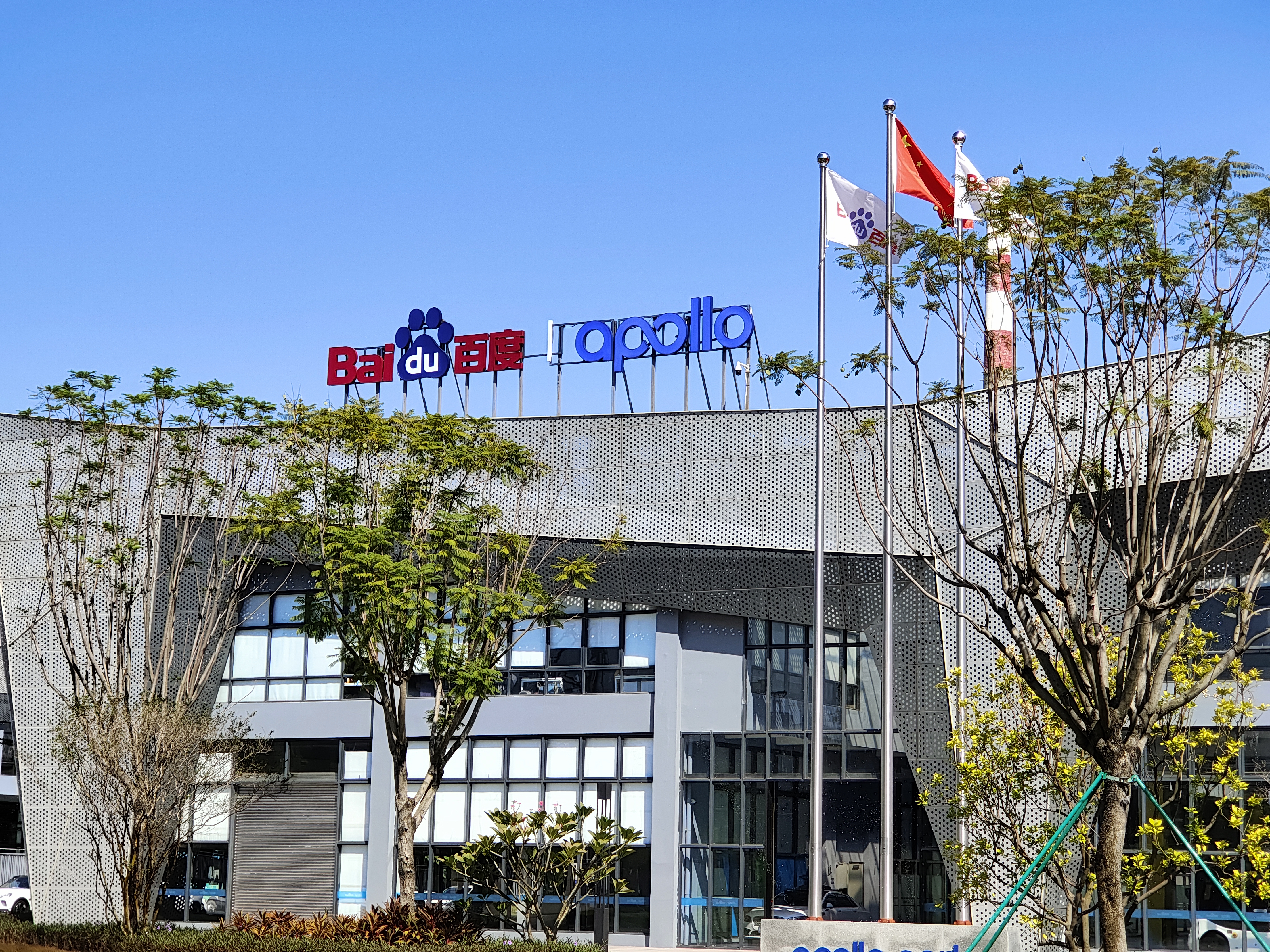
(Image source: Dianchetong)
The new urban areas of Nansha and Huangpu districts have less traffic and less complex road conditions, making them suitable for testing autonomous vehicles. The concentration of high-tech companies in Science City means a young workforce willing to try novel Robotaxi services. The large-scale deployment of vehicles and strategic location selection are key reasons why Luobo Kuaipao was able to achieve 3.1 million orders in a single quarter.
Domestic Robotaxi companies that have achieved remarkable success are not resting on their laurels. They are accelerating vehicle deployment while expanding into overseas markets. For example, Pony.ai has partnered with Verne and Uber to deploy Robotaxis in Zagreb, the capital of Croatia. WeRide, in collaboration with Uber and Geely Automobile, plans to deploy over a thousand Robotaxis overseas by 2027.
However, expanding overseas is no easy feat, as companies like Waymo, Zoox, and Tesla are also eyeing the Robotaxi market.
Google, Amazon, and Tesla: A "Three Kingdoms" Saga in the U.S.
When discussing overseas autonomous driving companies, Waymo, a subsidiary of Google's parent company Alphabet, is unavoidable. As of March 2026, Waymo has deployed over 2,500 Robotaxis across multiple cities, including San Francisco, Los Angeles, Phoenix, and Austin. Waymo revealed on the X platform that it provides 500,000 Robotaxi rides per week.
In February this year, Waymo secured a massive $16 billion in funding, with a valuation reaching $126 billion. In terms of funding, technological prowess, and order volume, Waymo is a dominant player in the Robotaxi industry.
Leikeji previously experienced Waymo in San Francisco and found it to be more aligned with daily travel needs, offering advantages such as no need for reservations, on-demand service, more destinations, and shorter waiting times. In contrast, Robotaxi services in Guangzhou have limited coverage and cumbersome reservation processes, making them more suitable for novelty experiences than daily commuting.
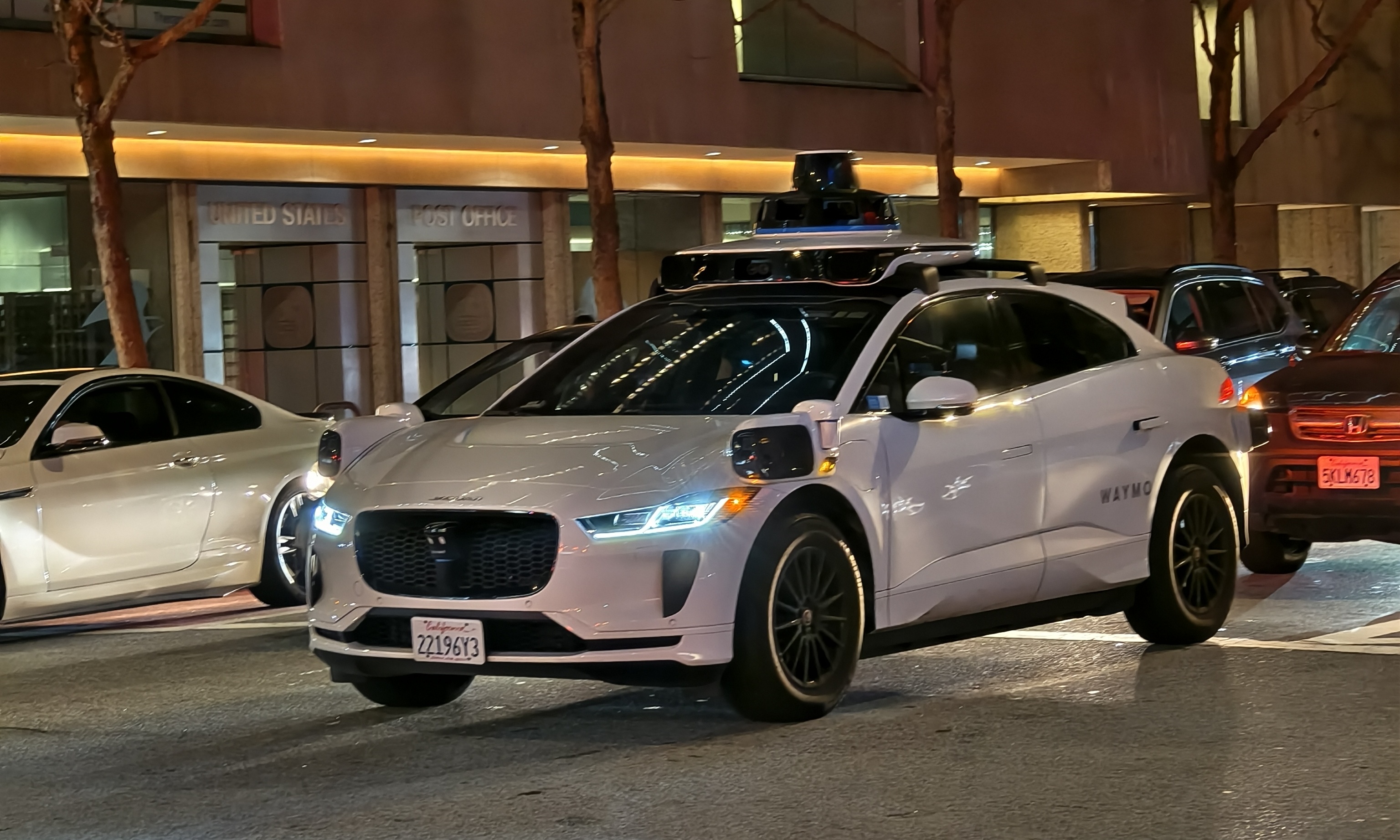
(Image source: Dianchetong)
Besides Waymo, Amazon's Zoox and Tesla are also prominent players. Zoox began offering Robotaxi services in Las Vegas in September last year and plans to expand to Austin and Miami later this year. As of March this year, Zoox has served 350,000 passengers.
While Zoox is currently smaller in scale compared to Waymo, it has the financial backing of Amazon and does not need to compete for short-term gains, allowing it to develop steadily.
Tesla, on the other hand, has already mass-produced its Cybercab, a model dedicated to Robotaxi services, and its intelligent driving technology, FSD, has received positive reviews, sharing the same advantage as XPENG Motors. However, the California Public Utilities Commission (CPUC) recently stated that Tesla does not have an autonomous vehicle operation permit in California and cannot be considered a Robotaxi, classifying it as a standard ride-hailing service.
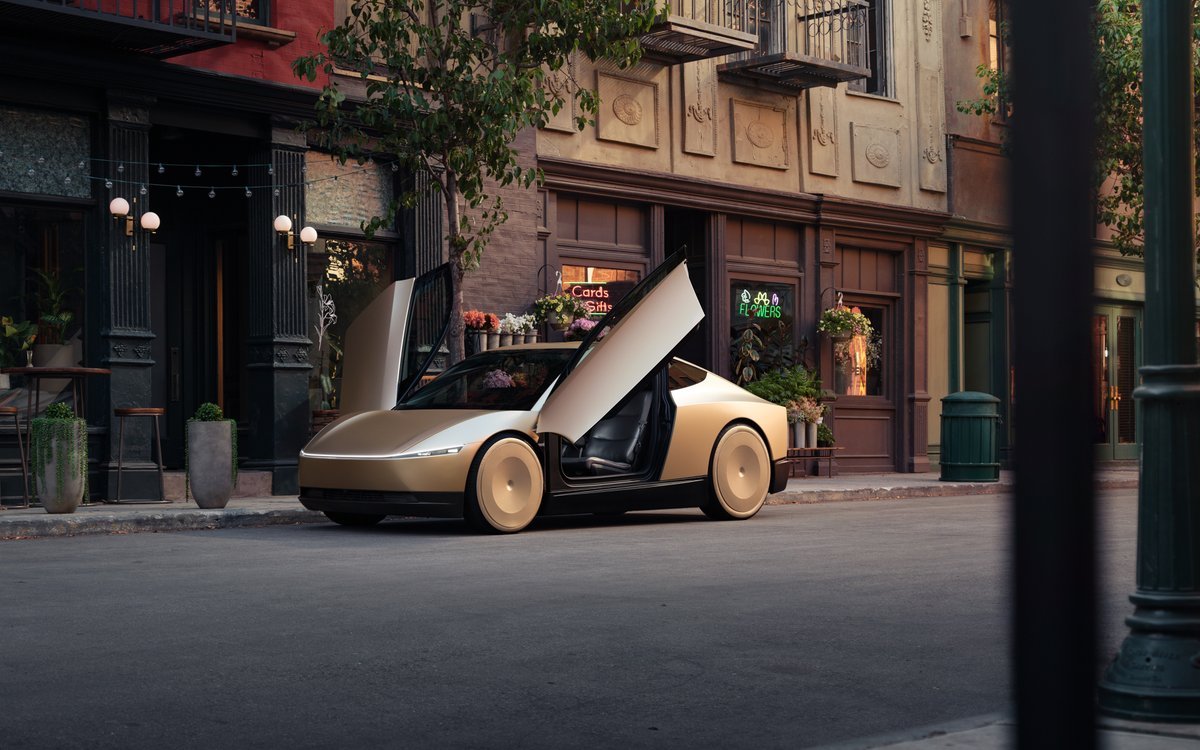
(Image source: Tesla)
It seems that Tesla still has many hurdles to overcome in its Robotaxi ambitions. Fortunately, Tesla has automotive factories. If its Robotaxi business performs well, it could reallocate some of its Model 3/Y production capacity to the Cybercab to quickly capture market share.
Previously, there was another prominent U.S. Robotaxi company, Cruise, a subsidiary of General Motors. Unfortunately, due to safety incidents and strategic adjustments, Cruise has shut down its Robotaxi business and shifted its focus to intelligent driving technology development.
In terms of scale, apart from Waymo, there is no second major Robotaxi player in the U.S. market. Both Zoox and Tesla are making steady progress. However, as domestic companies, Pony.ai and WeRide have limited influence overseas. Zoox is backed by Amazon, and Tesla needs no introduction in terms of popularity.
Therefore, Pony.ai and WeRide have chosen to collaborate with Uber, a global ride-hailing giant similar to Didi Chuxing, to rapidly increase their market penetration overseas. In the future, their overseas competitors are likely not Waymo, Zoox, or Tesla but other Robotaxi companies partnered with Uber.
Exploring overseas markets is just one aspect of Pony.ai and WeRide's long-term strategy. The first city to successfully implement Robotaxi will undoubtedly be in China, and Guangzhou is the most likely candidate.
Will Guangzhou Be the First City to Successfully Implement Robotaxi?
The advancement of Robotaxi services hinges on a supportive ecosystem and favorable policy frameworks. Guangzhou has consistently demonstrated a positive and inclusive stance towards Robotaxi, rolling out a series of new regulations and refining existing policies to nurture the growth of Robotaxi enterprises. On March 13 of this year, Pony.ai and WeRide unveiled that their Robotaxi services would be seamlessly integrated into the "Tencent Mobility Services" platform, with Guangzhou pioneering the implementation of this innovative service.
Beyond policy backing, the contrasting traffic conditions between the new and old urban sectors of Guangzhou present a natural progression of challenges for autonomous driving technologies. Initially, Robotaxi companies can conduct tests and operations in less congested areas, such as Huangpu District and Nansha District, which nonetheless boast a substantial passenger base. Subsequently, they can progressively venture towards the city center to confront more complex road scenarios.
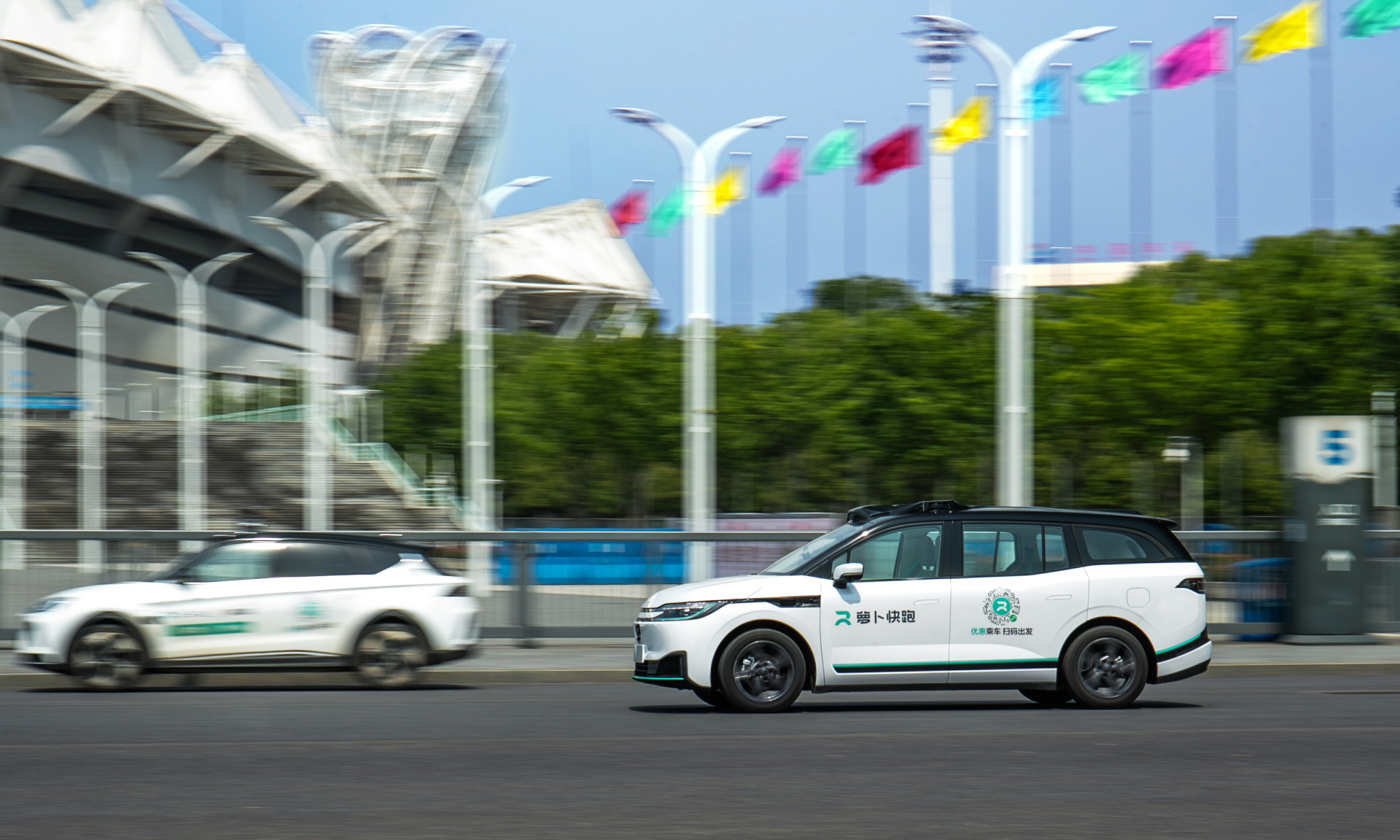
(Image credit: Luobo Kuaipao)
Automobile manufacturers like GAC, XPeng, Toyota, and Honda offer Robotaxi companies a plethora of collaboration avenues. Leveraging these automakers' capabilities, Robotaxis can be swiftly mass-produced and deployed not only in Guangzhou but also in other cities across the region.
From a global perspective, Guangzhou boasts significant advantages in terms of cost-effective production, policy support, and road infrastructure planning. Even the port in Nansha District stands ready to provide logistical support for the future overseas expansion of companies such as WeRide, Pony.ai, as well as XPeng, Baidu Apollo, and Didi Chuxing's Robotaxi services.
Robotaxi is not merely a demonstration of laboratory technology. Its mass production and deployment inevitably involve considerations such as cost-efficiency and market acceptance. Guangzhou's robust support for Robotaxi and L4 autonomous driving, coupled with consumers' positive reception of Robotaxi services, suggests that the city has the potential to become the first in China, or even worldwide, to successfully implement Robotaxi and L4 autonomous driving on a large scale.
(Cover image credit: Dianchetong)
Keywords: Robotaxi, Guangzhou, XPeng, Didi Chuxing, Pony.ai, WeRide, Luobo Kuaipao
Source: Leikeji
Images in this article are sourced from: 123RF Royalty-Free Image Library. Source: Leikeji
-
![]()
Net Profit Surges 13.65% Year-on-Year! Yutong Optics Reports RMB 1.782 Billion in H1 Revenue
-
![]()
Q2 Net Profit Slashes Losses by 80%! Has Costar Emerged from Its Darkest Hour?
-
AI Agents: The Paradigm Shift from 'Conversation' to 'Execution'
-
NVIDIA Takes Bold Strides to Lead in Both Hardware and Software Realms
-
![]()
It's Hard to Build Cars, Even Harder to Build Humans, and XPENG is Doing Both
-
![]()
Valuation Soars by $57 Billion: Three Entrepreneurs Born in the 1980s Forge an AI Unicorn Now Suddenly on the Market
-
![]()
How Can We Achieve the Goal of 100,000 Hydrogen Vehicles by 2030?
-
![]()
July Online Market for Consumer-Grade Sports Cameras: Robust Double-Digit Growth in Sales Volume and Value, Mid-Range Products Fuel Market Expansion