Xi'an 'Places Its Bets' on 2030: 1,500 Autonomous Vehicles Set to Hit the Roads, with an Annual Production Target of 1.55 Million New Energy Vehicles! Is This Historic City Taking a 'Gamble on Future
 05/19 2026
 676
676
Introduction
In May 2026, the "Implementation Plan for Promoting High-Quality Development of the Intelligent Connected New Energy Vehicle Industry Chain in Xi’an" positioned this ancient city, home to thirteen dynasties, at the vanguard of the intelligent connected vehicle industry.
The plan lays out explicit objectives: By 2030, achieve an annual production of 1.55 million new energy vehicles, generate an industrial chain output value of RMB 310 billion, commercialize Level 3 autonomous driving in specific areas, and deploy at least 200 commercial intelligent connected passenger vehicles along with 1,000 functional low-speed autonomous vehicles on the city's streets.
From being a "Top Production City" to aiming for the "First Tier of Intelligent Driving," Xi'an has charted a course for "future mobility" over the next five years.
According to "Autonomous Vehicles Are Coming" (WeChat Official Account: Autonomous vehicles have arrived), this city, once celebrated for its Terracotta Army and Giant Wild Goose Pagoda, is redefining its "urban identity" through intelligent connected new energy vehicles.
(For further reading, click: "Xi’an Yanta District: Unmanned Delivery Vehicles Take on 'Patrol Pioneer' Roles, Offering a 'Divine Assist' for Summer Street Safety")
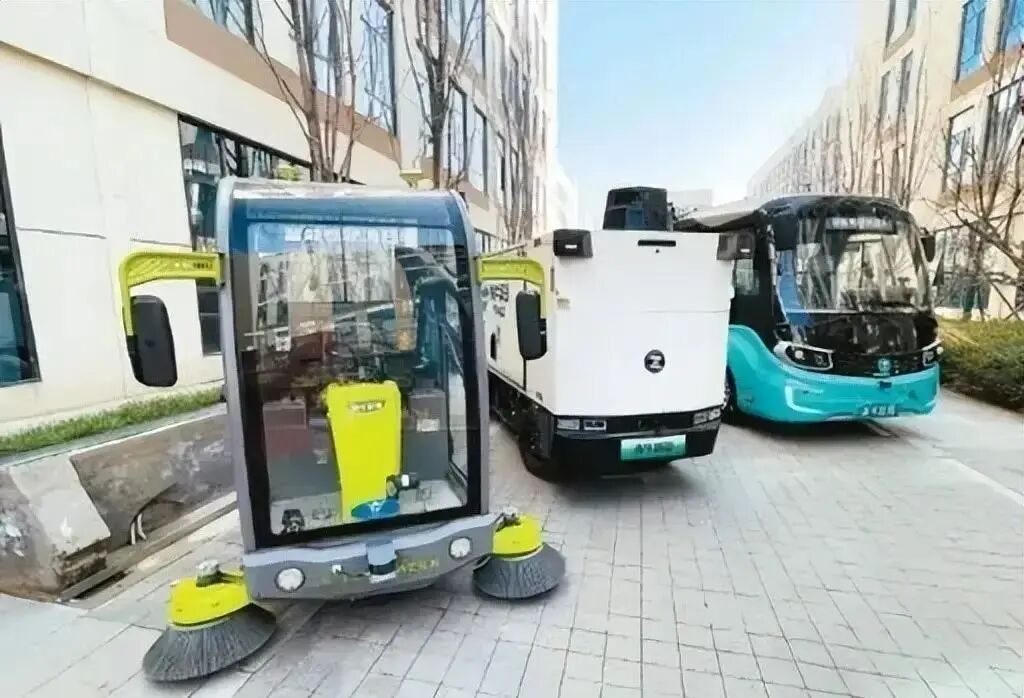
Image Source: Digital Enthusiast Talks Tech
I. 1.55 Million Vehicles and RMB 310 Billion: The Origin of Xi'an's 'Digital Ambition'
Xi'an's ambitious target of 1.55 million new energy vehicles annually is not a hasty decision.
In 2022, Xi'an briefly claimed the title of "China's Top New Energy Vehicle Production City," surpassing established powerhouses such as Shanghai, Shenzhen, and Hefei.
However, this accolade was short-lived as other cities soon overtook it. Xi'an's challenge lies in having scale without 'soul'—production capacity without 'intelligence'.
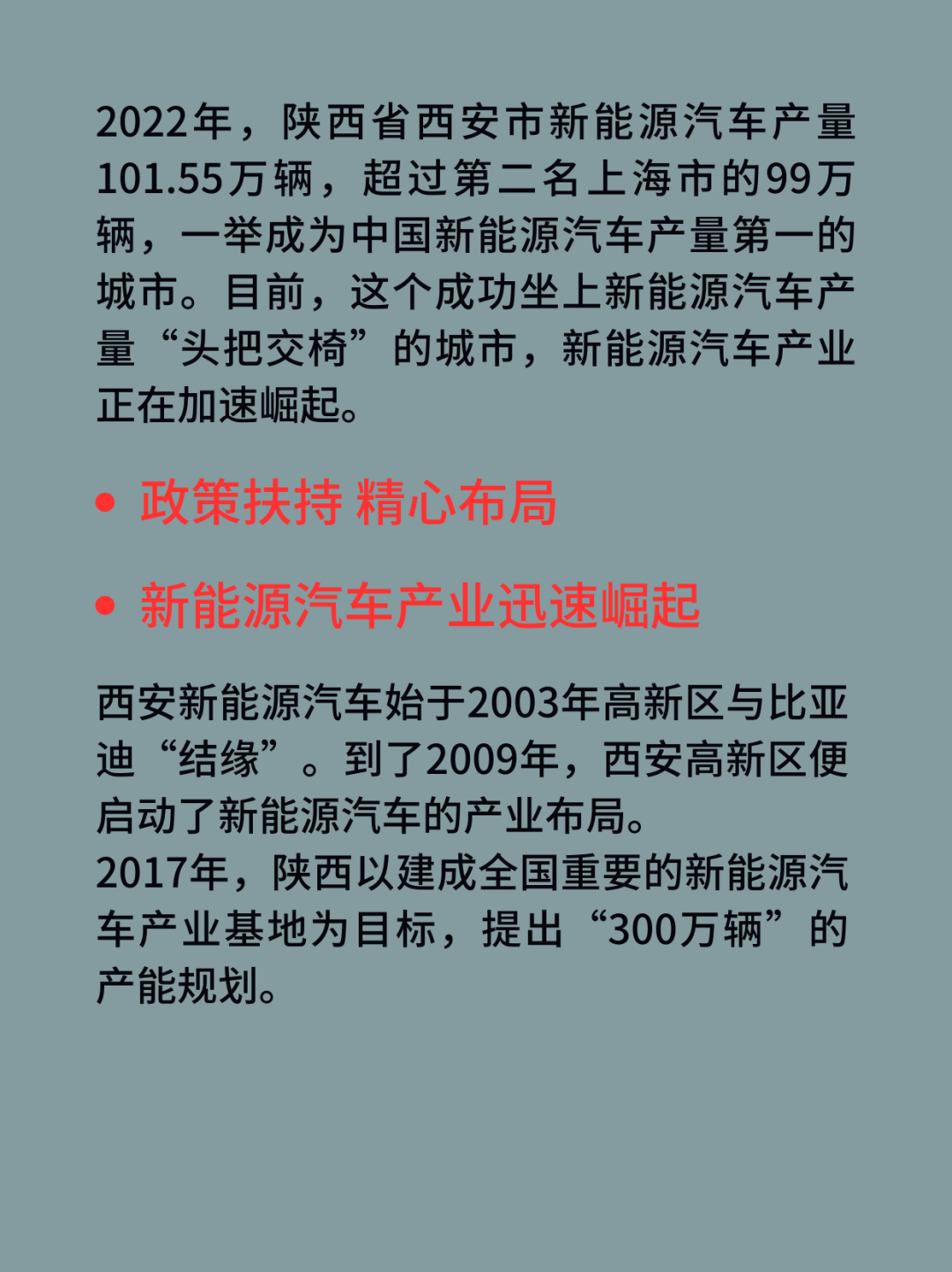
Image Source: Baidu Knows - Cute Mengmengda20
The 2026 plan signifies a 'course correction':
Shifting the focus from merely "producing more vehicles" to emphasizing "intelligence, connectivity, and greenness"—transitioning from "scale expansion" to "high-quality development."
The composition of the 1.55 million vehicles is meticulously planned: expanding the existing vehicle fleet, fostering growth in intelligent connected vehicles, enhancing the quality of core components, and strengthening infrastructure support. This is not a "single-point breakthrough" but a "systematic project."
The RMB 310 billion output value target aligns with a "two-pronged approach" of "complete vehicles + components"—vehicles driving "speed," and components ensuring "stability."
II. 'Vehicle-Road-Cloud Integration': Xixian New Area's 'Future Mobility Lab'
The most futuristic concept in the plan is the "vehicle-road-cloud integration" demonstration zone in the Xixian New Area.
What does "vehicle-road-cloud integration" entail? It involves the integration of road sensors (roadside perception devices), intelligent systems in vehicles (onboard terminals), and cloud platforms (cloud control platforms) operating in sync.
Xi'an has set specific conditions for this goal: Level 3 and above autonomous driving, with commercialization in specific regions and scenarios.
"Specific regions" indicate caution, while "commercialization" reflects ambition—by 2030, Xi'an residents may hail "driverless" taxis in the Xixian New Area or witness "driverless" sanitation vehicles automatically cleaning streets in the High-Tech Zone.
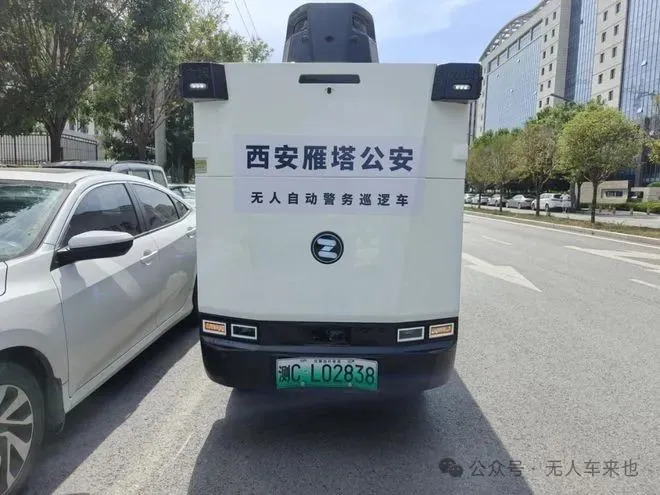
Image Source: East West North South Chatter
Quantitative targets are even more precise: at least 200 commercial intelligent connected passenger vehicles and at least 1,000 functional low-speed autonomous vehicles (for sanitation, delivery, and retail scenarios). The deployment of 1,500 autonomous vehicles is highly anticipated.
Such specific numbers are rare in public plans from other Chinese cities—most only mention "conducting pilots" without committing to quantities.
Xi'an's boldness reflects its attitude: "I am willing to be a first-mover."
III. 'Commercial-Passenger Vehicle Synergy' and 'Inter-Chain Collaboration': Xi'an's 'Industrial Puzzle' Logic
Two key phrases in the plan warrant closer examination: "commercial-passenger vehicle synergy" and "inter-chain collaboration."
Commercial-passenger vehicle synergy means commercial and passenger vehicles should not operate in isolation.
Xi'an has experience in commercial vehicle components for heavy trucks and construction vehicles, as well as accumulated expertise in power battery technology for passenger vehicles. Aligning these strengths could yield new products like electric light trucks and intelligent logistics vehicles.
This logic is quintessentially "Xi'an." Shaanxi Automobile Group is a heavy truck giant, while BYD dominates passenger vehicles. Despite coexisting in the same city, they have long operated independently.
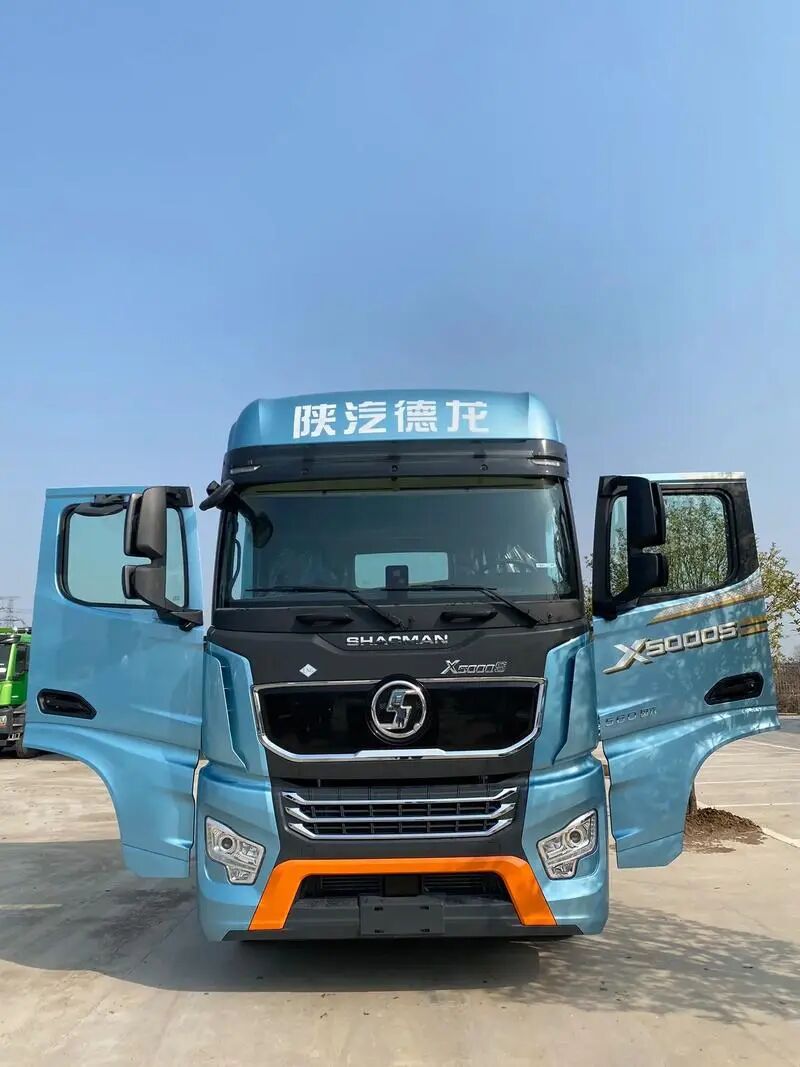
Image Source: Shaanxi Automobile Official Website
The new plan seeks to break this "divisive" pattern, enabling cross-pollination between "commercial" (durability, high torque) and "passenger" (intelligence, battery management) technologies.
Inter-chain collaboration involves binding LiDAR, automotive-grade chips, new material enterprises, and vehicle manufacturers together.
Xi'an fears "isolated breakthroughs without systemic progress"—where a company excels in LiDAR but OEMs (Original Equipment Manufacturers) don't adopt it, or an automotive-grade chip is developed but production capacity lags.
This "puzzle-solving" mindset reflects Xi'an's pragmatism as a "latecomer city."
Hefei relies on NIO, Shanghai on Volkswagen, Shenzhen on BYD—these cities have "leading dragons" to propel growth.
Xi'an's "dragon" is BYD, but its "brain" resides in Shenzhen; Xi'an has Shaanxi Automobile, but its "intelligence" is still nascent.
Without a "super giant," Xi'an must pursue an "industrial cluster" approach, assembling fragments into a cohesive whole.
IV. 'University All-Stars' and a 5,000-Person Team: Xi'an's 'Talent Ace'
The plan subtly emphasizes leveraging universities and research institutes to establish industrial innovation centers and laboratories.
Xi'an's confidence stems from its "university all-stars": Xi'an Jiaotong University, Northwestern Polytechnical University, Chang'an University—all with strong engineering backgrounds. In Ministry of Education discipline assessments, vehicle engineering, automation, and computer science consistently rank highly.
Chang'an University also hosts a national-level closed-course testing base for autonomous driving, which can be upgraded for multi-scenario testing.
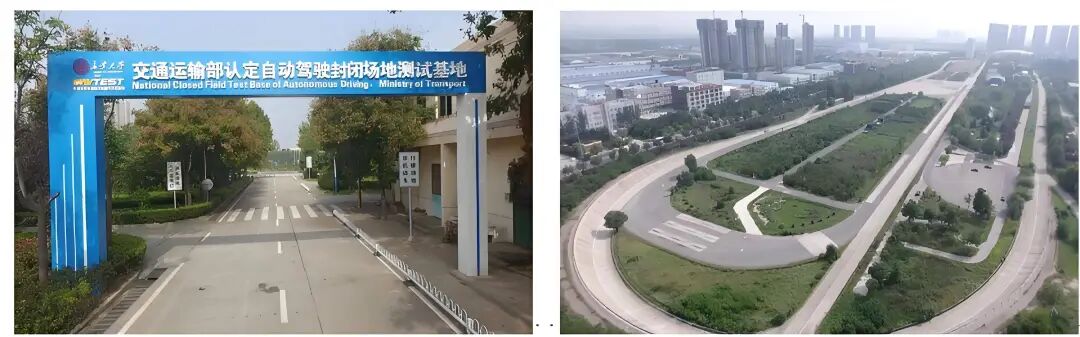
Image Source: Low-Speed Autonomous Driving Editorial Team
However, the efficiency of "industry-academia-research" translation remains a nationwide challenge.
How can laboratory papers transform into production-line products? How can university algorithms pass automotive-grade verification?
Xi'an's plan emphasizes "joint research," but implementation requires "benefit alignment"—where companies provide funding, universities supply talent, and the government offers policies, with shared profits among the three parties.
V. From 'Top Production' to 'First Tier of Intelligent Driving': Xi'an's 'Second Entrepreneurship'
The 2022 "top production" title marked Xi'an's automotive industry "peak moment."
Yet, "peak" was followed by "confusion"—production rose, but profits stagnated; scale expanded, but technology lagged.
The 2030 plan represents "second entrepreneurship": shifting from "building vehicles" to "building intelligent vehicles," from "selling vehicles" to "selling mobility services," and from "manufacturing base" to "R&D and application base."
The goal is ambitious: a nationally leading production, R&D, and application base for intelligent connected new energy vehicles. However, "leading" is defined not by Xi'an but by consumers, capital markets, and global competition.
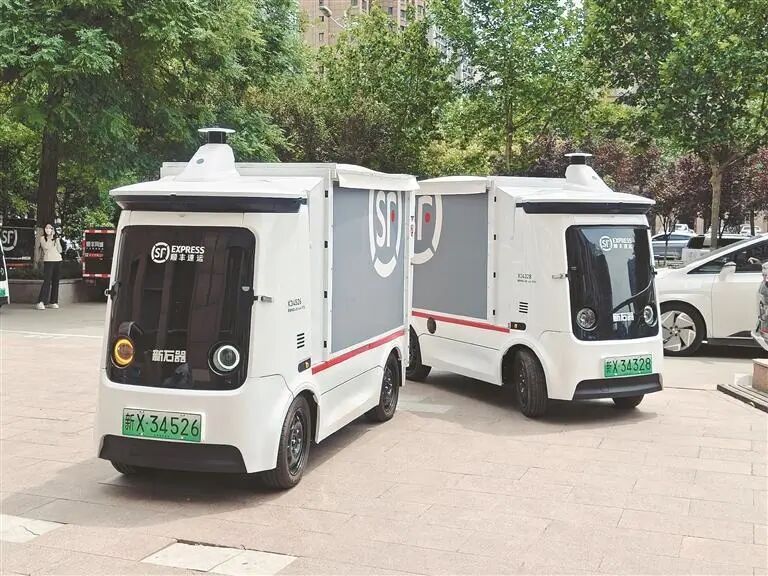
Image Source: Xi'an Municipal Government Release
In conclusion, "Autonomous Vehicles Are Coming" (WeChat Official Account: Autonomous vehicles have arrived) believes:
From the ancient capital of thirteen dynasties to a new hub for intelligent connected vehicles, Xi'an is scripting a new legend for western China's automotive industry with its ambitious targets of 1.55 million vehicle capacity and RMB 310 billion output value. This path offers opportunities for explosive growth but also poses daunting challenges. Undeniably, Xi'an stands at the forefront of the intelligent connected vehicle revolution, grasping the "Chinese brain," deeply cultivating the western market, and fully sprinting toward the 2030 commercialization goal for autonomous vehicles.
What do you think?
References: New West Media, Xi'an Municipal Government Release, Xi'an Industry and Information Technology Bureau Official Website, Shaanxi Automobile Official Website, Low-Speed Autonomous Driving Editorial Team, East West North South Chatter, Upstream News, Baidu Knows - Cute Mengmengda20, Digital Enthusiast Talks Tech, and other media reports.
#AutonomousVehiclesAreComing #AutonomousDriving #SelfDriving #AutonomousVehicles
-
![]()
Breaking the Mold: LG, Haier, and Hisense Redefine Online and Offline Home Appliance Sales Strategies in India
-
Lenovo's AI Goldmine: How Long Can Yang Yuanqing Keep 'Feasting'?
-
![]()
Samsung Galaxy Z Fold 8 Review: Ultra-Slim Dual Design Shines, but Telephoto Absence is a Bummer
-
![]()
Dongfeng VOYAH’s New Car Makes a Splash, Targeting More Than Just the 30s and 40s Crowd
-
![]()
Annual Salary of 700 Million Fails to Retain Him! AI Genius Jiahui Yu Departs Meta to Launch His Own Startup
-
Qianwen Seeks to Move Beyond Its 'Alibaba Identity'
-
![]()
How Can We Comprehensively Resolve Ctrip's Monopoly Issue?
-
![]()
From Computing Power Supply-Demand Dynamics to Capital Integration: Jin Jing New Energy Embarks on a New Business Phase