Chengdu’s Public Transport: Pioneering a Fusion of ‘Autonomous Driving, Cultural Tourism, and Industrial Ecosystems’
 07/07 2026
 509
509
Introduction
While public transport systems in other cities grapple with dwindling ridership, Chengdu Public Transport Group has turned the tide.
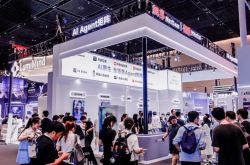
On June 30, Chengdu Public Transport Group hosted its first-ever Public Transport Industry Ecosystem Investment Promotion Conference, themed “Scenario Innovation, Win-Win Future,” at the Jinsha Hub Sky Sports Park.
The event unveiled seven major scenario innovation projects and sealed deals on 11 cooperation projects, covering areas such as intelligent connected operations, smart depot management, new energy vehicle R&D, and the integrated development of transportation and tourism.
In essence, Chengdu Public Transport Group is evolving from a mere “people mover” into an industrial platform that integrates cultural tourism, technology, logistics, and new energy.
According to Autonomous Vehicle Insights (WeChat ID: wurenchelaiye), the two most remarkable initiatives are the already-scaled “Qu Shua Bus” cultural tourism matrix and the upcoming autonomous transportation network.
(For further reading, click: ‘Chengdu’s Autonomous Bus Makes Debut on University Campus! Tianfu Campus of Civil Aviation Flight University of China Launches Autonomous Bus Line 4 and Campus Shuttle’)
I. 68 ‘Qu Shua Bus’ Routes: Transforming Buses into Mobile Cultural Tourism Experiences
Let’s first delve into the projects already in motion.
The “Qu Shua Bus” brand, operated by Chengdu Public Transport Group, has launched 68 dedicated routes, offering customized cultural tourism experiences, direct access to scenic areas, and city sightseeing tours.
The series has garnered over 10 million online exposures and serves more than a million passengers annually.
These are no ordinary buses. The Hotpot Bus, Quyi (Chinese folk art forms) Bus, Tea Break Bus, and Poetry Road Bus—each is a mobile consumption scenario.
Riding these buses is not just about getting from point A to point B; it’s about immersing oneself in a unique experience.
At the conference, two new products made their debut:
Three Kingdoms-Themed Bus: Centered around the Wuhou Shrine cultural IP, this bus features Three Kingdoms-themed interior design. Staff dressed in period costumes provide historical commentary and interactive games along the route, connecting core Three Kingdoms cultural sites like the Wuhou Shrine.
Night Tour Sightseeing Bus: Focusing on Chengdu’s vibrant nightlife, this bus features Sichuan-style performance teams and nationally recognized tour guides, offering one-stop visits to 8-10 internet-famous nighttime landmarks.
These two buses are expected to hit the roads in July, further expanding the “Qu Shua Bus” network beyond its current 68 routes.
At the conference, Chengdu Public Transport Group also signed agreements with CYTS (Sichuan) International Travel Service and Chengdu Workers’ Investment Group Co., Ltd., enabling Qu Shua Bus products to be featured on the Workers’ Universal Benefits APP, offering exclusive discounts to workers.
This strategic move brilliantly links public transport ridership with worker benefits.
II. Autonomous Taxis: Vehicles Ready, Awaiting Regulatory Approval
If “Qu Shua Bus” represents Chengdu Public Transport Group’s “face,” then autonomous driving technology is its “soul.”
A major revelation at the conference: Chengdu’s autonomous taxis are operationally ready.
The vehicles have completed system debugging and scenario adaptation, undergoing internal testing and system optimization in designated areas of the Tianfu New District. They will officially serve the public once they receive operational licenses and road access permissions.
Supporting this system is a comprehensive city-level intelligent connected cloud control platform and operations base, capable of providing eight essential services for autonomous vehicles: parking, cleaning, charging, maintenance, control, monitoring, training, and emergency response.
In simpler terms, vehicle repairs, cleaning, charging, and off-course monitoring are all taken care of, along with training and emergency handling preparations.
This foundation is more robust than many self-proclaimed “autonomous driving first cities.”
Autonomous buses have already pioneered demonstration operations in designated areas, covering park shuttles and regional commutes.
(For further reading, click: ‘Welcome to Experience Chengdu Expo Park’s Autonomous ‘New Year Special Line’ from the First to Seventh Day of the Lunar New Year!’)
Future plans include deploying intelligent connected logistics and depot patrol cleaning robots. From buses to taxis, passenger to cargo transport, and road to depot operations, Chengdu Public Transport Group is orchestrating a grand automation strategy.
The autonomous driving layout reflects Chengdu Public Transport Group’s long-term vision.
Once taxis, buses, and logistics achieve full automation, Chengdu Public Transport Group will control not just vehicle dispatch but also the city’s travel data, road rights, and depot assets.
The “Golden Corner, Silver Edge” development strategy mentioned at the conference aims to transform these marginal resources into operable assets. From a “people mover” to a “profit-generating platform,” Chengdu Public Transport Group is redefining its core identity.
III. From Cost Center to Profit Center: Chengdu Sets a National Example
The most intriguing aspect of Chengdu’s approach isn’t the themed buses or the imminent autonomous taxis but the fundamental shift in its public transport system’s mindset:
Traditionally, many cities’ public transport systems rely on “fiscal subsidies + low fares,” positioning themselves as public services focused on coverage rather than profitability. This leads to expanding routes, mounting losses, and a vicious cycle.
Chengdu breaks this mold by repositioning itself as more than just a public transit provider. It opens up all its resources—route networks, depots, vehicles, and road rights—for collaborative development, transforming them into revenue-generating industrial scenarios.
At the conference, Chengdu Public Transport Group launched seven scenario innovation projects, including urban microcirculation bus R&D, intelligent connected logistics, and depot “Golden Corner, Silver Edge” development, with 11 cooperation projects signed on-site.
Partners span intelligent connectivity, new energy, cultural tourism, and logistics, revitalizing idle resources while enhancing citizen services—effectively turning a “cost center” into a “profit center.”
The “Golden Corner, Silver Edge” depot development strategy is particularly ingenious:
Many bus depots occupy large areas with underutilized spaces beyond parking. Chengdu repurposes these areas for commercial, supporting, and industry-specific uses, converting idle resources into operable assets.
This generates revenue to subsidize bus operations while providing additional services to surrounding residents—a win-win scenario.
In summary, Autonomous Vehicle Insights (WeChat ID: wurenchelaiye) argues:
While public transport systems nationwide clamor for “transformation,” most remain stuck at electric vehicle adoption and digital screen installations.
Chengdu Public Transport Group’s integrated approach—combining cultural tourism, autonomous driving technology, and industrial ecosystems—demonstrates clarity of vision and strong execution.
If successful, it could set a national precedent: public transport as not just a mobility tool but a super-entry point for smart city operations.
What do you think?
References: Sichuan Economic Daily, Red Star News, Sichuan Release, Sichuan News Network
-
![]()
Hyundai Motor Workers Strike Today, Fearing Job Losses to Robots
-
![]()
Embracing 'Light': O-film Unveils Its 'Illuminating the Future' Strategy
-
![]()
SenseTime’s SenseNova U1.5 Lite Goes Open Source: Ushering in a New Era of Predictable AI Image Generation
-
![]()
Collaboration Initiated! Tesla Officially Welcomes Doubao Onboard
-
![]()
WPS: From Alternative to Leader, Kingsoft Software Bets on AI Office, H1 Revenue Nears 5 Billion
-
![]()
Can TECNO Mobile Expand Beyond Africa?
-
![]()
A Sample of AI Breakthrough for a Company
-
![]()
Goldman Sachs Raises the Bar: China’s Global Expansion Steps into the '3.0 Era,' Now Exporting AI Industrial Prowess