China’s Wealthiest Entrepreneur Zhang Yiming Leads in Computing Power, Outpacing Alibaba, Tencent, Baidu, and Huawei
 09/29 2026
 525
525
 AI-generated image. Source: Weibo
A recent international report has overturned conventional wisdom within the internet industry.
When most people think of ByteDance, their immediate association is with a consumer internet company that captures user attention through short videos and mini-dramas, focusing on consumer-facing (C-end) products.
Everyone is captivated by the buzz surrounding Douyin and TikTok, yet few recognize the underlying advantage in computing power. When data from SemiAnalysis’ China's AI Infrastructure Boom surfaced, the industry was taken aback: In the critical arena of AI computing power, ByteDance has secured the top domestic position, becoming China’s largest lessee of computing power and surpassing Alibaba, Tencent, Baidu, and Huawei in scale.
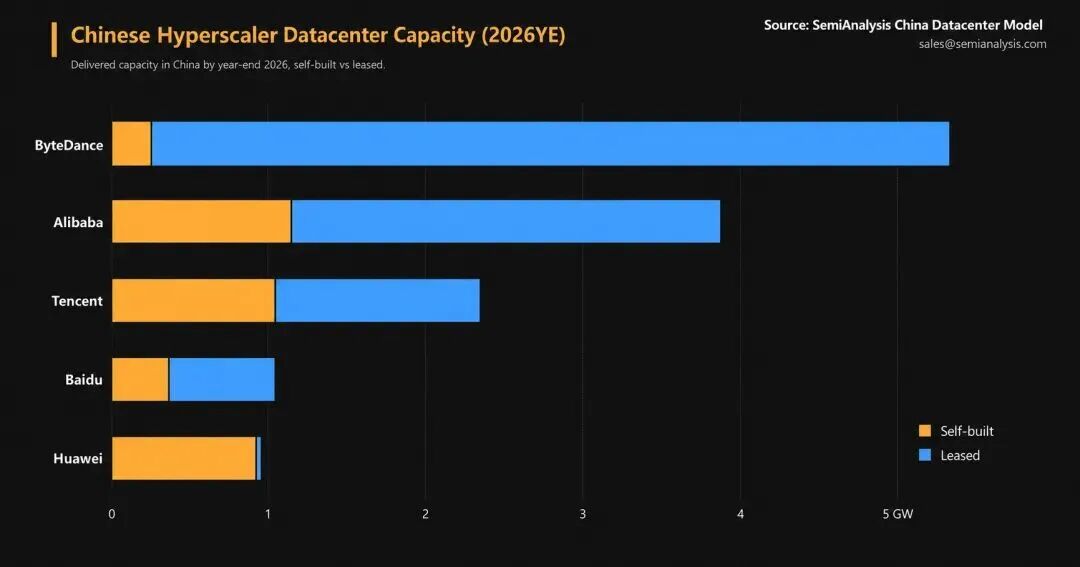 Yellow indicates self-built infrastructure, blue indicates leased resources
01 Computing Power Rankings Upended! ByteDance Climbs to the Top via Leasing
Key data at a glance:
- ByteDance's domestic data center capacity: 5.3GW
- Alibaba: 3.9GW
- Tencent: 2.4GW
- Baidu: 1.1GW
- Huawei: 1.0GW
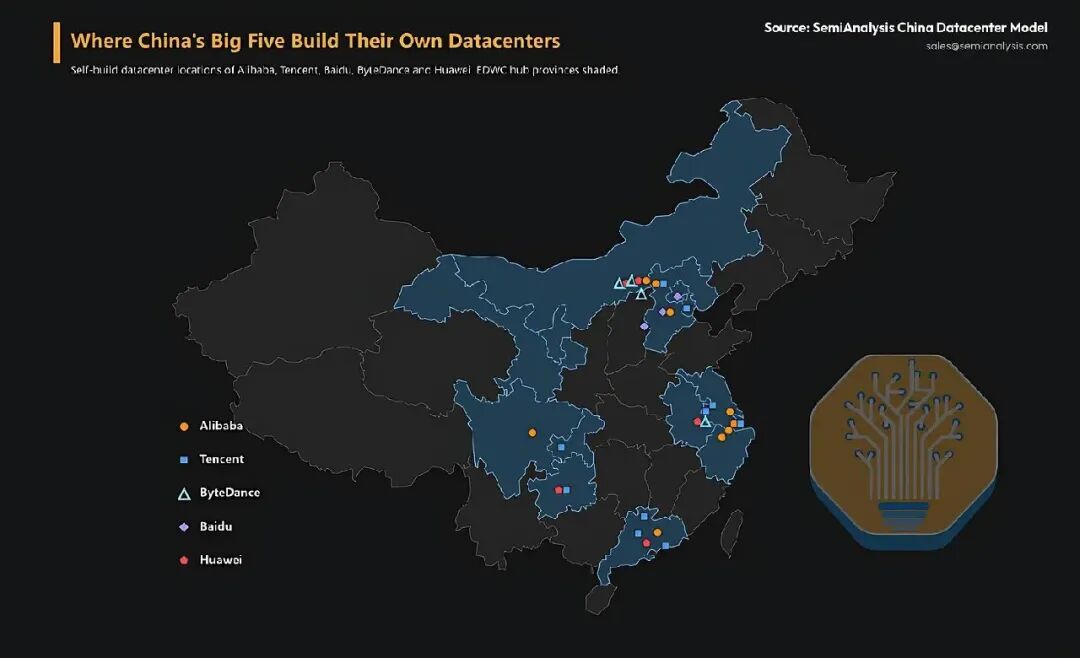
Distribution map of computing power centers for the five major companies
Many people’s first reaction: unbelievable. Founded just 14 years ago, ByteDance has outpaced established industry giants in this capital-intensive, long-cycle infrastructure race.
The five major companies have adopted entirely different strategies.
Alibaba, Tencent, and Baidu pursue a balanced approach of self-building and leasing, maintaining both in-house data centers and external leases. Huawei opts for full self-construction, with its data centers primarily supporting the Ascend chip ecosystem. While this offers strong synergy, expansion remains slow.
ByteDance, however, has forged its own path, becoming China’s largest tenant of computing power by prioritizing leasing.
Many readers ask: Why not self-build such a core asset?
The reality is stark: Self-building data centers takes years, while demand for AI computing power has exploded too rapidly. By the time facilities are completed, the market window would have closed. ByteDance’s strategy is straightforward: lease computing power to quickly secure resources and support business growth, then gradually supplement with self-built infrastructure.
In today’s AI arms race, speed is the ultimate advantage.
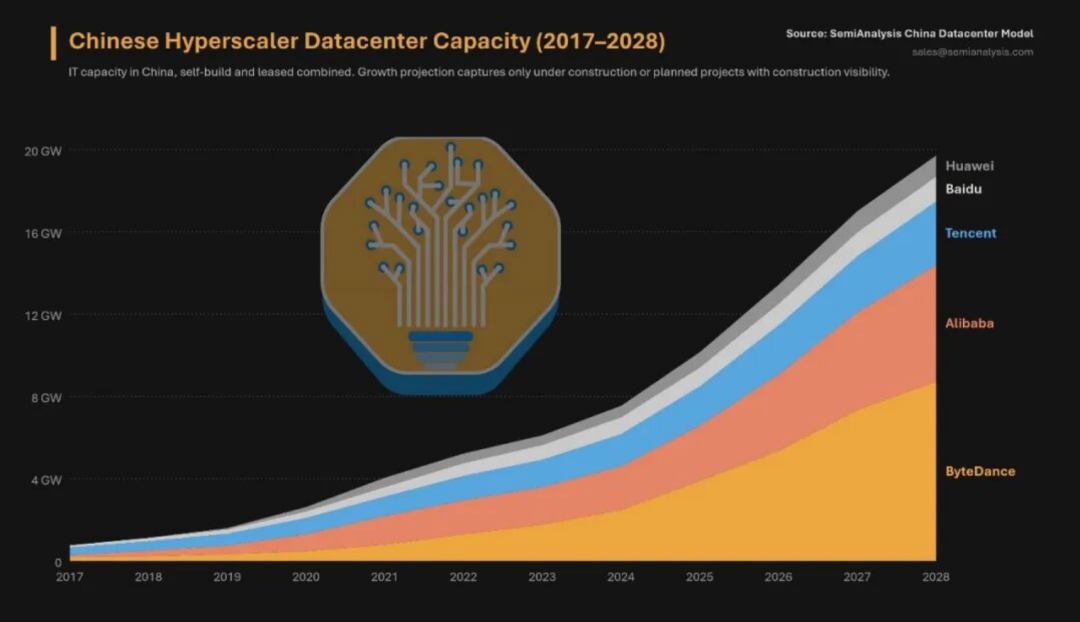
Growth trends in computing power for the five major companies
02 Stockpiling Computing Power Isn’t Wasteful Spending—Three Critical Needs Drive Demand
Don’t assume ByteDance’s computing power surge is mere trend-chasing. Every investment is driven by concrete business requirements.
First, its massive product matrix is a computing power black hole.
Douyin already surpasses WeChat in user time spent. Add Hongguo Mini-Dramas, Fanqie Novels, Qishui Music, and Douyin E-Commerce—a portfolio of category-leading products. With hundreds of millions of users constantly streaming videos, watching mini-dramas, and making purchases, computing power consumption is relentless. This forms the foundation of its business.
Second, Volcano Engine is directly challenging Alibaba Cloud.
Frequent travelers may notice that airports and high-speed rail stations feature ads for Volcano Engine, Alibaba Cloud, and Baidu Cloud competing side by side. Volcano Engine has aggressively expanded into the cloud market in recent years, where computing power supply ultimately determines success.
Third, and most importantly: building native large models without taking shortcuts.
Many teams in the industry rapidly climb rankings through distillation and fine-tuning, delivering impressive demos and quick monetization. But Zhang Yiming has drawn a red line for ByteDance’s AI team: no distillation shortcuts. They must train native large models from scratch.
The cost of this approach? Computing power consumption far exceeds peers. Combined with inference demands from Douyin and Doubao’s massive user bases, the dual pressure of training and inference forces ByteDance to stockpile enormous computing resources.
03 Monstrous Growth! Revenue Nears Alibaba + Tencent Combined
China’s internet sector has entered a mature phase. Revenue growth for Tencent, Alibaba, Meituan, and Pinduoduo mostly hovers around 10%, with many businesses stagnating or declining.
Only ByteDance continues to surge at massive scale.
Data disclosed by foreign media The Information shatters industry perceptions:
- ByteDance’s 2025 annual revenue exceeded $200 billion, growing 29% year-on-year;
- In the first half of 2026, it maintained 30% growth, reaching $120 billion in revenue and $20 billion in net profit.
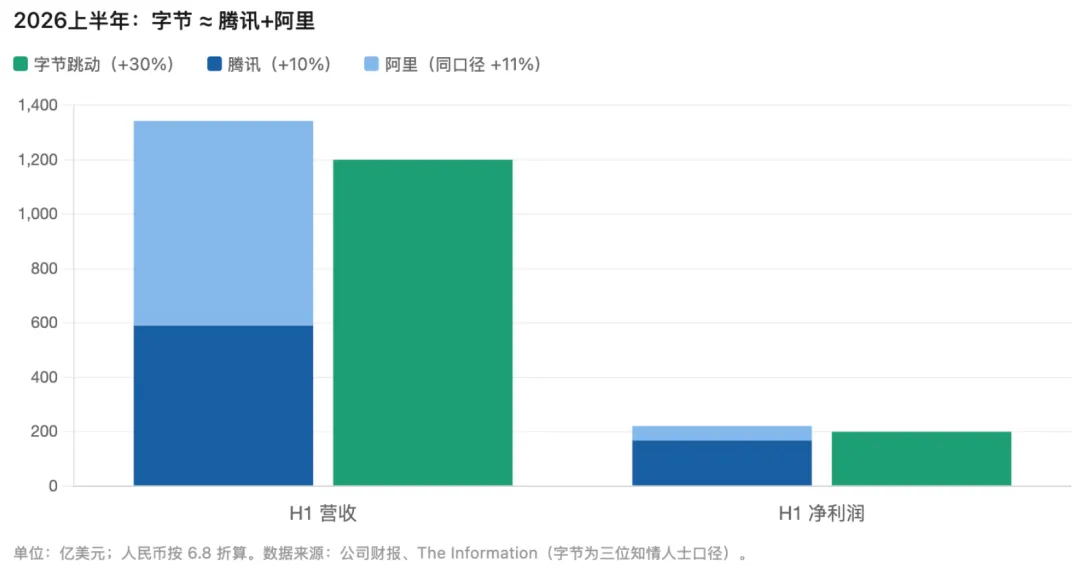 Image source: 25th Observation @WeChat Official Account
For comparison: Alibaba’s H1 revenue was $75.3 billion, Tencent’s $59 billion. Combined, these two giants barely surpassed ByteDance by just over $1 billion.
No other global tech company maintains nearly 30% growth at this $200 billion scale.
Domestically dominant, ByteDance’s global expansion is even more unstoppable.
Many still perceive TikTok as merely an overseas influencer platform, but this view is outdated.
TikTok boasts 2 billion monthly active users and 1.15 billion daily active users, with overseas users spending far more time on it than Facebook or YouTube. WARC Media predicts TikTok will surpass YouTube in global video ad revenue by 2030.
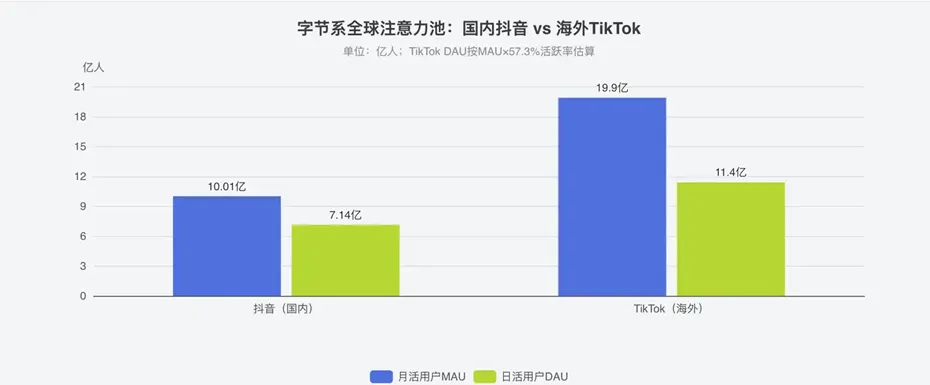 ByteDance's global traffic. Image source: Zhi Caijing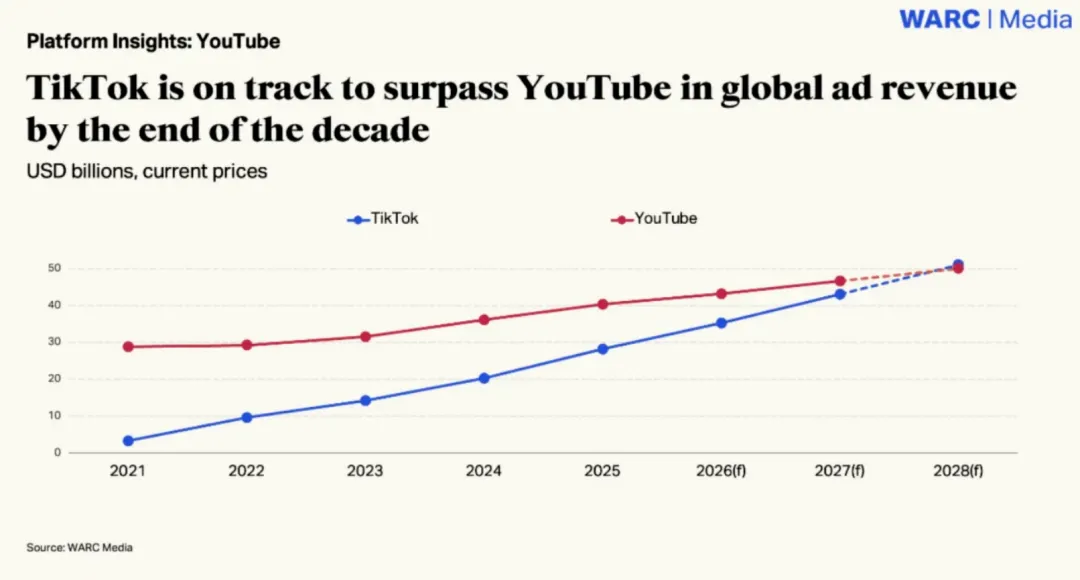
Image source: WARC Media
YouTube ads excel at brand exposure but struggle to drive actual purchases, with diminishing returns on investment. TikTok, however, has created a closed loop of short video seeding, live commerce conversion, and in-app purchases. Over half of Gen Z overseas make purchases after watching short video ads—a unified brand-and-effect strategy YouTube cannot replicate. With strong growth across North America, Southeast Asia, Europe, and Latin America, overseas revenue maintains nearly 50% annual growth. Chinese internet companies have truly taken center stage globally.
04 ByteDance’s Well-Hidden AI Ace Is Its Future Game-Changer
Traffic and revenue represent ByteDance’s present. Its ability to challenge global internet leaders in the coming years hinges on AI.
While competitors chase rankings and quick profits, ByteDance’s AI strategy emphasizes stealth, long-term commitment, and full-stack implementation. It spares no expense: investing $160 billion in AI infrastructure and securing a $29.6 billion syndicated loan entirely for AI R&D and ecosystem development.
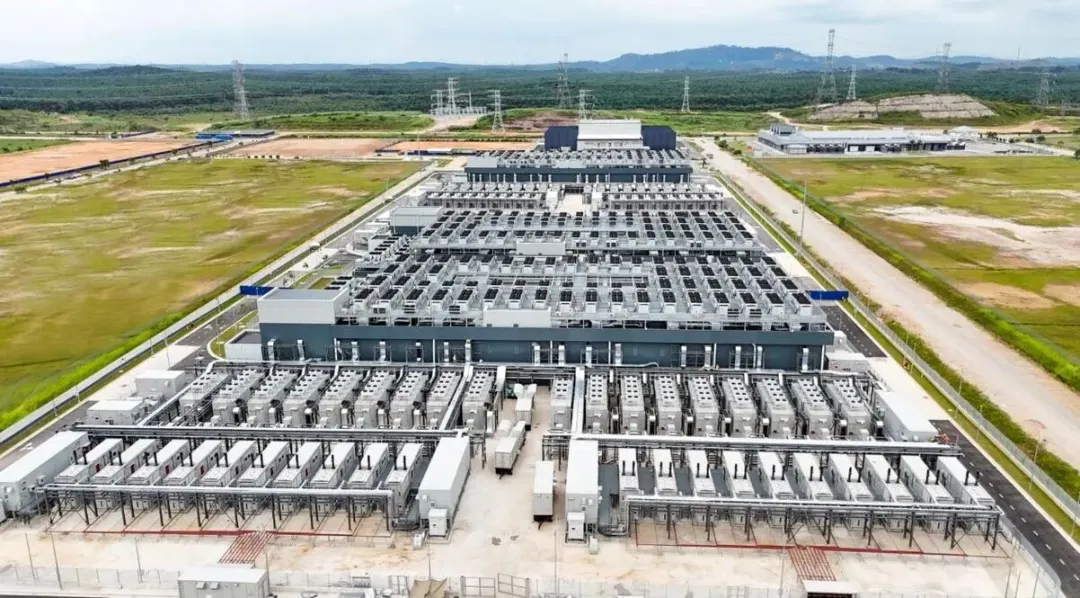
ByteDance’s AI Smart Computing Center project in Johor, Malaysia
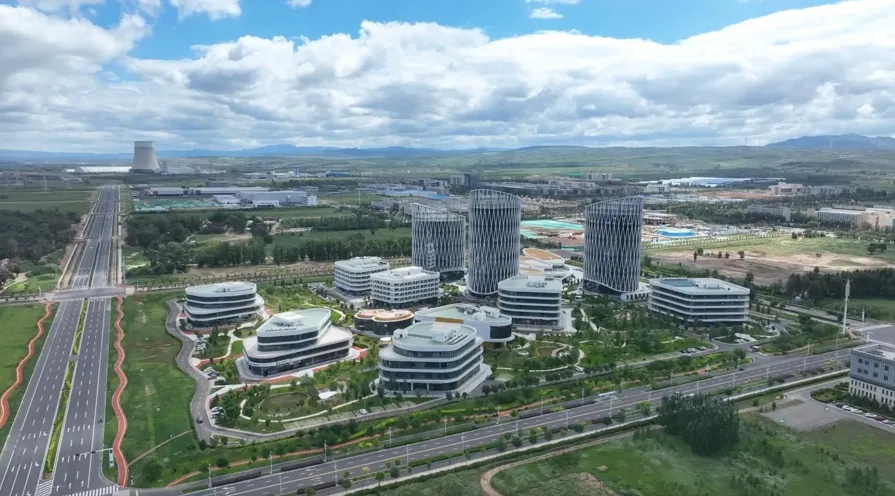 ByteDance’s Volcano Engine computing center in Horinger, Inner Mongolia: Total investment ~$12 billion. Image source: Weibo
ByteDance’s AI ecosystem has now taken shape:
- Doubao boasts over 345 million monthly active users (MAUs), evolving beyond a chatbot to cover office, creative, and lifestyle scenarios;
- The Jimeng large model powers short videos, mini-dramas, and e-commerce content, lowering production barriers;
- Volcano Engine dominates half of China’s MaaS market, with Volcano Ark processing 180 trillion tokens daily;
- Self-developed inference chips are steadily progressing to address bottom-layer computing power gaps.
Some question ByteDance’s position since its large models don’t top benchmark rankings. Why bet on it?
The answer lies in Zhang Yiming’s philosophy: rejecting vanity metrics for short-term gains and refusing to sacrifice foundational technology. While others use distillation for quick results, ByteDance tackles hard problems like world models for robotics and autonomous systems.
 Image source: AI-synthesized rendering. Dachang Finance Society
The industry faces a classic dilemma: technologically advanced companies lack traffic scenarios, while traffic giants lack self-research capabilities. ByteDance uniquely combines both: massive user data continuously feeds its large models, while AI optimizes recommendations, ads, and e-commerce conversion—extending user engagement and boosting commercial efficiency in a closed loop.
With Feishu and Doubao teams integrated by late July, ByteDance’s AI-powered office ecosystem is now complete.
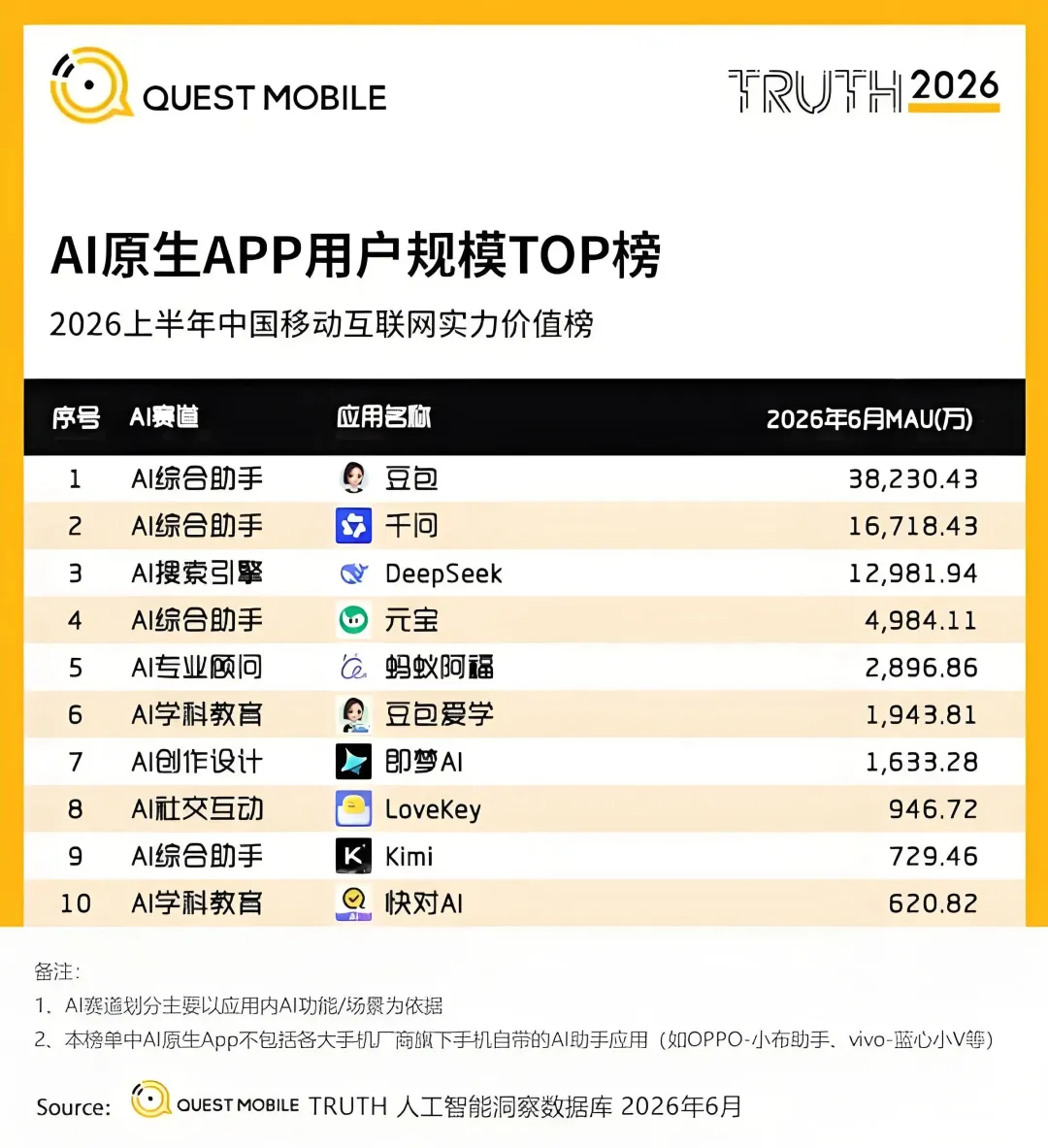
 Image source: Doubao. ByteDance’s AI office operations are also consolidating under Doubao. In late July, the Feishu and Doubao product teams merged.
 Image source: Doubao Work
In an era of dwindling traffic dividends, AI isn’t just icing on the cake—it’s ByteDance’s key to breaking through growth ceilings and securing the next generation of smart interfaces.
05 Understanding Zhang Yiming: The Most Restrained Leader Who Built the Most Addictive Products
The most fascinating aspect of ByteDance’s meteoric rise is Zhang Yiming himself.
Unlike other internet tycoons, he avoids socializing, luxury cars, or golf—his hobbies are reading, browsing online, and solitude.
This extremely restrained and low-key individual has created the world’s most engaging internet products.
While peers chase trends and quick profits, Zhang Yiming focuses on underlying logic and long-term efficiency:
- With Toutiao, he revolutionized news distribution with algorithms, displacing traditional editorial models;
- With Douyin, he bet on video-based information distribution, capturing national attention;
- With TikTok, he went beyond capturing overseas traffic to building a global information network;
- With AI, he rejects short-term benchmark competition to lay groundwork for decade-ahead technologies.
His internal mantra remains relevant today: "We’d rather grow slower initially to raise foundational standards. Over time, the gap becomes insurmountable." Asia’s richest man and industry leader isn’t luck—it’s the fruit of long-termism.
Epilogue
In seven years, ByteDance has stormed from a challenger to the global internet elite.
Domestically, it commands nearly 40% of Chinese users’ phone time while surpassing incumbents in computing power and revenue. Globally, TikTok relentlessly expands toward the global advertising throne. Looking ahead, its full-stack AI strategy secures its ticket to the next internet era.
Meanwhile, Alibaba Cloud recently launched a new global infrastructure expansion, adding cloud nodes in Turkey, Finland, and the Netherlands while expanding data centers in Malaysia, Germany, and the UAE. Its strategy remains steady: global computing power localization to solve latency and compliance challenges. Looking back, Alibaba has consistently built social infrastructure from 1688.com to Taobao, Alipay, and Cainiao—now it’s constructing the global AI-era computing foundation.
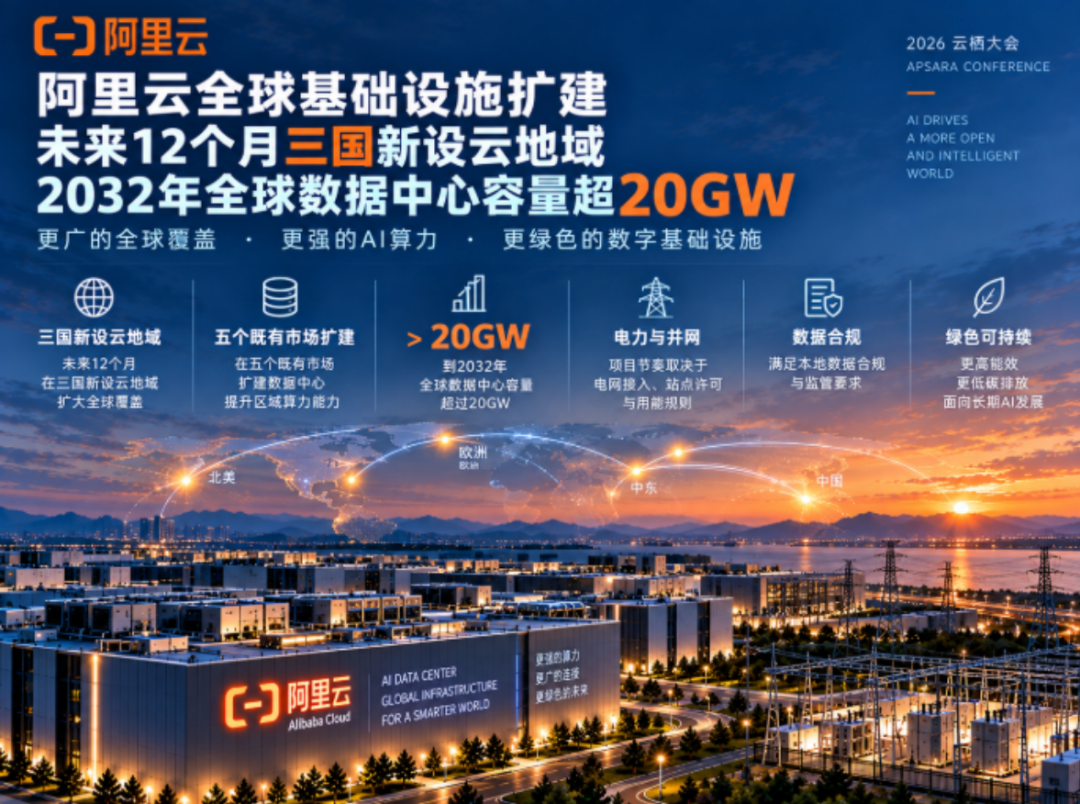
Two paths, two strategies. Alibaba advances steadily while ByteDance charges ahead.
The AI globalization race has just begun. Chinese internet companies are rewriting the global tech landscape.
Discussion Topic: Do you think ByteDance’s leasing model for computing power will outperform Huawei’s and Alibaba’s self-building approaches long-term? Share your thoughts in the comments.
Disclaimer: This article represents financial commentary on major companies and does not constitute investment advice. All enterprise data and regulatory events cited come from public information and are for reference only. Specifics are subject to official announcements. Images sourced from networks; please contact for copyright removal if needed.
-
![]()
Baolong Technology: Air Suspension Supports All Growth, But 2.6 Billion in Short-Term Debt Looms—Can Quality Be Sustained?", "Baolong Technology, Revenue, Profit, Air Suspension, Short-Term Borrowings
-
![]()
Why Does the Beijing-Tianjin-Hebei Region, Boasting a Trillion-Yuan Automotive Industry, Aspire to Become a World-Class Automotive Hub?
-
![]()
China’s Wealthiest Entrepreneur Zhang Yiming Leads in Computing Power, Outpacing Alibaba, Tencent, Baidu, and Huawei
-
![]()
Two Major Auto Brands Officially Merge!
-
![]()
AMD Acquires Li Feifei's Spatial Intelligence Startup World Labs: Accelerating the Deployment of Physical AI
-
![]()
Mistral, the second largest AI company in Europe, completes €3 billion Series D funding round, with valuation rising to €21.3 billion
-
![]()
Huawei’s Tri-Fold Phone Is a Sensation, But Another Buzz Is Even More Electrifying
-
![]()
National Day & Double 11 Refrigeration and Laundry Market Outlook: Navigating Growth Amid Structural Shifts