Musk Suddenly Exposes Masayoshi Son's Shocking Secret — SoftBank Stock Plunges 10%
 11/10 2026
 412
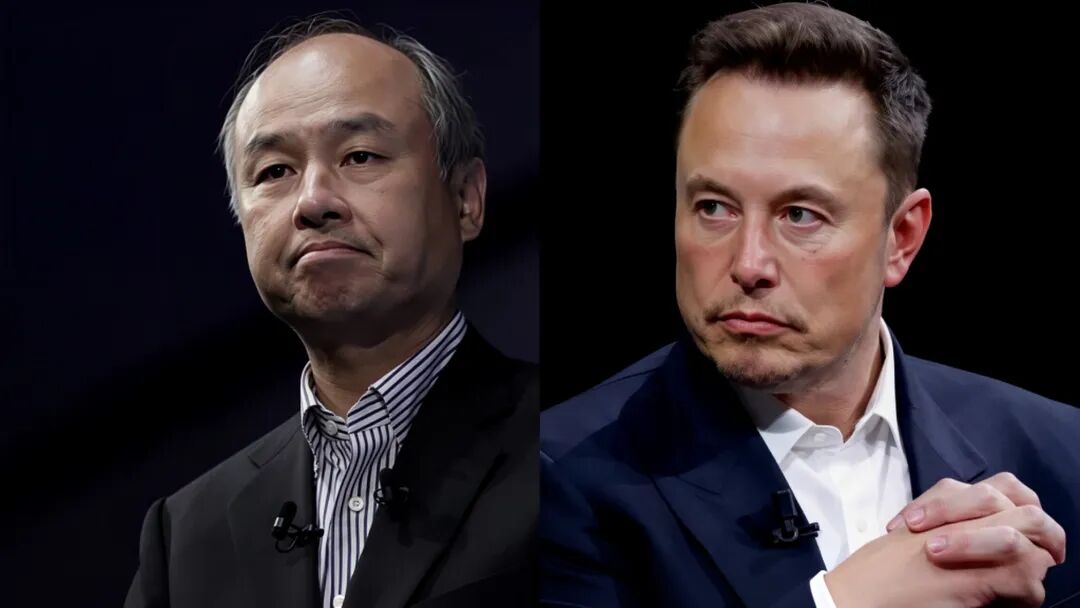 Image source: Weibo
One exposé post from Musk on X was all it took to crush SoftBank.
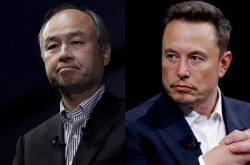
On November 6, US Eastern Time, Musk dropped a bombshell: SoftBank is in default on its gas turbine orders. Masayoshi Son's "Stargate" AI computing mega-project — the bet on which he had staked his entire fortune — was instantly thrust into the spotlight. SoftBank closed down over 10%, and its debt risk indicator surged to a four-year high.

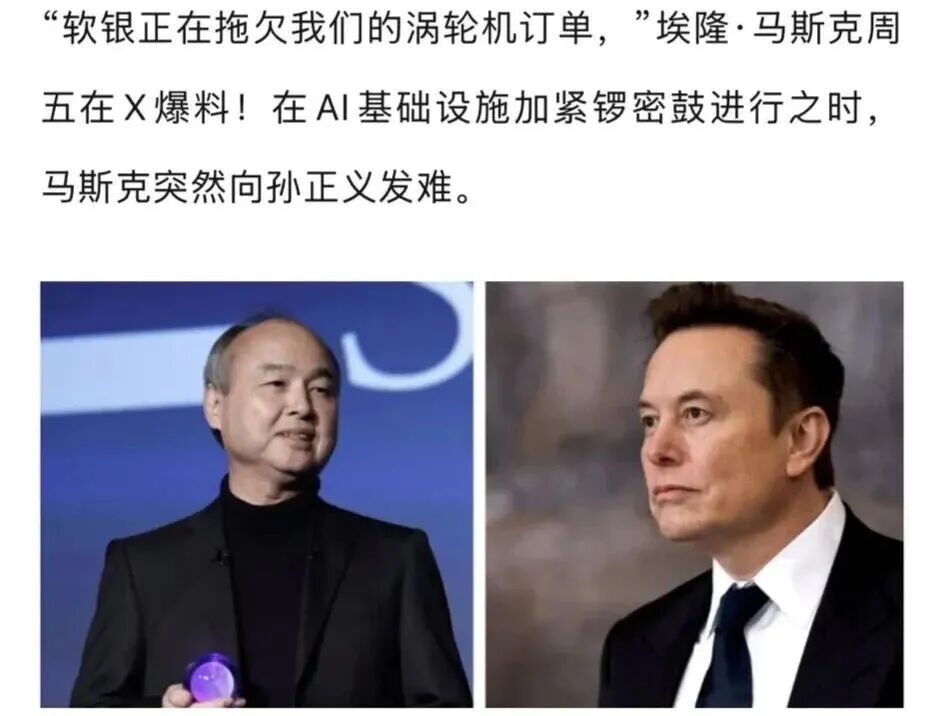
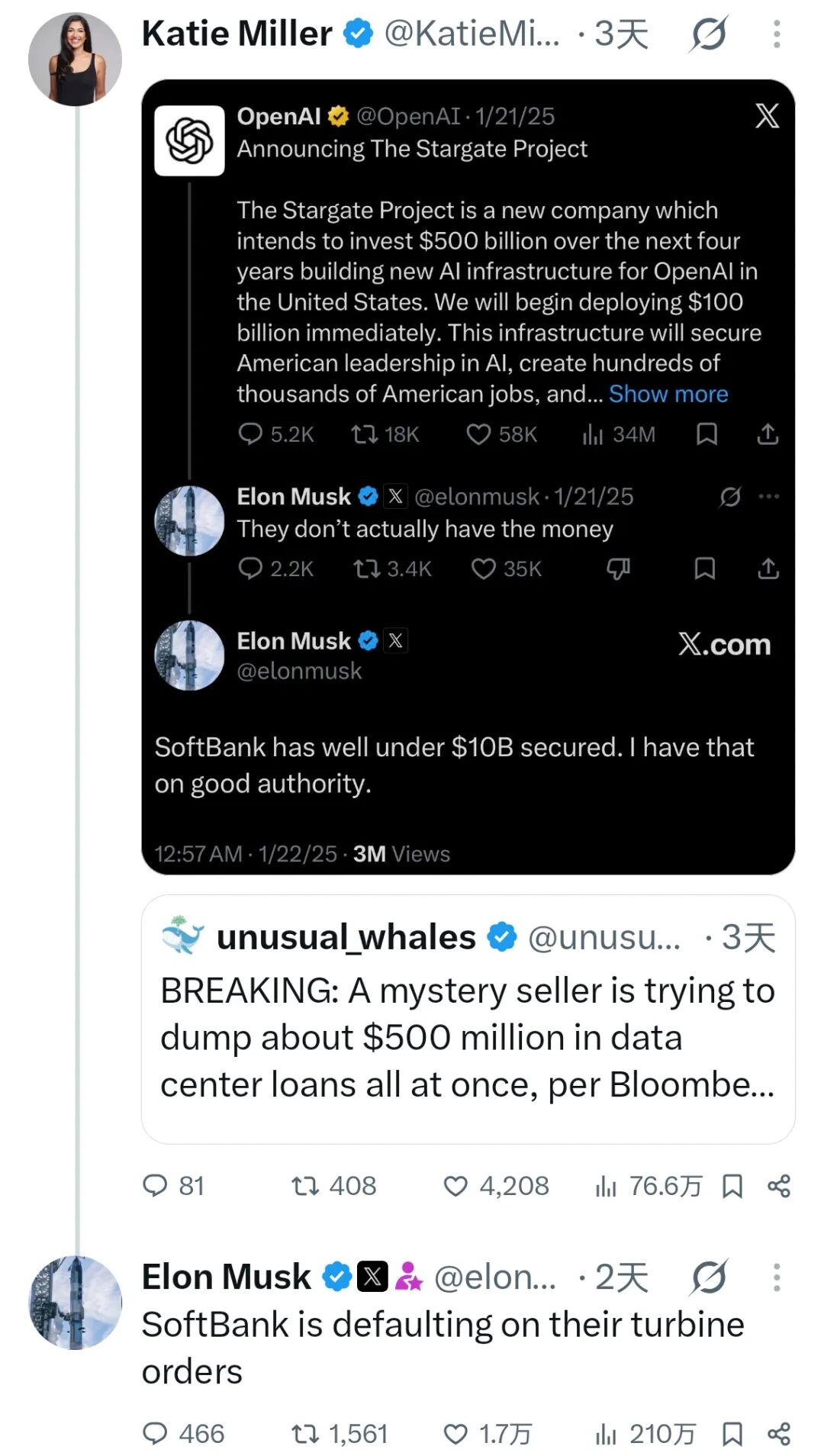
Image source: X. The story also topped Weibo's trending list. 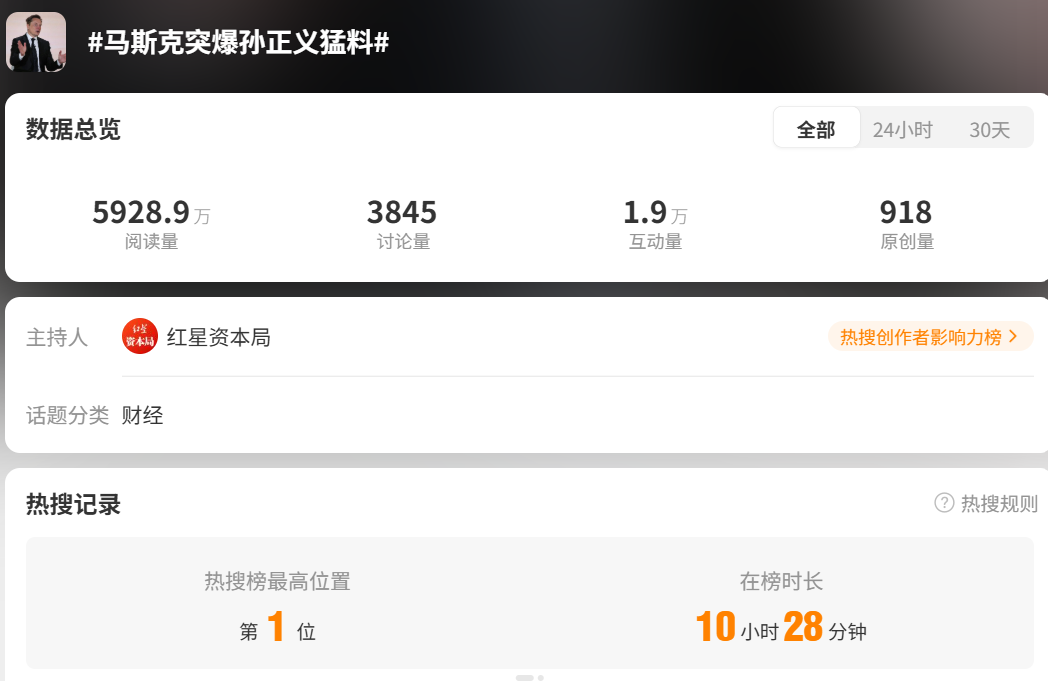 Image source: Weibo. As of Dachang Finance's publication time, SoftBank shares were down 4.45%.
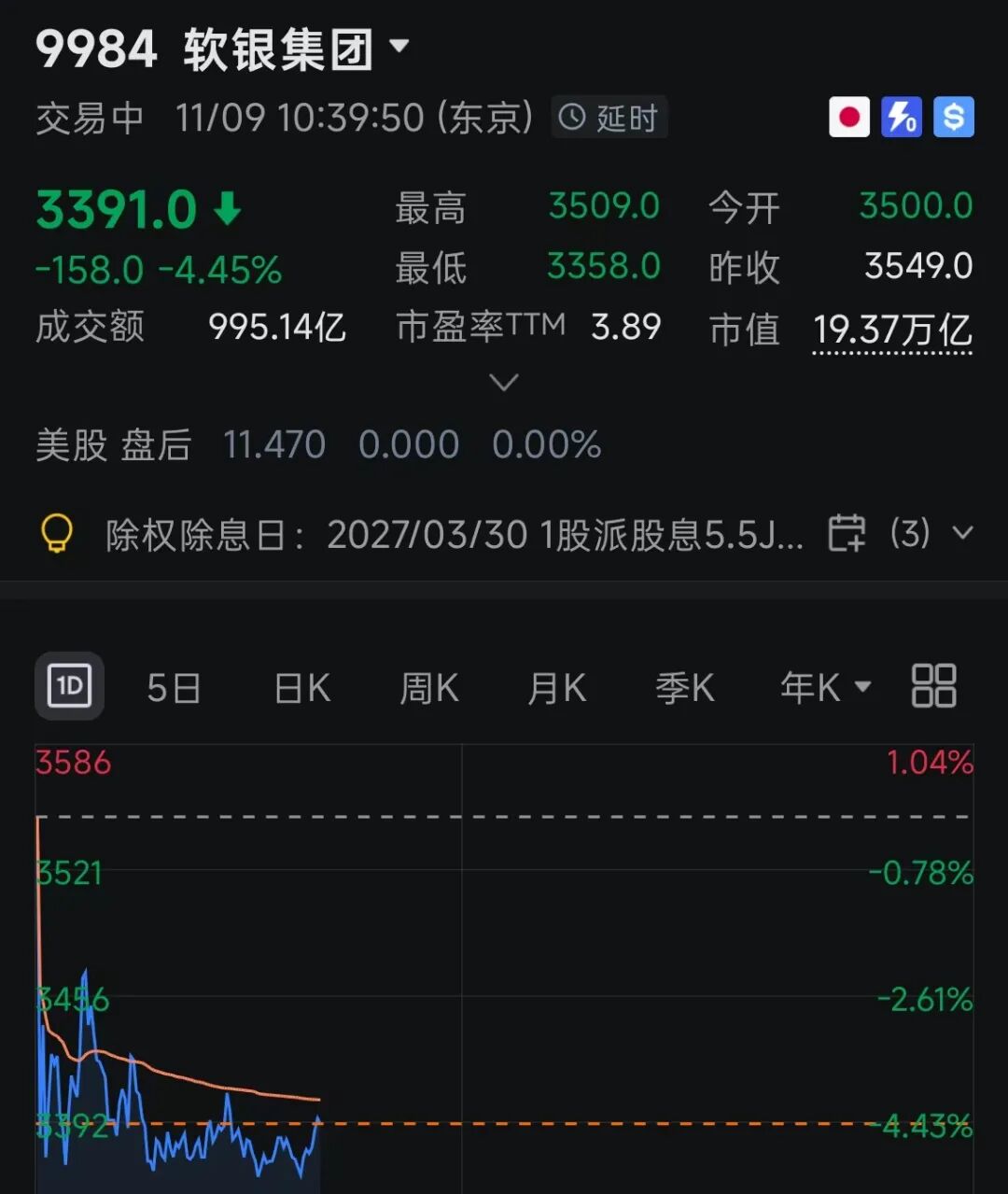 Image source: Futu APP
North American AI infrastructure was already on edge this week. Since the midterm elections, the market has been fretting over stricter environmental regulation and shrinking tax incentives, and many data center projects have already started watching their wallets. On Friday, Musk waded straight in.
The trigger was just a comment. A user reposted news that ING planned to package and sell $500 million in data center loans. Musk replied directly under that post, saying SoftBank was defaulting on turbine orders and had already breached its contracts.
Here's the interesting part: he stated only the conclusion — no contracts, no payment records, no word on which supplier the orders were with. After the news spread, SoftBank and Masayoshi Son said nothing, and gas turbine giants such as GE Vernova and Mitsubishi Heavy Industries also stayed silent, neither taking sides nor issuing clarifications.
The capital market doesn't wait for evidence; it runs first and asks questions later. That day, SoftBank closed down 10.8% in Tokyo, and Masayoshi Son's net worth shrank by about $3.9 billion in a single day. Its five-year credit default swaps jumped in tandem, hitting 466 basis points — a new high since October 2022. Put simply, insuring SoftBank's debt has already become absurdly expensive.
01 $500 Million in Loans Bundled and Sold Off — the Stargate Project Had Already Flashed Red
Musk's words were not baseless attacks. The same day, another signal from Wall Street already hinted at trouble: ING packaged 12 data center loans totaling $500 million and put them on the market, with a minimum bid of just $10 million to enter the auction.
This asset package contains a heavyweight target: the Stargate project jointly developed by SoftBank, OpenAI, and Oracle — the Jupiter Project computing campus in New Mexico, which includes a $25 million loan interest.
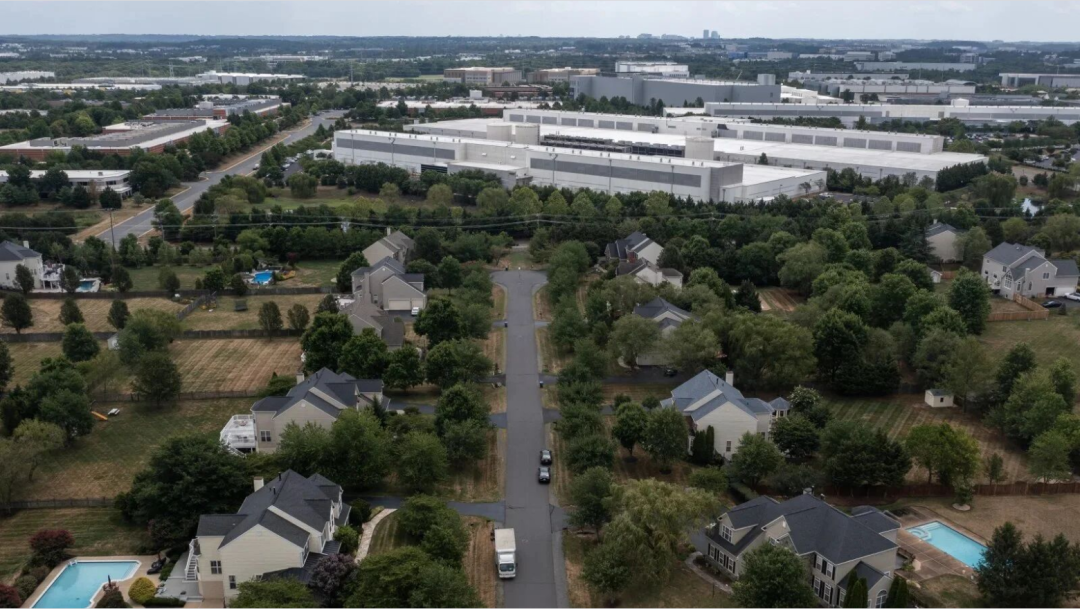 Image source: X
This 2.45GW campus has been accumulating troubles for a long time. Approvals for natural gas pipelines and captive power plants have been delayed again and again. The main tenant, Oracle, had already given advance warning at the end of September: if power supply cannot keep up, it has the right to invoke force majeure and defer rent payments. Oracle did not directly withdraw funding and said the project would still be completed by 2028, but that statement has already set off alarm bells for the banks providing the loans. Sources say the project's $18 billion construction loan can only be sold at 80% to 90% of face value and is already trading at a discount.
Two years ago, as long as a project was linked to OpenAI or AI computing power, banks would fight to lend. Now the wind has completely changed. Whether it is Wall Street investment banks or major Japanese domestic banks, they are quietly reining in risk and offloading loans tied to data centers and GPU assets, unwilling to hold all the chips themselves. The good old days of easy money for AI infrastructure are over.
02 One Gas Turbine Chokes Masayoshi Son's Computing Power Ambitions
Many people may wonder: isn't it just a turbine order? How could it crush a giant like this? In North America's computing power sector, gas turbines are hard currency — incredibly scarce.
The local public power grid is expanding far more slowly than electricity demand from large-model data centers is growing. To ensure tens of thousands of GPUs run around the clock without interruption, building a dedicated natural gas power plant is almost the optimal solution. SoftBank's planned Portsmouth computing base in Ohio is set to include 9.2GW of gas-fired power generation. This is OpenAI's next core computing power base, originally scheduled for phased operation starting in 2028.
 Image source: Weibo
In May this year, SoftBank's SB Energy also loudly claimed that it had already locked in gas turbine capacity from manufacturers including GE Vernova. But there is a brutal common sense in the industry: heavy-duty gas turbines have extremely long lead times, up to seven years. Once an order falls through or delivery is delayed, SoftBank will basically have no chance to secure capacity again. Project documents clearly state that if power supply is delayed, not only will expected rents not be collected, but a large penalty will also have to be paid. That means the project's entire timeline is tied to this batch of equipment.
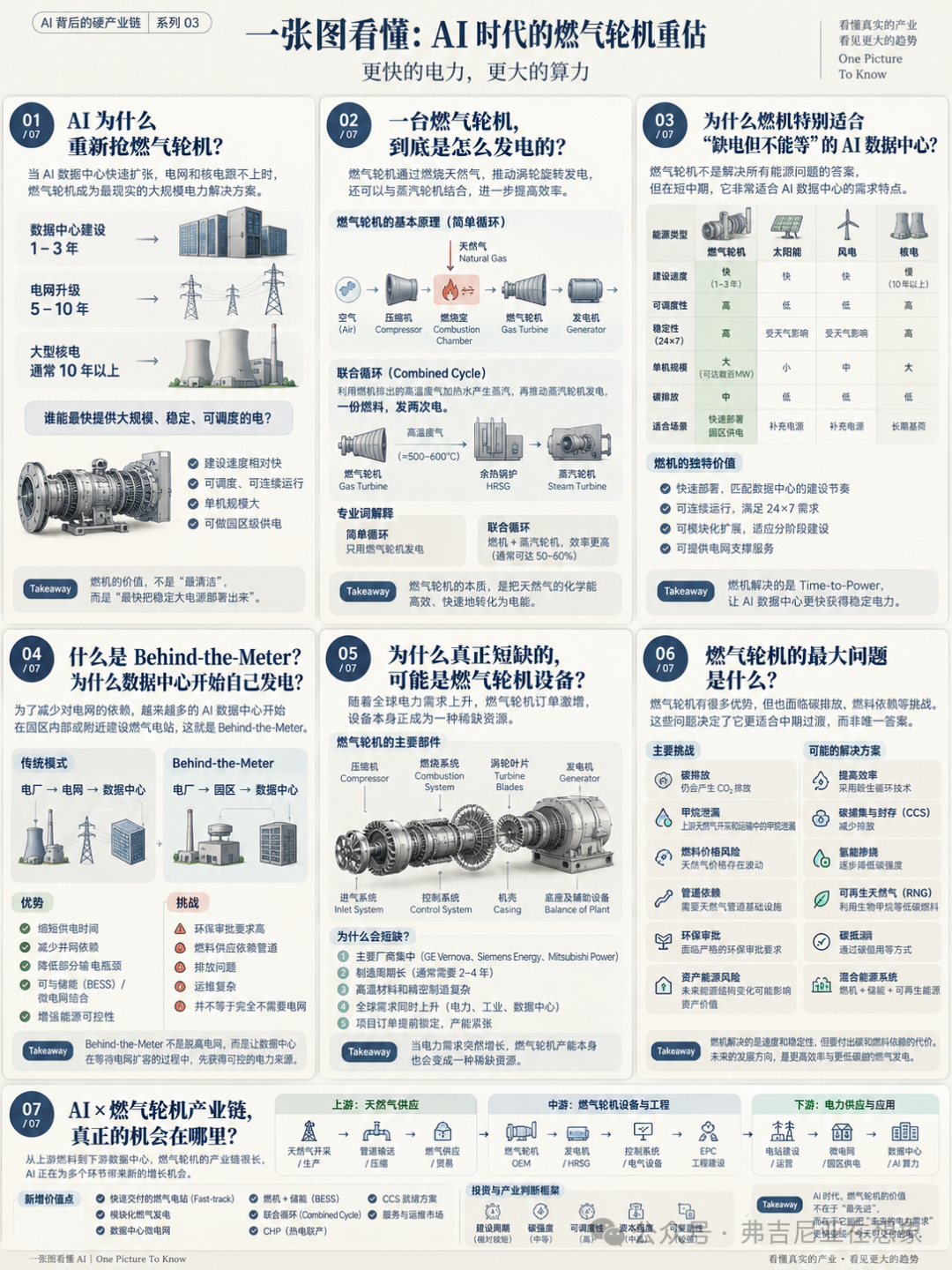
More than half a month ago, a GE Vernova executive said at an earnings conference that they had not seen any customer cancel orders due to lack of money. Musk's statement directly brought everyone's hidden worries to the surface.
03 A Huge Bet on OpenAI Leaves SoftBank Burdened with Ultra-High-Interest Debt
Behind the lively gossip lies the key to Masayoshi Son's latest bet: high leverage and an all-in gamble on OpenAI.
To acquire about 13% of OpenAI's equity, SoftBank promised to invest a total of $64.6 billion. In March this year, they negotiated a $40 billion bridge loan and drew down $30 billion. Although they repaid the short-term loan early in September, the funding pressure has not been relieved at all.
On September 24, SoftBank urgently issued bonds to raise $11.1 billion for liquidity. One of the bonds, a $4.5 billion issue maturing in 2034, carried a coupon rate of 9.75%, a record high in the company's bond issuance history. By comparison, Alphabet's bond issuance rate during the same period was only 5.2%, meaning SoftBank's borrowing cost was almost double.
Interest costs keep snowballing, and the OpenAI IPO, originally expected to replenish cash, has been delayed to 2027. In the short term, there is no major equity monetization channel, so expenses can only be sustained through financing. As long as the computing campus's operation is delayed and rents fall short of expectations, cash flow could easily become strained.
Masayoshi Son has also been hitting walls on both sides recently. Just the day before Musk's exposé, SoftBank's acquisition of ABB's robotics business in China was blocked, and the $5.375 billion deal fell through over data security risks — concerns that robotics-related data could flow overseas and be used to train AI models abroad. Blocked domestically and hit by funding rumors in the United States, SoftBank has been caught in a cold spell on both fronts, and investor confidence naturally could not hold up.
04 The Entire Industry Chain Trembles — the Computing Power Boom Begins to Cool
The impact goes far beyond SoftBank alone; the global AI industry chain will have to reassess expectations.
The first to be hit is HBM. As large North American computing projects slow down, GPU procurement rhythm also slows, and orders for high-bandwidth memory from Korean memory manufacturers are likely to come under pressure.
Next is power equipment exports. A large portion of orders from many domestic manufacturers for ultra-high-voltage transformers and gas turbine supporting equipment is tied to the construction cycle of North American data centers. As banks begin to tighten lending and projects are delayed, the growth rate of subsequent orders will certainly be discounted.
Looking more broadly, the entire frenzy of AI infrastructure expansion is hitting the brakes. On one hand, regulation is tightening; on the other, banks are unwilling to lend freely. The old playbook of raising big money simply by painting a rosy picture of computing power no longer works. Projects that rely only on borrowing and burning cash without cash flow support will be the first to be abandoned.
05 Conclusion
A casual social media post by Musk without hard evidence could stir up such a huge market reaction because it essentially exposed the hidden worries behind the AI computing power boom.
Masayoshi Son's bet on Stargate is a bet that future demand for large-model computing power will keep soaring. But expensive borrowing costs, long equipment waiting periods, and increasingly strict power approvals are all raising the threshold.
High-interest debt, delayed IPOs, and banks' risk aversion all add up. No matter how aggressive the capital game, it ultimately cannot avoid the most basic test: cash flow.
Interactive topic: Do you think Musk was simply pointing out industry risks this time, or was it a long-range move between competitors? Has this wave of AI computing infrastructure enthusiasm already reached a turning point?
Disclaimer: This article is only a Dachang Finance commentary and does not constitute any investment advice. The corporate data and regulatory events mentioned in the article are all from public information and are for reference only; specifics should be based on official releases. Image sources are from the internet; if there is any copyright issue, please contact us for deletion.
-
![]()
Real Vehicles Take Center Stage at CIIE — and Finally, a Way Out of Involution
-
![]()
Musk Suddenly Exposes Masayoshi Son's Shocking Secret — SoftBank Stock Plunges 10%
-
The Viral "Big Fat Fish" Reminds Me of the Liveliest Era of the Internet
-
![]()
Lei Jun Takes Personal Charge as Xiaomi Establishes New Department to Storm Porsche's Home Turf
-
![]()
February Rakes In 12 Billion Views! A 54-Year-Old Uncle from Henan Teaches Himself AI and Creates the Hit Short Drama "Armed Into Song"
-
![]()
15 Years, 10 Leaders: Beijing Hyundai Couldn't Hold On to Its First Chinese General Manager
-
![]()
There Are Already Tens of Thousands of Satellites in the Sky—Who Will Stop Them from Colliding?
-
![]()
BMW 330 Bare Car Price Drops to 210,000 Yuan, Volvo EM90 Cut in Half! Car Dealers: Prices Will Fall Another 20% by Year-End