Real Vehicles Take Center Stage at CIIE — and Finally, a Way Out of Involution
 11/10 2026
 490
Introduction
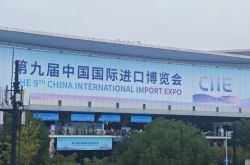
In the past, CIIE showcased "what the world has"; today's CIIE showcases "what China builds for the world."
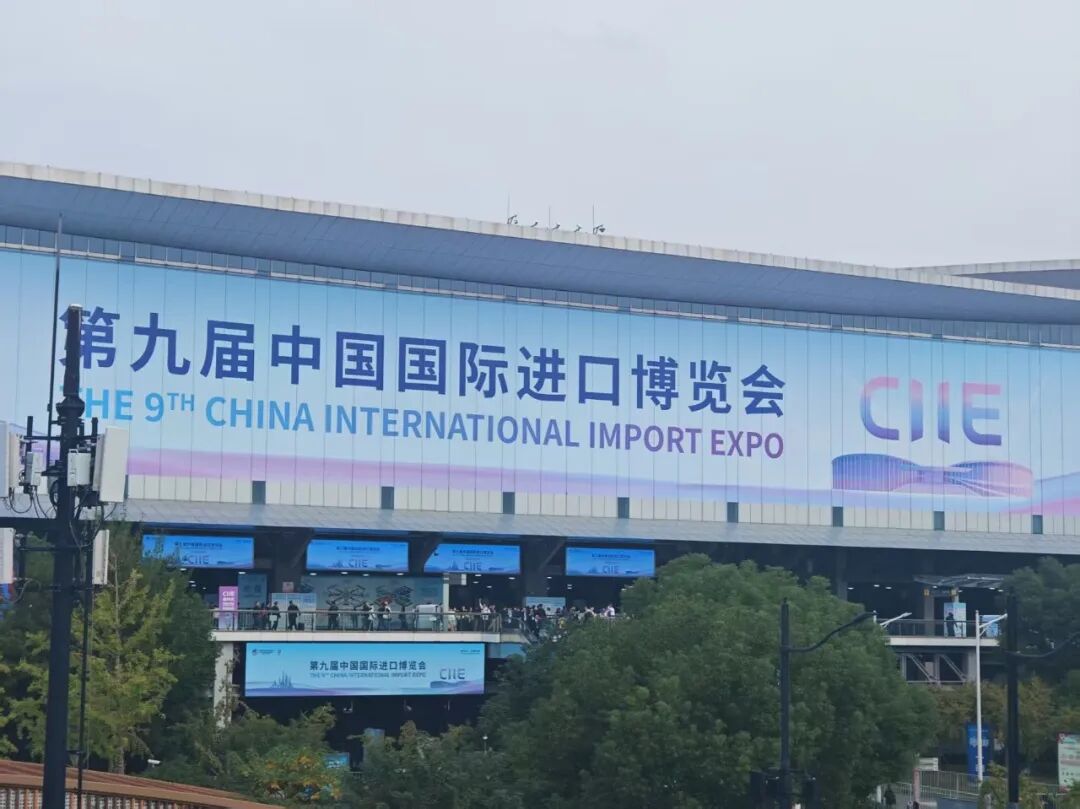
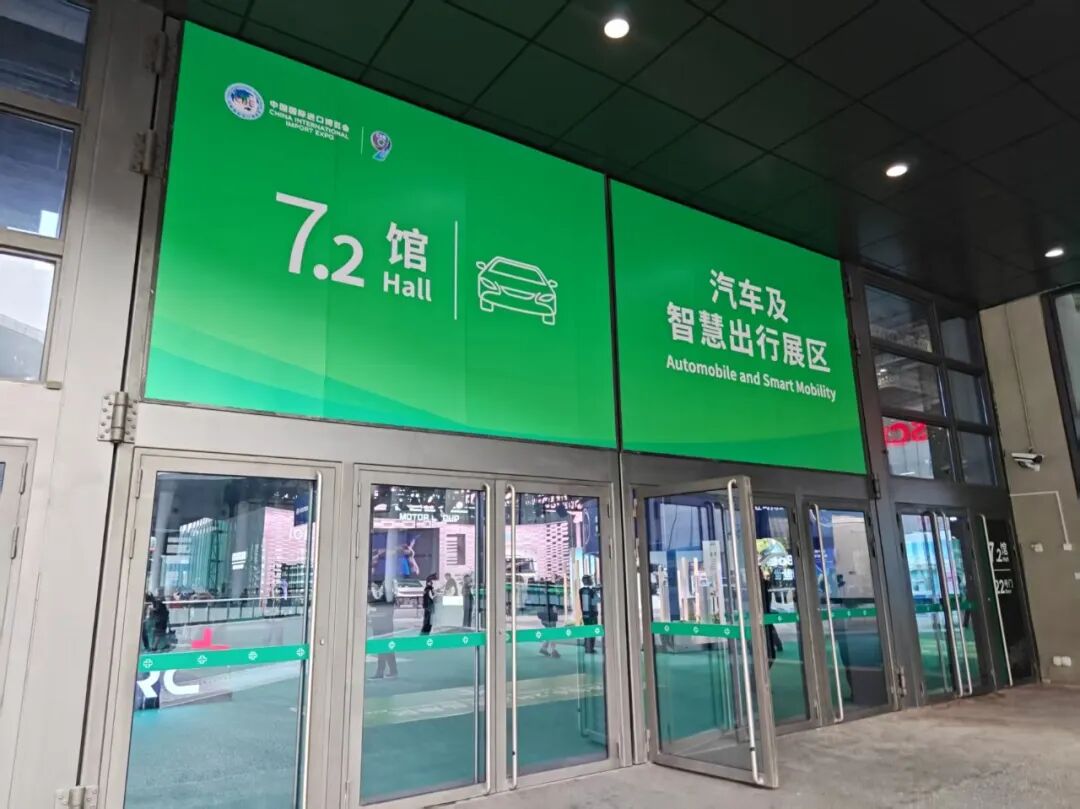
Walking through Hall 7.2 at the Four-Leaf Clover, I had a sudden illusion that time had folded.
Is this the Shanghai Auto Show in April? Or the CIIE automotive hall in November?
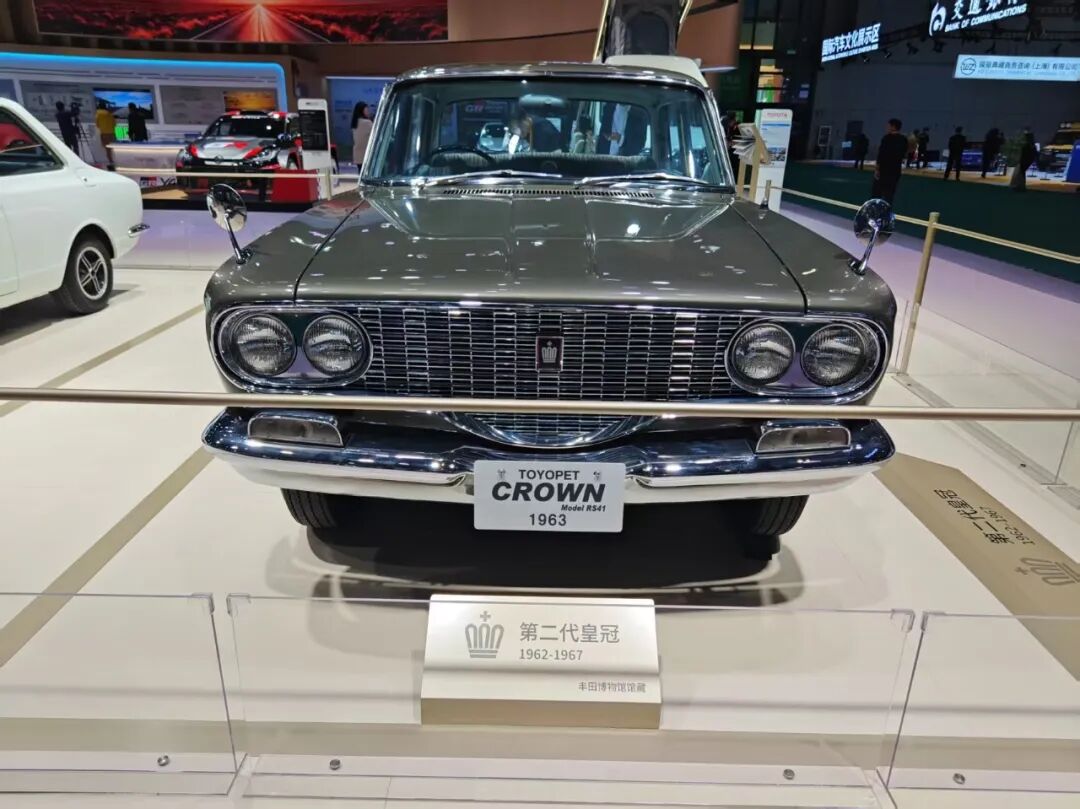
Porsche placed a 356 and a 928 in a corner of its booth. A few steps away was the China debut of the 911 GT4 R. Over at Toyota, the first-generation Corolla and second-generation Crown stood side by side, with a diagram of the Lexus Jinshan factory nearby, which will produce pure electric models led by a local Chinese team.
Suddenly I recalled an echo from the Lingang area of Hall 3, diagonally across: the Tesla Cybercab parked quietly, with no steering wheel and no pedals.
With the convention center's diagonal as the axis, the glory of the internal combustion engine era, the most thorough R&D delegation in the joint venture system, and the mass production timeline for autonomous driving all overlapped.
The Book of Changes says: "When things reach exhaustion, they change; when they change, they pass through; when they pass through, they endure." As the CIIE automotive exhibition area reaches its ninth year, what has changed is not the number of exhibits. 4,142 overseas companies and 440,000 square meters of exhibition space—these numbers are still being refreshed. What is truly changing is what gets placed at the very center of the booths.
Previously, the center position was reserved for concepts, architecture diagrams, and "future mobility visions." Imported vehicles were placed to the side, serving as footnotes to technological leadership. This year, the center position is reserved for vehicles that have already rolled off the line, already been launched, and already been shipped.
When the density of production vehicles surpasses the density of concepts, this window no longer reflects "what the world has come up with again," but rather another statement: what China can build, and who needs what has been built.
Amid sharply rising industry pressure, the CIIE automotive exhibition area is demonstrating, through a trend of "returning from technical concepts to complete vehicles," that "the power of Chinese manufacturing has stepped onto the world's forefront."
01 Production Vehicles Take Center Stage
The CIIE automotive hall in the past was more like a technology launch event. Automakers brought ideas, and products were appendages to those ideas.
In 2026, it's the other way around.
Volkswagen brought seven models. The core is not any imported flagship, but the ID. ERA 5X and ID. AURA L5—the first production vehicles to fully carry the VEGA local technology matrix.
GM's entire booth was anchored by the Cadillac brand alone, with five production vehicles on display. Leading the lineup is the XT5 PHEV, based on a locally self-developed 5C native plug-in hybrid architecture, deeply co-created by the local team and Momenta, and equipped with the Momenta R7 world model upon delivery. Since its launch in September 2026, it has become Cadillac's best-selling model in China.
Toyota, in addition to the bZ pure electric series, made an age-friendly camper vehicle its debut model. Features include accessibility lift seats, 24-hour vital sign monitoring, and AED emergency equipment, targeting the highly specific scenario of elderly RV travel in China.
Nissan's new N7, NX8, and Frontier Pro form a new energy matrix, all three with clear export plans.
The "auto show feel" has indeed returned. But the logic behind its return is different from an auto show.
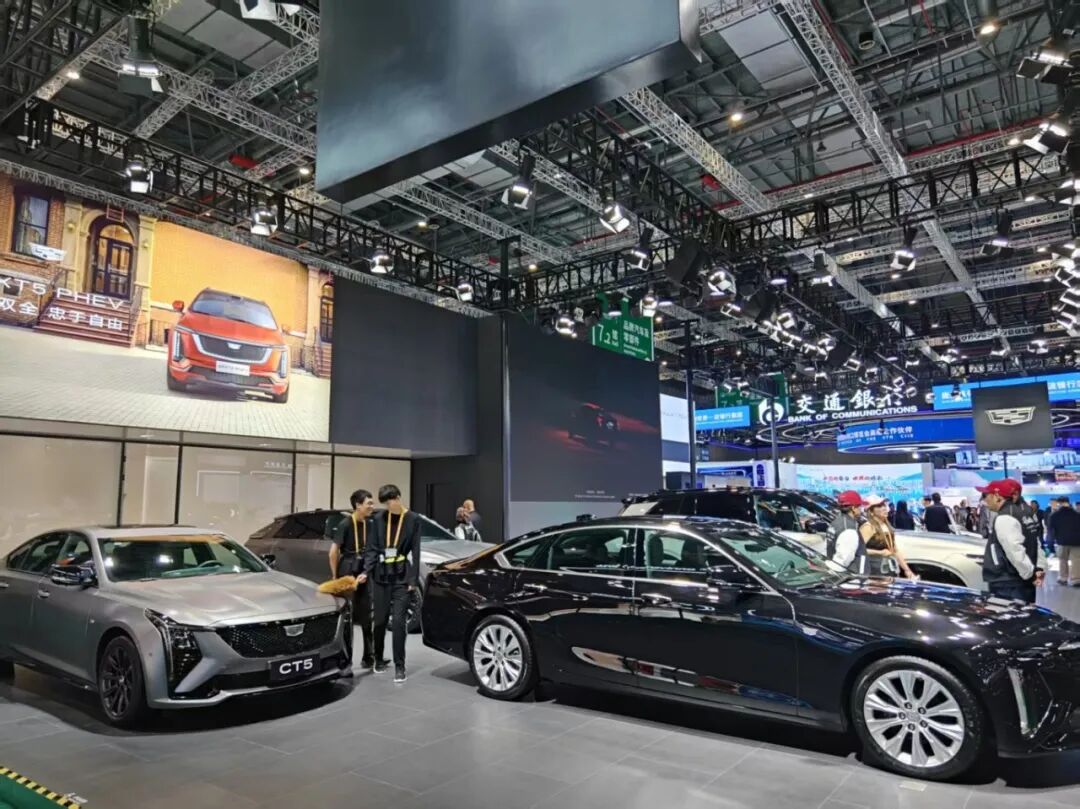
An auto show displays the breadth of a product lineup. CIIE displays who owns the capability chain behind the products.
An XT5 PHEV on display conveys not "GM has another new car," but that this vehicle's architecture definition, intelligent driving solution, and engineering implementation were completed end-to-end by a Chinese team. GM Global Senior Vice President Luo Xu characterized it, along with the Kaiweide, as "representatives of global standards empowering local innovation."
In the past, concepts were used to prove "I have technology" because the technology was indeed overseas and product introduction required lengthy adaptation. Now production vehicles are used to prove "I can define products" because the definition rights have landed on the desk closest to Chinese users.
The time gap between concept and production vehicle is, at its core, the geographic distance of decision-making power. When that distance reaches zero, the most prominent position on the booth naturally goes to the vehicles.
02 Localization = "China Subjectification"
The phrase "R&D in China" used to carry another meaning: taking global models and making local adjustments. Extending the wheelbase, swapping the infotainment system, adapting charging protocols. The subject of R&D was overseas; the Chinese team handled the predicate and object.
What this CIIE demonstrates is the migration of the subject.
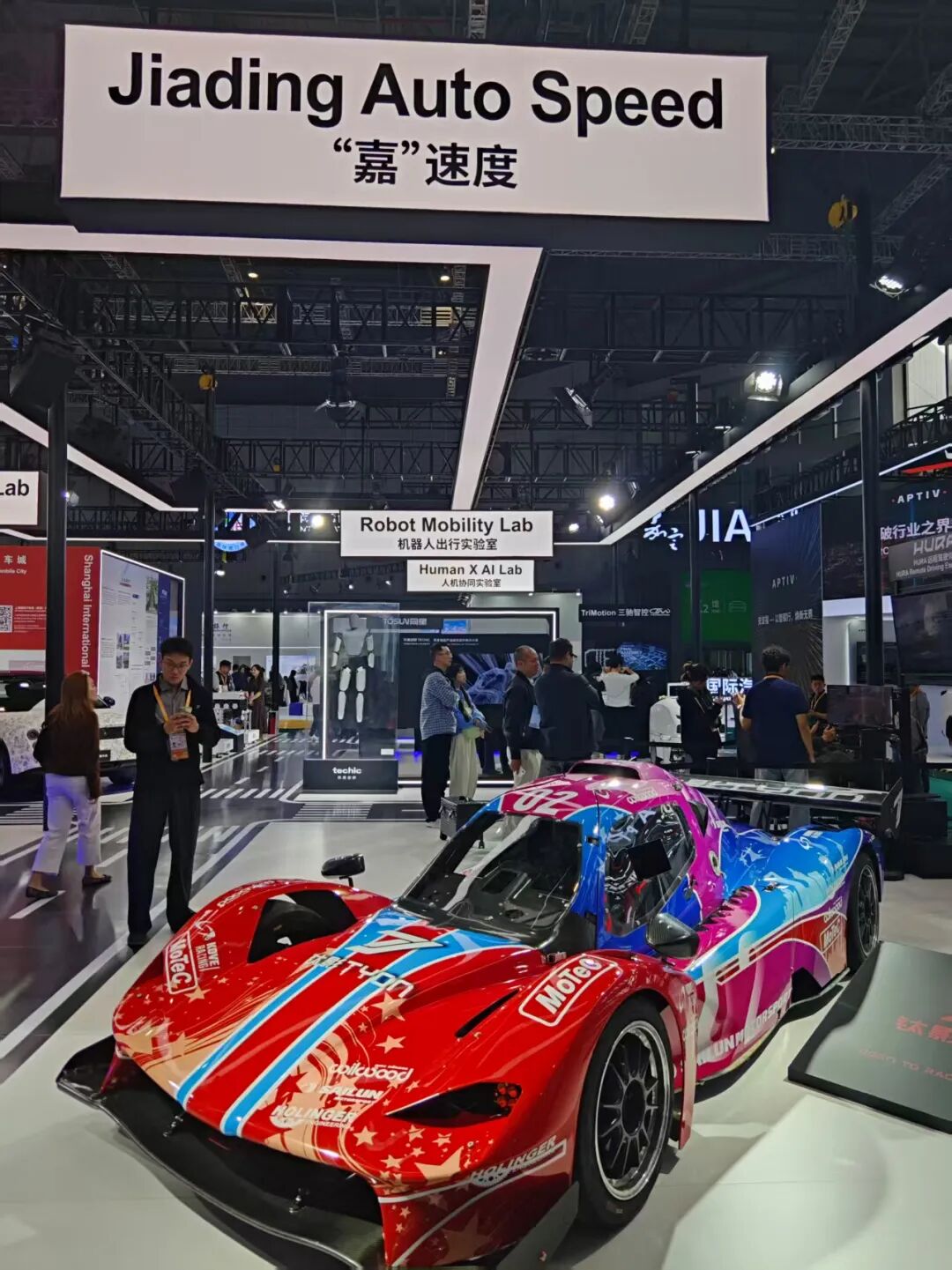
A senior executive of a leading supplier said that in earlier years, most exhibits from foreign companies were developed overseas. Today, many international companies' exhibits have achieved local R&D, and some have even developed and designed motors, e-axles, and electronic control products in China for European customers, with manufacturing kept local. "This is completely the opposite of ten or twenty years ago."
At the vehicle level, the moves are more direct.
Audi's Innovation Technology Center opened in Shanghai on the opening day of CIIE, taking full charge of end-to-end development for AUDI brand models from vehicle concept definition to mass production delivery. The official phrasing is "moving from 'adapting for China' to 'defining in China.'"
SAIC-GM General Manager Lu Xiao put it more bluntly: new model product definition and R&D are 100% centered on Chinese market needs, 100% led by Chinese design and engineering teams.
Hyundai's Ioniq V was fully led by Hyundai's China Design Center. CATL batteries, Momenta intelligent driving, Qualcomm 8295 chips, produced at the Chengdu factory. Hyundai China's statement is worth reading word by word: "In the past, we brought global models to China; now we are confident in bringing products built in China to the world."
Toyota's China Chief Engineer system has also placed product decision-making power in the hands of local teams.
The "highlight" no longer comes from what overseas headquarters sends over, but from what Chinese teams have created.
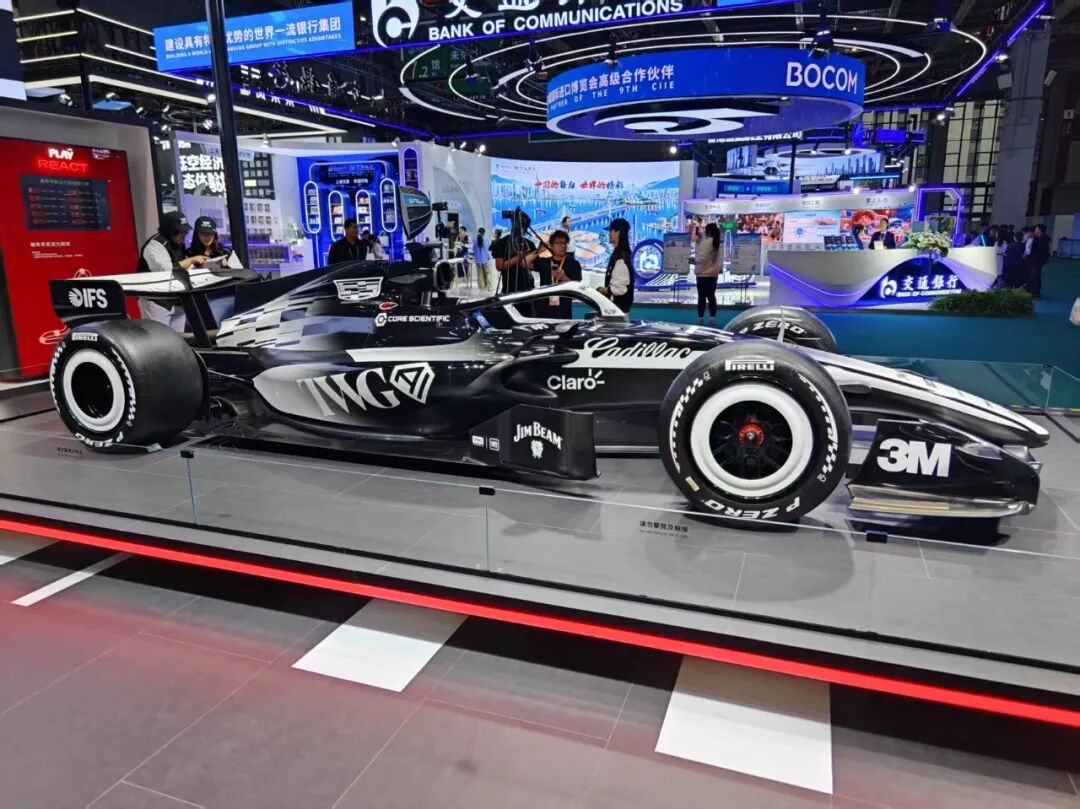
When Audi hands full-chain R&D authority to Shanghai, and when GM's product definition is 100% completed by Chinese teams, "R&D in China" is no longer a gesture or slogan, but a signed authorization letter.
03 Chinese Automobiles Gain Definition Rights
In the second year after the CIIE automotive exhibition area was upgraded to the "Automotive and Smart Mobility Exhibition Area," the display logic has extended from "a car" to "a chain."
The completeness of this chain is itself a projection of the changing position of China's automotive industry.
In the first half of electrification, China used market scale and supply chain density to build the three electric systems into the world's most complete supporting system.
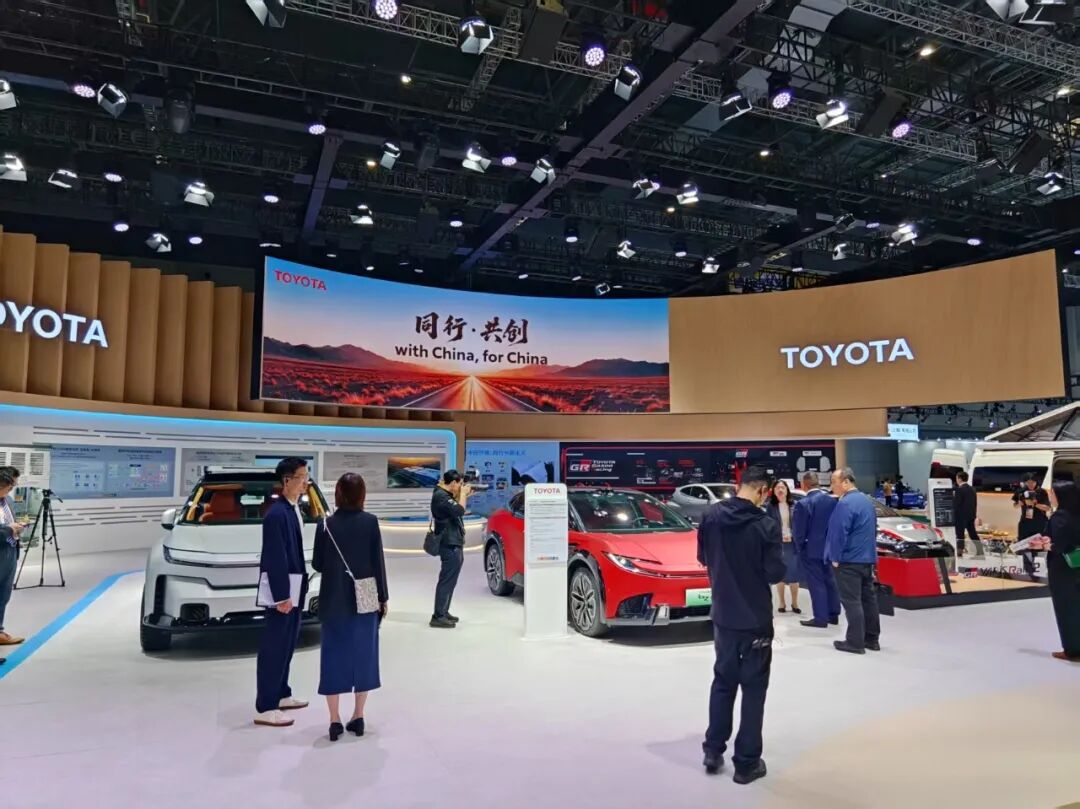
The essence of overtaking on a new track is rewriting the entry rules with a new cost structure and iteration rhythm. In the second half of intelligentization, competition shifts to software-defined and data-closed-loop capabilities, and China is again using its densest real-road scenarios and most competitive user demands as a testing ground for multinational automakers' intelligent solutions.
Only solutions that work in China can be globally competitive. This judgment is becoming contracts and production lines, not polite talk at forums.
Definition rights ultimately land on the export list.
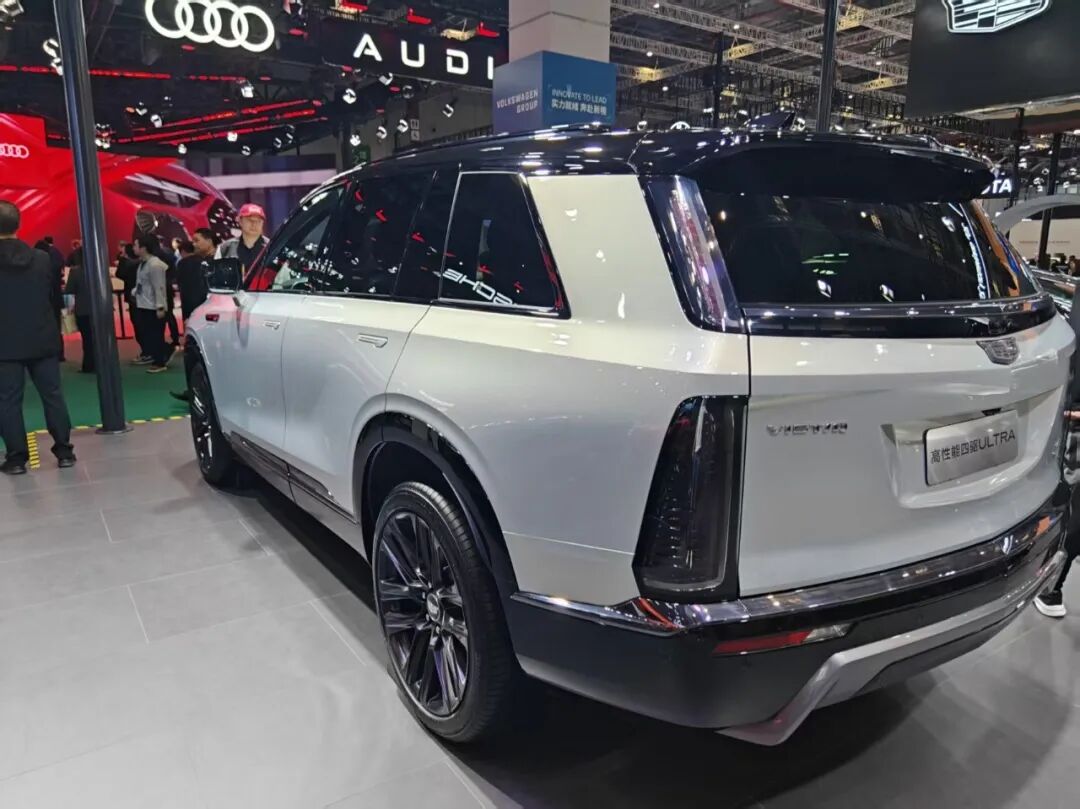
Volkswagen's CEA electronic and electrical architecture is planned for large-scale deployment in domestically produced pure electric models in 2026, with priority given to exporting to Global South markets.
Nissan's Frontier Pro was jointly developed by the China-Japan R&D team at Zhengzhou Nissan, with the first batch shipped to Latin America, followed by the Gulf and Southeast Asia; the pure electric sedan N7 is being shipped to Southeast Asia in the same period.
GM and SAIC have extended their joint venture term to 2047, with a clear direction of "promoting more products to complete design, engineering development, procurement, and production in China."
The Porsche 356 and the Cybercab reflect each other in the same hall. One comes from the past, one points to the future. But what truly defines the next stage may not be these two ends. More likely it's the production vehicles in between—those bearing foreign badges but written from the ground up by Chinese teams.
They have neither retro halos nor sci-fi styling. But they are answering a question that CIIE previously didn't really need to answer:
If China can already build the products and technologies the global market needs, then "what the world has" is no longer a proposition that requires a special trip to Shanghai to inquire about.
Editor: Shi Jie Editor: Wang Yue

THE END
-
![]()
Real Vehicles Take Center Stage at CIIE — and Finally, a Way Out of Involution
-
![]()
Musk Suddenly Exposes Masayoshi Son's Shocking Secret — SoftBank Stock Plunges 10%
-
The Viral "Big Fat Fish" Reminds Me of the Liveliest Era of the Internet
-
![]()
Lei Jun Takes Personal Charge as Xiaomi Establishes New Department to Storm Porsche's Home Turf
-
![]()
February Rakes In 12 Billion Views! A 54-Year-Old Uncle from Henan Teaches Himself AI and Creates the Hit Short Drama "Armed Into Song"
-
![]()
15 Years, 10 Leaders: Beijing Hyundai Couldn't Hold On to Its First Chinese General Manager
-
![]()
There Are Already Tens of Thousands of Satellites in the Sky—Who Will Stop Them from Colliding?
-
![]()
BMW 330 Bare Car Price Drops to 210,000 Yuan, Volvo EM90 Cut in Half! Car Dealers: Prices Will Fall Another 20% by Year-End