BMW 330 Bare Car Price Drops to 210,000 Yuan, Volvo EM90 Cut in Half! Car Dealers: Prices Will Fall Another 20% by Year-End
 11/10 2026
 379
Fast Technology News, November 9: Recently, the price-cutting trend in the luxury car market has become increasingly pronounced. Terminal market conditions for many models that once commanded high price tags have loosened significantly, with discounts on some models approaching 50%.
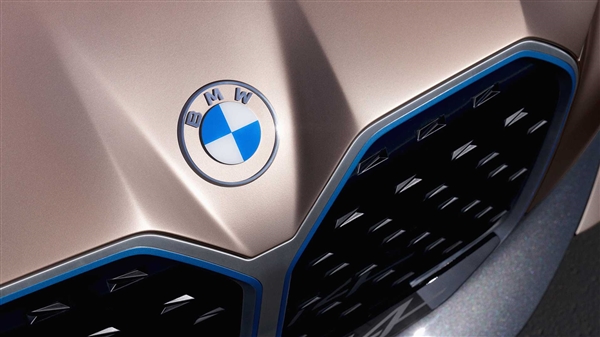
At local dealerships in Hangzhou, the actual selling prices of many luxury brand models have caught consumers off guard. As the high-power version of the 3 Series, the BMW 330 used to cost nearly 400,000 yuan on the road, but its bare car transaction price has now dropped to around 210,000 yuan.
Some dealers revealed that the actual minimum transaction price can reach 208,000 yuan—a price gap of nearly 100,000 yuan compared with previous years. It's not just the BMW 330; the terminal price of the BMW 5 Series has also fallen back to just over 240,000 yuan, and the price floor for luxury fuel vehicles continues to be broken.
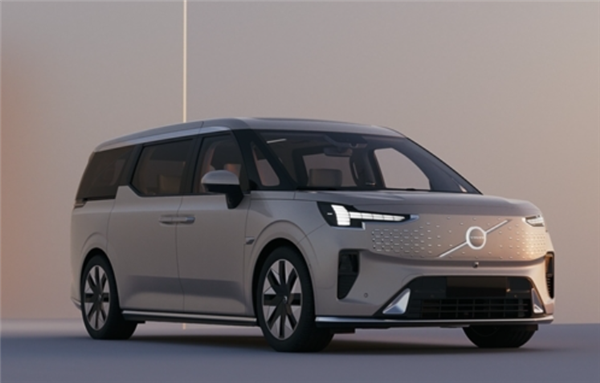
As the brand's flagship MPV model, the Volvo EM90 carries a new car guide price ranging from 600,000 to 700,000 yuan. Now, some zero-mileage quasi-new cars on the market are priced at only just over 300,000 yuan—almost half off.
The core reason behind this round of price cuts is the continued squeeze on the fuel vehicle market by new energy vehicles. At present, the penetration rate of domestic new energy passenger vehicles has approached 70%, and more and more consumers are giving priority to new energy models when buying cars, continuously compressing the market space for fuel vehicles.
Automakers and dealers are facing considerable inventory backlog. As the year-end approaches, major brands all need to sprint toward their annual sales targets, making price cuts the most direct means of moving volume.
Local car dealers predict that, given the current market trend, fuel vehicles still have 10%–20% room to fall before the end of the year. Models with longer inventory cycles and relatively niche audiences will see even more prominent discounts.
However, for consumers, while prices are falling sharply, they also need to stay rational. They should pay attention to purchase costs while also considering issues such as subsequent value retention rates and after-sales maintenance. Do not buy blindly simply because of low prices.
-
![]()
Real Vehicles Take Center Stage at CIIE — and Finally, a Way Out of Involution
-
![]()
Musk Suddenly Exposes Masayoshi Son's Shocking Secret — SoftBank Stock Plunges 10%
-
The Viral "Big Fat Fish" Reminds Me of the Liveliest Era of the Internet
-
![]()
Lei Jun Takes Personal Charge as Xiaomi Establishes New Department to Storm Porsche's Home Turf
-
![]()
February Rakes In 12 Billion Views! A 54-Year-Old Uncle from Henan Teaches Himself AI and Creates the Hit Short Drama "Armed Into Song"
-
![]()
15 Years, 10 Leaders: Beijing Hyundai Couldn't Hold On to Its First Chinese General Manager
-
![]()
There Are Already Tens of Thousands of Satellites in the Sky—Who Will Stop Them from Colliding?
-
![]()
BMW 330 Bare Car Price Drops to 210,000 Yuan, Volvo EM90 Cut in Half! Car Dealers: Prices Will Fall Another 20% by Year-End