The 2026 Flagship Imaging Ranking Race Kicks Off: Who Will Be Crowned the National Champion of Imaging Smartphones?
 10/10 2026
 332
332

Produced by | Zhige Insights
During the National Day Golden Week, an increasing number of individuals are utilizing gimbal cameras to capture moments from their lives, resulting in a surge of photos bearing the "DJI" logo on social media platforms.
The enduring popularity of gimbal cameras over the past two years underscores consumers' willingness to spend four to five thousand yuan solely for the purpose of "documenting life and creating vlogs."
Given the presence of eager buyers, smartphone manufacturers have logically turned their attention to integrating the imaging capabilities of gimbal cameras into smartphones, conveniently boosting the average selling price of phones by three thousand yuan.
Reflecting on the recently concluded September, the smartphone market witnessed an unprecedented "flagship showdown."
On September 21, vivo unveiled the X500 series; on the 22nd, OPPO introduced the Find X10 series; and on the 23rd, Xiaomi followed with the 18 Pro and Pro Max. Coupled with the ongoing efforts of the Honor Magic 9 series, which features Yagu portrait mode, as well as entries from Apple and Huawei, the smartphone market was abuzz with activity. In 2026, amid soaring storage and chip costs, all leading domestic manufacturers have tacitly wagered their final card on imaging. Why is this the case?
Amidst this vibrant flagship imaging competition, which model reigns supreme in terms of imaging performance? And how did imaging flagships evolve into a distinct category of smartphones?
1. The Independent Logic of Imaging Flagships
In the early days, smartphone photography was merely an ancillary function of communication devices, primarily used for scanning codes and basic visibility purposes.
By 2026, imaging flagships have fully detached from the broader smartphone category, emerging as a distinct market segment with its own budget and target audience.
The independence of the imaging flagship category is an inevitable strategic move. When processor performance is severely过剩 (excessive) and screen quality universally reaches 2K levels, the only component upgrade that consumers can perceive with the naked eye in a smartphone is the camera module.
To establish a foothold in this segment, smartphone manufacturers have completely overhauled traditional supply chain relationships. They are no longer merely adopting off-the-shelf solutions but are delving into the upstream, collaborating with Sony to customize 17EV high-dynamic-range sensors and even developing their own dedicated imaging chips.
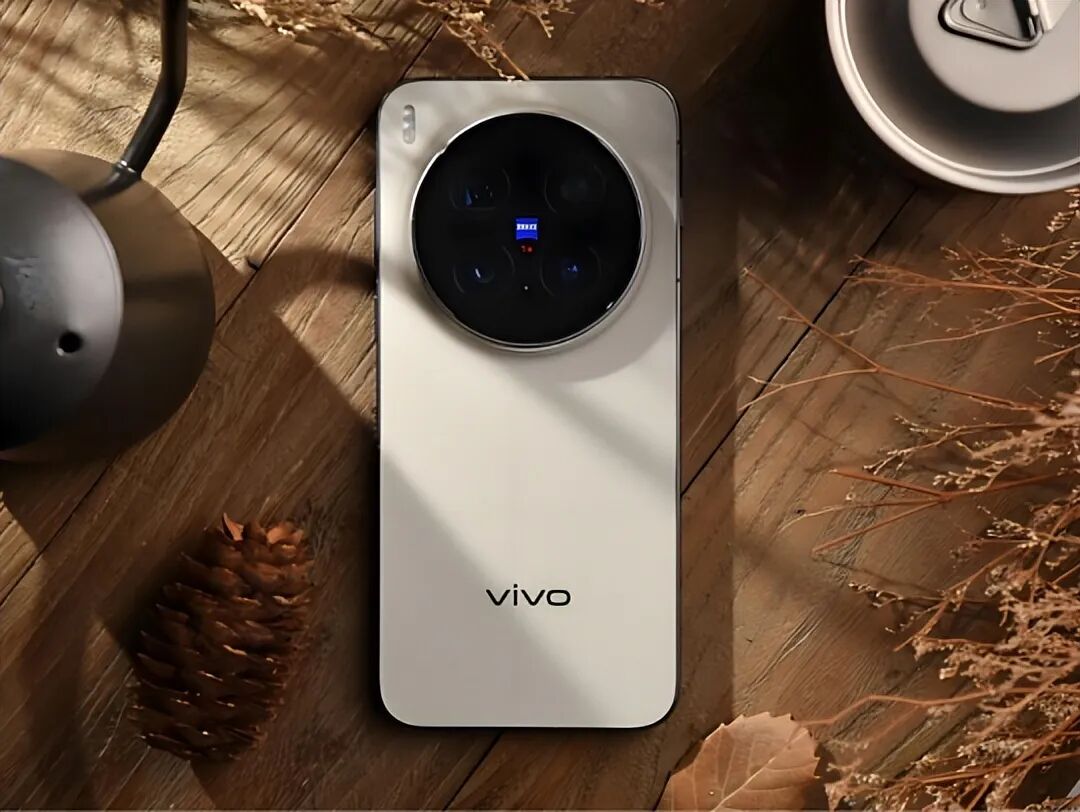
The robust sales of DJI gimbal cameras attest to the vast market for video stabilization and portability. vivo's X500 series directly elevated "dynamic imaging" to a company-wide strategy, introducing gimbal-level optical image stabilization.
Consequently, consumers' psychological expectations when purchasing such devices have fundamentally shifted. They are no longer spending six thousand yuan on a "camera that can make phone calls" but rather on a "portable gimbal with a complete communication and entertainment ecosystem."
Against the backdrop of being overshadowed by Apple and Huawei in the high-end market, imaging has become the sole passport for other domestic brands to entice consumers to willingly pay a premium.
2. Who is the Current Top Imaging Flagship?
Among the new models released in September, major smartphone manufacturers have pulled out all the stops.
The Xiaomi 18 Pro series has a clear strategy: it doubles down on Leica optics, bringing the Leica dual 200-megapixel setup from the Ultra model down to the Pro, and then leverages its proprietary large model and "human-vehicle-home" ecosystem to solidify its high-end position, aiming to establish itself in the premium segment with imaging and ecosystem as its twin aces.
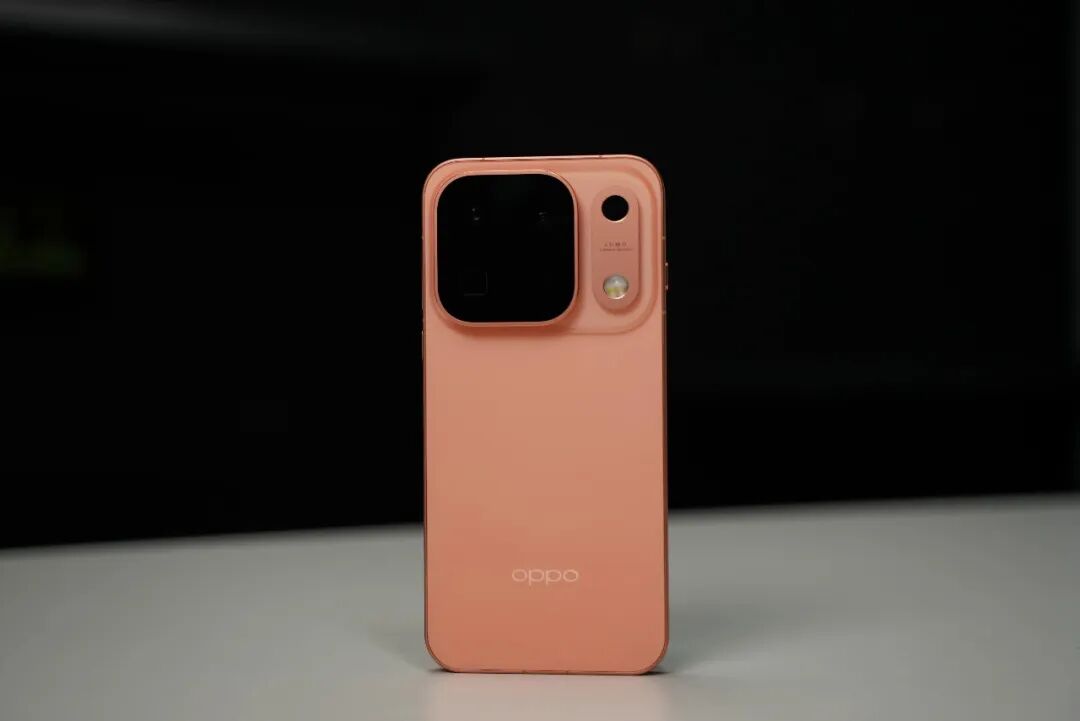
OPPO's Find X10 Pro Max is no slouch, boasting the most "formidable" triple 200-megapixel Hasselblad ultra-clear lens array in current smartphone imaging. The main camera, ultra-wide-angle, and telephoto lenses all reach 200 megapixels, delivering uniform image quality across all focal lengths and pushing the resolution of static photos to the industry's pinnacle.
The vivo X500 Pro Max, however, is even more impressive. It focuses on telephoto and video capabilities as its absolute strengths, directing both hardware and algorithms towards these two areas, allowing users to completely forget about the idea of needing a "backup camera."
Even ordinary photography enthusiasts can directly capture photos and videos with a cinematic feel without adjusting colors. In distant scenes like concerts or sports events, users can still see details clearly even when zooming in, making it a definite must-have for capturing moments at concerts.
Putting aside filters and hype, based on the currently known core parameters and real-world performance, there is no absolute "only champion" in this competition; each phone has its unique strengths.
If we were to rate "static image quality and color first," OPPO's Find X10 with Hasselblad and Xiaomi's 18 Pro with Leica are neck and neck, with the former excelling in lens resolution and the latter in the uniqueness of its humanistic tone.
Measured by "dynamic video and concert performance," the vivo X500 series, which has deeply cultivated a stage mode, is currently unmatched in telephoto stabilization and low-light video recording, indeed leading the pack.
So, when it comes to consumer decision-making, which phone offers better cost-effectiveness?
The answer might be surprising. Against the backdrop of rising storage and SoC costs, the starting price of the Xiaomi 18 Pro has climbed to 5999 yuan, while the vivo X500 is set at 5499 yuan.
The OPPO Find X10 standard version, priced at 4999 yuan, retains the core Hasselblad imaging system and has become the most accessible and cost-competitive flagship standard model among this wave of new phones.
3. The Finale of the Smartphone Market's Second Half
Isolating imaging flagships as a distinct battleground has indeed created a massive trillion-dollar market segment in 2026, but this does not mean that all manufacturers can indefinitely reap the rewards in this segment.
In the upcoming competition, the performance of imaging flagships will be severely polarized. Simple hardware stacking has hit the physical limits of a smartphone's slim profile, and the camera module cannot indefinitely increase in size.
In the future, the players who truly stand out in this competition will be those who have mastered the underlying discourse power in "software-hardware synergy."
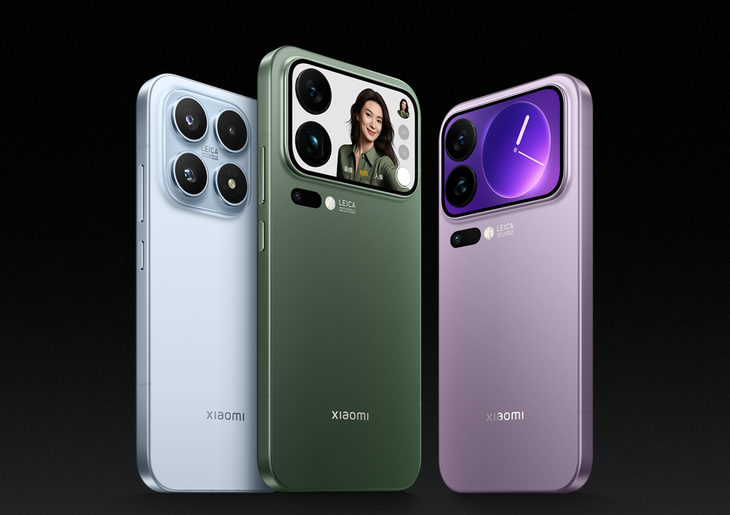
Xiaomi's edge lies in the empowerment of its Pengpai OS and the vast "human-vehicle-home" ecosystem for imaging flow. After taking a photo, users can directly transfer it to their car's infotainment system or TV, an experience that a standalone smartphone cannot provide.
OPPO and vivo's edge lies in their heavy investment in the on-device implementation of AI large models. Whoever can make AI object removal and AI video frame interpolation as natural as breathing will retain the mass users without a professional photography background.
From the current situation, the imaging battle among smartphones has completed a triple jump from competing on parameters to competing on aesthetics, and now to competing on underlying AI computing power.
The popularity of gimbal cameras confirms the high-frequency demand for documenting life, and imaging flagship smartphones are accelerating to capture this essential life need.
One day, once smartphone manufacturers fully integrate optical lenses, custom sensors, and self-developed AI large models into a seamless chain, they will essentially secure long-term tickets to the high-end market.
-
![]()
Does Meeting Standards Equal Safety? Is the Baseline the Upper Limit? Does Passing Inspection Mean Peace of Mind?丨When Brakes Fail Even While Speeding
-
![]()
AI Home Appliances Shine During Golden Week
-
![]()
Muse Goes Viral: Who Will Be China's Version of Muse?
-
![]()
PE Giant with Hundreds of Billions Excels in Aviation Investment This Year
-
![]()
Brake Pedal Bracket Fractures: Not Isolated Incidents—A Comprehensive Review of Global Recalls by Ford, Porsche, and GM
-
![]()
The 2026 Flagship Imaging Ranking Race Kicks Off: Who Will Be Crowned the National Champion of Imaging Smartphones?
-
![]()
Controversies Surrounding Dongchedi and Harmony Intelligent Auto, Zunjie V800 Pedal Fracture, and Ford Recall
-
![]()
Bentley, Maserati, Rolls-Royce: The Ebb and Flow of Seven Ultra-Luxury Foreign Brands in China, From 21,000 Annual Sales to a Mere 3,000 Now