iPhone 18 Ditches the Mute Button! Why Is Apple Fighting So Hard to Keep the Camera Button?
 11/17 2026
 575
Apple is about to take on a classic design this time.
Apple is going to cut physical buttons again.
Leitech has noticed that a recent online leak claims Apple may launch the iPhone 18 standard edition in the first half of next year and cancel the standalone Action button, integrating the mute function into the camera control button. This is a rather bold adjustment. After all, the mute button has always been one of the most iconic designs of the iPhone. Even though Apple previously replaced the switch with the Action button, for many users it remains the most convenient way to toggle mute in daily use.
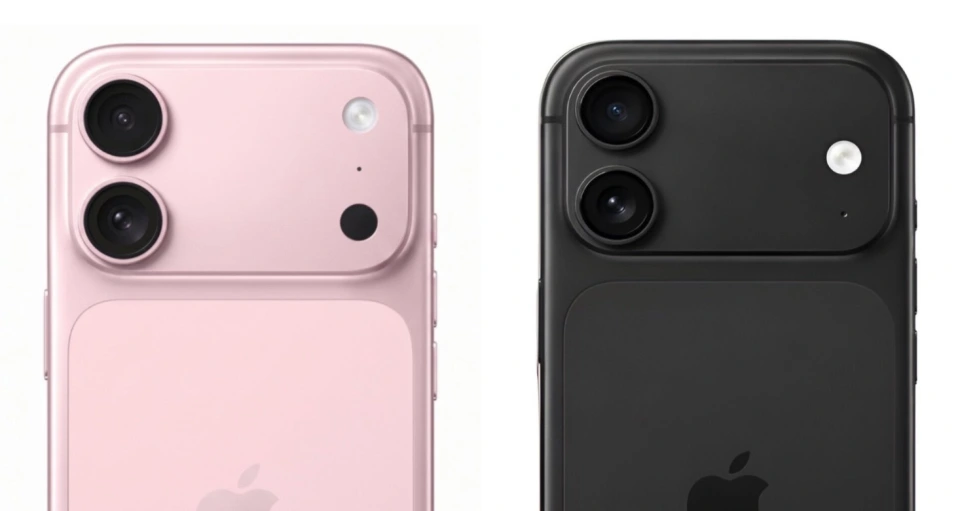
(Image source: AI-generated)
Interestingly, compared with the mute button that users have accepted for years, Apple has instead chosen to keep the camera control button—one that hasn't been on the market long but has continuously stirred controversy. After all, since this button first appeared, discussion about whether it is really necessary has never stopped.
So why would Apple rather give up the classic mute button than cancel this controversial camera button?
From mute switch to camera button, Apple is increasingly fond of "tinkering"
The mute switch can be said to be one of the most innovative designs in iPhone history.
Before the first-generation iPhone was released, phones on the market were densely covered with function keys. If you wanted to put your phone on silent before a meeting or a movie, you had to unlock the screen, enter the profile menu, and then manually check "Silent." The whole process wasted quite a bit of time.
The mute switch Jobs added to the left side of the iPhone body back then required neither lighting up the screen nor looking at it. You could reach your finger into your pocket and gently flip it, and with clear tactile feedback you could confirm that the phone had switched to silent mode.
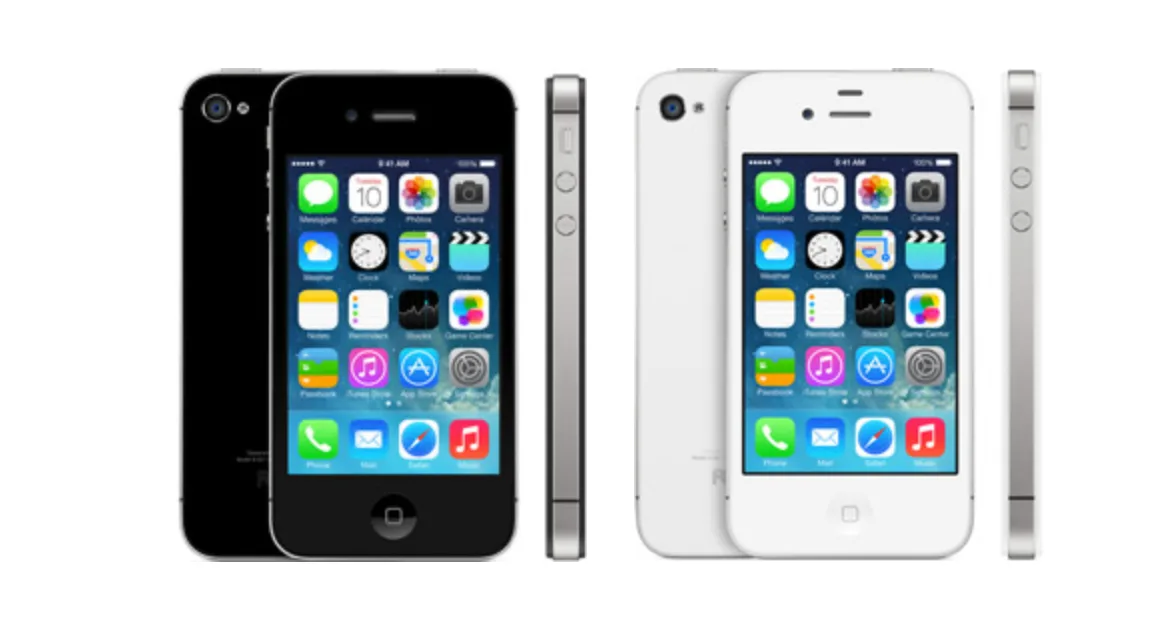
(Image source: Apple official)
This simple and direct way of operating is also one of the reasons why Xiao Lei has always liked the iPhone. Over the following more than ten years, the iPhone screen grew from 3.5 inches all the way to 6.7 inches, the body material changed from plastic, glass, and stainless steel to titanium, and even the iconic notch became the Dynamic Island. Only this small switch never moved.
Even by the iPhone 15 Pro series, when Apple changed the mechanical switch into a customizable Action button, users could still set it to "long press to mute," which can be regarded as preserving the tradition.
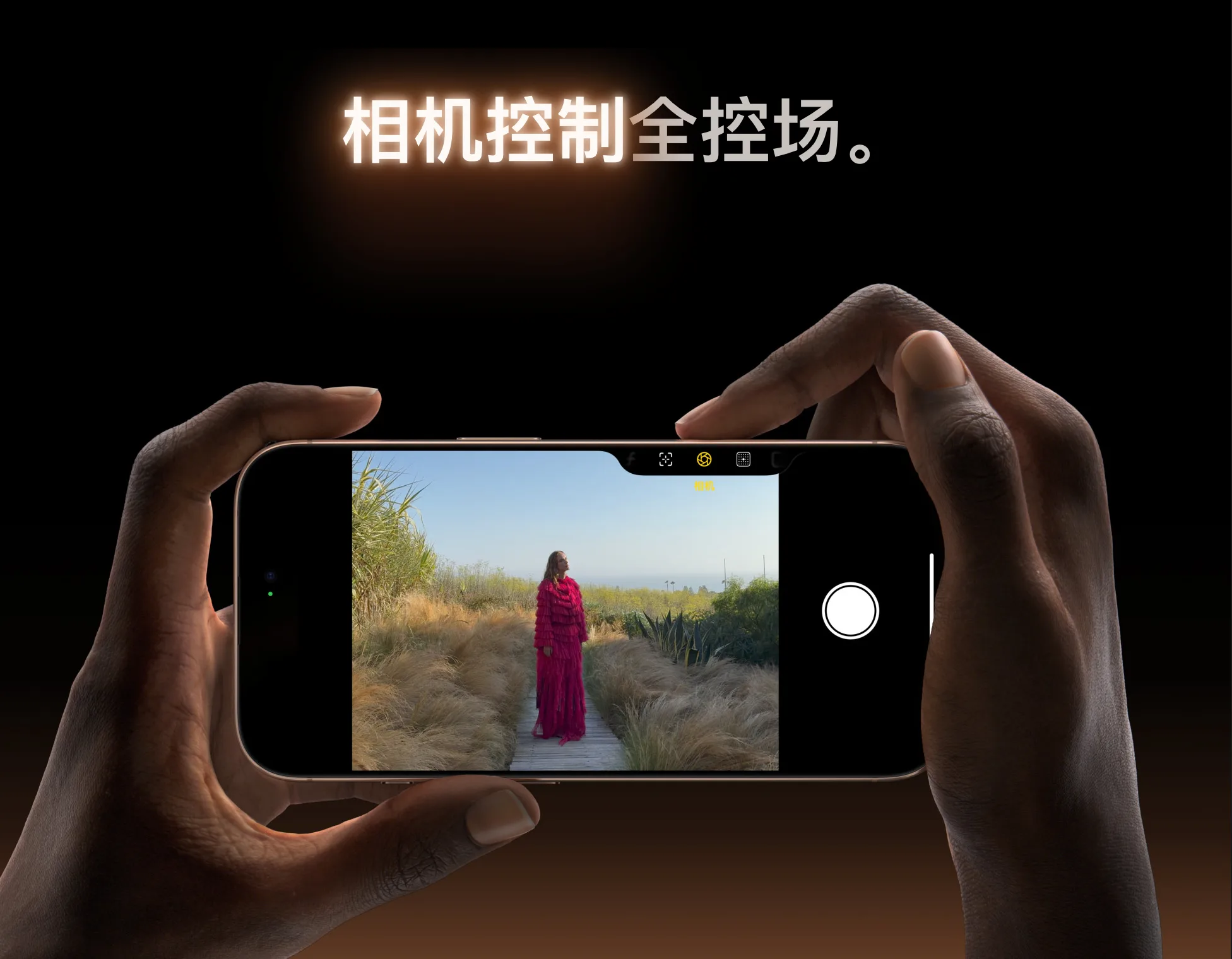
Then with the iPhone 16 series, Apple added a brand-new camera control button. It not only supports pressing to take photos, but also allows users to adjust zoom, exposure, and other parameters through light presses and sliding, attempting to give the iPhone an operating experience closer to that of a traditional camera.
(Image source: Apple official)
But the problem is that Apple seems to have overestimated everyone's need for a physical camera button.
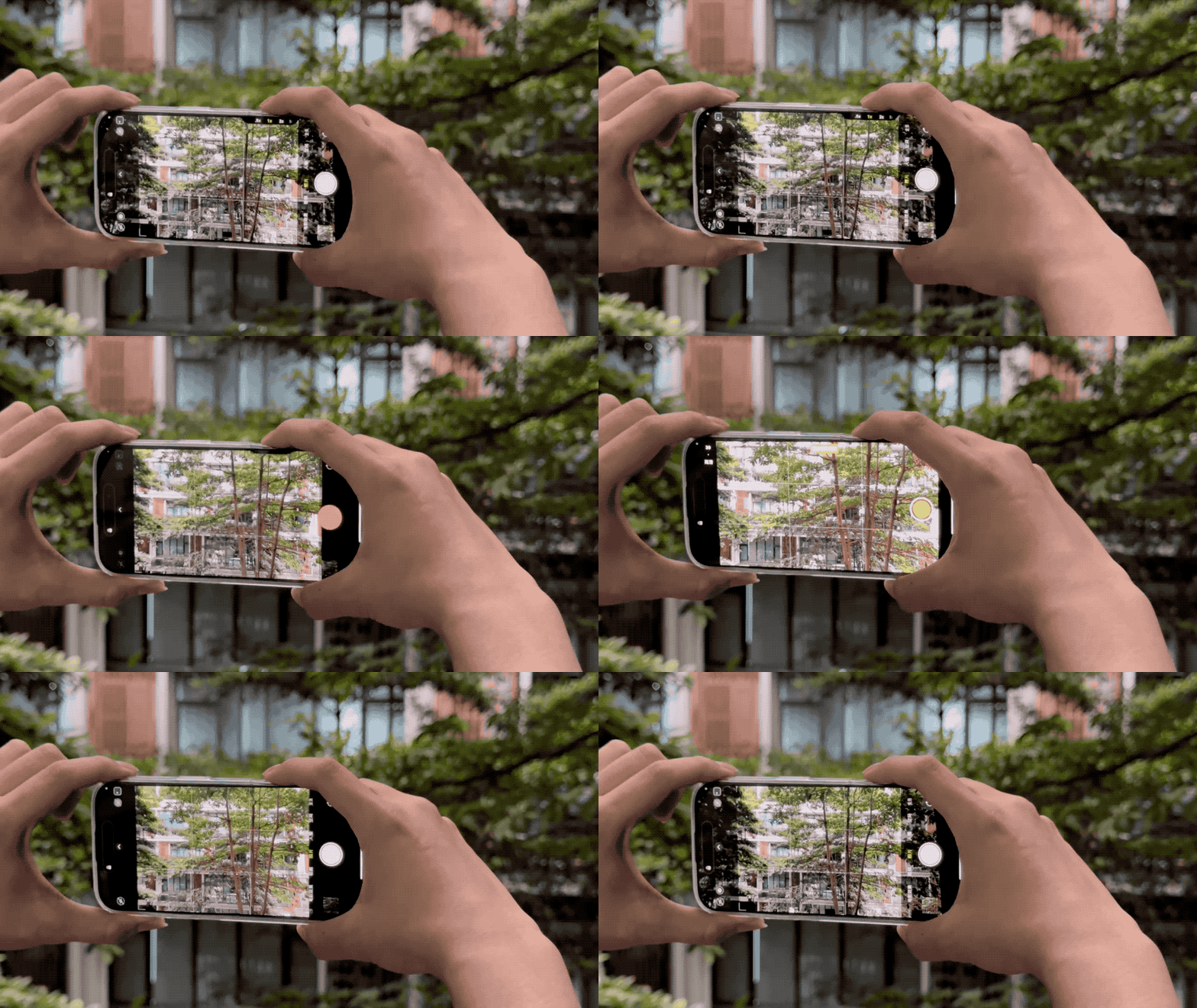
The process of taking photos with a phone is very simple: open the camera, adjust the composition, and tap the shutter. The whole process takes only a few seconds. But the camera button requires distinguishing different operations such as light press, press, and slide. Users not only have to spend time getting familiar with it, but may also affect grip stability while shooting.
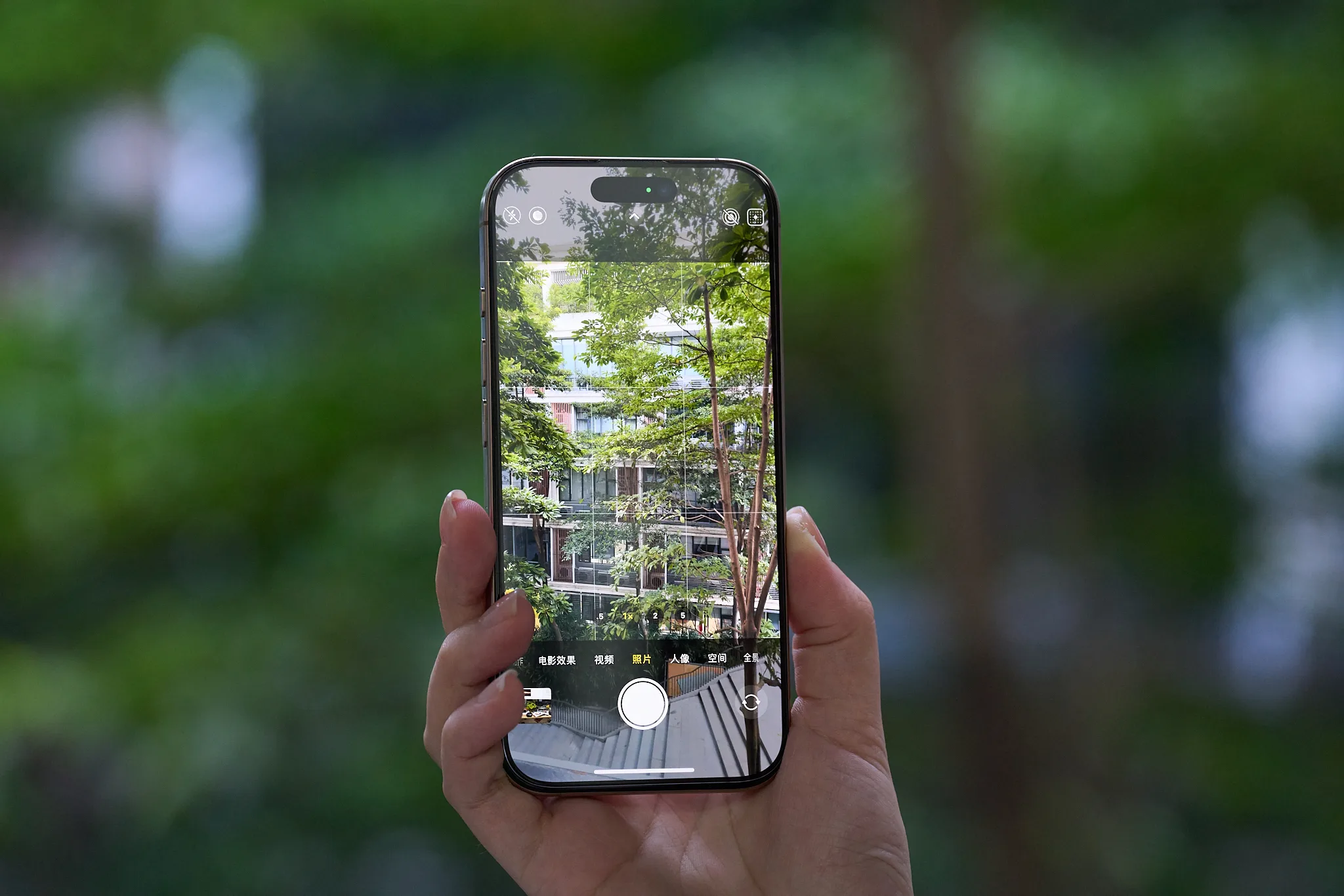
More awkwardly, the position of the camera control button is not suitable for all shooting scenarios. When holding the phone horizontally, it can indeed simulate the shutter operation of a traditional camera, but once you turn the phone vertically, it becomes much harder to press this button comfortably, let alone maintain grip stability.
(Image source: Leitech production)
Second, the interaction hierarchy of this button is also too complex. One light press locks exposure, two light presses bring up a secondary menu, sliding adjusts parameters, and a hard press is required to take a photo. Moreover, the iPhone itself already provides a lock-screen camera shortcut, so this button's advantage in startup speed is not as obvious as imagined.
(Image source: Leitech production)
Various reasons have led to a rather awkward situation: it looks practical, but there are not many scenarios where it is truly easy to use.
What is Apple really after by keeping the camera button?
It spent a lot of money on research and development and still occupies precious internal space, yet the result has become what users call "chicken ribs"—not worth giving up but not very useful either. Logically, given Apple's traditionally decisive style of product iteration, a design with such market feedback should have been cut long ago. So why is it that by the iPhone 18 series, Apple not only keeps it but also has to merge the "mute button" into it?
Xiao Lei believes that the first reason is still that Apple is unwilling to easily give up its investment in imaging interaction. In the past few years, the imaging capabilities of phones have improved very significantly. From computational photography and video stabilization to today's AI imaging, manufacturers have used almost every technology they could think of for photography. But the way phones take photos has not changed much over these years. Most users are still used to completing all operations through the screen, and Apple clearly hopes to change this status quo through physical buttons.
More importantly, the camera control button can further strengthen the iPhone's "high-end" imaging positioning. In today's high-end phone market, imaging has become one of the most important competitive directions for manufacturers. Brands such as Xiaomi, OPPO, and vivo are not only continuously upgrading sensors and telephoto lenses, but also strengthening the professional photography attributes of their products through cooperation with imaging brands such as Leica, Hasselblad, and Zeiss.
Although Apple still has its own advantages in video shooting, color management, and the third-party application ecosystem, it is already difficult for it to offer particularly obvious differentiated selling points in hardware design. The camera control button happens to provide such an opportunity. Even if users may not use it often, the independent camera button itself can become a kind of product recognition.
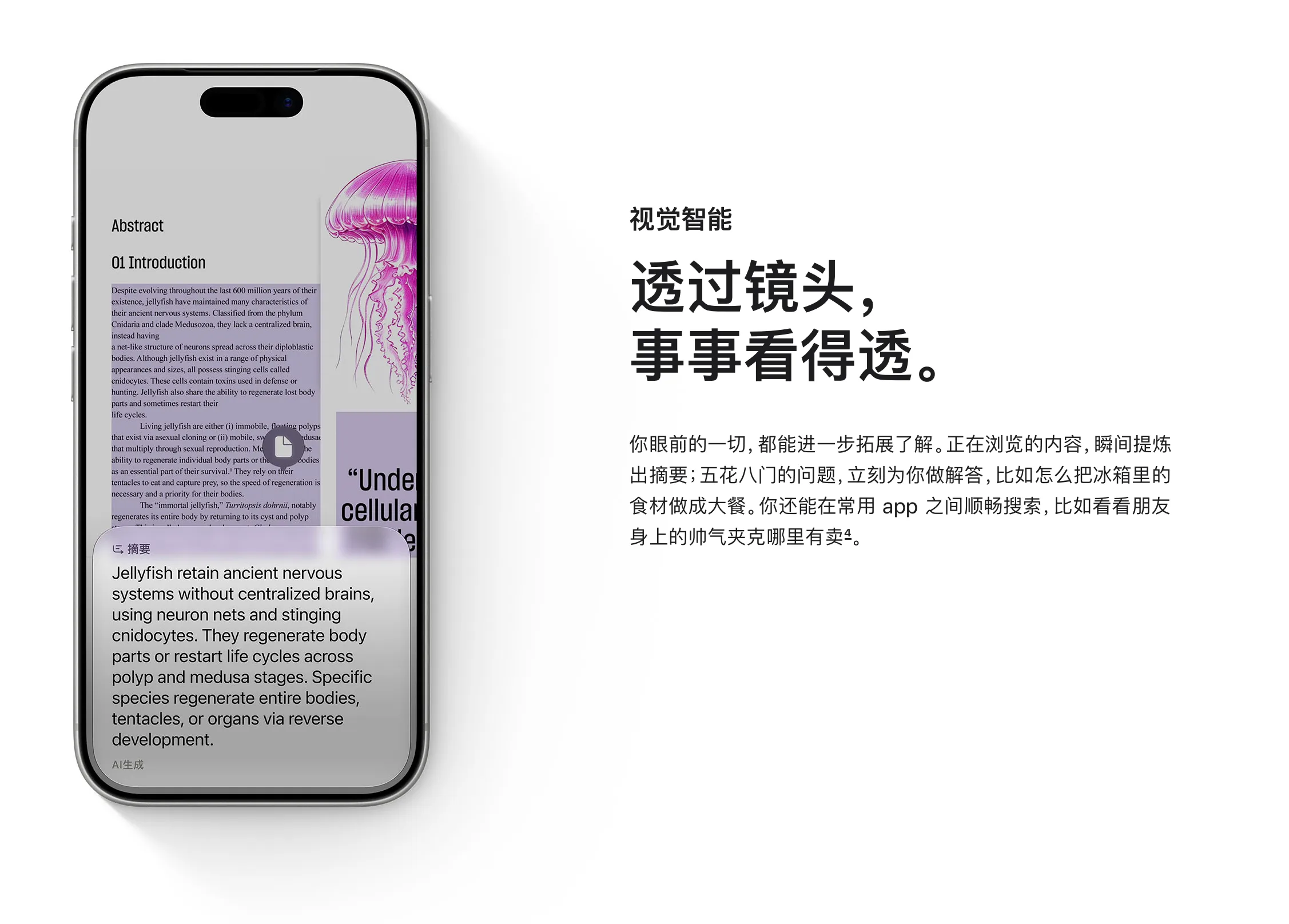
Of course, Xiao Lei believes that what Apple values most may be the potential of the camera control button in the AI era. When the iPhone 16 series introduced the camera control button, Apple had already tried to combine it with visual AI functions. Users can identify objects in front of them through the camera, obtain relevant information, and even use AI to complete some follow-up operations.
Obviously, Apple is not satisfied with letting this button only handle photography. It also hopes users can directly invoke more AI functions through it.
(Image source: Apple official)
To give a simple example, when users see an unfamiliar restaurant on the street, they can use the camera to identify store information; when they see a product they are interested in, they can directly look up related information; and when they encounter an unknown plant or building, they can also get answers through visual recognition.
However, these functions do not seem new to domestic users. Features such as AI image recognition and circle-to-search on Android phones have actually been able to accomplish similar operations for a long time. What Apple hopes to achieve is to let users directly start visual recognition through a physical button, without first opening an app and then looking for the corresponding AI function.
If Apple can let AI directly invoke more system functions and third-party applications in the future, then this button will obviously be able to do even more.
For example, if users point the camera at a poster, AI can not only recognize event information but also directly create a calendar reminder; if they point it at a foreign-language menu, it can complete translation and dish introductions; and if they point it at a product, they can further check prices and purchasing channels.
For Apple, keeping this button now may be hoping that users will develop the habit of using it to invoke AI functions in advance. Of course, whether these scenarios can truly be realized still depends on Apple's subsequent AI capabilities and ecosystem integration, but at least from the direction of development, the potential of the camera control button is greater than we imagine.
Apple needs to prove that the camera button is not just decoration
From the perspective of hardware design, Apple's integration of the mute function into the camera control button does have a certain rationality. Today's flagship phones have increasingly large batteries, and imaging modules and cooling systems are becoming more and more complex, leaving almost no extra space inside the body. Every additional physical button requires consideration of internal structure, cable layout, and waterproof design. Especially for the current iPhone, it must ensure body strength and waterproof performance while fitting in as large a battery as possible. Reducing one independent button can more or less free up some space for internal design.
Moreover, from actual usage, although the Action button supports customizable functions, for many users it is still just a mute switch. In contrast, the camera control button has already integrated multiple operations such as press, light press, and slide, making its hardware functions richer. Since Apple has decided to keep this button for the long term, letting it also handle mute switching is indeed more in line with the idea of streamlined design than continuing to keep two independent buttons. However, it is still hard to judge how much improvement canceling one button can bring to internal space.
But the problem is that the operational requirements of the mute button and the camera button are actually very different.
The most important thing about the mute button is simple operation and clear feedback. Users can quickly switch states without looking at the screen. For example, in meetings, movies, or other occasions where silence is needed, users only need to feel the button on the side of the body to complete the operation. But the camera control button has already integrated multiple gestures. If mute switching is added, Apple must redesign the operation logic to avoid conflicts between different functions.
Especially for old users who are already used to the traditional mute switch, the change in button position will also take time to adapt to. In the past, whether it was the mute switch or the Action button, it was located on the upper left side of the body, and users had already formed a fixed operating habit.
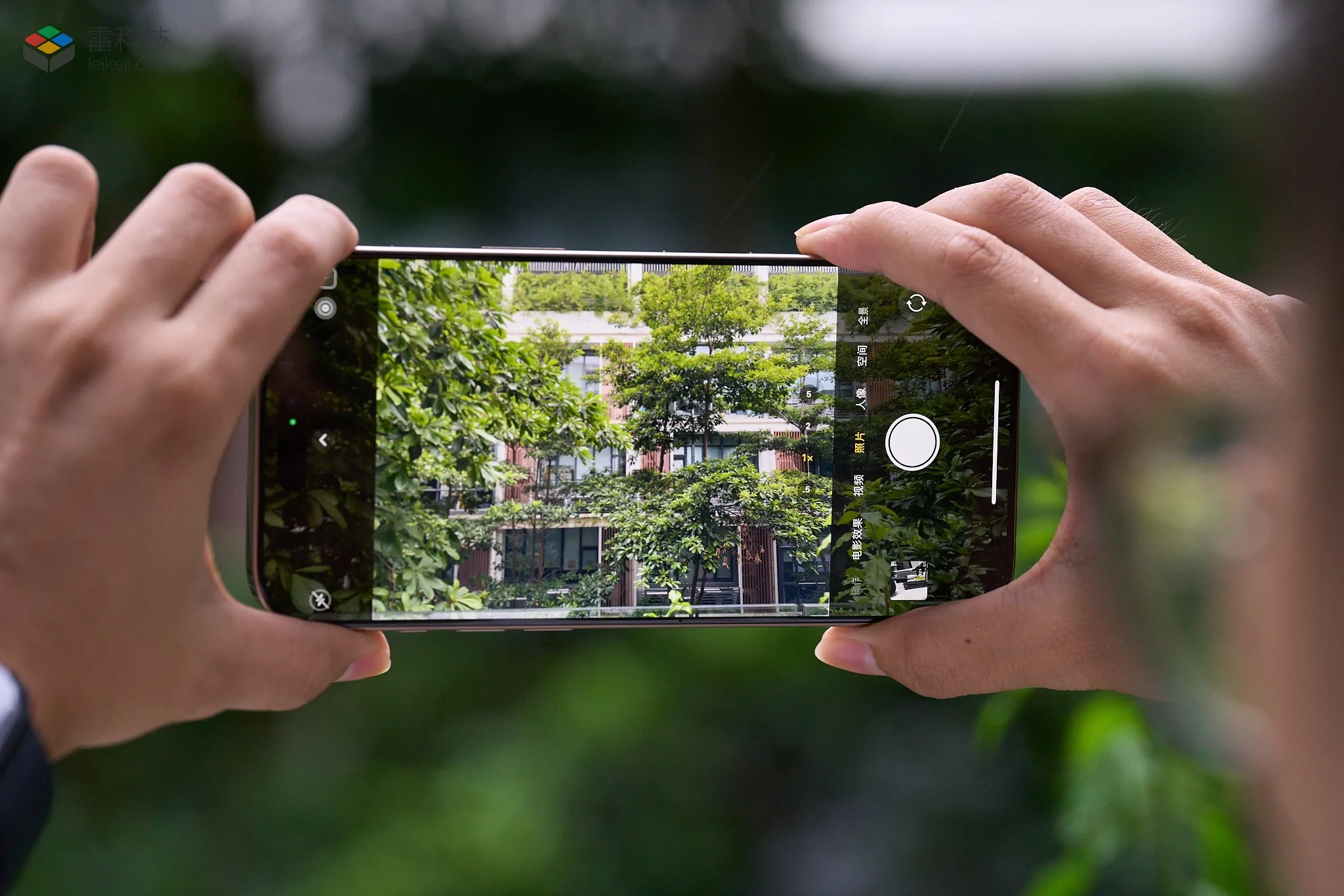
(Image source: Leitech production)
Now that the mute function has been moved to the camera control button on the right side, an operation that could originally be completed conveniently may require users to relearn the operation logic. If Apple also needs users to use combined gestures or multiple presses to switch mute, then the actual experience may not be more convenient than the original Action button.
Not to mention that the camera control button itself has certain accidental touch issues. Especially when holding the phone horizontally to take photos, users need to control the pressing force to accurately trigger different functions. If mute switching is added, the operation will inevitably become more complicated. Of course, Apple can also distinguish different functions through long presses, button combinations, or system settings, but in that case, the originally simple mute operation becomes somewhat more complex again.
Xiao Lei believes that it is understandable for Apple to streamline physical buttons, but the premise is that it must not sacrifice functions that were originally simple and easy to use. After all, the reason the mute switch could remain for more than ten years was that it was convenient and reliable enough for users.
If, after integration, users instead need to spend more time to complete the mute operation, then this adjustment by Apple may not be worth the loss.
Looking back at the history of the iPhone, Apple has actually never lacked the courage to cancel classic designs. From the 3.5mm headphone jack to the Home button, every adjustment once caused considerable controversy, but Apple also gradually changed users' habits through technologies such as wireless earbuds and Face ID.
This time, Apple chooses to replace the independent mute button with the camera control button, and it similarly needs to deliver a good enough experience to persuade users. Especially as AI visual recognition gradually becomes widespread, if Apple can make this button truly useful, perhaps it can indeed change users' habits of using phones.
But if it can still only complete some operations that are easily done through the touchscreen, or even make the originally simple mute switching more troublesome, then such integration will probably be difficult to win user recognition.
After all, what users need is a simple and easy-to-use button, not one with more and more functions that becomes more and more complicated.
Source: Leitech
Images in this article are from: 123RF licensed image library Source: Leitech
-
![]()
GAC Group Sells 143,687 Vehicles in October: How Should Aion and the Joint Ventures Redistribute Roles?
-
![]()
2.5x More Light Intake: Why Mobile Phone Cameras Need to Retire the 1974 Filter
-
![]()
What Chinese Automakers Look Like in the Eyes of European Policy Circles
-
![]()
Huawei Doesn't Build Robots, Yet 80% of Robot Companies Run on Its Cloud
-
![]()
Breaking! Changan Automobile Sells 10% Avatr Stake for 3.2 Billion Yuan—What's the Real Reason?
-
![]()
2-Year 80% Buyback: How Does SAIC Volkswagen Pull This Off?
-
![]()
Two Years Into End-to-End: How Far Has Each Automaker's Intelligent Driving Really Come?
-
![]()
iPhone 18 Ditches the Mute Button! Why Is Apple Fighting So Hard to Keep the Camera Button?