Commercial Space Sector Rushes Toward IPOs
 11/13 2026
 445

Rocket makers, satellite manufacturers, and engine suppliers are now rolling out their listing plans one after another.
On November 5, Guoxing Aerospace launched its Hong Kong IPO subscription and plans to list on November 13. Shortly afterward, news emerged that Jiuzhou Yunjiang had completed its listing tutoring filing. With this liquid rocket engine company joining the fray, the commercial space IPO queue has extended further upstream. Meanwhile, Blue Arrow Aerospace, Zhongke Aerospace, and Weina Xingkong submitted their applications long ago and are now in the STAR Market review process. The way commercial space attracts capital is shifting—from financing headlines to public prospectuses and financial statements.


Each Has Its Own Business
Let's start with where things stand. According to public records, Blue Arrow Aerospace, Zhongke Aerospace, and Weina Xingkong are all in a suspended review status pending financial information updates, with the relevant status records updated on September 30.
This is part of the standard review procedure for supplementing financial materials and is clearly distinct from a termination of review. These companies still must complete subsequent review and issuance procedures, and several steps remain before listing.
The financing targets of the three are straightforward: Blue Arrow Aerospace plans to raise 7.5 billion yuan, Zhongke Aerospace about 4.18 billion yuan, and Weina Xingkong 5 billion yuan—totaling roughly 16.68 billion yuan. These are proposed fundraising amounts; the actual amount raised will depend on the issuance results.
Blue Arrow Aerospace's funding plan centers on production capacity and technological upgrading for reusable rockets. R&D, testing, and manufacturing facilities all require upfront investment, while revenue must wait for mission execution and delivery. Cash often flows out first, with payments coming later.
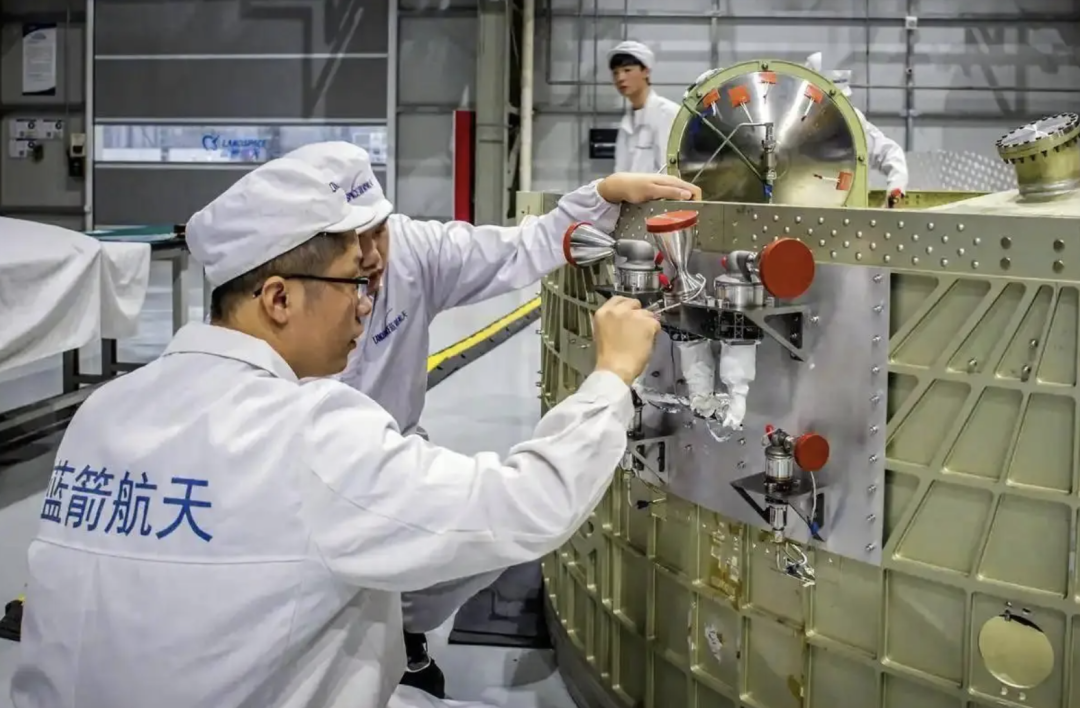
Guoxing Aerospace is taking the Hong Kong route. According to its November 5 prospectus, its expected listing date is November 13. As of November 12, the verification date for this article, it should be listed as a company pending listing.
It operates satellites and related services as well as satellite-based solutions, and its revenue composition is very different from that of rocket companies.
The backup lineup is also expanding. Galactic Energy, Space Pioneer, iSpace, and others are advancing listing tutoring, while Jiuzhou Yunjiang has brought an independent engine supplier into the list. Tutoring is a preparatory stage; listing outcomes still await subsequent procedures.
Among companies already listed, Tuopu CNC was listed in Hong Kong on May 20 this year and provides aerospace manufacturing equipment; Zhongke Star Map was listed on the STAR Market on July 8, 2020, with business involving aerospace information services.
Both types of companies participate in the industrial chain, but the launch risks they directly bear and their customer structures differ. The phrase "commercial space" can encompass many companies. When evaluating companies, first look at what they actually sell and from which customers they earn money—then discuss valuation. The judgment will be much more solid.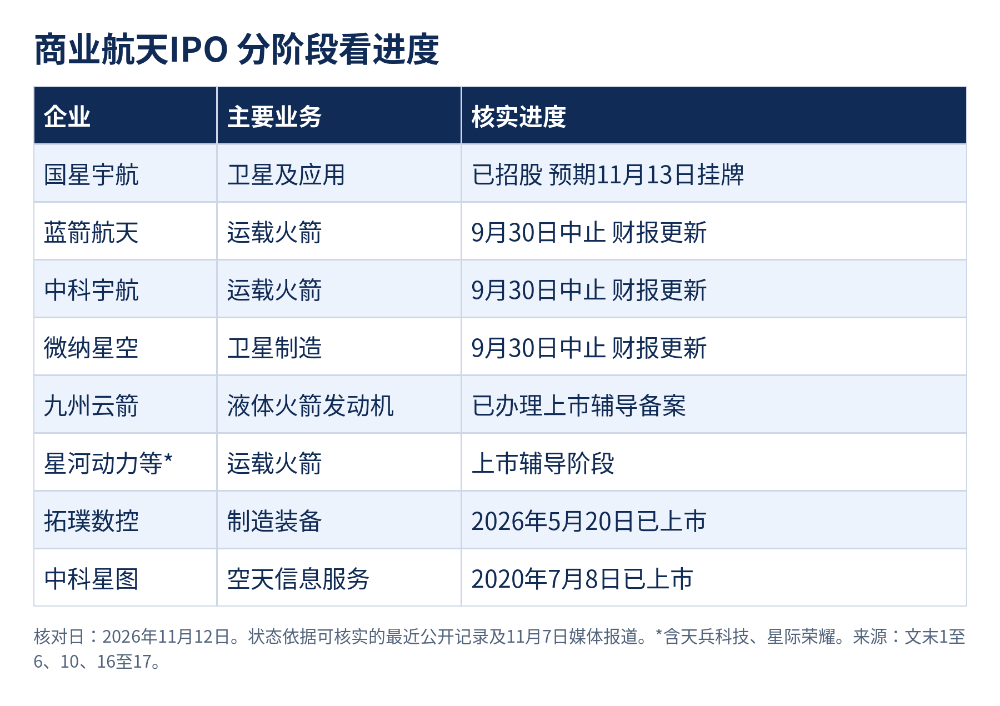 Figure 1: Listed, prospectus, review, and tutoring stages listed separately
Demand has already moved from paper to the launch site. The China National Space Administration disclosed that in 2025 China carried out 50 commercial space launches, accounting for 54% of the year's total astronautics launches; 311 commercial satellites entered orbit, accounting for 84% of the year's total satellites placed in orbit. Among them, commercial launch vehicles carried out 25 launches. The statistical coverage of the two launch figures differs and should be cited separately.
The value of these numbers lies in the fact that they record missions actually completed. Launch demand, manufacturing demand, and post-orbit service demand have already begun to materialize.
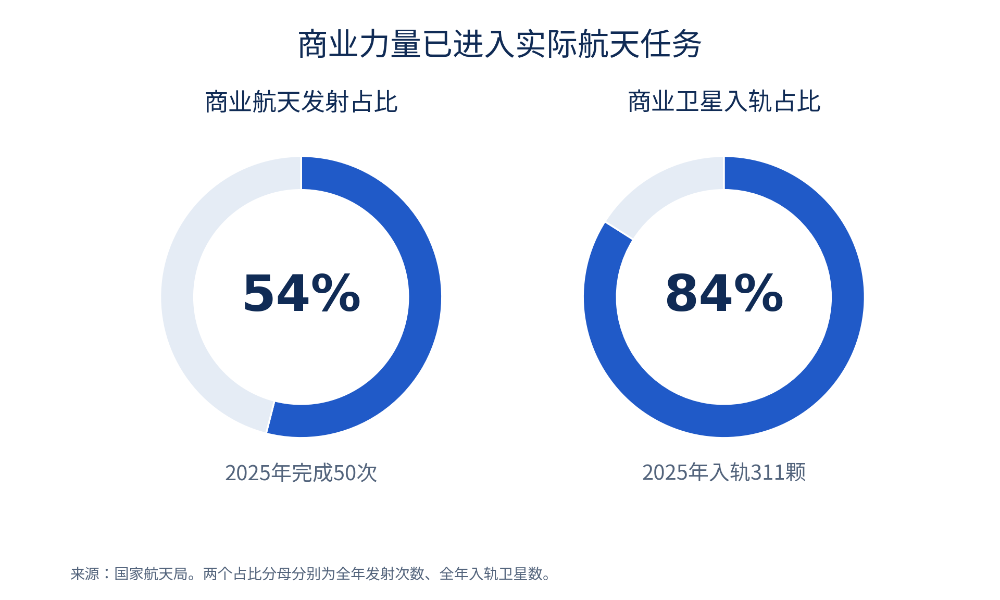
Figure 2: Launch missions and orbiting satellites use different denominators in statistics
In terms of market size, Securities Times, citing a CCID Think Tank report, said that China's commercial space scale is estimated at 2.83 trillion yuan in 2025 and is expected to reach 3.5 trillion yuan in 2026. The latter is an institutional forecast and covers a scope far larger than commercial rocket launch revenue, making it suitable for observing industry trends.
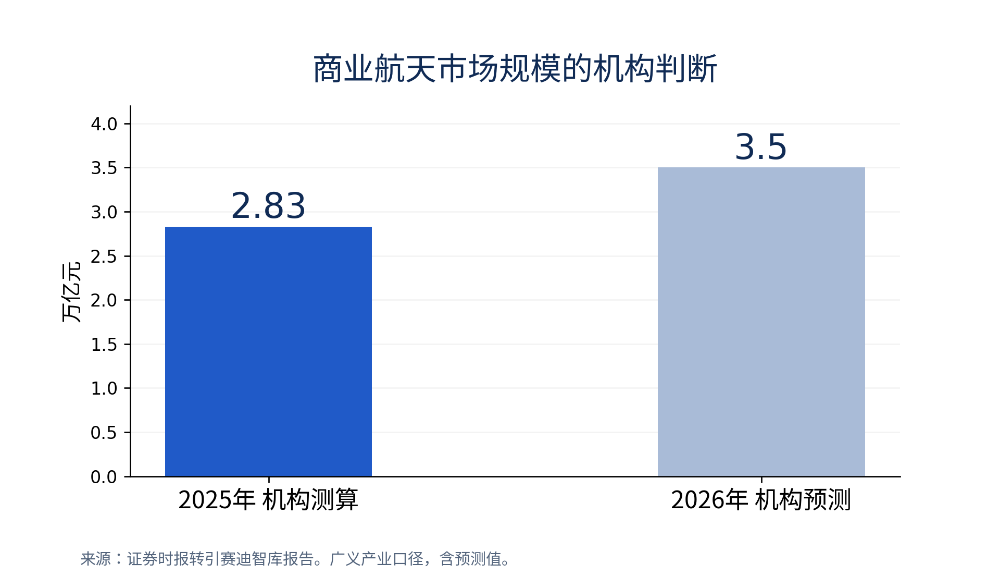 Figure 3: The 2026 figure is an institutional forecast, broad industry scope
What is more worth analyzing is why users pay. Maritime communications want more stable connections, agricultural monitoring needs to detect changes in time, and disaster assessment values rapid access to information.
The capabilities provided by satellites must ultimately correspond to prices that ground customers are willing to bear. Constellation deployment will bring launch and satellite manufacturing demand. As usage costs fall, more scenarios may become commercially viable, which in turn can drive subsequent procurement. This is the most promising aspect of the industry's long-term growth.
At the same time, there is a time lag between construction demand and operating returns. After satellites are sent up, users must still be found, services provided, and fees collected. Purchasers' budgets and payment collection will also affect upstream companies' delivery arrangements.
Therefore, the author believes that when judging industry space, one should look not only at the planned number of satellites but also track contracts actually signed. To judge a company's revenue, one must also continue to look at performance conditions, acceptance arrangements, and payment progress.
How much business a long-term plan can bring to a company must ultimately be fulfilled item by item along these links. A sufficiently large market is a good starting point. Only continued customer payment will give companies the ability to produce the next batch of products.

The Gaps in Financial Reports Are Already Obvious
Blue Arrow Aerospace's 2025 operating revenue was 52.0963 million yuan, with a net loss attributable to parent company of 1.711 billion yuan; Zhongke Aerospace's revenue in the same period was about 277 million yuan, with a net loss attributable to parent company of about 1.119 billion yuan.
Both companies are promoting rocket R&D and commercial delivery and still bear relatively heavy investment.
Weina Xingkong's changes are closer to the growth trajectory of a mass-production company.
The prospectus shows revenue of about 385 million yuan in 2025 and a net loss attributable to parent company of about 181 million yuan; revenue of about 40.0078 million yuan in 2024 and a net loss attributable to parent company of about 312 million yuan. Revenue expanded and losses narrowed—a trend worth continued observation.
Development stages differ, and the causes of losses should also be broken down. R&D expenses, share-based payment, asset impairment, and fixed expenditures have different effects on profit and cash. Using only the size of losses to rank technologies can easily lead to a biased view.
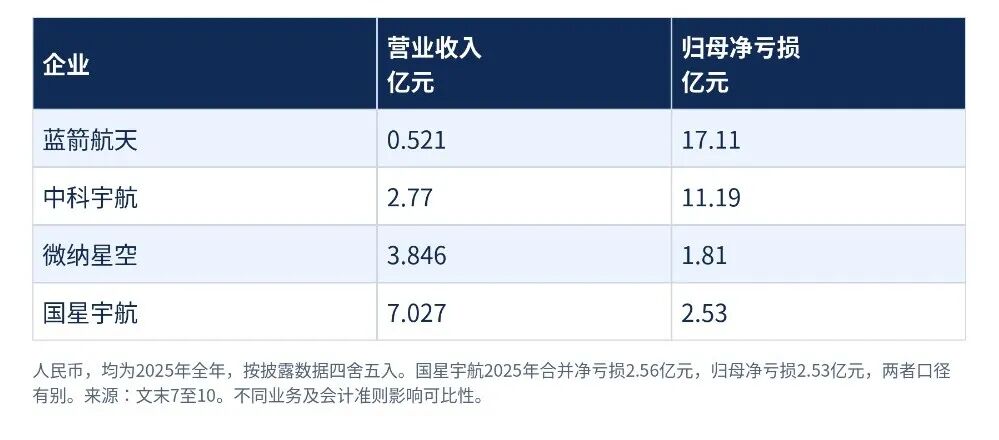
Figure 4: Financial comparison for the same year, unified net profit attributable to parent company basis
Guoxing Aerospace's 2025 revenue was about 703 million yuan, with a consolidated net loss of about 256 million yuan. By the first half of 2026, revenue was about 226 million yuan, down about 6.3% year on year; overall gross margin, however, rose from 10.1% in the same period last year to 39.3%, and the consolidated net loss narrowed to about 151 million yuan. This shows that profitability can change significantly with product mix and project delivery.
Revenue decline and gross margin improvement appearing at the same time need to be judged in light of order conditions, rather than selecting only one good-looking indicator.
There is also a detail worth noting: in Guoxing Aerospace's 2025 revenue, satellite-based solutions accounted for 63.2%, and satellites and related services accounted for 36.5%. To understand its operations, one must grasp both project services and satellite products; looking only at the number of satellites makes it hard to explain the full picture. The already listed Tuopu CNC also demonstrated the impact of delivery rhythm.
In the first half of 2026, the company's revenue was about 166 million yuan, down 62.6% year on year, with a net loss attributable to parent company of 57.87 million yuan. The announcement explained that the delivery and customer acceptance timing of aerospace intelligent manufacturing equipment affected revenue recognition.
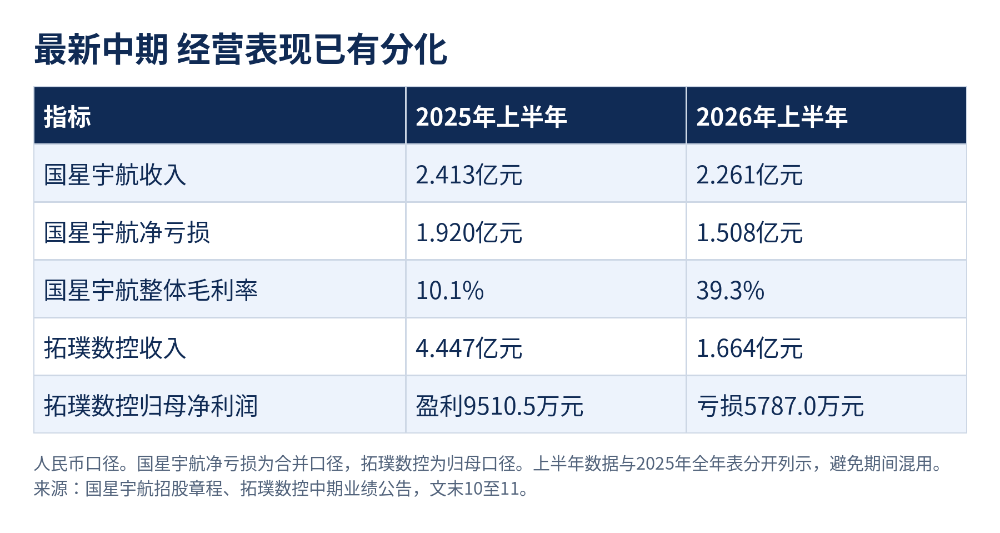
Figure 5: Interim data compared with the same period last year, profit bases noted separately
For such companies, orders, revenue, and payment collection are three stages that need continuous tracking. If contracts are still in hand and products are awaiting acceptance, the income statement may temporarily come under pressure; if products have already recognized revenue and payments are still on the way, cash will also be tight.
Losses of the same kind may stem from new product investment in some cases and from cost control and customer development in others. Investors need to distinguish the differences and also observe whether losses can gradually decrease after companies expand scale. The value of technological accumulation should ultimately be reflected in better operating results.
Competition Will Ultimately Come Down to Delivery Cost
Competition among rocket companies will increasingly resemble the transport business. Blue Arrow Aerospace is laying out liquid oxygen methane engines and launch vehicles, Zhongke Aerospace is developing the Lijian series, and Galactic Energy, Space Pioneer, iSpace, and others are also advancing their own products.
Technical routes determine capability boundaries, while reliability and cost determine customer choice. R&D and manufacturing facilities require continuous investment. If launch frequency is low or actual payload capacity is relatively low, the same fixed expenditures must be borne by less revenue.
Only with more stable mission execution and shorter customer waiting times will there be a chance to gradually improve the business. Reusable technology provides a path to cost reduction. Xinhua News Agency reported that on August 19, 2026, Zhuque-3 Y2 completed a launch and its first stage successfully landed at the designated location. This progress provides a foundation for subsequent engineering reuse.
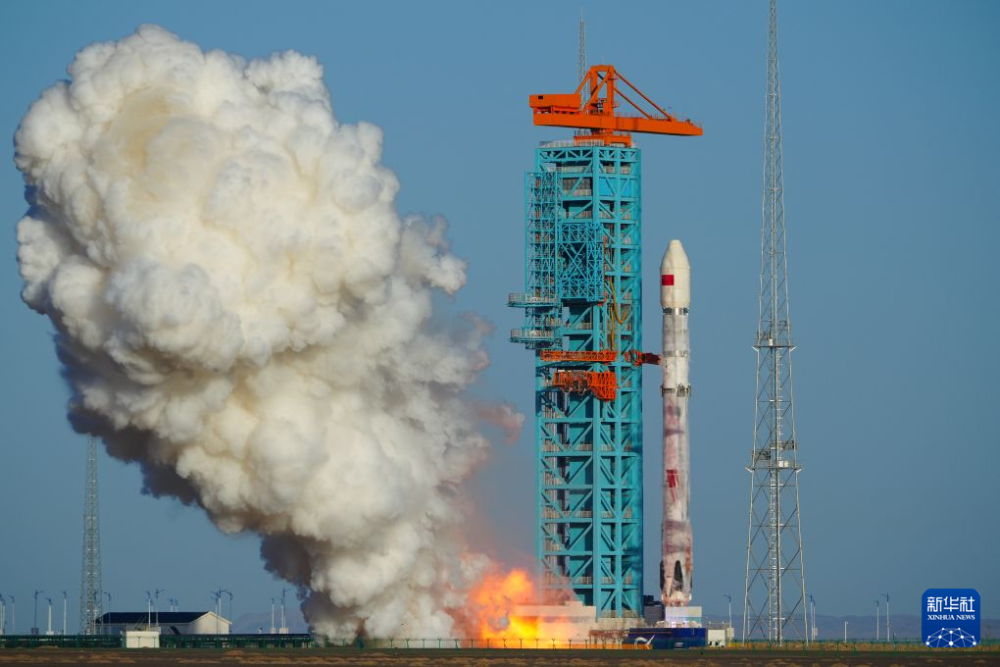
Figure 6: Zhuque-3 Y2 launch site, photo by Wang Jiangbo, Xinhua News Agency, August 19, 2026
After recovery, there is still work involving inspection, maintenance, and re-launch. How long the turnaround takes, how much refurbishment costs, and how many times it can be reused determine how much cost the technological achievement can ultimately save. Successful recovery is worthy of recognition, but the economic effect still needs to be tested through consecutive missions. Satellite companies face different tests. Weina Xingkong focuses on satellite development and delivery, Guoxing Aerospace combines satellites with AI applications, and companies such as Zhongke Star Map provide aerospace information-related services.
After products are delivered, customers' actual use results will affect the next procurement. Engine suppliers such as Jiuzhou Yunjiang, as well as manufacturing equipment, materials, and component companies, also have growth opportunities. Serving multiple customers can expand revenue sources, while also having to withstand changes in downstream procurement cycles. Specific advantages depend on whether products can be substituted, the difficulty of customer validation, and bargaining power.
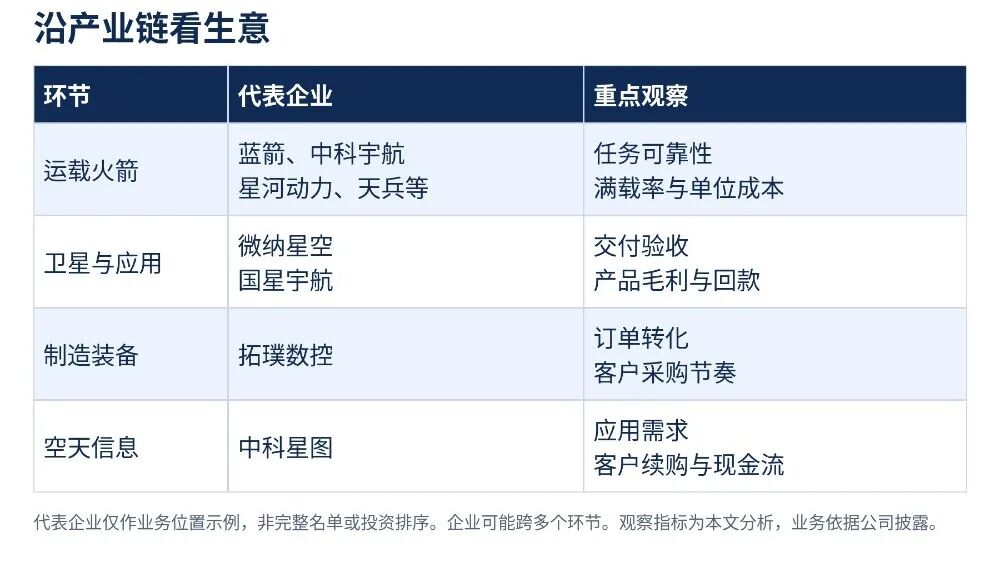
Figure 7: Main segments and operating observation indicators
Space computing power is also worth attention. Processing some data onboard satellites may reduce backhaul demand, but power supply, heat dissipation, radiation protection, and maintenance will all add constraints.
Its value must be proven through actual missions and customer payment, and business judgments should follow application progress. The author currently maintains a positive personal expectation for commercial space.
More and more missions are being implemented, technology is advancing, and the industrial chain is being filled in. This industry has sufficient room for growth. Expectations for specific companies, however, need to be supported by financial reports one after another.
Examine whether gross profit can cover expenses, whether payment collection can sustain production, and whether the funds raised through financing genuinely enhance delivery efficiency. An increase in cash reserves, if derived primarily from shareholder investment, should also be assessed separately from operating receipts. Pricing should likewise leave room for future growth.
Even if a company possesses excellent technology, if its valuation has already priced in years of growth ahead of time, shareholders must still wait for revenue and profit to catch up with expectations.
Industry prospects, company capabilities, and purchase price each influence investment outcomes. Only by thinking these factors through clearly can one more easily maintain sound judgment when market sentiment shifts. Going public can help a company secure more development capital, but technology, management, and market expansion must still be achieved on its own.
Only when customers are willing to make repeat purchases and the company gradually turns a profit can this round of IPO enthusiasm find longer-lasting support. Give space research and development the patience it requires, while also setting clear goals for the company's operations. Only in this way can optimism about an industry withstand the test of time.
What are your thoughts on the hot track of commercial aerospace? We look forward to your civil and rational comments in the message section.
Disclaimer: This article is solely an analysis of financial hot topics from a professional perspective. The data and materials cited are sourced from public queries, company announcements, and Tonghuashun iFinD. The views expressed are for reference only and do not constitute any investment or consumption advice.
#FinancialHotTopics #InDepthInterpretation #BusinessFinance #InvestmentBankingCircle #ListedCompanies #PrimaryMarket #IPO #AI #CommercialAerospaceIPO #CommercialAerospace
-
![]()
Storage Costs Soar! Even DJI Feels the Pinch: Some Products to See Price Hikes Starting November 18
-
DJI Announces Price Adjustment: Selected Products to See Retail Price Increases Starting November 18
-
![]()
HUD and In-Car Wireless Charging Leader Posts Consecutive Profit Growth, Though Control May Change Hands
-
![]()
Commercial Space Sector Rushes Toward IPOs
-
![]()
Is Big Tech's Ultimate AI Goal to Spin Off and Go Public?
-
![]()
Nebius: The "Cool Kid" of New Cloud — Glossy on the Outside, Crawling with "Lice" Beneath
-
Tencent Isn't Planning to Lay Off 50% of Its Staff—It Wants Half Its Workforce on the AI Battlefield
-
![]()
Sales Plunge 40%, Two Years of BD Bonuses Canceled: What Prescription Will Dong Xiuhui Write for FAW-Volkswagen?