Conventional Hybrid Cars: A Resurgence on the Horizon
 09/14 2026
 336
336
"Double-Digit Growth in August, Both Year-on-Year and Month-on-Month"
While reports of a significant downturn in traditional fuel car sales are still fresh in our minds, hybrid cars have quietly made a resurgence.
According to data released by the China Passenger Car Association (CPCA) for August 2026, retail sales of traditional fuel cars plummeted by 40% year-on-year, with pure fuel-powered vehicles experiencing a 45% decline.
Amidst this downturn, retail sales of ordinary hybrid electric vehicles (HEVs) surged by 10% year-on-year, marking them as the sole category to witness positive growth, albeit not enough to reverse the overall decline in fuel car sales. In essence, excluding hybrid cars, the decline in fuel car sales would have been 5 percentage points steeper, nearly halving the market.
The CPCA noted in a September 8 post that ongoing geopolitical tensions continue to disrupt navigation through the Strait of Hormuz, causing international oil prices to fluctuate at elevated levels. By 2026, domestic gasoline prices in China had risen by over 1,720 yuan per ton cumulatively, significantly boosting the operating costs of fuel-powered vehicles.
Amidst high oil prices, no segment of the fuel car market remained unscathed in August. Sales of domestic brands fell by 45% year-on-year, mainstream joint-venture brands declined by 40%, and luxury brands dropped by 33%.
On social media, posts like "In the end, I bought a hybrid car" have become increasingly common. Many consumers who initially planned to purchase pure fuel cars have shifted their preferences to hybrid models. In their view, hybrid cars offer smooth driving, quiet operation, and fuel efficiency, making them superior to pure fuel cars while also eliminating the range anxiety associated with pure electric vehicles (EVs).
Automakers are also ramping up their investments in this sector. In March of this year, Changan Automobile unveiled its new HEV solution, the "Blue Whale Super Hybrid," stating that "over 70 million users worldwide still opt for fuel cars annually" and aiming to provide a new option for this user base.
Against the backdrop of the accelerated phase-out of pure fuel cars, hybrid cars are bucking the trend and may be poised for a second wave of popularity.
▍01 An Anomaly Amidst the Decline
From a data perspective, the decline in retail sales is already significant, but wholesale sales better illustrate the growth momentum of hybrid cars. In August, wholesale sales of ordinary hybrid passenger vehicles reached 107,000 units, up 54% year-on-year and 10% month-on-month. This growth rate even surpasses that of many new energy vehicles (NEVs)—among the top 10 models in monthly sales, pure fuel cars were nowhere to be seen, entirely replaced by NEVs.
"The core issue is the high cost of fuel," said Cui Dongshu, head of the CPCA, in an interview with Gangning Studio. With oil prices remaining persistently high, consumers are more meticulous in calculating operating costs when purchasing vehicles.
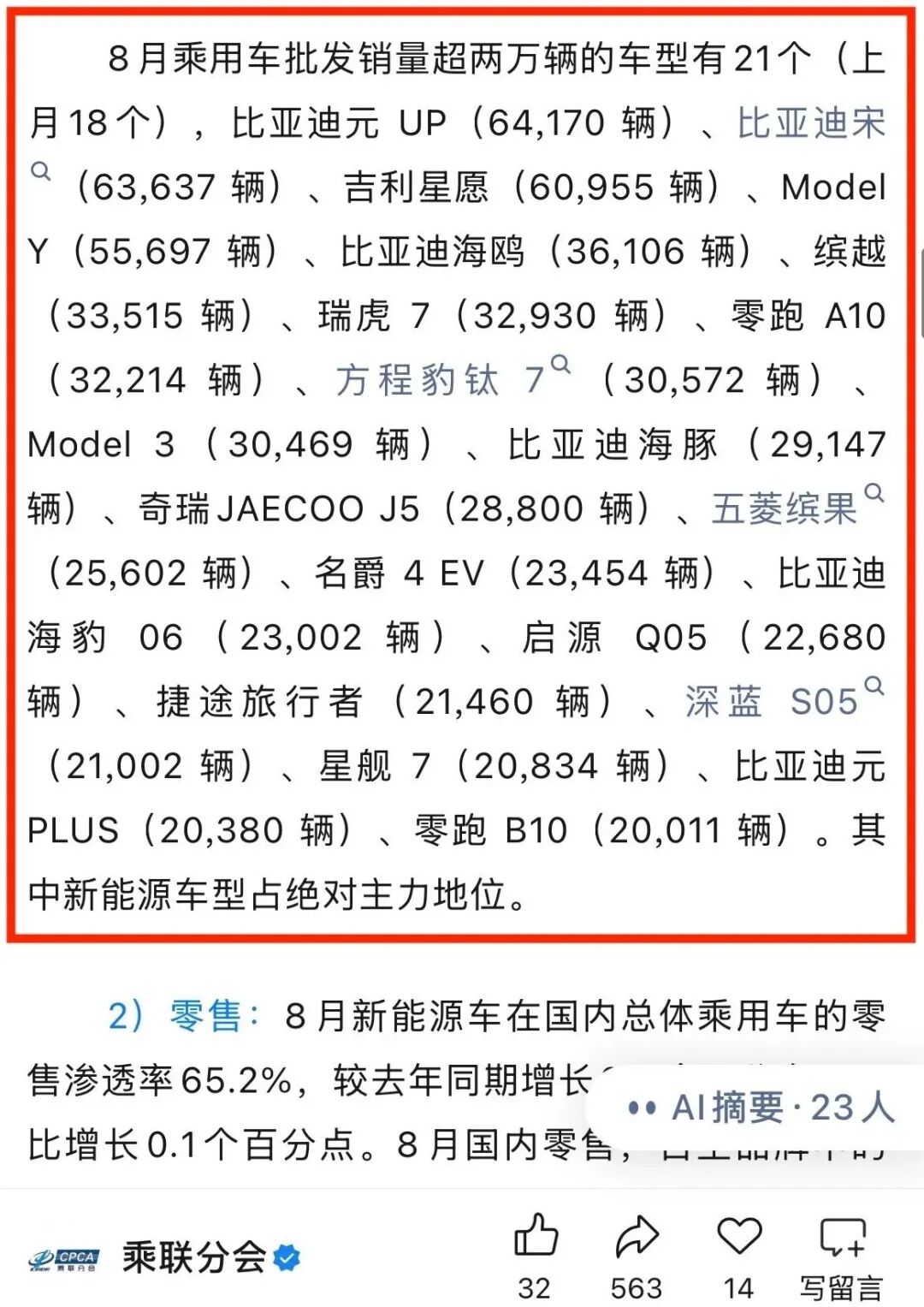
Specifically, pure fuel cars suffer from high fuel consumption, while pure EVs face inconveniences in charging. The policy incentives for plug-in hybrid models have also diminished, leaving ordinary hybrids, which do not require charging and offer low fuel consumption, to fill this gap, thus releasing pent-up demand. Coupled with a low base from the previous year and incremental growth from overseas exports, their sales growth has been remarkable.
However, this market is highly concentrated, almost becoming a one-man show for Toyota.
In August, FAW Toyota's wholesale sales of ordinary hybrids reached 36,400 units, while GAC Toyota's sales amounted to 29,800 units, together accounting for over 60% of the total wholesale volume of ordinary hybrids. SAIC Motor Passenger Vehicle Co., ranked third with 16,300 units sold, lagged far behind the top two.
From the perspective of joint-venture brands, Dongfeng Honda and GAC Honda each sold several thousand units in August, far below Toyota's volume.
Zhu Xichan, a professor at the School of Automotive Studies at Tongji University, previously told Gangning Studio that in the hybrid sector, Toyota's Hybrid Synergy Drive is the current leader. The sales performance of FAW Toyota and GAC Toyota largely benefits from their hybrid models (HEVs).
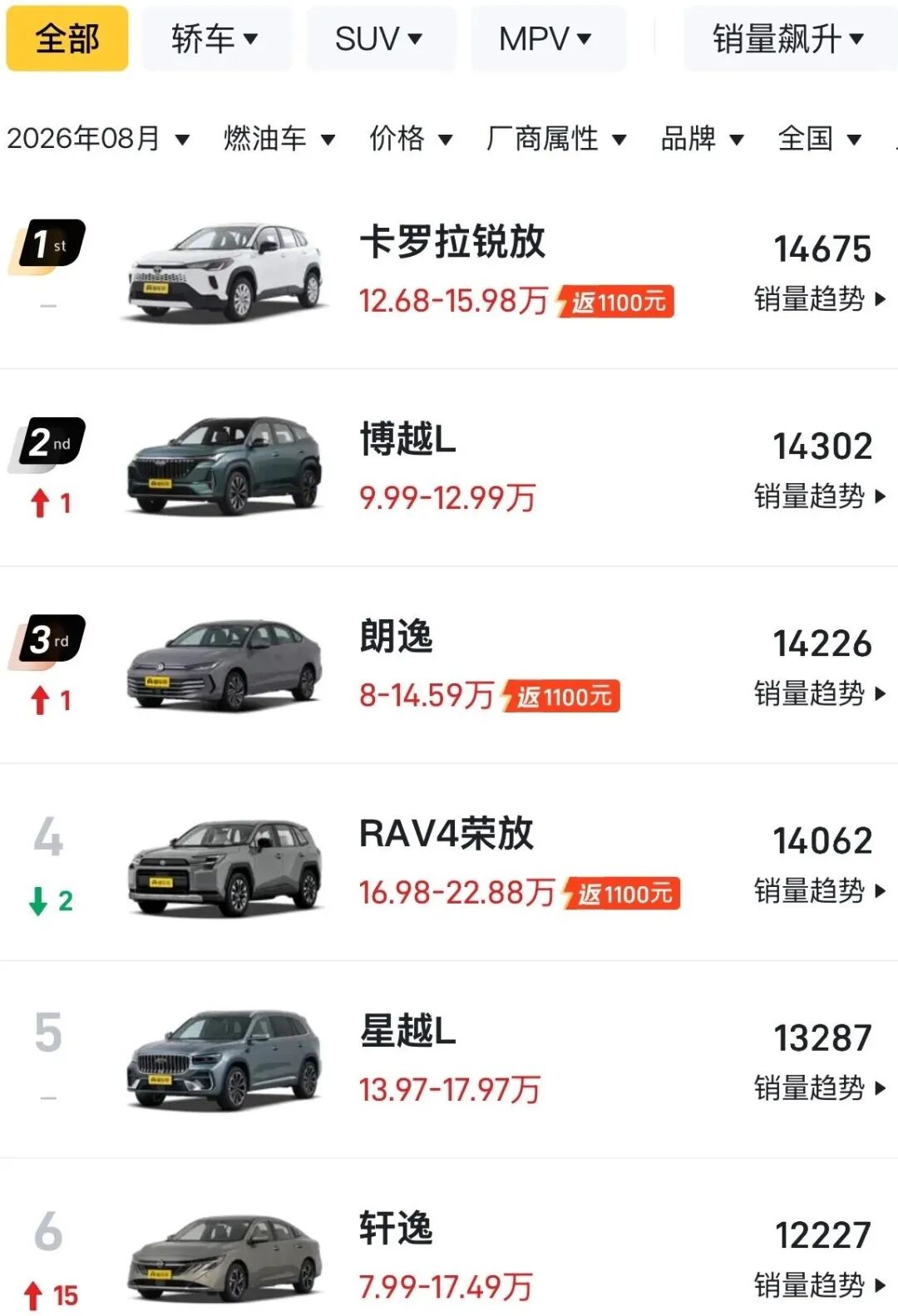
In terms of specific models, in August, the Corolla Cross sold 14,700 units, ranking first among fuel-powered cars, with the hybrid version contributing significantly. The RAV4 sold 14,000 units, ranking fourth among fuel-powered cars, with the hybrid version also being more popular. The Camry Hybrid exceeded 12,000 units, accounting for 95% of all Camry sales, while ordinary hybrid models accounted for over 52% of GAC Toyota's sales.
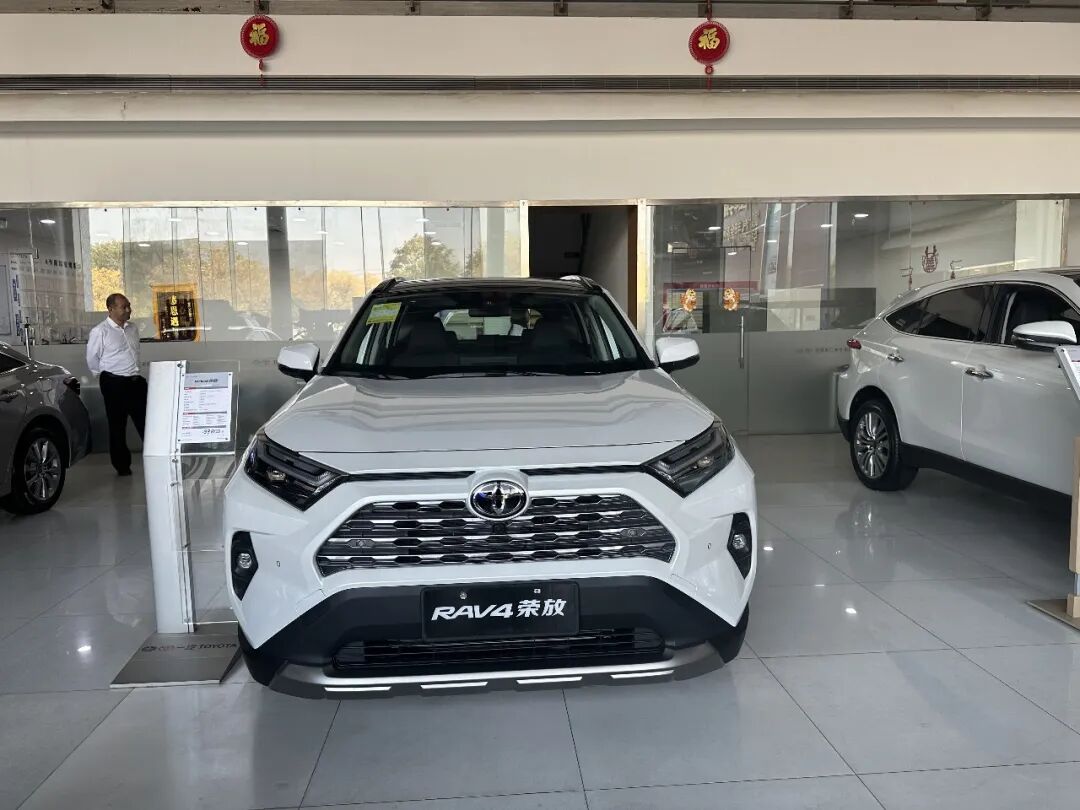
"If you're buying a Camry, go for the hybrid," is almost a consensus in relevant forums. Public data shows that Toyota's hybrid reputation has been built over nearly 30 years. Since the launch of the first-generation Prius in 1997, Toyota's global hybrid sales have exceeded 20 million units, with technology maturity and durability being its hallmarks.
Ordinary households choose them for peace of mind, such as no need for charging, low fuel consumption, durable batteries, and high residual value.
Who are the consumers buying ordinary hybrid cars?
Cui Dongshu stated that HEV users are primarily middle-aged consumers over 40 who prioritize peace of mind and reliability, with high trust in traditional brands. They can be divided into three categories: users with long daily commutes, users living in residential areas without charging infrastructure, and users in third- and fourth-tier cities and rural areas where charging facilities are inadequate.
"Previously, it was a choice made out of necessity, but now it's a proactive choice after cost calculations, with incremental growth mainly coming from lower-tier markets," Cui said. For these consumers, fuel efficiency, reliability, and residual value are the most critical factors in their purchasing decisions.
In addition to fuel savings and no need for charging, hybrid cars have another easily overlooked advantage—they are better suited for intelligence than pure fuel-powered cars.
Zhu Xichan mentioned in an interview that current intelligent driving systems generally require over 500 TOPS of computing power, with the power consumption of the computing platform approaching a kilowatt. "Can fuel-powered cars supply such a near-kilowatt computing platform? It's challenging," he said.
Furthermore, the increased power consumption of multi-screen smart cockpits and the use of in-car air conditioning after parking place higher demands on the vehicle's power supply capabilities.
Pure fuel-powered cars, with only a 12V electrical system, have insufficient capacity. To use air conditioning while parked, the engine must remain running, leading to prominent issues of fuel consumption and noise. In contrast, hybrid cars, equipped with power batteries and electric motors, have far superior electrical system power supply capabilities compared to pure fuel-powered cars, giving them an advantage in supporting high-computing-power intelligent driving, smart cockpits, and parked power usage.
This means that hybrid cars are not just fuel-efficient; in today's era of intelligence, they are better positioned to keep pace with the times than pure fuel-powered cars. For consumers who desire an intelligent experience but are not yet ready to accept pure EVs or other NEVs, ordinary hybrid cars offer a compromise option.
▍02 A New Battleground for Hybrids
In the hybrid market, Toyota's dominance is being challenged by domestic automakers. This year, automakers such as Geely, SAIC, and Great Wall Motors have intensively released new hybrid technologies, with product prices dropping to the 100,000-yuan range, attempting to break the long-established price system and technological barriers defined by Japanese hybrids.
On August 17, Gan Jiayue, CEO of Geely Automobile, announced at the 2026 interim results briefing that Geely will no longer develop traditional fuel-powered cars and will transition all fuel-powered car products to i-HEV Intelligent Hybrid technology. The Geely China Star series will fully complete its hybrid transformation.
He claimed that with the support of its new energy system and Geely AI technology, the comprehensive performance of the i-HEV Intelligent Hybrid has surpassed that of mainstream Japanese hybrid products, reaching the top tier of global hybrid technology.
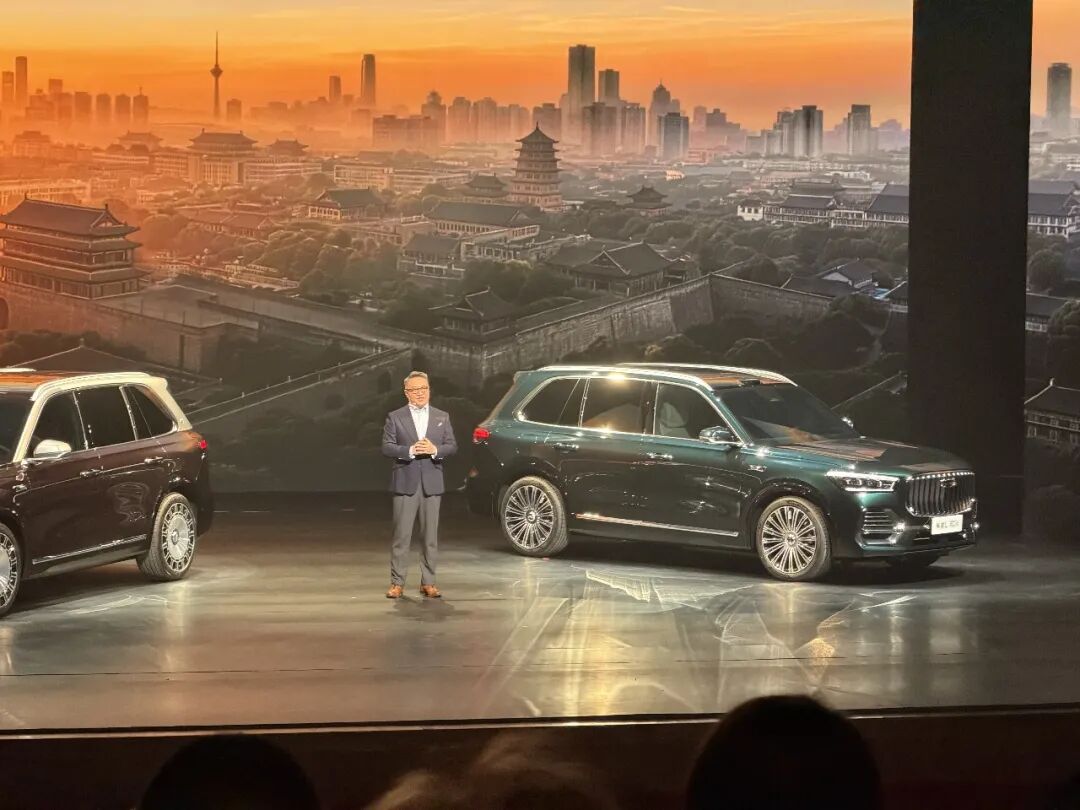
Geely acted swiftly. On September 5, the Geely Xingyue L PLUS made its debut, equipped with a new generation of i-HEV technology based on a 2.0T hybrid-dedicated engine and a 3DHT transmission. Structurally similar to a plug-in hybrid, the official fuel consumption is 4.75L per 100 km. This fuel efficiency places it in the same range as Toyota's Hybrid Synergy Drive.
Great Wall Motors is also active. Recently, information about a new version of the Wey High Mountain was revealed, stating that the High Mountain 8 will introduce an HEV version equipped with a 2.0T hybrid-dedicated engine and Great Wall's Hi4 technology.
Chang'an Automobile made an earlier move. On August 18, the Chang'an CS55 PLUS was launched, with the 1.5T Blue Whale Super Hybrid version priced as low as 98,900 yuan—offering a compact SUV equipped with the latest hybrid technology for under 100,000 yuan.
This indicates that Chinese automakers are introducing a new round of hybrid electric vehicle technologies and breaking the previously maintained price threshold by Japanese automakers.
In addition to intense competition in the domestic market, domestic automakers are also looking overseas.
In the August wholesale sales rankings for ordinary hybrids, SAIC Motor Passenger Vehicle Co. ranked third with 16,300 units sold, while Geely Automobile ranked fourth with 10,800 units. The CPCA mentioned in a post that domestic hybrid models from SAIC Motor Passenger Vehicle Co. and Geely Automobile have emerged as strong contenders in overseas markets.
"Hybrid exports are a direction worth watching, but they belong to a secondary battlefield," Cui Dongshu said. Geely and SAIC's hybrid models have performed well overseas, especially in countries and regions with inadequate charging infrastructure, where such models, which do not require charging and offer exceptional fuel efficiency, are highly accepted.
However, the export volume of ordinary hybrid cars remains limited, serving more as a complementary addition rather than a main category. Currently, pure EVs still dominate China's automotive exports.
Nevertheless, why are domestic automakers ramping up their hybrid efforts?
Zhu Xichan previously predicted to Gangning Studio that the future Chinese automotive market will form a pattern of "70% electric vehicles + 30% hybrid vehicles," with no room for pure fuel-powered cars. In this process, sales of extended-range models will continue to decline, while hybrid model sales will continue to rise.
Specifically, pure fuel-powered cars are accelerating their phase-out under the dual pressures of high oil prices and intelligence; while pure EVs, despite rapid growth, require time to improve charging infrastructure. Users in third- and fourth-tier cities and vast rural areas will not fully accept pure EVs in the short term.
A Beijing ride-hailing driver told Gangning Studio that he drives a 2022 Corolla 1.8L Hybrid, which he bought for 140,000 yuan. "Regular maintenance is all it needs, and it drives very well," he said. He bluntly stated, "Plug-in hybrids and extended-range cars are prone to breakdowns and expensive to repair. I would never choose them in my lifetime." In his view, for operational purposes, one must choose durable, fuel-efficient, and inexpensive-to-repair vehicles.
This represents the core demand of ordinary hybrid car users—not pursuing cutting-edge technology but prioritizing ultimate cost-effectiveness and reliability. Especially for ride-hailing drivers covering hundreds of kilometers daily, long-distance commuters, and users in lower-tier markets without convenient charging access, ordinary hybrid cars represent a financially sound choice.
However, the future of hybrid cars is not entirely optimistic.
Cui Dongshu believes that while oil prices are unlikely to significantly decline in the short term, ordinary hybrid sales will continue to grow in the second half of 2026. However, in the long run, in the Chinese market, ordinary hybrids will primarily serve as a "cleanup" for the fuel-powered car era, helping traditional fuel-powered car users transition smoothly before being gradually replaced by pure EVs and plug-in hybrid models.
The true long-term growth space for hybrid cars lies in overseas markets, especially in countries and regions with inadequate charging infrastructure. "For automakers, ordinary hybrids secure the present, while pure EVs bet on the future," Cui said. Some industry insiders also believe that as hybrid technologies and products improve, especially with significant enhancements in intelligence, the ordinary hybrid market will continue to expand, taking over the wave of upgrades from pure fuel-powered car users.
This view does not contradict Zhu Xichan's judgment. A 30% share for hybrid cars means they will not disappear but will not become mainstream either. They are more like heirs to the legacy of the fuel-powered car era, taking over users who are not yet ready to switch to pure EVs before full EV adoption.
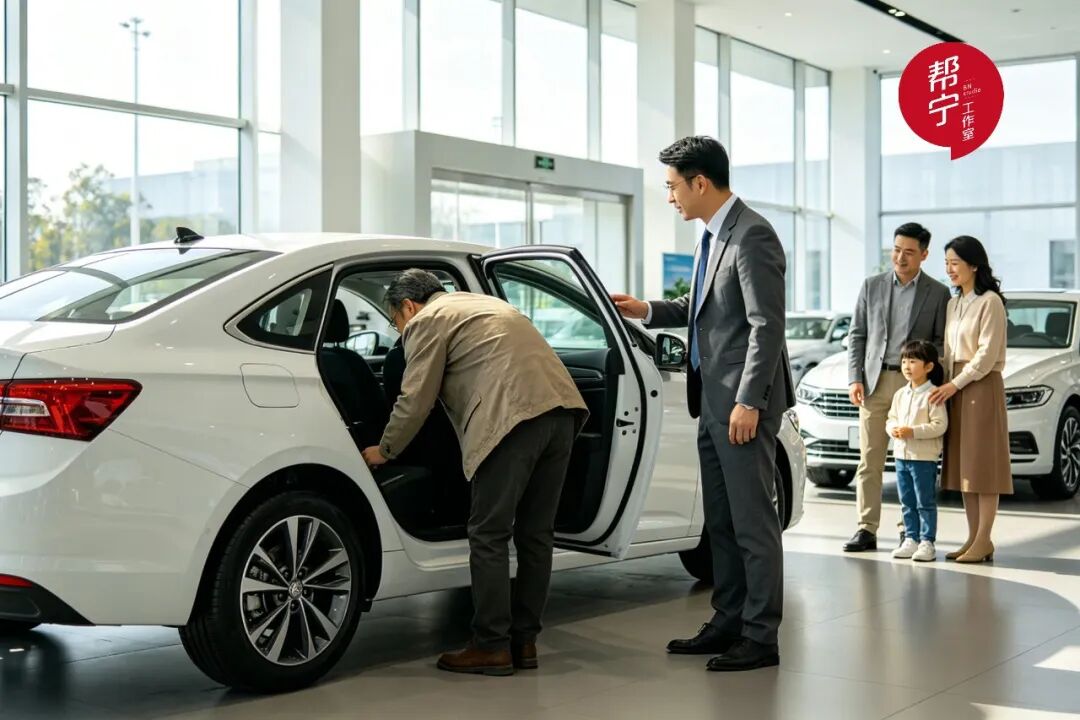
(The featured image was created using AI.)
-
![]()
Conventional Hybrid Cars: A Resurgence on the Horizon
-
![]()
Stellantis' Global Strategy Divided into Two Halves: Half North American Independence, Half Alliance with Leapmotor and Dongfeng
-
![]()
The Paris Motor Show Amplified by Chinese Automakers: The Next Step for China's Auto Industry Going Global
-
![]()
Rumors Abound: Is BYD Set to Halt Profit-Sharing Bonuses? Cash Reserves Reach 164.7 Billion Yuan Despite 20.5% Profit Drop in First Half
-
![]()
Shining in Pengcheng, Pursuing Light with Ingenuity | Zolix's Successful Participation in CIOE2026 Shenzhen, Paving the Way for a New Journey in Optoelectronics
-
![]()
Domestic Computing Power Firms Favoring Private Placements: The New Capital Market Favorites
-
![]()
Blockbuster! Can NIO Auto ‘Rise Like a Phoenix’? Netizens Say: Only Taiyi Can Resurrect Nezha!
-
![]()
Latest Developments on Huawei’s ‘MaJie’ Collaboration? Maserati Announces Official Launch of December Brand Strategy