Is There Still a Need for Gasoline Vehicles When Everyone is Switching to Pure Electric Ones?
 09/14 2026
 564
564
Introduction
Introduction
Gasoline vehicles are not vanishing; rather, they are evolving into new forms within the trajectory of China's automotive industry development.
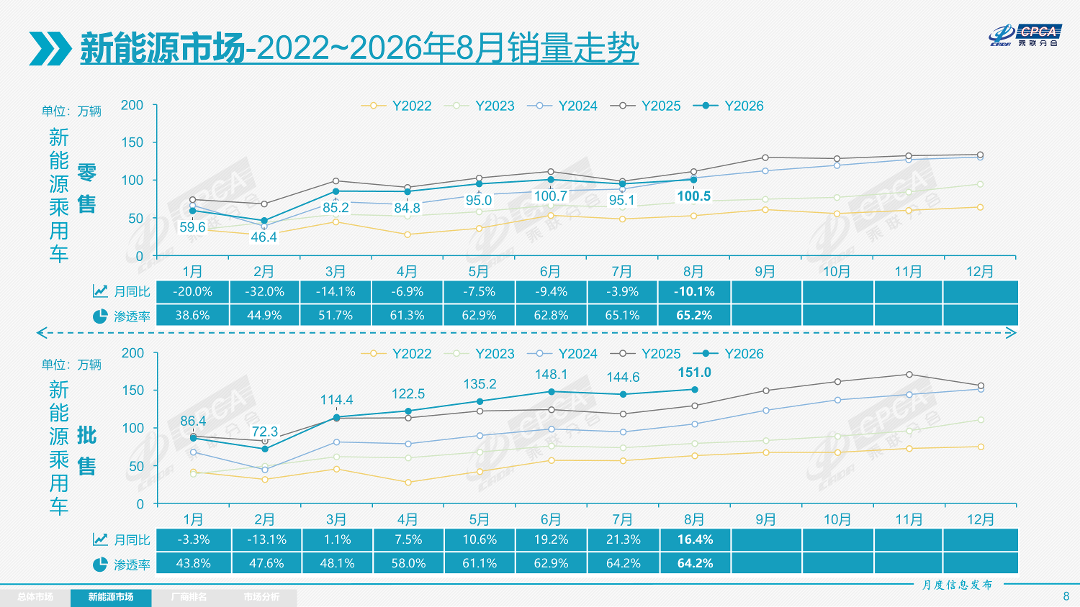
According to data from the China Passenger Car Association (CPCA), wholesale sales of new energy passenger vehicles reached 1.51 million units in August, marking a 16.4% year-on-year increase and a 3.9% month-on-month rise. From January to August, these sales amounted to 9.778 million units, up 9.1% year-on-year. In contrast, wholesale sales of conventional gasoline passenger vehicles reached 840,000 units in August, down 29% year-on-year but up 5% month-on-month.
Retail sales of new energy passenger vehicles hit 1.005 million units in August, down 10.1% year-on-year but up 5.7% month-on-month, with a penetration rate of 65.2%, setting a new record. From January to August, retail sales of new energy passenger vehicles reached 6.674 million units, down 12.1% year-on-year. Retail sales of conventional gasoline passenger vehicles stood at 540,000 units in August, down 40% year-on-year but up 5.1% month-on-month.
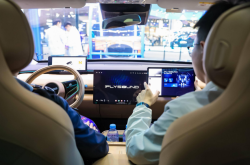
Just a decade ago, debates raged over whether electric vehicles were merely a product of policy incentives. Today, such discussions have ceased. The sight of green-plated ride-hailing cars on the streets, charging stations beneath office buildings, and exhibition stands in shopping malls pushing gasoline vehicles to the periphery all signal one thing: the transition from gasoline to electric is not a passing trend but the current reality.
However, a pertinent question arises: Given the rapid growth of pure electric vehicles and the declining presence of gasoline vehicles, does it make sense to continue developing gasoline vehicles in China?
In the past two years, fewer people have been defending gasoline vehicles on social media. Even attempting to discuss the differences between gasoline and new energy vehicles objectively can label one as outdated and rigid.
In this new era, gasoline seems to carry an original sin, and any viewpoint that goes against the spirit of the internet is met with disapproval. When discussing corporate development, adding the attribute of being a joint venture only invites even more widespread criticism.
01 Who Says Gasoline Vehicles Aren't Selling?
Observing changes in the automotive market, terminal sales are merely a superficial indicator. Although gasoline vehicles still hold around a 40% market share, automakers are primarily using them to maintain a presence in lower-tier markets and for exports, with little possibility for large-scale updates or iterations.
The development cycle for a gasoline vehicle, from project initiation to market launch, spans at least two to three years. Therefore, when reviewing the "Announcement on Road Motor Vehicle Production Enterprises and Products" each month, we find that automakers are primarily allocating their most substantial R&D resources to pure electric vehicles, with fewer innovations appearing in gasoline vehicles.
In other words, the newly declared gasoline vehicle models are essentially just "face-lifts, screen additions, grille changes, and mild hybrid insertions" rather than entirely new vehicles. Thus, the fact that "gasoline vehicles still account for over 40% of sales" seems to be a smokescreen. When no one is investing in new gasoline vehicle models, the conclusion is clear: Gasoline vehicles are not dead, but their "expansion rights" are gone.
In the past two years, BYD announced early on that it would no longer produce gasoline vehicles, reflecting the mindset of a new energy vehicle manufacturer.
However, as Honda China shifts its resources toward e:HEV, plug-in hybrids, and pure electric vehicles, and Volkswagen aggressively promotes its ID. series and plug-in hybrid Passat in China, gasoline vehicles are relying on "Pro series" to stay alive. Even Toyota is prioritizing its THS hybrid and bZ pure electric models over just focusing on the Camry and Corolla. It seems that updating gasoline vehicles has become an outlier in the entire industry.
Nevertheless, I have always believed that when observing China's automotive market, one should avoid extrapolating the situation in first-tier cities to the entire country.
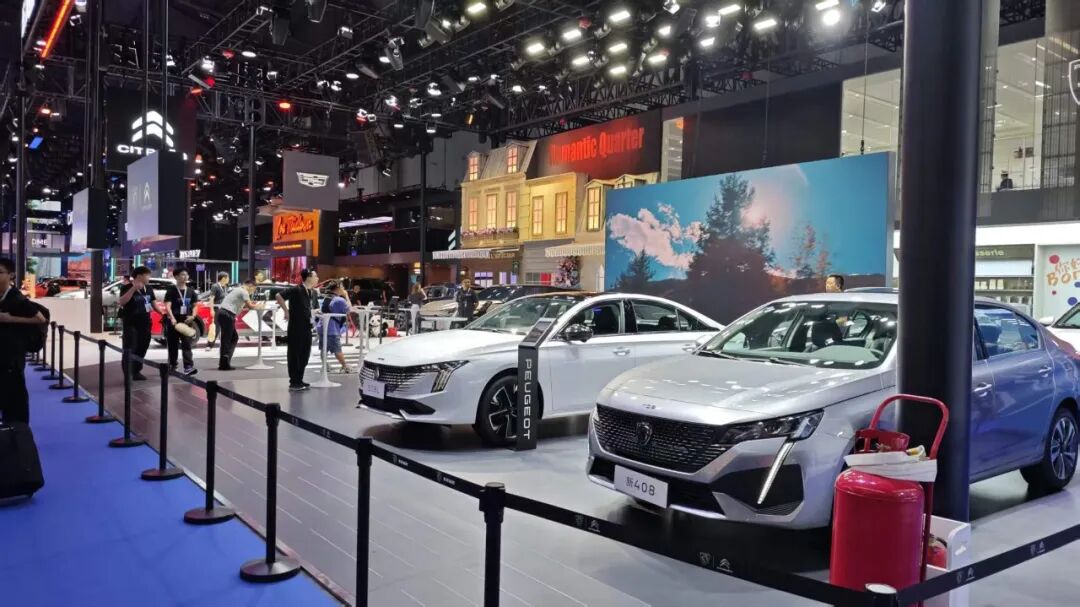
According to CPCA data from the first half of the year, the penetration rate of new energy vehicles in first- and second-tier cities with license plate restrictions and purchase limits exceeds 65%, while it is approaching 45% in third- and fourth-tier cities. Note that for third- and fourth-tier cities, "approaching 45%" indicates that a significant number of consumers in China still have demand for gasoline vehicles.
In other words, even today, when electric vehicle companies have installed charging stations at the foot of Mount Everest, there are still numerous scenarios in China where gasoline vehicles are needed to step in.
In most underdeveloped regions of China, especially in remote areas such as the northwest and northeast, away from urban centers, there are still significant energy supply blind spots in counties and townships. When charging station density drops, users' first reaction is still to "fill up with gas and leave in five minutes."
To exaggerate a bit, when it comes to long-distance travel or high-altitude conditions, users don't just want "the ability to keep going even without electricity" or to save on fuel costs. Highly reliable gasoline vehicles are essential.
Of course, these are well-worn arguments. China's vast geography inevitably leads to varying industrial progress across regions.
However, even when looking overseas, in August 2026, new energy vehicle exports reached 526,000 units (data from the China Association of Automobile Manufacturers), up over 130% year-on-year. This is the total export data for new energy vehicles. If we only consider new energy passenger vehicles, CPCA statistics show that exports in August were 518,000 units, up 154.7% year-on-year.
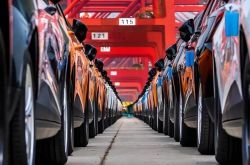
Nevertheless, regardless of the statistical approach, even if new energy vehicle exports account for over 50%, when Chinese automakers go abroad, significant markets in Southeast Asia, the Middle East, Latin America, Africa, and Russian-speaking regions are still purchasing gasoline SUVs and pickups. If we abandon updates to gasoline vehicles now, aren't we ignoring the market development potential in regions like Peru, Saudi Arabia, and Kazakhstan?
Therefore, while the entire industry is pronouncing gasoline vehicles dead and the media loves to equate gasoline vehicles with "Nokia," a more accurate statement is: Gasoline vehicles in China have transitioned from "mainstream powertrains" to "niche-scenario powertrains," from "growth engines" to "profit-maintaining assets," and from "strategic centers" to "one component of a combined strategy."
02 Smarter Ways to Extend the Life of Gasoline Vehicles
Of course, we must acknowledge the current industry situation. Continuing with the logic of 2018, relying on terminal discounts to clear inventory, pressuring dealers, and brands turning a blind eye will lead these companies, whether joint ventures or domestic, to be overtaken by the rapid cost reductions in the new energy industry over the next three years. The market for gasoline vehicles under 300,000 yuan is no longer just about competition but about whether there is any gross margin left.
Additionally, even if gasoline vehicles are upgraded with intelligent driving, infotainment systems, and noise reduction, and their prices are competitive with plug-in hybrids in the same class, this approach can only prolong their life temporarily—it does not address the root issue. Once users experience "not burning fuel in the city," it's hard for them to go back.
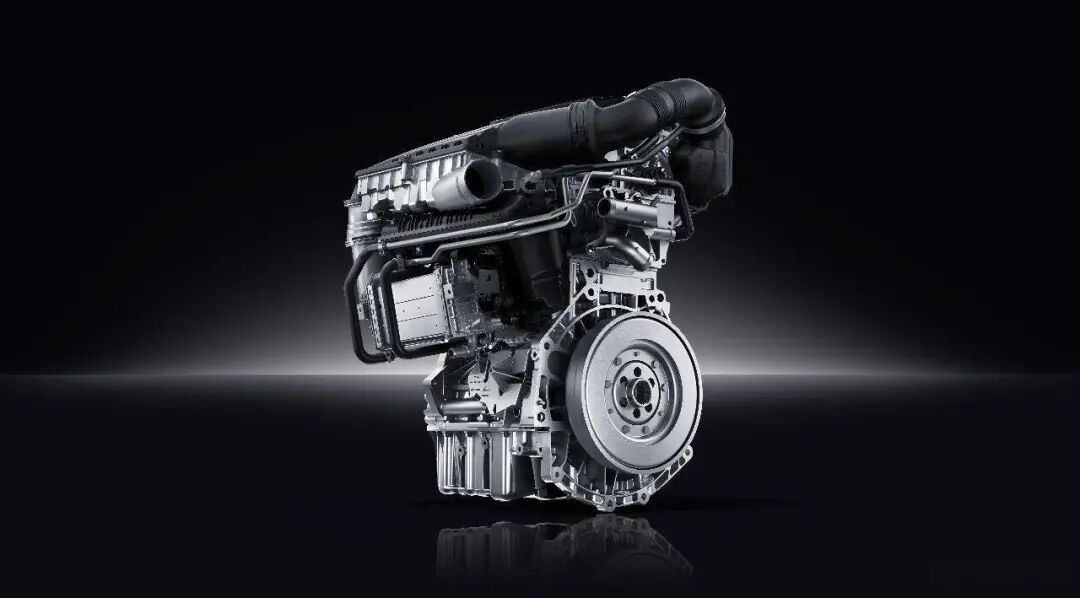
In comparison, aside from export demands, to thrive in China's diverse market, the only way forward after 2026 is to transform the gasoline engine into an "energy component." This is the correct approach for continuing with gasoline vehicles.
In other words, repurposing existing gasoline powertrains into efficient hybrid sources, off-road backups, export products, commercial scenario solutions, and low-cost market tools—is this meaningful? Absolutely, and significantly so.
Market development has always been wary of binary thinking. "Electrification will win" and "gasoline vehicles are doomed" are two statements, but there is a layer in between: Powertrain forms may fade, but user scenarios will not.
When Chinese people buy cars, they don't first choose between "gasoline or electric" but based on scenarios that determine their needs. Pure electric vehicles cannot solve everything, nor do gasoline vehicles deserve all the premium pricing. Ultimately, the survivors will be those who can clearly articulate the value of both. The next phase of China's automotive market will not be about "gasoline dying and electric thriving" but about "gasoline shrinking, electric dominating, hybrids serving as bridges, and scenarios determining survival."
Since the beginning of this year, as the market share of extended-range vehicles is rapidly being replaced by pure electric vehicles, we have seen Chinese companies like Geely and Changan reintroduce HEV technology into their future development plans.
In every batch of new vehicle information from the Ministry of Industry and Information Technology, we occasionally discover, tucked away in the corners, familiar products that have launched new gasoline-hybrid models. Essentially, the emergence of these models is not about "reviving gasoline vehicles" but testing whether Chinese companies have fully mastered the core capabilities of "powertrain systems."
Dedicated hybrid engines and range extenders are essential for global competition. Chinese brands cannot go global with only pure electric products. Charging conditions in most global markets dictate that "low-fuel-consumption hybrids" will be the common denominator for the next decade.
Moreover, retaining internal combustion engine technology capabilities is the foundation for optimizing vehicle energy efficiency.
High-thermal-efficiency engines, low-friction technologies, intelligent thermal management, electronic oil pumps, 48V mild hybrid systems—the accumulation of these technologies ultimately serves the vehicle's overall energy consumption performance. Even on pure electric platforms, experience in thermal management systems, energy management strategies, and domain controller architectures is a continuation of engineering accumulation from the internal combustion engine era. Abandoning internal combustion engines means abandoning the continuation of this capability chain.
So, returning to the original question: Does the development of gasoline vehicles have a future?
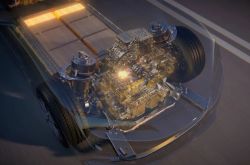
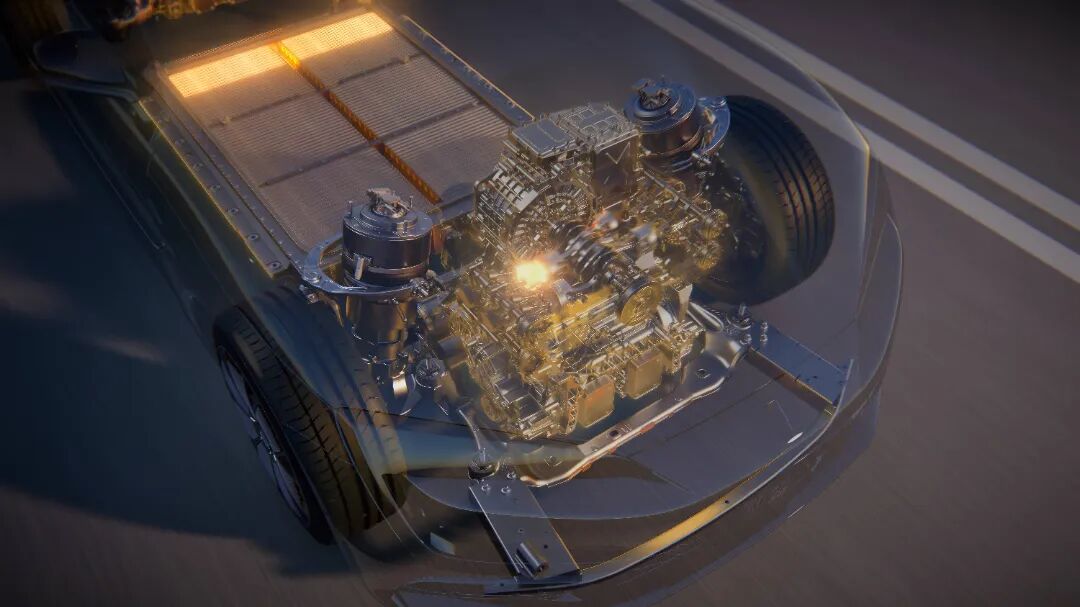
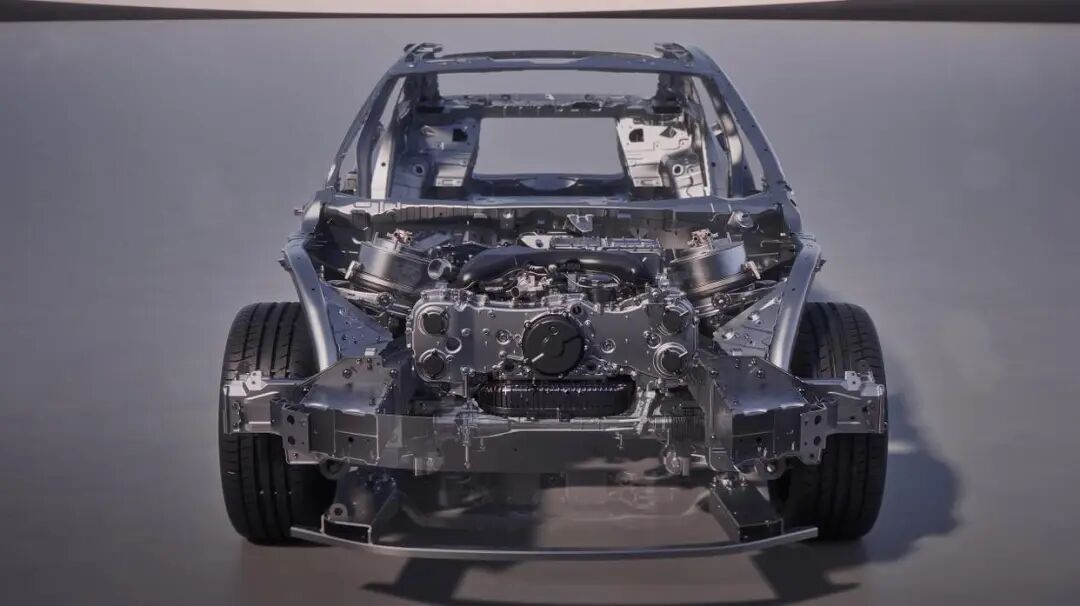
A more accurate statement is: The era of pure gasoline vehicles as mainstream consumer products has ended, but internal combustion engines, as core components of powertrain systems, are evolving into new forms—hybridization, cleanliness, and systematization—to be embedded in the future of the automotive industry. BYD's horizontally opposed engine used in the Yangwang U7 is a prime example.
This is not a simple substitution story but an evolutionary tale of one declining and the other rising, with morphological reconstruction. Today, there are many online voices fomenting opposition between gasoline and electric vehicles. For China's automotive industry, true wisdom does not lie in "taking sides." Believing in "the immortality of gasoline vehicles" is not just a slogan from the old guard but a key to propelling Chinese automobiles to truly win on the global stage.
Editor-in-Chief: Yang Jing Editor: He Zengrong

THE END
-
![]()
Cross-border Entry of Tech Companies: Partners or Disruptors? | Cover Story: 70 Years of Striving (Part Nine)
-
![]()
From Supporting Roles to Innovation Ecosystem: 70 Years of China's Auto Supply Chain | Cover Story: Seven Decades of Progress (X)
-
![]()
Apple Finally Releases Foldable iPhone: iPhone Duo Hits Market at $1,999, Seven Years Post Samsung and Huawei
-
![]()
Refusing Orders Worth 500 Million? Component Suppliers Seek to Escape the Automotive Black Hole
-
![]()
Is There Still a Need for Gasoline Vehicles When Everyone is Switching to Pure Electric Ones?
-
![]()
It's Official! Achieving These Will Make China a Global Automotive Powerhouse by 2030
-
![]()
Conventional Hybrid Cars: A Resurgence on the Horizon
-
![]()
Stellantis' Global Strategy Divided into Two Halves: Half North American Independence, Half Alliance with Leapmotor and Dongfeng