Will you still buy AITO after its prefix changes from 'HIMON Auto' to 'Seres'?
 09/16 2026
 508
508
Lead
Introduction
From Huawei's leadership to Seres' leadership, a delayed realignment of rights and responsibilities.
One day, if AITO is no longer under the HIMON Auto banner but is instead known as 'Seres AITO,' would you still be willing to pay for it?
This question has been raised repeatedly over the past few years, almost becoming a recurring theme whenever a new AITO model is launched. However, few have noticed that it hides a reversed premise—the name 'AITO' has actually not belonged to Huawei for quite some time.
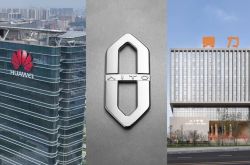
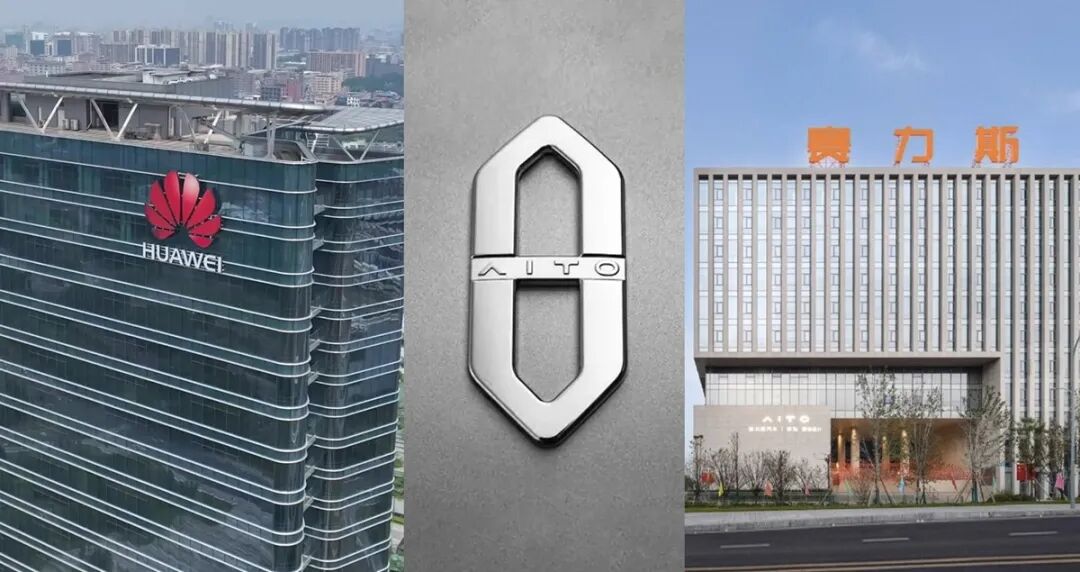
On July 2, 2024, Seres Group's majority-owned subsidiary, Seres Automotive Co., Ltd., acquired 919 text and graphic trademarks related to the AITO series, as well as 44 automotive design patents, from Huawei Technologies Co., Ltd. and its affiliates for 2.5 billion yuan. This means that for more than two years, all 'AITO' signage at dealerships and the AITO logos embedded in the vehicles have legally belonged to Seres.
In August of the same year, Seres Automotive purchased a 10% stake in Shenzhen Yinwang, held by Huawei, for 11.5 billion yuan. After the transaction, Seres has the right to nominate one director and one member of the audit committee to Yinwang's board—securing ownership of the brand and a seat at the technical platform.
Therefore, the real question is not whether 'AITO will leave Huawei,' but rather whether 'Huawei needs to continue managing AITO.' This question has lingered in everyone's minds for a long time until recently, when it was finally addressed.
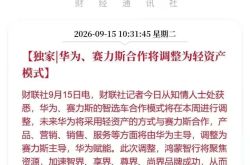
Rumors of a 'split between Huawei and Seres' had been circulating for several days. Then, yesterday (September 15), Cailian Press directly reported—citing informed sources—that Huawei and Seres would adjust their smart vehicle cooperation model this week.
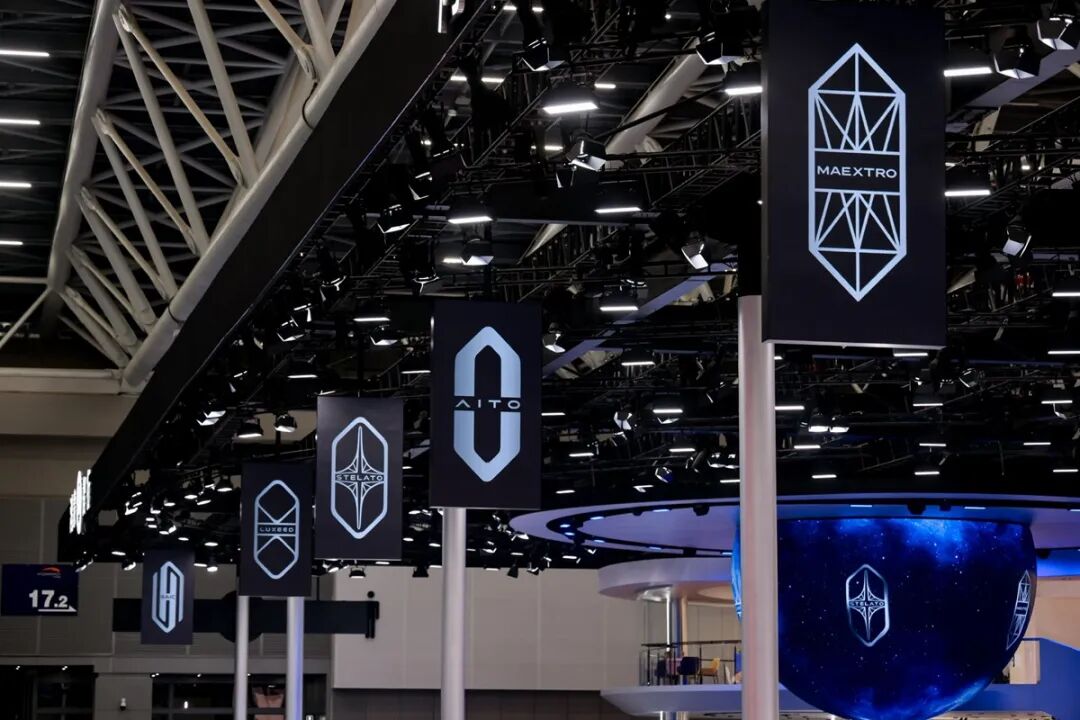
According to Cailian Press, Huawei will cooperate with Seres in a asset-light manner in the future, with Seres taking the lead in product development, marketing, sales, and services, while Huawei provides support. After the adjustment, HIMON Auto will focus its resources on accelerating the success of brands like Luxeed, Enjoy Auto, Supreme Auto, and Supreme Auto Plus.
Before the rumors could ferment for even half a day, an official response arrived.
Around 5:00 PM on September 15, HIMON Auto issued a 'Statement on AITO's Cooperation Model' via its official Weibo account, dated September 15, 2026. The statement confirmed that AITO is jointly designed and built by Huawei and Seres, representing the collective efforts of both teams and industry partners, and is a significant achievement in cross-border integration and industrial upgrading. It then emphasized the key point—'AITO remains a member of the HIMON Auto family.' Shortly after, AITO also issued a 'Statement on HIMON Auto's Cooperation Model,' reiterating that 'Seres and Huawei are firmly committed to building great cars together, and AITO remains a core member of the HIMON Auto family,' while also providing a notable footnote—AITO's cumulative sales have surpassed one million units over the past five years, placing it in the first tier of Chinese luxury automotive brands; the one-millionth vehicle rolled off the production line in January 2026, taking only about 46 months to reach this milestone from zero.
Regarding the new division of rights and responsibilities, the statement was more precise than Cailian Press's earlier report: From now on, AITO will explore a new cooperation model within the HIMON Auto framework, with Seres taking the lead in product definition, design, brand marketing, channel retail, and service systems, while Huawei's consumer business group provides support. All existing rights and interests of AITO users, as well as subsequent services, remain unaffected.
The statement also clearly defined the boundaries—this adjustment does not affect other brands under HIMON Auto, with Luxeed, Enjoy Auto, Supreme Auto, and Supreme Auto Plus continuing to adopt Huawei's full-process-led cooperation model.
At almost the same time (5:18 PM), another media outlet disclosed more specific implementation details. Informed sources not only emphasized that 'Huawei is not withdrawing this time; AITO remains under HIMON Auto and is one of the five brands,' but also revealed that AITO will adopt a new 'exclusive franchise' model—its sales channels will become independent, with standalone stores and franchised stores, and some existing HIMON Auto stores will also be transferred to Seres, exclusively displaying and selling AITO models. Additionally, it was further clarified that AITO will continue to strengthen its premium positioning within the HIMON Auto system.
By that evening, detailed written rules had also emerged. A blogger exposed a 'Letter from AITO to All Channel Partners,' dated September 15, 2026, from the 'Seres & Huawei Consumer BG AITO Sales and Service Joint Working Group.'
The letter stated that the signing entity for the 'Authorized Dealer Partner Comprehensive Service Cooperation Agreement' would change from Huawei Technologies Co., Ltd. to an affiliate of Seres Automotive Co., Ltd., starting September 16, 2026, with the previous agreement automatically terminating; Huawei would be responsible for settling comprehensive service fees for orders placed before September 16 (including undelivered vehicles), while Seres would handle such matters for orders placed on or after September 16.
Meanwhile, Seres will maintain unchanged service standards for users, brand image and positioning, channel authorization models and business rules, operational standards and norms, with all existing rights and interests of AITO users remaining unchanged, and the AITO brand further specializing and exclusively operating.
In other words, the answer to the repeatedly asked hypothetical question is negative. Whether in the past or now, the prefix of the AITO brand has not changed; it remains under the HIMON Auto umbrella. What has changed is who takes the lead—shifting from Huawei's management to Seres' leadership with Huawei's support.
And it is precisely this 'change' that is truly worth discussing.
01 Seres: From Risk Taker to Full-Fledged Brand Operator
To understand Seres' position, one must first examine the company's actual situation.
2025 was undoubtedly a highlight year for Seres: annual operating revenue reached 165.054 billion yuan, with a net profit attributable to shareholders of 5.957 billion yuan, R&D investment of 12.51 billion yuan, new energy vehicle sales of 472,269 units (a 10.6% year-on-year increase), and a gross profit margin of 28.76% for its new energy vehicle business (a 2.55% year-on-year increase).
Such results demonstrate that Seres is no longer the same company as before. After years of deep cooperation, the company has completed its transition to new energy and established a complete system as a high-end new energy vehicle manufacturer. From R&D and manufacturing to supply chain, quality control, and large-scale delivery, every aspect withstands scrutiny.
Of course, while acknowledging these achievements, we must also be candid about the current situation. The first half of 2026 was not a good period for Seres.
According to the official half-year report, the decline in the company's operating revenue was mainly due to changes in its product sales mix, with its main models undergoing product iterations in the second quarter and the scale effects of production capacity and sales not yet fully realized. The decrease in profitability was attributed to a combination of factors, including changes in the product sales mix, model iterations, temporary price increases in core components such as batteries and chips, and related asset impairment provisions. However, this impact did not stem from a collapse in demand but rather from product cycles and cost fluctuations—challenges that any automotive company may face and must ultimately address on its own as part of its operating leverage.
But it was precisely this leverage that brought the imbalance of rights and responsibilities in the old model to the forefront.
Under the original smart selection vehicle framework, Seres shouldered almost all the heavy asset risks, including vehicle manufacturing, production capacity investment, inventory impairment, and terminal concessions, while Huawei, as the provider of technology and channels, derived its benefits primarily from procurement, licensing, and service scale. According to Seres' Hong Kong stock exchange disclosures and annual reports, the company's procurement from Huawei's ecosystem surged from 5.802 billion yuan in 2022, with its proportion of total procurement rising from 14.5% to 33.78% and its proportion of total revenue increasing from 17.04% to 33%.
It should be noted that this procurement category includes parts (components), accessories, development services, software, and sales promotion services and cannot be directly converted into 'how much money flows to Huawei for each AITO vehicle sold.'
When things were going smoothly, this was a cost-effective capability rental. However, when the market shifted to Stock game ( stock competition , a zero-sum game) and per-unit profits were repeatedly squeezed by price wars, fixed costs became amplifiers of expenses. More subtly, after the formation of a shared store and traffic model among the five brands, Seres was spending VIP-level money but no longer receiving exclusive resources—this was the true crux of the Contradiction (contradiction).
Fortunately, Seres did not come to the negotiating table empty-handed. More than two years ago, it had already invested heavily to acquire the trademarks, eliminating the issue of brand ownership. Subsequently, by purchasing a 10% stake in Yinwang for 11.5 billion yuan, it addressed the issue of how to bind the relationship.
With these two foundations in place, the transfer of leadership, as reported, means that this is not about taking over a strange (unfamiliar) brand from scratch but rather supplementing operational rights on top of existing rights—a natural progression rather than a castle in the air. Therefore, from Seres' perspective, these revelations represent more of an identity upgrade. In the official statement, the boundaries of this upgrade were also clearly defined—the five areas of product definition, product design, brand marketing, channel retail, and service systems were all transferred to Seres' leadership, essentially constituting a complete brand operator authorization.
Regaining control over product planning, pricing strategies, channel construction, and after-sales service means the company can more flexibly manage costs, adjust pacing, and arrange its product lineup and launch timelines according to its own judgment. Fixed expenses that previously flowed into the system can now be converted into more controllable on-demand procurement and independent investment.
The other side of the coin is equally real. The brand narrative and traffic endorsement previously shouldered by Huawei will now need to be carried by Seres itself. Yu Chengdong-style Launch Event (product launch) exposures and the inherent trust dividend from Huawei's stores will no longer be default configurations. This tests both marketing organization and the long-term operation of user assets. However, for a company that has already proven its ability to build and sell great cars, regaining its rightful operational autonomy is ultimately a positive direction.
02 HIMON Auto: Allocating Scarce Resources to Growth Areas
From Huawei's perspective, this adjustment should not be interpreted as 'exiting AITO-related businesses' but rather as an active rebalancing of resources.
Huawei's 2024 annual report disclosed that its intelligent automotive solution business achieved revenue of 26.353 billion yuan, a 474.4% year-on-year increase, and achieved profitability for the first time, with over 23 million sets of intelligent automotive components shipped throughout the year. These figures indicate that the automotive business has moved beyond the pure investment phase and now has the financial foundation for platform-based operations. The prerequisite for platformization is precisely shifting limited manpower and organizational attention from fully operating a single brand to supplying capabilities to multiple brands.
The parallel operation of five brands makes this shift urgent.
In 2025, HIMON Auto delivered a total of 589,107 units, a 32% year-on-year increase, with AITO accounting for over 420,000 units as the absolute delivery mainstay and the remaining four brands totaling approximately 160,000 units—a clear structural picture. To put it vividly, AITO has effectively 'graduated,' while Luxeed, Enjoy Auto, Supreme Auto, and Supreme Auto Plus are still climbing the slope. In 2026, the scale continues to expand, but the growth rate has shifted gears: In August, HIMON Auto delivered 42,101 units, with year-to-date cumulative deliveries increasing by 10.8% year-on-year, and total cumulative deliveries across all models surpassing 1.52 million units to date.
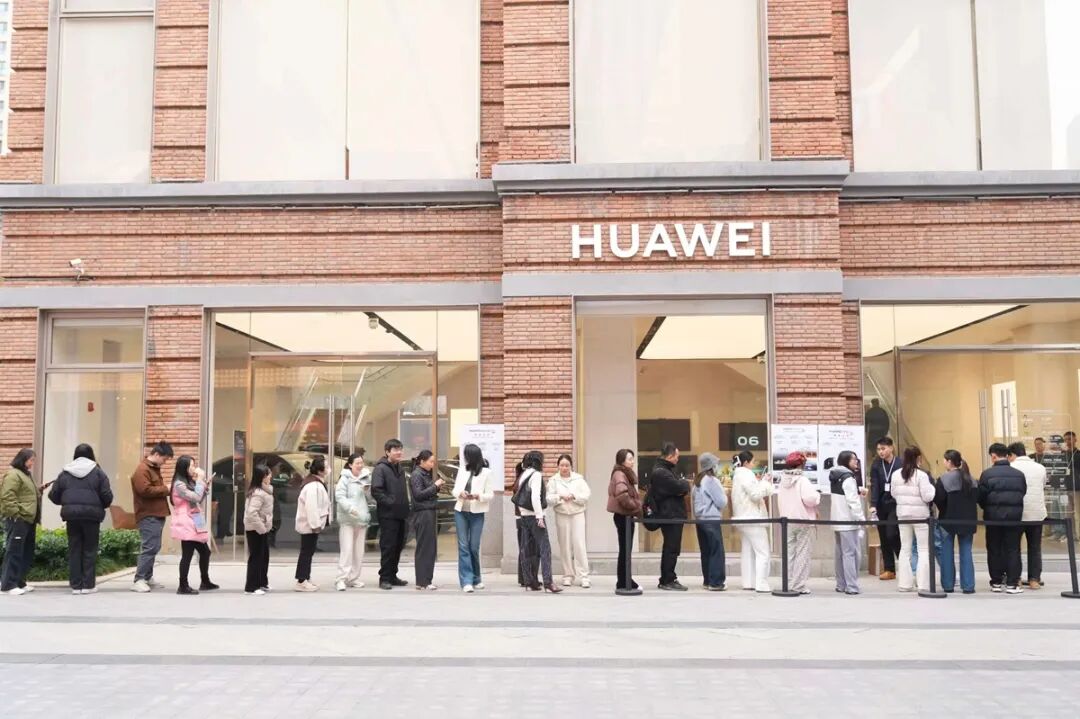
Figure: Huawei's value lies not only in 'empowerment' but also in its mature channels
The bandwidth of the Terminal BG's teams for product definition, quality processes, launch timing, store operations, sales conversion, and after-sales service is rigid. Continuing to deploy the most mature teams on the most mature projects yields diminishing marginal returns, while allocating resources to the four still-establishing brands represents the most valuable use of resources for the entire ecosystem. The statement's reference to 'focusing resources to accelerate the success of the four brands' reflects this underlying logic.
This point has now been explicitly stated in the official announcement: The adjustment does not affect other brands under HIMON Auto, with Luxeed, Enjoy Auto, Supreme Auto, and Supreme Auto Plus continuing to adopt Huawei's full-process-led cooperation model. Huawei has not withdrawn from HIMON Auto; it has simply returned the most mature brand to the automaker while retaining its full-process-led capabilities intact for the four still-climbing brands. As the statement puts it, HIMON Auto will continue to advance the development of automotive intelligence technologies together with its five brand partners.
The constraints at the channel level are even more intuitive (tangible). As of March 22, 2026, HIMON Auto had 1,835 sales stores and 946 service stores, covering 90% of cities nationwide, with plans to expand to over 2,459 sales stores and 1,459 service stores by the end of the year, increasing city coverage to over 94%. More stores do not necessarily make brand coexistence easier. Exhibition vehicle efficiency, advisor attention, test drive scheduling, delivery resources, and after-sales commitments all become diluted as the number of similarly priced models increases.
Allowing AITO—a brand with established independent brand equity, mature models, and a stable customer base—to be led by Seres in front-end operations while retaining its eligibility for Huawei's terminal stores essentially represents a fine division of labor separating display and transaction, front office and back office. The channel adjustment plan disclosed alongside the official statement has already implemented this division on the ground.
The equityization of Yinwang provides a governance foundation for this division. After completing the equity change in March 2025, Shenzhen Yinwang is 80% owned by Huawei, with Seres Automotive and Avatar Technology each holding 10%, covering intelligent driving, intelligent cockpits, intelligent vehicle control, intelligent vehicle cloud, and intelligent automotive lighting. Based on pro forma audit figures, Yinwang reported revenue of 4.7 billion yuan and a net loss of 5.597 billion yuan in 2023, with revenue surging to 10.435 billion yuan and net profit reaching 2.231 billion yuan in the first half of 2024.
Note that the independent accounting of technical businesses and the introduction of automaker shareholders mean that while Huawei has withdrawn from front-line operations, it has by no means cut ties on Interest binding (mutual interests). Seres is both an important customer and a shareholder of Yinwang, so a stronger technical foundation benefits both parties. This also allows Huawei to return to its long-stated commitment of 'not building cars' and go even further—not acting as a brand operator but serving as a neutral, reusable intelligent base willing to be procured by multiple automakers.
This path is not isolated. Last June, media reports revealed that Luxeed and Supreme Auto Plus under HIMON Auto had initiated dedicated network recruitment, with Enjoy Auto also preparing independent sales channels. The partnership between SAIC and Huawei for Supreme Auto Plus provides an even clearer example. The standard model for HIMON Auto is transitioning from Huawei's guided approach to automakers operating their brands with their own resources while Huawei provides technology and ecosystem support.
Simply put, this adjustment concerning AITO merely represents the most mature part of the entire system once again leading the way in testing the waters for everyone else.
03 Conclusion: As consumers, there's no need to worry.
For car owners and prospective car owners, the question is actually much simpler: Can I still buy it? Is it easy to repair? Will the software still be updated? Will the car retain its value?
Based on the currently disclosed plan, there's really no need for everyone to worry about this. If the adjustment is implemented, Huawei will continue to provide core intelligent technologies such as the Harmony OS cockpit and ADS advanced intelligent driving in its role as an enabler, and the underlying capabilities for OTA updates and functional iterations will not be disrupted by changes in the operating entity. This point has been explicitly promised in the official statement: All existing rights and subsequent services for AITO users will remain unaffected.
In fact, what truly needs to be monitored during the transition period is whether the delivery pace remains stable, whether the terminal pricing system is unified, whether service responsiveness maintains its standard, and whether the residual value of second-hand cars can be preserved. These are all verifiable indicators and serve as benchmarks for judging the success or failure of the adjustment. At least in the terms of the channel re-signing, Seres has already made a commitment—the service standards for users, brand image and positioning, channel authorization model and business rules, as well as operational standards and norms, will all remain unchanged.
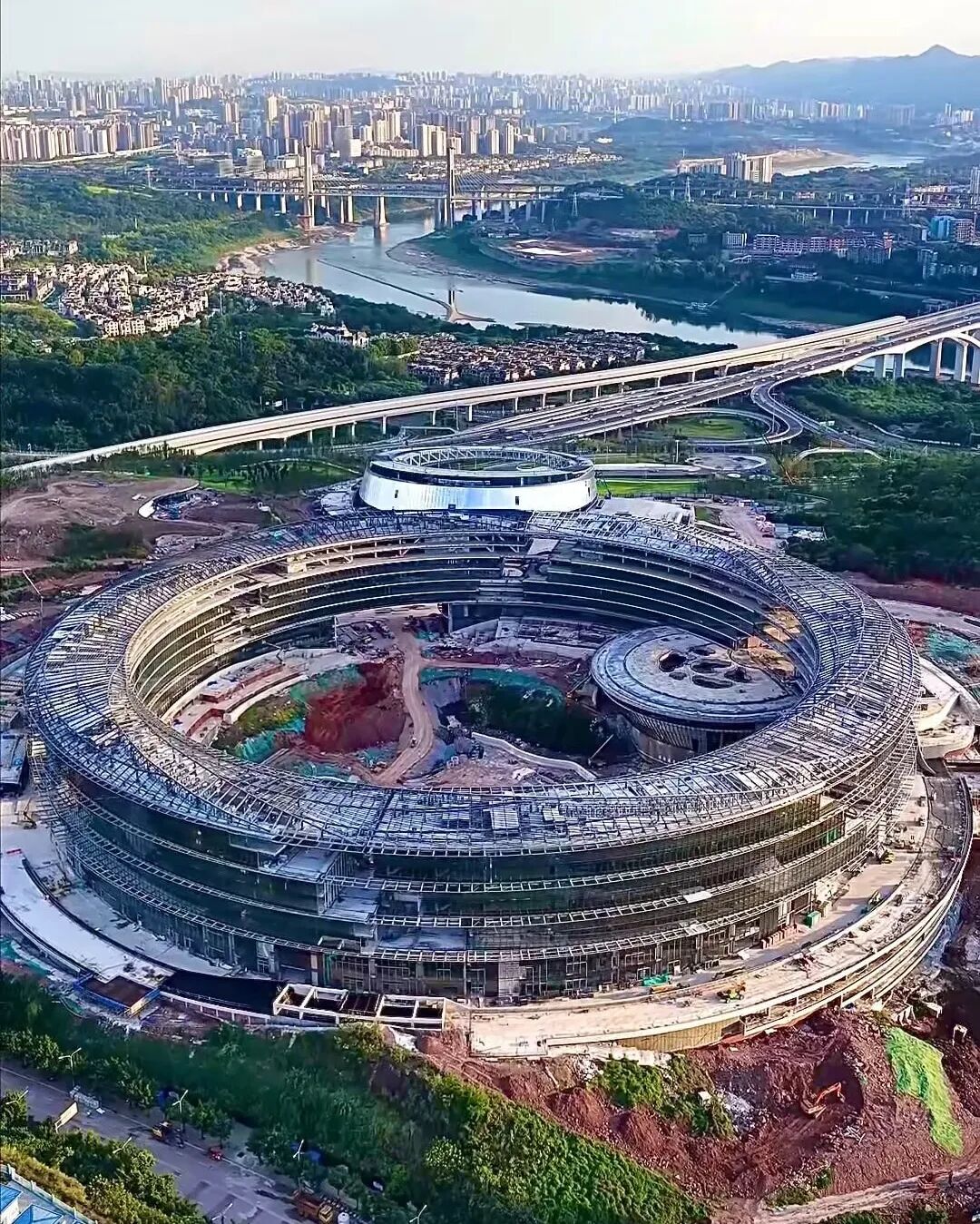
Figure: The Seres Global R&D Center under construction
Taking a broader view, this boundary redrawing is not an isolated case but rather a return to the intelligent division of labor in the global automotive industry. The boundaries between software and hardware, platforms and complete vehicles, as well as ecosystems and brands, have always required repeated calibration in practice. Technology companies excel in reusable technological foundations and standards, while automakers excel in vehicle definition, manufacturing, channels, and user relationships. Whoever oversteps to do what the other party is not good at will ultimately pay a price in efficiency in the long run. There have been more than a few cases where overseas tech giants have faltered in their lengthy investments in vehicle manufacturing, and the lessons are not esoteric.
Today's Chinese auto market is characterized by both stock competition (inventory competition) and globalization-driven overseas expansion. The next five years cannot be sustained solely by hype and halo (aura). Sustainable cross-border cooperation must ensure that risks and rewards are balanced and that rights, responsibilities, and capabilities are matched. In this regard, the significance of the adjustment between Huawei and Seres lies not in who advances or retreats but in placing both parties in their respective areas of greatest strength—Seres becoming a complete brand operator, Huawei becoming a neutral intelligent technology platform, AITO graduating from being an ecological showcase, and Harmony Intelligent Mobility Alliance thereby acquiring the organizational capability to support the growth of five brands together.
The order of names on the signboard may change, but what runs inside the car remains the same set of technologies and standards. This is not a breakup but a long-overdue realignment of rights and responsibilities.
Editor-in-charge: Li Sijia Editor: He Zengrong

THE END
-
![]()
Returning AITO to Seres, Huawei Remains 'Cunning'
-
![]()
After a 200 Billion Yuan Loss, Seres Reclaims Its 'Soul,' But Will Yu Chengdong Continue to Back AITO?
-
![]()
Will you still buy AITO after its prefix changes from 'HIMON Auto' to 'Seres'?
-
![]()
Atlas Paves the Way with 3D Reconstruction, Ushering in a New Measurable Era for World Models
-
![]()
Why Is AITO’s Shift to a ‘Light Asset’ Model a Strategic Boon for Seres?
-
![]()
Doubao Mobile Phone Officially Launches: GUI as a Safety Net, AI Office as a Revenue Stream
-
![]()
Doubao Mobile Phone Officially Launches: GUI as a Fallback, AI Office as a Support
-
![]()
iFLYTEK Launches AStudio in a 'Desktop Gateway' War It Cannot Afford to Lose