Seres Faces Pressure to Mature, as New Energy Vehicle Sector Braces for Major Realignment
 09/16 2026
 346
346
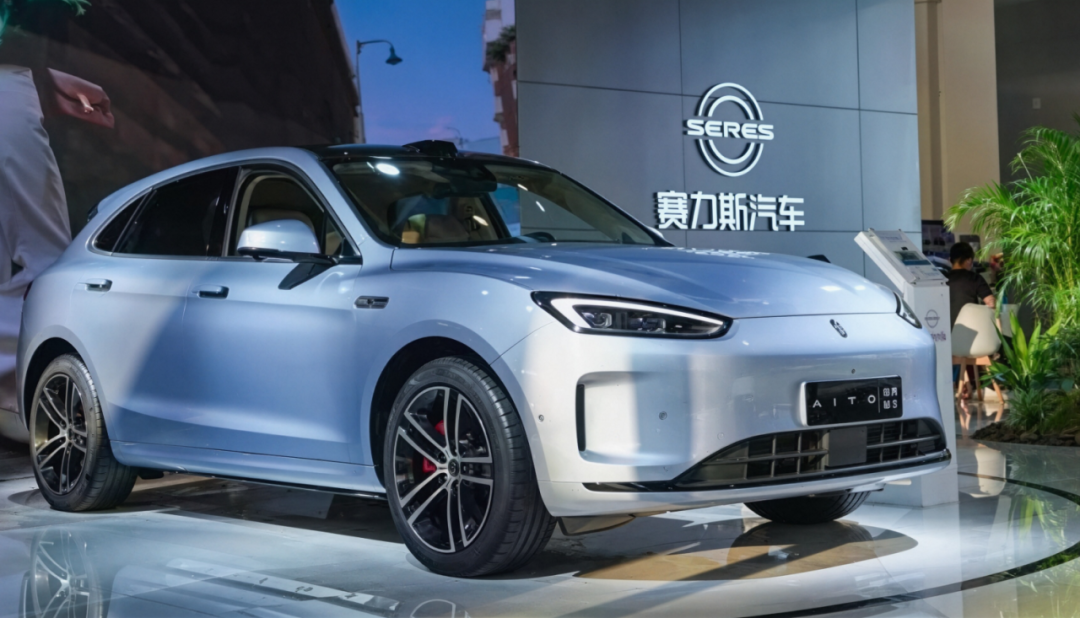
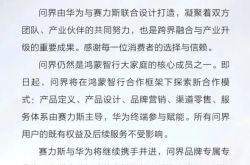
On September 15th, AITO issued a 'Statement on the Cooperation Model of Hongmeng Intelligent Driving Solutions,' heralding the close of an era: Seres now takes the lead in product definition, design, brand marketing, channel retail, and service systems, with Huawei Terminal shifting to a supporting role of 'participation and empowerment.'
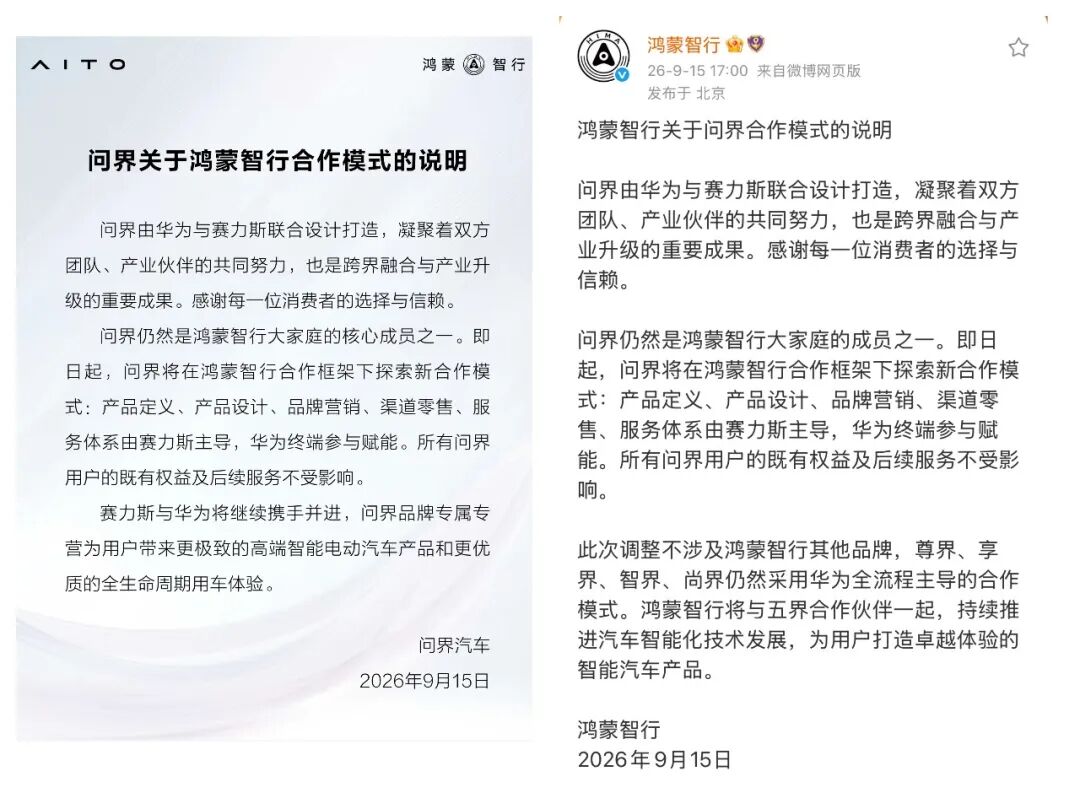
Image Source: Internet
On the same day, Seres' A-shares plummeted by 5.09%, while its Hong Kong-listed shares tumbled over 6%. Investors, with their wallets, voiced a clear message: this is a 'weaning' process. The entity nurtured under Huawei's protective umbrella is now being propelled into independent adulthood.
A Harmonious 'Parting'
Strictly speaking, this isn't a complete separation. Huawei continues to supply a comprehensive suite of technical solutions, encompassing the Hongmeng cockpit and Qiankun Intelligent Driving, and AITO remains an integral part of the Hongmeng Intelligent Driving Solutions ecosystem. The transformation lies at the forefront: store ownership, sales strategies, pricing, and user acquisition—areas once dominated by Huawei—are now fully entrusted to Seres. Some former Hongmeng Intelligent Driving Solutions stores have been rebranded as 'exclusive' AITO outlets.
This move finalizes the 'Five Brands' network separation within the Hongmeng Intelligent Driving Solutions ecosystem. Since the summer of 2025, the sales leadership of Luxeed, Shangjie, and Xiangjie has progressively reverted to Chery, SAIC, and BAIC, respectively. AITO, Huawei's most triumphant product under the Smart Selection vehicle mode and contributing over half of Hongmeng Intelligent Driving Solutions' sales, is the last to relinquish its position at its 'parent's counter'—underscoring the difficulty of this transition.
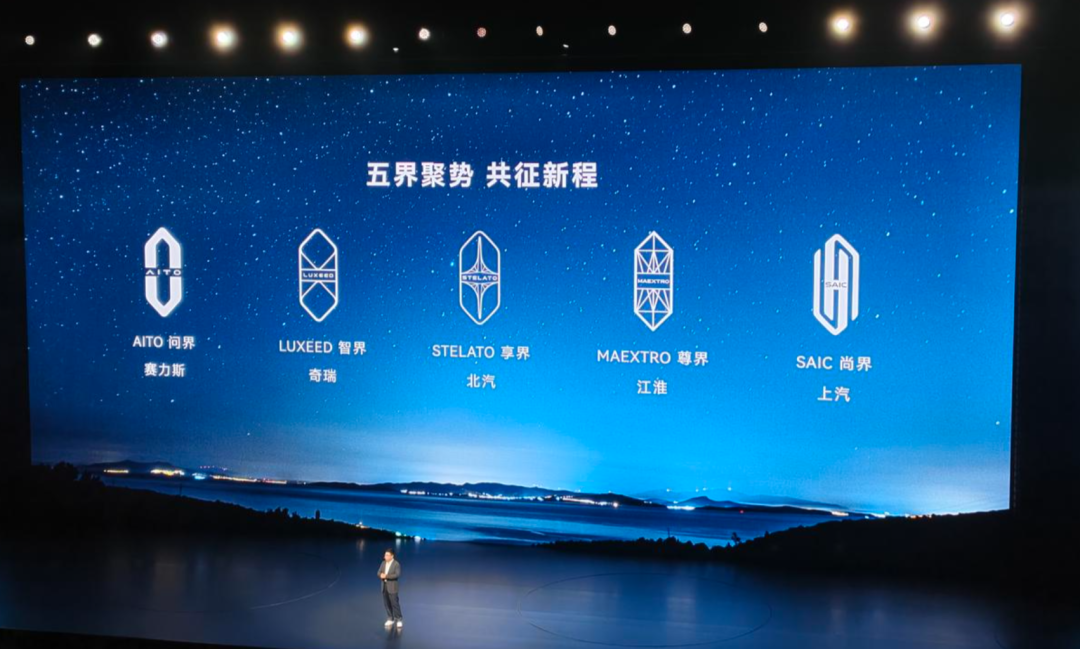
Image Source: Internet
Huawei Seeks Strategic Retreat, Seres Aspires for Independence Amidst Apprehension
The motivations of both parties are transparent.
Huawei is embracing an asset-light strategy. Ren Zhengfei's steadfast stance of 'not building cars' remains unshaken, and the practical pressures are more immediate: Huawei stores typically can only accommodate 1-3 show cars, yet Hongmeng Intelligent Driving Solutions boasts 8 models on sale. AITO consumes the lion's share of sales resources, relegating other 'brands' to supporting roles and fostering internal competition among models within the same store. By transferring the heavy assets and risks associated with store construction, operations, and price wars to automakers, and reverting to a 'super Tier 1' supplier role, leveraging Yinwang and Qiankun Intelligent Driving for scalable, platform-based technology outputs—Huawei aims for a business model characterized by stable profits and clear boundaries.
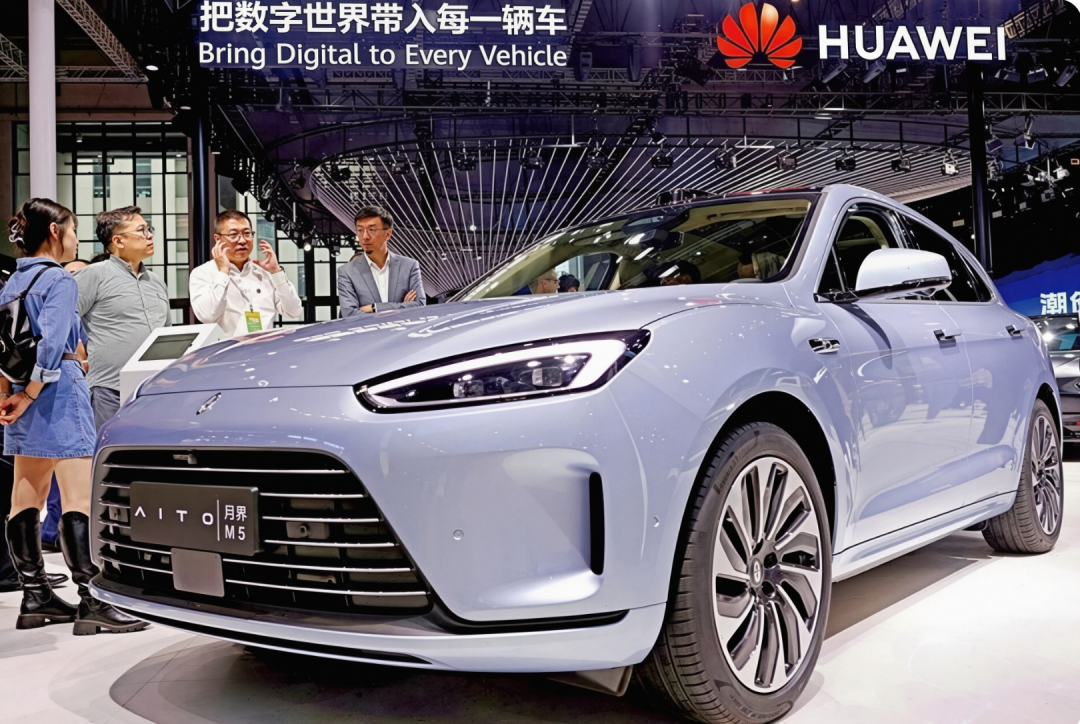
Image Source: Internet
Seres craves sovereignty. It is eager to shed the 'contract manufacturer' label. While it has undoubtedly reaped benefits from Huawei's influence, the cost has been substantial: according to media reports citing interviews with He Liyang, Huawei levies approximately an 8% marketing channel fee plus a 2% technology licensing fee on AITO models' sales revenue. Furthermore, Seres is also obligated to purchase automotive parts, services, and software from Huawei, as indicated in its prospectus. The prospectus reveals that in the first half of 2025, Seres paid Huawei a staggering 20 billion yuan in procurement fees, implying that for every AITO vehicle sold, roughly 141,000 yuan flows into the Huawei ecosystem.
Since 2022, Seres' cumulative procurement fees to Huawei have exceeded 75 billion yuan. It's crucial to note that Seres' Hong Kong prospectus explicitly states that the cooperation between the two entities 'does not involve any profit-sharing arrangements'—these are procurement and service fees, not profit distributions.
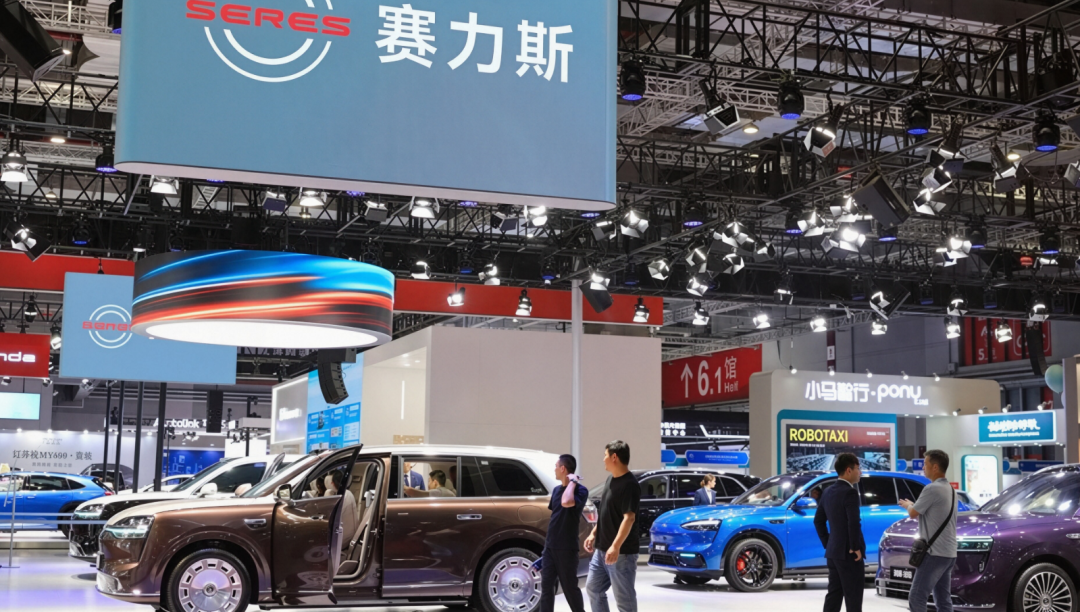
Image Source: Internet
In the first quarter of 2026, Seres' core net profit plummeted by 74%. Regaining control over branding, pricing, and distribution channels is not merely about cost savings—it's about survival as a bona fide automaker.
However, labeling this as an 'active pursuit of independence' would be inaccurate. Now that Huawei has decided to retreat from the front lines and reallocate resources among the five 'brands,' Seres has little choice but to comply. It desires independence but may not be fully prepared—its ability to construct a self-sufficient marketing system remains untested. This is, therefore, a 'reluctant ascent to adulthood.'
Nevertheless, it is believed that the Seres team is well-prepared. AITO has already established over 350 user centers and taken over numerous luxury brand flagship stores.
The Broader Context: The Era of Rapid Expansion Has Concluded
Zooming out, AITO's independence is merely one facet of the industry's profound transformation. The growth engine of the new energy vehicle market is visibly decelerating: in 2025, new energy vehicle sales were still surging at a rate of 28.2%, but by January-August 2026, the growth rate had dwindled to 10.7%. Even more striking is the structural shift: nearly all of this growth is fueled by exports—new energy exports soared 120% year-on-year in the first eight months, while domestic sales plummeted 10.8% year-on-year. According to the China Passenger Car Association, domestic new energy retail sales have declined year-on-year for eight consecutive months. The phase-out of purchase tax exemptions and the premature exhaustion of demand have propelled the domestic market into a 'stock game' (competition within the existing market) ahead of schedule.
Regulators have also intervened—'anti-involution' measures have entered a phase of stringent oversight, with 17 key automakers being compelled to commit to keeping supplier payment terms within 60 days.
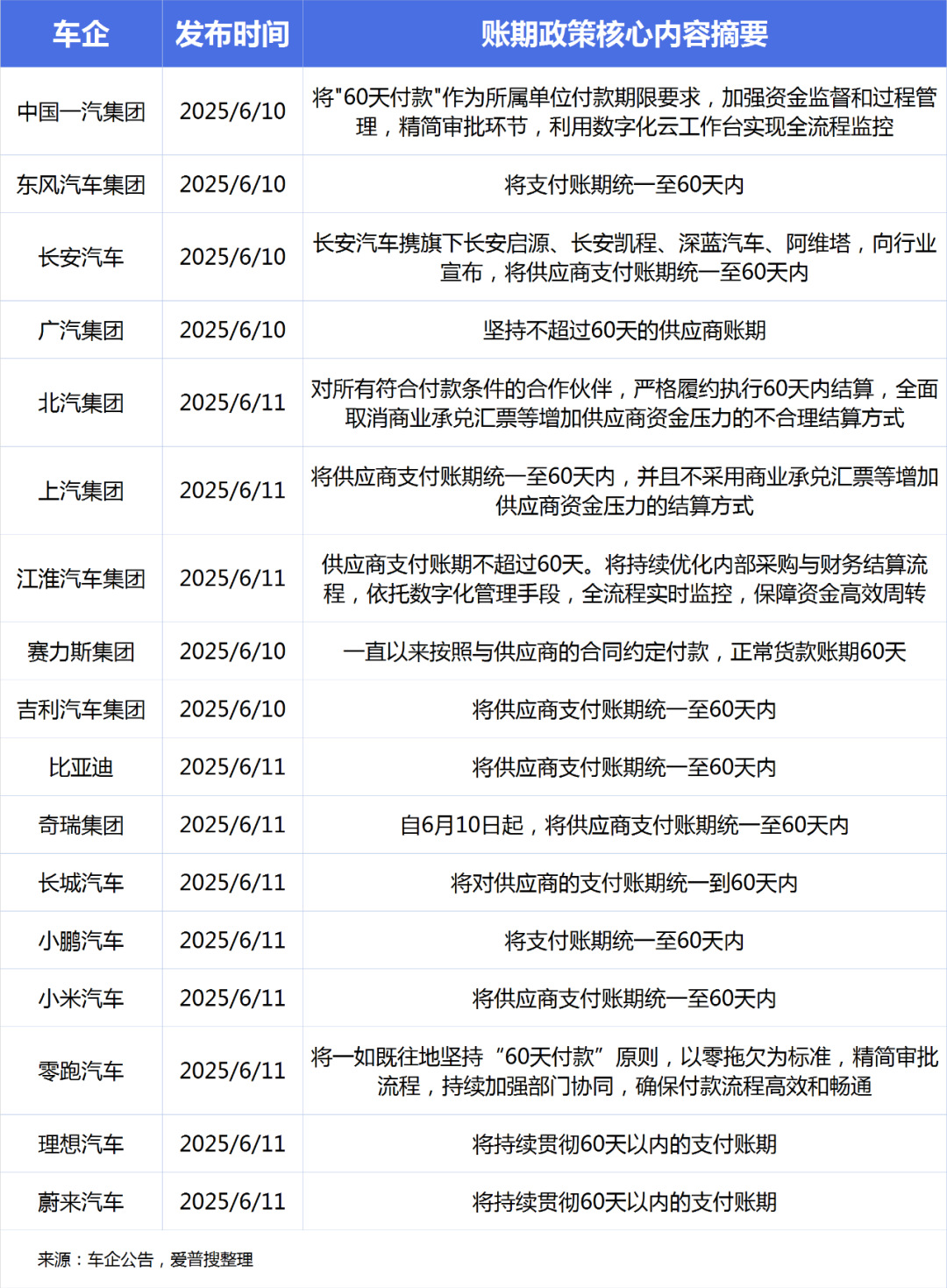
Image Source: Internet
The construction of new energy distribution channels has also transitioned from a 'direct sales worship' to a hybrid model combining direct sales, agency, and authorization, as the costs of pure direct sales have become unsustainable.
According to Economic Observer, the number of new energy stores in Beijing's Wangfujing commercial district has dwindled from eight to just two or three. Hongmeng Intelligent Driving Solutions itself converted its mall stores in Guangdong, Zhejiang, Sichuan, and Jiangsu to dealer-operated outlets in December 2025. Li Auto launched a 'Hundred Cities, Countless Stars' asset-light plan in June 2025, with partners shouldering venue and renovation costs, resulting in the addition of over 300 outlets by year-end. NIO introduced 'User Co-op Stores,' integrating channels for its three brands, and closed some mall stores. XPENG had earlier initiated the 'Jupiter Plan' to shutter direct sales outlets and expand authorized dealerships. Tesla is also scaling back its first-tier mall stores and reverting to traditional automotive commercial districts.
The era of wild growth, where success was as simple as relying on subsidies, traffic, money-burning expansion, or cross-border hype, has unequivocally ended.
Next Steps: Consolidation Is Inevitable
The culmination of the 'stock game' (competition within the existing market) has always been consolidation. The reshuffling has already commenced: WM Motor, HiPhi, and Zeekr have collapsed in succession, with Neta entering bankruptcy restructuring. The survivors are also 'merging like terms'—Zeekr merged into Geely and delisted from the U.S. stock market, consolidating under 'One Geely.' Roewe and Feifan merged; Dongfeng established eπ Technology to integrate its autonomous segments; Changan was upgraded to an independent central enterprise. Even global giants are seeking warmth in each other's embrace—the failed merger talks between Nissan and Honda were a product of the same pressure.
It is foreseeable that consolidation in the automotive circle over the next two to three years will unfold along three paths: first, brand contractions within large groups, culling sub-brands with overlapping positioning and poor sales; second, the acquisition or elimination of weak new forces, with valuable ones becoming targets for giants to fill gaps in their portfolios and the worthless ones simply disappearing; third, a reshuffling of technology providers and automakers—Huawei's retreat from 'agency operations' to 'technology supplier' precisely signals the end of the 'cross-border empowerment does everything' model. Technology can be acquired, but branding, distribution channels, and users must be cultivated in-house.
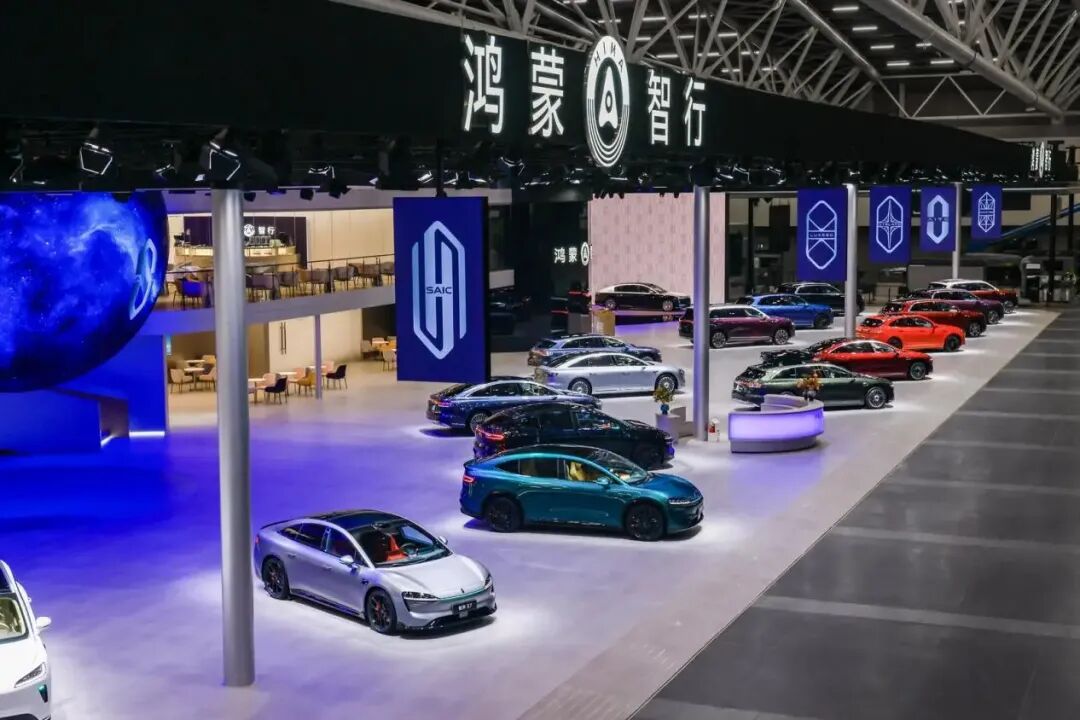
Image Source: Internet
In this context, AITO's independence is a landmark event: it marks the new energy vehicle industry's transition from the 'era of relying on daddy' to the 'era of relying on oneself.' Huawei can provide technology and traffic, but it cannot bestow automakers with their own brand sovereignty and R&D capabilities. In the upcoming knockout phase, survival will hinge on learning to manage finances independently, plan brands, sell cars, withstand price wars, and even develop core motor and electronic control technologies in-house in the future.
Seres' coming-of-age ceremony is also the industry's coming-of-age ceremony. But the price of adulthood has never been cheap.
Sources: Sina Finance, NetEase Technology, Economic Observer, Cailian Press, Caixin, Sichuan Online, HKEXnews
- END -
-
![]()
3 Billion Yuan: Can Neta Cars Stage a Remarkable Comeback?
-
Huawei and Seres 'Part Ways'? Seres Takes the Lead in Five Key Areas, Huawei Steps into a Supportive Role
-
![]()
Snatching Half-Yuan Electricity at Midnight, Complaining About Service Fees by Day: Who Exactly is Profiting from New Energy Charging Stations?
-
![]()
Restructuring of FAW and GAC: Not Just Merging North and South Toyota with 20 Billion Yuan
-
![]()
AITO Model Adjustment: Seres' Strategic Shift to Reclaim Profit Control
-
![]()
Annual Production of 7 Million Optical Waveguides: Can the AR Glasses Market Absorb This Surge?
-
![]()
When a Decade-Old Feishu Meets a Newborn Doubao Work: What’s the Outcome?
-
![]()
Seres Faces Pressure to Mature, as New Energy Vehicle Sector Braces for Major Realignment