AITO Model Adjustment: Seres' Strategic Shift to Reclaim Profit Control
 09/16 2026
 481
481
On September 15, when news broke about the adjustment in AITO's cooperation framework, public discourse largely centered on questions of “leadership” and “potential dissolution.” However, a closer examination of Seres' financial data reveals that the crux of the matter has never been about power struggles but rather a long-overdue economic reckoning. With sales soaring to a million units and the industry mired in a price war, the prohibitive costs associated with the Huawei model have become unsustainable for Seres.
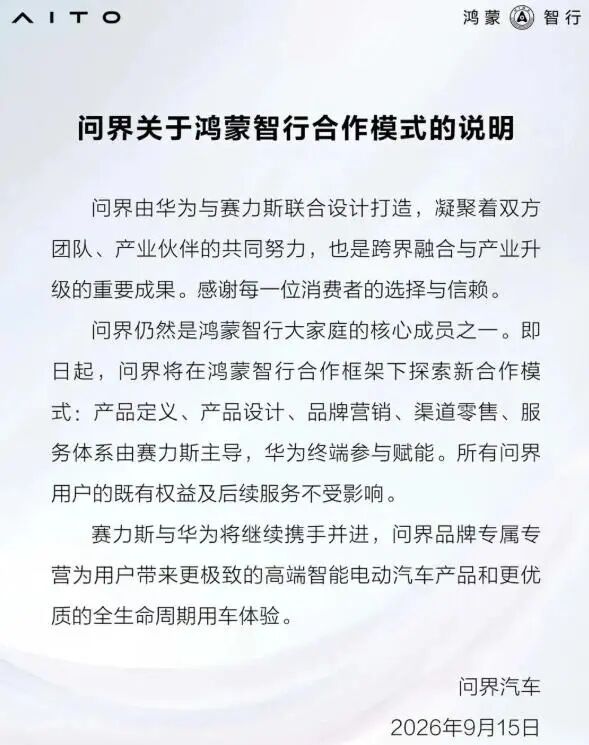
This is neither an emotional rift nor a mere reshuffling of responsibilities. Instead, it signifies a recalibration of costs, profits, and brand autonomy as both sides confront a pivotal scaling inflection point.
High Costs Undermine Sales Growth Benefits
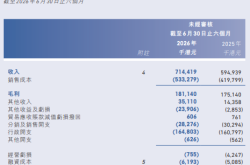
Let's delve into the numbers. In the first half of 2026, Seres reported revenue of RMB 57.493 billion, a 7.87% year-on-year decline, and a net loss attributable to the parent company of RMB 1.717 billion, compared to a profit of RMB 2.941 billion in the same period the previous year. The loss in the second quarter alone reached RMB 2.471 billion, with the net profit per vehicle estimated at approximately -RMB 23,000 by institutions, indicating that the company is “losing money on every vehicle sold.”
More striking is the disconnect between sales and profitability. In the first half of the year, cumulative deliveries of AITO increased by 10.2% year-on-year, with more vehicles sold than the previous year, yet both revenue and profit declined. The average selling price per vehicle dropped from approximately RMB 363,000 in the same period last year to about RMB 322,000, while gross profit per vehicle shrank from RMB 105,000 to RMB 75,000. The gross margin plummeted from 28.9% in the first half of 2025 to 23.3%.
Where has the money gone? The “Huawei costs” frequently cited in the industry are not abstract but rather concrete per-vehicle expenditures. According to Seres' financial reports and public information, these costs can be roughly categorized into three parts: first, procurement fees for core hardware and software, such as the HarmonyOS cockpit and Qiankun Intelligent Driving system, which constitute the largest share; second, a technology licensing fee of 2% of the vehicle's selling price; and third, a channel marketing service fee of 8% of the vehicle's selling price. The latter two together account for approximately 10% of the vehicle's price.
From 2022 to 2025, Seres' procurement from the Huawei ecosystem surged from RMB 5.8 billion to RMB 56.054 billion, with the proportion of revenue rising from 17% to 34%. In 2025 alone, Seres' selling expenses reached RMB 24.19 billion, with a selling expense ratio of 14.65%—by comparison, BYD, with annual revenue exceeding RMB 800 billion, reported selling expenses of only RMB 26.185 billion for the entire year.
This underscores the dual nature of the Huawei model. In the early stages, when AITO was starting from scratch, Huawei's brand endorsement, channel capabilities, and technical standards directly translated into increased sales. However, Huawei's ecosystem is inherently costly: rent for high-end stores, premium services, investment in engineering teams, and unified marketing strategies all come with a price tag. These costs are ultimately passed on to the automaker. When sales volumes are small, the value of Huawei's empowerment is more pronounced; as sales volumes grow, the backlash from rigid costs becomes more evident.
Price War Necessitates Operational Control Shift
Had the industry remained in a growth phase, these costs might have been gradually diluted by scale. However, the automotive market in 2026 has entered a full-scale price war, with the high-end segment not spared.
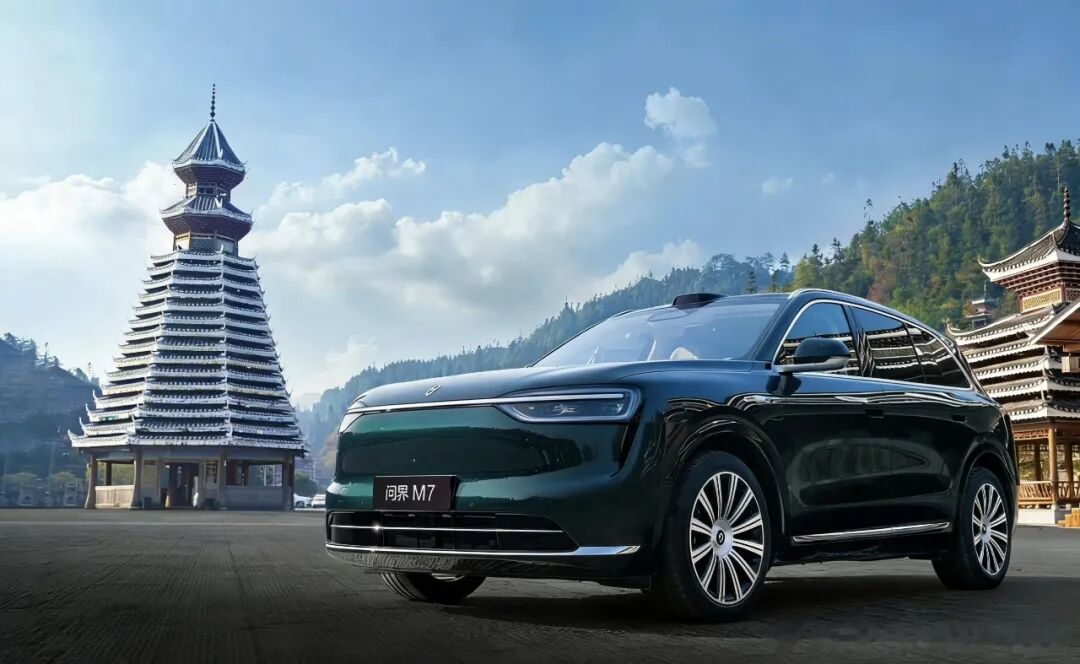
For Seres, its operational leverage was severely limited under the previous cooperation model. During the product definition phase, Huawei tended to promote the adoption of more vehicle BU components and software solutions, which were relatively expensive, compressing the automaker's room for cost reduction. During the pricing phase, Seres had to comply with the overall pricing system of HarmonyOS Intelligent Connected Vehicles and could not freely offer discounts or promotions. During the channel phase, the 8% channel service fee was a fixed proportion based on the selling price, making it difficult to reduce this expense even if terminal prices were lowered.
When the price war erupted and terminal selling prices declined, the procurement fees, licensing fees, and channel fees paid to Huawei remained rigid costs, squeezing profit margins from both ends. The losses in the second quarter of 2026 were essentially a concentrated manifestation of this contradiction. While model iterations, raw material price hikes, and asset impairments served as triggers, the real issue was that economies of scale could no longer cover the rigid cooperation costs.
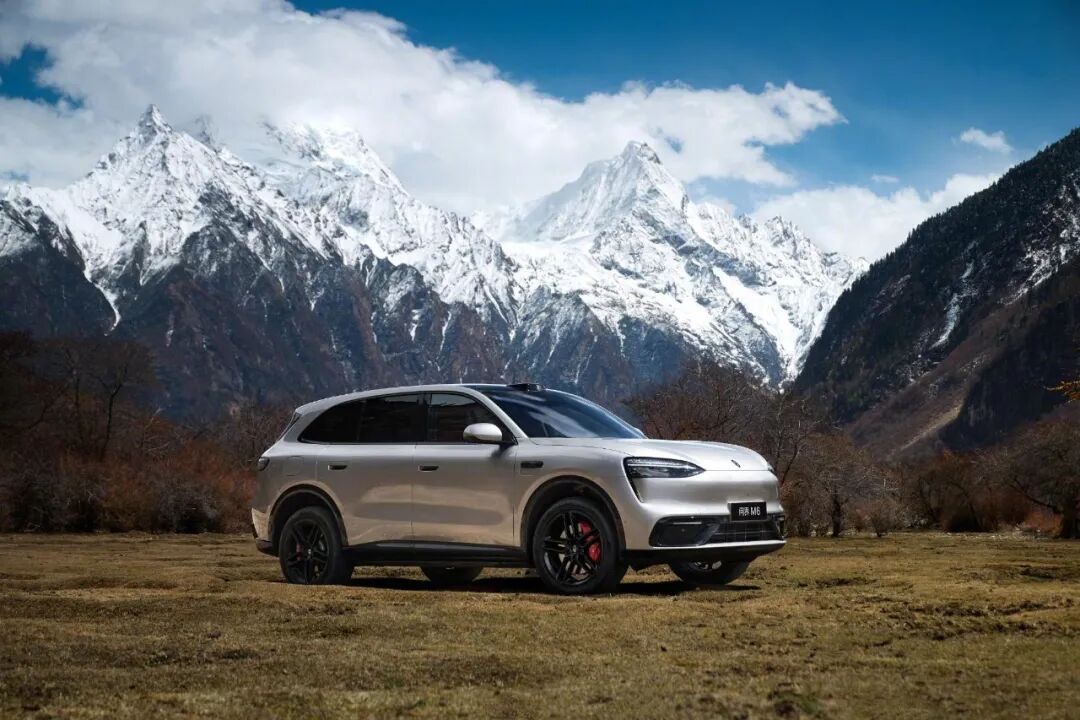
Regaining operational control essentially means regaining initiative over costs and pricing. By defining products independently, Seres can select components based on cost and market demand without being forced to pile on high-cost configurations. By operating its own channels, it can eliminate unnecessary service costs and improve the efficiency of individual stores. By setting prices independently, it can adjust flexibly according to competitive rhythms without being constrained by the overall ecosystem.
The “exclusive franchise” mentioned by officials is also an extension of this logic. Separating AITO from the comprehensive stores of HarmonyOS Intelligent Connected Vehicles may seem like a channel split, but it is actually a dual restructuring of costs and branding—avoiding internal competition with brands like Luxeed and Enjoy and enabling precise allocation of channel fees and marketing resources to AITO's user base, without shouldering the traffic acquisition costs for the entire ecosystem.
Brand Autonomy Completes the Strategic Puzzle
Viewing this adjustment solely as a short-term cost-cutting measure would be myopic. It represents the final step in Seres' three-year effort to gradually complete the closed loop of brand autonomy.
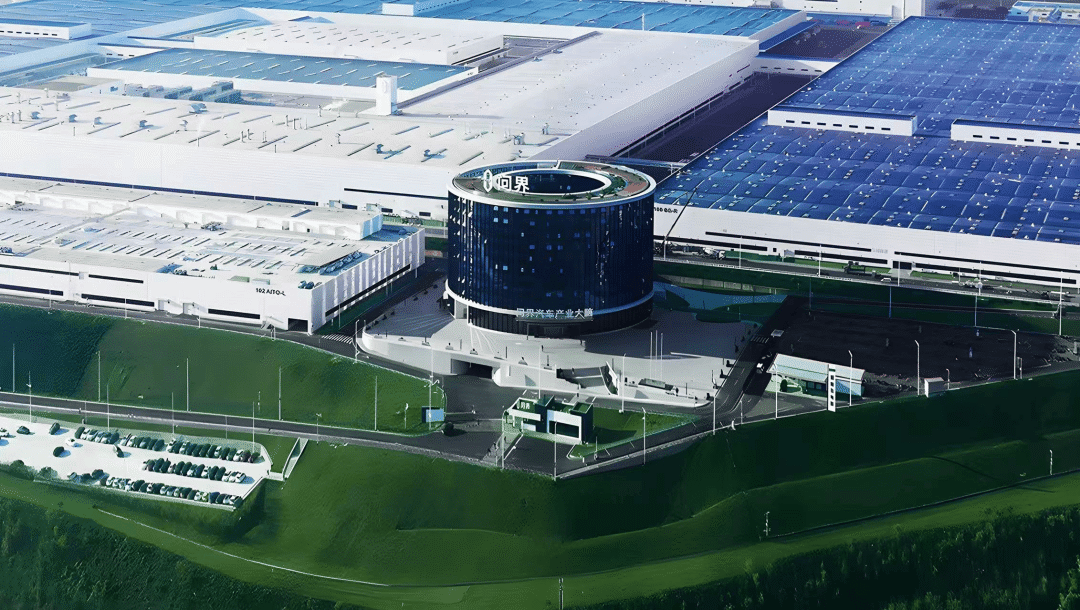
The timeline is clear: in July 2024, Seres spent RMB 2.5 billion to acquire 919 AITO trademarks and 44 design patents held by Huawei, bringing intellectual property rights back in-house. In August 2024, it invested RMB 11.5 billion to acquire a 10% stake in Yinwang Intelligence, transitioning from a purchaser to a strategic shareholder and securing technology supply. In September 2026, operational control over the entire chain of product development, marketing, channels, and services was transferred, formally completing the three-tier closed loop of brand assets, technology binding, and operational autonomy.
Behind this lies a longer-term business imperative. For an automaker, relying solely on a partner for branding and channels is not a sustainable strategy in the long run. This is especially true as overseas expansion has become a clear strategic goal for AITO: Seres aims for overseas sales to account for 30% of its total, having already secured cooperation with UAE dealers and planning to launch multiple models overseas in the second half of the year. To succeed overseas, localized channel development, service provision, and brand operations are essential, making it impossible to remain tied to Huawei's ecosystem indefinitely. Seres must establish complete brand autonomy.
For Huawei, this is not a negative outcome either. HarmonyOS Intelligent Connected Vehicles already has five brands, covering a price range from RMB 150,000 to over RMB 1 million. If Huawei were to deeply operate each brand throughout the entire process, its resources would inevitably be stretched thin. Handing over AITO, which has already achieved scale, and shifting towards a lightweight technology empowerment model allows Huawei to concentrate its operational resources on brands like Luxeed and Enjoy that are still in their growth phases, representing a more efficient choice.
Of course, there is a flip side to the coin: risk. When Huawei was deeply involved in operations, Seres primarily played a manufacturing role. Now, facing brand marketing, channel management, and market competition independently poses a real test of the team's capabilities. Without Huawei's traffic and brand endorsement, whether AITO can maintain its high-end positioning and whether user experience will be compromised remains to be validated by the market.
Ultimately, this is not about who dumped whom or who outmaneuvered whom but rather an inevitable choice as a partnership matures. In the early stages, both sides fulfilled their needs: Huawei needed automotive scenarios to validate its technologies, while Seres needed technology and branding to scale up. Now that scale has been achieved and the contradiction between costs and profits has come to the fore, redefining roles represents the most pragmatic solution.
-
![]()
Lens Revenue Rockets 42%! What’s Behind Artini Optical’s HK$13.38 Million Loss?
-
![]()
Can Seres Reclaim AITO’s Leadership? Will the ¥1.7 Billion Loss Be Reversed?
-
![]()
3 Billion Yuan: Can Neta Cars Stage a Remarkable Comeback?
-
Huawei and Seres 'Part Ways'? Seres Takes the Lead in Five Key Areas, Huawei Steps into a Supportive Role
-
![]()
Snatching Half-Yuan Electricity at Midnight, Complaining About Service Fees by Day: Who Exactly is Profiting from New Energy Charging Stations?
-
![]()
Restructuring of FAW and GAC: Not Just Merging North and South Toyota with 20 Billion Yuan
-
![]()
AITO Model Adjustment: Seres' Strategic Shift to Reclaim Profit Control
-
![]()
Annual Production of 7 Million Optical Waveguides: Can the AR Glasses Market Absorb This Surge?