Annual Production of 7 Million Optical Waveguides: Can the AR Glasses Market Absorb This Surge?
 09/16 2026
 395
395
A superficial analysis of the AR glasses industry in 2026 might reveal a puzzling scenario.
On one hand, the planned annual production capacity for domestic diffractive optical waveguides has surged to nearly 7 million units, with industry research reports estimating 'effective capacity' to range between 6–8.35 million units. On the other hand, data released by LuoTu Tech on August 14, 2026, indicates that total channel sales of AR glasses in China for the first half of the year reached 408,000 units, marking a significant year-on-year increase of 109.4%.
While the growth rate is certainly noteworthy, the actual sales volume of AR glasses pales in comparison to the production capacity.
Assuming each pair of AR glasses requires approximately 1.3 waveguides, the total waveguide consumption nationwide for this year is estimated to be around 780,000 units. Meanwhile, TrendForce revised its full-year global AR glasses sales forecast from 950,000 units to 'over 1 million units' on August 18, with the Chinese market accounting for over 90% of global AR and ER shipments (according to IDC). This suggests that the global demand for real-world waveguides this year is just over 1 million units.

The gap between the 7 million unit production capacity and the 1 million unit sales volume is substantial, a difference of six to seven times. From our perspective, this is not a data error but rather a reflection of the entire industry collectively ramping up production. Let's delve into some specific data:
On August 11, the Liaocheng High-Tech Zone in Shandong announced that Afalon (Shandong) is establishing an 8-inch silicon carbide metasurface optical waveguide mass production line with an investment of 140 million yuan and an annual output target of 500,000 units.
On August 27, Sichuan Afalon Optoelectronics unveiled China's first Class 100 cleanroom workshop in the Deyang University Science Park, gearing up for production. On the same day, Suzhou's Weijiu Optoelectronics completed its second round of financing worth nearly 100 million yuan this year, with its pilot line for 0.12-inch RGB MicroLEDs now operational.
In August, Shenzhen's Guangna Siwei secured two consecutive rounds of financing totaling nearly 200 million yuan. It is currently the world's first manufacturer to achieve large-scale mass production of full-color silicon carbide waveguides, with an annual delivery capacity of 1–1.5 million units. Shenzhen Gudong Intelligence also announced the completion of financing worth over 100 million yuan, backed by the Longgang Government Guidance Fund and Ruide Intelligence.
From August 31 to September 2, the Wuxi Integrated Circuit Innovation and Development Conference took place. It was revealed that the first phase of Saphlux's project has commenced production, with an annual capacity of 1 million full-color AR microdisplay optical engines. Once the second-phase 12-inch silicon-based gallium nitride wafer base reaches full production, the annual capacity will skyrocket to 20 million units.
As early as June, Shenzhen's Bao'an District introduced the 'Eight Measures to Support the Smart Glasses Industry,' establishing a special fund to provide targeted subsidies for upstream production lines of optical waveguides, MicroLEDs, and dedicated chips. During the same period, AAC Technologies announced that the yield rate for mass production of diffractive optical waveguides had stabilized at over 80%, with an annual production capacity plan of 1 million units. Nika Optics commenced production in Tianjin on the world's first automated production line for holographic optical waveguides, with an annual capacity of 1 million units. Combined with its Guangzhou pilot line, the total annual capacity reaches 1.3 million units, with orders already exceeding 1 million units.
Could this signify the dawn of a new era in AR competition?
What Are Manufacturers Aiming for with This Expansion?
When analyzing the tech industry, it's often wise to follow the lead of major players. The evidence supporting this judgment is that Meta, Apple, and Samsung—these three tech giants—have almost simultaneously scheduled the release of their next-generation AR products for 2027.
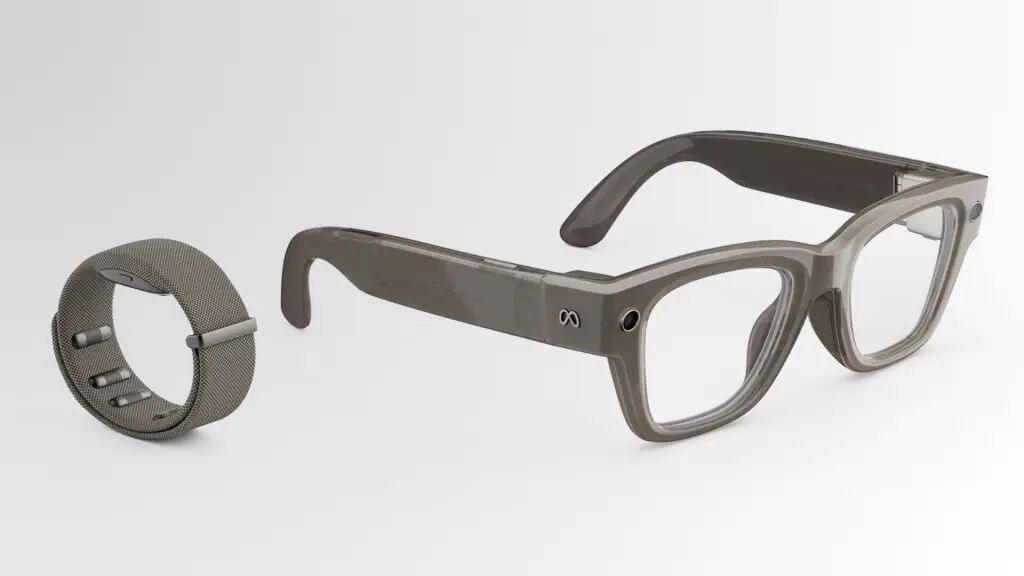
For Meta, the Ray-Ban Meta Display utilizes a relatively mature LCoS solution, with single-product shipments climbing from 80,000 units in January to 150,000 units, an 87.5% increase. Note that this is merely the giant's initial foray into the consumer market; the next-generation AR glasses equipped with MicroLEDs have already had their mass production timeline confirmed within Meta for 2027. Around the same time, Meta also brought the South Korean LCoS manufacturer Raontech into its AR alliance.
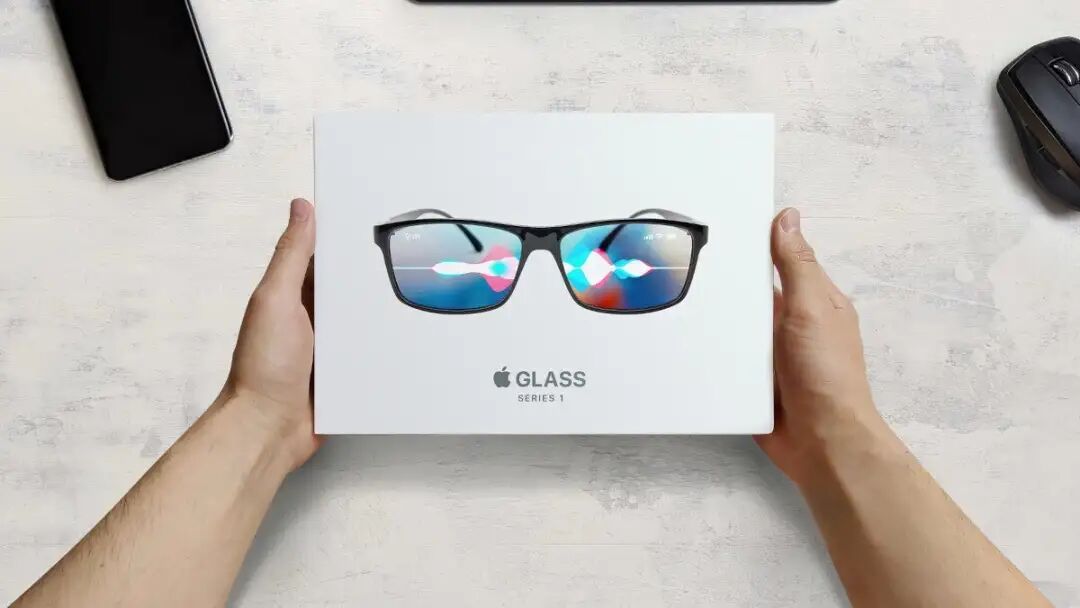
For Apple, the N50 smart glasses were initially rumored for a 2026 release but have recently been postponed to debut at WWDC in June 2027 and hit the market in autumn 2027. According to supply chain feedback, the delay is primarily due to engineering challenges related to privacy protection rather than hardware development.
Samsung, a relatively low-profile giant in the industry, will also launch its Haean (MicroLED AR glasses) into the high-end AR market in 2027.
Google, a former leader in the field, is set to release a monocular AI AR glasses (AndroidXR system) based on Raxium MicroLED in 2026. However, the true determinant of industry volume will be the binocular full-color iteration expected in 2027.
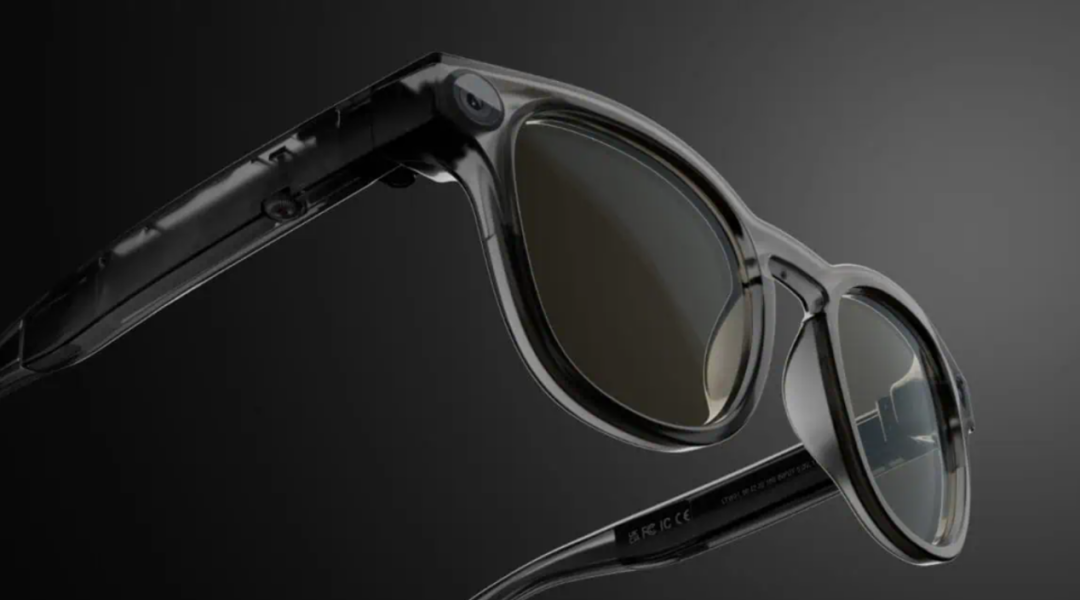
Twelve to eighteen months—this is the standard lead time for consumer electronics supply chains to prepare inventory for new products. The industry chain expansion in August aligns precisely with this wave of 'giant years' in the second half of 2027. The much-anticipated 'AR moment' for smart glasses may be building momentum right now.
Who Is Driving This Expansion?
To directly address the question, we believe this 'trend' is fueled by four key engines/forces that will remain influential in any industry capacity transformation this year, next year, and even within the foreseeable development cycle.
1. Government Subsidies as a Safety Net: In 2026, smart glasses were included for the first time in China's subsidy catalog for purchasing new digital and smart products. Consumers can receive a 15% subsidy on the sales price for single items under 6,000 yuan, with a maximum subsidy of 500 yuan. This directly boosts purchasing power on the consumer side.
2. Industrial Funds: The 'Eight Measures' introduced by Shenzhen's Bao'an District in late June serve as a prime example. The areas where companies like Gudong, Guangna Siwei, AAC Technologies, and Mojie Technology are expanding their production coincide with where local AR industry funding pools are most active. The strategy here is to act within the policy window period before it's too late, rather than building based solely on market demand.
3. Blockbuster Product Effect: The increase in shipments of a single product from 80,000 to 150,000 units directly propelled Lumus's geometric array waveguides from a niche military market into the consumer spotlight. However, the supply chain is not just focused on these 150,000 units but also on the expected scale of the next Meta order.
4. Market Giants' Positioning: As mentioned earlier, with Meta MicroLED, Apple N50, and Samsung Haean all positioning simultaneously, the supply chain must prepare the production capacities for waveguides, MicroLEDs, and CMOS backplanes 12–18 months in advance.
Strictly speaking, these four forces are not driven by past sales volumes; they are all chasing an uncertain but inevitable future.
How Big Is This 'Future'?
How Many AR Glasses Will Be Sold in 2026?
To be frank, there are data discrepancies and varying definitions in the global market. Here, we will separate the available information based on its practical significance and reference value.
According to LuoTu Tech, AR glasses sales in China reached 408,000 units in the first half of 2026, marking a 109.4% year-on-year increase. Extrapolating with a second-half peak season coefficient of 1.1–1.2, the full-year sales in China are estimated to be around 900,000–1 million units. Meanwhile, IDC data shows that China accounts for over 90% of the global AR and ER market share, which reversely estimates the global full-year sales to be around 1–1.2 million units.
On August 18, TrendForce revised its full-year forecast from 950,000 units to 'over 1 million units,' largely aligning with the above projections. Additionally, the agency's 2030 forecast is 32.1 million units—a 33-fold increase in five years.

Thus, if we consider this expansion in light of the expected demand in 2030, then the 7 million unit waveguide production capacity and the 20 million unit silicon-based gallium nitride wafer production capacity are not overly optimistic.
Eagle-eyed readers may notice that if we compare these production capacities to this year's (2026) actual shipments, there is a 7–10 fold surplus. Even so, there will still be voices in the industry claiming that the 6–8 million units of effective production capacity cannot keep up with long-term orders exceeding 10 million units; the gap remains in the millions.
From our perspective, this claim is not entirely unfounded. However, when they make this statement, they are referring to the market demand in 2030.
Therefore, we believe that this round of industry-wide expansion, both domestically and internationally, is more akin to the supply chain preparing the 2026 production capacity based on the 2030 demand. Note that no one is miscalculating or engaging in deception; everyone is simply engaged in a strategic game.
The winners can use the 2028 production capacity as a competitive advantage; the losers will face capacity clearance in 2027. This is the future we envision, filled with significant uncertainties.
As for sales volumes, let's consider another set of data:
On August 19, 2026, LuoTu Tech, through continuous tracking and research on recently launched products and users, provided a set of figures not often mentioned in the industry: the overall return rate for smart glasses in the domestic market is as high as 30%–70%, far exceeding that of mature 3C products like smartphones and tablets, with some channels even reaching 60%–80%. In other words, for every three pairs of glasses sold, one is returned.
The main reasons for returns focus on two points: underwhelming functionality and discomfort during wear.
We have also mentioned several times in past articles that early AR glasses commonly weigh over 50 grams, causing nasal bridge discomfort during prolonged wear. The front-heavy design due to battery and core hardware placement leads to head imbalance. Functionality clutter results in reduced battery life, with most features seeing low actual usage frequency. The secondary modifications to the Android system lack underlying optimization, leading to interaction lag.
Of course, the industry has already responded.
Thunderbird's iO series released in August removed the camera and speakers, reducing the overall weight to 34 grams. Shanji Loomos L1 achieved a minimum weight of 43 grams. vivo directly halted its AI glasses project in January 2026, reflecting internally on the difficulty of creating true differentiation.
Industry media have largely summarized this round of adjustments as the 'era of industry subtraction' is now in full swing.
Therefore, shipments do not equal installation volumes or active user bases. The 7 million unit production capacity expanded by the industry chain today, if corresponding to a 30%–70% return rate, means the actual installation volume will be significantly discounted.
The Outcome of This Strategic Game Will Be Revealed in 2027
How many smart glasses will be sold in 2026? 1.1 million or 1.3 million units? Will the 7 million unit production capacity become a competitive advantage for the 32.1 million unit shipment in 2030, or will it first undergo a round of clearance in 2027?
These questions cannot have definite answers now, but compared to 2025, this year's production capacity is practically increasing.
Every wafer, production line, and local industrial fund expanded today points to the moment at Meta, Apple, and Samsung's product launches in 2027. Winning means a decade-long industrial window; losing means massive inventory and widespread order cancellations. At that time, we can only list them as revolutionary pioneers in the 'era of industry subtraction.'
This game is not over yet, but the players have already placed all their chips on 2027.
References:
1. LuoTu Tech's 'Monthly Tracking of China's Smart Glasses Retail Market' on August 14 and August 19, 2026;
2. IDC's Q1 2026 Global Smart Glasses Shipment Report; TrendForce's 'The Second Half of the AR Glasses Race Begins' on August 18, 2026;
3. LEDinside's 'AR Optical Waveguides Reach Mass Production Inflection Point?' on August 28, 2026; eefocus's '5 Optical Waveguide Companies Expand Production, All Using SiC' in June 2026;
4. 2026 AR Glasses Optical Display Research White Paper;
5. Shenzhen Bao'an District's 'Eight Measures to Support the Smart Glasses Industry' on June 30, 2026;
6. Disclosures from the 2026 Integrated Circuit (Wuxi) Innovation and Development Conference on August 31–September 2, 2026.
Text by R Planet Person
-
![]()
Lens Revenue Rockets 42%! What’s Behind Artini Optical’s HK$13.38 Million Loss?
-
![]()
Can Seres Reclaim AITO’s Leadership? Will the ¥1.7 Billion Loss Be Reversed?
-
![]()
3 Billion Yuan: Can Neta Cars Stage a Remarkable Comeback?
-
Huawei and Seres 'Part Ways'? Seres Takes the Lead in Five Key Areas, Huawei Steps into a Supportive Role
-
![]()
Snatching Half-Yuan Electricity at Midnight, Complaining About Service Fees by Day: Who Exactly is Profiting from New Energy Charging Stations?
-
![]()
Restructuring of FAW and GAC: Not Just Merging North and South Toyota with 20 Billion Yuan
-
![]()
AITO Model Adjustment: Seres' Strategic Shift to Reclaim Profit Control
-
![]()
Annual Production of 7 Million Optical Waveguides: Can the AR Glasses Market Absorb This Surge?