FAW and GAC Sign Agreement, Ushering in a New Era of Cooperation in China’s Auto Industry
 09/30 2026
 351
351
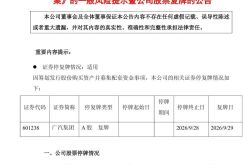
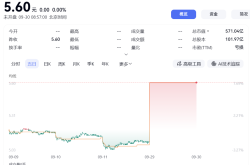
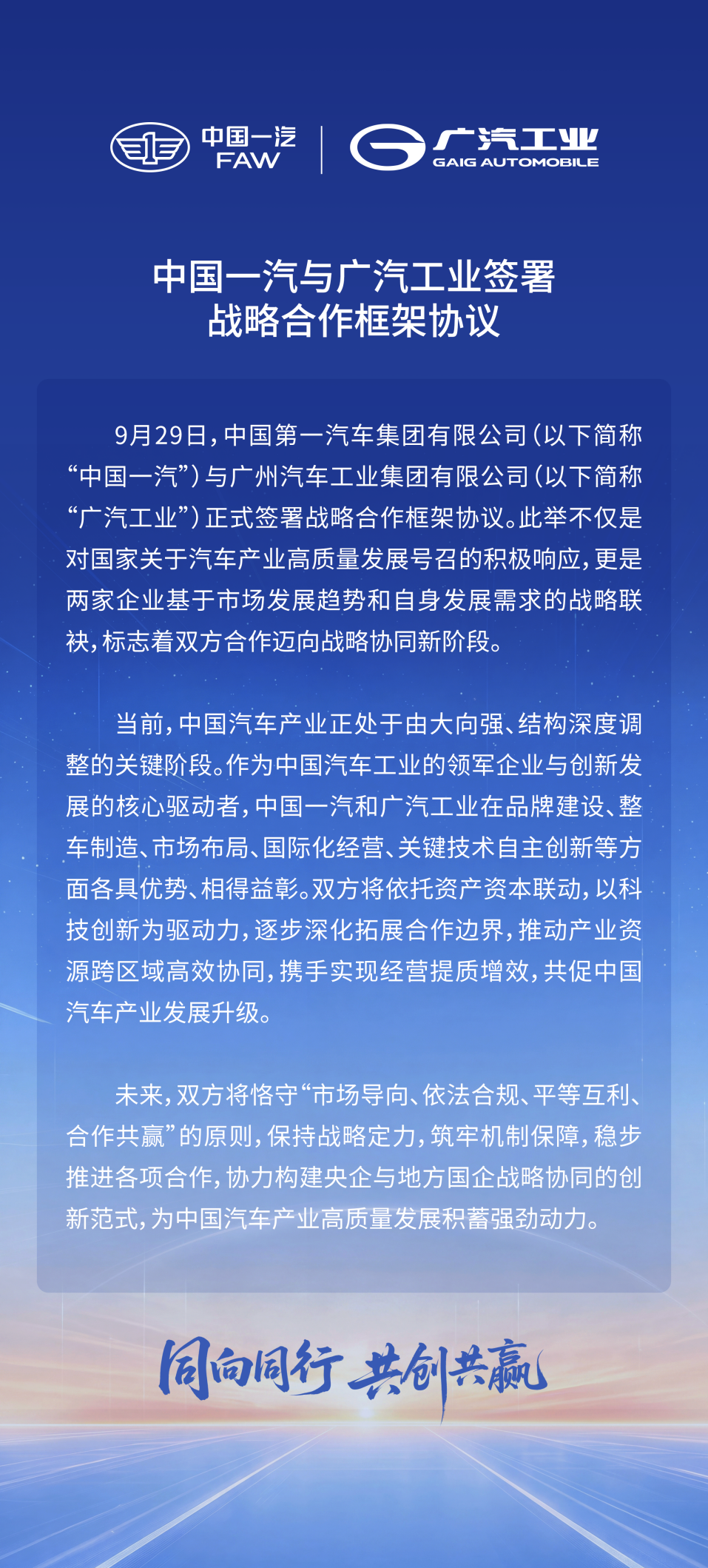
On September 29, FAW and GAC officially inked a strategic cooperation framework agreement. Amidst a constant stream of industry news, such collaborations between automakers are no longer rare. However, against the backdrop of the intense upheaval currently gripping China’s automotive sector, the significance of this handshake extends far beyond the simple notion of “moving forward together.”
The official announcement clearly outlined a guiding principle of 16 characters: “Asset-capital linkage, technology-driven innovation, cross-regional collaboration, and quality-efficiency enhancement.”
In the traditional automotive landscape, FAW in the north and GAC in the south operated as vast manufacturing empires within their respective regional markets, following nearly parallel development paths. Now, these two iconic automotive groups are joining forces, signaling not only that China’s automotive industry is breaking through long-standing regional and institutional barriers but also marking a fundamental shift in the survival logic of automakers amidst a fierce elimination race in the current market.
To grasp the significance of this alliance between FAW and GAC, one must first understand the harsh realities of today’s automotive industry.
Over the past few years, with the rapid rise of new energy vehicles (NEVs), China’s domestic auto market has witnessed an unprecedentedly fierce price war. Yet, once the dust settled, the industry’s performance remained lackluster. In the first half of this year, the overall profit margin of the automobile manufacturing sector fell below the 4% threshold, with profitability in the vehicle manufacturing segment pushed to its limits. The average gross margin on new vehicles has widely turned negative, leading to a vicious cycle where “the more you sell, the greater your losses.”
An even more severe concern lies in the enormous sunk costs resulting from redundant construction. Amidst the wave of electrification and intelligent transformation, nearly every leading automaker has invested heavily in in-house R&D of battery, electric drive, and electronic control systems, electronic-electrical architectures, automotive-grade chips, and advanced intelligent driving technologies. However, these heavy asset investments—such as billions of yuan for each GWh of battery production capacity and the massive computational power and data investments in intelligent driving algorithms—require an extremely large sales volume to amortize. Without a single-platform scale exceeding one million units, blindly pursuing “full-stack self-development” often becomes a bottomless pit that drains corporate cash flow.
With the “15th Five-Year Plan for the Development of the Intelligent Connected New Energy Vehicle Industry” setting the tone, policy directives have become crystal clear in advocating for “strict control of new production capacity, optimization of existing capacity structures, and enhancement of industrial concentration.” The focus of automotive industry development has been forcibly shifted from the previous extensive “scale expansion” to “quality and efficiency.”
As the era of competing solely through production expansion to capture market share comes to an end, external alliances to share R&D risks, pool foundational production capacities, and strengthen supply chain bargaining power are no longer optional for automakers but a necessity for survival. The alliance between FAW and GAC is an inevitable choice driven by this overarching industrial trend.
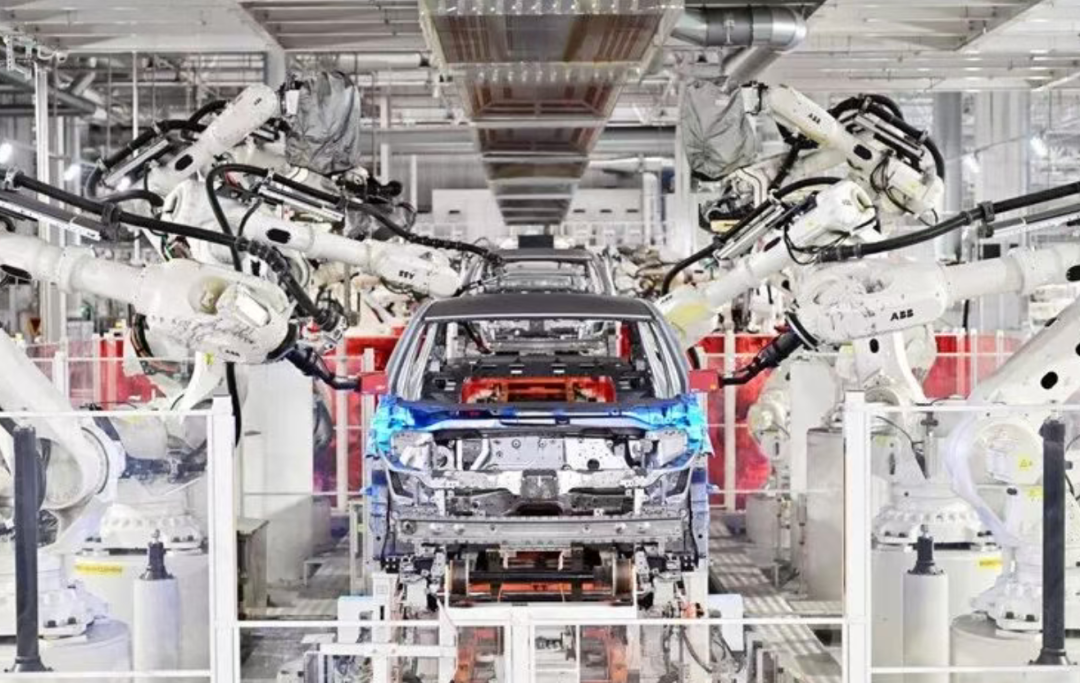
FAW Hongqi Intelligent Production Line
From an industrial geography and resource endowment perspective, the combination of FAW and GAC forms a highly complementary “north-south puzzle.”
FAW, headquartered in Changchun, serves as a core pillar of China’s state-owned automotive enterprises, boasting decades of vehicle manufacturing expertise, a robust technological integration system, and a strong market presence in government and corporate mobility services across China, particularly in northern and lower-tier markets. The recent premium breakthrough of the Hongqi brand has also accumulated solid experience in luxury vehicle manufacturing standards and platforms.
GAC, based in the Lingnan region, is deeply rooted in the Guangdong-Hong Kong-Macao Greater Bay Area—the world’s most dynamic cluster for consumer electronics and intelligent hardware. This regional advantage has enabled GAC to demonstrate remarkable agility in its new energy transformation. Whether in the intelligent manufacturing ecosystem of GAC Aion, the iterative development of core battery, electric drive, and electronic control technologies such as the “Magazine Battery,” or in the Xingling electronic-electrical architecture and market-oriented marketing mechanisms targeting end consumers, GAC exhibits the market-driven resilience and innovative efficiency characteristic of local state-owned enterprises.
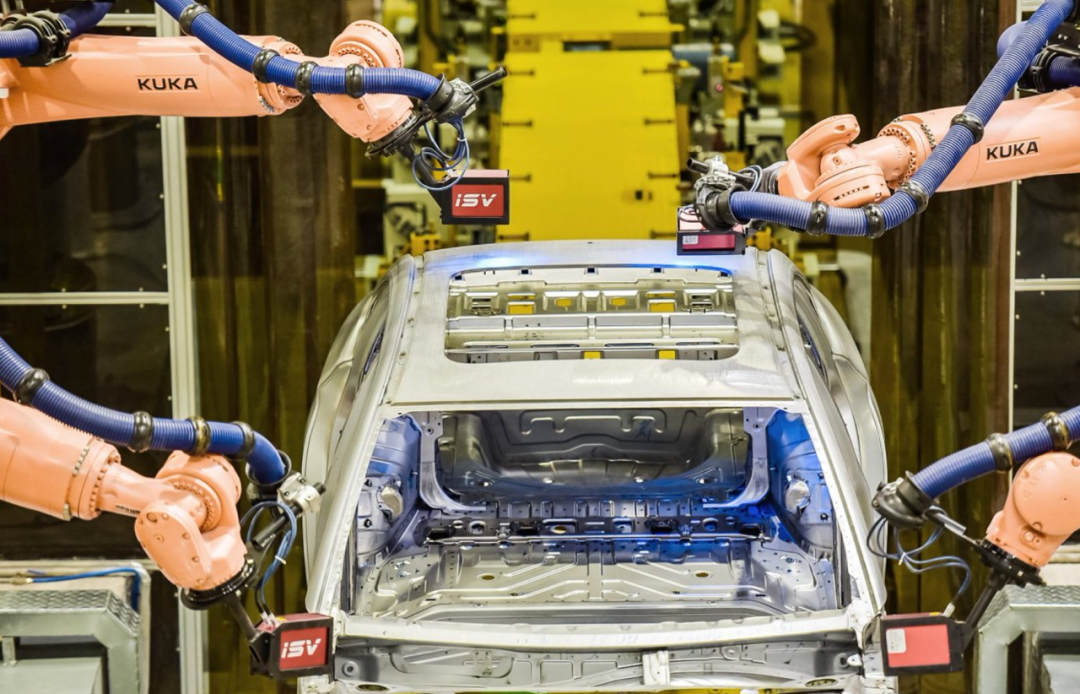
GAC Intelligent Eco-Factory Laser Online Inspection Technology
The “asset-capital linkage” emphasized in the announcement suggests that this cooperation goes far beyond mere technical exchanges and instead heads straight for deep-seated resource integration:
First is the “simplification” and “large denominator” effect at the R&D foundation level. For heavy-asset, long-cycle R&D areas such as new energy platforms, universal chassis, and common electronic-electrical architectures, the two sides can achieve joint research and development through capital ties. By amortizing hundreds of billions in upfront R&D costs across the combined annual production and sales volume of several million units from both groups, the marginal cost per vehicle will significantly decline.
Second is the collaborative procurement synergy in the supply chain system. When these two giants unify their procurement interfaces for core supply chain components such as automotive-grade chips, battery raw materials, and high-computational-power intelligent driving hardware, their bargaining power and supply resilience against upstream suppliers will multiply.
Third is the mutual leveraging of cross-regional distribution networks and overseas infrastructure. FAW’s deep network penetration in northern China complements GAC’s dense channel coverage in southern China; in overseas markets, resource reuse in areas such as international certifications, KD (knocked-down) factory layouts, logistics and warehousing, and local financial services can fundamentally transform the previous rough approach of Chinese automakers “going overseas individually and repeatedly paying tuition.”
The agreement specifically highlights the principles of “market orientation, legal compliance, equality and mutual benefit, and win-win cooperation.” This indicates that the management teams of both companies recognize the need to move beyond administrative coercion and instead rely on market-driven contracts and capital logic to establish a robust institutional safeguard.
The strategic collaboration between FAW and GAC transcends the fates of these two individual enterprises; it represents a proactive reshaping of China’s automotive industry development paradigm as it enters maturity.
Over the past two decades, China’s automotive industry has achieved a quantum leap from “follower” to “major player” in terms of scale, leveraging vast market potential and policy dividends. However, to truly become an “automotive powerhouse” and cultivate two to three globally dominant world-class automotive groups in the global market, the industry must undergo a painful internal consolidation to enhance industrial concentration.
The previous rough development model, relying on local protectionism to divide markets along regional lines and on excessive subsidies to build factories indiscriminately, has completely lost its viability. Competition in the era of the existing market hinges on who can create the most competitive product experience with the highest resource utilization efficiency.
FAW looks south to leverage the technology and ecosystem of the Greater Bay Area, while GAC looks north to tap into the resources and scale of central state-owned enterprises. This cross-country collaboration spanning thousands of kilometers not only provides a highly valuable practical blueprint for optimizing China’s automotive industry but also sends a clear and resolute signal to the entire sector: the brutal solo breakthrough battles in China’s automotive industry have ended, and an era of grand collaboration based on capital, technology, and efficiency is rapidly approaching.
Produced by | Kanche China
-
![]()
GAC Group Secures 50% Stake in FAW Toyota
-
![]()
Entering a Low-Profit Era, the Auto Industry Starts to 'Squeeze Efficiency'
-
![]()
FAW and GAC Sign Agreement, Ushering in a New Era of Cooperation in China’s Auto Industry
-
![]()
Automakers Dazzle with Spectacular Stunts to Boost Car Sales
-
![]()
Doubao Sets Its Sights on the Travel and Hospitality Sectors
-
![]()
Weekly Report on New Energy Vehicles: Hainan's New Energy Vehicle Penetration Rate Exceeds 66%
-
![]()
Deng Chenghao and Chen Zhuo Spearhead Top-Tier AD Department: Unveiling the Profound Implications of Avatr-Shenlan Integration
-
![]()
GAC Group 'Swaps' Stakes with FAW Toyota, Anticipates Annual Earnings of 4.2 Billion Amid North-South Toyota Integration