Entering a Low-Profit Era, the Auto Industry Starts to 'Squeeze Efficiency'
 09/30 2026
 549
549
After nearly a decade of rapid expansion, the new energy vehicle (NEV) sector is now transitioning towards refined management.
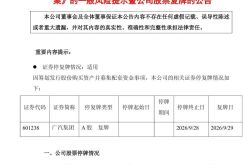
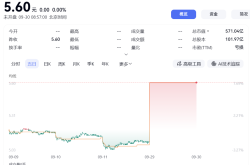
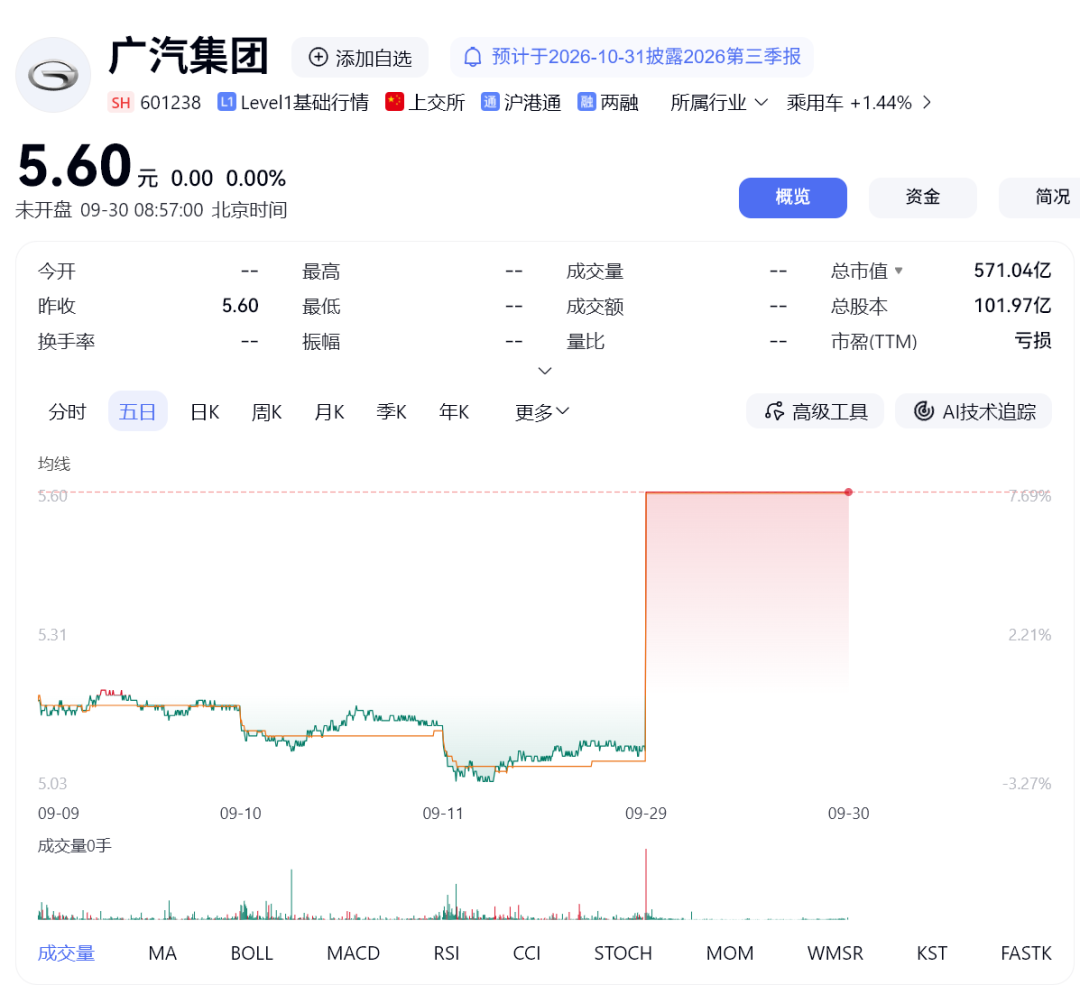
With the resumption of trading for GAC Group on September 28th, the much-anticipated merger of Toyota's Chinese operations (South and North) has finally made significant progress. This merger has been well-received by the market, as evidenced by GAC Group's stock hitting the daily limit on the day trading resumed.
While FAW Group and GAC Group are realizing cooperation between Toyota's Chinese operations through equity restructuring, the domestic automotive manufacturing industry is also undergoing a new wave of consolidation. Although this may not be immediately apparent in the consumer market, integration at the upstream level has already commenced.
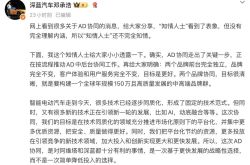
On the same day, Changan Automobile announced the establishment of an AD Collaborative Development Department to advance the strategy of 'independent front-end, collaborative middle and back-end' for its two major NEV brands, Avatr and Deepal. XPeng Motors also confirmed a streamlining of its product lineup, consolidating four product lines (F, D, I, G) into two main lines (G, D) to focus resources on core products.
A wave of consolidation is sweeping through the domestic automotive manufacturing industry, with NEVs shifting from extensive 'expansion' to refined 'efficiency squeezing'.
R&D Costs and Sales Volume
Over the past decade, to swiftly capture niche markets, automakers have split into numerous independent companies, each with its own R&D, procurement, and sales teams.
During periods of market growth, increased sales volume could offset inefficient expenditures. However, as profits have dwindled, redundant development has driven up R&D costs, fragmented procurement has eroded bargaining power, and idle production lines have continued to depreciate, with redundant structures directly becoming 'profit drains'.
Take Toyota as an example. In 2022, the combined sales volume of Toyota's Chinese operations (South and North) was 1.8 million units, but by 2025, it had declined to 1.58 million units. This year, growth has been sluggish, with a combined sales volume of only 928,000 units in the first eight months, a year-on-year decline of approximately 19%.
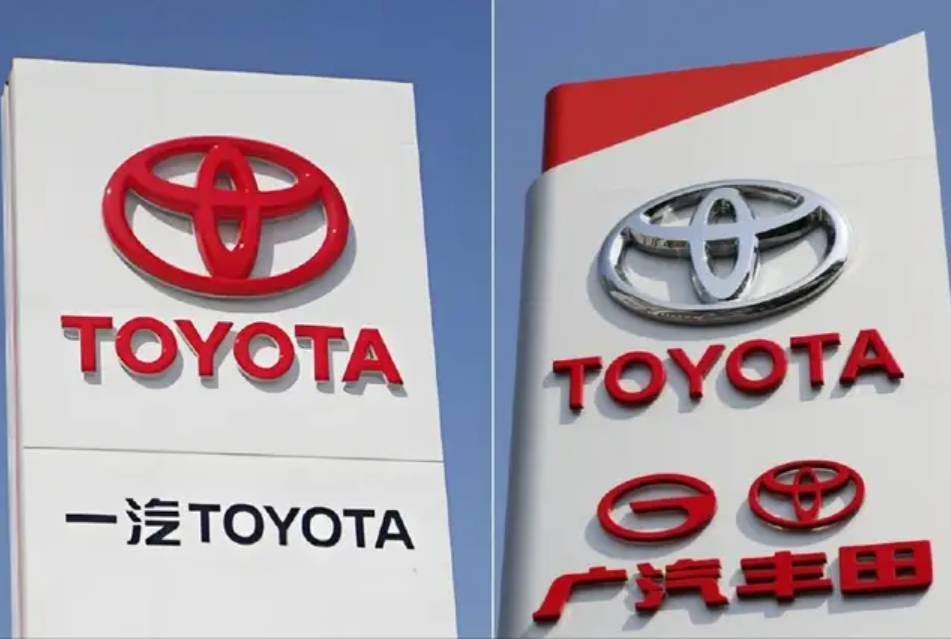
A decline in sales volume inevitably leads to a decline in profits. With the profit margin of the entire vehicle manufacturing industry having fallen to 1.5%, slim profits can hardly support Toyota's self-driven development in the domestic market, and high R&D expenses make it difficult for the joint-venture Toyota to achieve transformation.
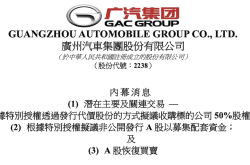
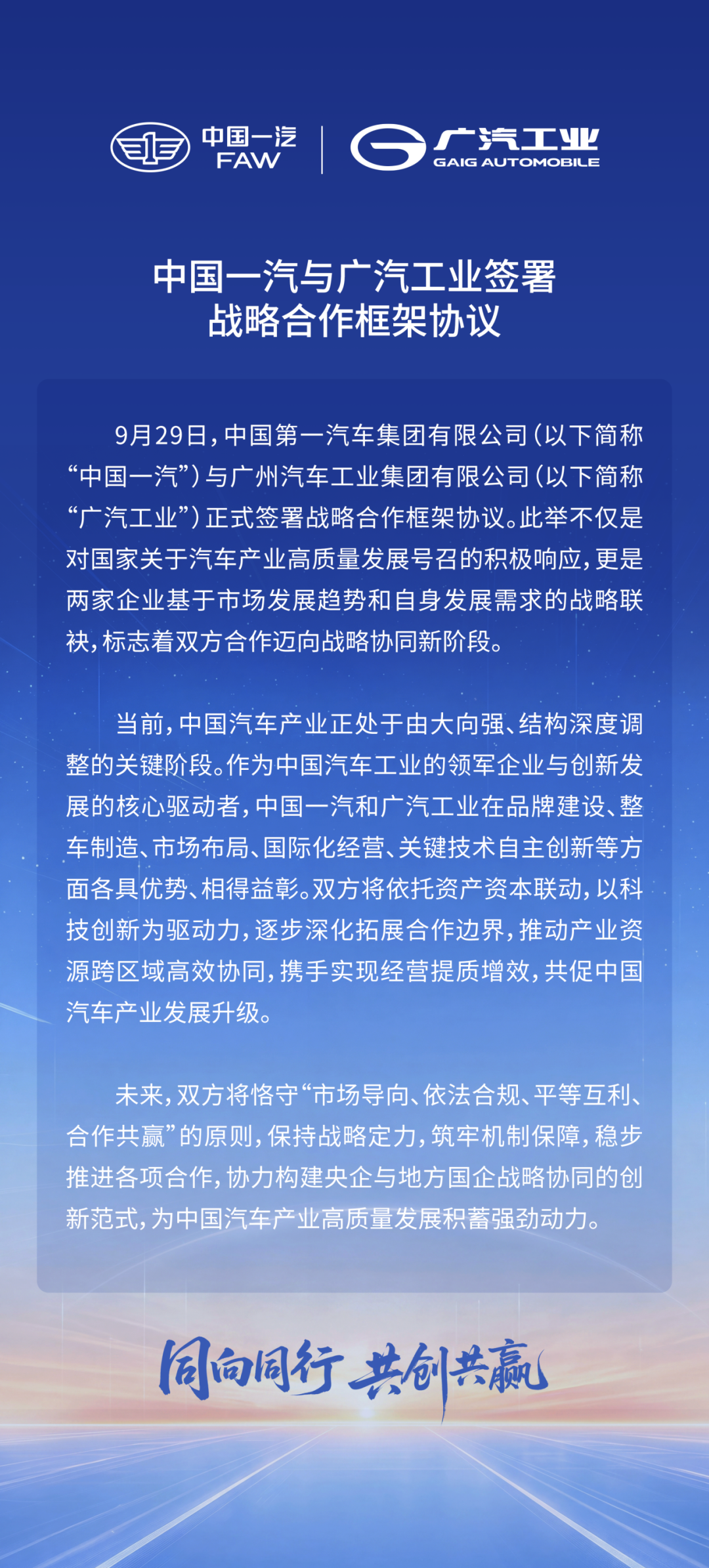
According to the restructuring plan announced by GAC Group on September 28th, it intends to purchase a 50% stake in FAW Toyota held by FAW Group through the issuance of shares and simultaneously raise supporting funds, with the issue price set at 5.75 yuan per share.
Through capital means, consolidation begins with the easiest aspects. It is reported that after the merger, GAC Group will lead Toyota's manufacturing in China, while the sales end is still under negotiation among FAW Group, GAC Group, and Toyota.
Consolidation at the manufacturing end is already a statement to the outside world. GAC Group's semi-annual financial report shows that a significant increase in R&D investment has led to an expansion of losses. However, for automakers, continuous R&D investment is necessary to achieve competitive leadership in the current NEV competition.
The R&D expenses invested by several major domestic automakers are substantial. However, not all automakers can see technological profitability from burning money. Over the past decade, countless new car-making forces have collapsed due to funding issues.
This is just the beginning of the competition in the NEV sector. Over the past decade, R&D investment in NEVs has focused more on the three electric systems (battery, motor, and electronic control). According to data from the China Passenger Car Association, the penetration rate of NEVs reached 65.2% in August. The advantages brought by electrification are diminishing. Under the condition of highly similar vehicle models, how to achieve intelligent differentiation has become a new 'arms race'.
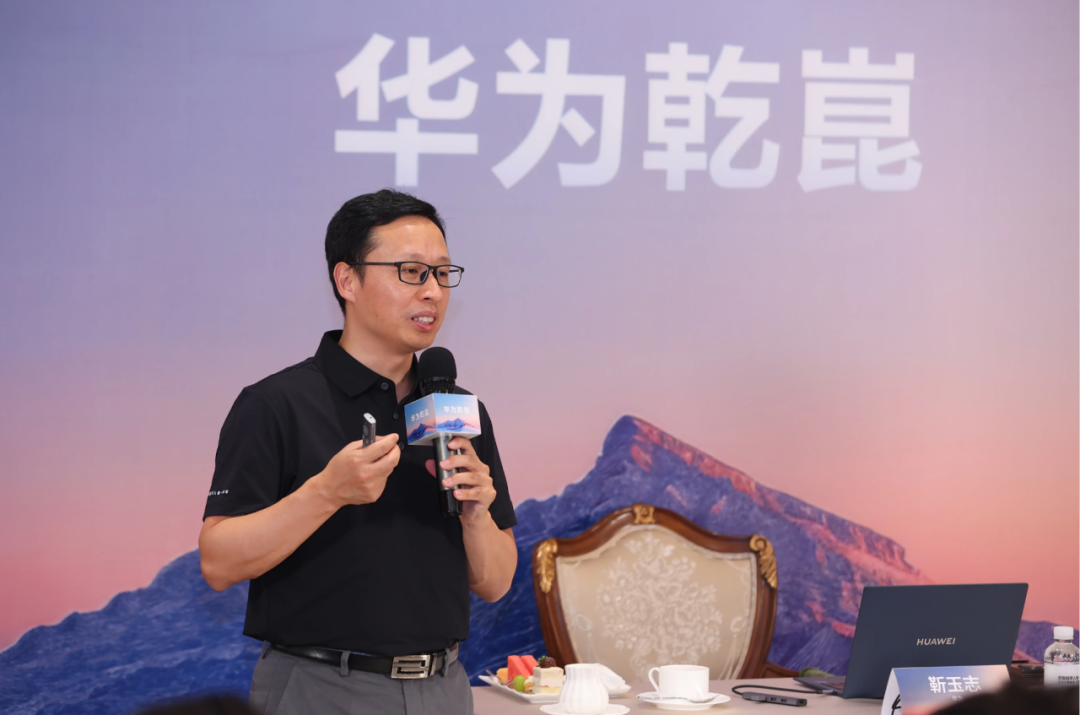
Jin Yuzhi, CEO of Huawei's Intelligent Automotive Solutions BU, discussed R&D investment. As a leading domestic company in assisted driving solutions, Huawei's annual R&D investment in Qiankun has been increased to 19 billion yuan, a scale that is difficult for general automakers to bear.
Not to mention the R&D investment that automakers need to make in whole-vehicle development. Once self-developed technologies fail to achieve volume sales, they will ultimately result in losses on financial reports. This is why most new forces are in a state of long-term losses. Full-stack self-development sounds advanced, but in practice, it is a bottomless pit of burning money.
The cooperation between Toyota's Chinese operations (South and North) is precisely out of such considerations. Instead of letting FAW Group spend money on R&D again, it is better to quickly scale up GAC Group's R&D results. As state-owned enterprises, although funds are sufficient, they are not meant for redundant R&D by enterprises.
Therefore, integrating R&D is an inevitable choice for automakers. Only by reducing R&D costs can they find growth points in the industry's slim profits.
Consolidation in Progress
Although the consolidation of GAC Group and FAW Group may seem different, the goals of automakers that have already begun consolidation are the same: to achieve cost reduction and efficiency improvement.
Considering the complexity of the equity in Deepal and Avatr, Changan Automobile has chosen a more lightweight approach by establishing an AD Collaborative Development Department between Avatr and Deepal, defined as a first-tier department. It includes second-tier institutions such as the Planning and Cooperation Department, Market Product Department, Human Resources Sharing Center, and Financial Sharing Center. At the same time, shared centers for styling design, product development, and platform technology have been established at the Avatr end to undertake R&D business commissioned by Deepal.
In summary, this approach is 'independent front-end, collaborative middle and back-end.' Deng Chenghao, Chairman of Deepal, stated, 'Our goal in this collaboration is to fully promote platformization in areas with technological homogeneity and concentrate more high-quality resources to improve safety and quality.'
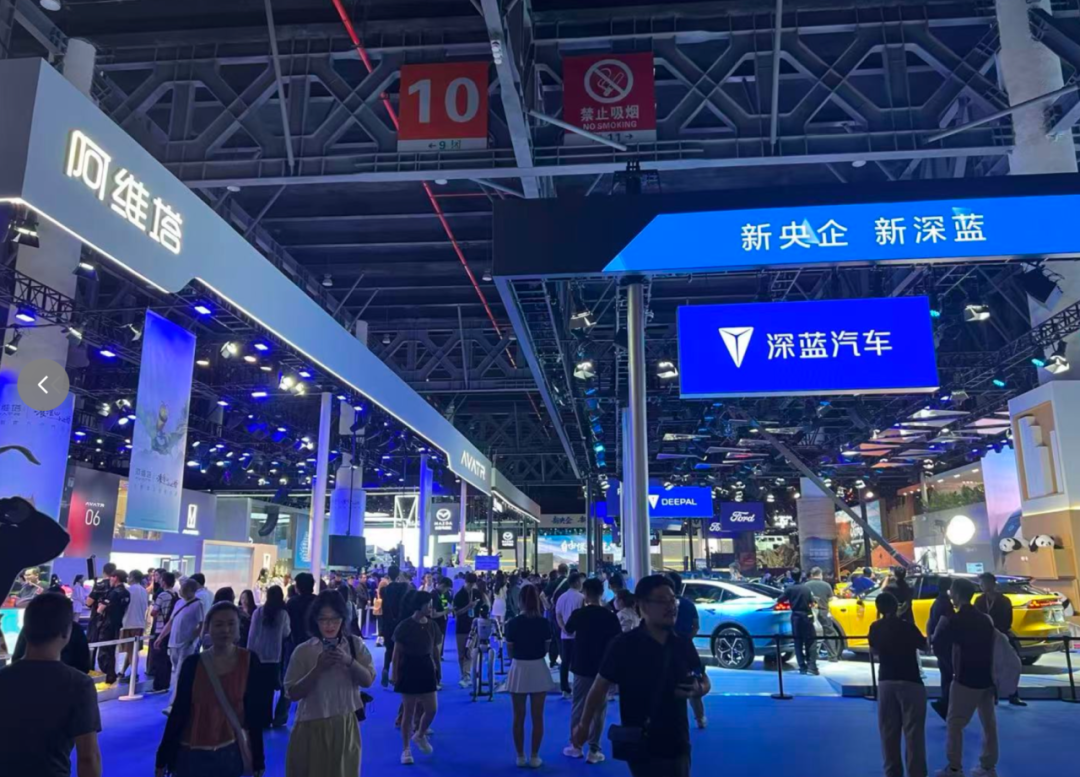
Changan Automobile estimates that through resource integration and synergistic efficiency, economies of scale are expected to bring a cost reduction of 20% to 30%.
It should be noted that neither Avatr nor Deepal has achieved profitability yet. Financial reports show that the combined losses of the two brands have exceeded 4.4 billion yuan. For Changan Automobile, these two brands have become a profit burden, and there is an urgent need to turn losses into profits.
Of course, besides the dispersion of R&D among brands, even within the same brand, redundant R&D may occur, making consolidation equally urgent.
XPeng Motors has also chosen internal consolidation to alleviate its current awkward situation. In the first half of 2026, XPeng Motors' total operating income decreased by 3.8% year-on-year, and the net loss attributable to the parent company expanded by 173% year-on-year. Product competitiveness is still difficult to convert into profitability in a short time.
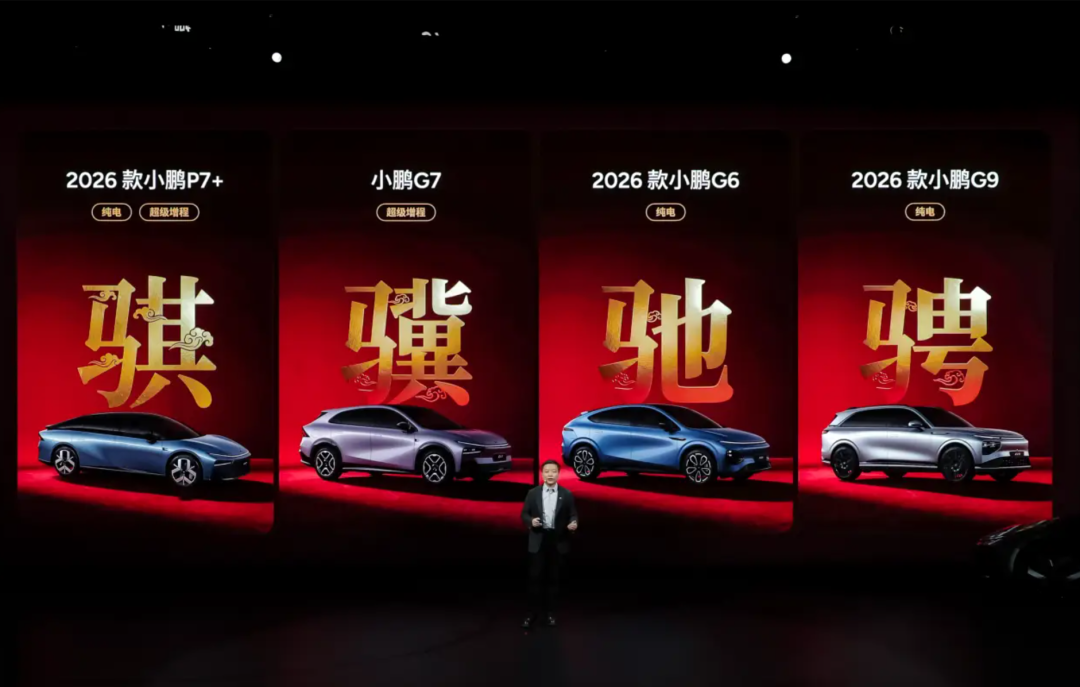
To this end, XPeng Motors has conducted large-scale internal consolidation, consolidating four product lines into two, cutting overseas models and sedans, and merging them all into the SUV line while retaining the independence of MONA to achieve the goal of 'consolidating R&D forces and optimizing the internal R&D structure.'
When automakers start to take action, some may question whether such consolidation is merely superficial and difficult to change the current situation of slim profits in the automotive manufacturing industry.
In this regard, there are already examples in reality that prove the advantages of consolidation. Geely Group was the first automaker to carry out consolidation. After the 'Taizhou Declaration' in 2024, Geely began to act quickly by merging Geometry and LEVC into the Galaxy brand, then promoting Zeekr's delisting from the US stock market through privatization, integrating Zeekr and Lynk & Co, and other operations, moving towards the goal of 'One Geely.'
Financial reports show that administrative expenses decreased from 3.5% in 2025 to 1.7% in the first half of 2026, a decrease of 18%. The R&D investment ratio decreased from 6.3% to 5.2%, accounting for a lower proportion of total revenue.
At the same time, the gross profit margin is improving. In the first half of 2026, Geely Automobile's gross profit margin increased to 17.9%, and the average revenue per vehicle increased by 16% year-on-year to 112,000 yuan. The gross profit margin further increased to 18.4% in the second quarter, an increase of 0.9 percentage points from the first quarter.
According to information from the procurement end, Geely had already locked in the annual supply prices and volumes with most suppliers in the first quarter, reducing the costs of core components such as batteries and chips by 5% to 8% through centralized procurement.
This is directly reflected in the terminal prices. At the launch event of the Lynk & Co 20, the price of the new car directly dropped to 118,800 yuan, a decrease of nearly 20,000 yuan from the previous generation, not to mention upgrades in other configurations.
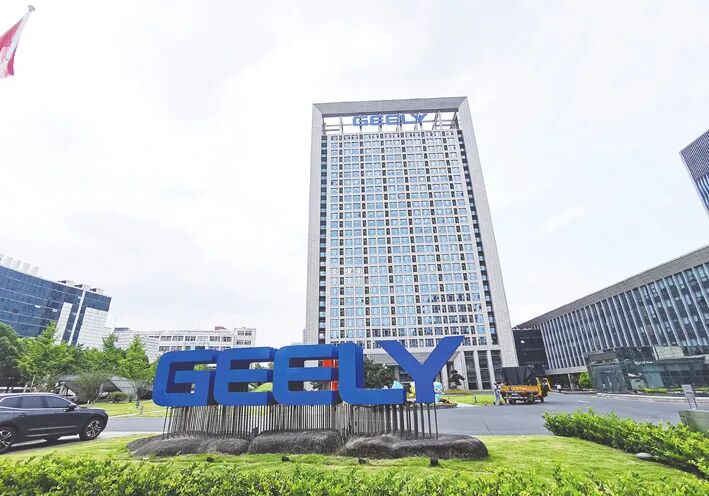
Behind this are both cost reductions brought about by the generalization of technologies such as SEA, Shendun Battery, and Qianli Haohan Intelligent Driving, as well as cost advantages brought about by large-scale centralized procurement of components. These comprehensive factors have enabled Geely Automobile to maintain profits in 2026.
Faced with the overall industry profit margin declining from 7.8% to less than 3% over the past decade, automakers can only abandon the guerrilla warfare model of individual brands fighting on their own in the past and instead ensure operations through systemic capabilities.
In the era of slim profits in the automotive industry, competition in systemic capabilities has replaced competition in single products. The depth of consolidation at the R&D end will determine whether automakers can survive in the space where profits are extremely compressed and accumulate capital for the next round of competition.
Note: Some images are sourced from the internet. If there is any infringement, please contact us for deletion.
-END-
-
![]()
GAC Group Secures 50% Stake in FAW Toyota
-
![]()
Entering a Low-Profit Era, the Auto Industry Starts to 'Squeeze Efficiency'
-
![]()
FAW and GAC Sign Agreement, Ushering in a New Era of Cooperation in China’s Auto Industry
-
![]()
Automakers Dazzle with Spectacular Stunts to Boost Car Sales
-
![]()
Doubao Sets Its Sights on the Travel and Hospitality Sectors
-
![]()
Weekly Report on New Energy Vehicles: Hainan's New Energy Vehicle Penetration Rate Exceeds 66%
-
![]()
Deng Chenghao and Chen Zhuo Spearhead Top-Tier AD Department: Unveiling the Profound Implications of Avatr-Shenlan Integration
-
![]()
GAC Group 'Swaps' Stakes with FAW Toyota, Anticipates Annual Earnings of 4.2 Billion Amid North-South Toyota Integration