Will the Partnership Between FAW Toyota and GAC Toyota Result in a Synergistic Boost of 1+1>2?
 10/10 2026
 358
358
Over the past couple of days, the strategic framework agreement inked between FAW Group, GAC Group, and Toyota Motor has drawn considerable attention within China's domestic automotive sector. However, there seems to be a widespread misconception that this move signifies a merger between FAW Toyota and GAC Toyota. This article endeavors to dispel such confusion, offering readers a clearer perspective after perusal.
Before delving into specifics, let's explore the rationale behind FAW Group, GAC Group, and Toyota Motor entering into such an agreement. The answer is straightforward: they are facing significant challenges. Examining the domestic sales figures for FAW Toyota and GAC Toyota in August of this year, we observe that out of 19 models available, merely three managed to surpass monthly sales of 10,000 units. These models are the FAW Toyota Corolla Cross, RAV4, and GAC Toyota Camry. Notably, the Corolla Cross and RAV4 each sold over 14,000 units, while the Camry's sales, just shy of 106,000 units, barely scraped by with a "passing mark."
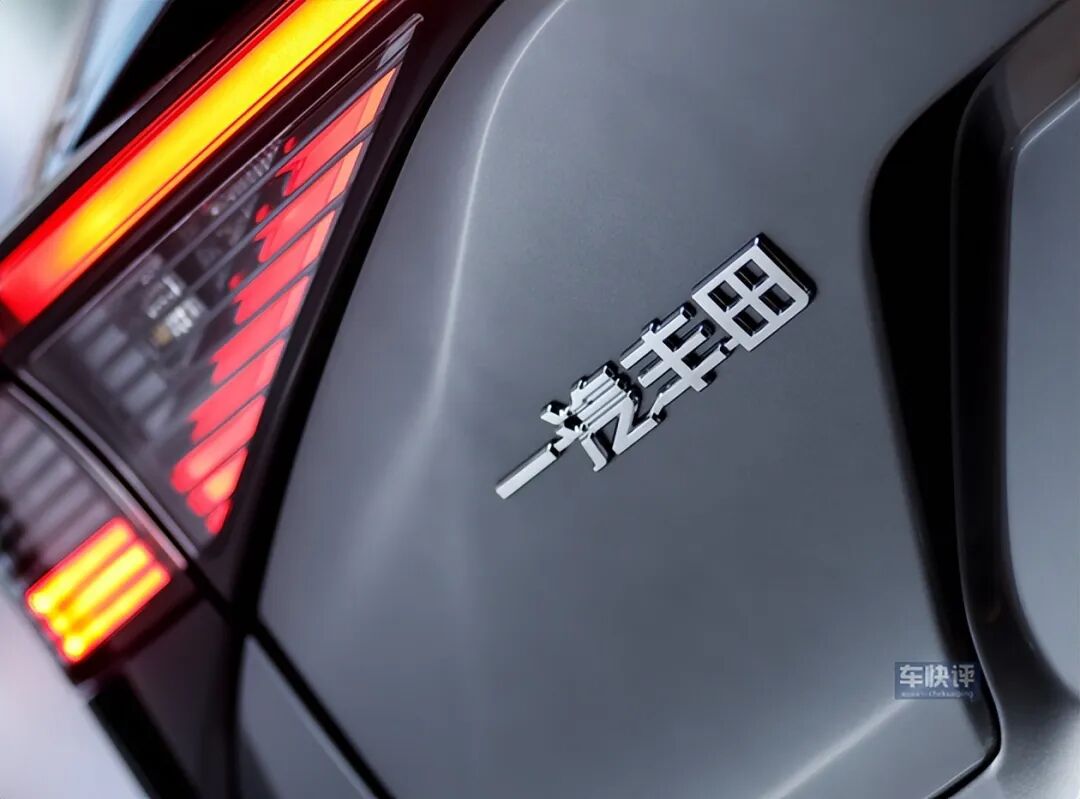
It may come as a surprise that the FAW Toyota Corolla and GAC Toyota Levin, two compact fuel-efficient sedans that enjoyed robust sales a few years back, have failed to breach the 10,000-unit monthly sales barrier over the past six months. Relatively speaking, the Corolla has fared somewhat better, with sales reaching 7,311 units in August following several months of growth. In contrast, the Levin has experienced a sharper decline, with sales dropping for five consecutive months from April to August. In August, its sales plummeted to a mere 99 units. Yes, you read that correctly—the Levin's cumulative national sales in August fell short of 100 units.
In the first eight months of this year, GAC Toyota's cumulative sales reached 447,000 units, marking a year-on-year decrease of 20.7%. FAW Toyota's cumulative sales stood at 379,000 units, down 21.4% year-on-year. These sales figures are roughly on par with BYD's monthly sales. The Toyota brand's cumulative domestic sales from January to August this year amounted to 826,000 units, also reflecting a year-on-year decline of 18.5%. Compared to the 17.1% year-on-year decrease in the first half of the year, the decline has further widened. This is the primary impetus behind FAW Group, GAC Group, and Toyota Motor signing the strategic cooperation framework agreement recently.
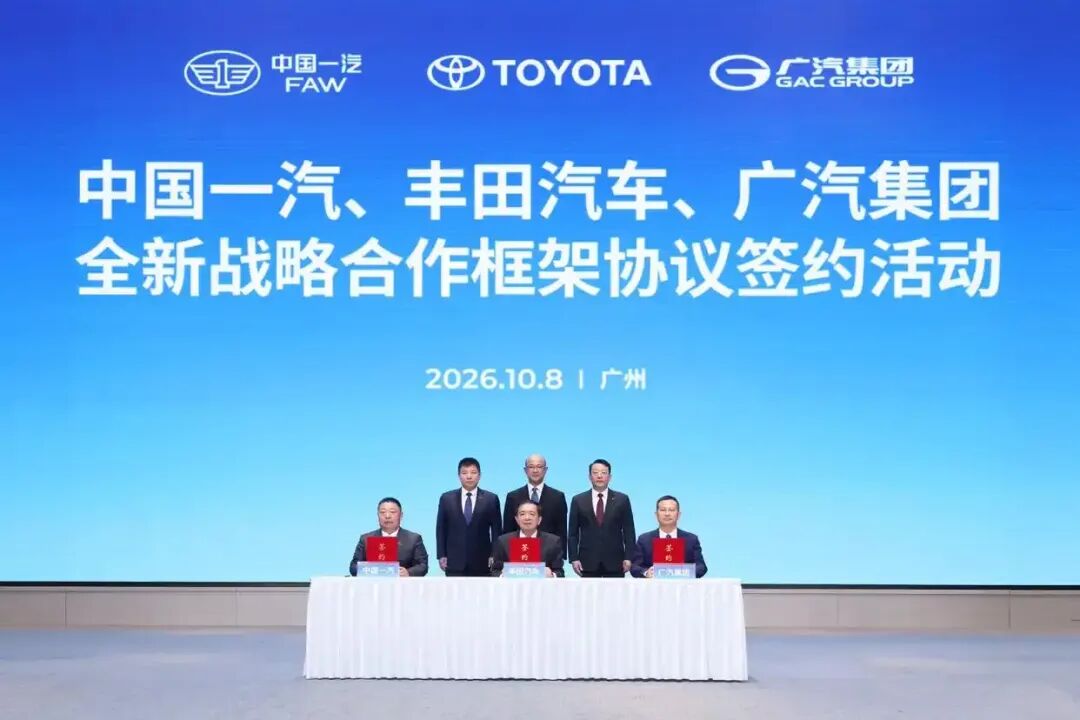
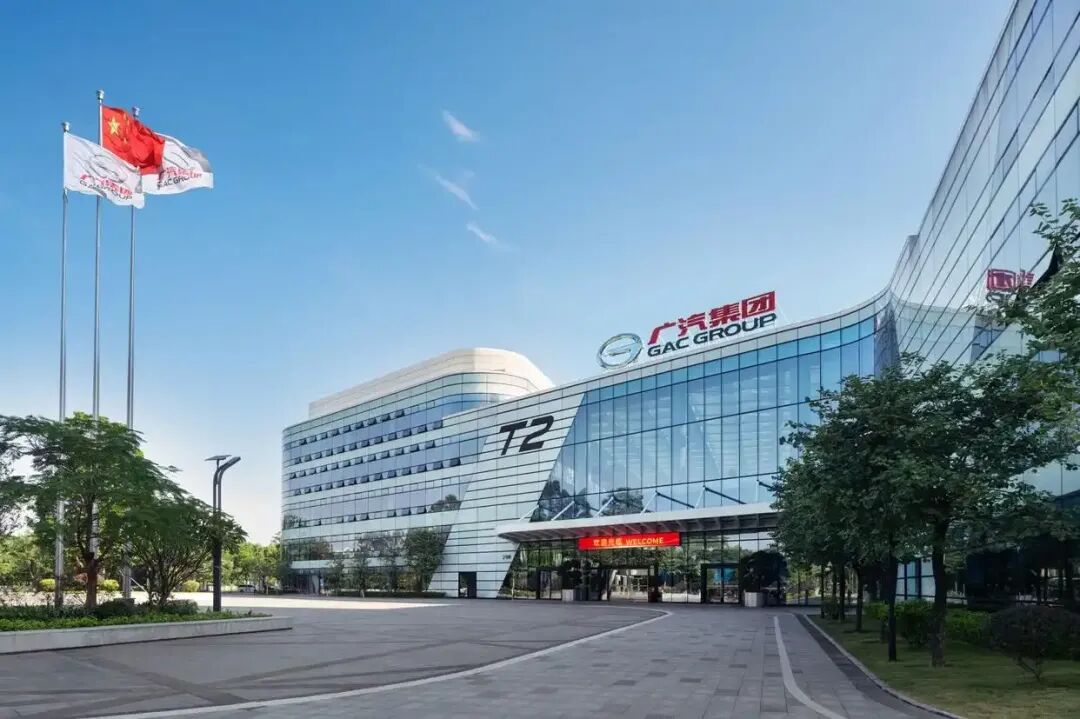
According to official sources, following joint consultations among the three parties, GAC Group plans to acquire a 50% stake in FAW Toyota currently held by China FAW Group through the issuance of shares. Post-transaction, FAW Toyota will continue to operate as an independent entity, while China FAW Group will emerge as a significant strategic shareholder of GAC Group. This may sound somewhat intricate, so let me simplify it.
In essence, prior to the signing of this strategic cooperation framework agreement, FAW Toyota and GAC Toyota were affiliated with FAW Group and GAC Group, respectively, and functioned as both allies and competitors. Following the agreement, both FAW Toyota and GAC Toyota will come under the unified management of GAC Group, encompassing R&D, production, sales, and after-sales services, all allocated by GAC Group. This move will not only curtail R&D expenses but also mitigate internal friction. However, it's crucial to note that despite being managed by GAC Group, FAW Toyota will persist as an independent automotive brand.
As for Toyota, this time around, it's essentially "going along for the ride," still retaining a 50% stake in both FAW Toyota and GAC Toyota, with its role remaining unaltered.
Whether the collaborating FAW Toyota and GAC Toyota will surmount their challenges and achieve a synergistic boost of 1+1>2 under the new cooperation model remains to be seen. Nevertheless, it is certain that following channel consolidation, cost reduction, and unified pricing, the profit per vehicle will increase compared to the past. If they can make strides in electrification transformation, then, leveraging Toyota's brand influence in China, it is conceivable to halt or even reverse the sales decline.
Copyright Notice: This article is original content from CheKuaiping. Reproduction requires authorization. Any unauthorized reproduction or plagiarism of text or images will be subject to legal action. Some images in the article are sourced from the internet, with copyright belonging to the original authors. If your work has been used, please contact us for royalties or removal.
-
![]()
Dongchedi Tests Zunjie V800: Brake Pedal Fractures in Three Cars—Is This a Design Flaw?
-
![]()
DeepSeek Reportedly Raises 80 Billion in Latest Funding Round, Preparing for IPO
-
![]()
Global AI Consumption Survey: Only 1% of Super Users Are Supporting the AI Ecosystem
-
![]()
Does Meeting Standards Equal Safety? Is the Baseline the Upper Limit? Does Passing Inspection Mean Peace of Mind?丨When Brakes Fail Even While Speeding
-
![]()
AI Home Appliances Shine During Golden Week
-
![]()
Muse Goes Viral: Who Will Be China's Version of Muse?
-
![]()
PE Giant with Hundreds of Billions Excels in Aviation Investment This Year
-
![]()
Brake Pedal Bracket Fractures: Not Isolated Incidents—A Comprehensive Review of Global Recalls by Ford, Porsche, and GM