Did Dongchedi Trigger a Stock Plunge for JAC Motors?
 10/10 2026
 449
449
A Single Brake Pedal Press: The Catalyst for a 6.2 Billion Yuan Market Value Decline
On October 8th, the first trading day following the National Day holiday, JAC Motors' shareholders found themselves jolted from their holiday reverie by an unexpected and harsh reality.
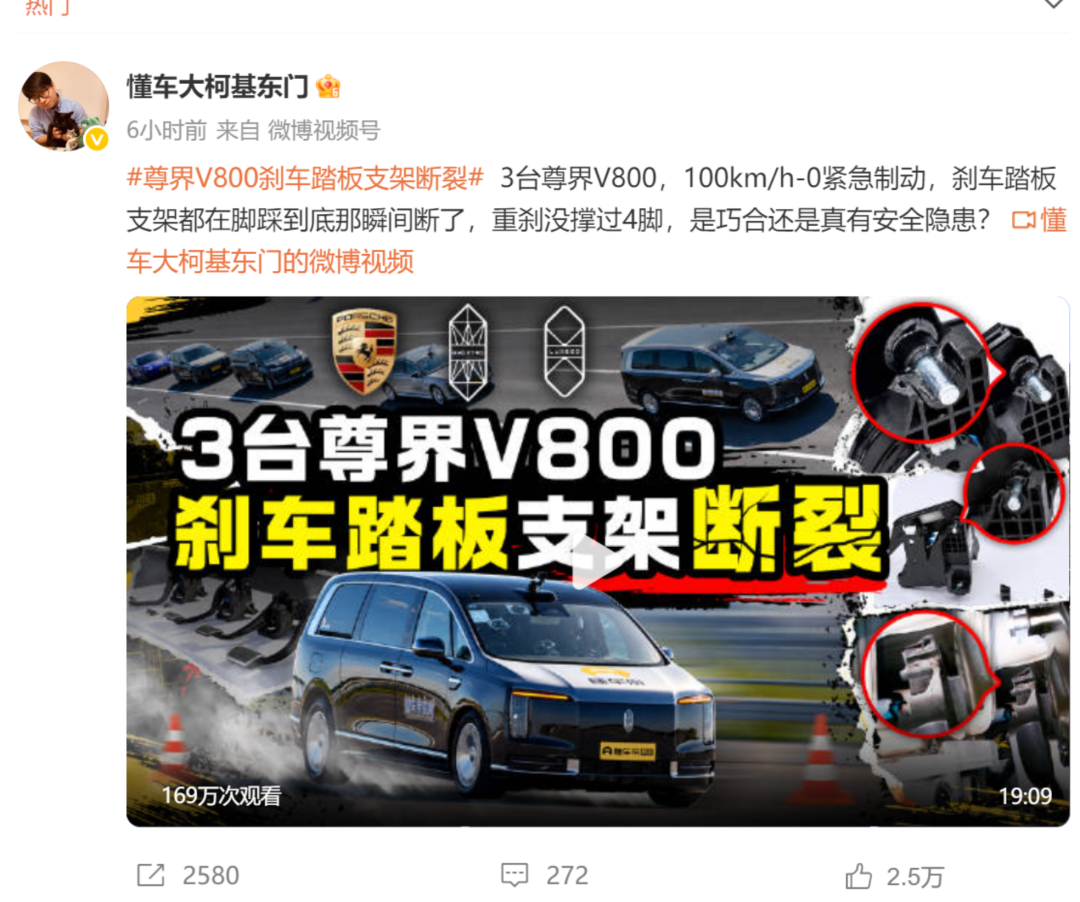
Immediately after the National Day break, JAC Motors faced an abrupt halt in the capital market. On October 8th, Dongchedi's test video of the Zunjie V800 sparked intense debate. JAC Motors' stock price plummeted to its daily limit, closing at 24.72 yuan, a 10.01% drop, with its market value shrinking by over 6 billion yuan and trading volume surpassing 3.6 billion yuan. 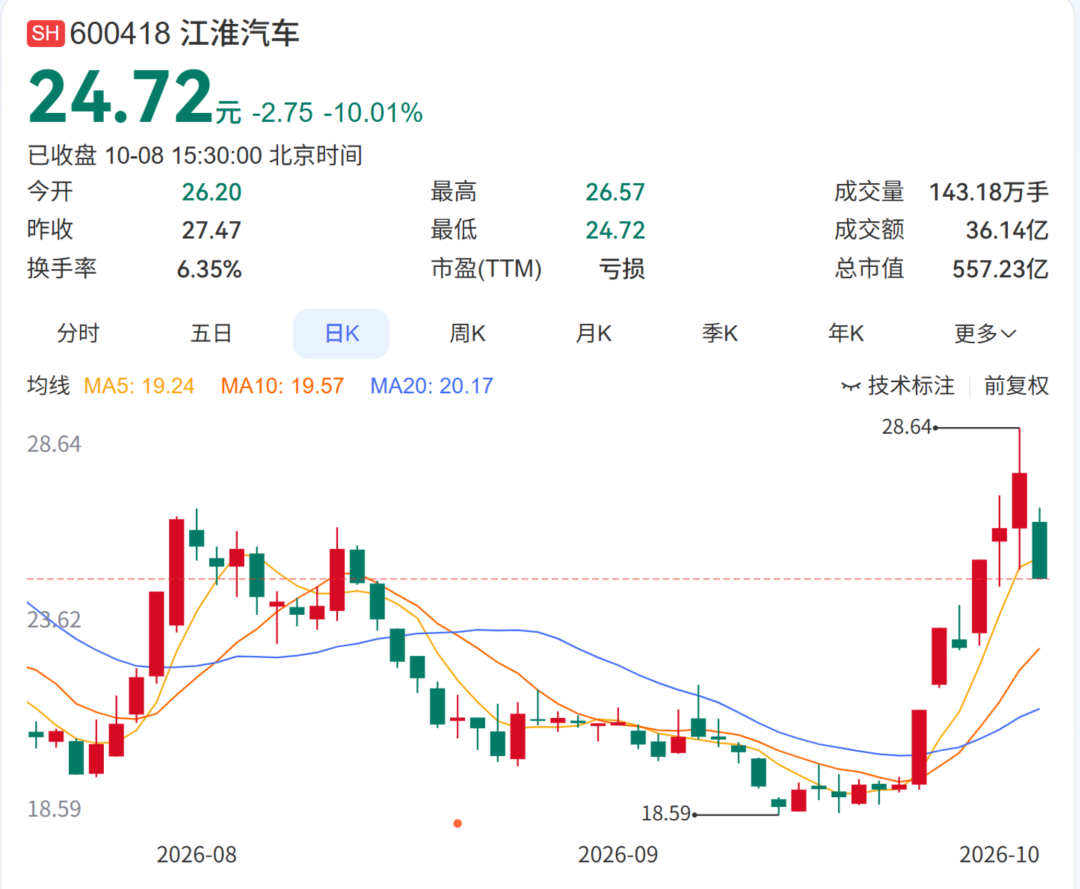
On one hand, we have a luxury car worth millions of yuan; on the other, a test video revealing a fractured brake pedal bracket. This stark contrast is enough to make consumers frown and shareholders anxious. 
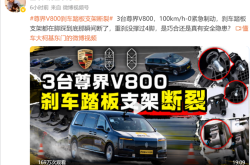
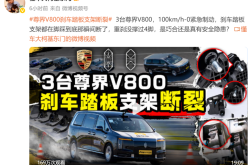
Stock Price Plunge: The Verdict is Still Out. According to reports from The Paper and DoNews, Dongchedi's test video claimed that three Zunjie V800 vehicles experienced brake pedal bracket fractures during emergency braking tests, with the third vehicle being a newly purchased car for further verification. This is a serious safety concern that cannot be taken lightly. However, the performance of these three test vehicles cannot be simply extrapolated to suggest that all vehicles have the same defect.
As of the verification in this article, no formal investigation conclusions regarding this incident have been obtained from Zunjie, JAC Motors, or Huawei. Dongchedi's core claims stem from the test video; debates online about the force of the pedal press, instrument readings, and the reasonableness of operating conditions still await clarification through original records and independent retesting. 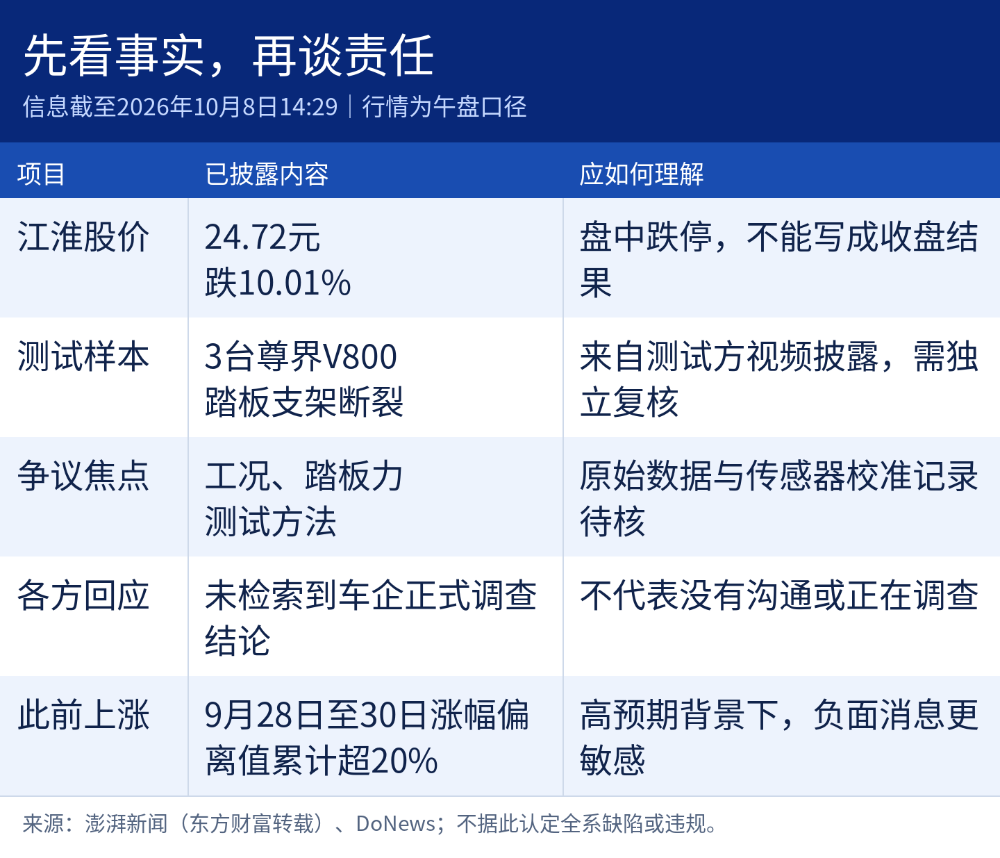
Two hasty judgments are being made. One suggests that if a car is damaged during testing, it indicates an unqualified product. The other argues that if the test is extreme enough, fractures require no further explanation. The former overlooks testing methodology, while the latter ignores safety boundaries. A truly useful response would detail the vehicle batch, pre-test condition, loading process, sensor calibration, and the cause of failure.
When discussing standards, it's essential to explain the applicable clauses and testing methods; a number detached from operating conditions cannot determine the outcome. For automakers, it's crucial to address whether consumers are safe under reasonably foreseeable emergency operations. For platforms, it's essential to allow others to replicate the conditions, rather than just leaving viewers shocked after watching the video.
Regarding the notion that 'one video directly caused a plunge,' it may describe the market's tension on that day but should not be considered a verified causal conclusion. JAC had already seen expectations of a rise beforehand. The company's announcement of unusual movements on September 30th stated that from September 28th to 30th, the cumulative closing price deviation exceeded 20%. The market's focus on the collaboration between Huawei and Stellantis was, at that time, merely an intention to communicate, with the content and form undetermined and no binding formal agreement signed. The more expectations there were for buying during the rise, the more eager funds often become to reassess when controversies arise. 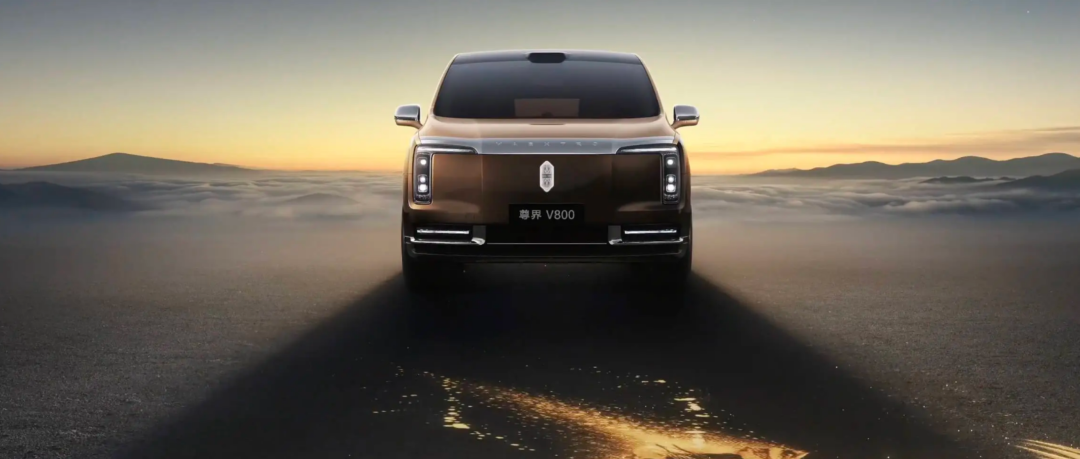
The Story of Zunjie is Reflected in JAC's Financials. Dongchedi is not just a simple video account. This automotive platform, launched in 2017, connects content, car selection tools, dealers, and transaction services. According to a report by Southern Metropolis Daily, its profit model includes brand advertising, pay-per-transaction, transaction fees, and value-added services. 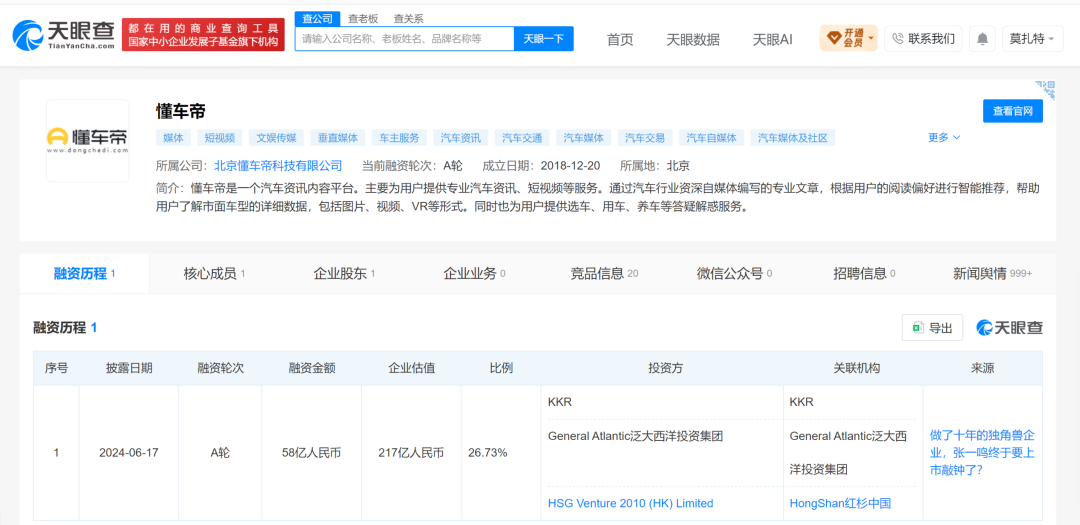
Automotive evaluations attract consumers, who in turn attract automakers and dealers—this is its business logic. The commercial nature itself does not prove bias in evaluations, but it does mean that transparency in methodology and disclosure of interests are particularly important. Zunjie is an ultra-luxury car brand resulting from the collaboration between Huawei and JAC, belonging to the Harmony Intelligent Mobility ecosystem. JAC is not just a role responsible for assembling parts, unrelated to product development. 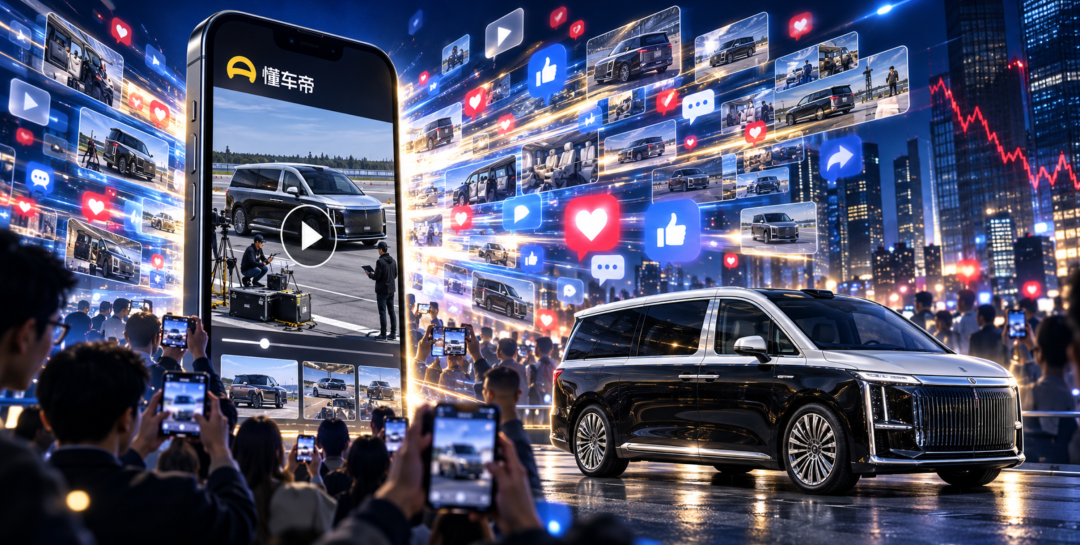
The 2023 collaboration announcement clearly stated that JAC is generally responsible for the product development of the collaborative models, with specific divisions of labor to be agreed upon separately; JAC is responsible for constructing the production base, while Huawei Terminal or a designated third party provides sales services, and both parties jointly establish the service system. The latest explanation from Harmony Intelligent Mobility in September 2026 further clarified that Zunjie still adopts a collaboration model fully led by Huawei throughout the process. The division of responsibilities in the agreement and the dominant role in commercial operations should be understood in combination and not simplified to 'Huawei branding' or 'JAC contract manufacturing.' 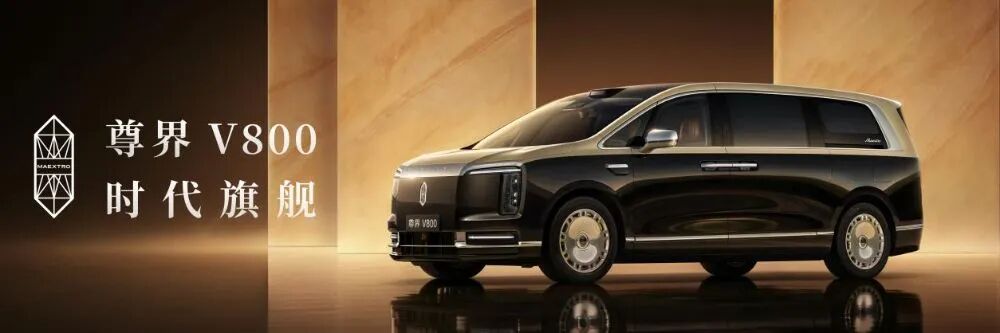
Model release image, source: Xinhua Net. Not from the test site. Zunjie has expanded from its flagship sedan S800 to include two MPVs, the V800 and V680. The V800 was launched on August 5th of this year, with three configurations priced starting at 766,000 yuan, 866,000 yuan, and 1,016,000 yuan, respectively; the V680 starts at 648,000 yuan. 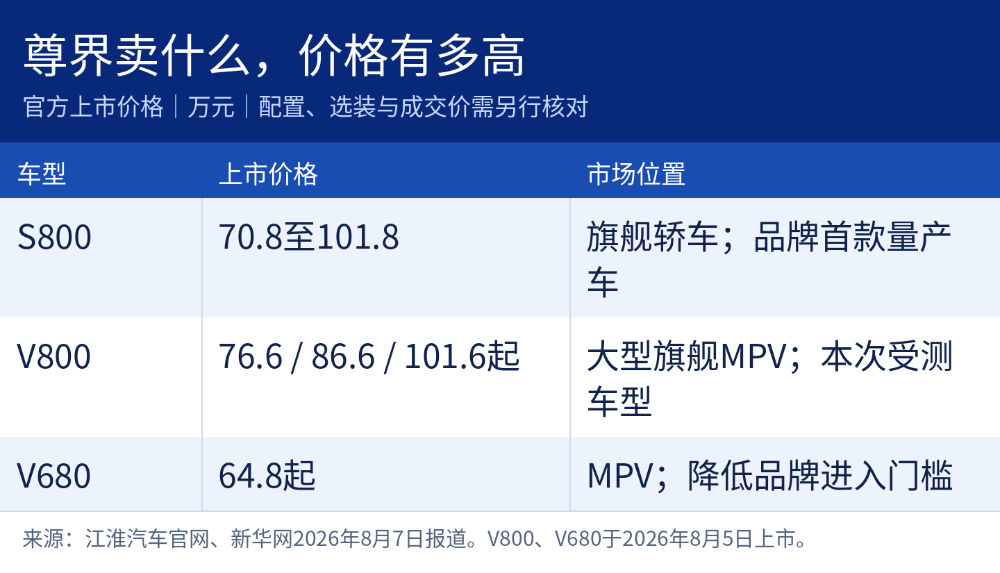
To understand the competition for the V800, consider two references: the Toyota Alphard and the Zeekr 009 Glorious Edition. Both are high-end MPVs but differ in configuration, power, and seating layout. The Alphard provides a reference for mature business vehicles, while the 009 Glorious Edition represents the offensive of domestic new energy vehicles in the luxury MPV segment. For Zunjie, competition has surpassed screen size and feature count, entering the realm of riding experience, reception image, after-sales support, and long-term trust.
This is the market judgment of this article, not a sales ranking. Consumers are willing to pay more for new technologies but find it difficult to accept that basic safety requires their own verification. JAC's business logic is also evolving. Traditional commercial and passenger vehicle businesses contribute revenue, while Zunjie is tasked with product upgrading and striving for higher per-unit value.
Revenue from whole vehicle sales must also cover costs for components, research and development, manufacturing, marketing, and quality assurance; a million-yuan selling price does not equate to a million-yuan profit. In the first half of 2026, JAC's revenue was 22.130 billion yuan, up 14.31% year-on-year; it reported a net loss attributable to shareholders of 749 million yuan and a core loss (excluding non-recurring items) of 991 million yuan. Revenue increased, but the core loss widened. Net cash outflow from operating activities was 5.288 billion yuan, also higher than the same period last year. 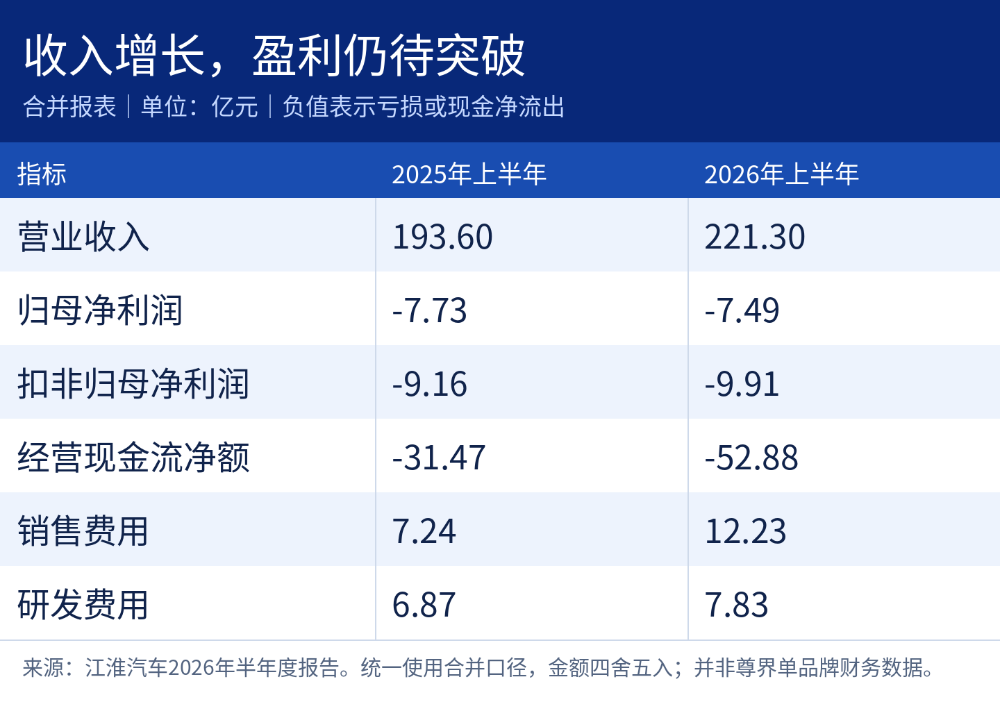
These are consolidated financial data for JAC and cannot be entirely attributed to Zunjie. The company also did not separately disclose data in the referenced financial statements sufficient to calculate Zunjie's complete profitability. At the very least, they indicate that the transformation expectations have not yet translated into stable overall profits. Research and development and sales investments require real deliveries and subsequent cash inflows to sustain; once consumers hesitate, investors worry not just about a specific part but whether profit realization will be delayed.
The Hardest Part of Collaborative Car Manufacturing is Not Division of Labor. Chinese automotive industry collaborations can be largely understood in terms of depth. Shallower collaborations involve component and software supply, with automakers leading complete vehicle development. Further along are system-level collaborations like HI, integrating intelligent capabilities deeper into the automakers' own brands. The more in-depth Harmony Intelligent Mobility model involves product, technology, marketing, and channel synergies. Collaboration allows manufacturing accumulation, technical capabilities, and sales networks to combine more quickly and helps traditional automakers enter price segments that were previously difficult to reach. However, while capabilities can be combined, responsibilities cannot be left in the seams. 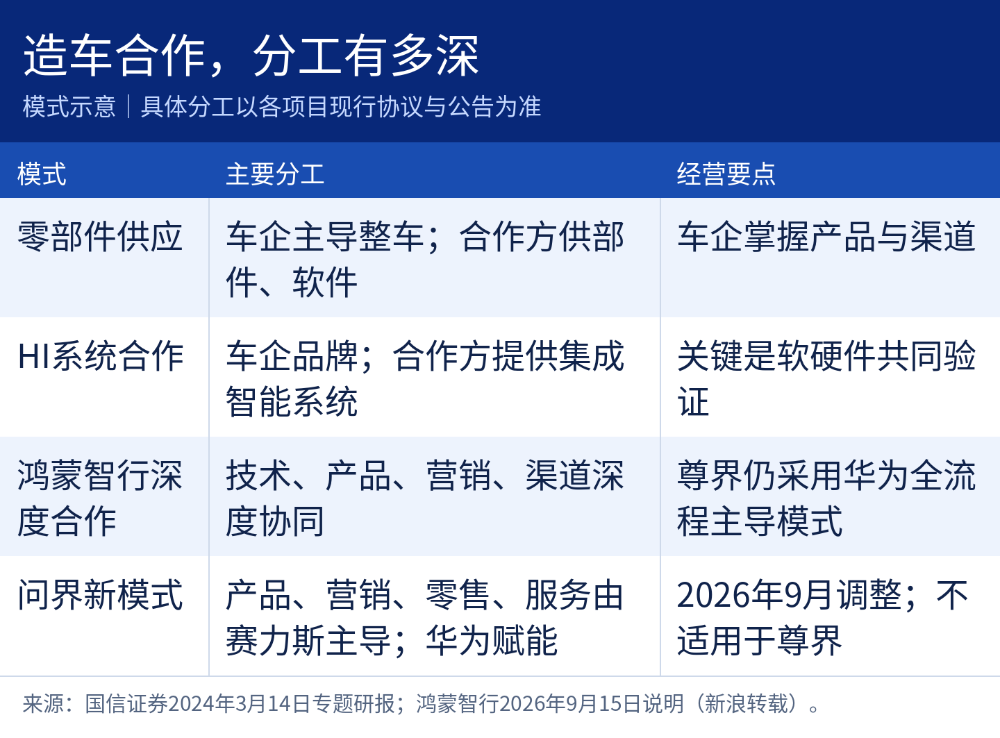
There is also an easily outdated notion: treating all 'Jies' as the same type of collaboration. On September 15th, Harmony Intelligent Mobility announced that AITO is exploring a new model where product definition, design, brand marketing, channel retail, and service systems are led by Seres, with Huawei Terminal providing support. This adjustment does not involve Zunjie, Xiangjie, Zhijie, or Shangjie.
The relationship between brand owners and manufacturers is evolving. Who is closer to users, who possesses product definition capabilities, and who controls the quality closed loop will influence the discourse power in collaborations. For consumers, these divisions of labor ultimately correspond to one simple requirement: when problems arise, someone must step up. Good collaborations should enable fault information to quickly return to research and development and the supply chain, initiating retesting, rectification, and user service simultaneously. If consumers can only shuttle back and forth between brands, manufacturers, and suppliers for answers, no amount of spectacular product launches can make up for lost trust.
The Luxury Premium Must Withstand One Brake Pedal Press. How this controversy is ultimately characterized still requires complete evidence. At present, there is insufficient basis to definitively conclude that Zunjie has systemic defects or to accuse Dongchedi of ulterior motives. However, one thing is already clear: the higher up the automotive luxury ladder one goes, the higher the public's expectations for basic reliability. From January to August 2026, the China Association of Automobile Manufacturers Statistics (statistically recorded) new energy vehicle sales at 10.65 million units, up 10.7% year-on-year.
As the scale of new energy vehicles continues to expand and technical configurations become increasingly rich, consumers will gradually shift their attention from 'what is installed' to 'what happens when something goes wrong.' Luxury can be seen through design and felt through seating. Safety often goes unnoticed under normal circumstances but determines whether consumers are willing to entrust their families to the vehicle. JAC needs to continue writing its brand-upgrading story in terms of quality, delivery, and profit.
Dongchedi needs to ensure that the impact of its tests is supported by methods that withstand scrutiny. Capital markets may quickly price in news, but industrial issues require patient dissection. More important than who wins the public opinion battle is whether the next vehicle owner receives a clear, credible, and verifiable answer. The most expensive part of a million-yuan luxury car is the consumer's confidence that they do not need to worry extra about safety.
For JAC, rather than obsessing over whether the test complied with regulations, it would be better to focus on two things: building great cars and keeping the books clear.
For investors, the lesson is straightforward: when a company's stock story relies mainly on 'expectations' and 'collaborations,' any slight breeze can trigger a stampede.
The automotive industry marathon is only halfway through; those who can laugh last will be the ones who can keep a firm grip on the steering wheel themselves.
What are your thoughts on this hot topic? We look forward to your civil and rational insights in the comments section.
-
![]()
Out of the Spotlight: Traditional Industries Embrace AI Faster Than Imagined
-
Lei Jun’s 50 Consecutive Extreme Braking Tests: A Visionary Move Now Validated
-
![]()
【Electrical Equipment】Weichai Power and Lingong Heavy Machinery Forge Strategic Partnership
-
![]()
FAW, Toyota, and GAC Group Forge Tripartite Cooperation Pact
-
![]()
Ray Dalio Issues Latest Alert: The AI Bubble Is on the Verge of Popping!
-
![]()
Zunjie Automobile's Latest Move: Far-Reaching Consequences
-
![]()
Did Dongchedi Trigger a Stock Plunge for JAC Motors?
-
![]()
Unattainable Annual Sales Targets: Automakers Brace for the Most Challenging 'Silver October' and a Daunting Final Quarter