Luxury Electric Cars Falter: Those Who Spent 1 Million Yuan Reconsider the Allure of Fuel Cars
 10/12 2026
 372
372
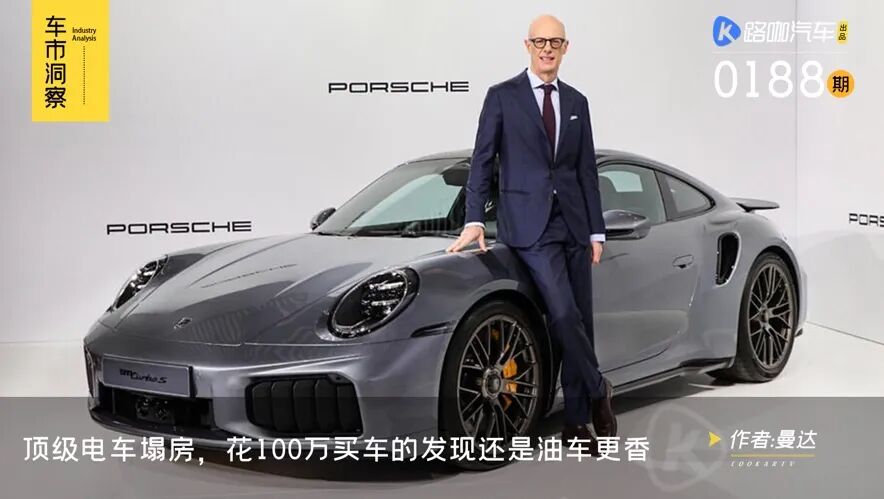
The automotive market is typically driven by top-tier brands, but lately, this trend has taken a somewhat chaotic turn.
Both international ultra-luxury marques and emerging domestic players have seen their premium electric vehicles repeatedly encounter setbacks.
The Porsche Taycan, once hailed as a 'legendary car,' has seen its deliveries dwindle to just a few dozen units. Meanwhile, domestic million-yuan-level MPVs have sparked a 'pedal controversy,' with competitors joining in, some live-streaming pedal-stomping demonstrations and others smashing barbells.
As the tides shift, those who invested millions in electric vehicles are beginning to question their choices, citing unresolved quality issues, uncertain resale values, and doubts about whether their purchases are truly worth the million-yuan price tag.
Luxury Electric Vehicles Falter, 'Million-Yuan Toys' Lose Their Luster
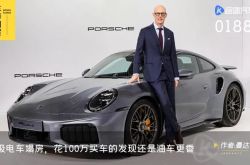
At the forefront is Porsche, the 'dream car' for car enthusiasts worldwide, which had been the most aggressive in its transition to electrification. To create the all-electric Taycan sports car and the all-electric Macan SUV, Porsche invested heavily in developing its own 800V high-voltage platform and high-performance batteries, aiming to replicate its success from the fuel-powered era in the electric age.
However, reality has dealt Porsche a harsh blow. Recent reports suggest that Porsche may face layoffs of up to 30%, with its new strategy focusing on reallocating resources towards high-end fuel vehicles, particularly its iconic 911 series. This 'reverse' move underscores the global failure of its electrification strategy.
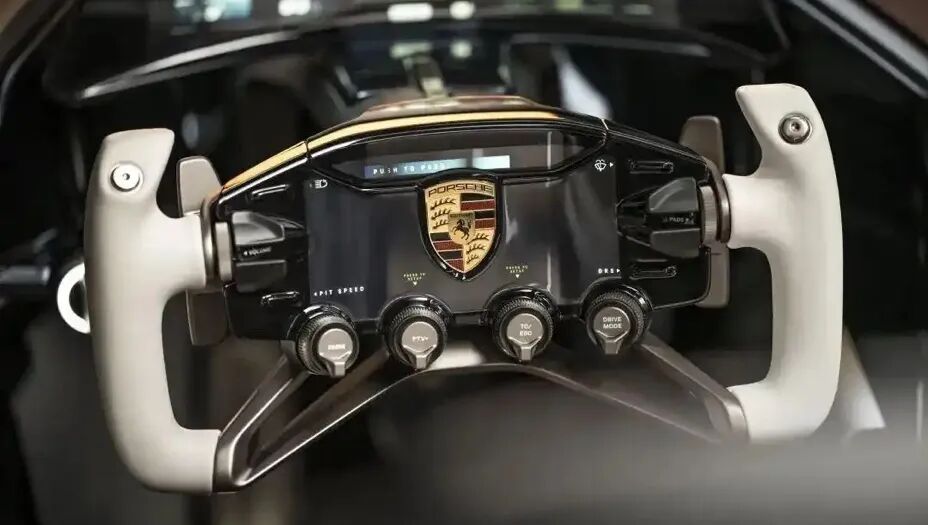
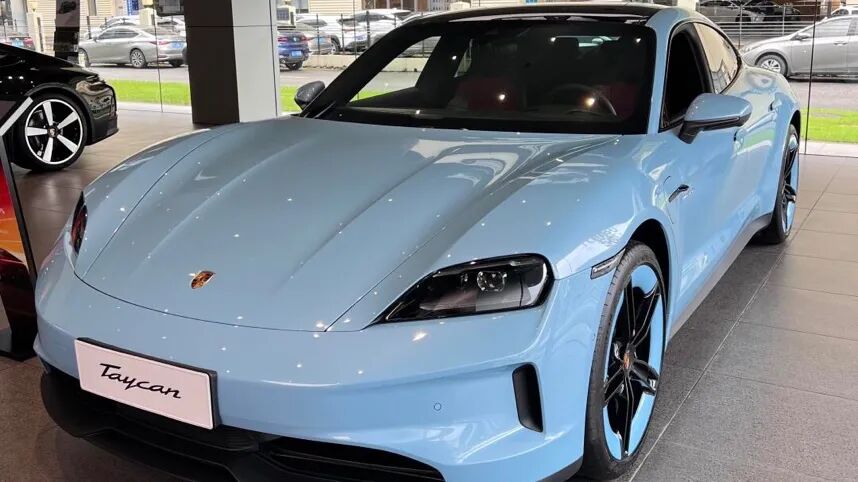
Especially in the highly anticipated Chinese market, Porsche's electric vehicle business has been a near-disaster. Data reveals that in the first nine months of this year, Porsche's deliveries in China plummeted by 33% year-on-year, marking the largest global decline. Among them, the Taycan, priced at over a million yuan and seen as the brand's electrification flagship, saw its sales drop by 31% year-on-year. Even more astonishing is that this once high-flying model, which used to sell thousands of units per month, now has fewer than 50 deliveries in a quarter in the Chinese market, practically going unnoticed.
The fall of the Taycan exposes the first harsh reality faced by luxury electric vehicles: in the fiercely competitive Chinese market, brand prestige cannot fully compensate for product shortcomings and market misalignment.
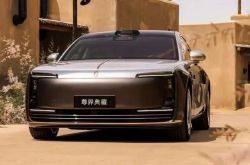
If Porsche's struggles are due to 'incompatibility with local conditions,' then the 'crash' of another domestic luxury MPV is more akin to 'a fire in the backyard,' directly pointing to fundamental product issues.
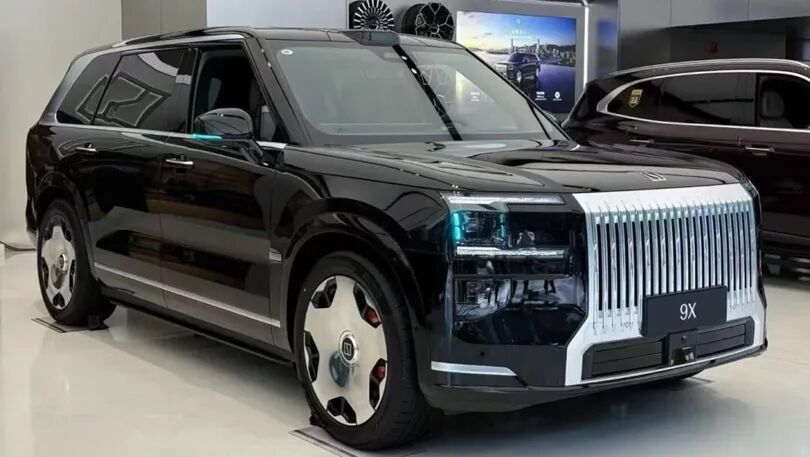
Recently, a domestic million-yuan-level MPV became embroiled in a 'pedal controversy.' Following the incident, GAC Honda, VOYAH, SAIC-GM Buick, and even BYD's premium brand Yangwang, all joined in, using videos, live streams, and other creative methods to showcase the remarkable strength of their MPV pedals—having people stand on them, jump, and even smash them with weightlifting barbell plates.
This collective 'stab in the back' by competitors, while partly a marketing tactic, also reflects the market's concern over product quality issues. From Porsche's strategic retreat to the domestic newcomer's public relations storm, these two landmark events point to a single reality: the path to luxury electric vehicles is far bumpier than imagined. A single misstep can turn a once-exalted 'legendary car' into a pile of ruins.
Electric Vehicles Unlikely to Command High Prices Within 5 Years
Faced with setbacks in electrification, Porsche's decision is decisive and clear: return to its core competencies. According to its new strategy, Porsche will not only reallocate resources towards its core fuel-powered sports cars but also plans to launch a new mid-engine supercar positioned above the 911. At the same time, it will raise its brand positioning across the board, increasing the average price of its high-end models by 20% to ensure profitability.
Porsche has realized that without the roar and precision of its horizontally opposed engine, selling an electric vehicle at 'Porsche' prices is extremely difficult.
This is not just Porsche's view but a collective challenge facing the entire high-end automotive market. Why is the engine so important? It's not just about 'nostalgia' or 'stubbornness.'
In the eyes of many discerning consumers with sufficient purchasing power, a top-tier internal combustion engine is the core and most irreplaceable carrier of brand value. Its tuning, sound, power response, and matching with the transmission together form a complex and captivating mechanical art. This unique driving experience, brought about by the synergistic operation of tens of thousands of precision components, is the 'moat' that top-tier fuel vehicle brands have spent decades or even a century building.
However, the logic of electric vehicles is entirely different. In the electric age, the core value of automobiles is being redefined. Whether it's the 'three electric' systems or intelligent driving, technological iteration is extremely rapid, and suppliers are highly concentrated. CATL's batteries, NVIDIA's chips, Huawei's intelligent driving solutions—the core components of major brands are converging, making it difficult to create essential differences at the hardware level. Today, you launch 800V high-voltage fast charging; tomorrow, your competitor can offer 900V. Today, your computational power is leading; six months later, it will be surpassed by a new chip solution.
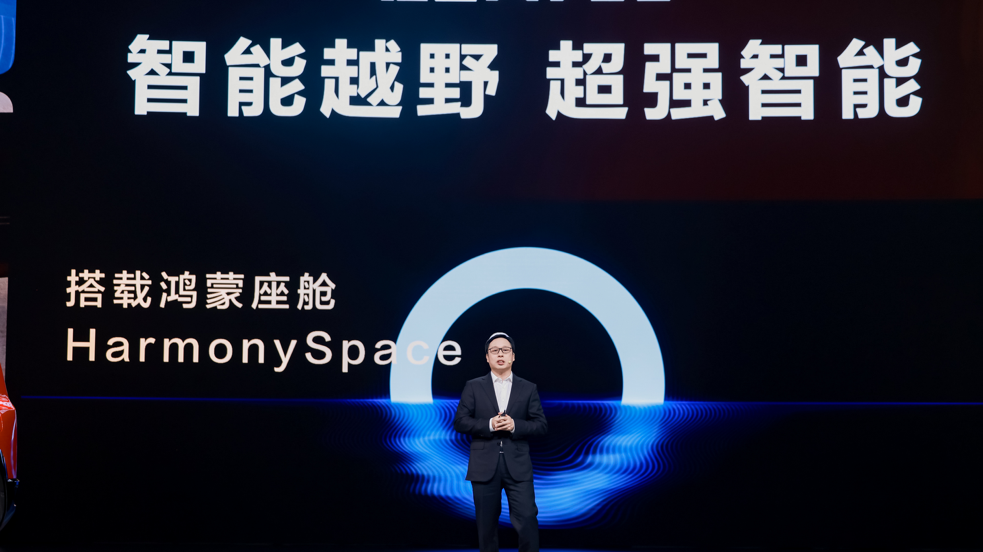
Against this backdrop of rapid technological convergence, brand 'moats' have become exceptionally fragile. A domestic electric vehicle priced at 300,000 yuan may match or even surpass a million-yuan electric vehicle in terms of zero-to-100 acceleration, range, and smart cockpit smoothness in certain aspects.
The market's choices have provided the answer. An interesting phenomenon is that in the high-end new energy market above 500,000 yuan, the real winners are often not pure electric vehicles but plug-in hybrid models that retain the engine.
Just look at the 'blockbuster' models selling over 10,000 units per month. Whether it's the VOYAH Dreamer, DENZA D9, or the ZEEKR 009, these large luxury MPVs rely on their plug-in hybrid versions as their main sales drivers. Retaining the engine not only eliminates range anxiety but, more importantly, provides a crucial pillar of value for these high-end models.
This shows that for high-end users, 'having an engine' is not just a technical choice but also a psychological identification.
Therefore, we can boldly predict: In the next five years or even longer, pure electric vehicles may struggle to establish a foothold in the ultra-high-end market above the million-yuan level. Their ceiling will become increasingly apparent. Because when all cars can achieve 0-100 km/h in 3 seconds, have screens larger than iPads, and voice assistants that can do anything, what truly differentiates luxury from mediocrity and supports high premiums are precisely the most traditional and hardest-to-replicate elements—chassis tuning and mechanical texture.
The repeated setbacks of luxury electric vehicles do not declare the failure of electrification but rather indicate that the market, after its initial frenzy, is returning to rationality and common sense.
-
![]()
Can JAC Motors Withstand Further Challenges?
-
![]()
NIO Achieves Three Consecutive Quarters of Profitability: Is Li Bin Walking on Air?
-
![]()
FAW Toyota and GAC Toyota Merge: FAW Leads the Exit! What’s the Real Value Behind the FAW-GAC Alliance?
-
![]()
Luxury Electric Cars Falter: Those Who Spent 1 Million Yuan Reconsider the Allure of Fuel Cars
-
![]()
Farewell to 'Bragging in the Name of Technology'
-
![]()
Is Li Auto's L Series Poised to Embrace Pure Electric? Is Range Extension on Its Way Out?
-
![]()
The Price is 30,000 Yuan Lower Than the Pre-sale Price: Who is the Galaxy Warship 700 Targeting?
-
![]()
Energy Storage Revenue Surges 8470%, A 60 Billion Giant Emerges with a New Gamble