Xiaomi Tightly Trails XPeng, NIO Edges Out HiMode by a Whisker, September Sales Fall Short of 'Golden September' Expectations
 10/12 2026
 406
406
NEV Sales Under Pressure, New Entrants Feel the Chill First
The National Day holiday this year marked the quietest period in the automotive industry, with few automakers flaunting their order numbers during the Golden Week, aside from the routine monthly sales updates on the first of each month. This silence doesn't imply that automakers have eased their competitive edge; rather, sales pressure has led to a scarcity of positive news in the terminal market.
According to Goldman Sachs data, NEV orders for the week spanning September 28 to October 4 witnessed a significant 52% year-on-year decline, albeit with a modest 9% month-on-month increase.
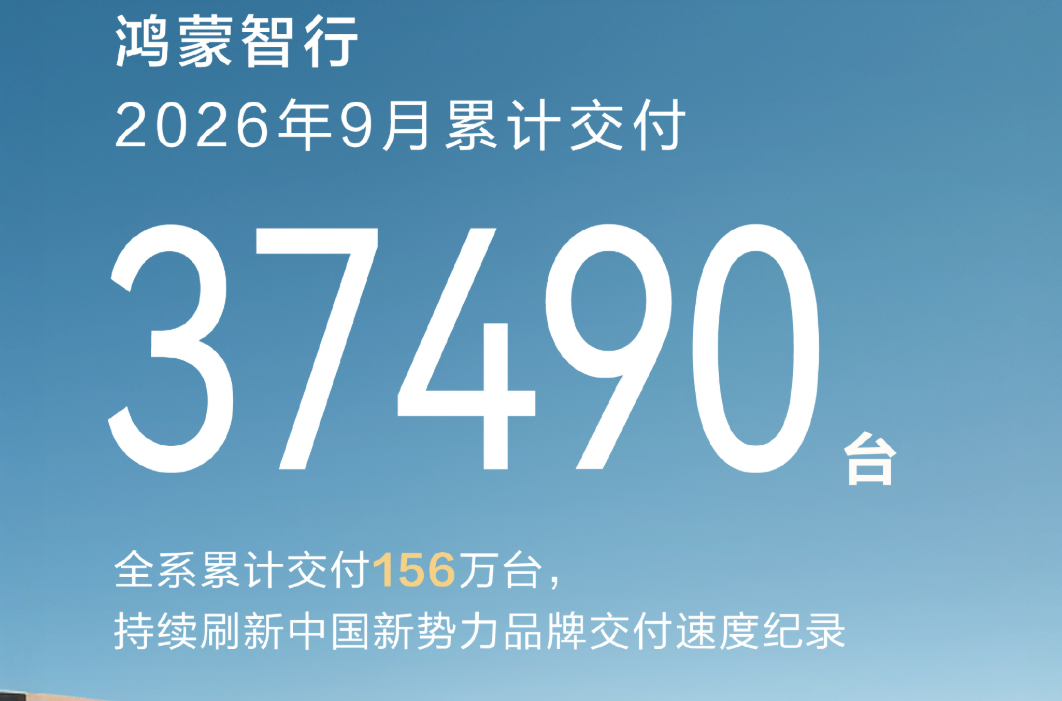
While the sales performance in the latter half of the Golden Week remains shrouded in uncertainty, only Leapmotor, HiMode, and Xiaomi have disclosed their National Day order numbers thus far, with a majority of new entrants opting to remain tight-lipped.
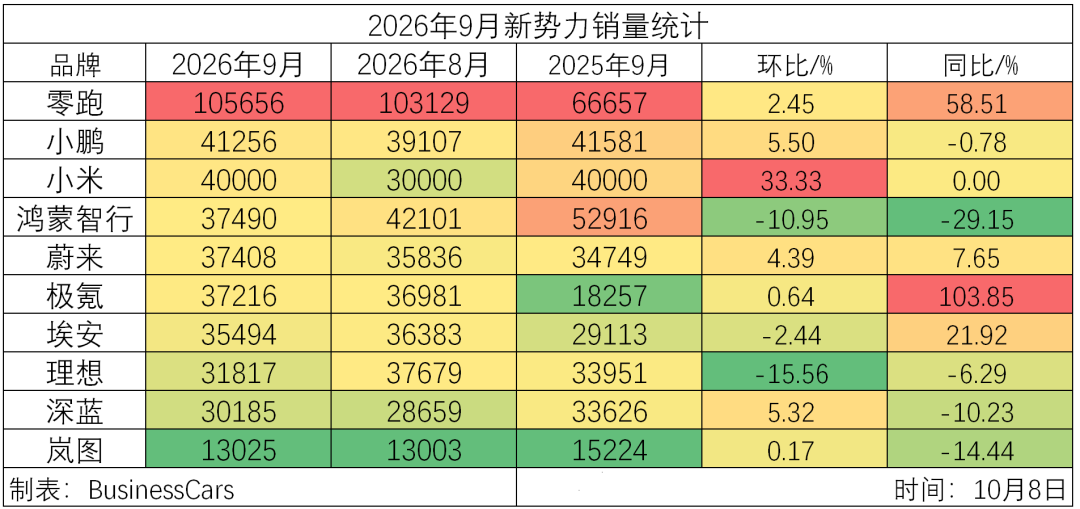
Not only were new orders underwhelming, but the September sales figures from new entrants also left much to be desired. Compared to August data, month-on-month growth languished in the single digits, with some brands even experiencing a downturn. The year-on-year comparison painted an even gloomier picture for most brands.
The sluggish month-on-month growth and year-on-year declines underscore that new entrants are the first to bear the brunt of market pressure, signaling that the ultimate showdown for NEV startups is nigh, following the depletion of the NEV dividend.
One Dominant Force and Two Strong Contenders
While most new entrants' September results were lackluster, Leapmotor, the current frontrunner, delivered a stellar performance, with September sales once again surpassing 100,000 units, towering over its competitors striving to reach the same milestone.
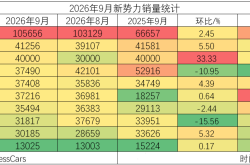
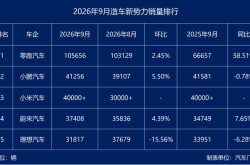
Specifically, Leapmotor's September sales soared to 105,656 units, marking a mere 2.45% month-on-month increase but a robust 58.51% year-on-year surge. This growth is somewhat constrained by Leapmotor's current scale, particularly the limited number of terminal dealerships and delivery centers, which cap its delivery capacity.
According to Leapmotor's semi-annual report, it boasts 1,064 sales outlets and 562 service outlets. With such a network, achieving monthly sales of 100,000 units means each service outlet must deliver an average of 189 new vehicles per month, placing immense pressure on terminal dealerships.
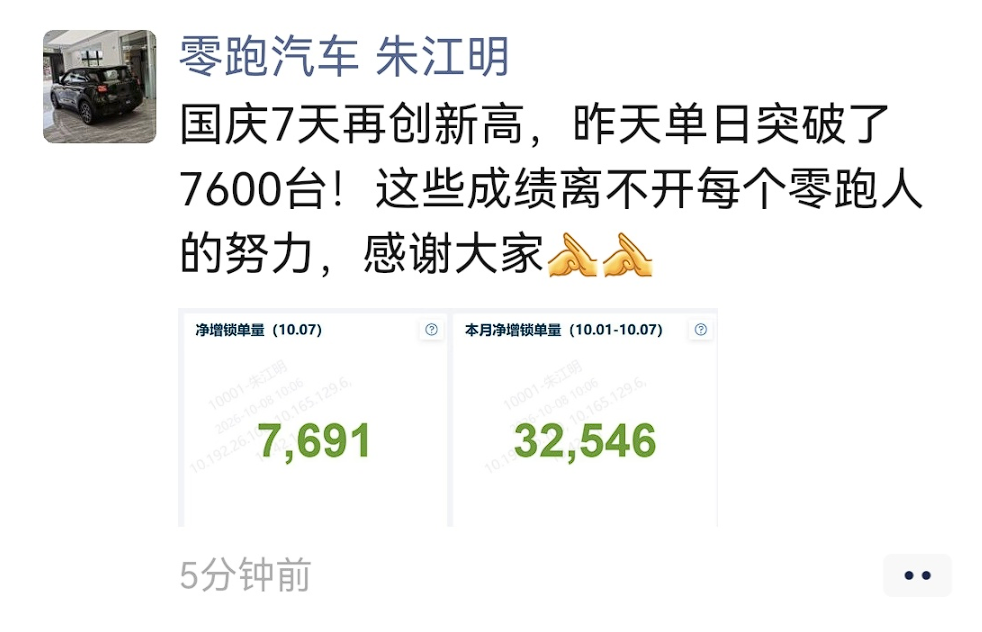
Of course, robust sales serve as a motivator for dealership staff. Leapmotor remained proactive in September, unveiling multiple new technologies, including hybrid models, at its September 16th tech launch event.
In terms of product offerings, Leapmotor's pricing strategy this year has been more aggressive. The refreshed C10, its flagship model, introduces 800V fast charging, Qualcomm 8295, and LiDAR to the 130,000-yuan price bracket. Additionally, the A05, rumored to launch in October, is expected to bring further surprises.
Besides its strong domestic performance, Leapmotor's overseas business also achieved its annual target ahead of schedule, with over 27,000 units exported in September, reaching the annual export target of 150,000 units prematurely. This proves that NEV exports remain promising, and Leapmotor will also showcase at the Paris Motor Show, launching a strong offensive into the European market.
As for XPeng, ranking second after Leapmotor, it's a mix of happiness and nervousness. Happy because sales finally rebounded to over 40,000 units, breaking the 30,000-unit ceiling for new entrants; nervous because Xiaomi's monthly sales also exceeded 40,000 units, narrowing the gap between the two.
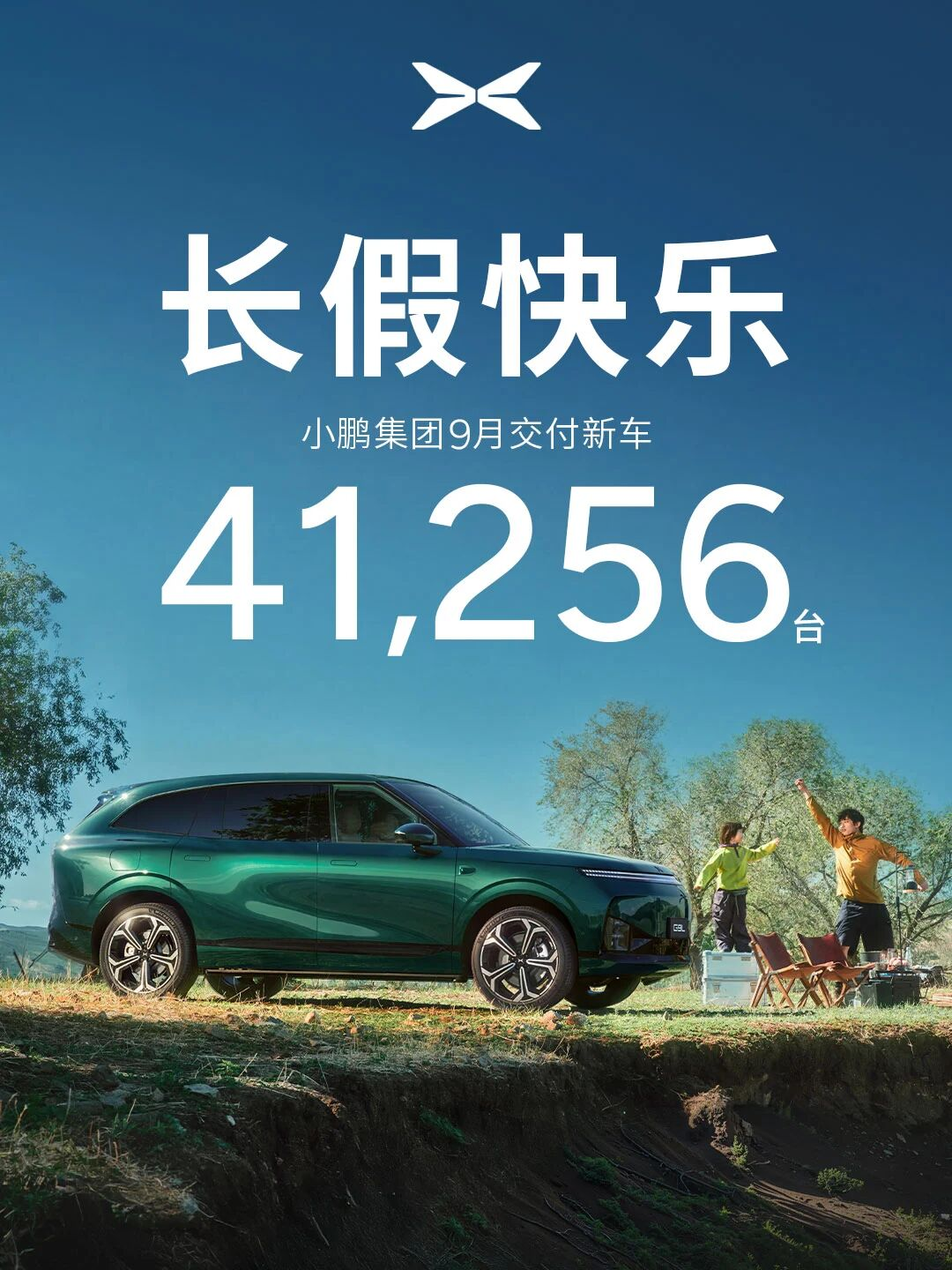
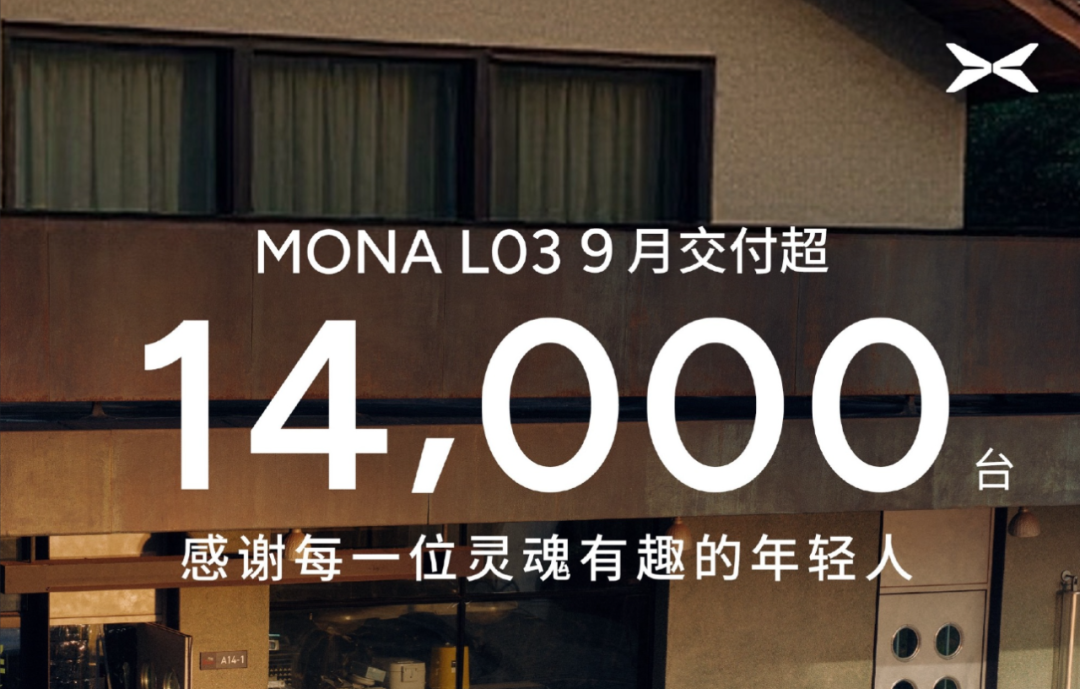
Specifically, XPeng's September sales reached 41,256 units, up 5.5% year-on-year, ranking second only to Xiaomi among new entrants. However, the year-on-year decline underscores the challenging nature of the NEV market in 2026. The sales core remains the MONA series, with the L03 exceeding 14,000 units and the M03 over 13,000 units, totaling over 27,000 units, serving as the bedrock of XPeng's sales.
Including 7,000 units of the XPeng GX, the remaining models accounted for less than 8,000 units in sales. Excluding the newly launched G9L, this indicates that XPeng's previous major product lines have collapsed in the current market, including the once-promising P7. This is why XPeng chose to merge product lines while maintaining MONA's independence.
The crisis hasn't subsided with XPeng's sales surpassing 40,000 units; instead, it's intensifying. Year-to-date sales are down 9.24% year-on-year, and whether it can surpass this in Q4 remains to be seen.
Overseas markets are currently a focal point for XPeng, with overseas deliveries surpassing 10,000 units in September, performing well in multiple markets. After debuting at the Munich Motor Show in July, the G9L will also appear at the Paris Motor Show this month, with right-hand drive versions already shipped overseas.
For XPeng, September's sales demonstrate its strength, but whether it can sustain current sales in Q4 and remain in the final showdown is yet to be determined.
Xiaomi Automobile Makes Steady Progress
Compared to XPeng's latent risks, Xiaomi Automobile's sales have advanced steadily, especially after the launch of the Pengcheng series, which spurred strong growth, allowing Xiaomi to finally surpass 40,000 monthly sales again, proving that extended-range models still hold significant market potential.
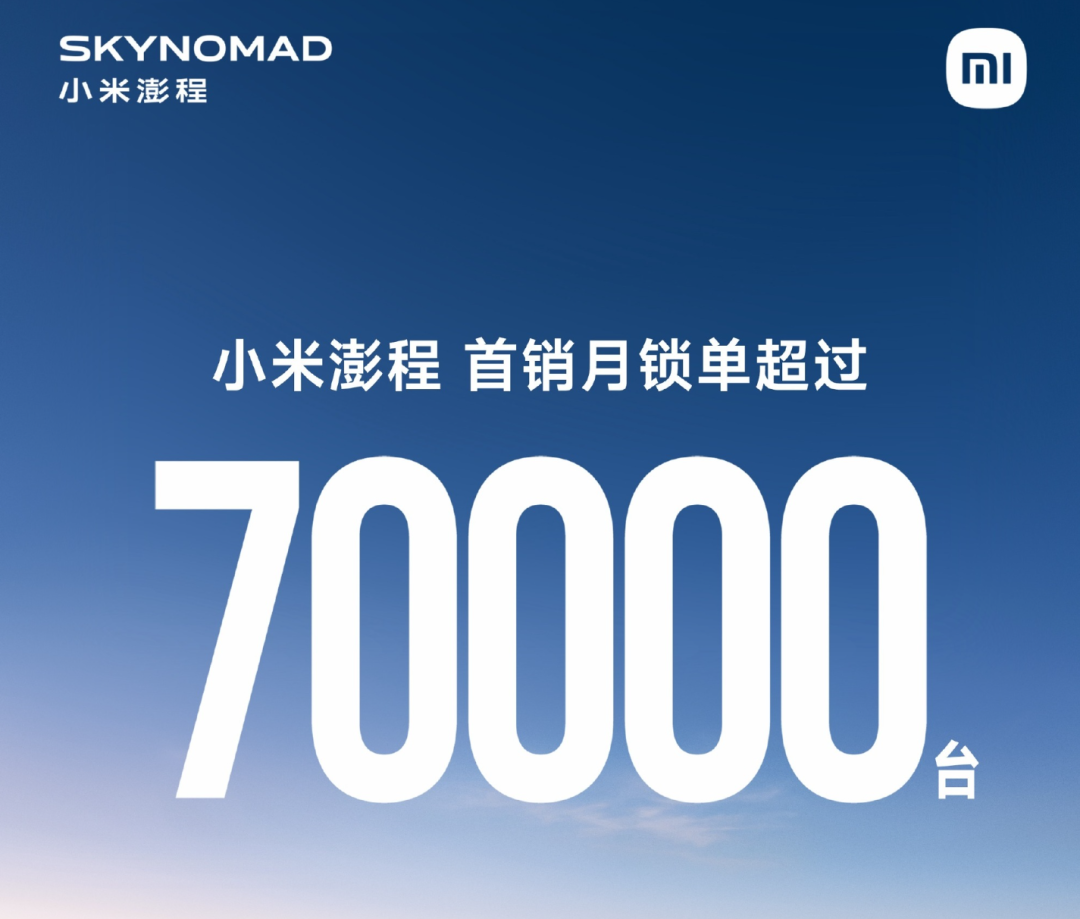
According to Xiaomi Automobile's official announcement on October 7, the Pengcheng series garnered over 70,000 orders in 30 days, with over 10,000 units delivered in the first month.
For Xiaomi Automobile, the Pengcheng series' additive strategy has proven successful. Although it's an extended-range model, for ordinary consumers, it offers an extra layer of assurance compared to pure electric vehicles, making it more suitable for family use. On the other hand, while many selling points of the Pengcheng series are not groundbreaking, integrating them into one vehicle and addressing consumer needs is Xiaomi's forte.
Judging by the order numbers, Xiaomi Automobile has gained confidence, but it still has a long way to go to achieve its annual sales target of 550,000 units. Based on Xiaomi's announced data, the achievement rate is just over half, but the word "over" in the poster suggests the real situation is closer to 60%.
Based on the cumulative sales time announced by the official, over 200,000 units have been delivered in more than six months, and the 550,000-unit target is exactly the production capacity limit of Xiaomi's factory. Considering Xiaomi's current delivery cycle, it can still achieve its annual target as long as subsequent order numbers keep pace.
A Narrow Margin
Unlike the clear hierarchy among the top three, the sales gap among the following new entrants is negligible, with HiMode, NIO, and Zeekr separated by only a hundred or two hundred units. This intense competition is characteristic of new entrants this year.
Except for Leapmotor, most new entrants have been stuck at around 30,000 monthly sales for an extended period, unable to break through even during the so-called "Golden September and Silver October" sales peak.
Specifically, HiMode's sales slipped back to 30,000 units, with both year-on-year and month-on-month declines, entering a rare period of turbulence. Of course, the reasons behind this are complex, mainly due to the transition period between old and new models.
On September 28, before the National Day holiday, HiMode launched three new models at once: the Smart RX, Smart R7, and Xiangjie V8, enhancing its product competitiveness. Notably, the Smart RX and Xiangjie V8 are heavyweight models targeting the mainstream market.
Of course, HiMode's sales only tell one side of the story; more importantly, its average transaction price remains high, with the Aito M9's delivery accelerating and its average price exceeding 600,000 yuan, securing its position as the best-selling model in the 500,000-yuan segment.
For HiMode, the key now is to see its Q4 delivery performance, whether it can convert popular models into actual sales and turn attention into tangible growth.
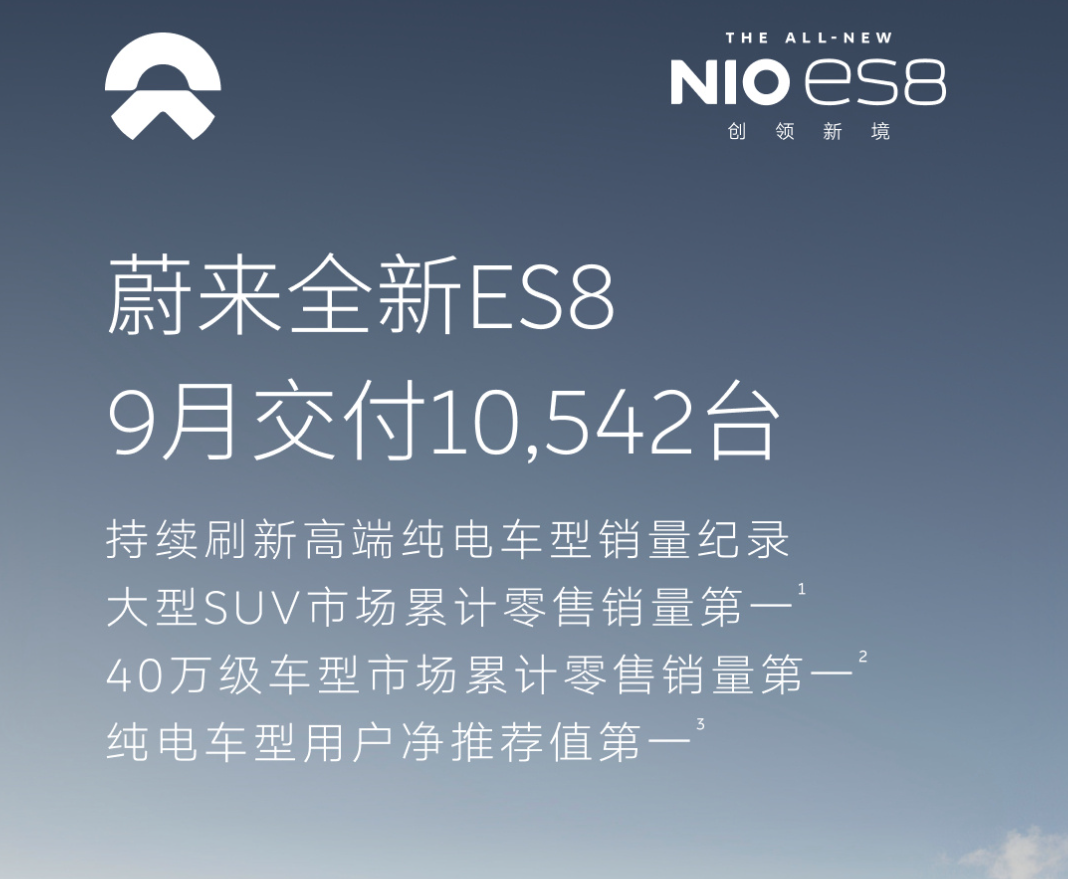
Next is NIO, which narrowly lost to HiMode by less than a hundred units, with 37,408 units sold, making it one of the few new entrants to maintain both year-on-year and month-on-month growth. Its core sales still come from the NIO brand, with the ES8, still popular a year after its launch, remaining a pillar, delivering over 10,000 units monthly.
In terms of sales, NIO has completely emerged from its perilous period, but it still relies heavily on a single model, facing similar issues to XPeng. Without core model replacements, its numerous product lines remain a burden.
On the other hand, its sub-brands perform differently. Firefly sales grew significantly, up about 25% month-on-month, after joining NIO's battery swap system, proving the system's driving effect on refueling urban commuter vehicles.

As for the Ledo brand, although it celebrated its 200,000th delivery, its performance still ranks low within NIO, with three models delivering less than 9,000 units monthly, becoming NIO's biggest weakness in growth. It has failed to leverage the advantages of the battery swap system or the incremental growth brought by price reductions.
Regarding Zeekr, as the new entrant with the fastest year-on-year sales growth this year, its large vehicle strategy, represented by the 9X, has been successful. A year after its launch, it still maintains over 7,000 deliveries monthly, proving its strength and becoming Zeekr's flagship model.
As for the Zeekr 7X, despite model updates, it still stabilizes at over 10,000 deliveries monthly, proving its price advantage under current promotions, far more attractive than new models.
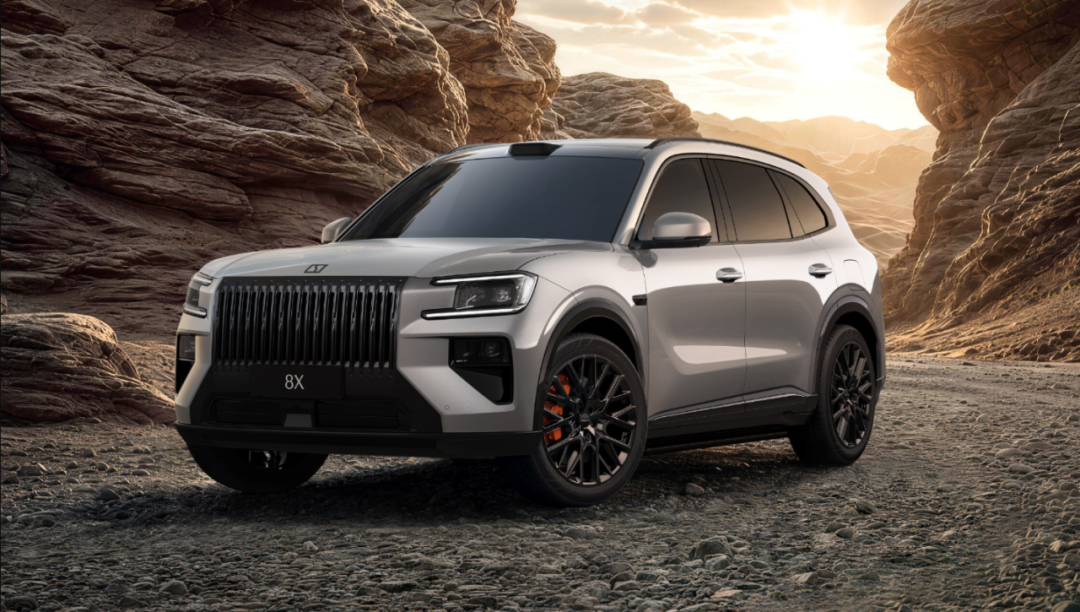
The only doubt surrounds the 8X, a new model Zeekr heavily invested in for 2026. It no longer announces monthly sales, with third-party data showing September sales dropped to less than 3,000 units. It's unclear why this model failed to replicate the success of the 9X.
In terms of sales, although Zeekr's year-on-year growth is the best among new entrants in 2026, its month-on-month growth slowed to 0.64% in September, indicating that under overall market pressure, Zeekr also struggles to break through.
Regarding Aion, it seems to have emerged from its early-year sales slump, with a 20% year-on-year surge proving that under the drive of new series, it has successfully transitioned from B-end to C-end markets.
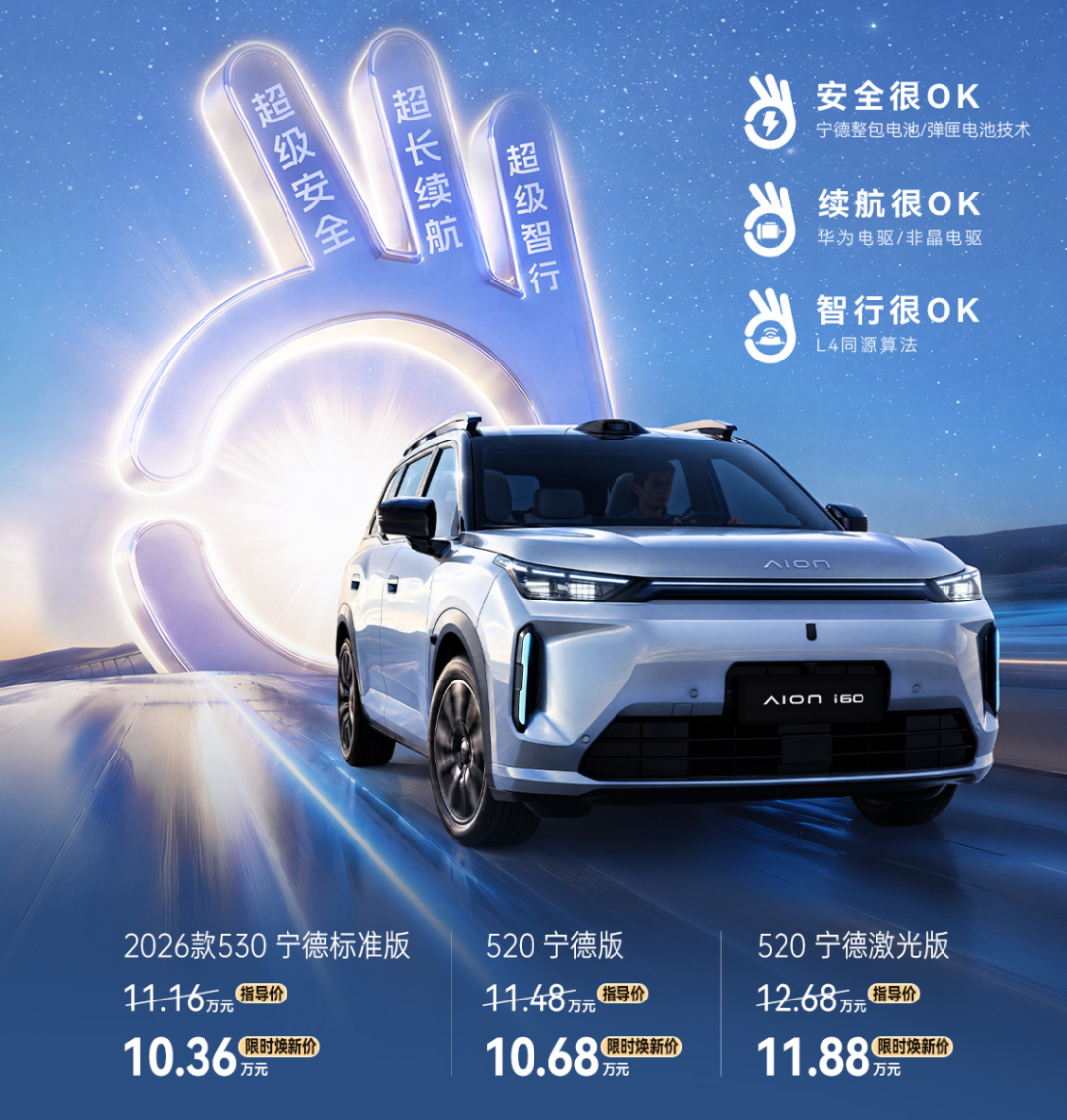
Its current best-selling model remains the i60, with over 10,000 units sold for six consecutive months. The refreshed model still achieved 10,478 deliveries in September, proving that its pricing at 103,600 yuan can indeed bring stable sales.
However, the month-on-month decline shows that under market pressure, Aion, as a new entrant from a traditional automaker, also faces challenges. Besides existing models, Aion's focus is almost entirely on the new pure electric sedan Ray7, and whether this model can help Aion break through its current sales slump remains to be seen.
It's hard to imagine that Li Auto's sales would slide back to just over 30,000 units after rising in August, making it one of only two new entrants to experience both year-on-year and month-on-month sales declines.
Currently, Li Auto is focusing on pure electric models, having launched the MEGA and i9 in September, completing its layout in the high-end pure electric segment. However, its mainstay i6, affected by model updates, has many potential consumers waiting on the sidelines, contributing to the sales decline.
On the other hand, although Li Auto and Xiaomi's Pengcheng series don't have absolute competitive relationships, the launch of the Pengcheng series has attracted some L-series consumers, especially since Xiaomi launched two extended-range models at once, impacting the L-series.
Regarding sales, Li Auto is also shifting its focus overseas, beginning expansion this year into Central Asia, Southeast Asia, and the Middle East, and will officially enter the European market at the Paris Motor Show, with the highly anticipated i6 as its debut model.
Currently, Li Auto is the only new entrant besides HiMode that hasn't achieved sales growth overseas. In 202
Although VOYAH's sales volume continues to hover near the 10,000-unit mark, its attitude remains notably sincere compared to other emerging brands with lower sales figures. The company consistently releases its monthly sales data, regardless of whether the numbers reflect growth or decline, showcasing a higher level of accountability than many of its competitors.
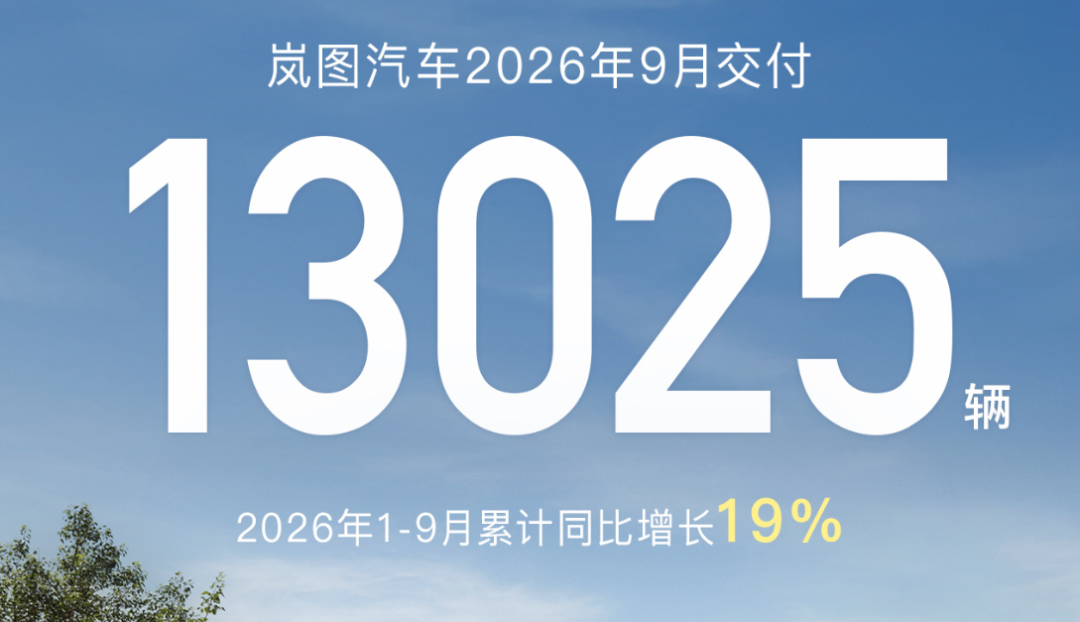
Achieving sales of 13,025 units still poses a challenge for VOYAH, and the 14.4% year-on-year decline underscores the slow adaptation of traditional automakers to market shifts amid increasingly stringent market policies. While VOYAH offers a diverse lineup of models, only the Dreamer MPV has truly distinguished itself thus far. Whether the newly launched Dreamer 9, introduced in September, can serve as VOYAH's salvation in the fourth quarter remains uncertain and will hinge on market feedback.
Overall, due to the tightening of preferential policies for new energy vehicles and the temporary suspension of subsidies in various regions at the end of the third quarter, the sales performance of emerging automakers has failed to meet expectations for the traditionally strong "Golden September and Silver October" period.
Looking ahead to October's sales performance, much will depend on whether funds can be swiftly disbursed in the fourth quarter, potentially allowing the market to deliver its anticipated performance at the start of the quarter.
On the flip side, with the exception of a few automakers, most emerging brands are actively expanding into overseas markets, spanning Southeast Asia, the Middle East, and even extending to the upcoming Paris Motor Show. Venturing abroad is emerging as the second growth curve for these new forces, presenting fresh challenges for those opting to establish their own distribution channels.
Note: Some images are sourced from the internet. If any infringement occurs, please contact us for removal.
-END-
-
![]()
BMW and Porsche Exit Collectively as Chinese Brands Steal the Spotlight at Paris Auto Show
-
![]()
Xiaomi Tightly Trails XPeng, NIO Edges Out HiMode by a Whisker, September Sales Fall Short of 'Golden September' Expectations
-
![]()
September 2026 Sales Review of Emerging Automakers: Leapmotor Soars to New Heights
-
![]()
September’s Centralized Feedback Highlight: Beijing Benz Faces a Surge of Complaints Over Camshaft Filter’s Vulnerability to Detachment
-
![]()
2027 Changan Qiyuan A06 Hits the Market: Worth Buying If You Can Overlook These Drawbacks
-
![]()
Analysis Report on Automobile Reputation Index for September 2026
-
![]()
Jia Zhangke Tunes into Hongguo: AI Buzzes, but the Masses Just Want to 'Kick Back'
-
![]()
Can JAC Motors Withstand Further Challenges?