BMW and Porsche Exit Collectively as Chinese Brands Steal the Spotlight at Paris Auto Show
 10/12 2026
 360
360
The Paris Auto Show, which has been imbued with the aroma of gasoline for over a century, is now evolving into a pivotal platform for the transition between the old and new eras of the automotive world.
In 1898, the world's inaugural international auto show made its debut in the Tuileries Garden, Paris.
At that time, Europe served as the birthplace of the modern automotive industry. From the thunderous engines of Daimler and Benz to the assembly lines of Citroën and Renault, the foundations of the global automotive sector were laid here.
For over a hundred years, the Paris Auto Show has served as a bellwether for the global automotive industry. It has witnessed the dawn of the gasoline-powered vehicle era, the overseas expansion of Japanese automakers, and the evolution of countless iconic models from conceptual sketches to household names.
On October 12, 2026, at the Porte de Versailles Exhibition Center, this historic cradle of the automobile, which has been steeped in the scent of gasoline for over a century, is undergoing an unprecedented industrial metamorphosis.
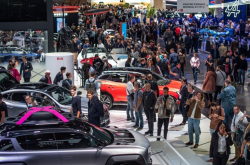
Prior to the opening of the 91st Paris Auto Show, a set of exhibition statistics sent shockwaves through the global automotive community: 22 Chinese automotive brands made their presence felt at this year's event, more than doubling their representation from the previous edition in 2024 and even surpassing the combined total of 10 French and 7 German exhibitors.
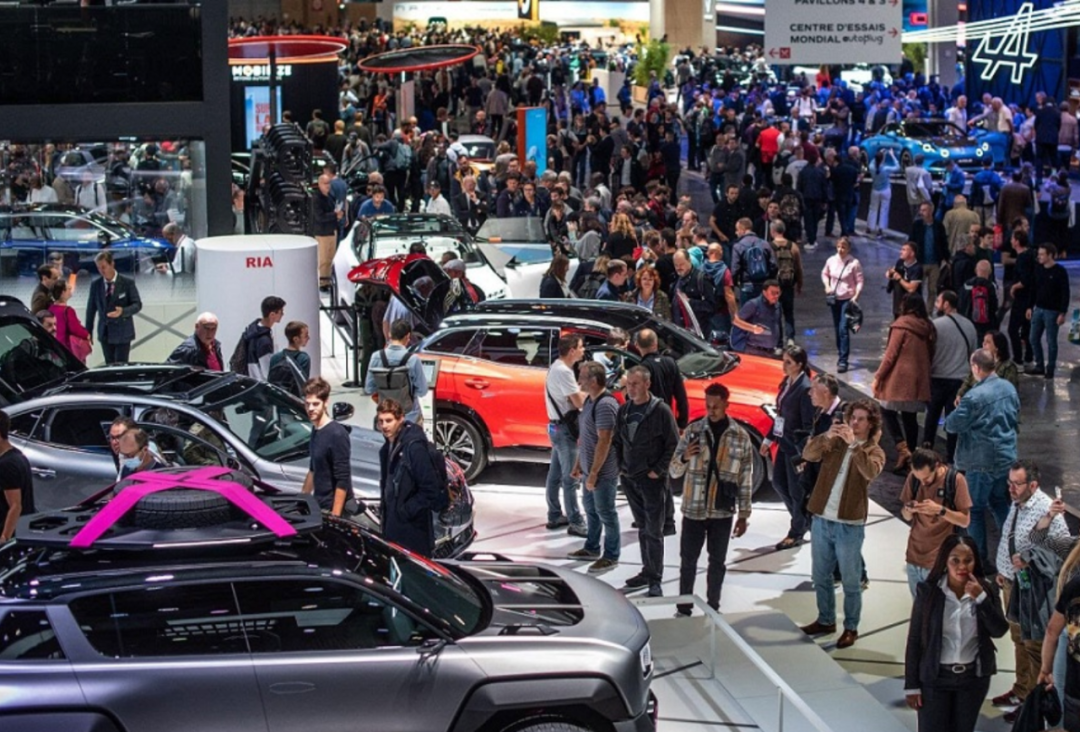
Established European market players like BYD, Chery, Leapmotor, and NIO were joined by newcomers such as Changan, Avatr, and Li Auto, making their European public debuts and unveiling their stands to Parisian audiences for the first time.
Two years ago, at the Paris Auto Show, Chinese brands were largely viewed as 'distant challengers.' Many European audiences approached the Chinese stands with a sense of curiosity, eager to see what the fuss was about. This time, however, Chinese automakers have emerged as one of the undeniable focal points of the show.
Rudie, Secretary-General of the International Organization of Motor Vehicle Manufacturers, aptly summed it up: 'The arrival of Chinese brands has injected new vitality into this once-subdued veteran auto show. Nowadays, not participating in global auto shows means your voice in the European market is diminishing.'
A Silent Triumph Achieved Through Market Share
Of course, the prominence of Chinese automakers at the Paris Auto Show is not merely a result of larger stands and flashy marketing tactics. Over the past two years, on the streets of European cities, they have steadily built their market share, one delivered vehicle at a time.
The latest data from research institutions reveals that in the second quarter of 2026, Chinese brands accounted for 10.7% of the entire European automotive market, nearly doubling from 5.7% a year earlier.
This growth rate even surpasses the expansion pace of Japanese automakers when they entered Europe in the 1970s.
Back then, it took Toyota and Honda nearly a decade to achieve the market penetration that Chinese automakers have accomplished in less than half that time. In the rapidly growing segment of plug-in hybrids, Chinese brands have an even more pronounced advantage, currently holding over 26% of the Western European plug-in hybrid market, up from a mere 2.2% just two years ago.
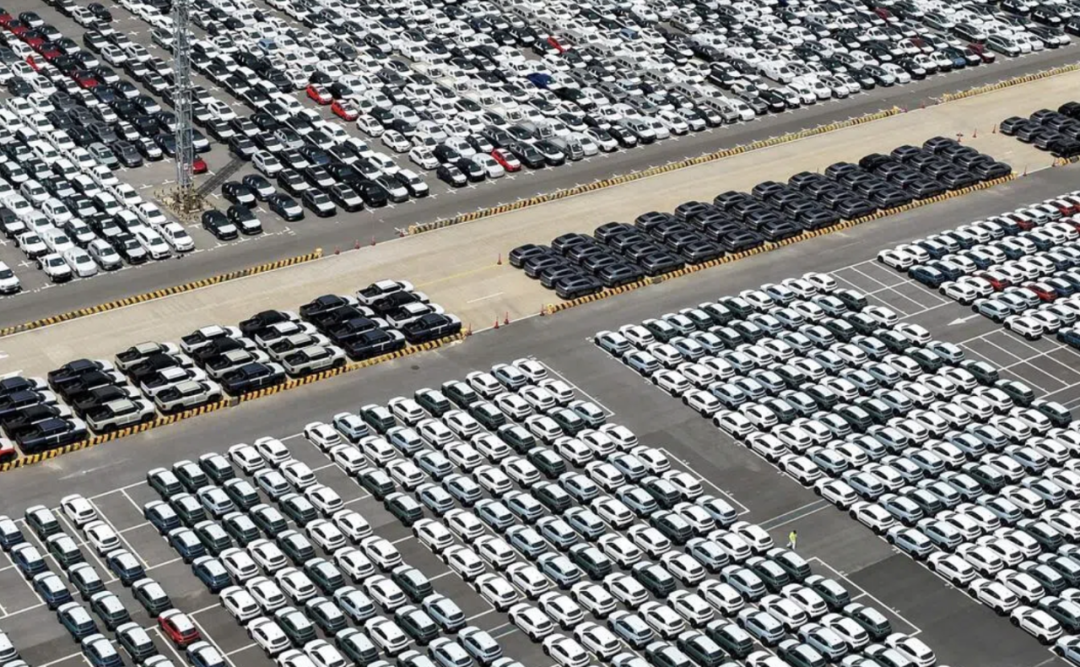
What makes this growth trajectory even more remarkable is its context. Two years ago, the EU officially imposed anti-subsidy tariffs on electric vehicles imported from China. Many industry observers predicted that this would slow down the pace of Chinese automakers' expansion in Europe.
But reality has proven otherwise. Chinese companies have not limited themselves to the pure electric vehicle segment. Instead, they have carved out new market niches with a diverse product portfolio, including plug-in hybrids and fuel-efficient internal combustion engine vehicles.
So, while many European domestic brands are still embroiled in debates over whether to 'go fully electric or retain internal combustion engine lines,' Chinese automakers have already presented a comprehensive product lineup covering pure electric, plug-in hybrid, extended-range, and fuel-efficient internal combustion engine vehicles. They are directly addressing the core needs of ordinary European consumers with lower operating costs and longer real-world driving ranges.
'In just two years, Chinese automakers have reached a new level. Today, they are bringing not just competitive electric vehicles but a more complete and diverse product lineup.'
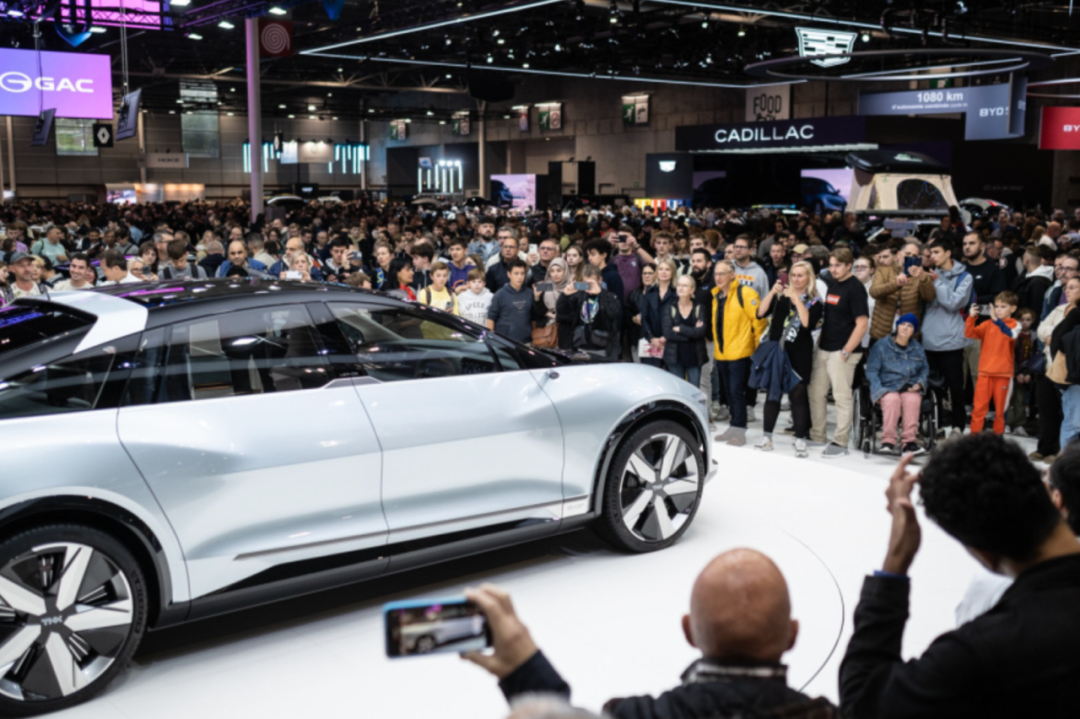
Serge Gascho, head of the Paris Auto Show organizers, did not conceal his immediate impression of the changes in Chinese automakers when interviewed on the eve of this year's show. As a seasoned industry insider who has witnessed countless editions of the Paris Auto Show, he has seen Chinese automakers evolve from 'testing the waters with a few flagship models' to 'bringing their entire product families to European audiences.'
The Evolution of Chinese Automakers in Europe
If two years ago, the primary goal of Chinese automakers participating in the Paris Auto Show was to 'make European audiences aware of their brands,' then the Chinese brands standing in the Porte de Versailles halls in 2026 are already contemplating how to truly integrate into Europe's automotive industrial ecosystem.
At this year's show, Chinese exhibitors could be found throughout the core areas of the exhibition halls. From the layout, it is evident that Chinese automakers are no longer confined to a 'new exhibitor corner' in some remote part of the venue. Instead, they have truly entered the core exhibition areas, standing shoulder to shoulder with European giants like Renault and Stellantis.
More fundamental changes are taking place in the market outside the exhibition stands. Gascho mentioned in the interview that compared to the previous show, the visibility and market foundations of many Chinese brands in Europe have significantly strengthened. Their development approach has long since shifted from initial complete vehicle exports to comprehensive local operations. Manufacturing plants are beginning to be established in Europe, R&D centers tailored to European user habits are being set up, and distribution and after-sales networks covering major cities are rapidly expanding.
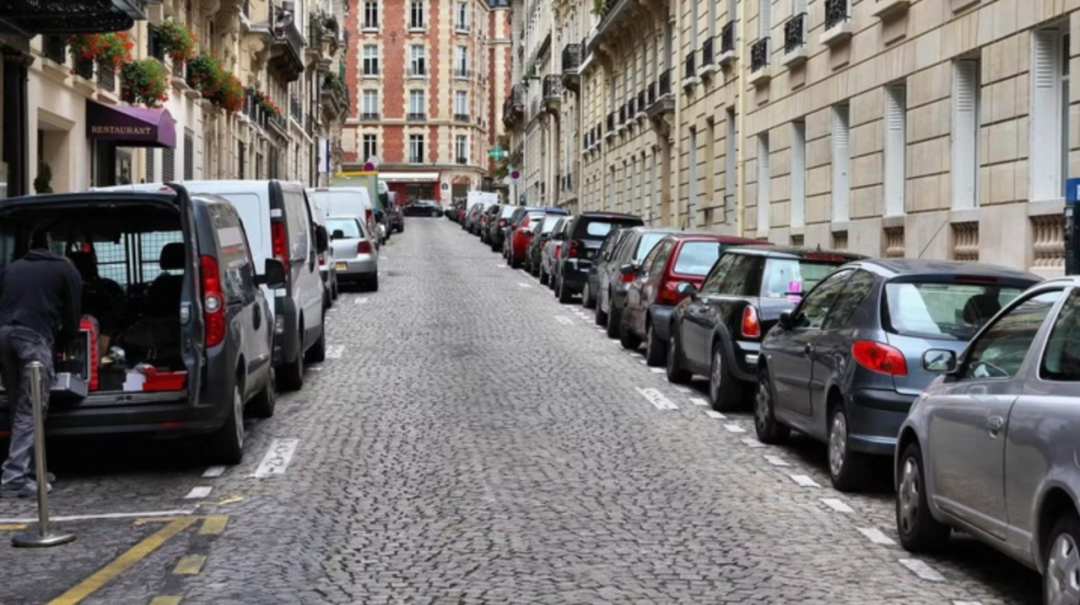
Currently, nine Chinese brands have achieved formal order placement and delivery in the French market. Among them, Leapmotor has over 130 sales outlets in France, Omoda and Jetour have 121 signed dealers, and Lynk & Co's stores cover 25 European countries.
The most direct consequence of these changes is that the reputation of Chinese automakers among users is shifting from 'cheap Chinese cars' to 'user-friendly smart electric vehicles.'
This entrenched expansion also coincides with the time window of Europe's automotive market electrification transition.
By the end of August 2026, electric vehicles accounted for 30% of new car sales in France, a full 10 percentage points higher than the 20% for the entire year of 2025. In Germany, the penetration rate of electric vehicles among new cars reached 26%, significantly higher than 19% a year earlier. 'The key now is to make electric vehicles accessible to a broader range of consumers,'
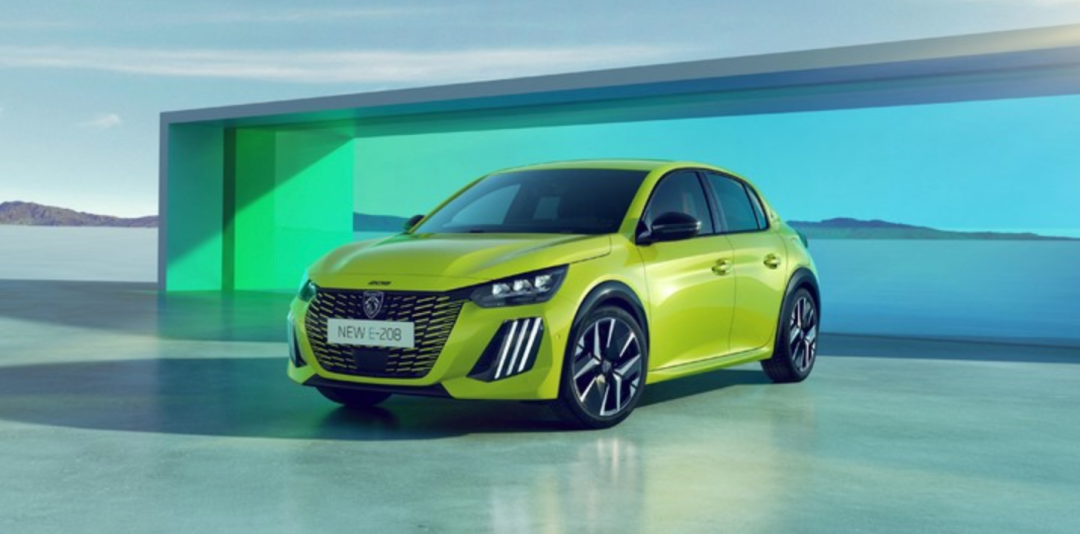
Gascho said. Today's European consumers, when choosing a car, no longer focus solely on brand history and engine specifications. They increasingly value daily operating costs, real-world driving range, charging convenience, and infrastructure coverage. Comfort, digital configurations, and in-car software experiences are becoming core factors influencing purchasing decisions. These are precisely the core strengths that Chinese automakers have honed through years of domestic market competition.
Behind the Parallel Competitions
It can be said that this year's Paris Auto Show presents two starkly contrasting industry landscapes. On one side, traditional automotive players like BMW, Porsche, and Nissan have successively announced their absence, prioritizing cost-cutting over exposure at large-scale exhibitions. On the other side, more than 20 Chinese brands are making dense debuts with new models, turning the auto show into their main stage for showcasing globalization achievements.
This ebb and flow precisely reflect the alternation of the old and new orders in the global automotive industry.
For European domestic brands, Paris is no longer the 'showground for displaying industrial strength' it once was but a 'testing ground' for facing market competition. Faced with Chinese brands' rapid pursuit in electrification and intelligence, traditional automakers have to re-examine their product line rhythms, struggling to find a balance between electrification investments and profitability pressures.
For Chinese brands, the Paris Auto Show is a critical window to showcase their product strength to the European market and reverse brand perceptions.
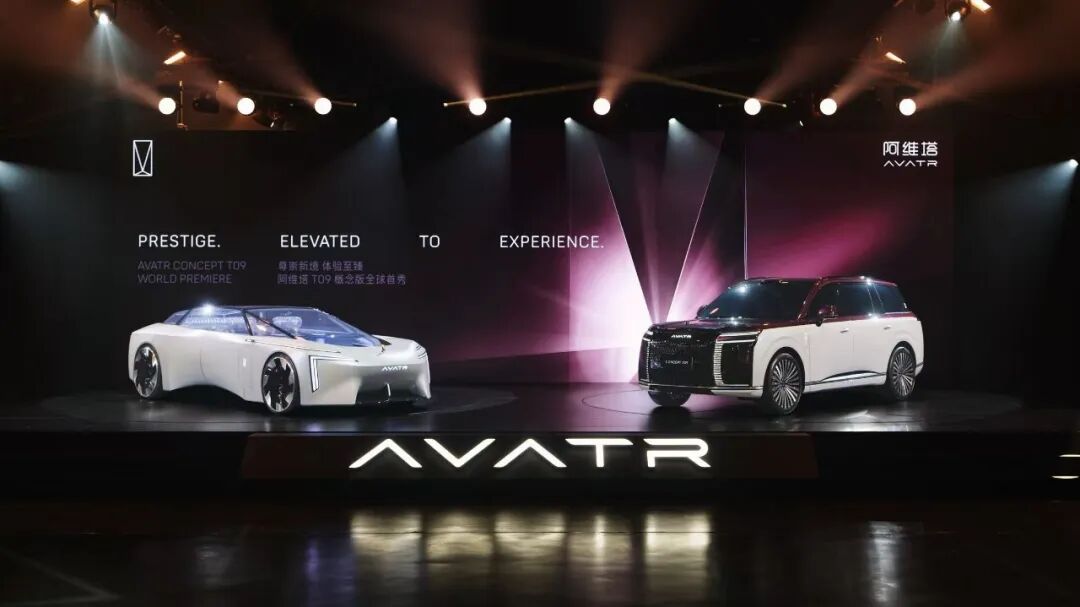
However, this process of transition is far from smooth sailing. Europe, as one of the strictest automotive markets in terms of global access standards, has extremely high certification thresholds in safety, environmental protection, data compliance, and other areas. For Chinese automakers to truly gain a foothold, they must overcome many long-term challenges.
How to further improve the sales network in lower-tier markets, how to establish brand recognition that aligns with European user habits, and how to transform the current explosive growth into a long-term, stable market foundation—these are all industry challenges that Chinese automakers need to address continuously in the coming years.
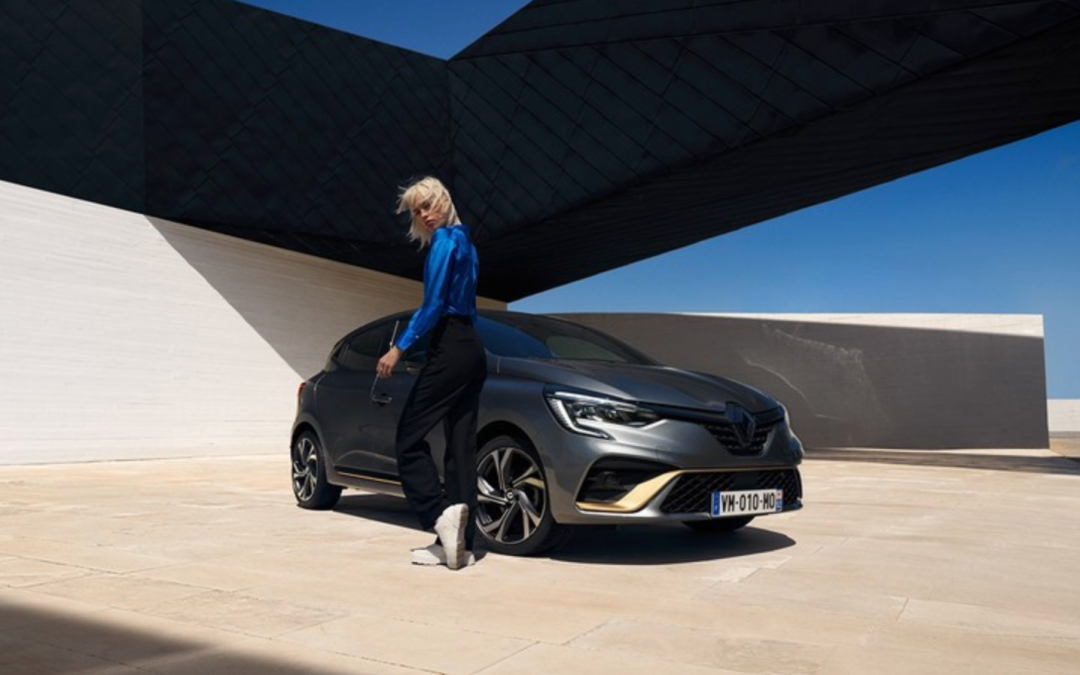
When Gascho attended the Beijing Auto Show in April this year, his deepest impression was how the Chinese automotive industry is redefining the concept of 'automobile.' With the deep integration of electrification, software, and artificial intelligence, the automobile is no longer a mere transportation device but has transformed into a mobile intelligent space. New usage scenarios such as work, entertainment, and rest are reshaping the design logic of the entire industry.
And this industrial transformation happening in the East is now being transmitted, through the Paris Auto Show, to the place where the automotive industry was born a century ago.
Note: Some images are sourced from the internet. If there is any infringement, please contact us for removal.
-END-
-
![]()
BMW and Porsche Exit Collectively as Chinese Brands Steal the Spotlight at Paris Auto Show
-
![]()
Xiaomi Tightly Trails XPeng, NIO Edges Out HiMode by a Whisker, September Sales Fall Short of 'Golden September' Expectations
-
![]()
September 2026 Sales Review of Emerging Automakers: Leapmotor Soars to New Heights
-
![]()
September’s Centralized Feedback Highlight: Beijing Benz Faces a Surge of Complaints Over Camshaft Filter’s Vulnerability to Detachment
-
![]()
2027 Changan Qiyuan A06 Hits the Market: Worth Buying If You Can Overlook These Drawbacks
-
![]()
Analysis Report on Automobile Reputation Index for September 2026
-
![]()
Jia Zhangke Tunes into Hongguo: AI Buzzes, but the Masses Just Want to 'Kick Back'
-
![]()
Can JAC Motors Withstand Further Challenges?