Tax Rebate Cuts: SAIC Motor Emerges as Potential 'Weakest Link' in China's Auto Export Resilience Framework
 10/15 2026
 422
422
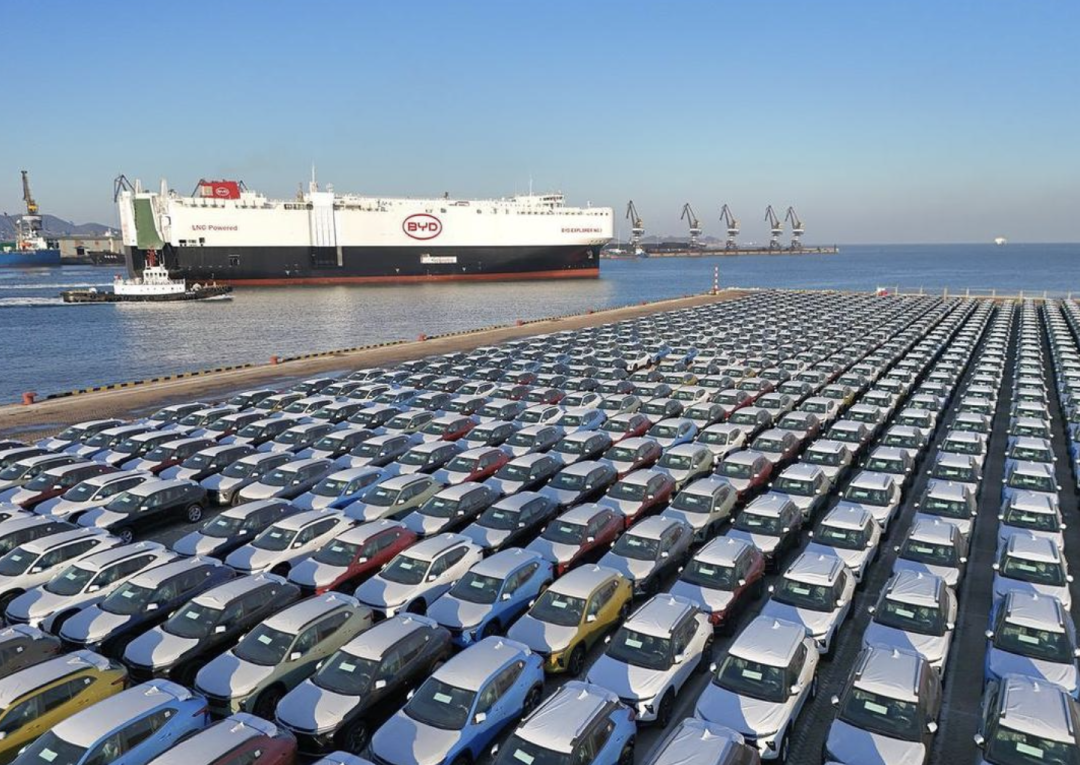
On October 12, a fresh export tax rebate policy sparked intense discussions regarding the global expansion of China's new energy vehicle (NEV) sector. This policy adjustment, which reduces tax rebates, has transformed the issue of tax refunds into a litmus test for automakers' true competitiveness.
Amid the outcry over the reduced tax rebates, numerous industry experts remarked, "Unlike automakers that establish overseas factories and rely on brand value, companies that depend on tax rebates for survival are now facing a severe blow." This sentiment serves as a dividing line, categorizing Chinese automakers into two distinct groups: those "reliant on policy support" and those "capable of self-sufficiency through competence."
Above this dividing line, a more pointed question arises: When tariffs, tax rebates, and timing shocks converge, which automaker will emerge as the 'weakest link' in the export resilience framework?
Many suspected BYD, Chery, or even Geely. Surprisingly, the answer points to SAIC Motor.
In the public eye, fiscal policies are often viewed as supportive measures, but they also act as a mirror reflecting automakers' competitiveness—not only revealing their dependence on policy benefits but also showcasing their ability to transform external environments into internal strengths.
Editor | Li Jiaqi
Image Source | Internet
1. Tax Rebate Reduction: Low-Priced Exports Lose Edge
The original purpose of export tax rebates was straightforward: to refund indirect taxes from domestic production, prevent double taxation, and enable Chinese automakers to compete globally at their true cost. However, during the rapid expansion of NEV exports, some automakers quickly exploited these principles for short-term gains. Thus, this tax rebate reduction is not merely a fiscal adjustment but a reset of competitive rules for the NEV industry, particularly targeting low-quality, low-priced models that rely on rebates for survival—effectively cutting off their lifeline.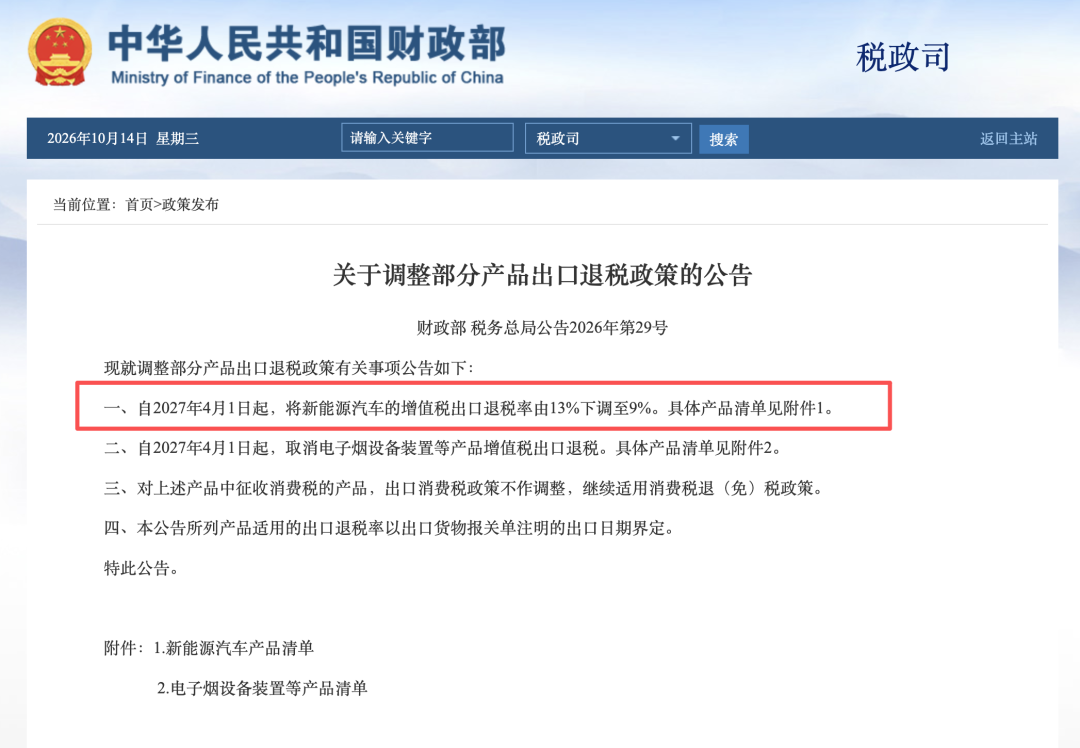
Under current policies, export tax rebates are calculated as FOB (Free On Board) price multiplied by the rebate rate. For instance, an entry-level NEV SUV priced at 150,000 RMB offshore would have received a 19,500 RMB rebate at a 13% rate under the old policy. After the new policy, at a 9% rate, the rebate drops to 13,500 RMB—a direct reduction of 6,000 RMB per vehicle. If 6,000 RMB represents the automaker's breakeven point per vehicle, exporting 1 million RMB worth of offshore goods means a 40,000 RMB reduction in rebates. Higher sales volumes exacerbate losses, ultimately rendering the entire business model unviable.
In fact, many entry-level NEV models targeting Southeast Asia, Latin America, and the Middle East previously maintained net profit margins of just 3%-5%.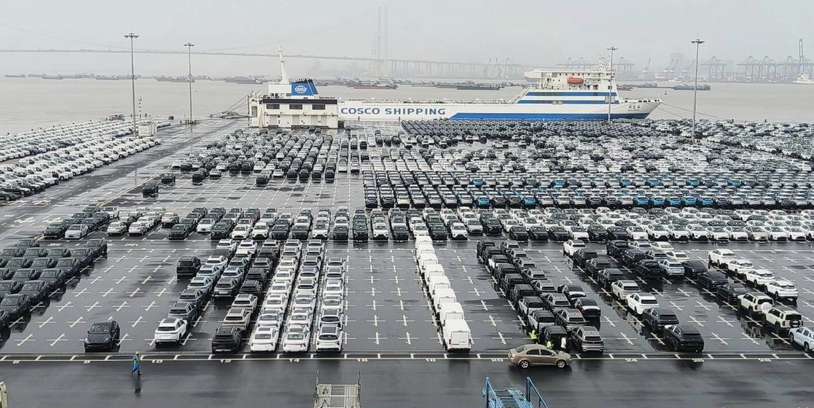
Wanlian Securities noted in a recent auto industry report that "as of September, export gross margins for complete vehicles stood at 15%-20%, with industry net margins at 3%-6%." This implies that without rebates underpinning low prices, the core variable in the low-quality, low-price export formula is eliminated. Automakers relying on rebates to offset losses now face two choices: either rush to fulfill orders before deadlines to liquidate inventory or halt low-quality, low-price development and recalculate cost models. From a ripple effect perspective, the survival space for OEM exporters and zero-kilometer traders will further diminish.
However, tax reforms have a limited impact on leading automakers with established brand value or overseas factories. Given their positive gross margins in overseas operations, they can mitigate impacts through minor price hikes, supply chain cost reductions, and local production—keeping overall gross margin impacts below 2%.
2. Why Are Low-Cost Exports Being Targeted Now?
Announcement No. 29 encompasses 67 categories of NEV products, including pure electric, plug-in hybrid, and extended-range models across passenger and commercial vehicles. Notably, implementation is set for April 1, 2027, providing companies with a nearly six-month adjustment window.
An overseas order typically involves confirmation by foreign dealers, contract signing, price locking, production scheduling, component procurement, vehicle assembly, ro-ro ship booking, customs clearance, transportation, and delivery—a process spanning 4-6 months.
Without a transition period, the new policy would disrupt most ongoing commercial contracts, causing losses for automakers and potential bankruptcies among overseas dealers.
However, the transition period is not a "protection period" for automakers but a countdown for "arbitrage players" to exit.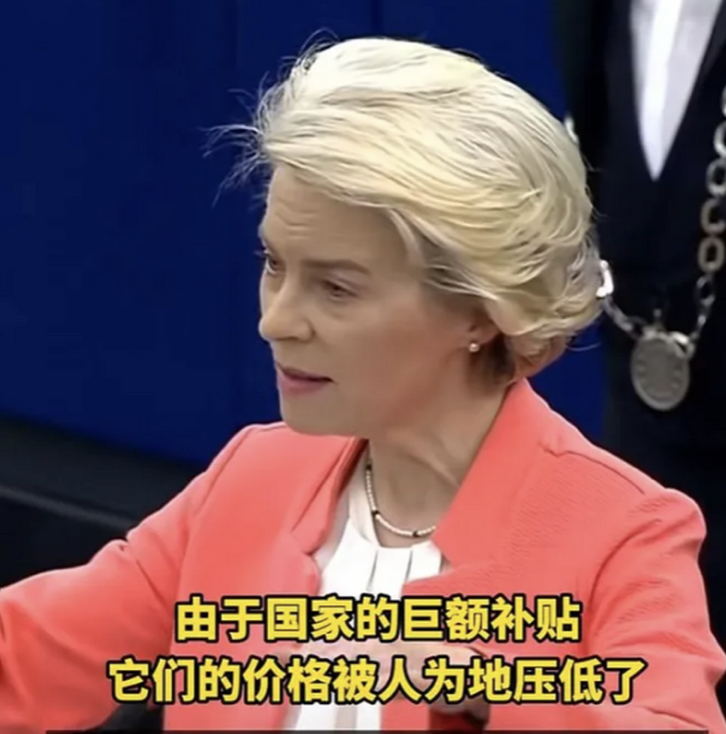
Last year, following EU anti-subsidy investigations, Malaysia, Russia, Brazil, and other countries accused Chinese automakers of "dumping" locally. Despite a political consensus on a "soft landing" for anti-subsidy cases reached between China and the EU in January, low-price exports were not explicitly banned. Not until September 1, when the Ministry of Commerce and two other departments issued the "Guidelines on Overseas Competition Behavior and Compliance for the Auto Industry," did explicit rules emerge prohibiting automakers from disrupting overseas markets with low prices. Shortly after, on September 11, the Ministry of Industry and Information Technology and eight other departments released the "15th Five-Year Plan for the Intelligent Connected NEV Industry," introducing "capacity warning and regulation" for the first time—officially shifting China's NEV exports from scale expansion to quality competition.
Delving deeper, this tax rebate reduction aligns with a broader industrial policy trend, following similar moves in the photovoltaic and battery sectors. It aims to shift NEV export competition from efficiency-driven low pricing to genuine competitiveness, emphasizing cost control, durability verification, mass production consistency, local production capacity, and after-sales networks as protective barriers. Substantive tax-end actions signal that the state's crackdown on low-price NEV competition has entered its final phase.
Why act now? First, policies targeting low-price NEV competition are cross-departmental, reflecting national consensus on NEV globalization. Second, from an industrial development standpoint, NEV exports no longer require policy "crutches"—the historical role of tax rebates as a trade support tool has largely been fulfilled.
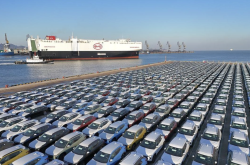
Data shows that as of September this year, China exported 4.006 million NEVs, up 130% year-on-year, with NEVs accounting for over 50% of total vehicle exports for four consecutive months. Multiple industry analysts confirm that Chinese NEVs now boast strong export competitiveness in terms of quality, performance, and pricing.
3. Why SAIC Motor Became the 'Weakest Link' in China's Export Resilience Framework
The tax rebate adjustment appears to test automakers' profitability but conceals two critical variables: structural differences and timing gaps. While the policy uniformly affects the industry, structural and timing factors amplify or dilute its impact on individual automakers.
Notably, since the adjustment excludes fuel vehicles, total export volumes do not fully reflect the policy's impact. For example, Chery, Geely, and Great Wall, with higher shares of fuel and hybrid vehicles, face manageable impacts. BYD, despite its high NEV share, can leverage strong pricing power, local production, and diverse product lines to navigate the changes creatively.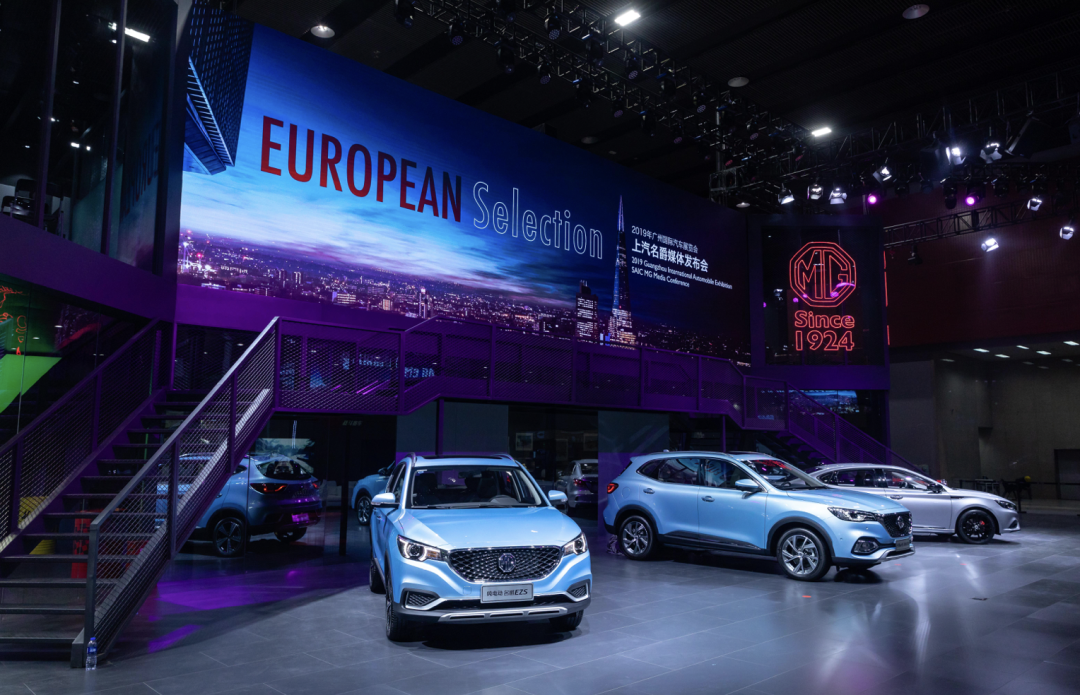
However, when combining tariffs, tax rebates, and timing gaps, SAIC Motor emerges as the most vulnerable Chinese automaker.
Since last year's anti-subsidy investigations, the EU imposed a 35.3% anti-subsidy tariff on SAIC, raising its total tariff to 45.3%—the highest among Chinese automakers (BYD faces 27%, Geely 28.8%).
A further 4% rebate reduction could push SAIC beyond "reduced profits" to unsustainable operations. In Europe, the MG4 urban edition already sells below 20,000 euros, sacrificing margins for market share. For pure electric models, further rebate cuts mean taking additional cuts from already bottomed-out prices.
Last year, SAIC Passenger Vehicles exported 530,000 units, with fuel vehicles dropping from 367,000 to 268,000, pure electrics to 71,000, and hybrids doubling from 80,000 to 169,000. The rebate reduction covers all "NEV" categories, thinning profit margins for SAIC's sole remaining export channel—hybrids.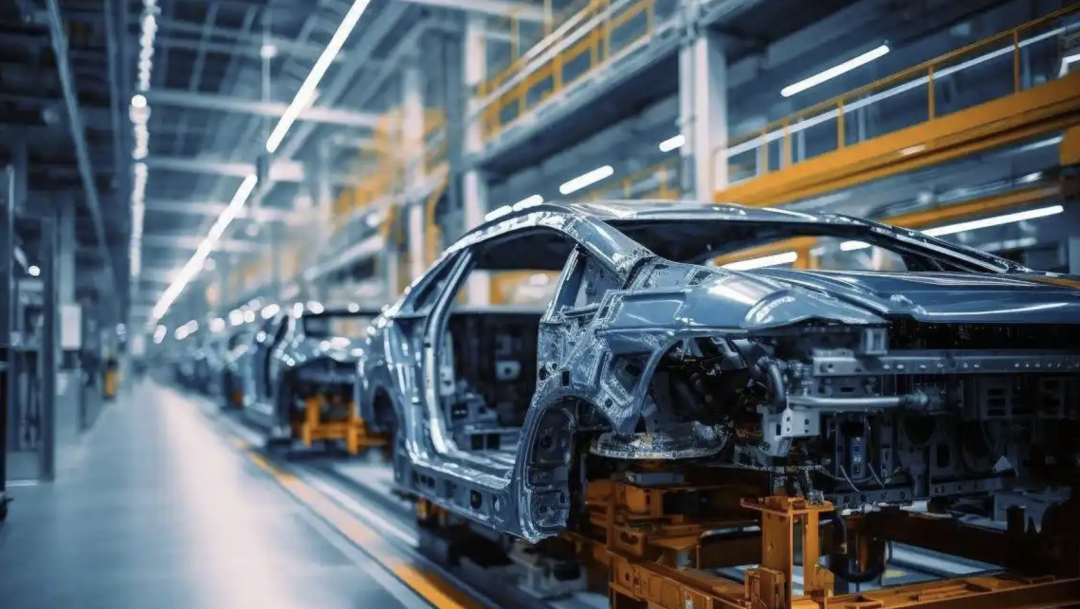
Critically, SAIC's plant in Ferrol, Spain, is set to begin construction in 2027 and start production by late 2028, but the rebate policy takes effect in April 2027. This leaves a nearly two-year gap where SAIC must rely on complete vehicle imports to serve Europe.
In contrast, Leapmotor's Zaragoza plant in Spain recently started production, and BYD's Hungarian factory will begin mass production in Q4 this year. Most leading global automakers, including Great Wall, Geely, and Chery, have local production capacity in place before the rebate deadline—except SAIC, whose European capacity falls outside this window.
Thus, the rebate reduction reflects not just an automaker's operational capability but its reliance on policy benefits and ability to transform external environments into internal strengths. Fundamentally, companies must ask: Have they built pricing power independent of policies? Do they have production layouts capable of self-sufficiency amid tightening policies? Are they willing to share R&D and cost burdens with suppliers to translate technological investments into manufacturing cost reductions? These questions matter more than tax rebates. For enterprises, scale is merely the "surface"—structural capabilities are the "core."
End
With Insights and Knowledge—Vroom! Let's Go...
-
![]()
Tax Rebate Cuts: SAIC Motor Emerges as Potential 'Weakest Link' in China's Auto Export Resilience Framework
-
![]()
ZTE: H1 Net Profit Plummets Over 40%, Computing Power Business Struggles to Escape Low-Profit Quagmire
-
![]()
Seven Key Statements Hit Headlines on the Same Day! Europe's Strategic Maneuver Puts Chinese Automakers in a 'Subtle Stranglehold'
-
![]()
Shocking! Is DCD Auto Really Set to Rake in 24.5 Billion Yuan with a 69% Gross Profit Margin in 2025?
-
![]()
Ren Zhengfei Once Playfully 'Teased' Yu Chengdong: Initially, All Family Members Used iPhones! Now, Yu Chengdong Laughs: They’ve All Made the Switch to Huawei!
-
![]()
Yu Chengdong Faces Scrutiny: Zhijie RX Logs Just 379 Units in Its Debut Month—Can It Still Challenge the YU7?
-
![]()
Why Do Intelligent Driving Vehicles Always Give Way During Cut-ins?
-
![]()
Apple Hits $5 Trillion Market Cap Threshold