Chinese Automakers Make a Splash at Paris Auto Show, as EU Imposes 350,000-Unit Cap on Hybrid Vehicle Exports
 10/16 2026
 438
438
From the lively atmosphere at the Paris Auto Show to the intense negotiations in Beijing, the competition between China and Europe in the hybrid vehicle sector represents an unavoidable clash amid the global automotive industry's structural transformation.
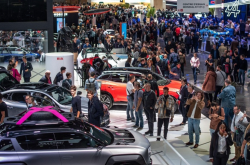
At this year's Paris Auto Show, the prominence of Chinese automakers is still fresh in the minds of many media outlets. Meanwhile, thousands of kilometers away in Beijing, negotiations that will shape the future of China-EU hybrid vehicle trade over the next four years have just concluded.
Over the past week, several international media outlets, including Bloomberg and the Financial Times, have reported that the EU plans to implement a quota system for globally imported hybrid vehicles over the next four years. The initial annual quota is set at approximately 350,000 units, with a 6% yearly increase. Imported vehicles exceeding this quota will face significantly higher tariffs instead of the current basic rates.
Simultaneously, China's Ministry of Commerce, the China Association of Automobile Manufacturers, and leading automakers such as BYD, Geely, Chery, and Changan have issued statements confirming that China and the EU have reached multiple agreements on hybrid vehicle trade. They will build upon the 2025 import volume of 302,000 hybrid vehicles to China, adhering strictly to principles of non-discrimination and compliance with WTO rules.
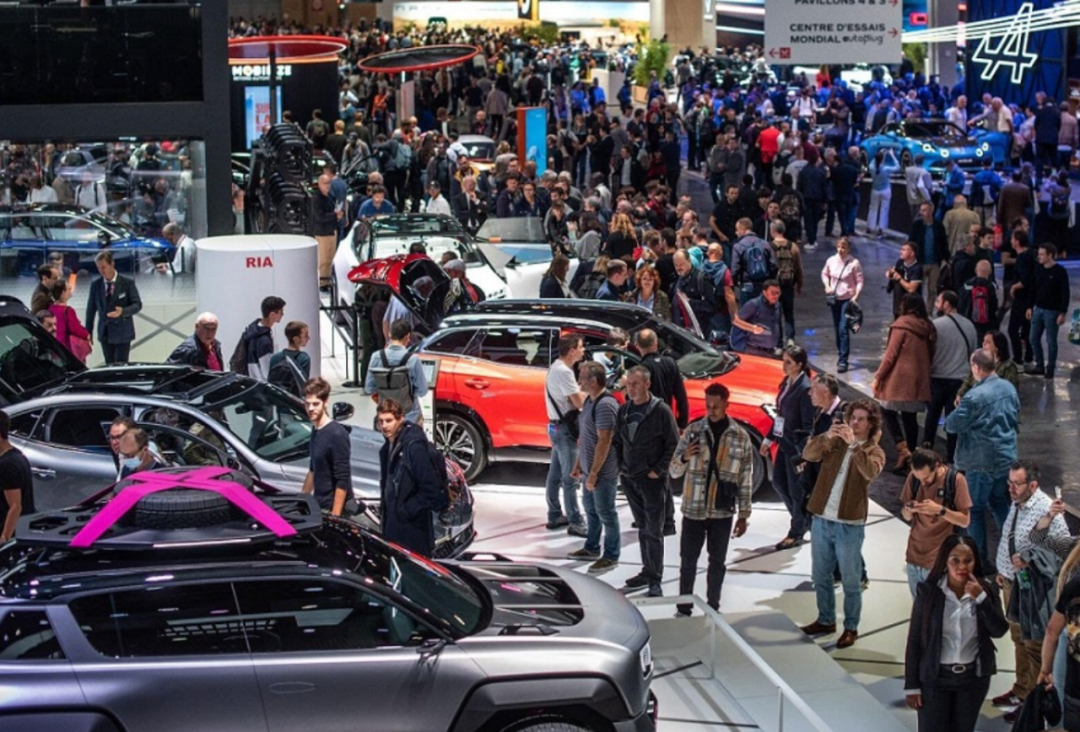
This competition, which spans from the vibrant exhibition booths in Paris to the negotiation tables, is no longer just about import and export numbers. It reflects the explosive growth of China's hybrid exports, the transformation anxieties of European automakers, market pressures on Japanese and Korean brands, and the reshaping of global automotive industry rules.
From Tariff 'Strangleholds' to Quota 'Caps'
Many still recall the EU's anti-subsidy tariffs imposed on Chinese pure electric vehicles two years ago. At the time, industry experts predicted a direct interruption in Chinese automakers' export growth to Europe. However, the market's response exceeded expectations. Ordinary hybrid and plug-in hybrid models, which were not subject to additional tariffs, quickly became a new growth area for Chinese automakers in Europe.
Public data indicates that EU imports of hybrid vehicles from China were only 107,000 units in 2024, surging to 302,000 units in 2025, representing a year-on-year increase of over 180%. In the first half of 2026, China's hybrid vehicle exports to Europe reached $7.5 billion, tripling the figure from the same period in 2025.
According to previous EU estimates, without any constraints, China's hybrid exports to Europe could reach 800,000 units in 2026. This growth rate has put significant pressure on European automakers and Japanese and Korean brands that have long dominated the European hybrid market.
The quota plan unveiled this time takes a different approach from the previous anti-subsidy tariffs.
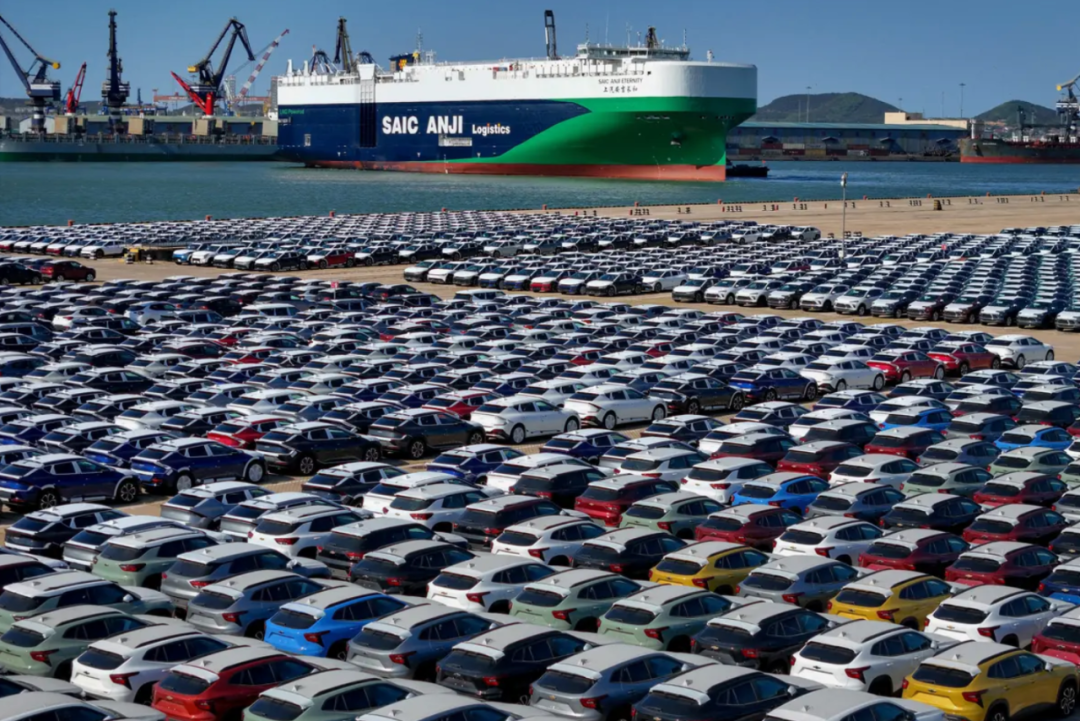
Instead of setting differentiated tax rates specifically targeting Chinese products, as was done with pure electric vehicles, all countries and regions exporting hybrid vehicles to the EU are included in the same quota pool. Chinese, Japanese, and Korean automakers must compete for limited slots within this total volume, while small developing WTO members, such as European Economic Area countries, Ukraine, and Kenya, are exempt.
China maintained two key principles during the negotiations: first, China's quota treatment is no less favorable than that of any other import source country, eliminating any targeted discrimination; second, the quota base starts from the 2025 actual import volume of 302,000 units, with the first-year quota of 350,000 units still allowing for about 16% growth compared to 2025. The subsequent 6% annual increase also provides stable expectations for Chinese automakers.
Many industry observers have noted that this time, China and the EU avoided the traditional path of 'tariffs-retaliation-trade war' and instead reached an understanding through quota management and subsequent tariff adjustments.
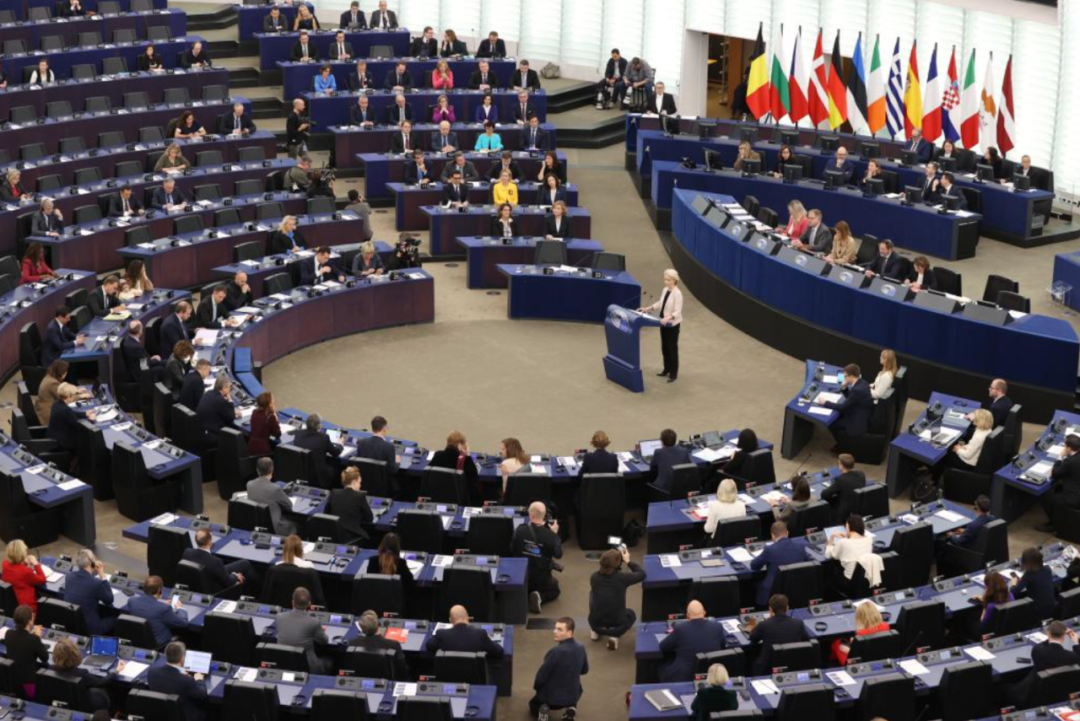
EU Trade Commissioner Shefchovich stated directly after the consultations that this consensus would serve as a 'blueprint' for the next stage of bilateral trade negotiations. The European Automobile Manufacturers Association (ACEA) also publicly stated that this orderly management approach would facilitate a smoother expansion of Chinese brands in the European market.
In return, China has taken balancing measures by reducing tariffs on approximately €4 billion worth of goods exported to the EU, including automotive parts, footwear, ice cream, and olive oil. Meanwhile, both sides have established an export control information-sharing mechanism for key upstream materials in new energy vehicles, such as rare earths and permanent magnets.
Who's Competing for Market Share, Who's Under Pressure
On one hand, there is quantity control on complete vehicle imports; on the other, there is a stable interconnection of upstream resources. This negotiation ultimately avoided a full-scale confrontation that would leave both sides worse off, instead channeling the previously escalating trade frictions into a predictable and negotiable regulatory framework.
However, when many see the first-year total quota of 350,000 units, their first reaction is whether 'this number is sufficient.' Compared to China's actual export volume of 302,000 units in 2025, it does allow for modest growth. But compared to the EU's previous forecast of 800,000 potential hybrid exports from China in 2026, this quota effectively reduces unconstrained growth by more than half.
More critically, these 350,000 units are not exclusively for China but represent a shared 'pie' for all non-exempt hybrid exporting countries globally. Chinese, Japanese, and Korean automakers will compete head-to-head within this pool.
For decades, the European hybrid market has been a 'reserved field' for Japanese and Korean brands.
Toyota, Honda, and Hyundai, relying on years of hybrid technology accumulation, have established strong user recognition in the European market. Hybrid products have been their core pillar for maintaining profits and market share during the electrification transition. However, since 2025, the situation has changed dramatically. Chinese brands' plug-in hybrid models, offering superior configurations and more competitive pricing, have surged into the market. In May 2026, Chinese brands' monthly new vehicle registrations in Europe surpassed Japanese brands for the first time, with Chinese brands capturing over 26% of the Western European plug-in hybrid market.
Thus, even though hybrid models from all exporting countries are placed in the same quota pool, the pressure falls squarely on Japanese and Korean automakers, which rely heavily on complete vehicle exports to Europe.
Their localized production layouts in Europe are far less complete than expected, with almost all main hybrid products exported as complete vehicles from their home countries. The market share they once held through technological advantages must now be contested with Chinese automakers, which boast higher supply chain efficiency and faster model iteration speeds, for limited quota slots.
For Chinese automakers, models produced in EU factories will be entirely exempt from import quotas, providing an additional buffer in quota competition.
Overall, this four-year quota arrangement with a slow annual increase of 6% essentially buys precious transition time for European automakers.
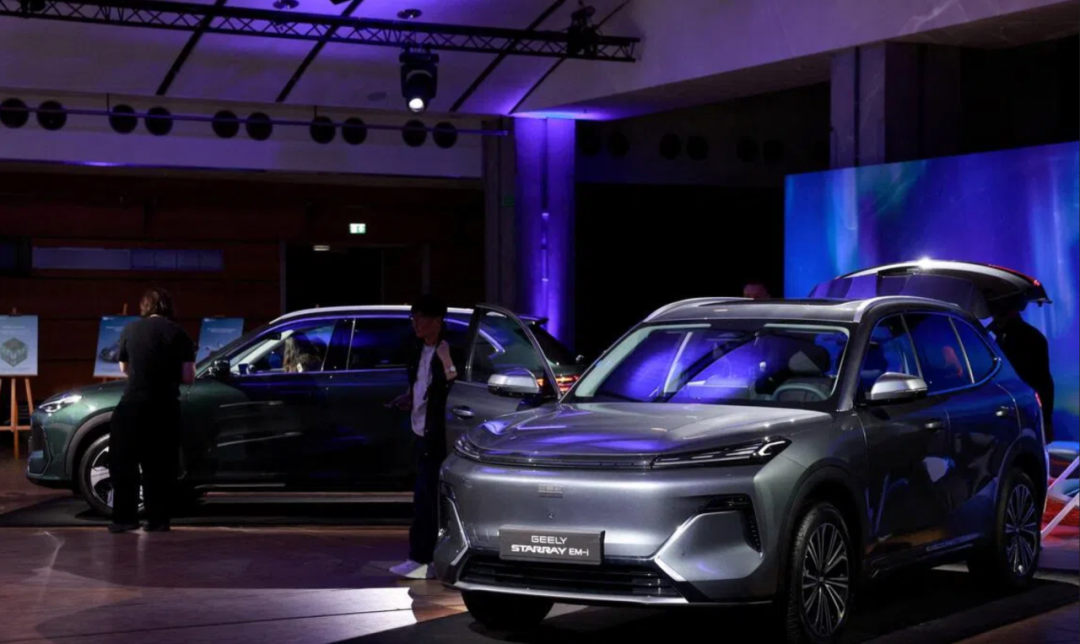
Currently, European automakers have fallen significantly behind Chinese automakers in terms of iteration speed and cost control for hybrid and electric models. France and Germany have repeatedly called on the EU to strengthen trade countermeasures, with the core demand being to buy time for the domestic industry to complete platform updates, supply chain restructuring, and electrification transitions. The 350,000-unit quota plus a 6% annual increase effectively creates a 'speed bump' for European automakers.
Chinese Automakers' Strategic Shift to Europe
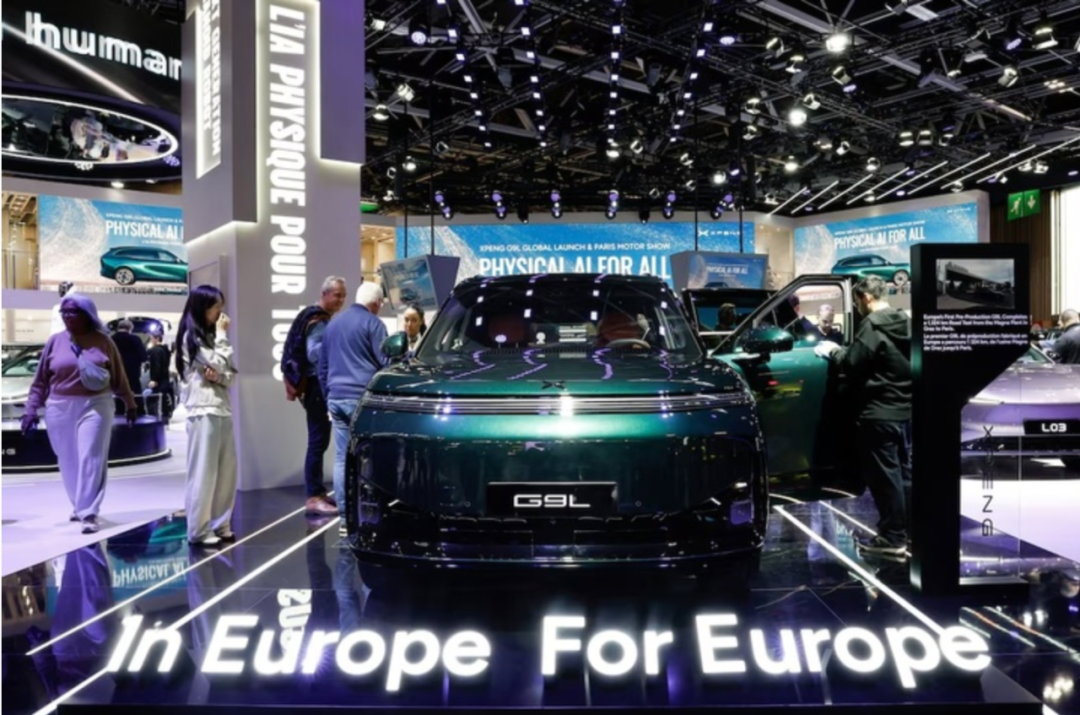
At the Paris Auto Show, BYD Executive Vice President Li Ke confirmed that BYD's full-process vehicle factory in Szeged, Hungary, will officially commence vehicle assembly in the fourth quarter of 2026. Site selection for a second European factory is already underway, with France and Spain being the top candidates.
Almost simultaneously, Geely's renovation of Ford's Valencia plant in Spain is nearing completion, Chery's joint venture factory in Spain has achieved mass production, Leapmotor is advancing localized production through Stellantis' Spanish factory, and Xpeng's G9L model has started contract manufacturing at Magna's Austrian plant.
Over the past two years, the mainstream approach for Chinese automakers entering Europe has been to 'scale up through complete vehicle exports.' Especially after anti-subsidy tariffs were imposed on pure electric models, hybrid models, benefiting from basic tariff advantages, became the main driver of export growth. However, with the quota system now in place, relying solely on shipping complete vehicles from China to Europe is no longer viable.
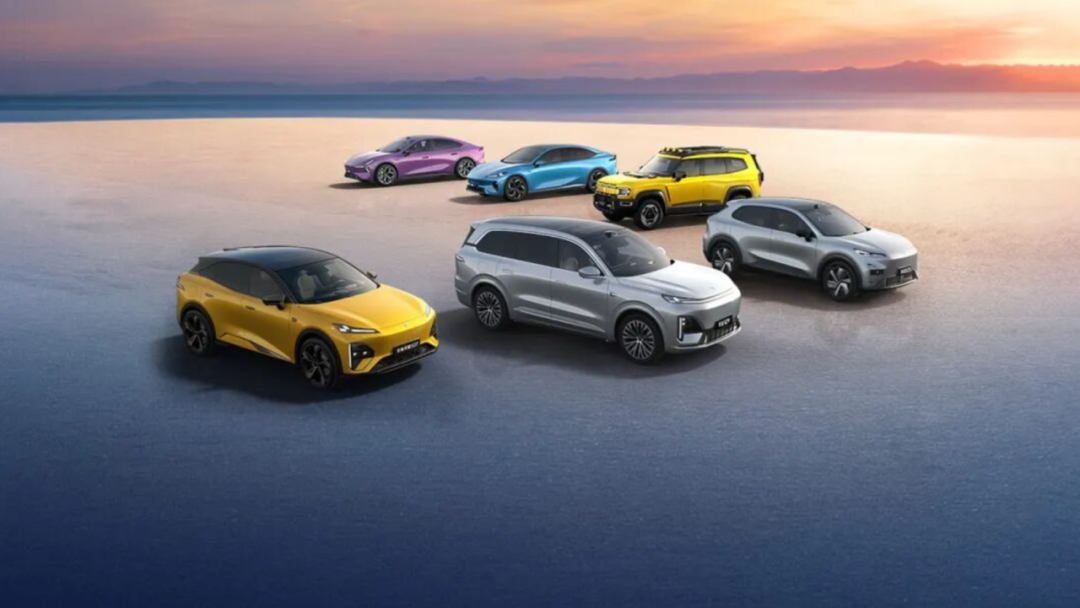
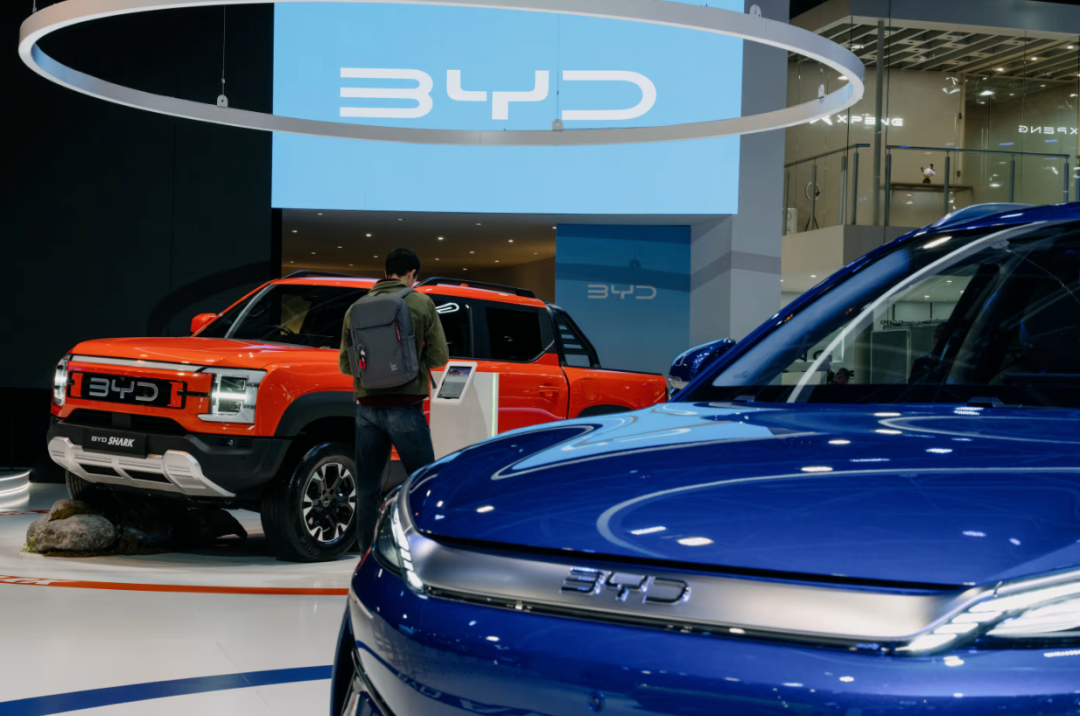
For example, if the annual quota's 6% growth cannot keep pace with the actual growth of Chinese automakers' hybrid exports, the quota allocation rules will become the core variable determining each automaker's fate in the European market. For brands like BYD, Chery, and SAIC, which have already established sales networks in Europe, once quotas run out, no matter how well their products sell, they won't be able to ship vehicles to Europe.
Under these circumstances, accelerating localized production in Europe has shifted from a 'bonus' to a 'must-have.'
The quota rules have a crucial detail: they target 'complete vehicles imported from outside the EU.' Hybrid models produced within the EU are entirely exempt from these import quotas. This means that by building factories in Europe, automakers can directly bypass quota restrictions and avoid competing with brands from other countries for slots in the 350,000-unit pool.

With localized production of complete vehicles, Chinese automakers' supply chains will also follow suit. Battery factories, parts supply systems, and production equipment suppliers will gradually shift to Europe. The past model of 'Made in China, Sold Globally' is slowly transforming into 'Made Regionally, Sold Regionally.'
However, this shift will force Chinese automakers to completely abandon the old mindset of 'low prices, high volumes' when going abroad.
Overall, this consensus on China-EU hybrid trade does provide stable expectations for both sides, avoiding further escalation of trade frictions. However, over the next few years, the industry will still face numerous uncertainties.
First, the specific allocation rules for the global 350,000-unit hybrid quota remain entirely unclear. How slots will be divided among exporting countries like China, Japan, and South Korea, whether quotas will be allocated based on historical export data or adopted on a first-come, first-served basis, and the additional tariff rates for exceeding quotas—all these details will directly impact every automaker's annual European sales plans.
The policy honeymoon period for hybrid models is also uncertain. The EU's next-stage emissions regulations are still being formulated, European automakers are accelerating the launch of plug-in hybrid models, and the hybrid market landscape will be completely transformed in three to four years. After this four-year quota expires, the direction of subsequent bilateral trade rules remains undecided.
Currently, over 50% of European consumers are willing to switch to Chinese brand vehicles, with Chinese brands capturing over 10% of the European market share. However, the century-old brand recognition, service networks, and policy influence of European automakers will not fade quickly. Whether Chinese automakers can convert the buzz from the Paris Auto Show into long-term user trust and transform localized production capacity into tangible product competitiveness remains the core challenge in the coming years.
From the lively atmosphere at the Paris Auto Show to the intense negotiations in Beijing, the competition between China and Europe in the hybrid vehicle sector represents an unavoidable clash amid the global automotive industry's structural transformation. This contest in the hybrid segment will see the 350,000-unit quota line serve as a clear demarcation over the next four years, pushing Chinese automakers to accelerate localized production and brand growth while propelling European automakers to quicken their electrification transitions.
Note: Images sourced from the internet. If infringement occurs, please contact for removal.
-END-
-
![]()
Why Are New Automakers Focused on Creating a ‘Second Home’ in Cars, While Traditional Brands Bet on Boxy SUVs?
-
![]()
Chinese Automakers Make a Splash at Paris Auto Show, as EU Imposes 350,000-Unit Cap on Hybrid Vehicle Exports
-
![]()
September’s Top 10 Sedan Sales: Fuel-Powered Classics Still Holding Their Ground
-
![]()
Analysis Report on Reputation Index for Q3 2026
-
![]()
Is Apple Now Taking a Swipe at Xiaomi in the Smart Home Arena?
-
![]()
The Waning Influence of 'Golden September, Silver October'
-
![]()
Three Departments Launch Joint Probe into Zunjie Brake Issue; Yu Chengdong: Justice Will Prevail
-
![]()
After 100 days, Step's Agent Phone Still Only Half Released