Why Are New Automakers Focused on Creating a ‘Second Home’ in Cars, While Traditional Brands Bet on Boxy SUVs?
 10/16 2026
 393
393
Everyone aspires to create the next big hit.
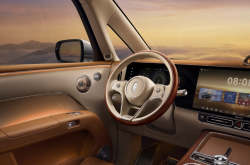
As the adoption rate of new energy vehicles continues to surge, China's SUV market is showing signs of diversification. On one hand, new-energy automakers, primarily leveraging pure electric or extended-range powertrains, are integrating bedroom and living room-like features into their vehicles, aiming to make cars a user's second home.
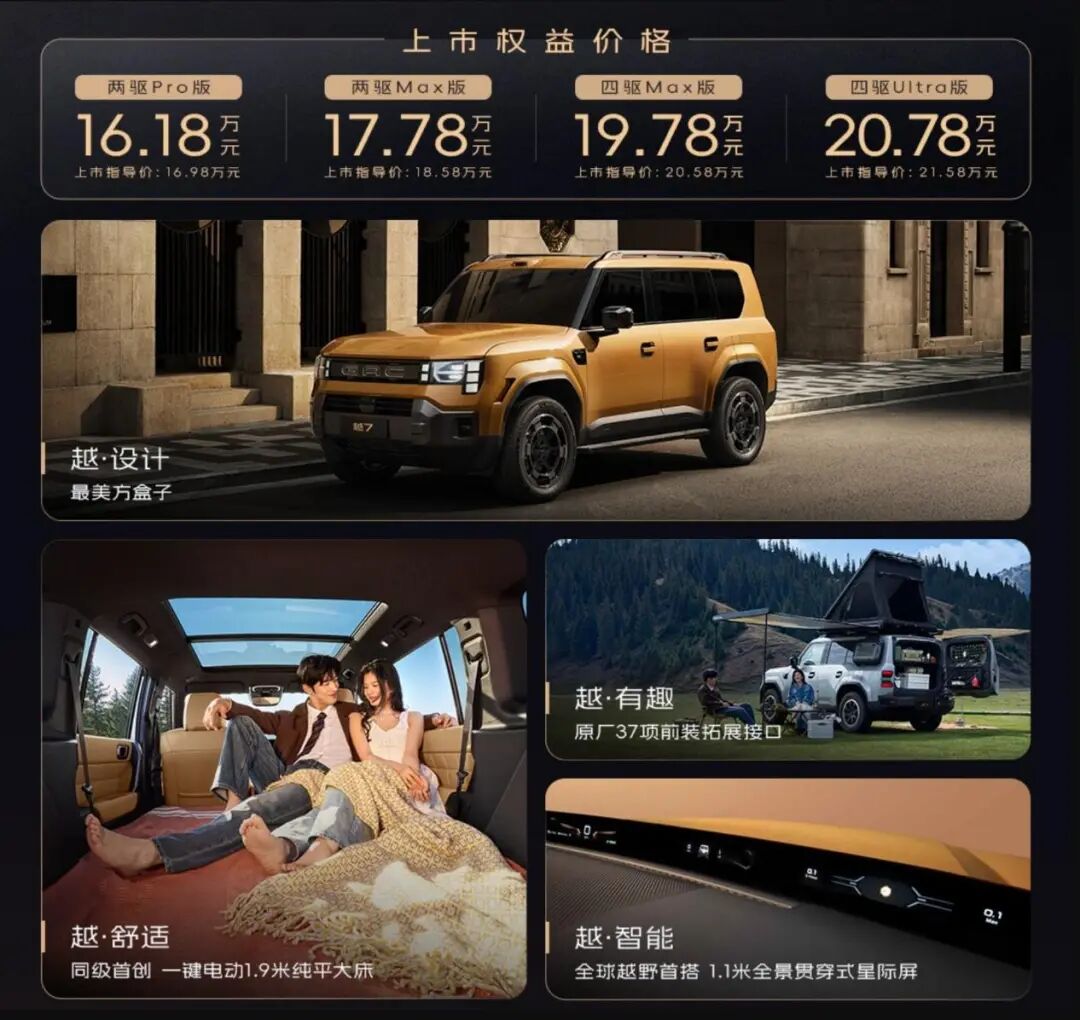
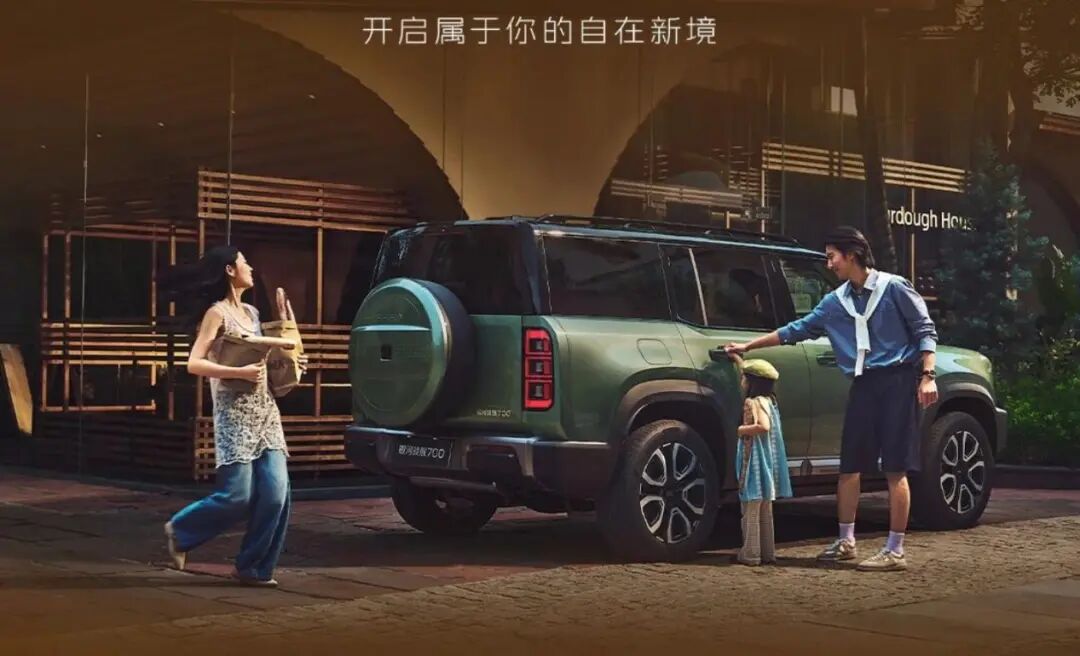
On the other hand, domestic automakers are taking a different approach, heavily investing in rugged, boxy off-road models. The Hongqi G919, Trumpchi Yue 7, and Geely Galaxy Warship 700 are all challenging the off-road SUV segment with their unique positioning.
In recent years, the boxy SUV market has seen explosive growth, expanding from just a handful of models in the early days to 42 available in the first half of 2026. Over the past decade, their market penetration within the SUV category has soared from 2.6% to 8.5%.
In the past month alone, over 10 new boxy models have been launched, creating a strong market presence.
However, when considering the size of this niche market, even with its rapid growth over the past decade, the market space is projected to reach only 1.02 million units by 2025. With over 40 models competing, the market is becoming increasingly crowded.
Nevertheless, domestic brands are doubling down on this segment in the second half of 2026, each with ambitious plans to achieve instant success.
Behind this strategy lies not only technological synergy but also the successful experiences that have led automakers to see a blue ocean in the red ocean of the new energy market.
From Niche to Mainstream
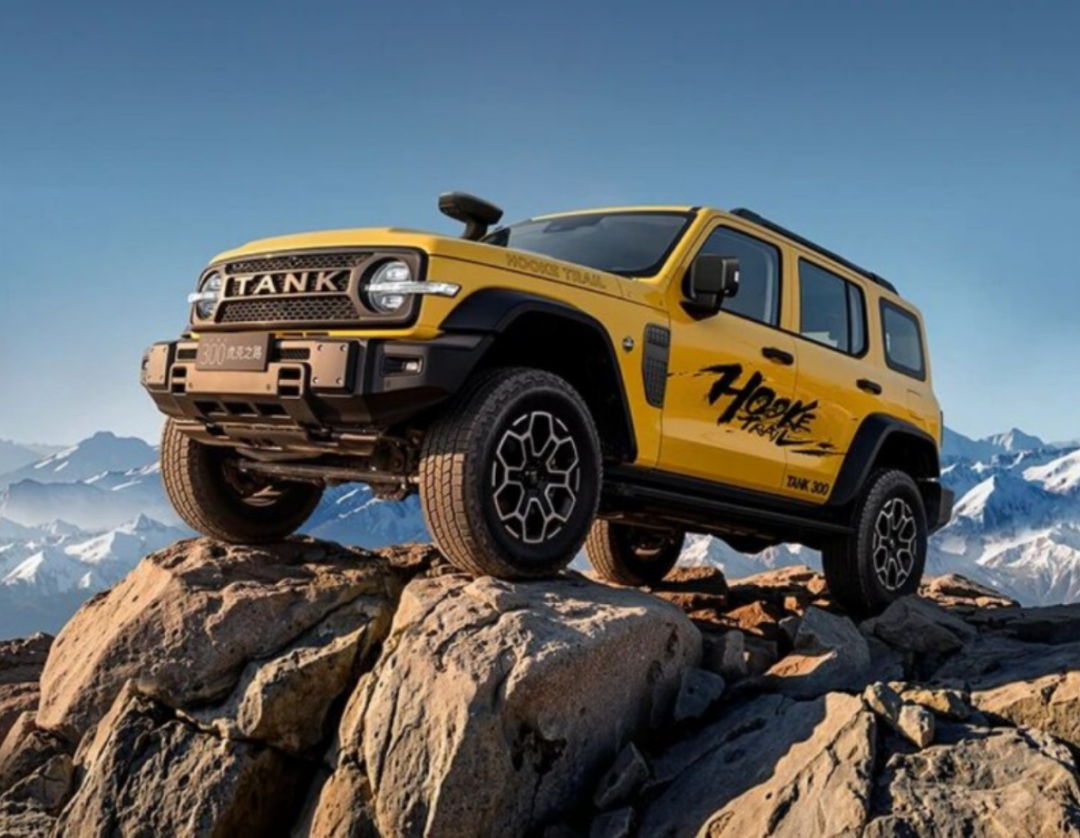
In the era of internal combustion engine vehicles, off-road boxy SUVs were essentially toys for the wealthy, with high fuel consumption being synonymous with these vehicles. Only a few domestic brands ventured into this niche market, which remained lukewarm until 2020 when Great Wall's Tank 300 entered the market with a price tag of 170,000 yuan, sparking a boom for boxy models in the traditional vehicle era.
However, by 2022, the boxy SUV market size was still only 400,000 units, with new energy penetration less than 20%, remaining a market dominated by internal combustion engine vehicles.
In 2023, BYD launched the Fangchengbao brand, bringing electrification to off-road boxy SUVs, which received a positive market response. However, in terms of scale, it was still difficult for boxy models to break out of their niche, with Fangchengbao remaining a brand within a small circle.
During this period, coinciding with the beginning of a price war, BAIC Off-Road launched the BJ30 priced at the 100,000-yuan level, quickly capturing the lower-tier market and further expanding the market size.
By 2024, the boxy SUV market size had surpassed 800,000 units, doubling from two years prior, with new energy penetration rising to 40%, gradually becoming a mainstream product in the SUV market.
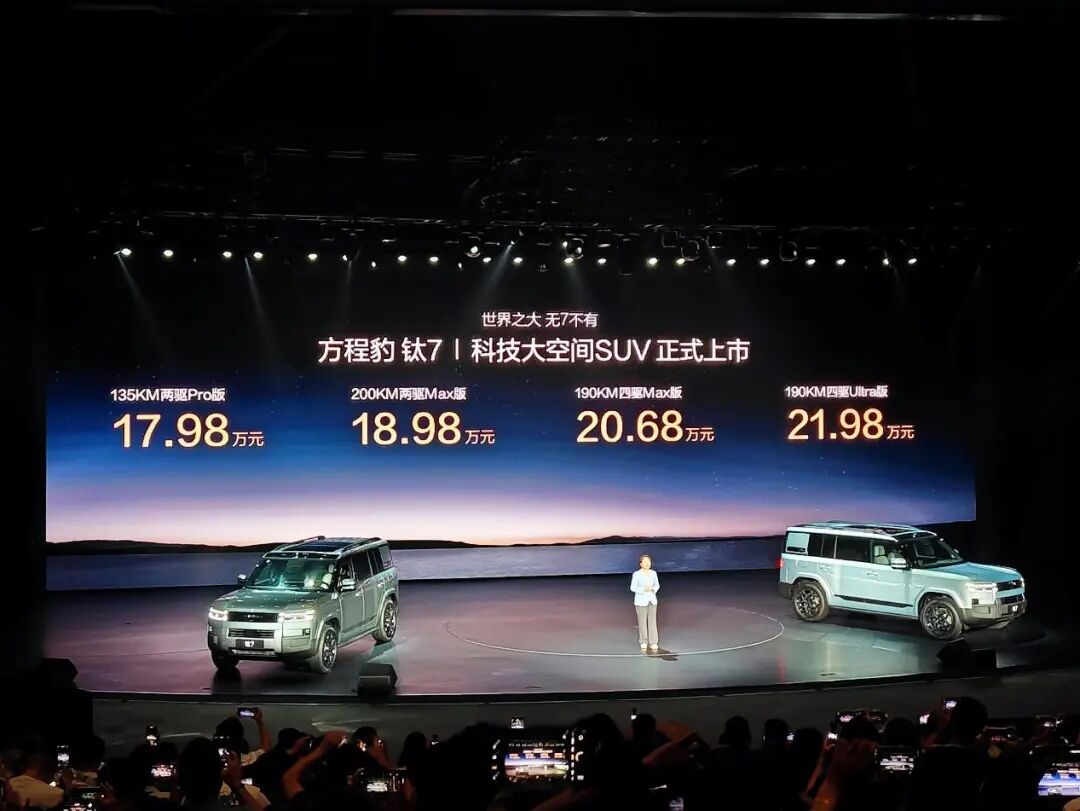
In September 2025, Fangchengbao shifted its strategy from rugged off-road to primarily urban commuting with light off-road capabilities, launching the Titan 7. Priced starting at 179,800 yuan, it brought the price of mid-to-large plug-in hybrid boxy models down to the previous market level of compact boxy models.
This pricing strategy fundamentally reconstructed the market's price anchor point, allowing new energy boxy models to transition from a niche market to the mainstream.
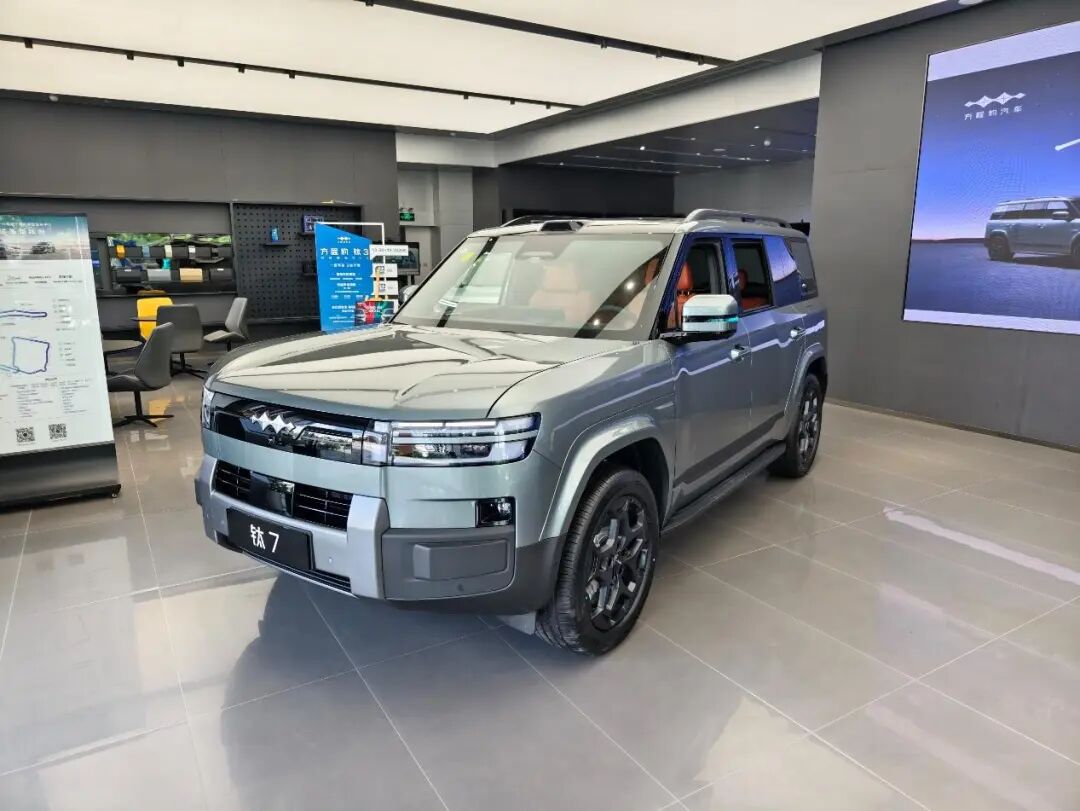
Since its launch, the Titan 7's sales have continuously climbed, becoming not only Fangchengbao's sales mainstay but also propelling the brand from niche to mainstream. Even a year after its launch, the Titan 7's sales remained above 30,000 units in September, accounting for over 70% of Fangchengbao's sales.
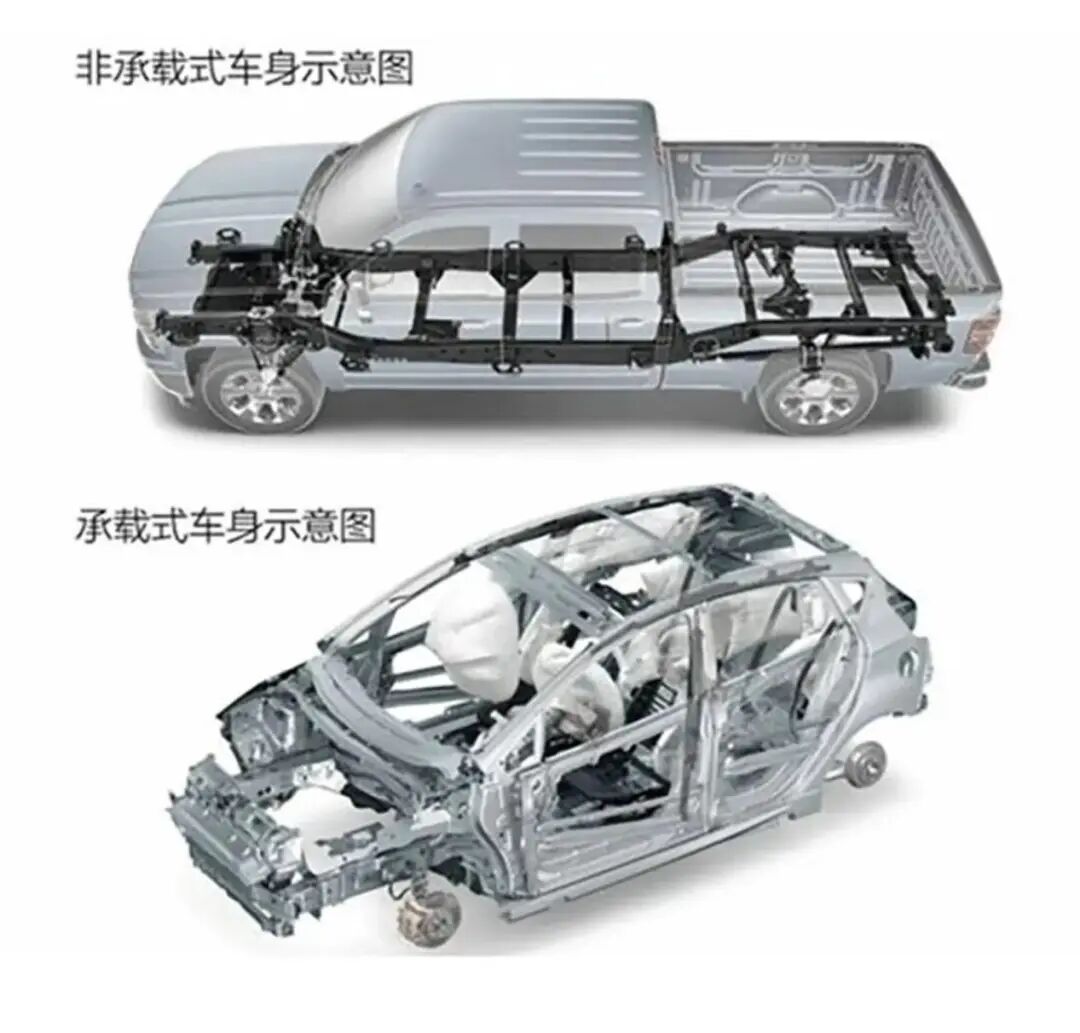
More importantly, the Titan 7 changed the market's perception of off-road boxy models, pushing unibody construction without a chassis frame into the mainstream. Previously, body-on-frame construction was almost standard for off-road boxy vehicles, but this design, which pursued extreme off-road capabilities while neglecting urban driving, also made boxy models difficult to become mainstream.
Perhaps there were many concerns in the market when the Titan 7 was launched, but with its popularity, market changes came quickly. According to statistics, in the first half of 2026, unibody urban-oriented boxy models accounted for 72.4% of sales, while traditional rugged body-on-frame models accounted for only 27.5%.
This change also shifted the target audience of boxy models from professional off-road enthusiasts to ordinary family users. Data from February 2026 showed that family users accounted for over 82% of mid-to-large boxy SUV users.
Moreover, the Titan 7 offers multiple advantages of new energy models, such as low energy consumption and intelligence, making comfort a necessary choice for boxy models.
With the popularity of the Titan 7, the domestic boxy model market size has finally surpassed one million units, becoming one of the mainstream niche markets, evolving from a niche hobby to a new mainstream choice over the years.
However, with the popularity of the Titan 7, the market has also ushered in a new wave of competition.
Encircling the Titan 7
After the Titan 7 achieved 200,000 units in sales within a short period, the market launched an offensive on the market pioneered by the Titan 7, with multiple new models being released in quick succession, all aiming to compete directly with the Titan 7.
As mentioned earlier, the Titan 7 rewrote the pricing anchor point for boxy models with its 179,800 yuan price tag, dethroning the previously dominant Tank 300.
Now, several new models are priced concentrated in the 150,000-200,000 yuan range, such as the GAC Trumpchi Yue 7, launched on September 22 with a starting price of 161,800 yuan, and the Geely Galaxy Warship 700, launched on October 10 with a starting price of 169,800 yuan, both competing with the Titan 7.
Of course, to replace the Titan 7, these new models bring substantial capabilities. Besides the conventional large five-seater layout and spacious trunk, they adopt highly consistent solutions in the core competitiveness of off-road boxy models.
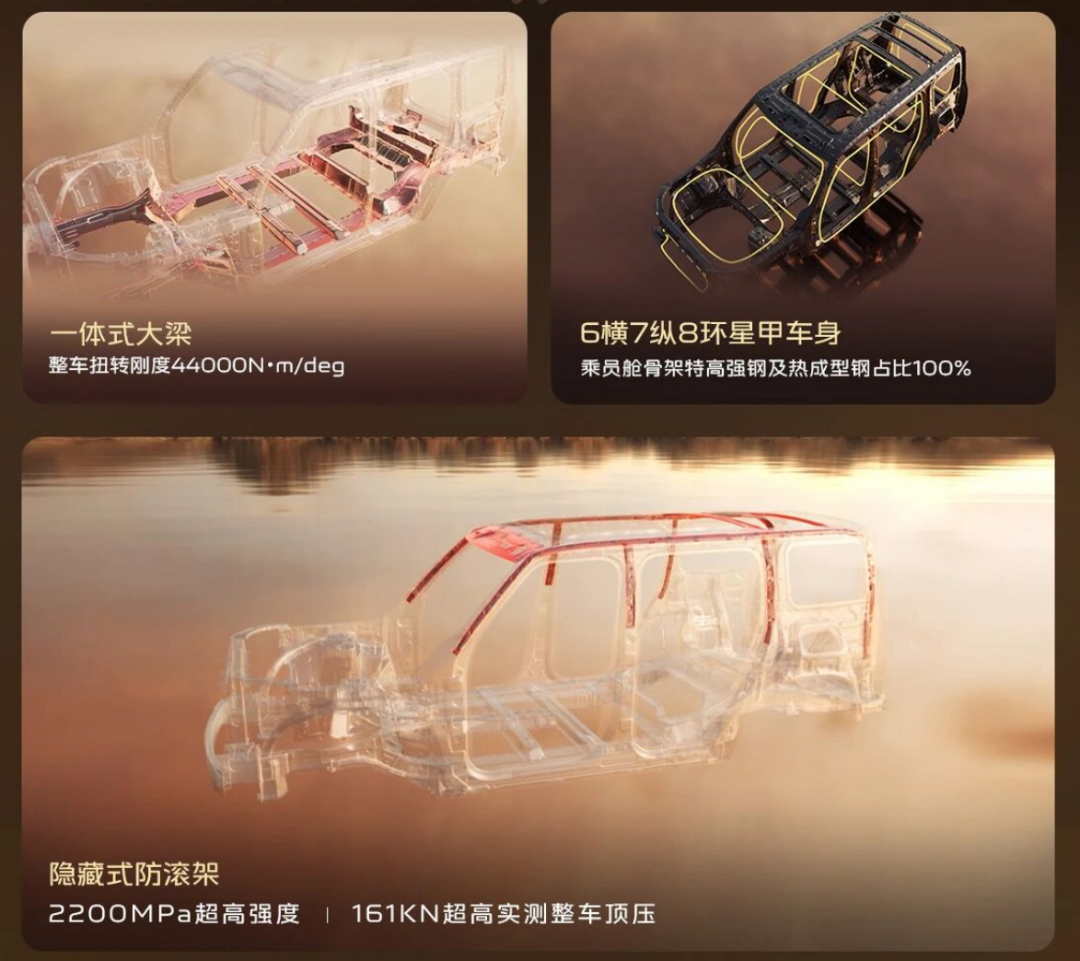
Although both the Yue 7 and Warship 700 have abandoned body-on-frame construction, they adopt an integrated chassis frame embedded into the body, still achieving high-strength body construction while reducing weight.
In terms of powertrain, they all adopt plug-in hybrid solutions, allowing the engine and motor to work synergistically, maintaining uninterrupted performance release. Moreover, they are equipped with large batteries of over 40 degrees, extending the pure electric driving range to around 300 kilometers, nearly meeting the urban commuting needs of most users for a week.
In terms of differentiators, the Yue 7 focuses on spaciousness and comfort while complementing its rugged off-road capabilities with three locks. Although the Yue 7 is only 5 meters in length, its wheelbase reaches 2.9 meters, with an interior space utilization rate exceeding 80%. It also features a closed dual-chamber air suspension, achieving comfort in off-road boxy models.
The Warship 700, on the other hand, presents systematic differences in its model lineup. The entry-level model focuses on a rugged design, while the high-end version offers an aggressive three-motor solution, even bringing the emergency floating capability from BYD's million-dollar luxury cars down to the 350,000-yuan level.
In the market segment not captured by the Titan 7, Chery Jetour and Great Wall Haval are launching strong offensives. In September sales, the Haval Big Dog ranked second among boxy SUVs with 12,000 units sold, holding its ground in the 100,000-150,000 yuan market segment during the Tank 300's transition from fuel to new energy.
Jetour faces a similar issue. As the second-best-selling domestic boxy model brand, with cumulative sales surpassing 100,000 units in the first half of the year, its new energy penetration is generally low. Especially after the domestic new energy penetration rate surpassed 50%, Jetour's new energy model sales still lag behind fuel models.
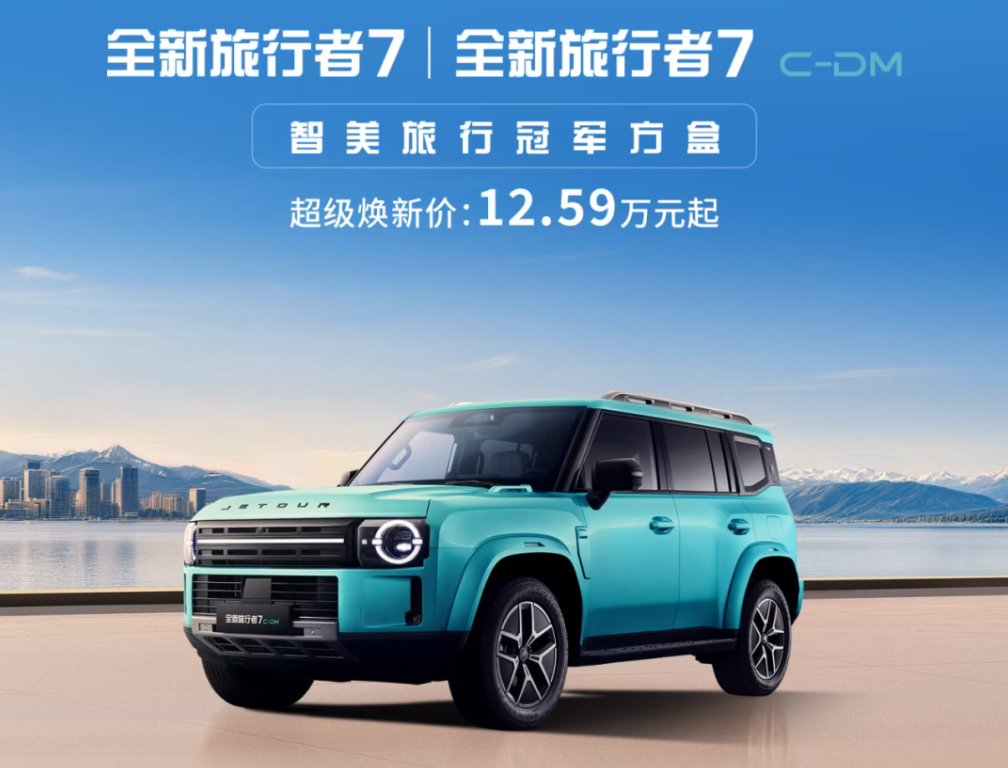
This is evident in the Jetour Traveler 7, launched on October 14. Amid new entrants embracing the new energy market, Jetour still offers both fuel and plug-in hybrid powertrains, reflecting its judgment of the current market and its reluctance to bet entirely on new energy.
However, surprisingly, neither Geely nor GAC has chosen to develop pure electric rugged off-road models, with the Titan 7 remaining the only model in its class offering a pure electric version, even updating it with a flash-charging long-range version.
Notably, in the Titan 7's sales, pure electric and plug-in hybrid models account for roughly half each. Perhaps Geely and GAC want to emphasize rugged off-road capabilities more, abandoning the pure electric layout.
With technological breakthroughs, new energy boxy models have addressed the core pain points of the internal combustion engine vehicle era and expanded their consumer base from hardcore enthusiasts to urban family users through product positioning, enlarging the market size.
According to predictions, the domestic boxy model market size will rise to 1.5 million units in 2026, with over 500,000 units of growth space compelling automakers to increase their bets.
However, with more competitors entering the market, the outlook remains challenging. Li Chuanhai, Vice President of Geely Automobile Group, predicts that "the boxy model segment may become a red ocean by 2027," not to spread pessimism but to provide a realistic assessment after the concentrated release of products.
Although new forces and domestic brands differ in product definitions, their core goal is to appeal to family users' needs in the SUV market. Seemingly different choices actually lead to the same destination, with the core of competition remaining differentiated positioning.
Note: Some images are sourced from the internet. If there is any infringement, please contact us for deletion.
-END-
-
![]()
Why Are New Automakers Focused on Creating a ‘Second Home’ in Cars, While Traditional Brands Bet on Boxy SUVs?
-
![]()
Chinese Automakers Make a Splash at Paris Auto Show, as EU Imposes 350,000-Unit Cap on Hybrid Vehicle Exports
-
![]()
September’s Top 10 Sedan Sales: Fuel-Powered Classics Still Holding Their Ground
-
![]()
Analysis Report on Reputation Index for Q3 2026
-
![]()
Is Apple Now Taking a Swipe at Xiaomi in the Smart Home Arena?
-
![]()
The Waning Influence of 'Golden September, Silver October'
-
![]()
Three Departments Launch Joint Probe into Zunjie Brake Issue; Yu Chengdong: Justice Will Prevail
-
![]()
After 100 days, Step's Agent Phone Still Only Half Released