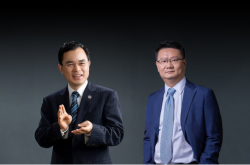
Zhu Huarong Steps Down, Zhao Fei Takes the Helm: Changan Automobile Unveils Its 'Two-Phase' Governance Strategy
 10/21 2026
 368
On October 16, Changan Automobile made a public announcement regarding a change in its chairman: Zhu Huarong resigned from all his positions, including Chairman, Director, and Legal Representative of the listed company. Zhao Fei, the former President, stepped up to become the new Chairman, while Ye Pei was promoted to President. This news came as a surprise to many outside observers. After all, just a month earlier, during the 10th Board of Directors transition at Changan Automobile, Zhu Huarong had been reappointed as Chairman, and Zhao Fei had been newly appointed as President.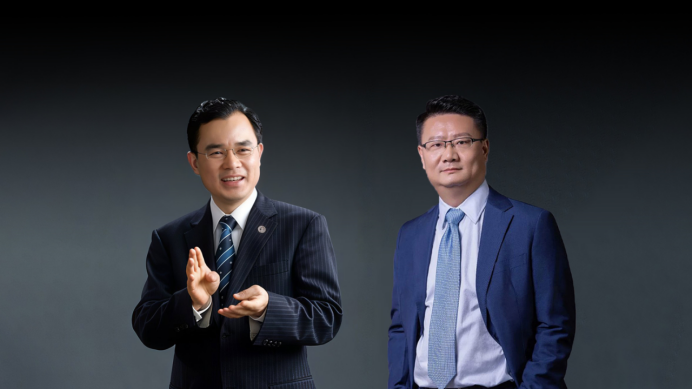
However, Zhu Huarong's own explanation shed light on a different rationale. He informed the media that the September transition was a compliance necessity, whereas the October adjustment was a deliberate governance move. He described the two changes as "the first and second phases of the same governance plan." In essence, this was not a leadership shakeup triggered by a crisis but a structural reorganization that had been in the works for over a year, with the approval process finalized in October.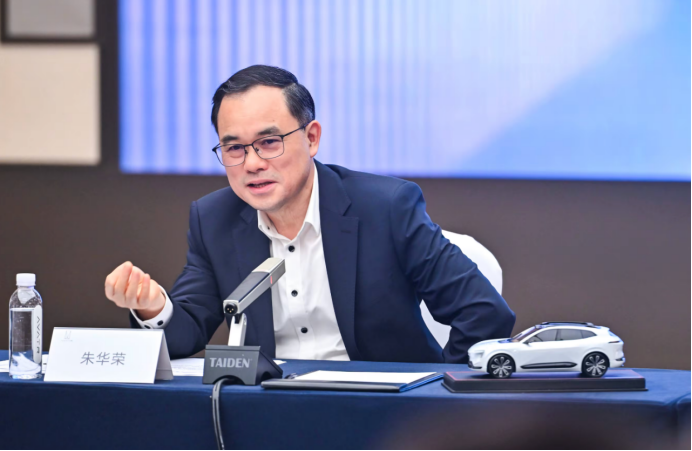
To grasp the true significance of this adjustment, one must look beyond the listed company's announcement and consider the broader context. In July 2025, China Changan Automobile Group was established, marking it as the first central enterprise headquartered in Chongqing. At the group's inception, Zhu Huarong characterized it as starting "from scratch, with no personnel or funds, just a pile of fixed assets." To ensure operational continuity, several executives, including Zhu Huarong himself, had to assume dual roles within both the group and the listed company. This was a transitional arrangement that could not persist indefinitely. A year later, the group headquarters relocated, with strategic planning and talent teams largely in place. The transitional dual-role setup had reached its natural conclusion. After stepping down from his positions at the listed company, Zhu Huarong continued to serve as Party Secretary and Chairman of China Changan Automobile, focusing on "strategy formulation, resource allocation, collaboration promotion, risk control, and incentive strengthening."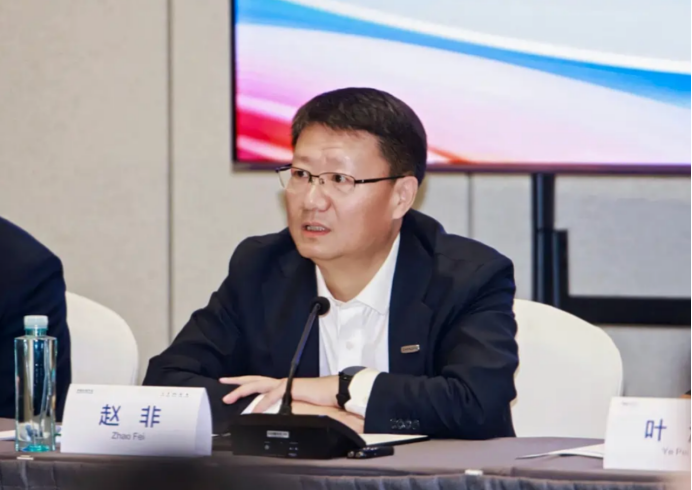
With Zhu Huarong's departure from the listed company's leadership, Changan Automobile was entrusted to Zhao Fei for independent management, with full responsibility for products, markets, and operating results. According to Zhu Huarong, this move aimed to "enhance the listed company's independent operational capabilities and strengthen market-oriented mechanisms and rapid response capabilities." From this perspective, Zhao Fei's appointment was not an "unexpected promotion" but a strategic realignment. Born in 1974, Zhao Fei has held several key positions within the Changan system, including Director of Strategic Planning, Party Secretary and Executive Vice President of Changan Ford, Chairman of Chenzhi Group, and President of Changan Automobile.
His background in strategic planning provides him with a deep understanding of long-term layout logic, while his experience in joint ventures and the group equips him with cross-system coordination skills. A more notable aspect is the concurrent personnel adjustments: Ye Pei was promoted to President, Yang Dayong was appointed as Executive Vice President, and Deng Chenghao, born in 1986, joined the executive vice president ranks. After the adjustments, the core management team consisted of three individuals born in the 1970s and one in the 1980s, with Zhu Huarong, born in the 1960s, completely stepping away from the listed company's leadership. The youthification of the management team was not merely a byproduct of this adjustment but one of its primary objectives.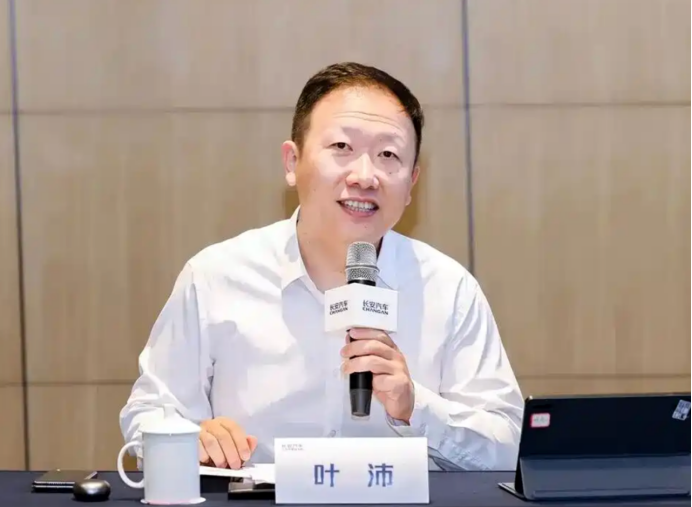
Ultimately, the optimization of the governance structure must withstand the test of operational reality. Changan Automobile has set a target of 3.3 million vehicles for 2026, including 1.4 million new energy vehicles and 750,000 overseas vehicles. Both the overseas growth target and the new energy growth target surpass the overall growth rate, clearly indicating that growth will focus on the two fronts of "going global" and "transformation." Zhao Fei's assessment upon taking office was quite candid: domestic competition has entered a shakeout phase, with some competitors engaging in irrational behavior.
This means the new leadership team faces not a smooth path but a complex landscape where domestic profit margins are continuously squeezed, and overseas markets are still transitioning from the investment phase to the harvest phase. The "Third Entrepreneurship," "New Energy Shangri-La," "Intelligent Beidou Tianshu," and "Globalization Haina Baichuan" initiatives promoted by Zhu Huarong during his tenure, along with the establishment of the Avita, Deepal, and Qiyuan brands, form the basic framework for Changan's transformation into a smart, low-carbon mobility technology company. Now that the framework is in place, the key question is execution efficiency and implementation pace.
Allowing the group level to focus on strategy and resource allocation while enabling the listed company level to concentrate on operations and market responsiveness is undoubtedly a rational division of labor. This represents a proactive optimization of the governance structure rather than a crisis-driven leadership change. Zhu Huarong remains at the helm of the group, while Zhao Fei has been given a complete and independent platform to manage the listed company.
The real test lies in whether Zhao Fei can, within the strategic framework set by Zhu Huarong, break down the 3.3 million vehicle target into an executable timeline and deliver tangible results on the two high-growth tracks of overseas expansion and new energy. Looking back a year from now, the evaluation criterion for this adjustment will be whether Changan's overseas sales and new energy penetration rate have met the set targets, rather than the personnel announcement itself.
(Image sourced from the internet, removed if infringing)
-
![]()
Apple, the 'Latecomer,' Initiates Limited AI Rollout
-
![]()
Yutong Bus: Selling 2,600 Fewer Units Yet Boosting Gross Profit by 600 Million Yuan, with Overseas Sales Fueling Profit Surge
-
![]()
GM's Q3 2026: Pickup Trucks Mint Money, Buybacks Provide Support, EVs on Pause
-
![]()
Fuel-Powered Vehicles: Shifting to a 'Niche' Role
-
![]()
Pure Electric Vehicles Dominate the RMB100,000 Market, and the Shift from Fuel to Electric is Unstoppable
-
![]()
September's Top 10 MPV Sales: Joint Venture MPV Regains Leadership
-
![]()
MIIT Unveils New Car Lineup: Multiple Series 9 Models Make Their Grand Entrance
-
![]()
Zhu Huarong Steps Down, Zhao Fei Takes the Helm: Changan Automobile Unveils Its 'Two-Phase' Governance Strategy