Pure Electric Vehicles Dominate the RMB100,000 Market, and the Shift from Fuel to Electric is Unstoppable
 10/21 2026
 408
"The rapid decline of fuel vehicles and the resilient growth of new energy vehicles remain the dominant trends in the current market."
In fact, this year's so-called 'Golden September' never saw the long-anticipated broad market recovery, which was entirely expected.
According to the latest data released by the China Passenger Car Association (CPCA), in September 2026, retail sales of passenger cars in China reached 1.618 million units, down 28.0% year-on-year but up 5.0% month-on-month. Among them, retail sales of new energy passenger cars reached 1.084 million units, down 16.7% year-on-year but up 7.8% month-on-month. In contrast, retail sales of conventional fuel passenger cars plummeted to just 530,000 units, a 43% year-on-year decline and a slight 0.3% month-on-month decrease.
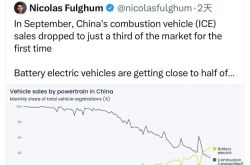
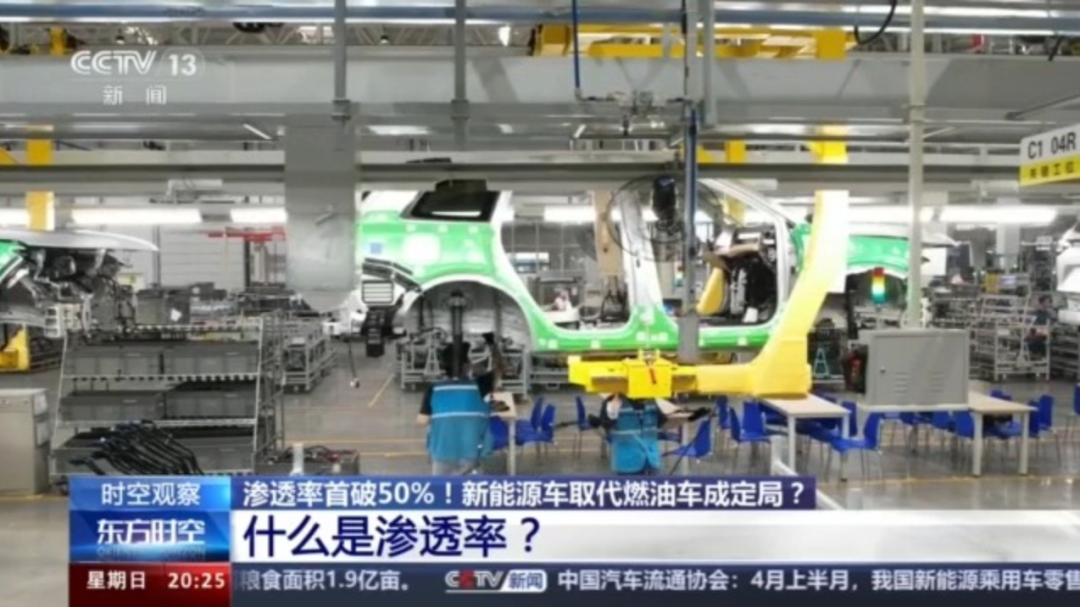
Behind these figures lies the historic milestone of NEVs' domestic retail penetration rate soaring to a record 67.0%, while fuel vehicles' market share fell below one-third for the first time.
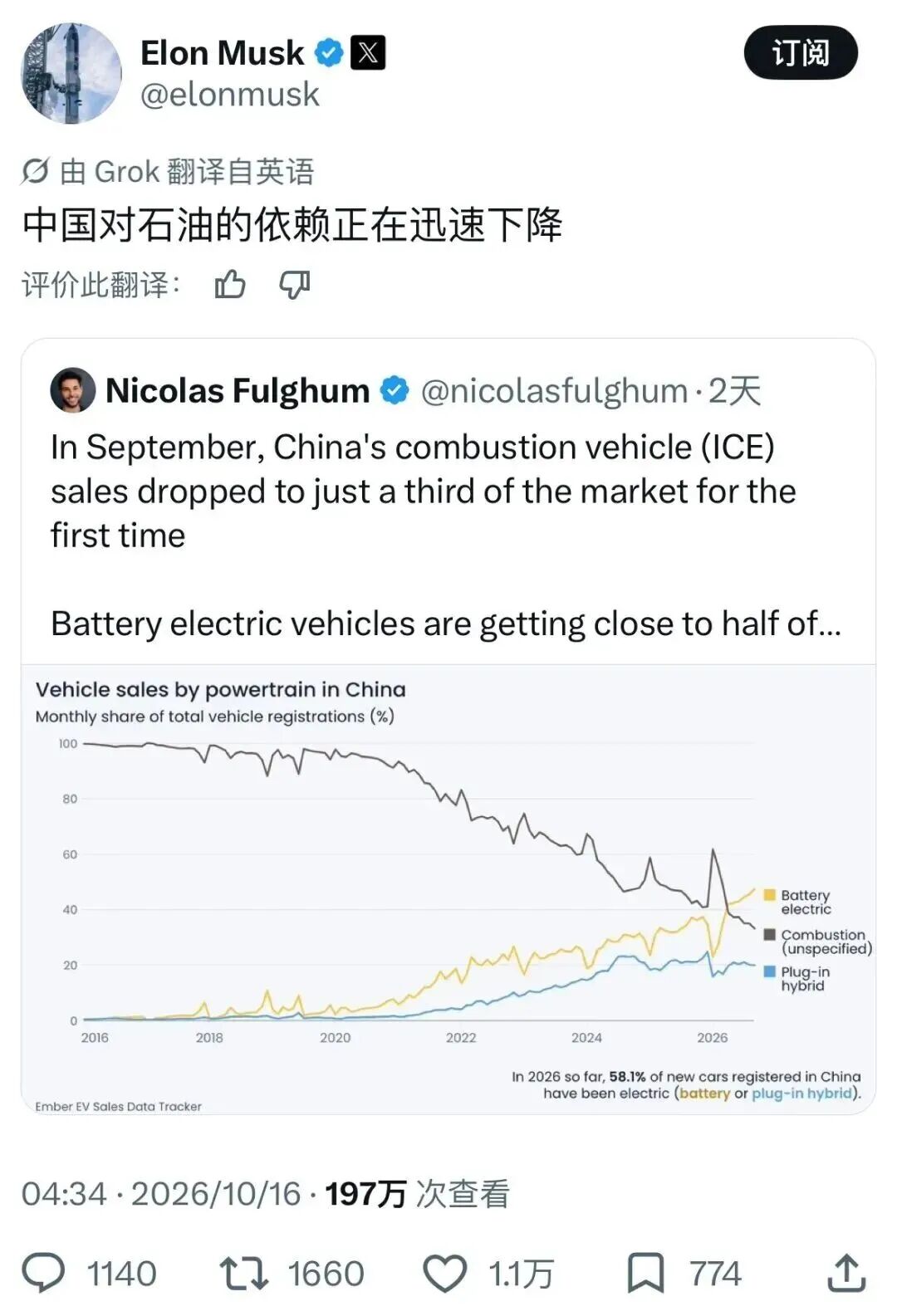
This marks the first time since the popularization of automobiles in China that fuel vehicles' share has dropped below 33%, signaling that the domestic automotive market has officially entered an irreversible deep water zone in the "shift from fuel to electric." Even Elon Musk took notice, sharing this data on social media with the comment: "China's dependence on oil is rapidly declining."
This is not the first time he has commented on this issue. Earlier this year, he shared content about China's electric vehicles from August 2024, stating that the growth of solar energy and electric vehicles in China would significantly reduce dependence on oil and gas. Looking back, his initial predictions have been solidly confirmed by actual sales data.
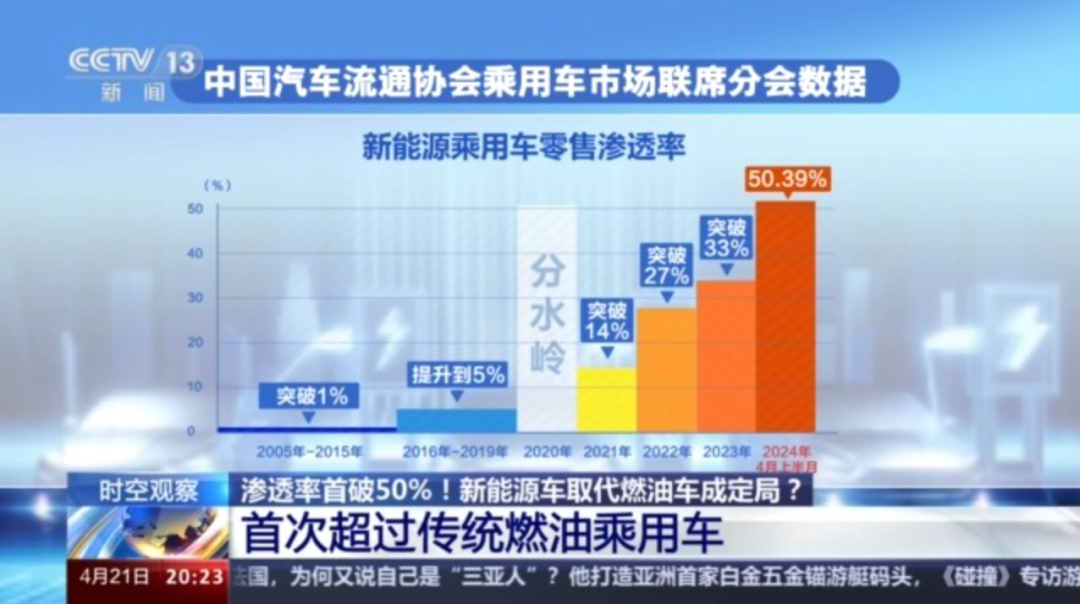
From April this year, when NEV penetration just broke 60%, to September, when it firmly stood at 67%, it took only five months. The speed of this transition is something no one in the industry dared to predict so high at the beginning of the year, far exceeding all expectations.
"Accelerated Phase-Out" of Fuel Vehicles Catalyzed by High Fuel Prices
The sharp decline in demand for fuel vehicles is not the result of a single factor, with high fuel prices being the primary catalyst.
According to CPCA calculations, after the price adjustments in late September, gasoline prices have cumulatively risen by RMB 2,375 per ton this year. The soaring fuel prices have significantly increased the total lifecycle usage costs of fuel vehicles.
At current fuel prices, the cost per kilometer for an ordinary family fuel vehicle exceeds RMB 0.6. For an average person driving 15,000 kilometers annually, the annual fuel cost easily exceeds RMB 9,000.
In contrast, for an equivalent Class A pure electric vehicle, charging at home during off-peak hours costs only about RMB 0.1 per kilometer, with annual electricity costs not exceeding RMB 1,500. The difference of over RMB 7,500 is substantial.
The majority of car buyers in China are ordinary working-class families. Such tangible cost differences over time can completely alter car-buying decisions. Nowadays, when many people buy a car, their first consideration is no longer "brand loyalty" or "fuel vehicle refueling habits." Instead, calculating annual fuel costs has become the default first criterion.
These demand-side changes are directly reflected in the sales structure of segmented markets.
In September 2026, retail sales of fuel vehicles declined by 43% year-on-year, with pure fuel vehicles experiencing a staggering 49% drop, nearly halving their sales. Even relatively resilient conventional hybrid models only achieved a 25% year-on-year increase.
Looking at different brand segments, sales of domestic fuel vehicles declined by 47% year-on-year, mainstream joint venture fuel vehicles by 42%, and luxury brand fuel vehicles by 41%. The impact of high fuel prices spared no fuel vehicle brand, leaving no safe haven in the market once considered the "core territory" of joint venture brands.
More symbolic changes have occurred in the model sales rankings.
In May this year, for the first time in history, not a single fuel vehicle remained among the top ten best-selling passenger cars in China. Many initially dismissed this as a fluke, assuming things would revert the following month.
However, in August, the top ten were again dominated by NEVs, with Geely Galaxy Starwish taking first place, followed by Leapmotor A10, Tesla Model Y, BYD Yuan UP, and Tesla Model 3. Positions six to ten were occupied by Changan Qiyuan Q05, Li Auto i6, BYD Dolphin, Xiaomi SU7, and Wuling Binguo Pro, covering a range from RMB 30,000 compact cars to RMB 300,000 mid-to-high-end SUVs, with not a single fuel vehicle in sight.
September saw an even more lopsided result, with only Tesla Model Y representing foreign brands in the top ten. Among domestic models, only Galaxy Starwish could compete head-on with BYD. Traditional fuel vehicles failed to make the list entirely.
Full Electrification Emerges as the Definitive Mainstream Trend
Within the broader electrification wave of the automotive market, the trend toward full electrification in the Class A vehicle segment has been most pronounced.
For decades, Class A vehicles represented the most fiercely competitive and largest market segment for fuel vehicle brands, traditionally dominated by joint venture models like Volkswagen Lavida, Toyota Corolla, and Honda Civic. However, by 2026, this market landscape had been completely rewritten.
The combination of high fuel prices and the rapid popularization (popularization) of fast-charging technology in individual vehicles has directly driven explosive sales growth for Class A pure electric models. In the past, consumer concerns about Class A pure electric vehicles mainly centered on slow charging speeds and inconvenience for long-distance travel. However, multiple Class A pure electric models launched in 2026 have pushed fast-charging capabilities to new heights.
Many models now feature 800V high-voltage platforms, enabling "10-minute charging for 400 kilometers of range," bringing the refueling experience of pure electric vehicles nearly on par with that of traditional fuel vehicles and completely eliminating range anxiety for ordinary family users. Meanwhile, these models surpass traditional fuel Class A vehicles in terms of space, intelligent features, and range performance, offering overwhelming cost-effectiveness compared to traditional fuel products.
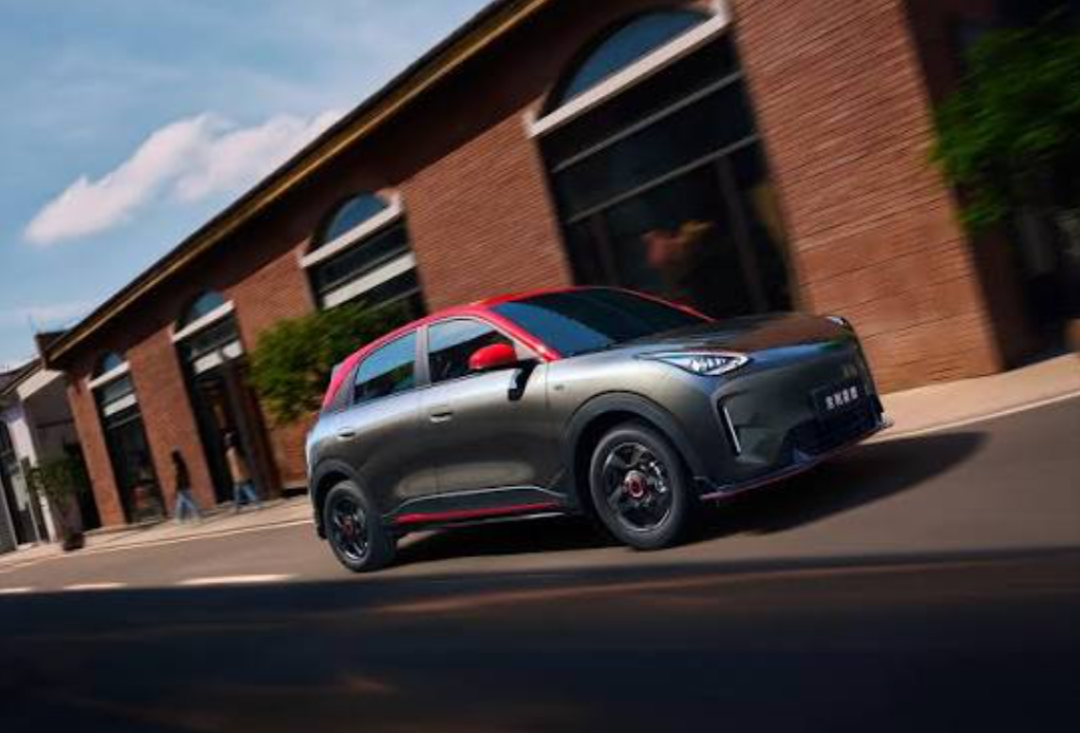
Several blockbuster models have completely redefined the Class A pure electric segment.
The Geely Galaxy Starwish has been a phenomenal success this year, targeting the RMB 100,000–150,000 family car market. It avoids unnecessary frills, focusing all its resources on range, space, and intelligent experience. With a starting range of 450 km, it can comfortably seat three adults in the rear, all at a starting price below RMB 100,000. It has breached the defenses that joint venture fuel vehicles had held for over a decade and stands out as one of the few models to break through BYD's encirclement this year.
The BYD Dolphin needs no introduction, having sold over one million units since its launch. Its compact size, user-friendly driving experience, mature e-platform technology, and affordable pricing make it a perennial favorite in the Class A pure electric market.
The Leapmotor A10 has emerged as this year's biggest dark horse, offering features previously reserved for RMB 300,000 luxury vehicles—such as the 8295 chip and advanced intelligent driving—in a RMB 120,000 Class A model. Its highly efficient rear seating space perfectly suits family needs, precisely targeting young first-time car buyers. Many who initially planned to purchase a RMB 100,000 fuel sedan ultimately chose the A10 instead.
Then there's the Tesla Model 3, the last remaining foreign brand model in this segment. Leveraging its mature powertrain, stable intelligent driving, and nationwide Supercharger network, it has managed to defend its position in the RMB 200,000–250,000 price range despite intense competition from domestic models.
Not to mention crossover SUVs like the Changan Qiyuan Q05 and BYD Yuan UP, which combine the drivability of sedans with the versatility of SUVs. With an ever-growing array of choices, they are increasingly squeezing the survival space of traditional fuel Class A SUVs.
In contrast, once-iconic models like the Lavida now struggle to reach 10,000 monthly sales, while the Corolla and Sylphy have also seen precipitous declines. Many joint venture fuel Class A models now offer discounts of RMB 30,000–40,000 at dealerships, yet they still cannot retain customers.
It is clear that the entire Class A vehicle market has now tilted decisively toward pure electric models. The decades-long advantages that fuel vehicles once held in this segment are being rapidly eroded within just a few years.
New Industry Landscape and Future Directions Amid Structural Differentiation
Although the overall market has seen significant declines in the first three quarters of this year, with NEV sales down 16.7% year-on-year, discerning observers recognize that this is primarily due to last year's exceptionally high base and recent supply chain disruptions caused by chip shortages—all temporary factors.
Today, "the rapid decline of fuel vehicles and the resilient growth of new energy vehicles" remain the absolute main themes of the market. Exports have become a crucial anchor for many automakers, with overseas market growth effectively offsetting periodic fluctuations in the domestic market.
However, from a global perspective, China's electrification pace remains absolutely leading.
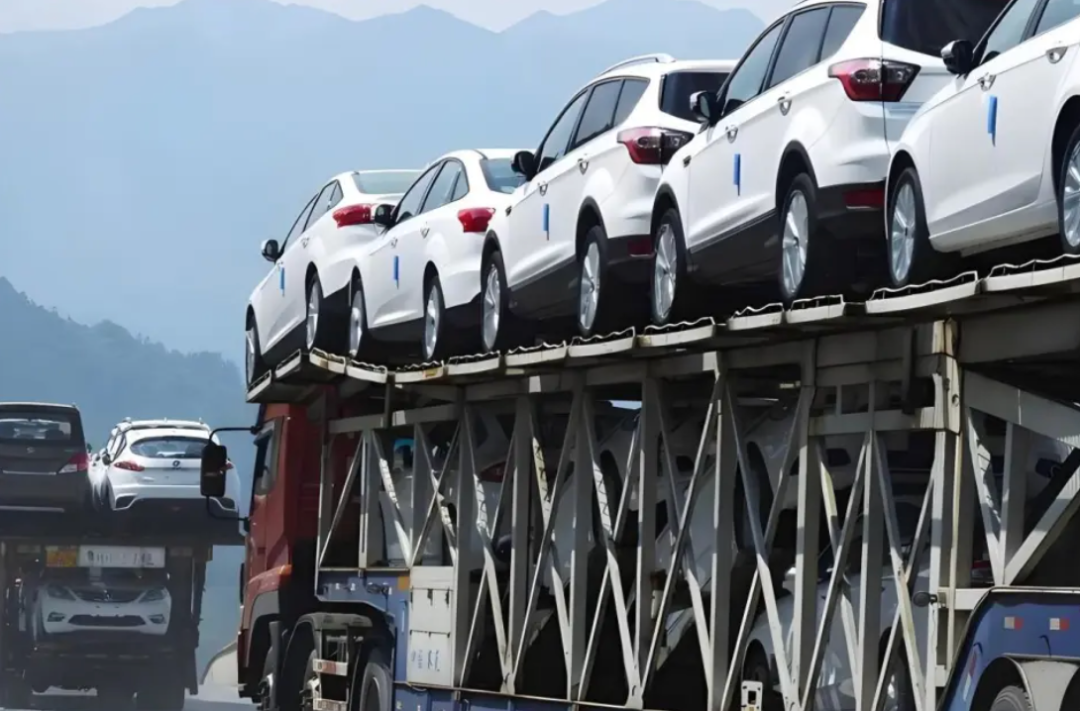
In the first half of 2026, global sales of pure gasoline-powered vehicles fell below 50% for the first time, dropping from 73% in 2021 to 49%—a cumulative decline of 24 percentage points over five years. Among them, China's fuel vehicle sales declined by 26% year-on-year, the largest drop globally and far exceeding Europe's 13% decline.
Chinese brands now account for 60% of global pure electric and plug-in hybrid vehicle sales. In emerging markets like Southeast Asia and Oceania, sales of Chinese NEV models have surged by over 80%. Chinese automakers are replicating the product advantages of their domestically validated Class A pure electric models on the global stage.
Of course, fuel vehicles will not disappear entirely in the short term. Globally, there are still billions of fuel vehicles in use. Conventional hybrid models, with their "dual fuel-electric capability and zero range anxiety," will continue to serve as transitional products for a considerable period.
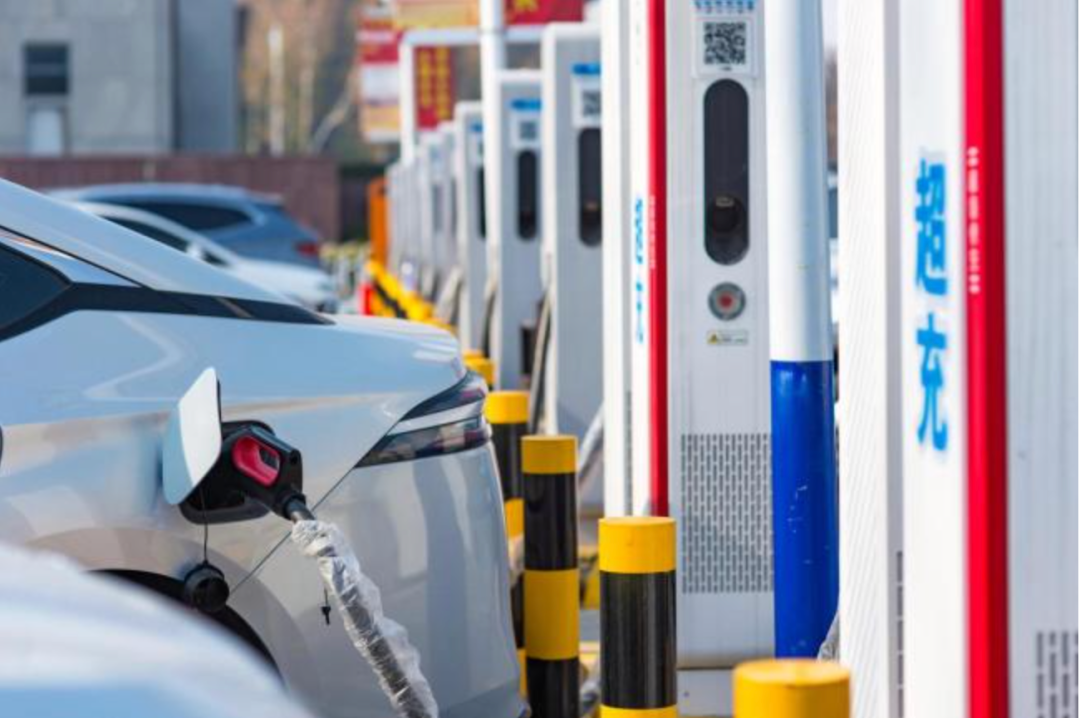
However, in China's new vehicle market, "buying a new fuel vehicle" is no longer the optimal choice for ordinary family users. This is especially true in the Class A segment, which constitutes the largest market share. The trend toward full electrification is now firmly established, and as fast-charging networks become even more widespread and product capabilities continue to upgrade, penetration rates for Class A pure electric models will climb even higher.
In its market outlook, the CPCA notes that the supportive effect of high fuel prices will continue to manifest, with NEV penetration rates remaining above 65% for the foreseeable future. In the fourth quarter, major automakers are expected to intensify terminal discounts and launch more new Class A pure electric models, further accelerating market reshuffling.
Note: Images sourced from the internet. Please contact us for removal if any infringement occurs. -END-
-
![]()
Apple, the 'Latecomer,' Initiates Limited AI Rollout
-
![]()
Yutong Bus: Selling 2,600 Fewer Units Yet Boosting Gross Profit by 600 Million Yuan, with Overseas Sales Fueling Profit Surge
-
![]()
GM's Q3 2026: Pickup Trucks Mint Money, Buybacks Provide Support, EVs on Pause
-
![]()
Fuel-Powered Vehicles: Shifting to a 'Niche' Role
-
![]()
Pure Electric Vehicles Dominate the RMB100,000 Market, and the Shift from Fuel to Electric is Unstoppable
-
![]()
September's Top 10 MPV Sales: Joint Venture MPV Regains Leadership
-
![]()
MIIT Unveils New Car Lineup: Multiple Series 9 Models Make Their Grand Entrance
-
![]()
Zhu Huarong Steps Down, Zhao Fei Takes the Helm: Changan Automobile Unveils Its 'Two-Phase' Governance Strategy