Tesla Roadster: Soaring Beyond Gravity—A Call for Automakers to Rise Above Price Wars
 10/26 2026
 418
Introduction | Lead
Imagine an electric vehicle (EV) defying gravity, scaling vertical walls, clinging to rooftops, and executing mid-air flips with the aid of cold gas thrusters before landing gracefully. While mass production is slated for 2028, Tesla’s second-generation Roadster is clearly not just about selling more cars. It embodies a philosophy of crafting vehicles without being overly fixated on specifications and prices. Instead, it redefines next-generation products through groundbreaking "0 to 1" technology.
Published by | Heyan Yueche Studio
Written by | Zhang Chi
Edited by | He Zi
Word Count | 2,454
Estimated Reading Time | 4 minutes
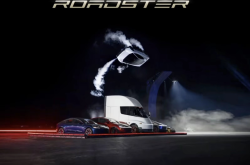
On October 16, 2026, Tesla unveiled the second-generation Roadster at SpaceX’s McGregor test site in Texas, USA. The event showcased the car’s ability to drive upside down, perform mid-air flips, and achieve brief levitated flight.
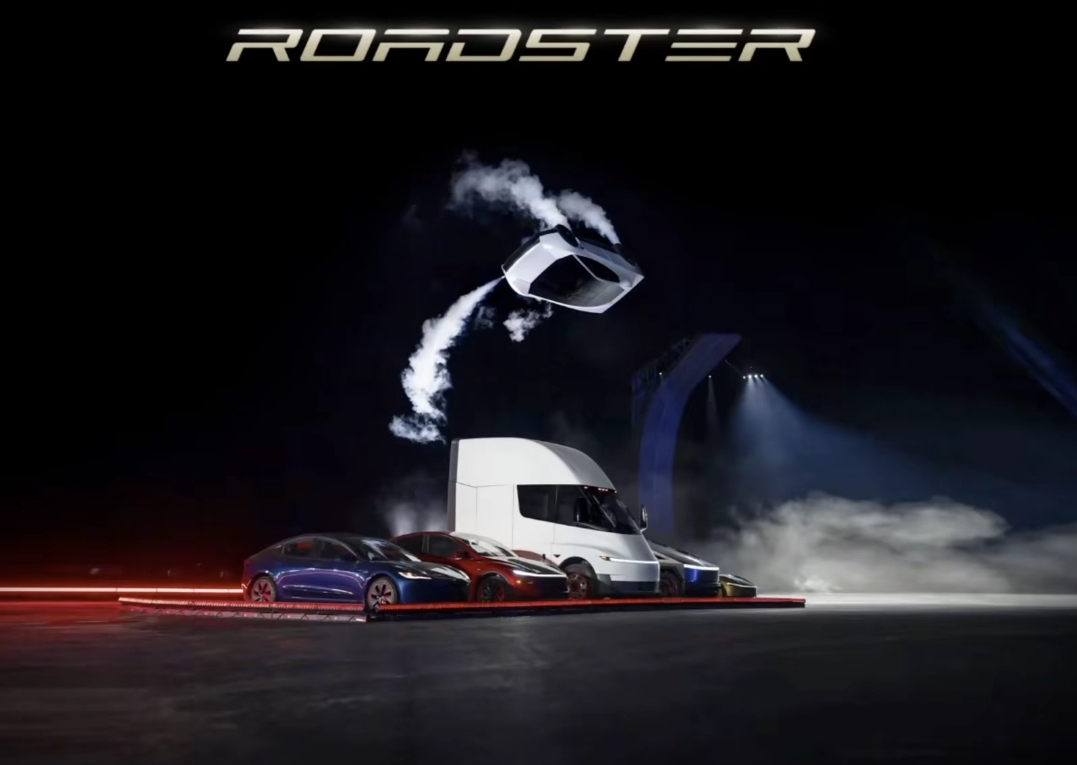
△Recently, Tesla showcased the second-generation Roadster at the SpaceX test site.
The new car is now open for global reservations, with Tesla China’s official website listing a refundable deposit of RMB 332,000. The standout feature of the new Roadster is its cold gas thruster system, co-developed with SpaceX and codenamed A71. This system provides unparalleled performance compared to other models. Musk hailed it as "the pinnacle of human-driven vehicles," with mass production scheduled for 2028.
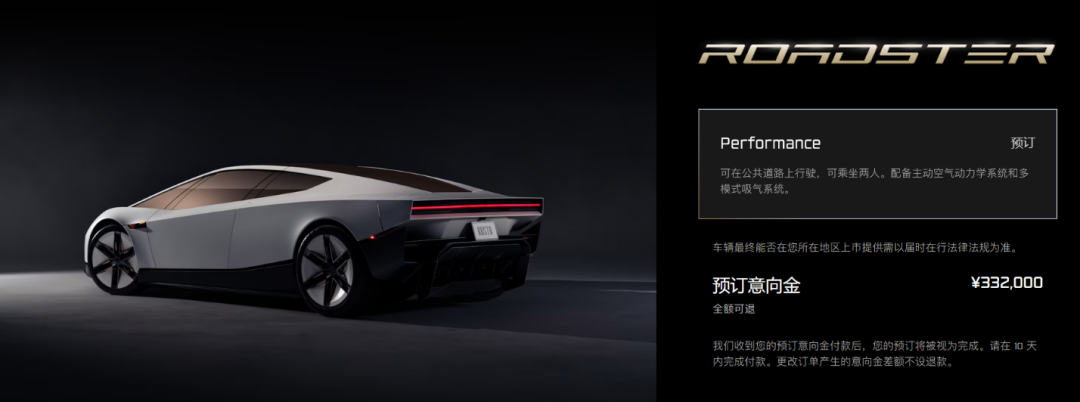
△The second-generation Roadster is now available for pre-order on Tesla’s official website.
What Makes the Roadster Stand Out?
The new Roadster boasts a top speed exceeding 230 mph (370 km/h) and a range of over 300 miles (483 km) on a single charge, with other specifications yet to be announced. It comes in three versions: Performance (road-legal), Thrust (track-focused), and Rocket (aerial-capable).
The Performance variant is the most versatile, a road-legal two-seater that accelerates from 0–60 mph (96.6 km/h) in under 1.6 seconds using only electric motors and tire grip. Its core technology is the Multi-Mode Suction System, which utilizes underbody fans to reduce air pressure and generate downforce, outperforming traditional aerodynamics even at low speeds. The system’s suction is strong enough to adhere to inverted surfaces. It also features an adjustable rear wing, active aerodynamics, and ride height control to optimize drag or downforce. With approximately 1,000 kW (1,360 hp) and adaptive suspension, it excels in corners and braking.
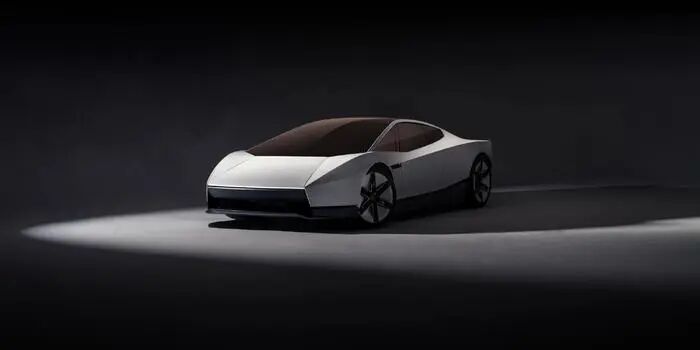
△The Roadster Performance variant packs impressive power.
The Thrust variant builds on the Performance model with added thrusters, designed as a "Race Ready" two-seater for tracks. Its highlight is the SpaceX-co-developed rear cold gas thrusters: high-pressure gas ejects through nozzles for instant thrust, breaking free from the limits of tire grip. With four rear nozzles and an approximately 200 L high-pressure tank, it accelerates from 0–60 mph in around 0.85 seconds.
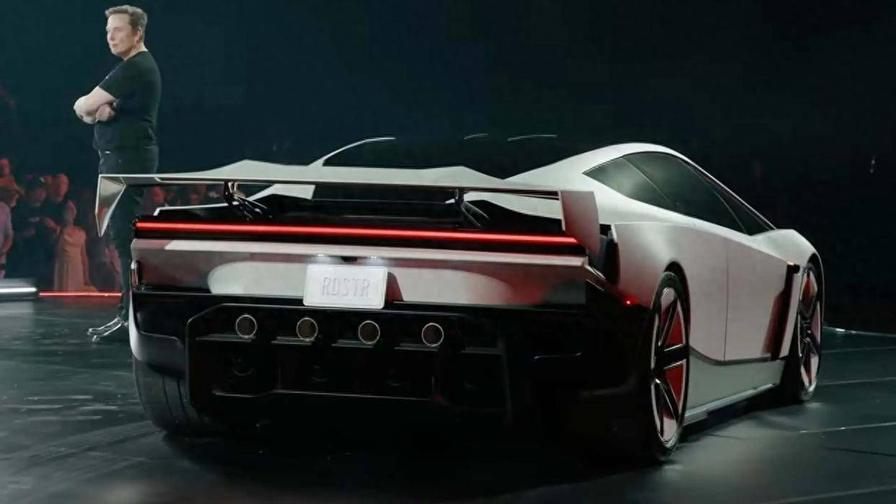
△The Thrust variant adds thrusters to the Performance model.
The Rocket variant is the most attention-grabbing, defined as "Air Ready" and designed for aerial mobility rather than roads. It upgrades to 10 cold gas thrusters: some lift the body upward, while others control mid-air orientation and rotation. The gas tank expands to 600 L, and the passenger seat is removed for a single-seat layout. It accelerates from 0–60 mph in under 0.59 seconds, with Tesla demonstrating levitated flight, mid-air rotation, and landing.
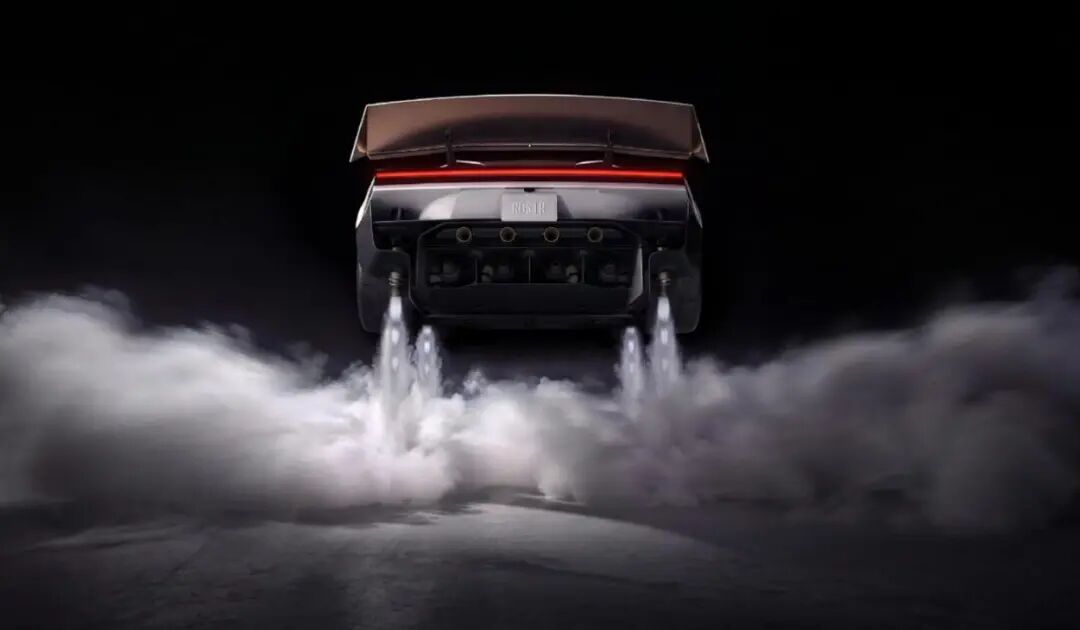
△The Rocket variant focuses on aerial mobility.
How Tesla Is Redefining Its Approach
As a pure electric sports car, the Roadster holds special significance for Tesla.
The first-generation Roadster’s mission was to prove that EVs could match or surpass traditional fuel-powered supercars in performance. It succeeded—today, more EVs easily enter the "3-second club," making acceleration thrills accessible to ordinary consumers, once exclusive to multi-million-dollar supercars.
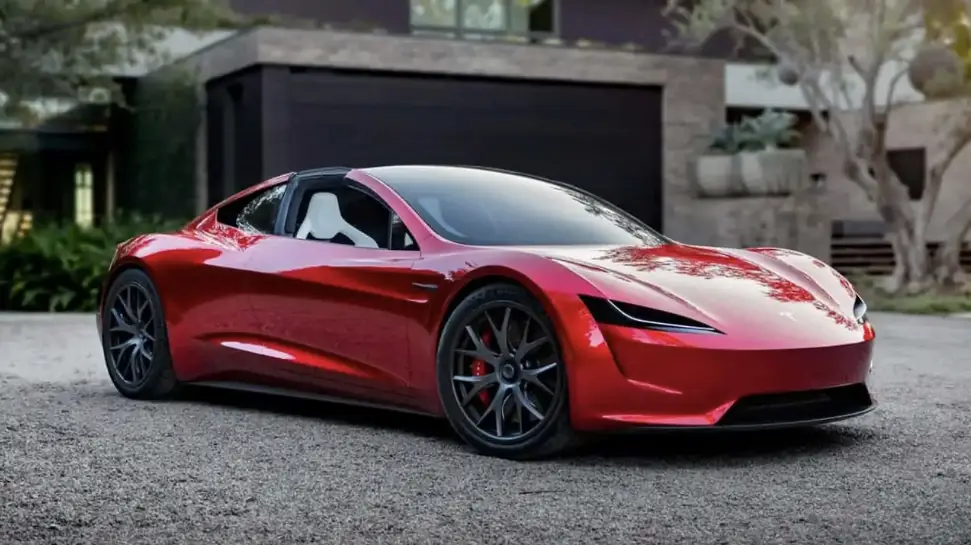
△The first-generation Roadster put Tesla on the map.
The second-generation Roadster opens another door: integrating more aviation elements. This is equally vital for enhancing Tesla’s brand image. Before mass production, rumors of delays swirled. Yet when the real car completed its mid-air flip and landing, most understood the arduous effort behind it—making the wait worthwhile.
For most automakers, mass production hinges on scaling costs while boosting performance. But for users, does the difference between 900 km and 1,000 km of range—or 4 seconds versus 3 seconds for 0–100 km/h acceleration—really matter that much? The answer is no. When performance differences shrink, price wars ensue, sometimes driving out quality players. Tesla’s second-generation Roadster offers an alternative: while flying cars remain distant, making a car scale near-vertical walls, cling to rooftops, descend like a rocket, and flip mid-air holds undeniable global appeal.
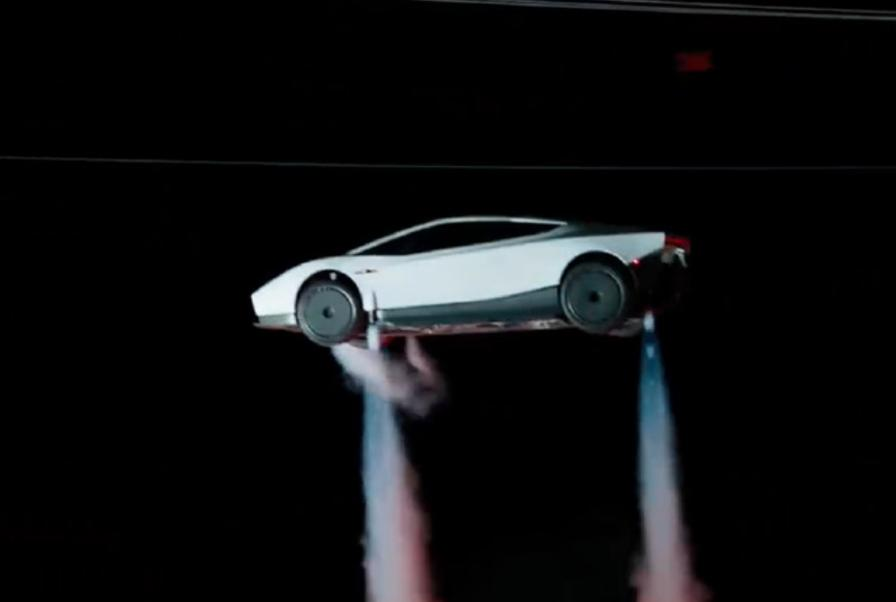
△The second-generation Roadster shows there’s an alternative to price wars.
In recent years, Tesla has relied almost solely on the Model 3 and Model Y to maintain its market share. Amid fierce competition, its sales have slumped. But is Tesla incapable of launching new models? Clearly not. Each new model serves a strategic purpose: a Model 3-below variant remains absent, but the Cybercab, testing Robotaxi tech, is already operating at scale in the U.S. The second-generation Roadster, nine years in the making, fuses deeply with SpaceX tech, captivating global attention.
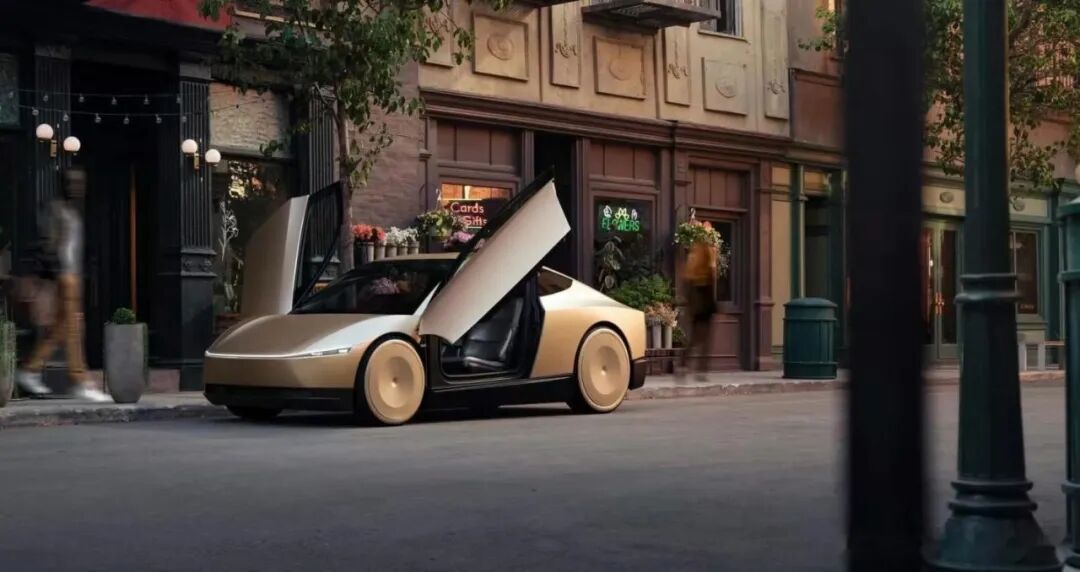
△The Cybercab tests Tesla’s autonomous driving tech and explores new business models via Robotaxi.
These aren’t just AI-generated flashy scenes—they shock not just users, but the entire industry. How should future carmaking evolve? Blaze a new trail, or follow Tesla’s path? Compared to easily replicated features like fridges, TVs, and sofas, Tesla once again builds an intimidating moat with unshakable technology.
What Can Chinese New Energy Automakers Learn?
Currently, China leads in new energy vehicle (NEV) tech, especially in battery, drivetrain, electric control (the "three electric systems"), and intelligent connected tech, building formidable competitiveness that leaves legacy automakers struggling.
Yet we must admit: our breakthroughs are mostly engineering-driven, relying on extreme competition—even selling at a loss—to build advantages. These are likely just first-mover gains. When foreign legacy automakers retrace our steps, have we considered: What will next-gen EVs look like? Will boosting specs by 10% and cutting prices by another 10% truly win over global consumers?
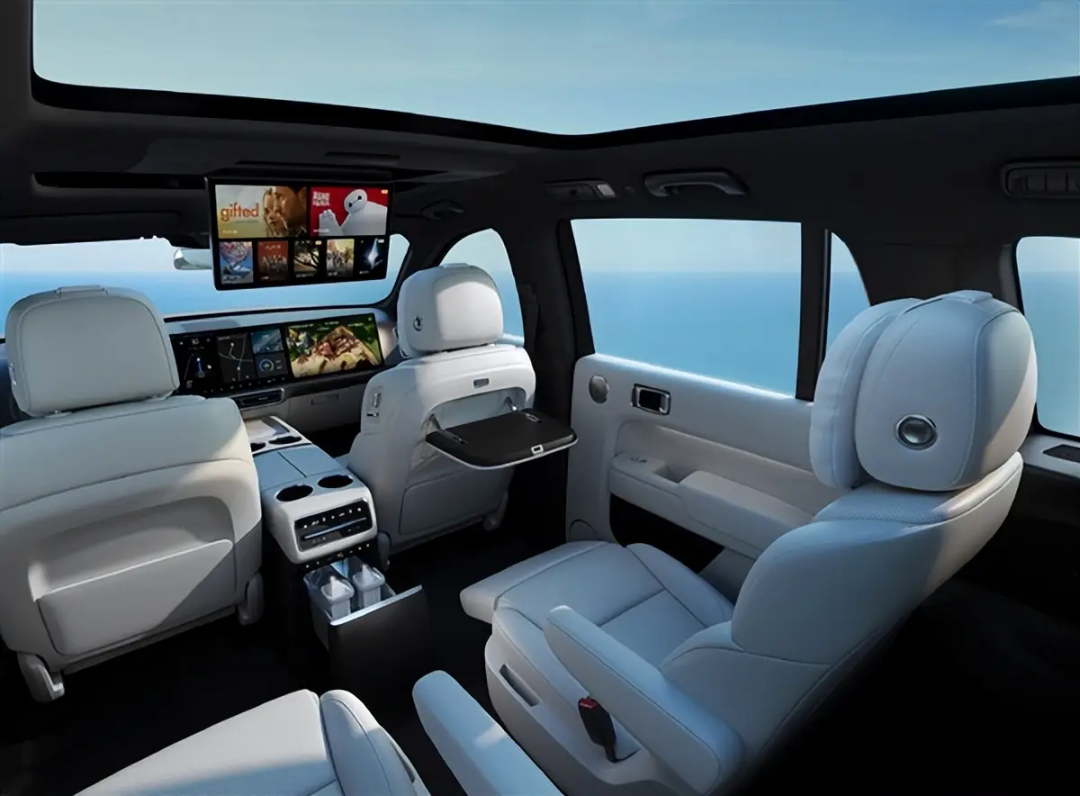
△"Fridges, TVs, and sofas" can’t build core competitiveness for automakers.
Of course, we’re not urging domestic automakers to clone Tesla and make cars that flip mid-air. But we shouldn’t stay stuck in "self-competition." Chinese engineers excel at refining "1 to 10"—but in "0 to 1" original innovation, we lag noticeably behind our Pacific peers.
Publicly traded U.S. firms often prioritize stock prices and short-term gains over long-term strategy. Tesla is an exception: Musk focuses less on constant new launches or market share, even if stock prices dip temporarily. By stabilizing sales with the Model 3 and Model Y, he invests more in innovation to lead the industry—exactly what he aims to do. For Chinese automakers, adopting a long-term view and prioritizing technological innovation is far more critical.
Commentary
The Roadster’s strategic value to Tesla lies not in sales, but in a technological declaration: fitting SpaceX thrusters onto a mass-produced car, trading nine years of waiting for a real-car flip—this kind of short-term-agnostic investment is what Chinese automakers most lack amid "1 to 10" competition. Industry rivalry is shifting from spec and price wars to "who defines the next generation." The marginal returns of spec and price battles fade, while a Roadster-style "0 to 1" breakthrough, once realized, will erect an unshakable tech moat. For China’s NEV sector, the real challenge isn’t copying a flying sports car, but finding its own "0 to 1."
(This article is original to Heyan Yueche and may not be reproduced without authorization.)
What Changed for Chery in a Four-Hour Tour of Future City?
Can Aion Ray7 Break the Config-Sacrifice Dilemma to Win Over Young Buyers?
Has Geely’s First Boxy SUV Slashed Hardcore SUV Prices?
How Can China Avoid Escalating EU Trade Frictions to Better Share Hybrid Tech Dividends?
Can Beijing Hyundai’s Ioniq V Shake Up the NEV Market?

Heyan Yueche is now on these platforms:
Tencent | Bitauto | Chejiahao | Toutiao | Sina KanDian | Sohu
Xiaohongshu | Dayuhao | Sina Weibo | Yidian Zixun | Baijiahao
NetEase | Qiche Toutiao | Cheyouhao | Pacific Car
-
![]()
Tesla Roadster: Soaring Beyond Gravity—A Call for Automakers to Rise Above Price Wars
-
![]()
Exclusive: iPhone Duo 2 Details Unveiled
-
![]()
Qualcomm Reports $2 Billion Quarterly Net Profit Amidst Plans for Global Layoffs: 61% Surge in Automotive Chips Fails to Offset Smartphone Sales Decline
-
![]()
Has NIO’s Battery Swap Strategy Suddenly Gained Broad Acceptance?
-
![]()
Why Should Car Owners Be Held Accountable When the Self-Parking System Fails?
-
![]()
The Second Half of Intelligent Driving: Automakers Must Prove Safety and Then Get Users to Pay
-
![]()
The ultimate intelligence of a car is to ensure the safety of its occupants.
-
![]()
Post-2000s Beauty Product Manager Issues Apology; He Xiaopeng Embraces Being Labeled an 'Old Fogey.' Should Car Buyers Purchase MONA to Prove Their Youth?