Top 10 SUVs by Sales Are All Feeling a Bit Nervous Now
 11/16 2026
 410
After six strong years, BYD and others are now feeling a bit nervous.
What's making them nervous is that one similar joint venture model after another is selling explosively upon launch, while this year's market environment saw domestic passenger car sales cumulatively decline 22.3% from January to October. The pie is shrinking, and joint venture brands' latest new cars are achieving higher and higher success rates after launch—so the situation is clearly a zero-sum game.
First it was Toyota. Now it's Volkswagen.
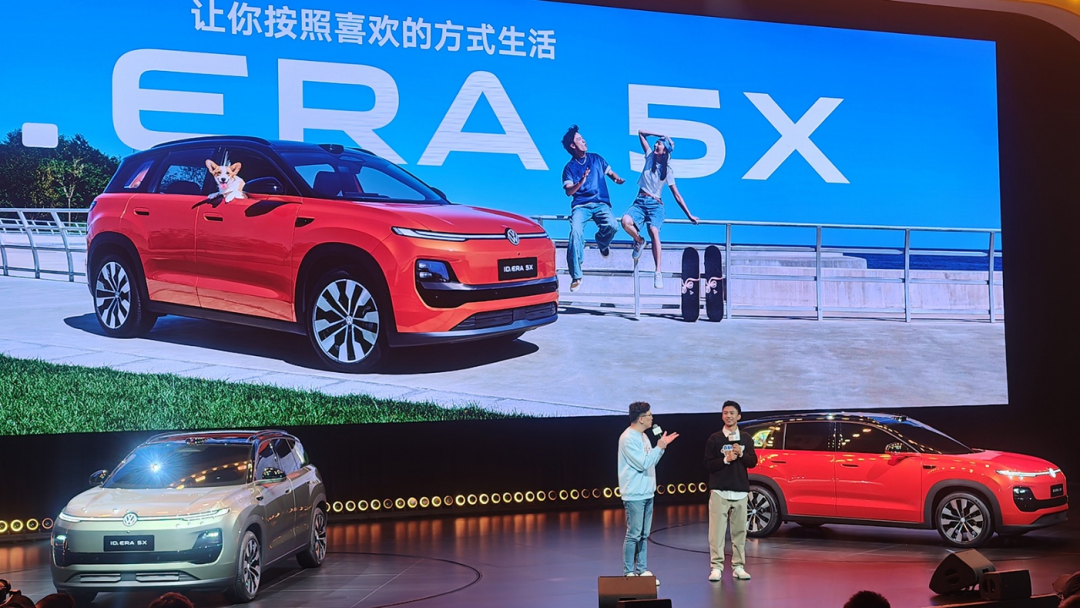
From January to October 2026, GAC Toyota's bZ3X quietly sold 78,700 units, ranking sixth among compact SUVs—ahead of tough competitors like the BYD Yuan PLUS, Leapmotor B10, and Geely Galaxy E5. The bZ3X selling so well almost guarantees that SAIC Volkswagen's ID.ERA 5X will do even better. Because with the same approach, SAIC Volkswagen offers more, pushes harder, and plays more aggressively.
Meanwhile, more signals of a reshuffle keep coming from various 4S stores and supermarket sales outlets: new cars that have long stood at the top of the bestseller lists are increasingly seeing their sales siphoned away.
One SAIC Volkswagen Model Disrupts the A-Segment SUV Market
The first thing to note is that joint venture brands' deep counterattack has officially begun.
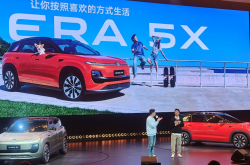
First, SAIC Volkswagen's ID.ERA 5X completed its launch, followed by Dongfeng Nissan's NX7 starting pre-sales.
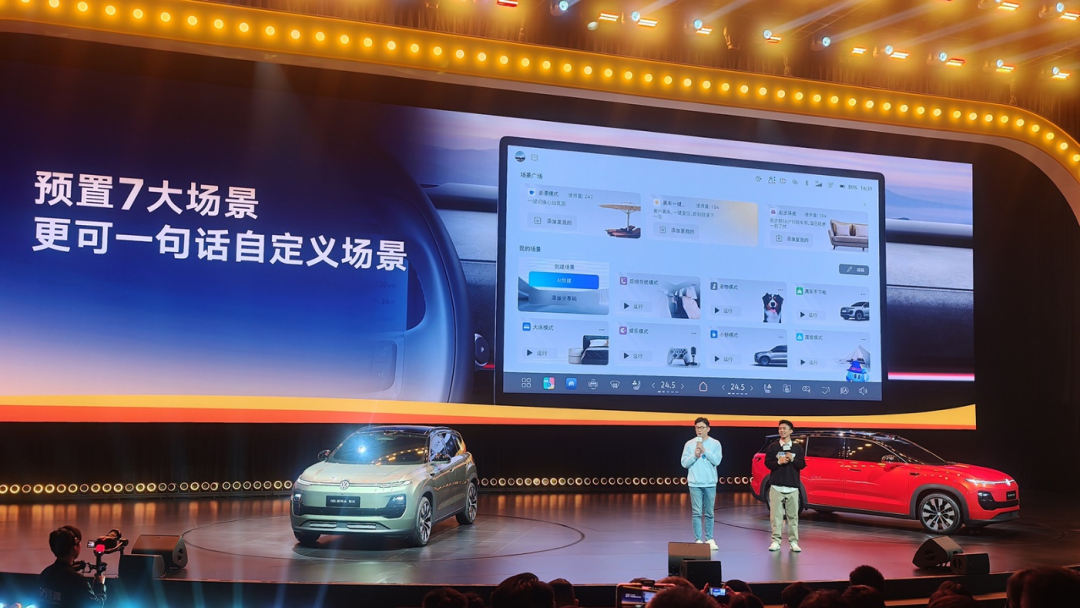
The most prominent highlights are essentially three: first, after 2-3 years of technological R&D and generational upgrades, joint venture brands have deeply caught up with domestic cars in software and how vehicles should be defined—and can even surpass them in many respects; second, their long-standing hardware advantage continues to expand; third, in terms of benefits beyond the product itself, joint venture brands have long had an edge over domestic cars in credibility and ability to honor commitments. Ultimately, these three factors combined create pressure on existing bestselling models.
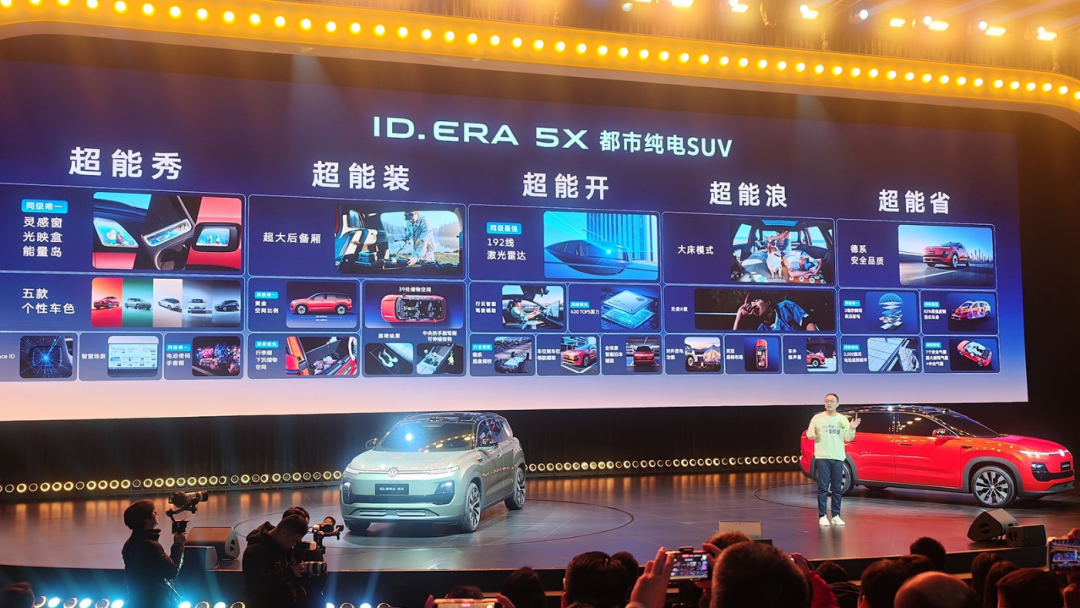
Now, looking first at SAIC Volkswagen's ID.ERA 5X: the suggested retail price is 119,900–159,900 yuan, and after limited-time benefits the price is directly pulled to under 100,000 yuan—at 99,900–139,900 yuan.
What does this price figure show? It is already more affordable than the Deepal S05 (fourth in the compact segment), Song Pro (second in the compact segment), AION i60 (fifth in the compact segment), bZ3X (sixth in the compact segment), BYD Yuan PLUS (seventh in the compact segment), and Leapmotor B10 (eighth in the compact segment).
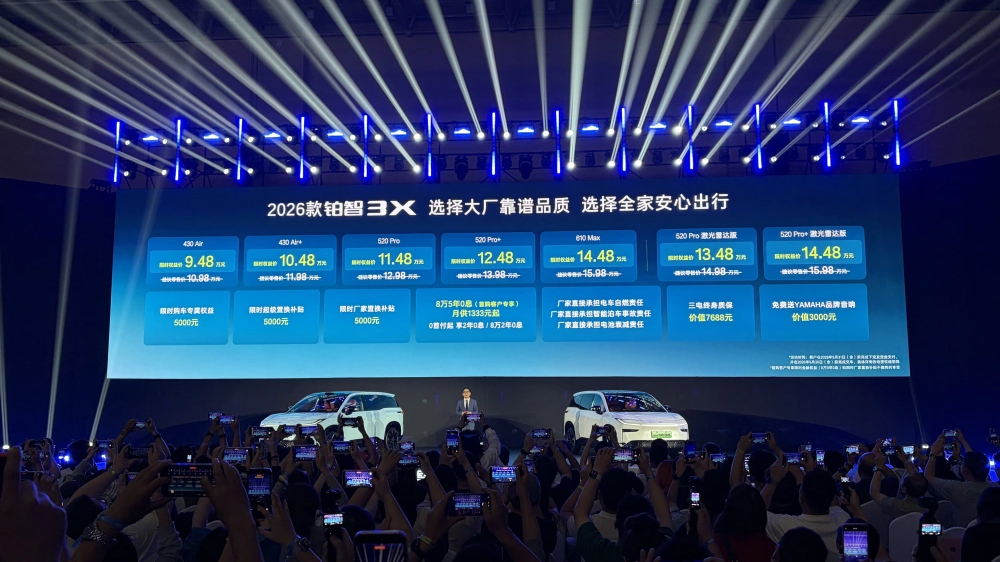
Particularly noteworthy is that the bZ3X is a very important benchmark here. It did not choose to reach more young people through marketing like new forces; relying on a strong channel system and product cost-effectiveness, its retail sales from January to October this year are close to 79,000 units.
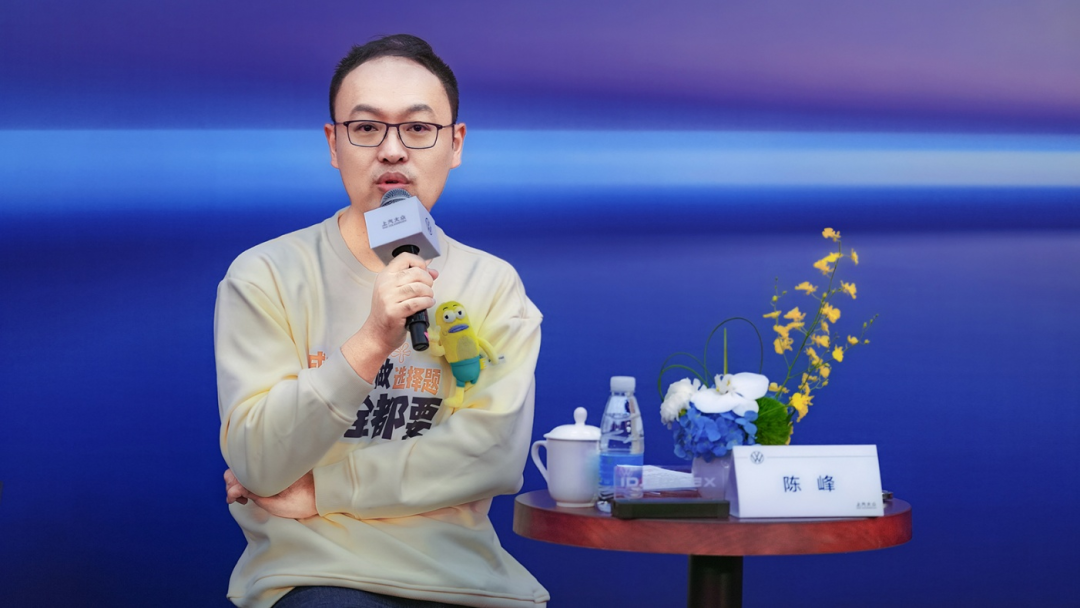
And SAIC Volkswagen's ID.ERA 5X is clearly a more aggressive presence than the bZ3X. In an interview after the launch event, Chen Feng, Executive Deputy Director of Volkswagen Brand Marketing at SAIC Volkswagen Automotive Co., Ltd., answered questions about CMP and CEA.
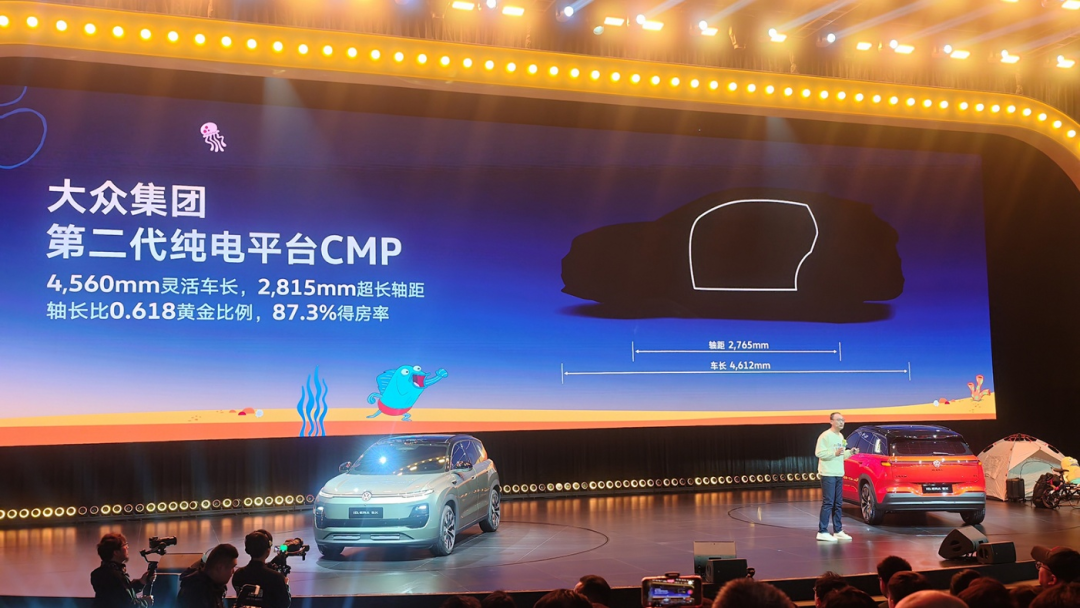
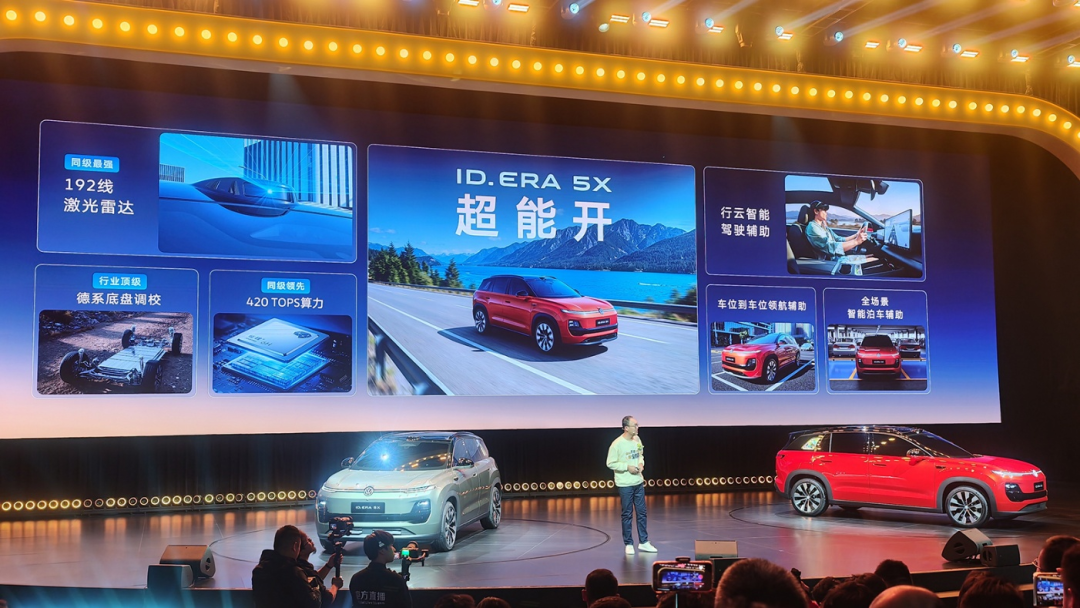
Through the CMP platform, SAIC Volkswagen has made great progress in space utilization. The 5X's space utilization rate reaches 87%, with shortened front and rear overhangs while extending the wheelbase ratio. The result is that an A-segment-sized SUV can deliver B-segment SUV rear-seat space, while also offering abundant storage space throughout the vehicle. Then there is the CEA electronic and electrical architecture, a China-exclusive architecture jointly developed by Volkswagen and XPeng. After use, the number of control units is reduced by 30%, simplifying the system while further improving performance and efficiency. At the same time, it also enables rapid OTA upgrades of new functions. Then there is LiDAR + point-to-point assisted driving capability, ultimately kept within a price of under 140,000 yuan.
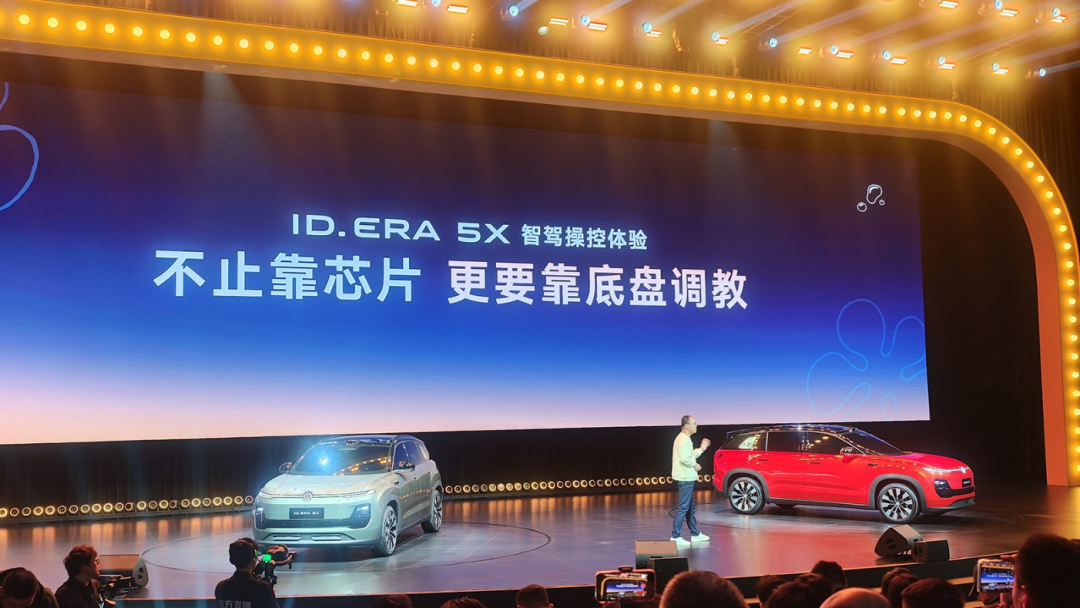
The above three points actually mean more than SAIC Volkswagen catching up with the mainstream or standing in the first tier in today's most popular technologies. If you look closely, in the 100,000–150,000 yuan pure electric SUV segment, it is larger than the Qiyuan Q05, Deepal S05, bZ3X, Yuan PLUS, and Leapmotor B10, ties in in-car intelligent experience, and in the 139,900 yuan high-trim version is already able to hold all-around advantages.
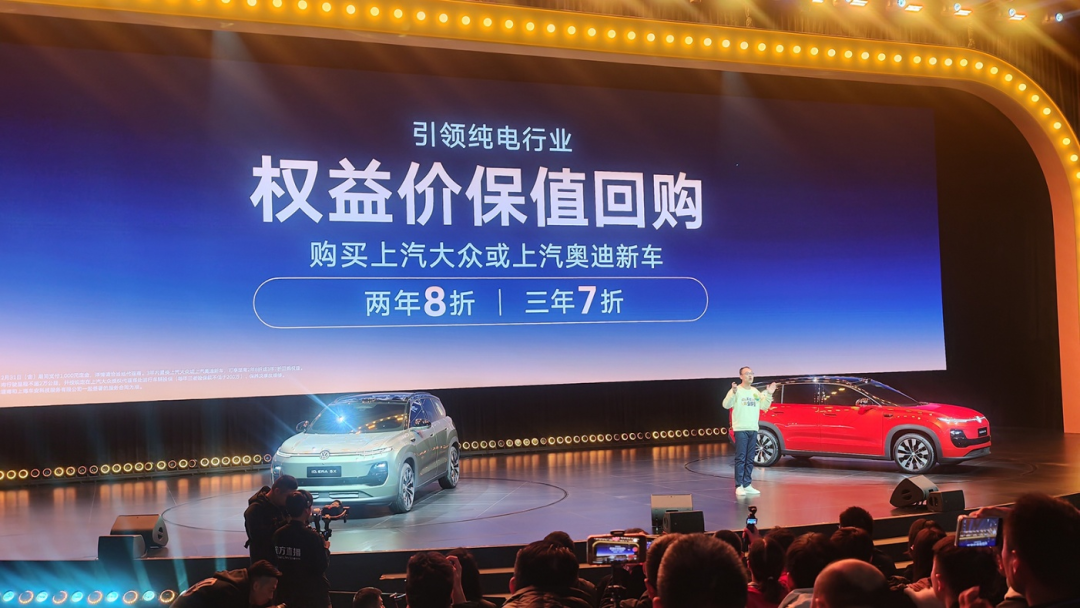
Beyond the product, there is another killer move: SAIC Volkswagen had previously applied a value-retention repurchase policy once, and this time it continues on the ID.ERA 5X. The lethality this brings is logically very similar to Apple's Apple Trade In program.
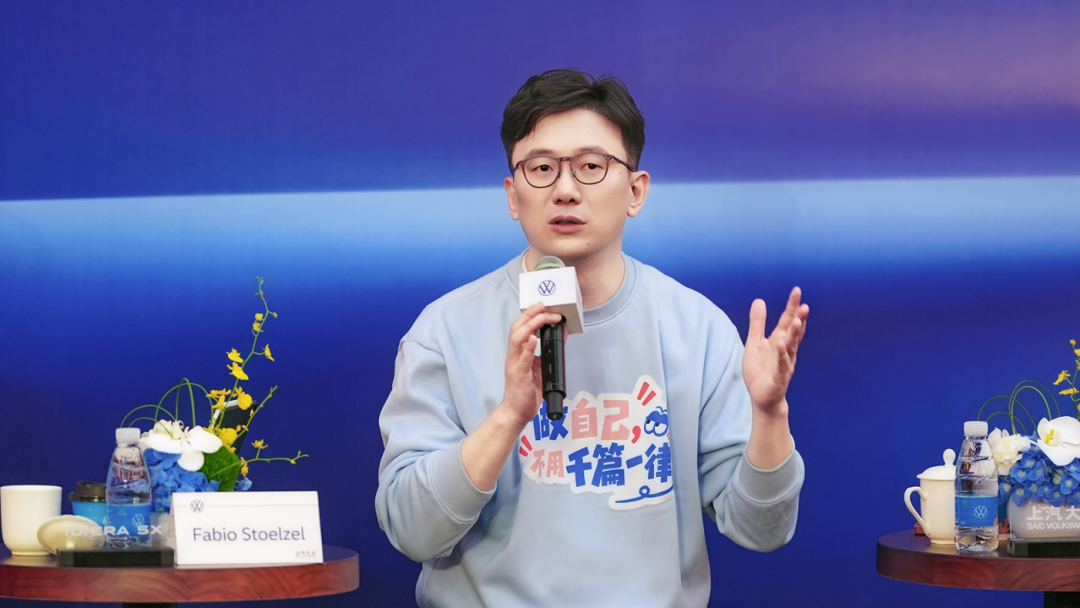
According to Fu Qiang, Executive Deputy General Manager of Sales and Marketing at SAIC Volkswagen, continuous policy innovation is intended to keep users in SAIC Volkswagen's ecosystem after purchasing a car. As long as users continue to choose SAIC Volkswagen, the company wants to provide them with better service. For SAIC Volkswagen, because quality is the foundation, the cost of these marketing efforts may be relatively small, but the gains may be greater.
All of the above is the general situation of today's market. Then, considering the long-term reality that joint ventures in the Chinese market are subject to stricter regulation, and that careless remarks can easily become a vulnerability, if you are a corresponding consumer, you need to reassess the market lethality of the car in front of you.
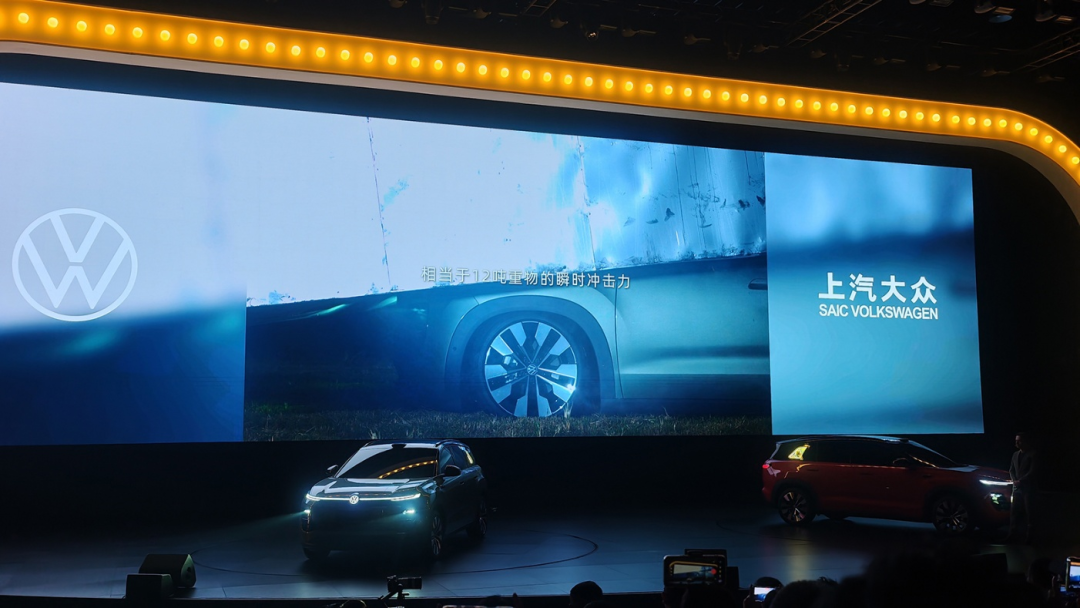
Of course, SAIC Volkswagen still needs to make more efforts to ensure this car fully releases its technological and engineering advancedness. After all, Volkswagen's long-standing brand reputation in China still needs considerable work to connect with the people influenced by it and today's post-95 and post-00 young people. But I believe time is the magic weapon that can change all of this.
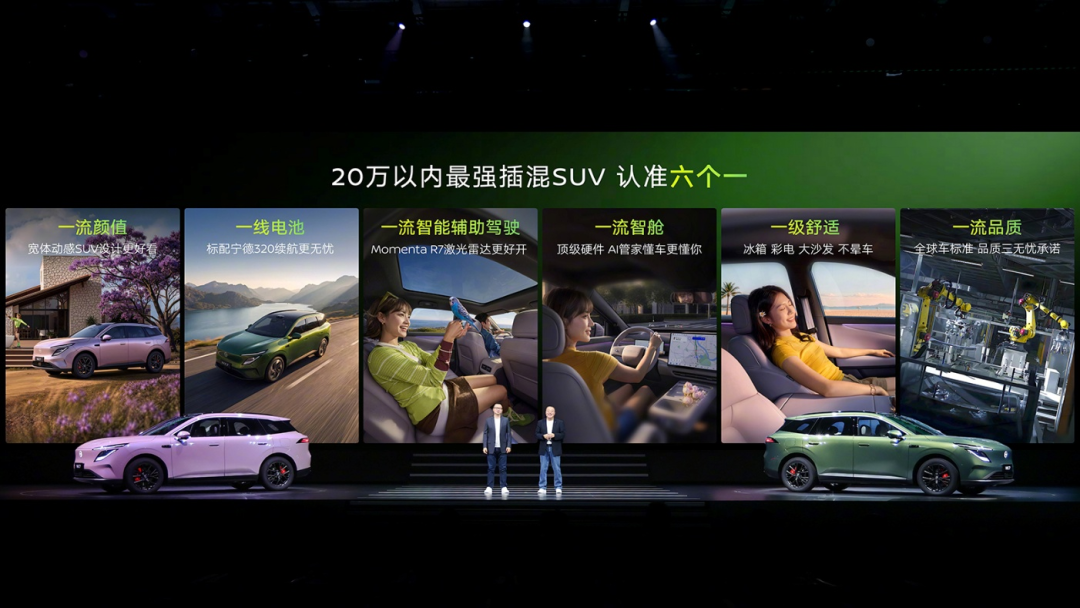
At this point, a new variable must be introduced: following closely behind SAIC Volkswagen's ID.ERA 5X with a heavyweight product is Dongfeng Nissan. Dongfeng Nissan's NX7 directly shouted the slogan of the strongest plug-in hybrid SUV under 200,000 yuan during the pre-sale stage. Supporting this is that at the same price, it uses the largest-capacity CATL battery, uses LiDAR and the Momenta R7 world model, plus its own comfort. Again, joint venture brands saying too much is dangerous, but most of the time, as long as they dare to shout it, they can probably change the market.
Beyond the A-Segment, Are the Top 10 by Sales All a Bit Nervous?
Of course, the changes are not limited to the above. As new cars in China's auto market become harder and harder to sell in 2026, and as technologies reserved for iteration starting years ago successfully land one after another, it is truly time to test the real strength of each company's technology and system.
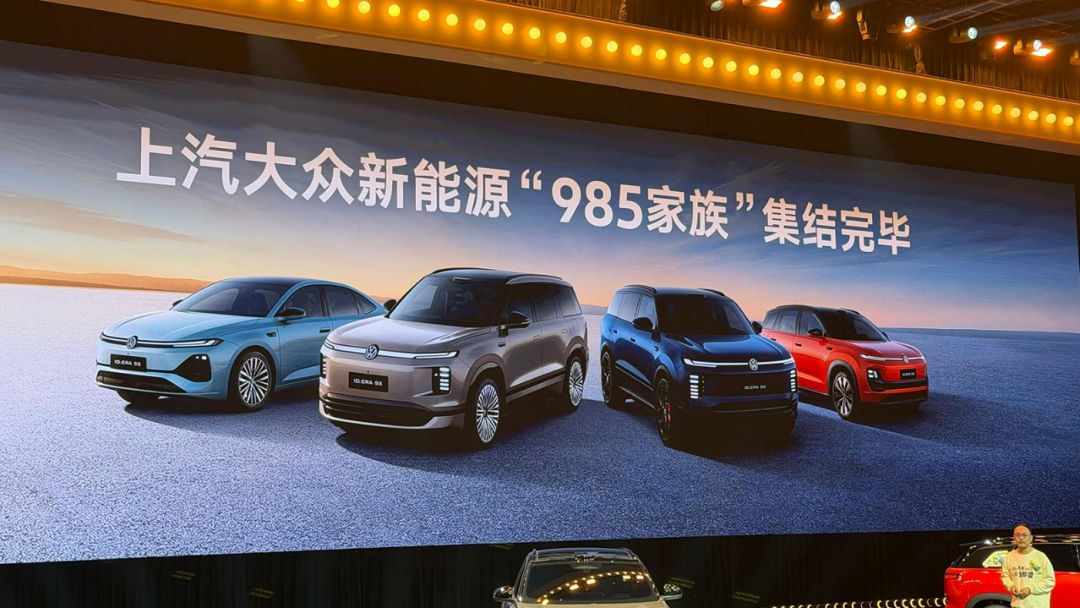
Also, it should be noted that SAIC Volkswagen is now in a troop-surge state, having quickly completed the "985" layout. The 9X is the brand flagship, carrying the task of showing technical capability; the 8X is a full-size large five-seat SUV, hoping for better market performance; the 5S and 5X, judging by price range, cover most national-level car purchasing needs.
Recent data shows that ID.ERA 5S locked orders have exceeded 31,000 units, and monthly sales since launch have exceeded 7,000 units, ranking at the forefront of its segment just like the ID.ERA 8X.
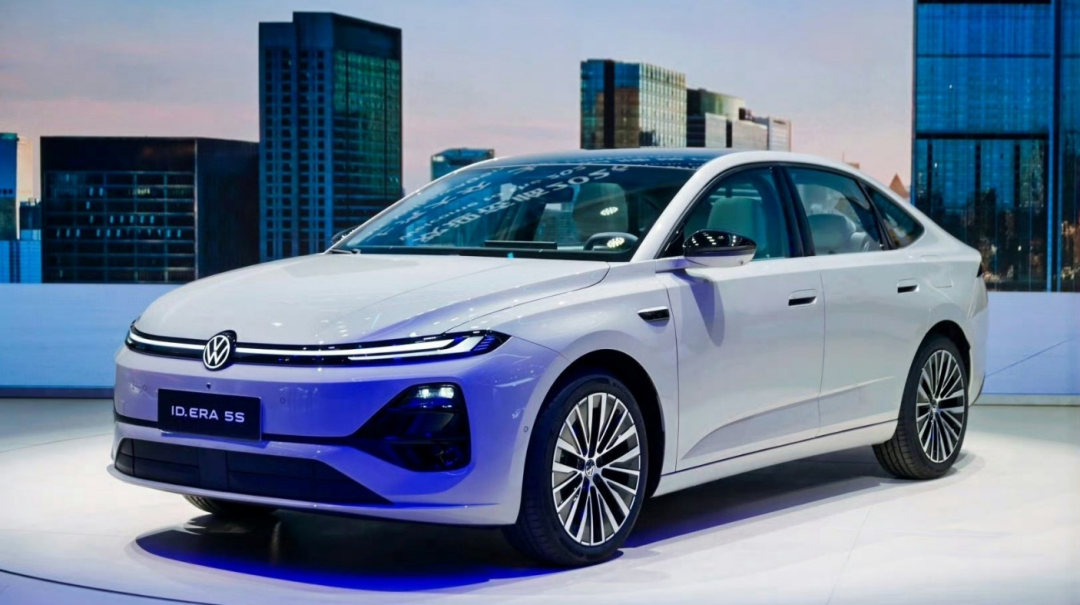
Working backward from the results, the fact is that Volkswagen's technological innovation and product definition adjustments can win recognition from Chinese users. Therefore, market reshuffling is almost imminent. For example, more new energy models are expected to be affected by a new round. Currently, the top 10 new energy SUVs by sales, in order, are as follows:
First, Model Y; second, Fangchengbao Tai 7; third, BYD Yuan UP; fourth, Leapmotor A10; fifth, Li Auto i6; sixth, Xiaomi YU7; seventh, BYD Sea Lion 06; eighth, Changan Qiyuan Q05; ninth, BYD Song Pro; tenth, NIO ES8.
There is a new trend everyone needs to pay attention to. Domestic cars not only have to face the counterattack of joint venture brands, but also the partitioning of the market by domestic affordable alternatives.
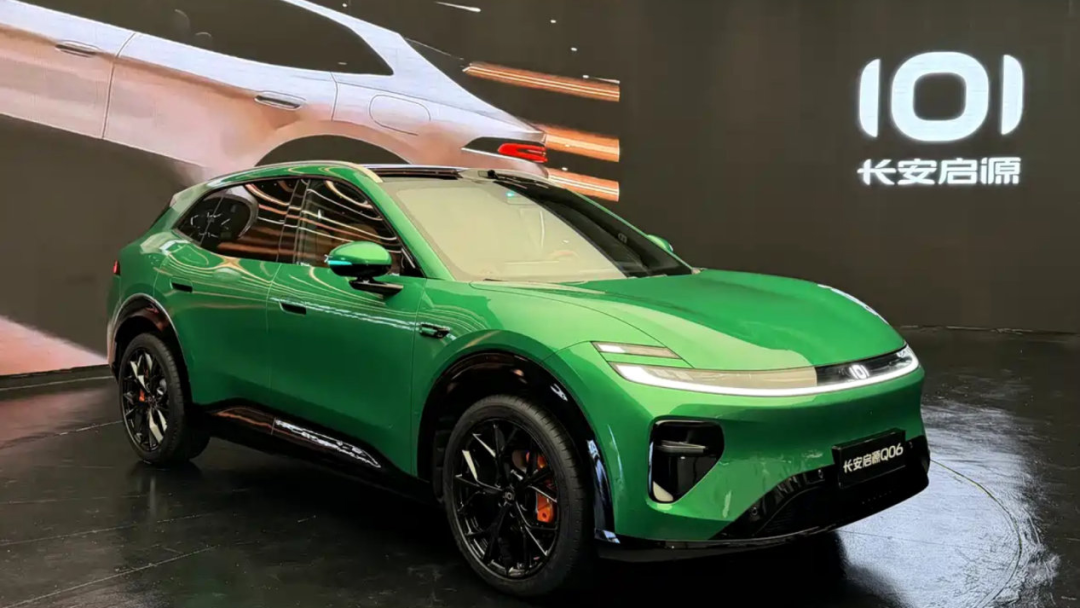
Take Xiaomi YU7 as an example. Its October sales were 10,037 units, while the Arcfox Alpha T7, which is more than 100,000 yuan cheaper and emphasizes the same style, has already achieved monthly sales of more than 8,000 units in a short time. Also, the Changan Qiyuan Q06, which starts at 139,900 yuan and emphasizes a similar style, also achieved 10,105 units in October, even higher than the Xiaomi YU7.
This means that in China's auto market, the path of affordable alternatives has a lot of room.
After discussing the cruel market slaughter, we also need to look at a new evolution in the humanities. Describing it as a dimensional strike may not be entirely appropriate, but that is roughly the meaning to convey.
The case is NIO. Competition in the auto market is extremely fierce, which even many high school students interested in cars understand. So it is often a bayonet fight at close quarters, but amid this, there are always people continuously releasing the brilliance of humanity.
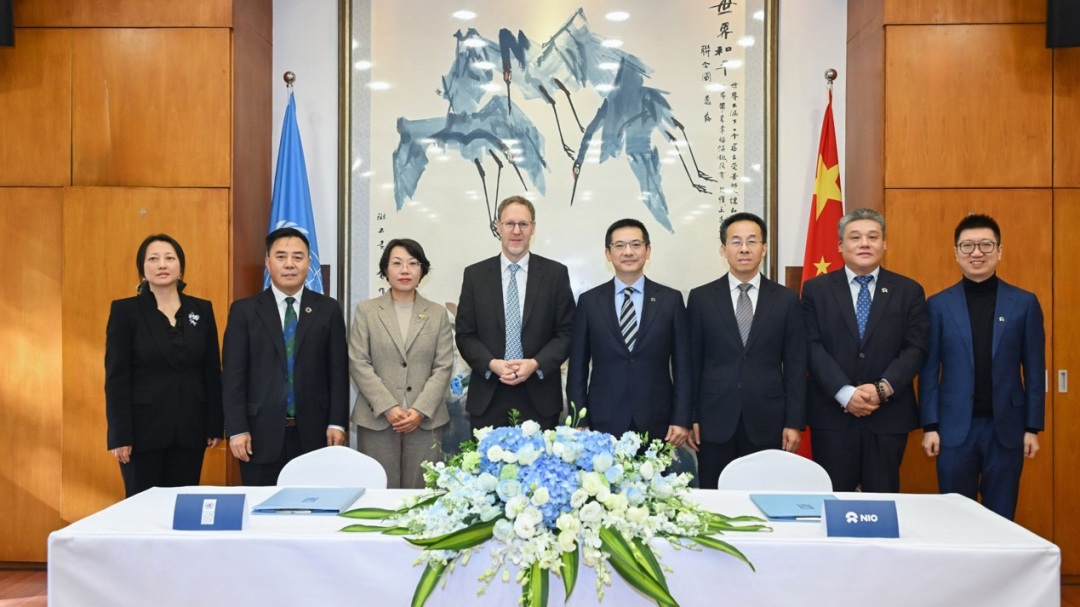
On November 13, 2026, NIO and the United Nations Development Programme, or UNDP, signed the Phase II cooperation agreement for the Clean Parks national park ecological co-construction plan at the United Nations building in Beijing. The two sides will continue to deepen cooperation on the basis of the first phase, jointly advancing biodiversity protection, low-carbon and renewable energy infrastructure construction, and sustainable development practices in national parks and nature reserves.
What does this mean? NIO is firmly advancing its long-term vision: the world's first global ecological co-construction plan and platform initiated by an automaker, with 19 protected-area projects globally, including Sanjiangyuan, Hainan Tropical Rainforest, Northeast China Tiger and Leopard, Giant Panda National Park, and Danish nature reserves. Partners include WWF, UNDP, and the Danish Nature Conservation Association.
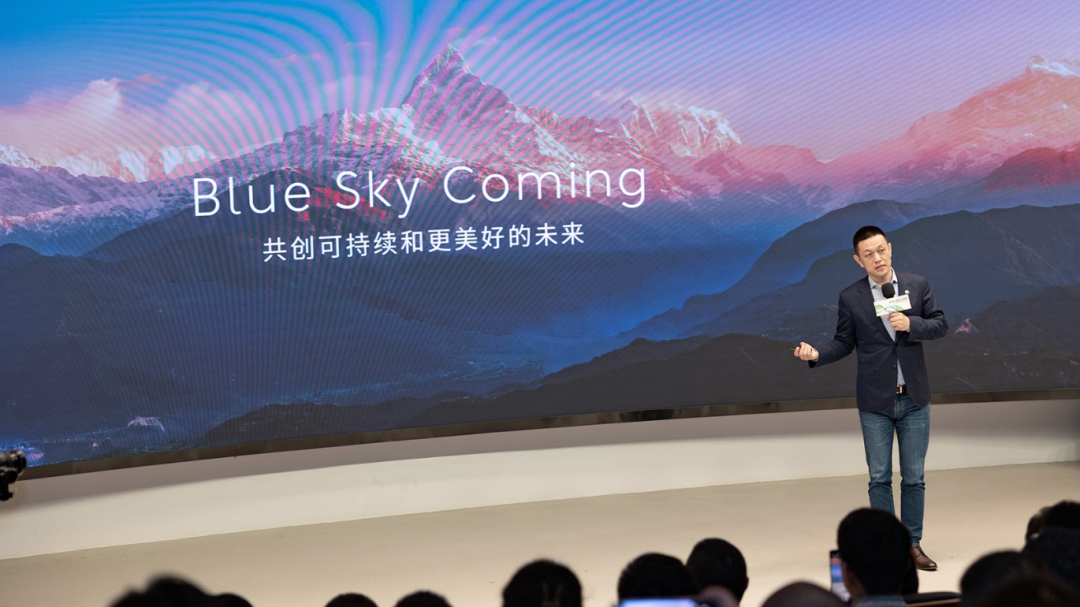
The starting point is not to advertise, not for the marketing brought by sales, but to firmly integrate it into daily work. This is the charm brought by the brand, attracting those like-minded people who also firmly face difficult but correct things. This group of people are often the backbone and pillars of society.
Are there similar car companies in China working tirelessly? Very few. Are there similar car companies? The answer is most likely No.
Written at the End
As the title says, another round of iteration is happening.
SAIC Volkswagen is undergoing profound changes, and it also reflects the thinking of many similar joint venture brands. Of course, this long-standing Chinese "leader" car company is making changes that go beyond the cold cars in front of us. The cost-effectiveness and selling points of the ID.ERA 5X are indeed outstanding, but what is fresher is the stand-up comedy at the launch event, the co-creation with cartoon characters loved by post-95 young people, and the fact that it does not use traditional marketing methods—that is, cold technical displays mainly aimed at capturing a certain group of people—but truly builds according to the idea that vehicles are different spaces for different groups of people.
Returning to the humanistic influence currently brought by NIO, the sudden appearance of a halo of humanity on a battlefield of fierce competition has been celebrated in every era.
-
Auto Market News: October NEV Penetration Exceeds 50% Across All Segments
-
![]()
Avatr's Valuation Under the Microscope: Monthly Sales Fall Below 3,000 Vehicles
-
![]()
Big Tech's Hunt for "ByteDance Time"
-
![]()
Mazda's Struggle and Transformation: A Case Study in Survival for Second-Tier Automakers | Cover Story: Japanese Automakers at the Crossroads of Transformation (Part VI)
-
![]()
Top 10 SUVs by Sales Are All Feeling a Bit Nervous Now
-
![]()
Eldest Son Returns with a Price Hike: Is AITO Using the New M8 to Take On the 9 Series?
-
![]()
Cerebras: Supply and Demand Are Both Fine — the Fab Is the "Big Headache"
-
![]()
Waymo vs. Tesla: How Far Has the Robotaxi Battle Come—and Will Automakers Become the Foxconn of Cars?