Western Anxiety: China's 'Cost Domination' in Autonomous Driving is Rewriting Global Rules and Taking New Drug Pipelines to 'Max Level'?
 12/02 2025
 538
538
Introduction
When The Economist starts to express 'concern' over China's autonomous driving, the Western world finally realizes that the rules of this race are being completely rewritten.
China's autonomous driving is staging a 'Fast and Furious' show that leaves the West astounded. The Economist magazine has recently published a series of articles, revealing the complex emotions of the West towards China's technological innovation. After closely monitoring China's electric vehicles and AI, they now have to face another 'bad news': China is also rapidly rising in the field of autonomous driving.
Goldman Sachs predicts that by 2035, China's autonomous taxi revenue will reach nearly $50 billion, with 1.9 million autonomous taxis accounting for a quarter of the total ride-hailing market.
UBS is even more optimistic, projecting that the market size could reach approximately $180 billion by the late 2030s.
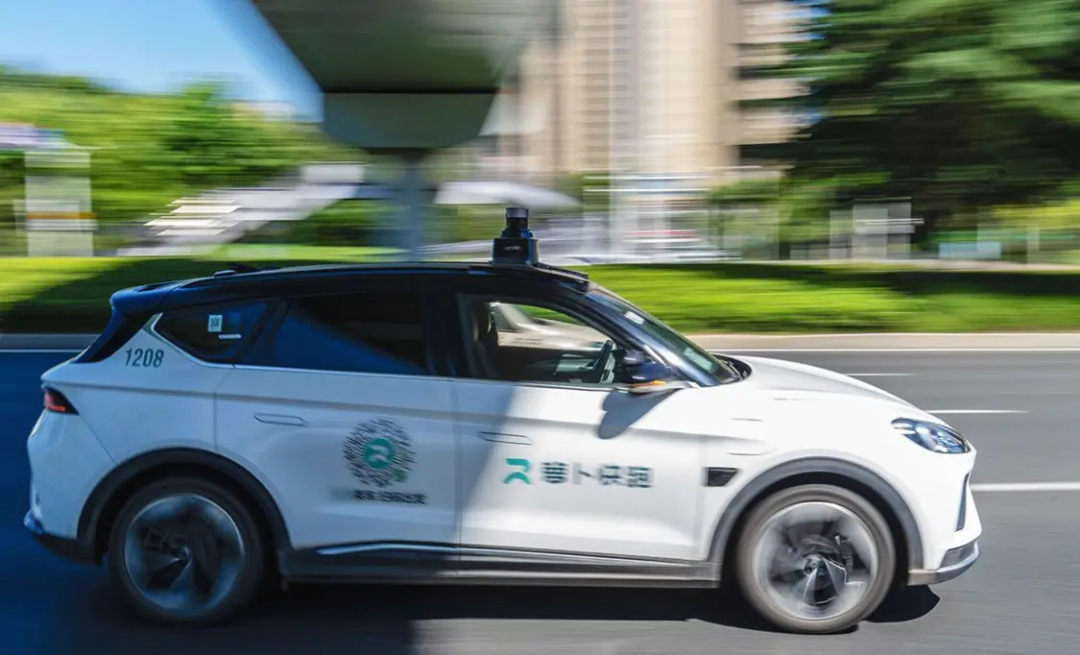
What makes the West even more restless is that the manufacturing cost of China's autonomous taxis is only one-third of that of the US's Waymo. This 'cost domination' is rewriting the competitive rules on a global scale.
Let's discuss this matter with everyone at 'Self-driving Cars Are Coming' (WeChat Public Account: Self-driving Cars Are Coming)!
(For reference reading, please click: 'The Economist: From 50-City Road Tests to a $50 Billion Market, Why Are China's Autonomous Taxis Leading the World?')
I. Cost Revolution: The 'Chinese Price' from LiDAR to Vehicle Manufacturing
China's cost advantage in autonomous driving does not come out of thin air but is built on a complete industrial chain.
The Economist pointed out in its report that with a well-established industrial chain, China has not only reduced the manufacturing cost of entire vehicles but also enabled basic systems to be popularize (popularized) on affordable models.
The price evolution of LiDAR is the most vivid example.
Once a 'luxury' costing upwards of 100,000 yuan, it has now dropped to the 4,000 yuan level under China's large-scale production and is being installed in vehicles in bulk. The significant cost reduction has transformed L4 autonomous driving from a 'technical showcase' into a practical 'cost game'.
The manufacturing cost of China's autonomous taxis is only one-third of that of the US's Waymo. Behind this figure lies the concentrated manifestation of China's manufacturing scale effect.
As The Economist analyzed, 'A vast talent pool, a broad manufacturing base, and a huge scale effect are jointly propelling China to rapidly climb up the value chain.'
(For reference reading, please click: 'The Economist: China's Autonomous Driving is Galloping Ahead Through 'Trial and Error,' Establishing a Decisive Global Leading Edge')
Pony.ai's recently released third-quarter financial report shows that the cost of its seventh-generation Robotaxi has plummeted by 70% compared to the previous generation, while achieving a design lifespan of 10 years/600,000 kilometers.
This rate of cost reduction leaves overseas competitors far behind.
(For reference reading, please click: 'Pony.ai's Q3 'Report Card': Three Consecutive Wins with $181 Million in Revenue, Single-Vehicle Profitability Turning Positive, 8% Stock Price Jump, and Collaboration with Sunshine Travel! The Autonomous Driving 'Cash Cow' Finally Rises? What About the Clerk's Knowledge and Action?')
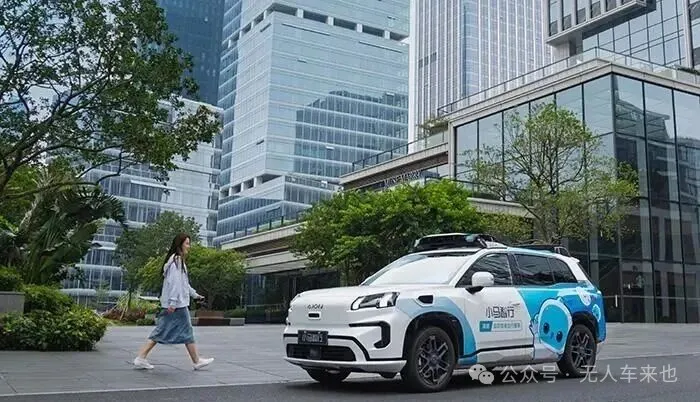
More importantly, the cost advantage is being converted into market penetration.
Currently, over half of the new cars sold in China belong to the L2 level.
Investment bank Morgan Stanley predicts that by 2030, China alone will account for half of the global L2+ vehicles – a particularly intelligent subcategory of autonomous driving.
II. Road Testing Scale: The 'Chinese Speed' of Racing Across 50 Cities
If cost represents hard power, then the scale of road testing embodies soft power.
Currently, over 50 cities in China allow autonomous driving testing on public roads, with at least ten cities already conducting commercial operations.
Behind this figure lies China's unique 'pilot-promotion' model.
As The Economist observed, 'China is helping engineers and policymakers accumulate practical experience through a large number of low-risk local pilot projects. Regulatory agencies closely track technological developments before formulating national regulations, achieving 'trial and error' improvements.'
By 2024, over 32,000 kilometers of roads in China have been approved for various types of autonomous driving testing.
In Beijing, technicians had accumulated a total of 39 million kilometers of testing mileage by the end of 2023, mainly concentrated in the city's outskirts.
Wuhan took the lead in issuing commercial licenses for fully driverless Robotaxis in 2022. Now, one-third of the city's roads support passengers hailing rides at any time.
Such real-world road testing is crucial for eliminating hidden dangers before the technology is fully rolled out.
Professor Zheng, a law professor at Dalian Maritime University, pointed out, 'There is more room for trial and error, and problems can be quickly adjusted.'
Local governments play a key role in this race.
Eager to attract talent and investment, local governments swiftly approve pilot projects and build digital infrastructure such as sensors to support autonomous vehicles.
(For reference reading, please click: 'A Single Bamboo Pole Cannot Cross the Vast Ocean; Everyone Rowing Together Can Sail the Big Ship! China's Autonomous Driving Empowers the Lengthy Automotive Industry Chain, Creating a New Ecosystem for Unmanned Driving to Go Global')
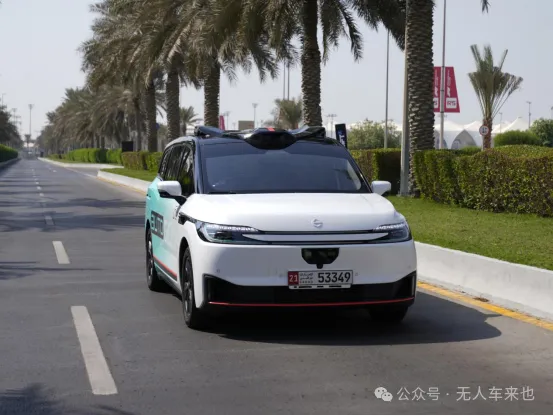
Currently, over 50 cities have introduced competing policies in areas such as accident liability division, compliant testing guidelines, and subsidies for local testing enterprises.
III. Smart Infrastructure: Digitization of 330 Sensors and 1,723 Intersections
The practice in Wuxi City provides a model for smart infrastructure.
The traffic lights at 1,723 intersections across the city have been upgraded with intelligent networking, and sensor systems have been deployed at 330 key locations to facilitate the passage of autonomous vehicles.
This 'vehicle-road coordination' approach is a distinctive feature of China's autonomous driving development.
When every intersection becomes a 'digital twin,' the perception burden on autonomous vehicles is significantly reduced, the system complexity and cost decrease, and safety improves.
The Economist paid special attention to this phenomenon, noting, 'The Chinese government views autonomous driving as an important avenue to enhance the country's technological strength. Many local governments approve autonomous driving pilot projects and provide the necessary infrastructure.'
This government-led infrastructure construction provides autonomous driving companies with valuable testing environments and data accumulation.
In contrast, European automakers complain about obstacles to public road testing, while US automakers face costly lawsuits with higher risks, public protests, and government investigations.
(For reference reading, please click: 'China's Unmanned Vehicles Going Global 'Top 10': Receiving Overwhelming Orders from 30 Countries, Middle Eastern Tycoons Favoring 'Made in China Intelligence,' and Western Companies Being Outcompeted?')
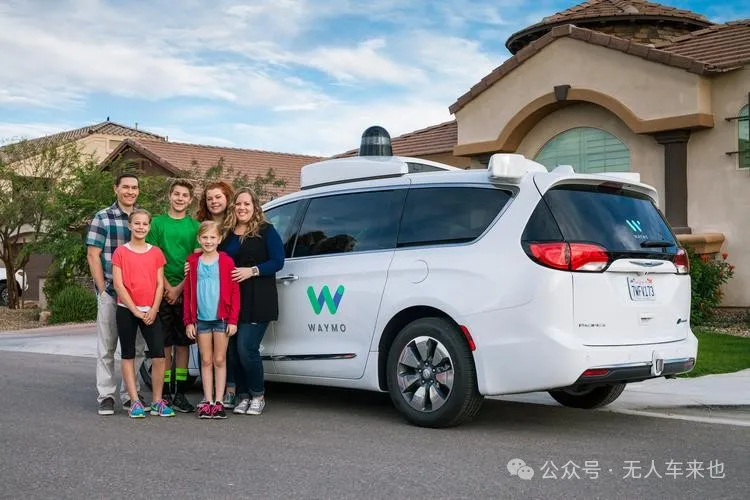
The evaluation from a Volkswagen Group spokesperson is quite insightful: China's 'test first, regulate later' model helps regulatory agencies and the industry learn together and accelerate innovation.
IV. Regulatory Innovation: Finding Balance Between Liberalization and Standardization
China's flexibility and agility in autonomous driving regulation have also left a deep impression on the West.
The Economist pointed out that another unexpected factor contributing to China's success is its flexible and lenient regulatory environment.
China's Road Traffic Safety Law still assumes that all vehicles are equipped with fully active human drivers.
However, decision-makers in Beijing, the capital, have employed various means to create space for industry development: not only setting ambitious goals for the popularization of autonomous driving functions but also issuing a large number of practical guidelines.
This regulatory wisdom has also been validated in the pharmaceutical sector.
Between 2015 and 2018, the staff size of drug regulatory agencies expanded fourfold, clearing a backlog of 20,000 new drug applications in just two years.
The approval time for human clinical trials was shortened from 501 days to 87 days.
Last year, Chinese companies conducted one-third of the global clinical trials.
In the field of autonomous driving, regulation is also seeking a balance between liberalization and standardization.
Since the beginning of this year, regulation of L2 autonomous driving systems has been continuously tightened. In February, authorities required automakers to complete more tests and obtain approval before remotely upgrading systems already on the road.
In September, regulatory agencies released draft national safety standards – vehicles must forcibly shut down driving assistance systems if driver distraction is detected.
That same month, regulators required a new energy vehicle manufacturer to recall 117,000 SU7 vehicles because their driving assistance systems 'might not adequately recognize, warn, or respond to extreme scenarios.'
V. Global Influence: From Technology Follower to Rule Setter
The rise of China's autonomous driving is having a profound global impact.
The Economist predicted that China's autonomous vehicles might follow the same path as its tech exports: blocked by the United States, which has its own industry and is particularly sensitive to safety, but expected to take root in other regions lagging in autonomous driving.
Currently, Chinese autonomous driving companies have accumulated millions of kilometers of driving experience and established partnerships in Europe and the Middle East.
This 'going global' momentum is accelerating as domestic market competition intensifies.
The fierce competition in China undoubtedly poses severe challenges to companies, but the survivors will eventually grow into highly competitive export champions.
The Economist analyzed, 'As economic growth slows, autonomous taxi operators must compete not only with each other but also with cheap human-driven taxis. Many unprofitable companies will be eliminated in price wars, but the survivors will turn overseas for profitability.'

In the pharmaceutical sector, China's affordable drugs may bring inclusive benefits, especially to developing countries.
For Chinese companies, the US market, which accounts for 70% of the global pharmaceutical industry's profits, is undoubtedly the most attractive target.
More importantly, China's growing importance in Western pharmaceutical companies' research and development pipelines means that the relationship between the two sides may even move towards symbiosis.
This relationship of both competition and cooperation will become the new norm in the future global technological landscape.
VI. Western Reflection: Protectionism Is Not the Cure
Faced with China's rise, The Economist issued a stern warning to the West: it would be wrong to blindly implement protectionism under the guise of safety.
At a time when people are widely concerned about the cost of living, blocking or restricting China's innovative achievements would deprive consumers of the right to enjoy cheaper and higher-quality drugs and transportation services.
The article pointed out that Western economies should re-examine their local innovation models.
People tend to develop a fatalistic view of China's rise, believing that China's dominance in future technologies can only be achieved through directives and wasteful subsidies, which 'democratic countries' cannot emulate.
However, in reality, the innovation vitality of China's private sector and the agility of regulatory agencies are also key factors in its success.
Unfortunately, the West is moving in the wrong direction in this regard.
The United States has the scale advantage and sufficient funds to participate in the competition, but in many states (especially those governed by the Democratic Party), regulatory agencies are obstructing or delaying the development of autonomous vehicles.
The government is also clashing with universities and cutting funding for basic research.
Like other Western countries, the United States maintains a hostile attitude towards immigration, including talented individuals.
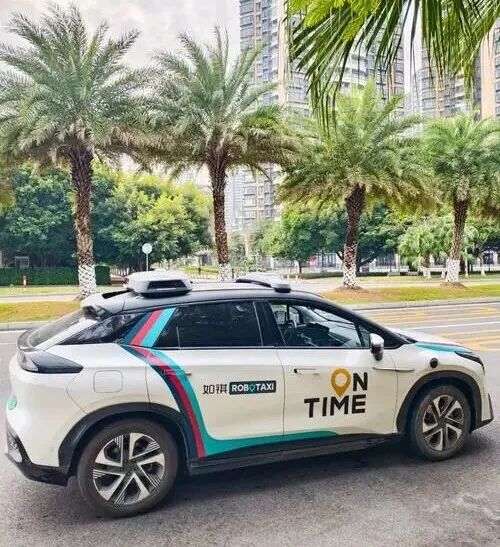
In the pharmaceutical sector, as China's share of clinical trials rises, Europe is gradually falling behind.
European economies urgently need further integration to raise funds and develop new technologies. However, at the regulatory level, they often place excessive emphasis on safety, suppressing risk-taking and innovative experimentation.
In conclusion, 'Self-driving Cars Are Coming' (WeChat Public Account: Self-driving Cars Are Coming) believes that:
When authoritative British media begin to marvel at China's 'cost domination' and 'Chinese speed' in autonomous driving, the Western world has to admit: the rules of this race for dominance in future mobility are being completely rewritten.
China's answer is clear – the ultimate goal of autonomous driving is not 'technical showmanship' but 'cost domination.'
Through a combination of affordable models, large-scale manufacturing, and policy support, China is making Robotaxis 20% cheaper than ride-hailing cars and exporting this 'cost game' globally.
In the next decade, when you take a Chinese-made autonomous taxi in Berlin, Dubai, or Singapore, please don't be surprised – everything has already been previewed on China's roads today.
Dear friends, what do you think?
Note: This article has been slightly edited, and the title has been modified. #Self-drivingCarsAreComing #AutonomousDriving #Self-driving #UnmannedVehicles
-
![]()
Alibaba's AI Offensive: Over Half of Investment Allocated, Time to Reap Returns
-
![]()
Alibaba’s AI Push: Over Half of Investments Made, Time to Harvest Returns
-
![]()
Chinese Enterprises Going Global 3.0: From World Factory to AI Infrastructure Builder
-
![]()
Honor RobotPhone Review: Half Movie Camera, Half Robot
-
![]()
AI-Driven Cheating Surges in Universities! Online Exams Reduced to Mere Formalities, Degree Credibility on the Line
-
Insta360’s Decade in Panoramic Imaging: Making Cameras ‘Invisible’ and Returning Creation to the Masses
-
![]()
Foreign Media Claims Apple is Concentrating Resources on AI Development: Vision Pro and Siri Teams Lay Off 200 People
-
Big News! Huaneng and Huawei Hold Talks in Shenzhen with Ren Zhengfei in Attendance; Huawei Emerging as the 'Second Brain' of China's Energy System