OpenAI and Claude Spar Over AI Ethics: Will Ads 'Pollute' AI?
 02/06 2026
 795
795
Advertising May Not Be Right for All AI.
During one of America's highest-rated and most expensive sporting events for ad pricing—Super Bowl week—Anthropic aired a 30-second ad with a provocative slogan: 'Ads are coming to AI, but not to Claude' (AI may enter the advertising era, but Claude won't).
After the ad aired, OpenAI CEO Sam Altman criticized Anthropic on social platform X, calling it 'hilarious' and 'misleading.' After all, around the same time, Sam Altman publicly acknowledged that OpenAI had assembled a professional ad placement team and had already confirmed its first batch of advertising clients for ChatGPT.
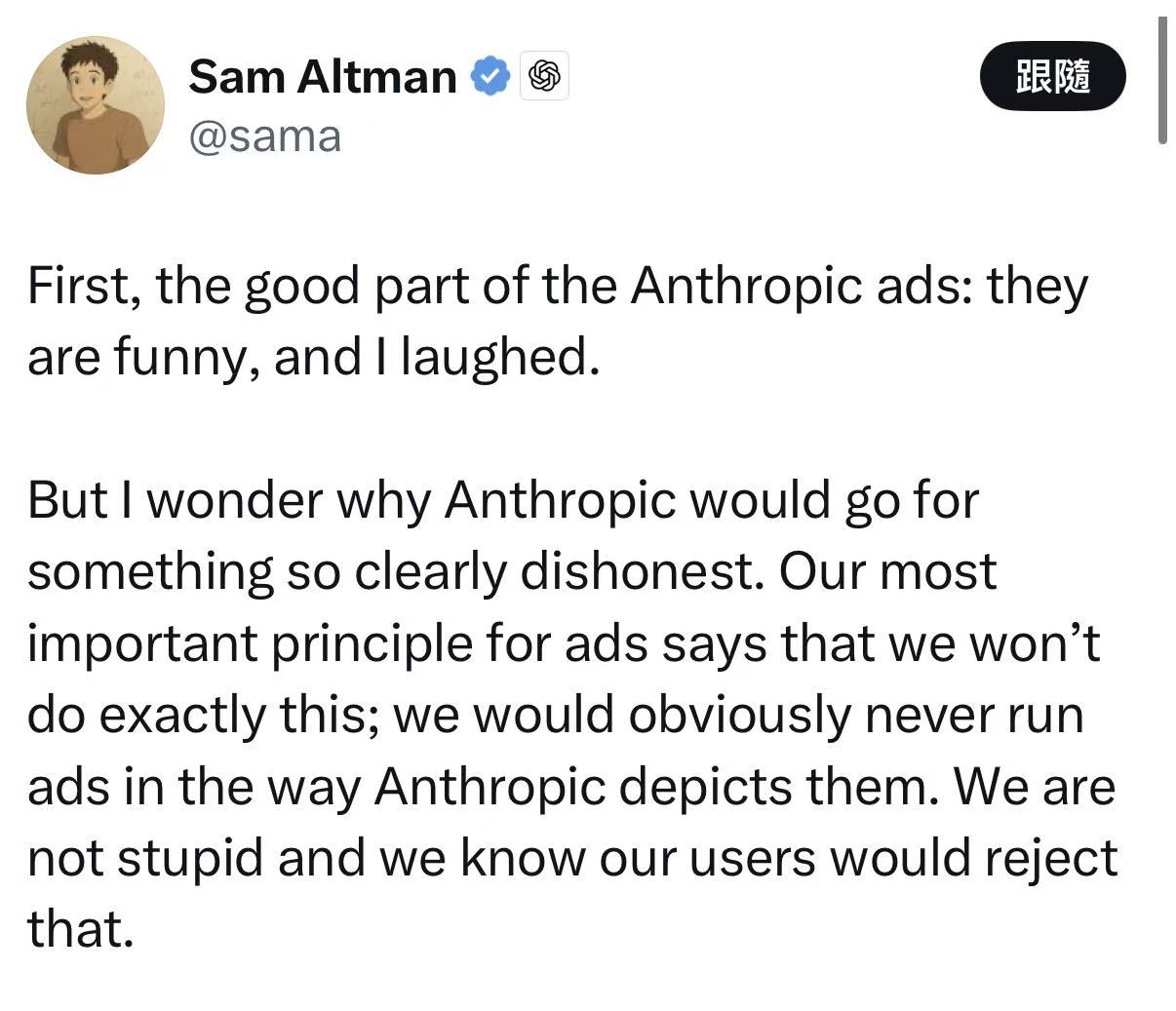
(Image Source: X)
Anthropic's Super Bowl ad implicitly criticized OpenAI's move toward advertising while positioning Claude as 'staying true to its roots.' The real spectacle of this public feud lies not in the CEOs' verbal sparring but in the fact that it touches on a long-debated yet sensitive topic in AI: Should AI tools incorporate advertising?
Claude Can Thrive Without Ads
Anthropic's bold 'ad-free' stance is tied to Claude's positioning. Since its inception, Claude has been positioned as a paid tool and enterprise productivity system. Anthropic has repeatedly emphasized that no third-party content affecting reasoning should appear in the conversation interface—such as ads—which could influence users' information judgment.
For users, if Anthropic were to join the advertising camp (fray), having numerous advertisers could alter Claude's response patterns. After ads are introduced, the model might be forced to optimize for engagement time, click-through rates, and conversion rates rather than prioritizing problem-solving, reducing misinformation, and improving credibility.
Ad revenue is also not the optimal revenue model for Anthropic at present. As one of the earliest AI tools to adopt a paid subscription model, Claude offers a $20/month Pro-tier subscription for consumers and launched the Claude Max subscription last year, with monthly fees reaching up to $200. While pricing aligns with ChatGPT overall, Claude imposes usage limits even for Max subscribers.
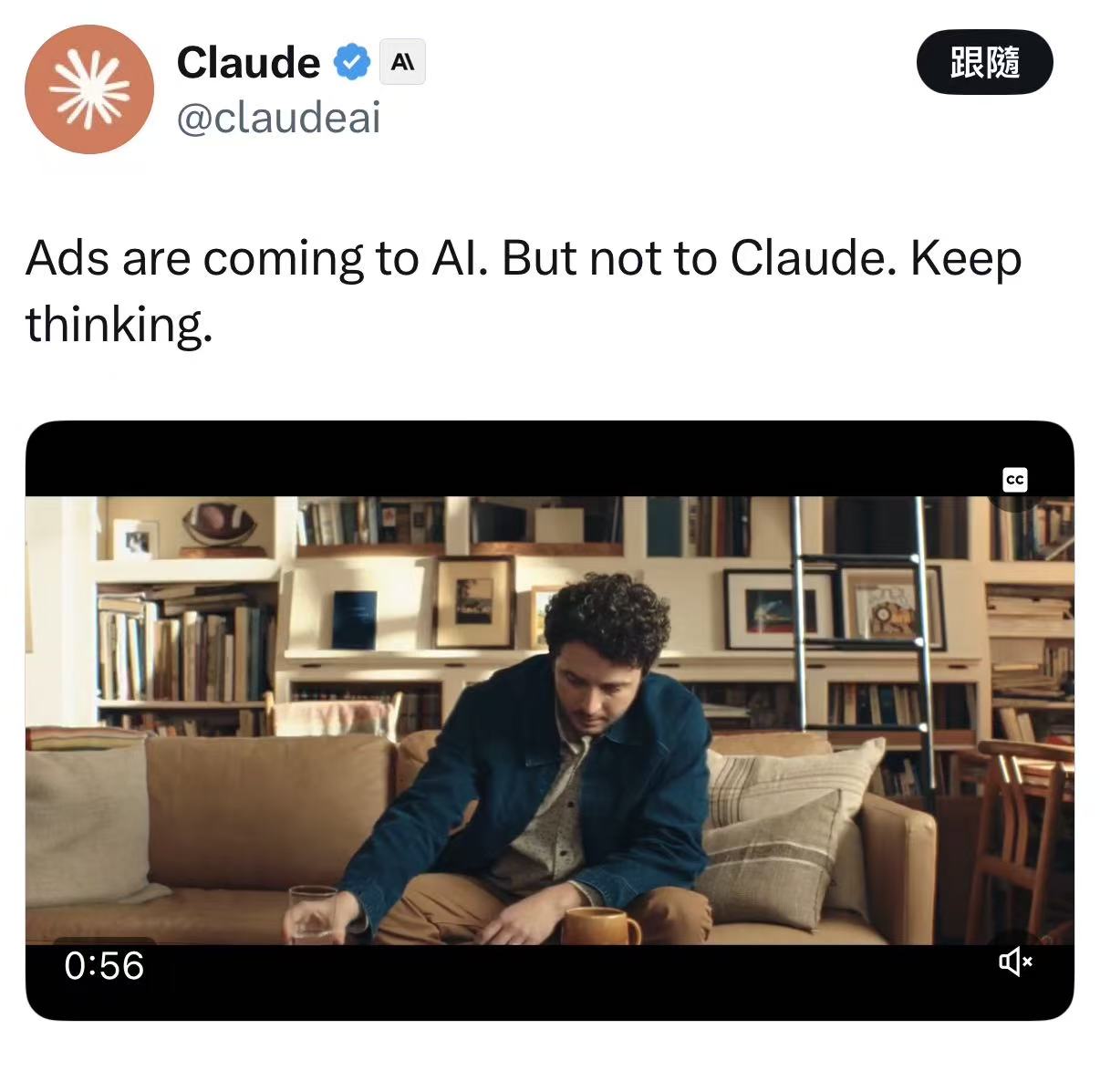
(Image Source: X)
The combination of high subscription fees and usage limits keeps Claude's computational costs slightly lower than ChatGPT's. Even serving only Pro-tier members, overall revenue can achieve basic balance.
Claude's B2B revenue is its primary driver. Reuters reported that Anthropic serves over 300,000 enterprises, with corporate business contributing about 80% of its revenue. Since Anthropic's core revenue comes from enterprise clients, there's no need to incorporate consumer-side advertising for profit.
More importantly, Anthropic markets itself as stable, reliable, and information-secure. For AI services, security is a top priority for enterprise clients. If Anthropic were to adopt advertising, it might need to provide advertisers with certain data feedback, including but not limited to user personas, click-through rates, and engagement duration. Any doubt about information security could lead to enterprise clients 'returning' the service.
(Image Source: Anthropic)
In reality, few large AI model companies openly discuss advertising, not only because the topic is sensitive but also because advertising is not the only—or even the best—way to cover computational costs.
For example, advertising inherently seeks Large scale exposure (mass exposure), but model inference costs escalate rapidly with scale. Using ads to cover free users' computational costs could lead to a vicious cycle: more users mean higher costs, forcing increased ad density or higher ad prices.
Advertising in AI: A Fork in the Road for Model Companies
Anthropic's stance in this public feud is clear: Claude will remain ad-free. Users won't see 'sponsored links' beside conversations, Claude's responses won't be influenced by advertisers, and no unrequested third-party placements will appear.
OpenAI quickly clarified its position, with Sam Altman stating that if ChatGPT incorporates ads, clear boundaries will be set—ads won't affect responses, and user privacy won't be used for ad targeting. The core of their disagreement touches on AI ethics.
Both Anthropic and OpenAI agree that AI responses shouldn't be influenced by external factors, that relevant data shouldn't be disclosed to advertisers, and that incentive systems shouldn't be used to boost ad coverage. However, they differ on whether advertising should exist at all.

(Image Source: OpenAI)
Sam Altman doesn't deny the risks of advertising but believes they can be managed. He publicly stated on social media that after introducing ads to ChatGPT, responses and ad displays will be separated, with sponsored content clearly labeled, ensuring no impact on ChatGPT's reasoning or replies. In other words, OpenAI aims to manage conflicts of interest rather than eliminate them, following logic similar to most internet platforms.
In contrast, Anthropic prioritizes AI responses free from any influence. No one can guarantee that under advertiser influence, AI-provided information won't align with ad placements. For instance, if a user seeks travel recommendations, could OpenAI really avoid directing traffic to advertisers? No one can be certain.
To ensure its ad service launches smoothly, OpenAI has made numerous commitments and taken concrete actions, such as establishing a dedicated ad technology team to review ad legality. For now, the actions and rhetoric of both companies represent different directions for large model technology firms, making it difficult to definitively judge who is right or wrong.
From a business perspective, Anthropic's primary clients are enterprises, and Claude has more subscription users. ChatGPT, however, is seen by OpenAI as a next-generation gateway needing to support mass-scale usage, necessitating exploration of advertising as a commercialization method to cover costs and subsidize free users. Given their vastly different business models, this debate is unlikely to reach a conclusion.
Ad or No Ad: Product Positioning Decides
In reality, Anthropic and OpenAI are entrenched in their positions, treating the ad debate as a binary choice—but in truth, they have no real choice.
Over the past year, OpenAI has expanded ChatGPT from search capabilities to stronger multimodality and even integrated shopping and transaction links directly into conversations. Clearly, ChatGPT is no longer just an AI chatbot; OpenAI aims to make it a gateway. In September 2025, OpenAI launched Instant Checkout in partnership with Etsy, Shopify, and Stripe, allowing U.S. users to complete purchases directly within ChatGPT, with merchants paying OpenAI per transaction. This completes a full shopping workflow from browsing to checkout.
(Image Source: OpenAI)
To position ChatGPT as a gateway, computational power, bandwidth, and inference costs will rise with scale. Subscription fees alone cannot cover these costs. In a January 16 blog post, OpenAI stated bluntly that to 'expand affordable access,' it plans to test ads on low-tier ChatGPT plans like Free and Go in the U.S. Currently, OpenAI still allows users to manually disable ads.
In simpler terms, OpenAI doesn't truly want ads but needs ChatGPT to demonstrate clear commercial value at every entry point. The profit model for Instant Checkout is already clear—transaction commissions—but ChatGPT's free and Go tiers cannot generate profit.
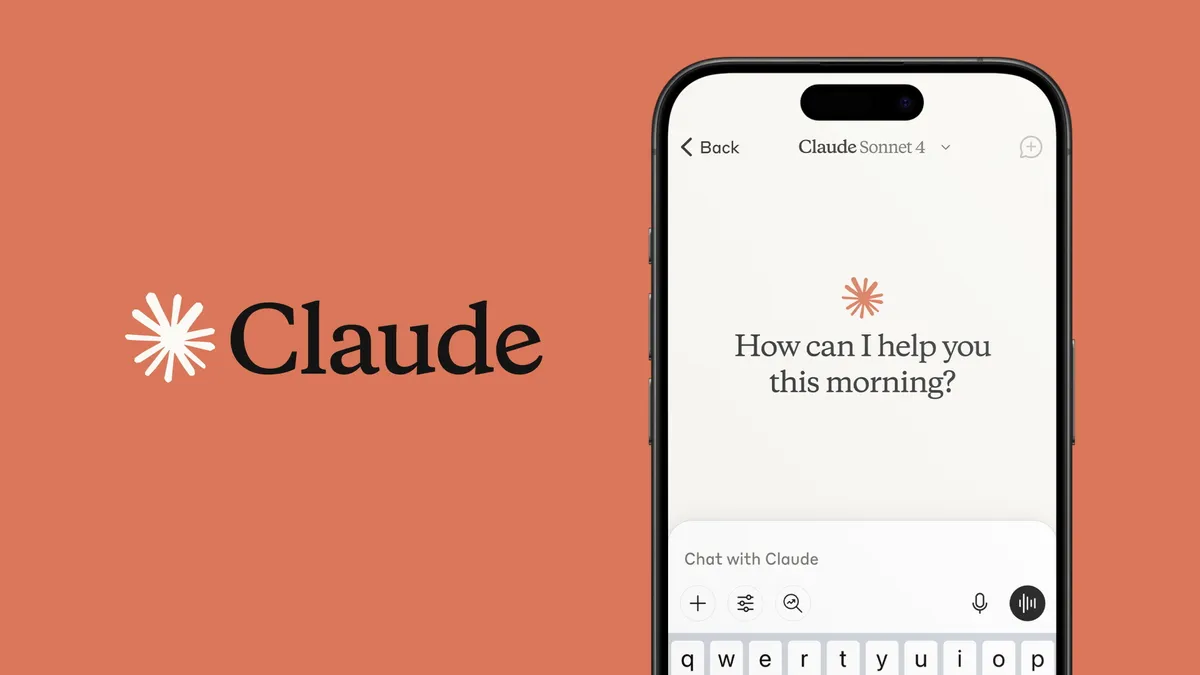
As for Anthropic, as mentioned earlier, as a large model company relying on enterprise clients for 80% of its revenue, adopting advertising would be a poor trade-off. More directly, Claude doesn't aim to be a mass-market gateway; it focuses on enterprise software + API consumption for profit.
(Image Source: Anthropic)
Thus, OpenAI and Anthropic's stances on AI advertising are traceable to their strategies. However, from a corporate health perspective, Anthropic's operational model may be less resilient than OpenAI's, not due to advertising but because its revenue sources are overly singular.
Compared to firms relying on traffic + advertising + platform commissions, Anthropic's approach is cleaner and aligns with enterprise market positioning, but its revenue growth depends heavily on enterprise procurement decisions and large-scale partnerships. If these enterprises find more cost-effective large model providers, Anthropic could face difficulties.
In conclusion, whether AI incorporates advertising depends entirely on a company's product positioning. Anthropic, less reliant on consumer subscription fees, can afford to criticize OpenAI from a 'moral high ground.' Conversely, OpenAI is merely seeking revenue balance between free and paid users, as long-term computational resource dominance by free users is unsustainable. From their respective perspectives, there's no clear right or wrong in the ad debate.
AIOpenAIclaude
Source: Leikeji
Images sourced from: 123RF Licensed Image Library
-
![]()
DPCA Technology Launched, Pioneering a New Era for Joint Ventures: Taking 'Chinese Heritage' Global
-
![]()
Spring in the Rack: UCloud Rides High, Yet Fundamentals Impose Limits
-
![]()
Why Has the 'Urban Bulk Commodity Boom' Intensified Over the Past Two Years?
-
Is Another Joint Venture Brand on Its Way Out?
-
![]()
Doing the Math for Kuaishou and Kling
-
![]()
From Elusive to Aggressively Priced: Lexus Sheds Its 'Standoffish' Image
-
![]()
China Initiates Satellite IoT Operations, with Geely Satellite Networks Poised for 6G
-
![]()
Is China's Auto Industry Heading into the 'Fiercest Final Showdown'? Li Bin Says It's Not a Simple Elimination, But the Grand Finale