A Monumental Find in the U.S.: A Volcano Set to Revolutionize the Global AI Scene
 12/04 2025
 698
698
Around 16 million years back, at the meeting point of Nevada and Oregon in the U.S.,
the ground started to shake violently, and a colossal magma chamber collapsed with a deafening boom. Alongside earth-shattering blasts, a supervolcano erupted.
Volcanic ash blanketed the sky, obscuring the sun, while scorching-hot lava devoured everything in its path.
Over the next several million years, a vast, bowl-shaped depression took shape, known as the McDermitt Caldera.

Rainwater collected, forming a lake that was warmed by the lingering heat of mineral-laden magma. Volcanic ash settled and underwent transformation at the lake's bottom.
As the years rolled by, the lake eventually dried up.
Nowadays, the area looks like nothing more than a barren wasteland.

Yet, beneath this desolate landscape lies a find that has excited the U.S., rattled Wall Street, and could potentially reshape the global AI landscape.
This caldera harbors 20 to 40 million tons of lithium, with a value of up to US$1.5 trillion!
It has emerged as the world's largest potential lithium reserve, capable of fueling the U.S. battery sector for decades.
If you're perusing this article, you likely glance at the battery indicator in the top-right corner of your screen every now and then.
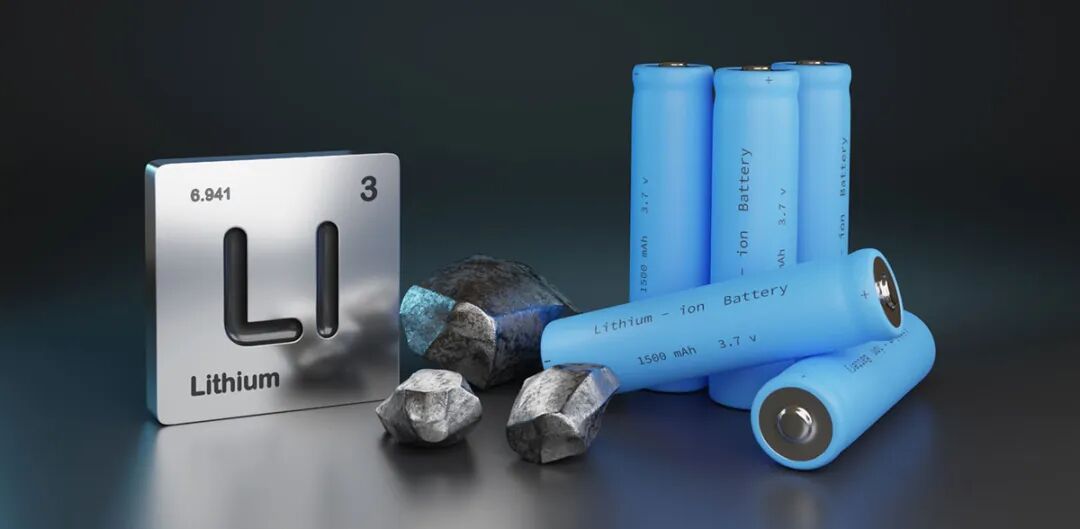
The element that alleviates your battery worries is lithium.
It powers your smartphone, the electric vehicles on the roads, and a variety of energy storage systems.
Lithium is the 'white oil' of the 21st century.
For quite some time, the U.S. has felt somewhat restricted in this domain.
While the U.S. does possess domestic lithium mines, their output falls short for a tech giant.
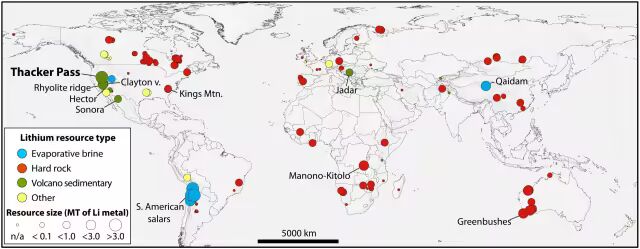
Distribution and relative scales of global lithium resource types
Consequently, the U.S. has been compelled to rely on overseas imports, especially from supply chains in China and Singapore.
In an era of intense competition in AI and new energy, this has left the U.S. feeling highly vulnerable.
The discovery of the McDermitt Caldera implies:
The U.S. will no longer face a lithium deficit and might even become the global lithium hub.
After all this talk, what's the connection to AI? Several acquaintances have inquired, and many in the AI field have deliberated: What's the current bottleneck in AI's progression? The root cause is energy.
A large-scale AI computing hub can devour more electricity than an entire town.
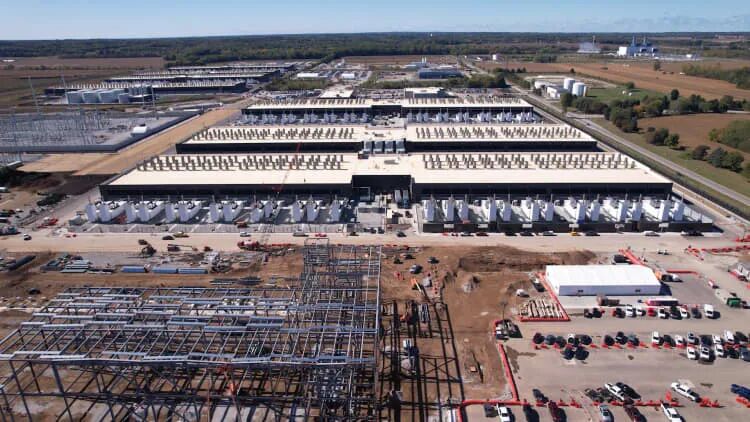
Furthermore, AI demands not just electricity but exceptionally stable power.
Picture training a trillion-parameter model, with the progress bar at 99%, when a sudden grid fluctuation strikes...
Hence, AI data centers must be outfitted with robust Battery Energy Storage Systems (BESS) to sustain operations during grid instability, demand spikes, or sudden outages.
Beyond training large models, an increasing number of edge computing devices have seamlessly integrated into our daily lives, such as smartwatches, smart glasses, and smart appliances.
Thus, we require a vast array of small, distributed lithium batteries.
When it comes to the U.S., its concerns extend beyond lithium. The nation has long been apprehensive about its critical mineral supply chains.
Especially in the rare earth magnet sector, China commands roughly 90% of the global market. Rare earth elements like neodymium, samarium, and dysprosium are vital for manufacturing high-performance motors.
China's Decisive Counterattack! The Global Chip Supply Chain Trembles as the World Waits with Bated Breath
Some pundits even contend that the U.S.'s complete disadvantage in rare earth magnets compelled it to make concessions in past trade disputes.
Recent U.S.-China negotiations have also highlighted this issue.
So, is this super lithium mine the U.S.'s new route to circumvent China?
Firstly, lithium ≠ rare earths. Lithium batteries don't hinge on rare earth elements.
With this lithium reserve, the U.S. can indeed assert its dominance in energy storage.
Backup power for AI data centers, phone batteries, and vehicle batteries could attain self-sufficiency.
However, motors remain a sore spot.
Electric vehicle motors and joint motors for humanoid robots still rely on rare earth magnets.
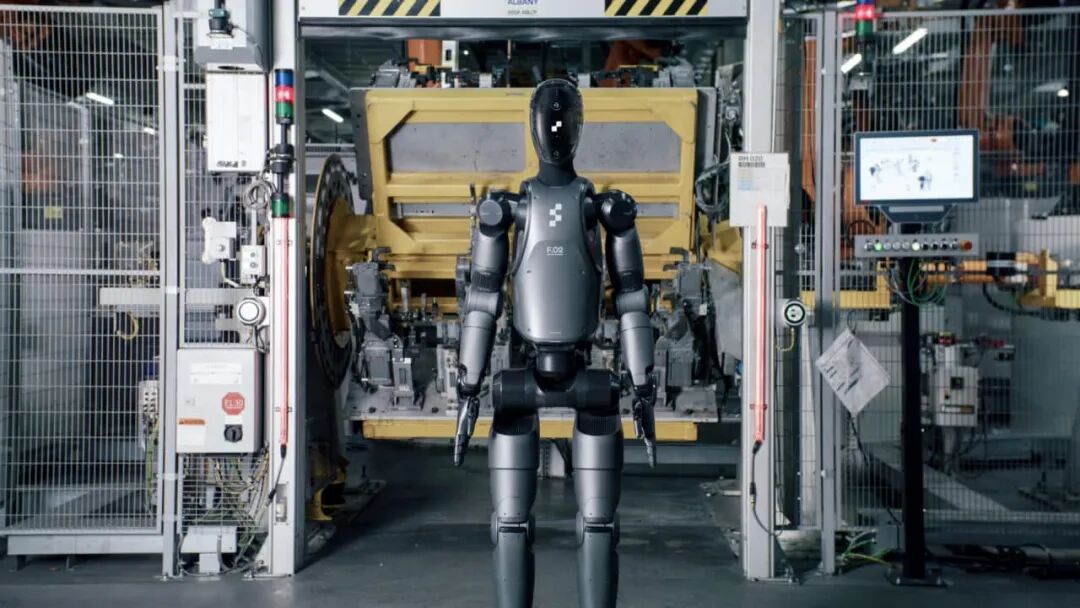
In this regard, the McDermitt Caldera offers no help.
Secondly, while the mine exists and boasts an easily accessible open-pit shallow structure,
numerous obstacles remain before mass production can commence, including environmental clearances, refining technology (extracting lithium from clay is significantly more complex than from salt lakes), water resource management, and more.
Projections suggest that global lithium demand will be eightfold higher in 2040 compared to 2022.
On the cusp of such explosive growth, uncovering US$1.5 trillion worth of reserves in one's backyard
will undoubtedly bolster the U.S.'s confidence in the tech sector.
This volcano, dormant for 16 million years, is quietly reshaping the global AI landscape.
-
![]()
Alibaba's AI Offensive: Over Half of Investment Allocated, Time to Reap Returns
-
![]()
Alibaba’s AI Push: Over Half of Investments Made, Time to Harvest Returns
-
![]()
Chinese Enterprises Going Global 3.0: From World Factory to AI Infrastructure Builder
-
![]()
Honor RobotPhone Review: Half Movie Camera, Half Robot
-
![]()
AI-Driven Cheating Surges in Universities! Online Exams Reduced to Mere Formalities, Degree Credibility on the Line
-
Insta360’s Decade in Panoramic Imaging: Making Cameras ‘Invisible’ and Returning Creation to the Masses
-
![]()
Foreign Media Claims Apple is Concentrating Resources on AI Development: Vision Pro and Siri Teams Lay Off 200 People
-
Big News! Huaneng and Huawei Hold Talks in Shenzhen with Ren Zhengfei in Attendance; Huawei Emerging as the 'Second Brain' of China's Energy System