Musk Reveals Driverless Cars in Austin; China's Swift Rollout of L3 Autonomous Driving: The Dawn of a High-Stakes Showdown Between Chinese and U.S. Autonomous Driving
 12/19 2025
 690
690
Tesla's CEO, Elon Musk, recently took to social media with a succinct yet impactful post: "Driverless testing is now in progress." Within a mere 24 hours, Tesla's stock price soared by 3.6%, marking a fresh peak for 2025.
Concurrently, China's Ministry of Industry and Information Technology has given the green light to pilot programs for two L3 autonomous driving vehicles—Chang'an and ARCFOX—to operate on public roads. Specific zones in Chongqing and Beijing have been earmarked as test sites.
Austin Test Site: Tesla's Bold 'Driverless Venture'
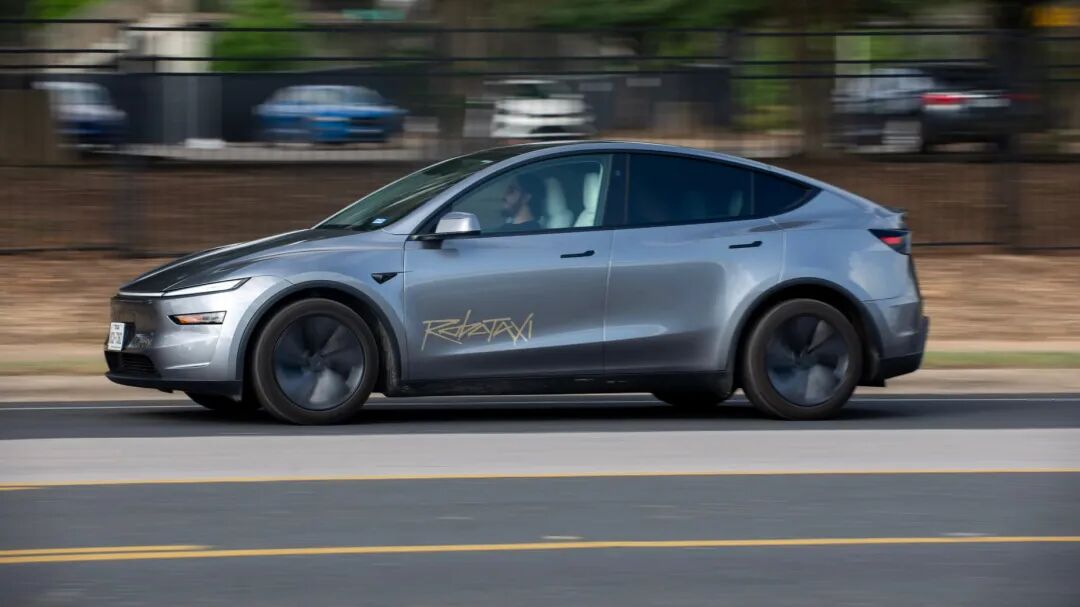
Despite its modest scale, Tesla's fully driverless test fleet in Austin carries significant weight in the industry. This compact fleet, comprising fewer than 30 vehicles, has already been involved in a total of seven accidents, sparking concerns among industry experts.
Philip Koopman, an autonomous driving safety researcher at Carnegie Mellon University, didn't mince his words: "A small-scale fleet with safety drivers should experience fewer than seven accidents." Tesla's decision to withhold detailed accident information has raised questions about its transparency.
The tests conducted in Austin represent a pivotal step toward Tesla's commercialization of Robotaxi services. Investors are hopeful that Tesla can swiftly convert its existing vehicles into driverless taxis, creating a dual revenue stream by combining "vehicle manufacturing and mobility services."
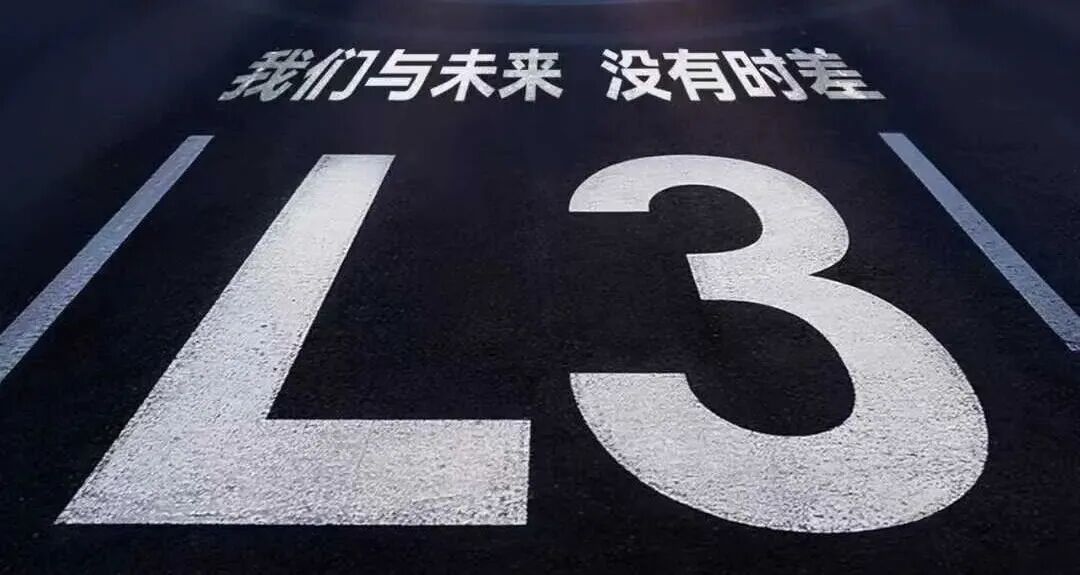
In stark contrast to Tesla's aggressive approach, China's implementation of L3 autonomous driving is characterized by caution, with stringent definitions of operational conditions. Chang'an's L3 model is permitted to operate on specific segments, such as Chongqing's Inner Ring Expressway, at speeds not exceeding 50 km/h.
Chang'an and ARCFOX Secure 'Approval': China's Prudent Leap in L3 Autonomous Driving
The ARCFOX model has received approval for L3 autonomous driving tests on sections like Beijing's Jingtai Expressway, at speeds up to 80 km/h. Neither model is permitted to perform autonomous lane changes, reflecting China's regulatory philosophy of "taking small steps for rapid progress" in pilot programs.
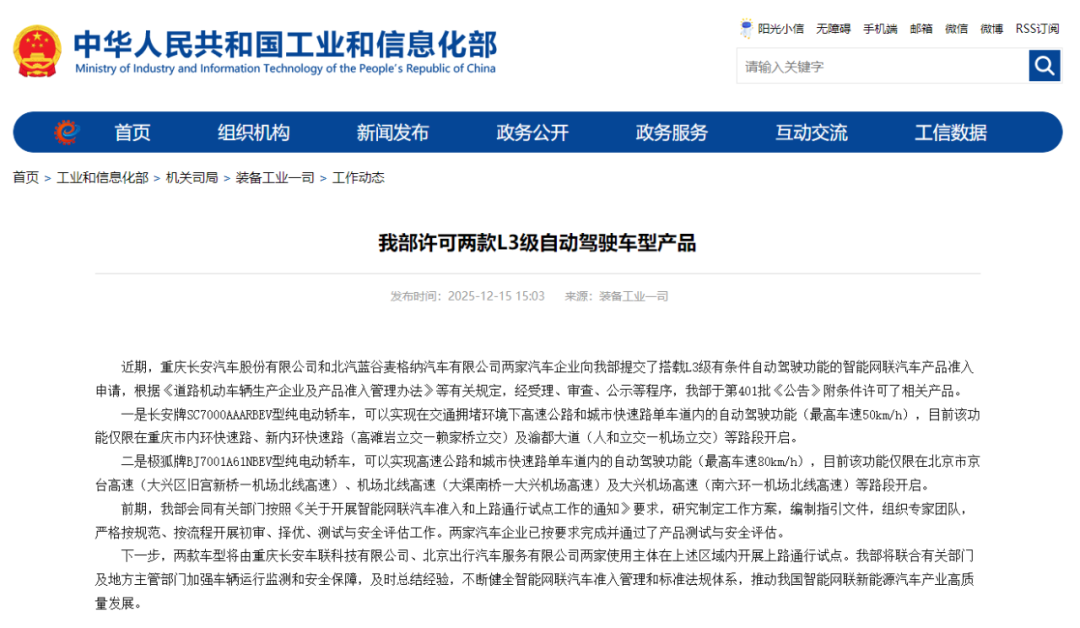
Sun Hang, the Chief Engineer at the China Automotive Standardization Institute, disclosed that approved models must undergo a rigorous three-tier verification system, encompassing corporate safety capability assessments, third-party testing, and expert reviews.
China's approval standards prioritize not only vehicle performance but also cybersecurity, functional safety, and emergency response capabilities. This "institutional-first" strategy establishes a safety foundation for the widespread deployment of autonomous driving.
A defining characteristic of L3 autonomous driving is the transfer of responsibility. At this level, the system assumes driving tasks under specific conditions but requires the driver to take over promptly when the system requests intervention. China's pilot program addresses the challenge of liability determination by precisely defining "specific conditions."
Differences Between L3 and L4 Autonomous Driving
Autonomous driving is classified into five levels, ranging from L1 to L5. L3, or "conditional autonomous driving," signifies that the vehicle can operate autonomously in specific scenarios but necessitates the driver to take control promptly when the system requests intervention.
L4, or "highly autonomous driving," enables driverless operation within limited areas without human intervention. Current L3 pilots mandate that vehicles operate only in government-designated areas and conditions, with drivers prepared to take over at any moment. Wang Yan, the Chief Engineer of BAIC's L3 Autonomous Driving Pilot Project, stated, "When the system exceeds its capabilities, it will issue a takeover request in advance. At that point, the driver must promptly regain control."
This explains why China's L3 pilots focus on B2B operational models: professional fleets can better train safety drivers, establish real-time monitoring systems, collect high-quality driving data for technological iteration, and amass experience for future transitions to the private market.
Who is the 'Invisible Hand' at the Wheel During an Accident?
One of the most daunting challenges with L3 autonomous driving is liability determination. If a driver fails to respond promptly to a system takeover request, leading to an accident, who should bear the responsibility?
China's pilot program partially circumvents this dilemma through stringent operational condition restrictions. Vehicles can only operate on specific roads at designated speeds, and the system issues takeover requests with ample advance notice when encountering situations it cannot handle. The Ministry of Industry and Information Technology has instituted a "comprehensive safety assessment system." Sun Hang, the Chief Engineer at the China Automotive Standardization Institute, revealed that both models must pass a "three-tier verification" process, including corporate lifecycle safety capability assessments, third-party testing, and expert reviews, covering core competencies such as scenario response, functional safety, cybersecurity, and emergency response. This "institutional-first" approach establishes a "safety baseline" for the deployment of more models in the future—after all, the ultimate goal of autonomous driving is not "technological flair" but "replicable safety."
The U.S. regulatory environment is more flexible but has also ignited legal controversies. If accidents occur during Tesla's fully driverless tests in Austin, liability determination will be more intricate, potentially involving multiple parties such as vehicle manufacturers, software developers, and operating companies.
China adopts a gradual regulatory strategy of "approving one at a time when mature," while the U.S. leans toward a "develop first, regulate later" model. These two regulatory philosophies will undergo market scrutiny in the coming years.
Data Transparency: The Bedrock of Building Trust
The prerequisite for the widespread adoption of autonomous driving is fostering public trust, which hinges on data transparency. Tesla has faced criticism for not disclosing detailed information about accidents in its Austin tests, highlighting a common industry challenge in data sharing.
In contrast, China mandates that L3 testing companies establish comprehensive vehicle operation monitoring platforms, collecting and analyzing real-time data. This data not only enhances technology but also informs regulatory decisions.
During the pilots in Chongqing and Beijing, all test vehicles are equipped with full data recording devices capable of meticulously documenting system decision-making processes, vehicle status, and surrounding environments. This data will be utilized to construct China's autonomous driving scenario database.
As more autonomous vehicles hit the roads, data sharing and standardization will become paramount for industry development. The International Organization for Standardization is developing relevant standards, but disparities in data privacy and security among countries may impede the formation of global unified standards.
Commercialization Crossroads: The Debate Between Private Car Sharing and Professional Fleets
Tesla's Robotaxi tests exemplify a business model for autonomous driving: transforming private vehicles into shared mobility tools. Tesla owners can allow their vehicles to join the Robotaxi network during idle periods, earning additional income.
China's L3 pilots, however, have opted for a different commercialization path, focusing on professional operational fleets. Both Chang'an and ARCFOX's test vehicles are operated by professional mobility service companies, diverging from the Robotaxi model.
This divergence reflects the contrasting mobility cultures and infrastructures between China and the U.S. Chinese cities boast dense populations and well-developed public transportation, making it easier for professional autonomous fleets to integrate with traditional mobility services.
Mushroom Autonomous's "AI Network," built on the MogoMind large model, suggests a third approach: reducing extreme requirements for individual vehicles by empowering the entire transportation system. Its services, including real-time path planning, real-time digital twins, and early warning alerts, not only cater to autonomous vehicles but also aim to enhance overall road network efficiency, providing another scalable technological-economic model for large-scale commercialization.
As Tesla's driverless cars glide through the streets of Austin, safety drivers in Chongqing gently remove their hands from the steering wheel, their eyes fixed on the road and system alerts.
In 2026, Tesla plans to expand its Austin test fleet to 60 vehicles, Waymo is preparing to enter 20 new cities, and more L3 models in China will join the pilot programs. The dual-track competition in autonomous driving has entered a comprehensive phase of technological, policy, and business model rivalry. Behind the choices between individual vehicle intelligence and system-wide intelligence lies a deeper struggle for dominance over future urban mobility.
-
AI's Moment of Truth: When 'Burning Cash' Starts to 'Pay Back'
-
![]()
Harmony Intelligent Mobility Alliance Advances Further in the Automotive Realm
-
Lianbo Shares: Core Product Quantities Up, Prices Down; Capacity Utilization Dips Yearly, R&D Investment Lags Behind Peers
-
![]()
The Vala Pro, Based on the Pure Electric Ruisheng Ace M7 and Priced at 268,000 Yuan—Is It a Worthwhile Purchase?
-
![]()
Which Brands Will Be the First to Skip the Next Chengdu Motor Show?
-
![]()
Walmart: Steady Performance Marred by Overvaluation Concerns
-
![]()
Can Domestic Autos Still Hold Their Own Against Joint Venture Brands?
-
![]()
Domestic Cars Priced Above 300,000 Yuan Are Gaining Ground in Chengdu