Musk's AI Soars into Space on a Rocket
 02/03 2026
 716
716
The Space AI Race Kicks Off
Author|Wang Lei
Editor|Qin Zhangyong
Musk's Space AI Empire has unexpectedly emerged.
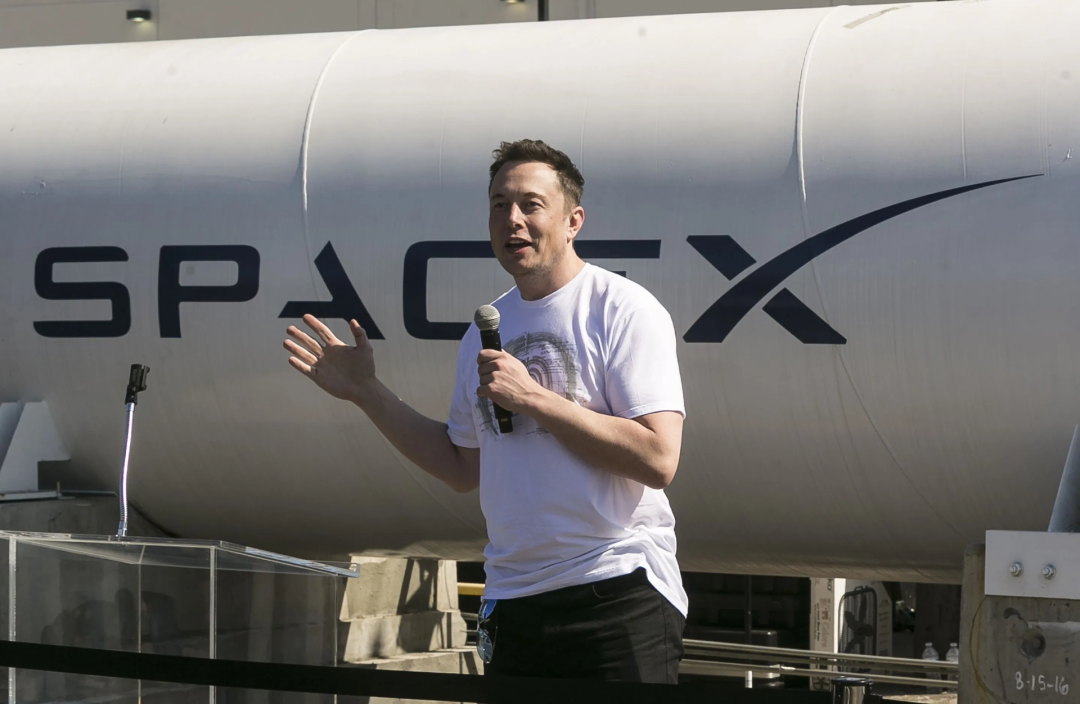
Just a few hours ago, Musk's SpaceX officially announced its merger with xAI, a move promptly confirmed by Musk himself, who stated that SpaceX and xAI are now a single entity.
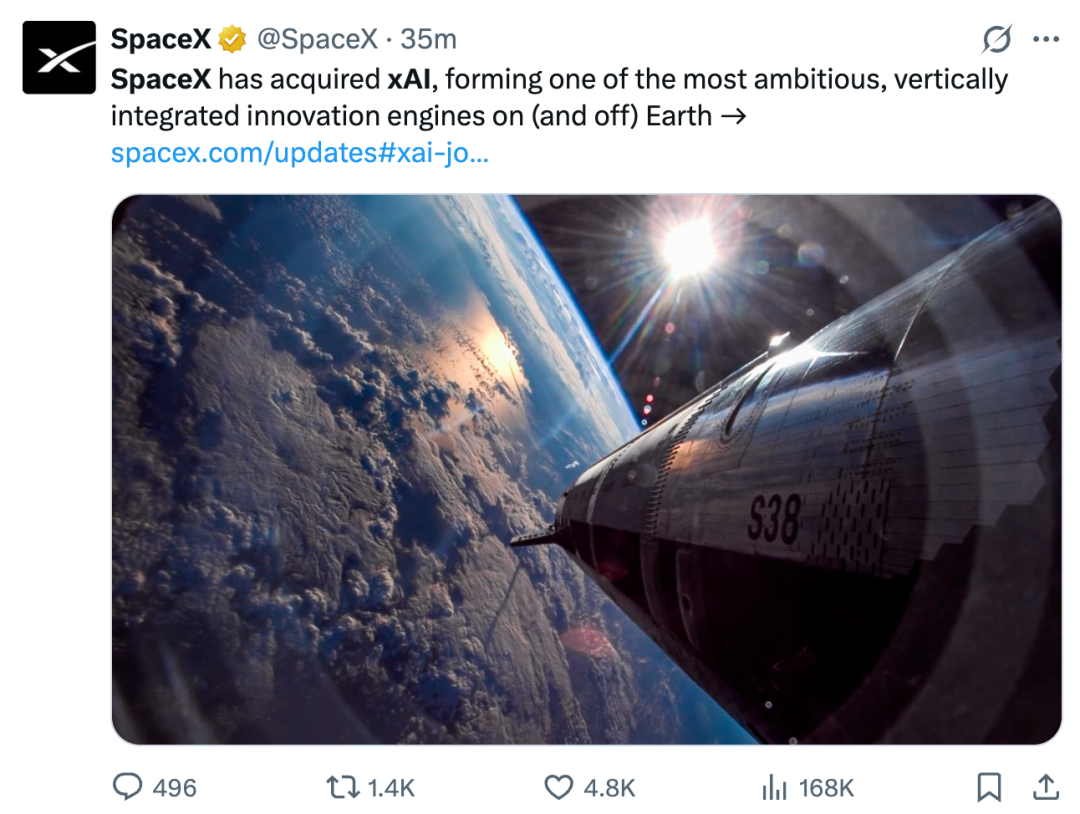
According to Bloomberg, the deal was executed on an all-stock basis, with SpaceX acquiring xAI at a valuation of $250 billion (approximately RMB 1.7 trillion).
The merged entity is projected to have an issue price of $526.59 per share (approximately RMB 3,657.96), with an estimated valuation soaring to $1.25 trillion, or approximately RMB 8.68 trillion, making it the largest non-listed private company in human history.
The merger between the two entities has also enriched Musk's narrative of 'space computing power,' lending it even more imagination.
01
Addressing Financial Needs and Commercial Imperatives
Why did the two entities suddenly merge?
Although Musk has publicly touted xAI's entry into space as a means to empower SpaceX's business through the demand for massive 'space computing power,' he cannot conceal the fact that it is a financial lifeline for his xAI.
As the two most crucial private companies under Musk's purview, xAI focuses on artificial intelligence, while SpaceX boasts a grander space narrative. Despite both companies sharing lofty aspirations of exploring humanity's future, they currently face the challenge of sustaining a singular narrative.
Especially xAI, which is not only unprofitable but also quite costly to operate.
If two years ago, xAI was merely a brainchild of Musk's dissatisfaction with OpenAI, today, amid fierce competition in the AI market with unicorns like OpenAI and giants like Google, xAI inevitably requires a continuous influx of funds to acquire computing power for training and iterating advanced models. This will be a protracted 'money-burning war.'
According to Bloomberg, xAI currently burns through $1 billion in cash each month. Although Musk is wealthy, he cannot sustain such a spending spree indefinitely. Moreover, Tesla and SpaceX have already injected approximately $2 billion into xAI, making the merger seem more akin to a financial rescue.
Compared to Tesla, which is publicly listed and subject to stringent regulatory processes, SpaceX has emerged as the best vehicle for funding xAI. Both companies are privately controlled and non-listed by Musk, facing minimal resistance and the smoothest integration.
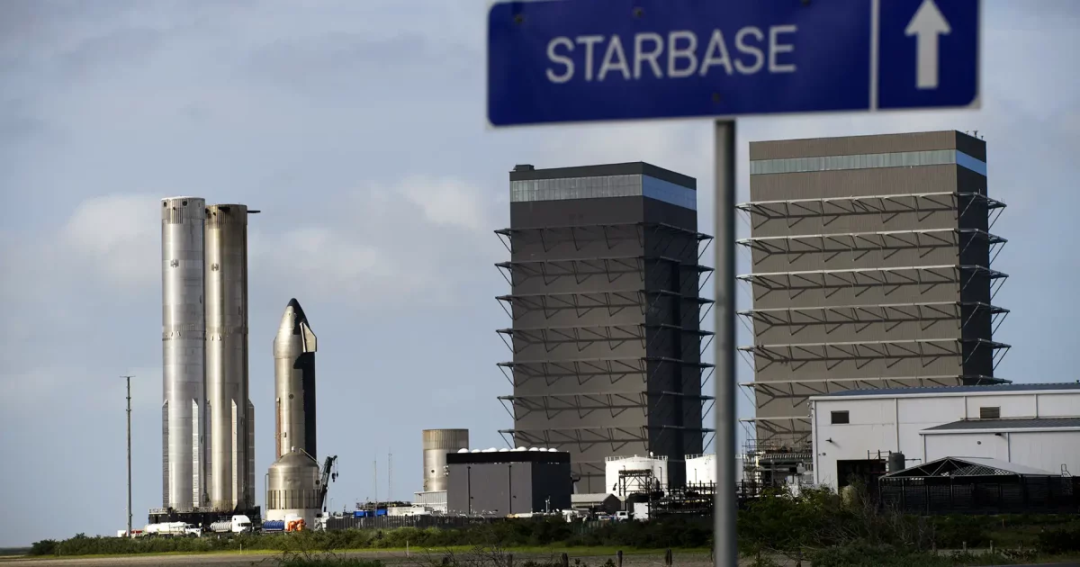
Although Musk often mentions SpaceX's lofty goal of 'sending humans to Mars,' SpaceX is actually generating revenue.
According to Reuters, SpaceX, under Musk's leadership, achieved revenues of $15 billion to $16 billion last year, with an EBITDA profit of approximately $8 billion. However, SpaceX faces challenges in acquiring incremental orders and making progress in its Mars immigration plans.
Although revenues are stable, the revenue structure is too singular, with a significant portion coming from Starlink's own satellite launches, accounting for 50% to 80% of total revenue.
By merging xAI and SpaceX's businesses, xAI gains continuous funding through SpaceX's platform, while SpaceX can leverage xAI's 'space computing power' to secure incremental commercial launch orders.
According to Musk's statement in his open letter, he believes that the current development of artificial intelligence relies on large-scale ground-based data centers, which consume vast amounts of electricity and cooling resources.
Even in the short term, ground-based solutions alone cannot meet the global electricity demand for artificial intelligence; otherwise, it will have severe impacts on communities and the environment. 'Space AI is clearly the only viable path to scalability,' Musk said.
Musk also provided a timeline, stating that within 2 to 3 years, space will become the cheapest source of AI computing power because he believes that 'space, with its nearly eternal solar energy and almost no operational or maintenance costs,' as he put it, 'it's always sunny in space.'
To support this route, SpaceX plans to use its Starship to launch satellites equipped with computing power, directly bringing computing power into orbit on a massive scale. Previously, SpaceX had submitted an application to the FCC, seeking approval to launch up to 1 million data center satellites.
For SpaceX, these satellites will create long-term and substantial launch demand, in turn providing stable revenue for SpaceX's launch system.
02
Sending AI into Space
The most captivating aspect of this merger is the 'grand vision' Musk has painted in space.
As Musk stated in SpaceX's announcement:
'This deal will create the most ambitious and vertically integrated innovation engine on Earth (and beyond), encompassing artificial intelligence, rocket technology, space internet, direct-to-mobile communication technology, and X, the world's most important real-time information platform. This is not just the next chapter in SpaceX and xAI's missions but marks a new journey, scaling up to create a sentient 'Sun' that understands the universe and spreads the light of consciousness to the stars.'
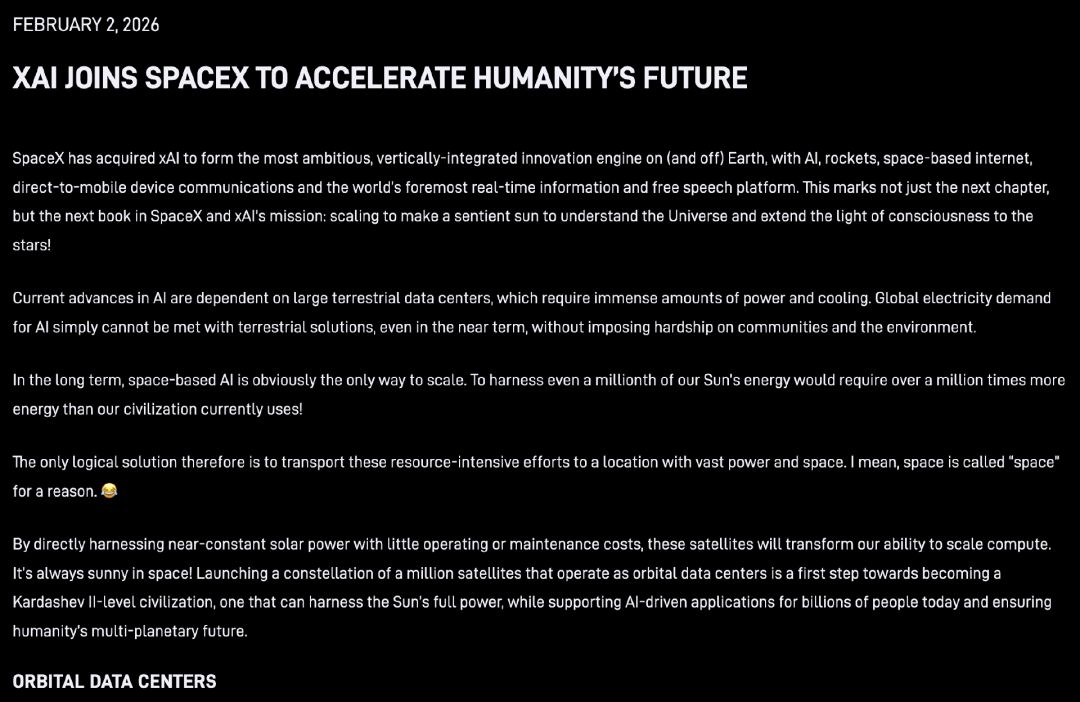
It may sound abstract, but it can be understood as a self-contained corporate ecosystem: X provides real-time information flows and data distribution, xAI supplies models and products, SpaceX offers the capability to send hardware into orbit, and Starlink delivers a global communication network, constructing an irreplaceable 'data-scenario-implementation' closed loop.
The implementation centers around creating a space data center, which Musk refers to as a 'space-based data center.'
In fact, at the end of last year, Musk floated the idea of building data centers in space during a meeting with all xAI employees. A few days ago, SpaceX officially submitted a satellite system authorization application to the U.S. Federal Communications Commission (FCC) named the 'SpaceX Orbital Data Center System.'
According to the application documents, Musk plans to build a space computing cluster consisting of up to 1 million satellites. This number is equivalent to 70 times the current total number of active satellites in Earth's orbit (approximately 14,500).
The technological core lies in utilizing the continuous solar energy supply and radiation heat dissipation mechanisms in low Earth orbit to support artificial intelligence training, machine learning, and edge computing tasks. This design avoids the reliance on electricity resources and freshwater cooling systems required by surface data centers.
Musk further elaborated in his open letter on why he is so insistent on placing AI in space.
'In the long run, space-based artificial intelligence is clearly the only viable path to scalability. Even if we utilize just one-millionth of the sun's energy, the required energy would be more than a million times greater than what current human civilization consumes!' Musk stated that the only logical solution is to transfer these resource-intensive projects to places with vast energy and space.
According to the technical application documents, this massive constellation will be distributed across three core altitude layers: 500 kilometers, 1,000 kilometers, and 2,000 kilometers. The orbits are divided into multiple orbital shells, including Sun-synchronous orbits (SSO) and 30-degree inclination orbits. SpaceX has committed to strictly limiting the thickness of each orbital shell to within 50 kilometers to reduce occupation of orbital resources and facilitate avoidance with other satellites.
Musk also believes that launching a constellation of one million satellites operating as an orbital data center is the first step toward a 'Kardashev Type II civilization.'
He made some calculations in his open letter:
'If we launch one million tons of satellites into orbit annually, with each ton generating 100 kilowatts of computing power, we can add 100 gigawatts (GW) of AI computing power each year, with almost no ongoing operational and maintenance costs. Ultimately, there is a clear path to achieving terawatt (TW)-level computing power deployment annually.'
If, within 2 to 3 years, space becomes the lowest-cost way to generate AI computing power, Musk believes that this alone would be enough to enable innovative companies to train models and process data at unprecedented speeds and scales, thereby accelerating our understanding of the physical world and inventing new technologies that benefit humanity.
However, Microsoft President Brad Smith has previously publicly questioned the feasibility of space data centers, and Google has also proposed research projects like Project Suncatcher, which remain in the experimental stage.
Whether Musk's merger is a capital operation or a true grand vision may only be clear to Musk himself.
-
![]()
Tough Times Are Here: The Auto Industry Is Mired in Immense Pain
-
![]()
Honda Finds Itself 'With No Alternative' but to Battle On for Another Ten Years
-
![]()
Is the 'Chili Fish Head' Car, Once a Hit Among Noble Ladies, on Its Way Out?
-
![]()
DJI Osmo 360 II Review: Impeccable Hardware, Yet Software Still Lags Behind
-
![]()
The 'Dichotomy' in Alibaba's AI Ledger
-
Reinventing the 'Old Guard' with AI: A $12 Billion Venture in Just a Year
-
![]()
Alibaba's Q2 Profit Plummets by 32.6 Billion Yuan, with 67.7 Billion Yuan Earmarked for Capital Expenditures
-
![]()
DJI Osmo 360 II In-Depth Review: How Does It Achieve Significant Image Quality Enhancements Without Sensor Changes or Excessive Spec Stacking?