From “Wearable Tech” to “Essential Gear”: The Unavoidable Clash in the Smart Glasses Market
 04/14 2026
 577
577
[Tide Business Review/Text]
How popular are smart glasses currently? Two distinct user experiences offer two different answers.
Tech enthusiast Lsit wears smart glasses for up to five hours daily, using them to unlock car doors, navigate while running, and chat as if they were a virtual assistant.
On the flip side, Smit couldn't care less. She finds the products overly flashy, noting that many features are already available on smartphones. Spending thousands on another gadget just for photo and voice recording feels unnecessary to her.
Lsit and Smit have vastly different attitudes toward new technology. Yet, from a market perspective, consumers like Lsit are becoming increasingly common. According to the latest report from IDC, smart glasses shipments in China are projected to reach 2.75 million units in 2025, surging 107% year-over-year, confirming the sector's explosive growth.
The market's enthusiasm is mirrored by industry excitement.
Industry leaders such as Rokid and Thunderbird Innovation now hold significant positions in the global market, prompting tech giants to join the fray: Google has relaunched its Glass project, Alibaba has introduced six new products in a month, and Meta’s collaboration with Ray-Ban has sold out. The competition also includes Baidu, Huawei, Xiaomi, and even cross-industry players like Li Auto—a "hundred-glasses battle" is brewing.
But here's the question: Why are tech giants and cross-industry players flocking to a "niche" market where annual shipments are still a fraction of those for smartphones?
The answer lies deeper beneath the surface.
01 Big Tech Places Big Bets, But Not Just for Financial Gain
IDC data indicates that global smart glasses shipments will hit 14.505 million units in 2025, up 41.6% year-over-year, with China leading the market. iResearch expects China’s smart glasses market to reach RMB 119.11 billion by 2029.

While shipment numbers are impressive, the ambitions of these giants extend far beyond merely "selling glasses."
Wang Ran, a veteran in the consumer electronics industry, identifies two common misconceptions about smart glasses:
First, the notion of them being the "next human-computer interaction portal" is just the tip of the iceberg. The real goal for these giants is to use glasses as a lever to strengthen their AI capabilities and core business competitiveness.
Second, the so-called "hundred-glasses battle" is not a chaotic free-for-all. At this stage, companies are actually operating within defined boundaries—glasses are not standalone hardware but "close-combat weapons" to reinforce existing businesses.
Take Huawei, for example. Its smart glasses are likely to deeply integrate with the HarmonyOS ecosystem, seamlessly linking with phones, watches, and computers. This not only deepens user reliance on Huawei’s ecosystem but also makes HarmonyOS’s application scenarios more tangible. The commercial value of the HarmonyOS ecosystem? Trillions.
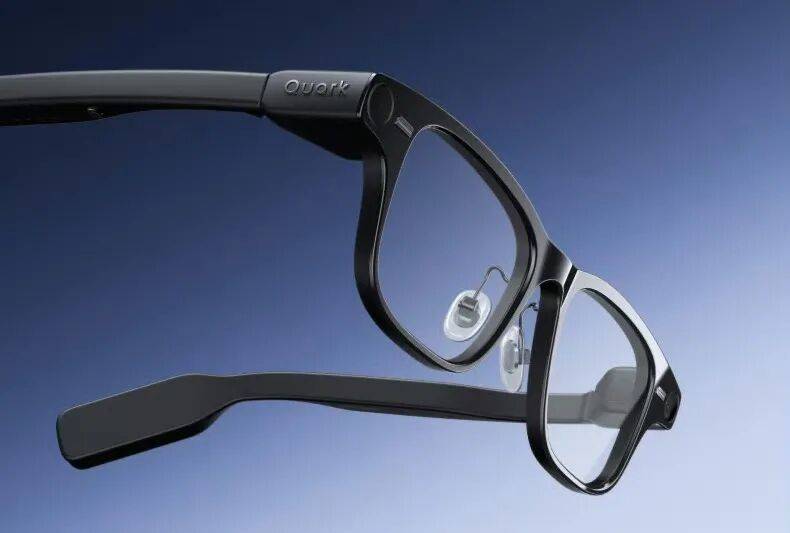
Alibaba follows a similar strategy. Its Quark smart glasses S1 sync with core services like Alipay and Gaode Maps, embedding local lifestyle services into a "lift-your-hand-to-see" experience. The commercial upside of Alibaba’s ecosystem? Also in the trillions.
Even cross-industry newcomer Li Auto sees potential. Its smart glasses could extend the in-car ecosystem, enabling navigation projection, voice control, and other features to boost automotive intelligence and core business growth. Li Auto’s sales dropped 24.38% last year, but among recent smart glasses buyers, 12% were non-Li Auto owners—potential future car customers.
The giants' real aim isn't necessarily profit from selling glasses. At an average price of RMB 2,000, even shipments in the millions across domestic markets yield minimal returns. The core logic is using glasses as a tether to lock users into their ecosystems and solidify core businesses. For large AI model companies investing heavily in multimodal capabilities, smart glasses serve as a "litmus test" and "billboard" to showcase these abilities, providing a concrete landing pad for their AI.
Whether fortifying ecological moats or finding a home for AI, these grand plans must eventually confront reality: How to make the product? Will users buy it? How to compete?
These questions are trickier—and more critical—than "why enter the market."
02 Smart Glasses: The "Mount Hua Summit"
With players from all corners flooding in, the smart glasses race is turning into a "Mount Hua Summit" showdown.
The market has moved beyond early conceptual exploration into a "deep-water zone" competition centered on practicality, mass production, and ecosystem building. The industry has entered a true "battle phase."
To understand this clash, we need to dissect the industry.
"Smart glasses," as an umbrella term, encompass two distinct yet overlapping tracks: AI and AR.
AI glasses focus on voice interaction, photography, real-time translation, and other functions, acting as "smart assistants you can wear on your face." Key players include Meta, Rokid, and Xiaomi. Building on this, AI glasses have evolved to incorporate optical display tech, visually presenting information on lenses—think Rokid Glasses, Meta Ray-Ban Display, and Quark AI Glasses S1, the mainstream "AI+AR glasses" on the market today.
AR glasses, meanwhile, overlay virtual imagery onto real-world views, emphasizing display tech and spatial interaction for immersive visual experiences. Representatives include Thunderbird Innovation, XREAL, and INMO.
Their tech routes and core scenarios differ, yet they’re often lumped together under "smart glasses."
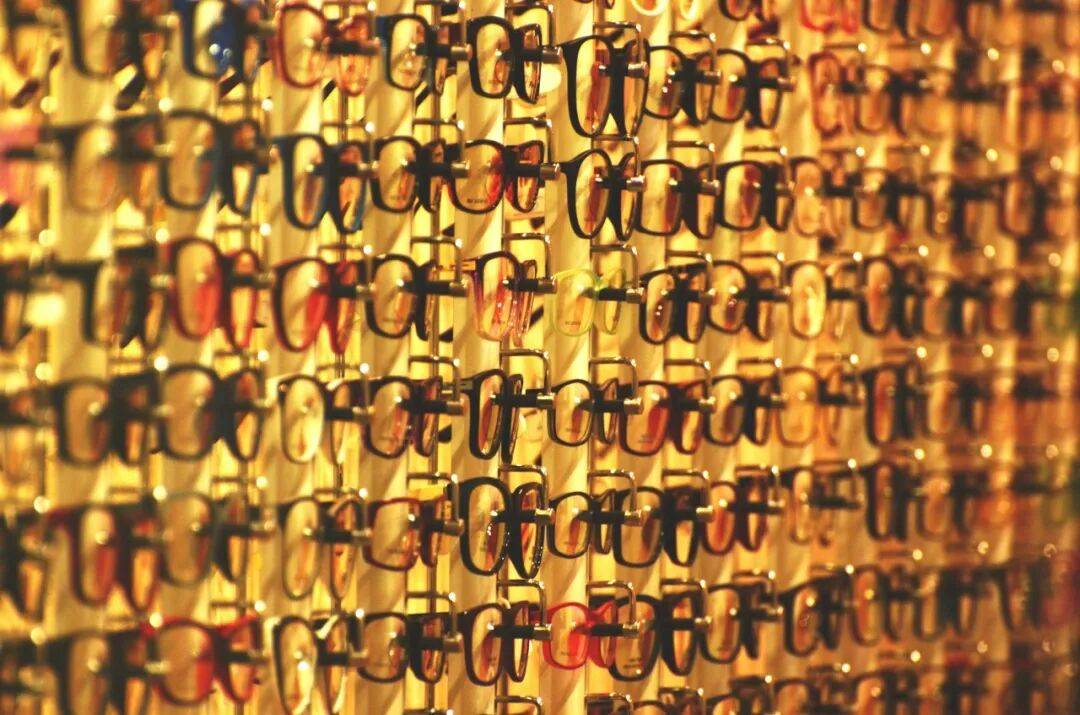
However, as more players enter, their product route choices deeply reflect their DNA, resources, and strategic intentions. Beneath the chaos of the "hundred-glasses battle," players are leveraging their core strengths to carve out niches and build differentiated barriers in the competitive deep waters.
First, AI glasses, with their relatively simple hardware, lighter weight, and lower costs, have become the go-to path for internet giants and cross-industry players to quickly enter the market and validate their AI ecosystem strategies. They skip complex display tech, focusing instead on large model capabilities, voice interaction, and lifestyle service integration. Companies like Alibaba and Huawei, with their ecosystems, large models, and traffic advantages, aim to make glasses new AI service portals.
AR glasses, with their demanding optical display and spatial computing tech, serve as a moat for industry veterans and hardware makers with deep supply chain resources. These players have long honed display tech, thermal management, and structural design, striving to crack the "weight, battery, performance" trifecta. They’ve established early leads in niches like cinema and automotive, where visual experience is paramount.
Today’s smart glasses competition is essentially a parallel race between "soft power" (ecosystems, AI) and "hard skills" (hardware, supply chain)—a head-on clash between "ecological traffic" and "supply chain depth."
Players aren’t fighting on the same stage with identical "weapons." Instead, they’ve chosen tools that suit them best, advancing toward the ultimate goal of "next-gen computing terminals" on separate AI and AR tracks.
03 Waiting for a "Wearable" Solution
No matter the path or tech, all players will eventually collide with the same issue—not in labs or supply chains, but on users’ faces: Most people don’t wear glasses.
For non-glasses wearers, adding a device to their face for a few functions is a hurdle worth serious consideration. Weight, battery life, heat, privacy concerns, and awkward aesthetics all influence decisions.
This is the smart glasses industry’s core challenge: All business stories hinge on users actually wearing them. The industry is still figuring this out.
So, what problem should smart glasses solve? Replace some smartphone functions? Or create scenarios phones can’t? Current answers vary—some focus on photography, others on translation, navigation, or AR displays. No consensus means no true blockbuster product yet.
Building user mindset is another critical dimension. Smart glasses aren’t competing against a specific rival but a more fundamental question: Are users willing to add a device to their face? This is both an engineering and product philosophy challenge—should they stack features or streamline experiences?
In this "who can make them wearable" race, niche players have offered early answers.
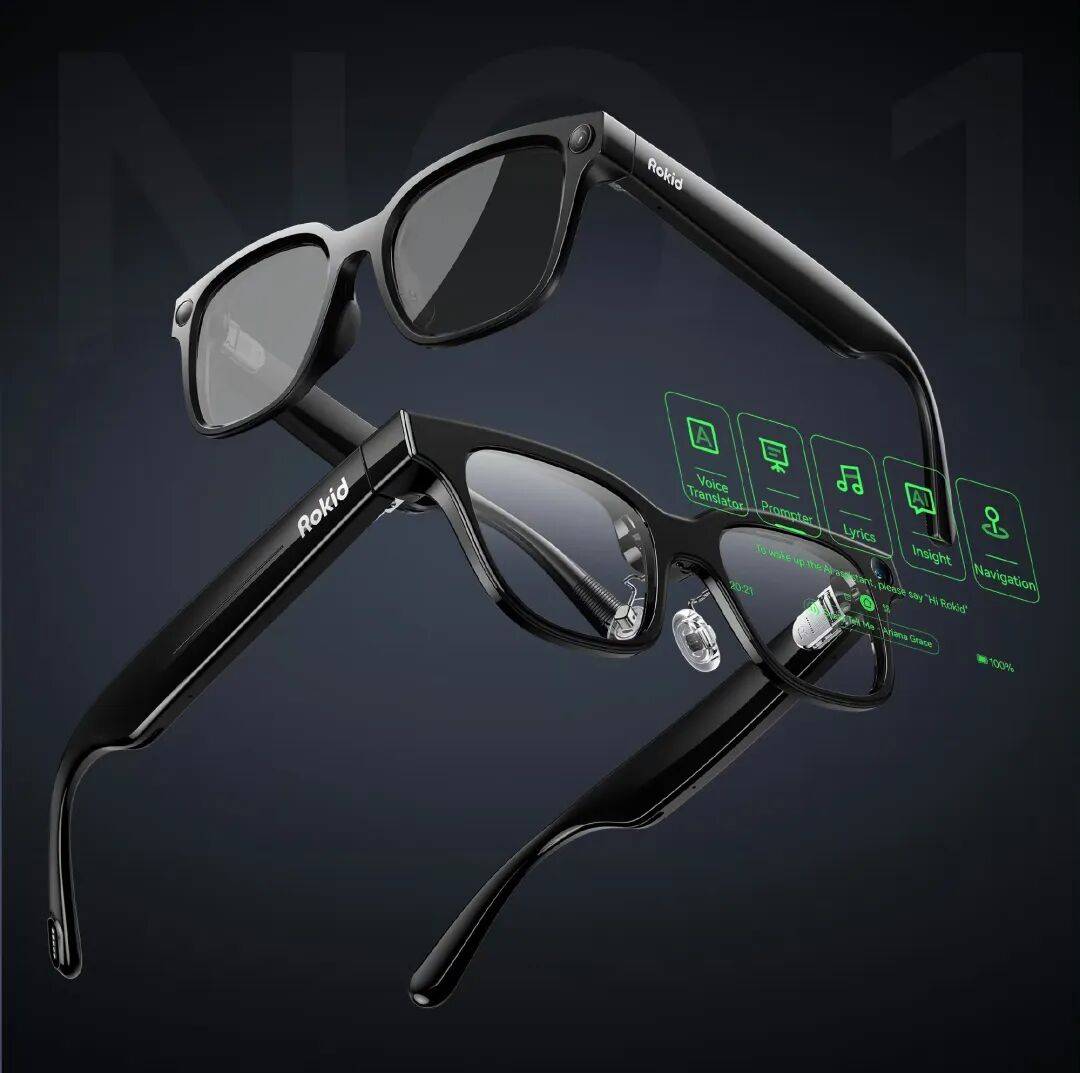
Rokid shared a key insight: Before Rokid Glasses, nearly 50% of smart glasses users were tech enthusiasts; with Rokid Glasses, that figure plummeted to 16%. For the first time, smart glasses broke out of the tech bubble, with users evenly distributed across internet, government, agriculture, education, construction, retail, and other fields.
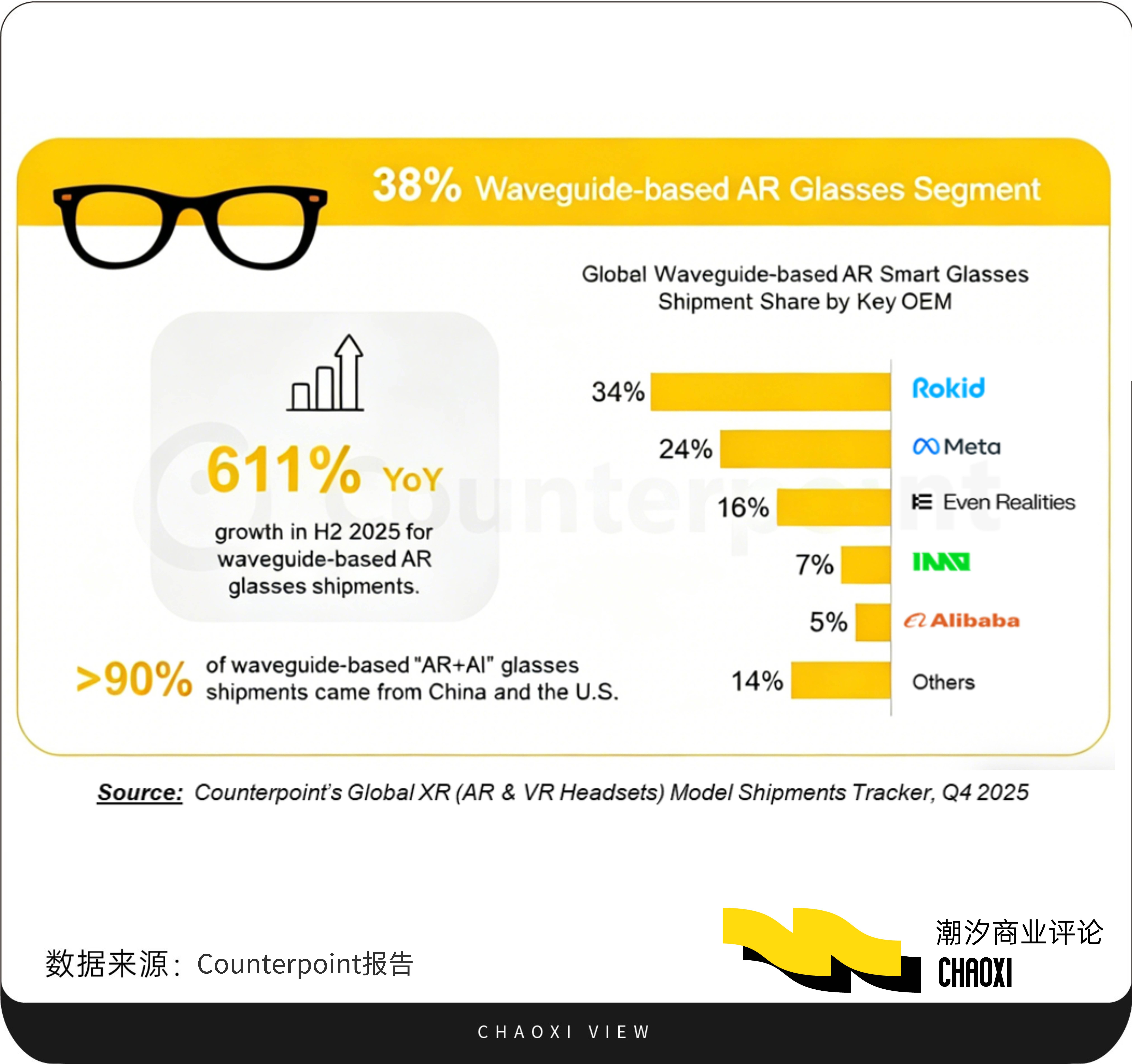
This "crossover" wasn’t accidental. Rokid’s collaboration with BOLON focused on "fashion design" and "hardcore functionality"—making glasses look like glasses. This approach struck at the industry’s core pain point: If a product looks bad, users won’t wear it, rendering even the strongest features useless. Last year, Rokid’s AI glasses orders exceeded 350,000 units. According to Counterpoint, by late 2025, over 90% of global "AR+AI" glasses shipments will come from China and the U.S., with Rokid capturing 34% of the global market share—topping Meta, Even Realities, and others.
Thunderbird took a different route: building tech barriers. Its X3 Pro features a self-developed MicroLED light engine with a peak brightness of 6,000 nits, remaining clear even in harsh outdoor light. In early 2026, Thunderbird launched the world’s first AR glasses with eSIM support, enabling independent calling and AI interaction without phones—a leap from "phone accessory" to "standalone terminal." It has held the top spot in the global AR smart glasses market for two consecutive quarters, with products in over 25 countries.
Both paths aim for the same goal: Making users want to wear them—and never take them off.
Now, Apple is entering the fray. Bloomberg reports that Apple’s first smart glasses, N50, have entered final design stages, with a 2027 launch expected. Unlike Meta, Apple is going all-in on self-developed hardware and software, prioritizing design—four frame styles, under 50g, and seamless iPhone integration. This playbook feels familiar: The 2007 iPhone started the same way. Can Apple replicate its "iPhone moment" in smart glasses? The answer lies not in the tech itself but in whether users will willingly wear them—and refuse to take them off.
Until then, all rankings, funding news, and ecosystem stories are just preludes to this long battle.
Lsit plans to buy a new pair of smart glasses soon. She says they’re like Bluetooth earphones—once you use them, you can’t go back. Smit remains unmoved: "I don’t think glasses look good on me, and they’re uncomfortable. But if there’s a pair that fits my face shape, maybe."
These two attitudes encapsulate the smart glasses race. Who will win? The answer isn’t about lighter, thinner glasses but about who can make Smit willingly wear them—and never take them off.
You see, business works like that.
-
![]()
Tesla Restructures Its Balance Sheet
-
![]()
Accelerating the High-Speed Interconnection Upgrade of AI Computing Clusters! JONHON Releases ELSFP External Light Source Optical Connectors
-
![]()
Breaking the overseas blockade of volumetric holographic materials, this optical enterprise secures nearly 100 million yuan in financing!
-
![]()
Why Does Jensen Huang So Openly Praise China’s AI?
-
![]()
"Wudang" Unveiled: Arm China's Next-Gen AI VPU Redefines Video Encoding
-
![]()
From Energy Conservation and Carbon Reduction to AI Decision-Making: GECON East Intelligence and Chery Group Explore a New Green and Smart Paradigm for Automobile Manufacturing
-
![]()
WAIC 2026 Observation | AI Accelerates Towards the Core of Industries, Industrial AI Enters a Critical Phase
-
![]()
Volkswagen China Fires the First Shot in Foreign-Funded 'White Box Delivery'!