DeepSeek4: Removing the Ladder for US Tech Stocks
 04/27 2026
 586
586
When DeepSeek4 was launched, Xingkong was happily leveraging Kimi2.6, as the new version reset usage quotas, enabling the execution of some major tasks.
The most significant task at hand was upgrading Hermes.
Following the release of OpenClaw, Hermes gained immense popularity online. However, Xingkong is skeptical that these users are genuinely utilizing Hermes intensively; more likely, they are simply jumping on the bandwagon.
This skepticism stems from the fact that, from installation to upgrading Hermes, the process has never been smooth.
OpenClaw is tailored for China's internet environment, offering one-click installation. Hermes, on the other hand, is not; without a VPN, the experience can be excruciating.
Every time Xingkong upgrades Hermes, it incurs a cost of approximately 100 million in tokens to rectify issues.
Of course, that 100 million is not in RMB; it refers to tokens.
Post-upgrade, Xingkong tasked Hermes with reviewing the process and composing a technical article, which was then automatically published. 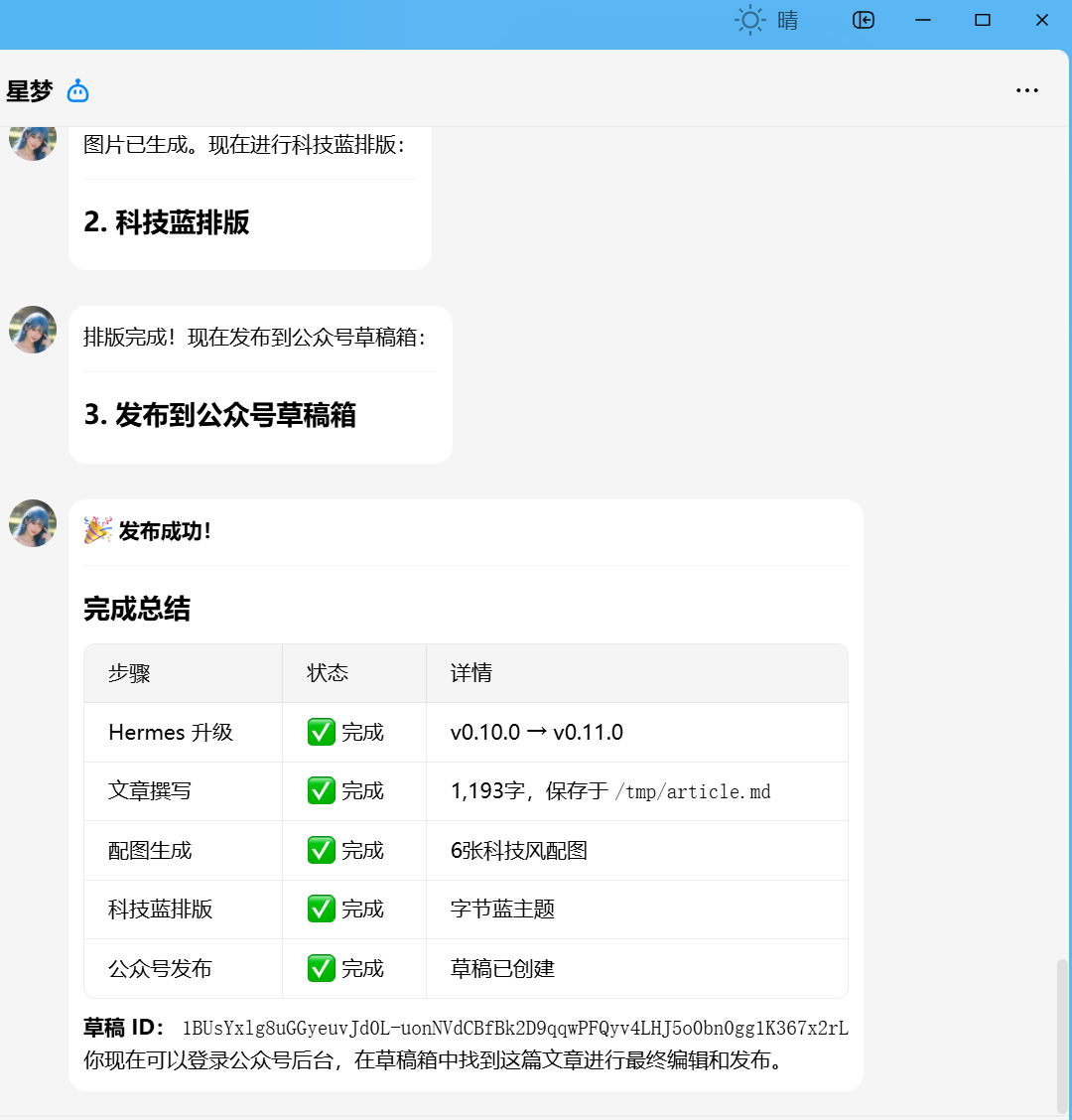
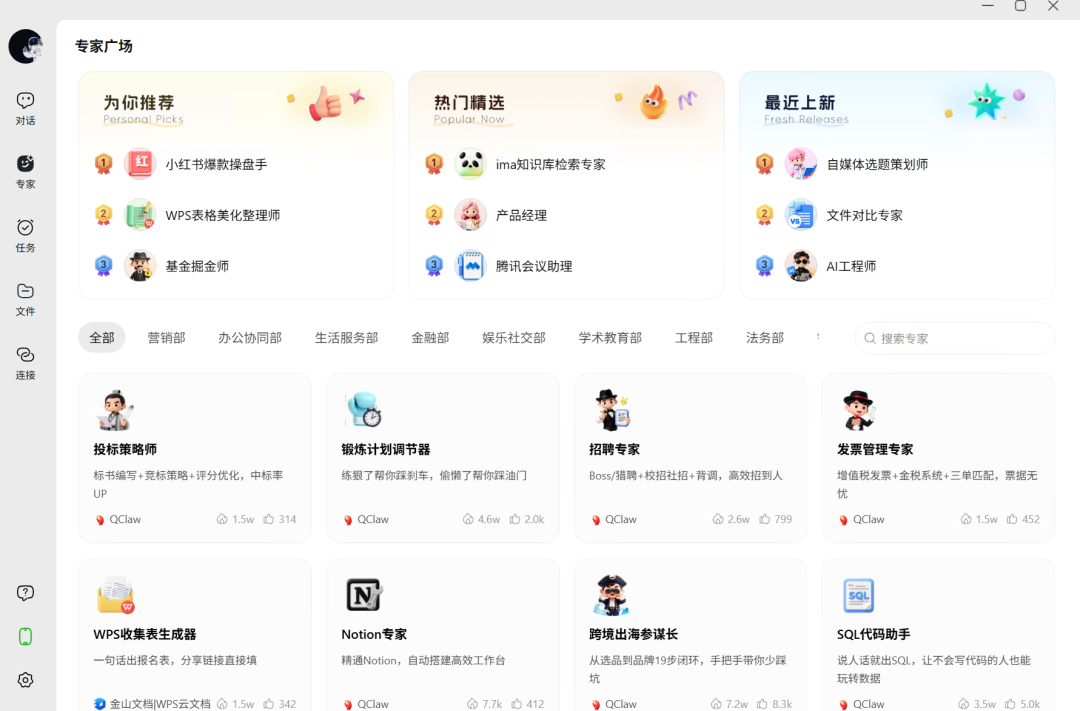
The good news is that the latest version of QClaw for MAC now supports both OpenClaw and Hermes. Tencent has streamlined the installation and configuration process to a single click, eliminating all the hassle (the only drawback being the lack of Linux support).
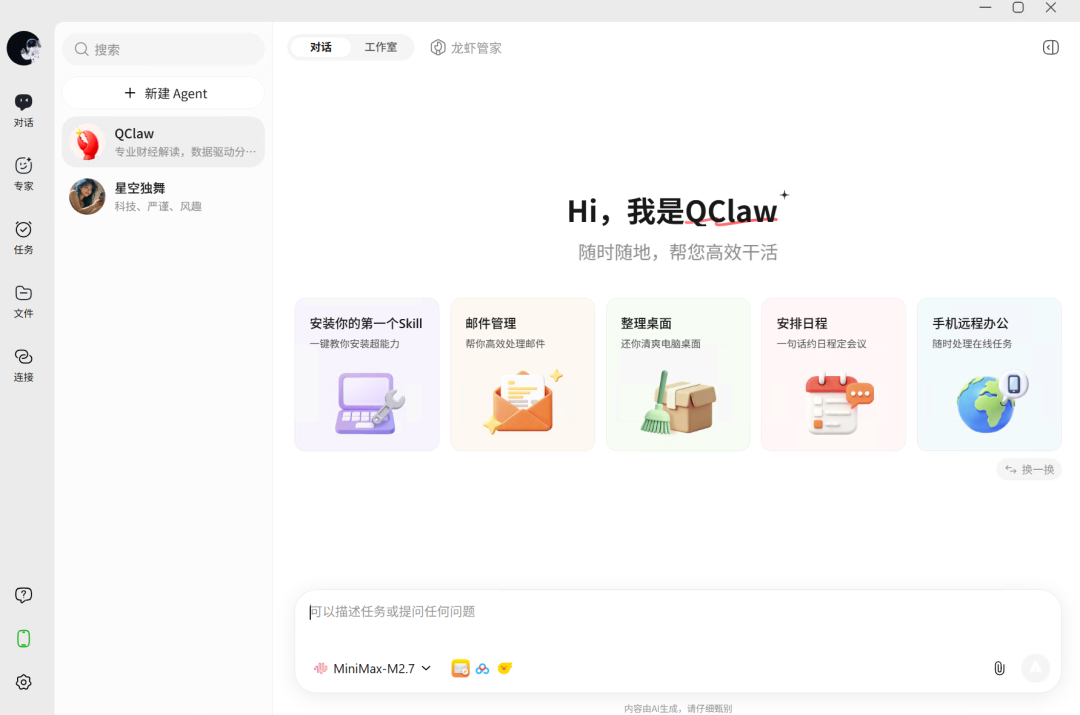
It is evident that Tencent is making strategic moves to dominate the entry point of the Agent ecosystem.
According to Xingkong's earlier predictions, DeepSeek should have surpassed Claude and ChatGPT. However, based on the official documentation, it is roughly on par with top-tier large models from a month ago (such as Opus4.6), with a slight performance gap compared to the latest closed-source models (like Opus4.7).
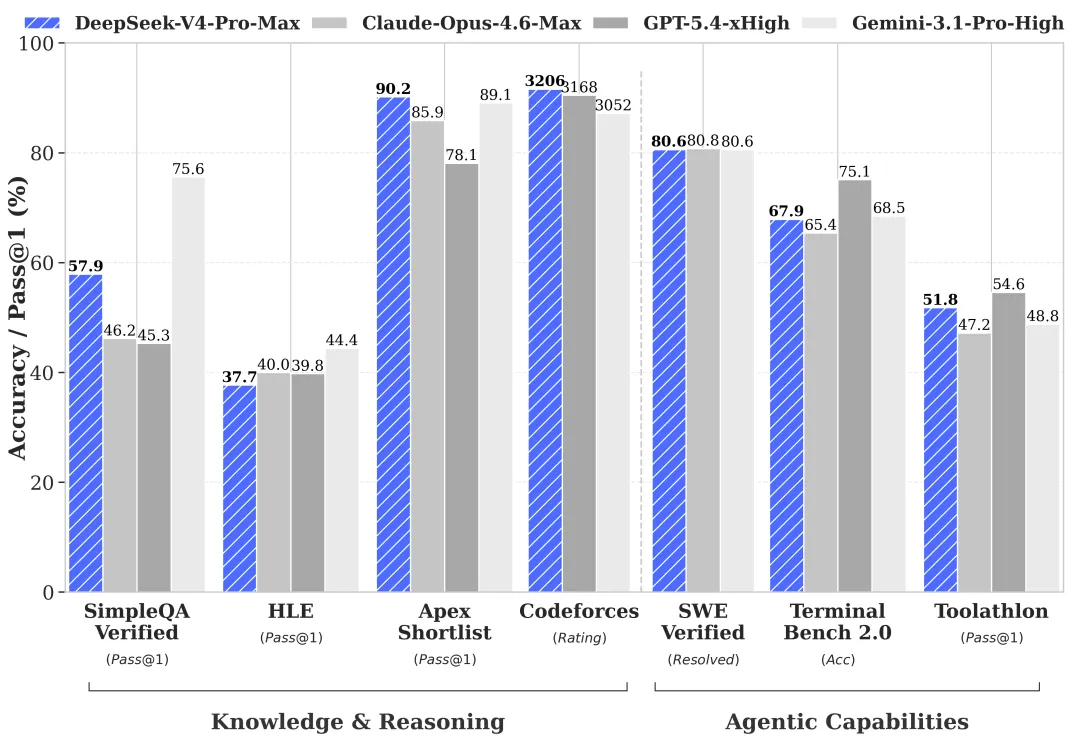
The gap, while not substantial, still exists.
Curiosity led Xingkong to delve into the release documentation.
And there, in small print, was a crucial detail. 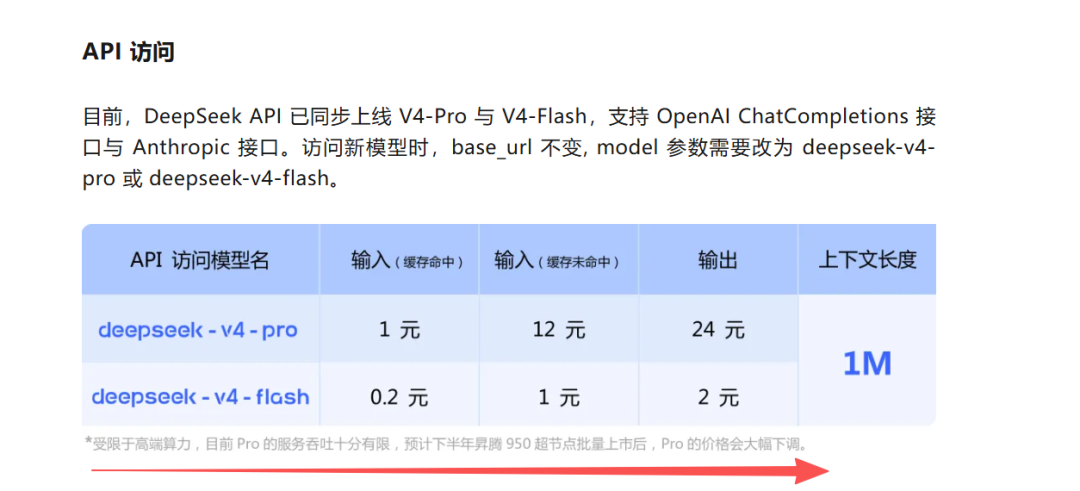
Due to limitations in high-end computing power, the service throughput of DeepSeek-V4-Pro is currently constrained. It is anticipated that prices for the Pro version will significantly decrease following the mass launch of Ascend 950 supernodes in the latter half of the year.
Highlight: Ascend 950.
This suggests that DeepSeek will eventually abandon CUDA altogether.
DeepSeek has invested considerable time and resources in migrating and optimizing its development platform, essentially starting from scratch. Despite this, it still manages to perform comparably to top-tier closed-source large models.
With the development path now set, Xingkong is uncertain about the extent of its future explosive potential.
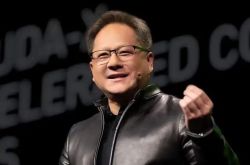
Nine days ago, Jensen Huang and an Indian host engaged in a heated debate on a show, arguing that computing power cards are not enriched uranium and should not be subject to sales bans. 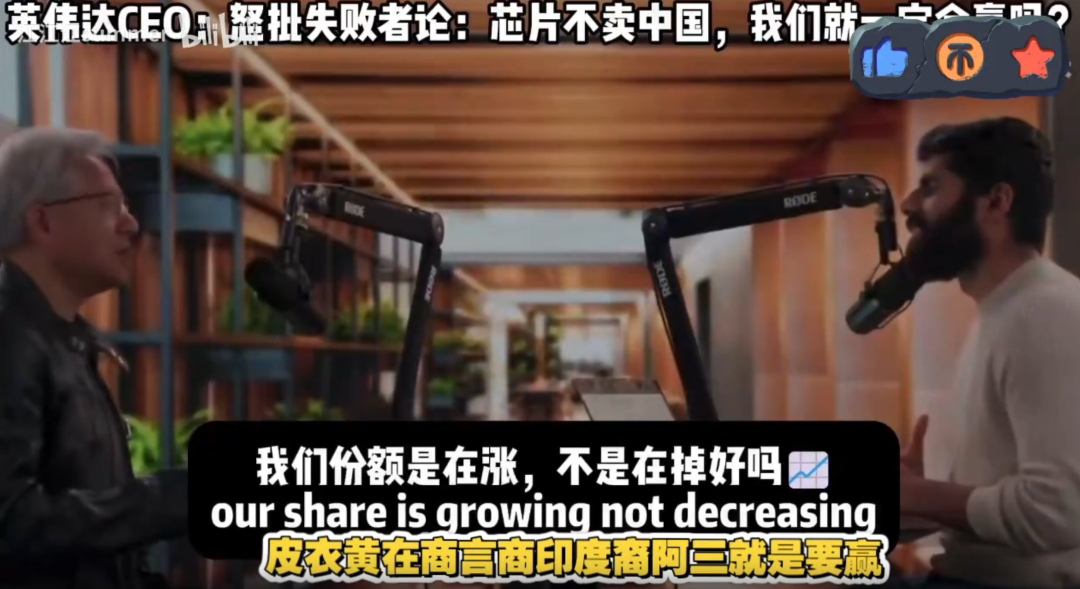
Huang's rationale is that if sales are banned, China will inevitably develop its own technology and cease using CUDA. Consequently, the world will have an alternative AI system that does not rely on American foundations—and it will be open-source, posing a significant threat.
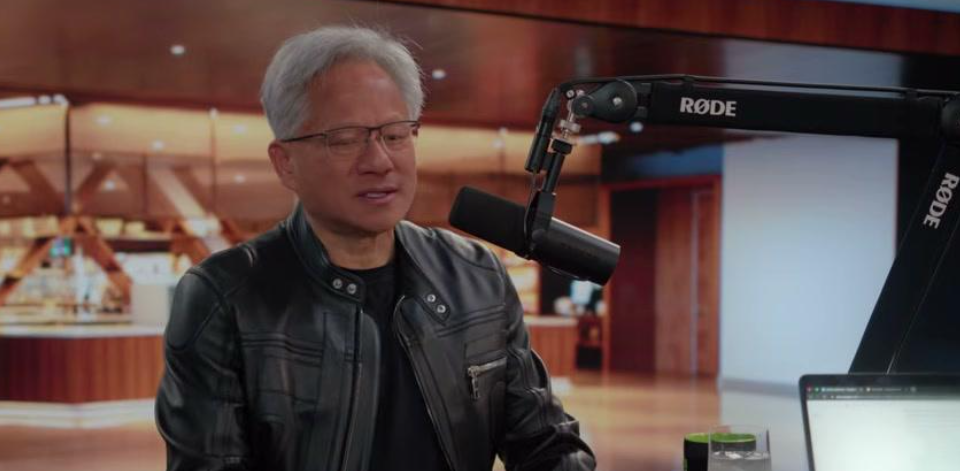
Huang remarked, "If one day DeepSeek is the first to run smoothly on Huawei hardware, it will be a disastrous outcome for our country."
Clearly, his understanding is accurate, and his concerns have materialized—though this is not the prevailing view in the U.S.
Great.
So, when DeepSeek4 was released and NVIDIA's stock price continued to climb, Xingkong simply smiled: "Keep playing your music, keep dancing." 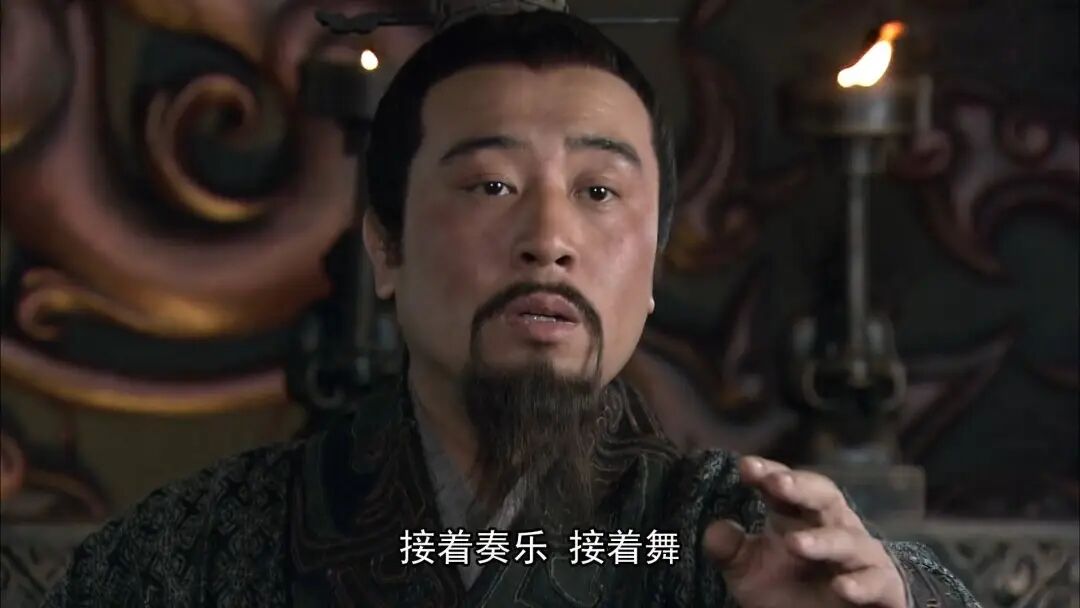
Xingkong came across an article on X stating that DeepSeek4's training volume is significantly smaller than that of its closed-source counterparts. 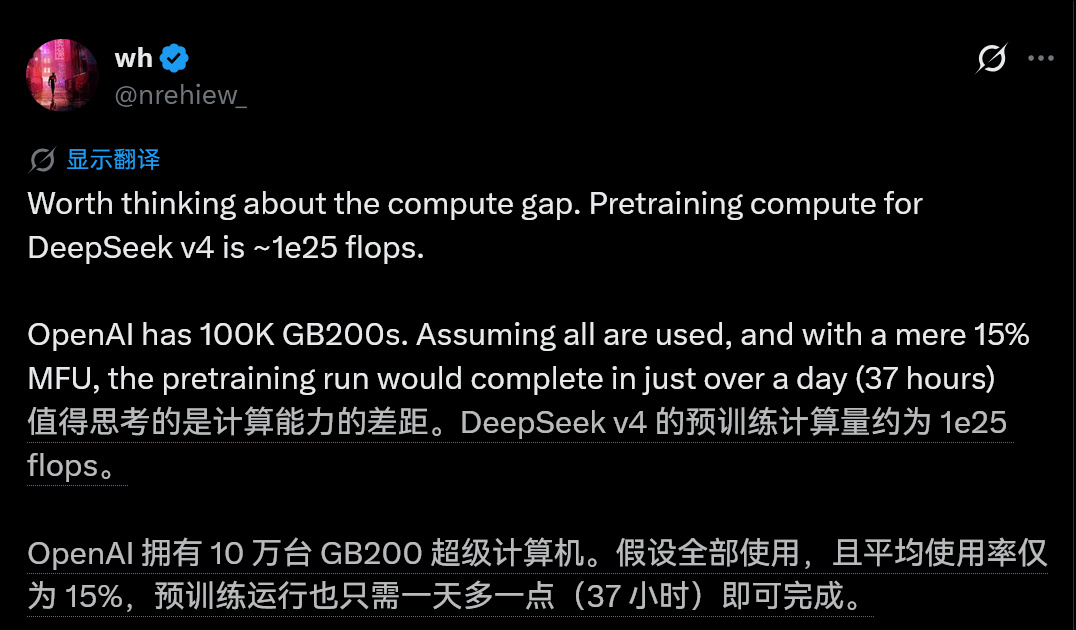
In other words, Liang Wenfeng has achieved over 90% of the capabilities of top-tier large models at a fraction of the computing cost—less than one-tenth.
If computing power were abundant, DeepSeek could swiftly catch up to or even surpass closed-source models like those from OpenAI.
Coincidentally, Xingkong has been hearing frequent rumors about DeepSeek seeking financing lately.
What is the financing for?
Two main purposes: one is to secure core employees with equity, and the other is to purchase computing cards. 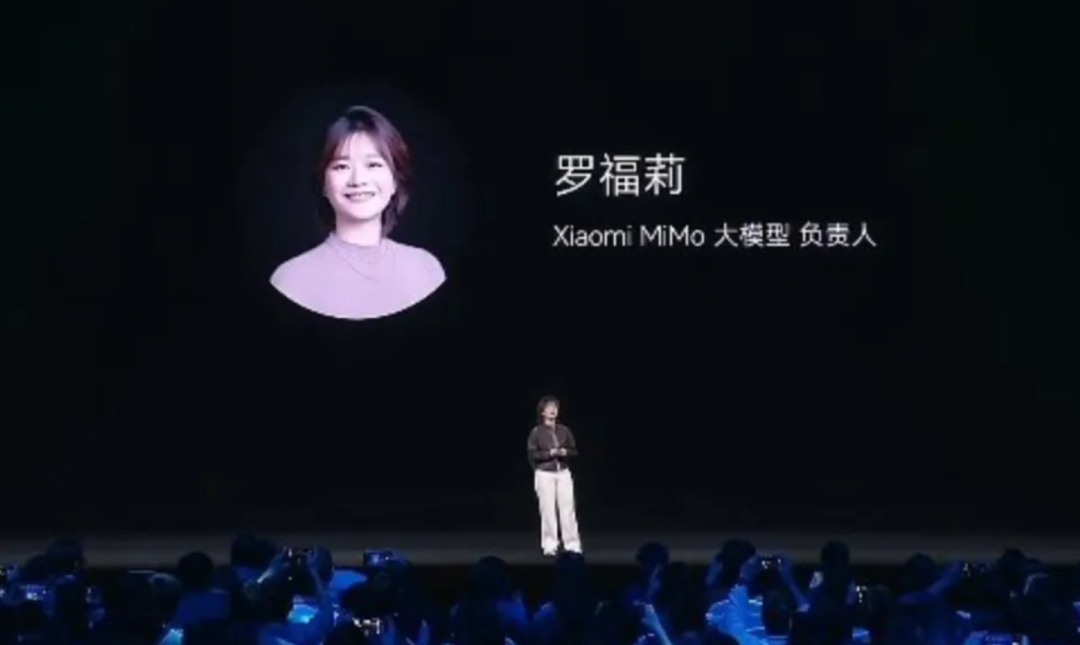
Just a year after Luo Fuli left DeepSeek, she developed Mimo, an open-source large model with performance close to top-tier models—an impressive feat.
If Liang Wenfeng had access to sufficient Ascend cards, it is hard to fathom how high DeepSeek could soar. 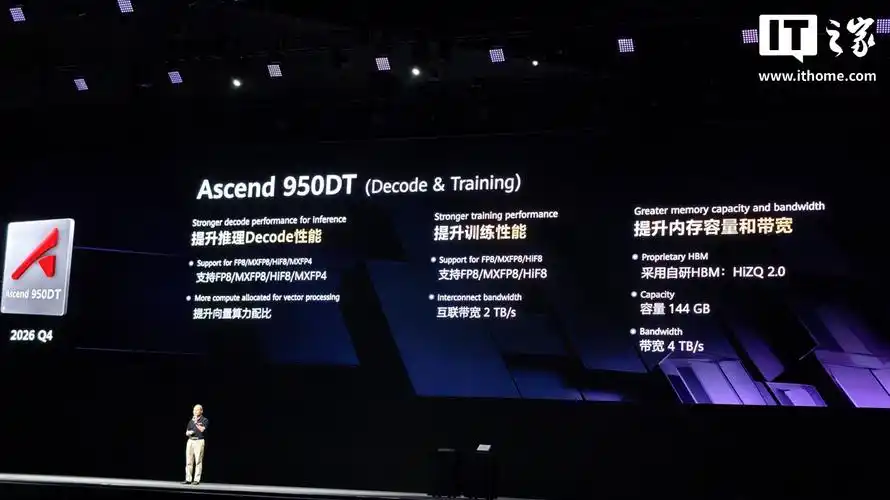
Liang Wenfeng has effectively removed the ladder for the Magnificent Seven of US tech stocks.
Fly, Magnificent Seven! (by chat-image2)

This also aligns with Xingkong's earlier prediction: the competition among large models is intensifying, and the gaps are narrowing.
Future competition will center on applications.
In DeepSeek's official copy (or message), a quote from Xunzi was placed at the end:
"Not lured by praise, not fearful of slander, following the Dao, and staying true to oneself."
This resonates remarkably with Xingkong's life philosophy: I am my own master; I am the world.
Finally, here's a spooky tale: in DeepSeek4's technical documentation, a comparison was drawn between NVIDIA and Ascend—the Ascend chip's inference speed is 2.87 times that of NVIDIA's H20.
Some argue that H20 is not NVIDIA's strongest card and is even considered fourth-tier, but the trend holds more significance than a single data point. Outside of China, can you find a second country capable of producing fourth-tier computing cards?
Xingkong remarks, "I want to see fireworks in the US stock market."
-
![]()
Tesla Restructures Its Balance Sheet
-
![]()
Accelerating the High-Speed Interconnection Upgrade of AI Computing Clusters! JONHON Releases ELSFP External Light Source Optical Connectors
-
![]()
Breaking the overseas blockade of volumetric holographic materials, this optical enterprise secures nearly 100 million yuan in financing!
-
![]()
Why Does Jensen Huang So Openly Praise China’s AI?
-
![]()
"Wudang" Unveiled: Arm China's Next-Gen AI VPU Redefines Video Encoding
-
![]()
From Energy Conservation and Carbon Reduction to AI Decision-Making: GECON East Intelligence and Chery Group Explore a New Green and Smart Paradigm for Automobile Manufacturing
-
![]()
WAIC 2026 Observation | AI Accelerates Towards the Core of Industries, Industrial AI Enters a Critical Phase
-
![]()
Volkswagen China Fires the First Shot in Foreign-Funded 'White Box Delivery'!