The Lobster Craze Subsides: The Current State of Mac mini Shrimp Farmers—Some Quit, Some Switch to 'Hermès'
 05/05 2026
 655
655
The fervor for lobster farming has cooled, but the allure of AI remains strong.
In today's market, it comes as no surprise that electronics prices are on the rise, with storage costs soaring. This trend has put pressure on products like smartphones, laptops, and gaming consoles, which rely heavily on storage components, leading to inevitable price hikes. Take the Mac mini M4 as an example—currently, it's out of stock on Apple's official website, and major e-commerce platforms no longer offer the 'unbeatable' subsidized prices below 3,000 yuan that were once common. Even second-hand prices have surged to around 3,500 yuan.
Of course, the scarcity of the Mac mini M4 can also be attributed to another significant factor—the lobster craze. Earlier this year, the OpenClaw phenomenon swept across the globe, and 'shrimp farming' quickly became a hot topic among tech enthusiasts. The Mac mini M4, with its compact size, low power consumption, powerful performance, and user-friendly system support, emerged as the preferred device for shrimp farmers.

(Image source: Apple)
Now that the lobster craze has significantly waned, what has become of those who purchased Mac minis specifically for shrimp farming? Are they still utilizing their deployed lobsters? Driven by this curiosity, we spoke to several users to understand the current reality.
New Media Editor: Abandons Lobster, Embraces 'Hermès'
Xiaochen, a college classmate of mine who is now a self-media editor focusing primarily on the automotive sector, approached me during the lobster craze, inquiring whether the Mac mini was the best choice for deploying lobsters. He was driven by a fear of being left behind in the tech race. However, by that time, the price of the Mac mini M4 had already increased, and Xiaochen eventually settled for a second-hand Mac mini M2, which cost him over 2,000 yuan.
After setting up his lobster, Xiaochen occasionally complained about frequent disconnections with OpenClaw. Sometimes, while on a business trip, he would notice that the linked Feishu robot wasn't responding, indicating that the office lobster had crashed. In such cases, Xiaochen would have to ask a colleague to restart it—a situation that was both amusing and frustrating.

(Image source: Leikeji)
Now, Xiaochen says he has abandoned lobsters altogether and found a new favorite in 'Hermès.' Specifically, he's referring to the recently popular Hermes Agent. 'Hermès' is an open-source agent known for its ability to automatically evolve and improve over time. For instance, after completing a complex task, 'Hermès' will refine and save reusable skills, becoming increasingly intelligent with each use.
Xiaochen believes 'Hermès' is lighter and more convenient to use. He notes that while OpenClaw is an all-in-one platform capable of running many agents, it requires self-tuning for optimal performance. In contrast, 'Hermès' is a more focused agent that excels in small-scale scenarios.
Currently, Xiaochen primarily uses 'Hermès' as an intelligent assistant integrated into Feishu. He has it record documents he writes or information he comes across, effectively using it as an intelligent bookmark. If these materials are needed for subsequent tasks, the AI will automatically retrieve them.

(Image source: Leikeji)
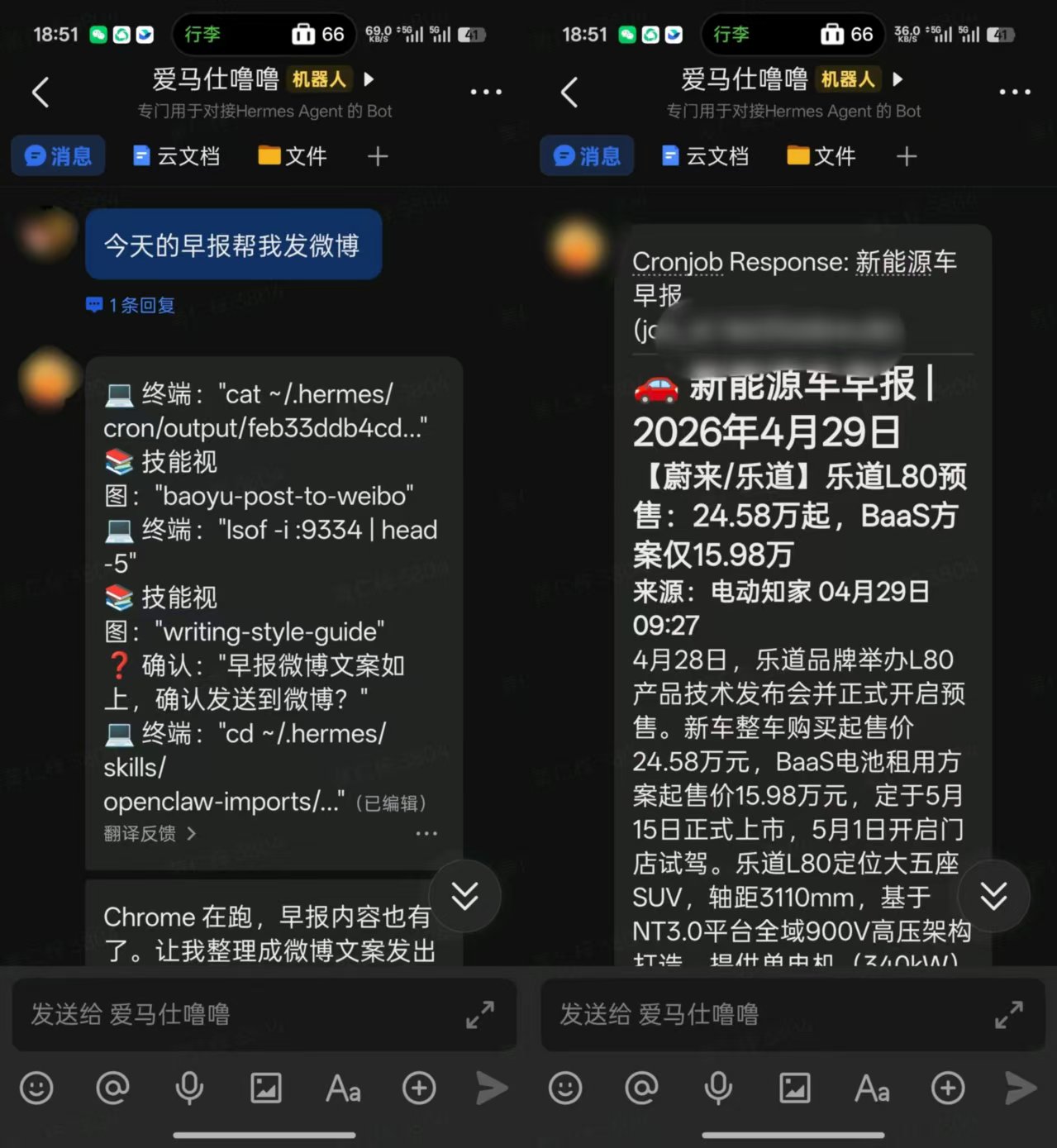
Additionally, Xiaochen uses 'Hermès' to create morning reports for Weibo posts, simplifying his workflow and increasing efficiency.
(Image source: Leikeji)
Xiaoyu, a finance graduate from a business school, works at a securities firm, where she is often involved in industry and corporate research, as well as making investment decisions. She laughed when recalling the time when all the talk about AI replacing jobs made her wonder if she would be out of work when she heard that lobsters could trade stocks. With this sense of crisis, Xiaoyu bought a Mac mini to see if lobsters had the power she feared, starting from scratch.
Xiaoyu considers herself a tech novice, having barely used Mac computers before. Many software tools she needed for work were developed specifically for Windows, and almost no one at her company used Mac devices. As for setting up lobsters, Xiaoyu was clueless and had to ask a colleague from the IT department for help after several days of struggle.
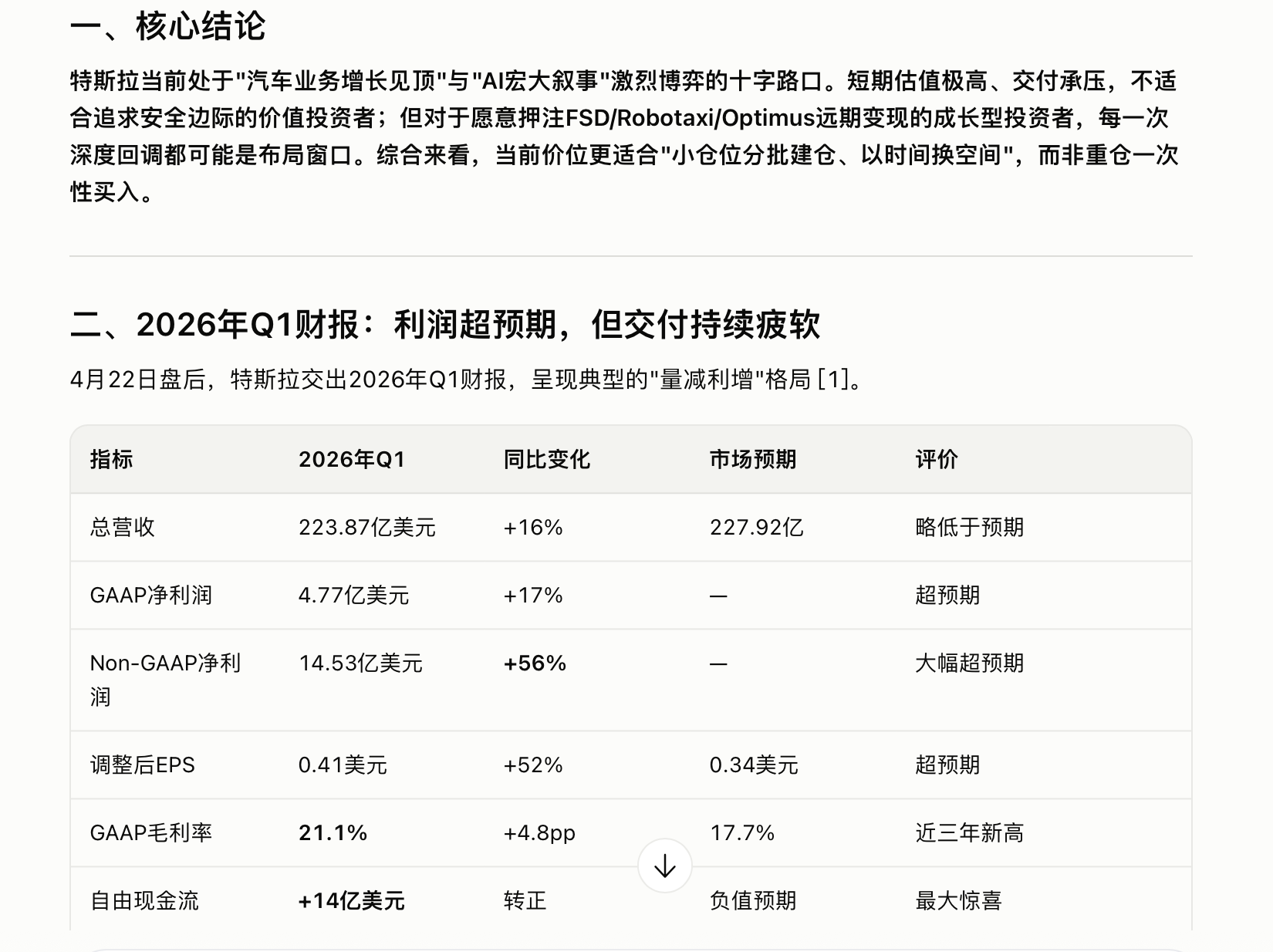
Soon, Xiaoyu discovered that using lobsters for stock trading wasn't very practical. She explained that securities investment mainly involves fundamental and technical analysis. For individual investors, the fundamental information about companies usually comes from financial reports and other data released by the companies. When using lobsters for stock trading, the AI's access to information wasn't significantly different from that of ordinary investors—it just collected and analyzed data more efficiently.
(Image source: Leikeji)
Professional institutions like securities firms, however, invest significant human and material resources in in-depth research and even purchase industry data directly, which ordinary individuals cannot access. Moreover, AI cannot obtain this non-public internal information. Therefore, neither OpenClaw nor domestic lobsters are well-suited for stock trading.
Xiaoyu also advises that even individual investors should not overly rely on lobsters for stock trading. They can use it for research report processing and information collection but should avoid setting it up for automated operations based on technical indicators. After all, stock trading is a high-risk investment, and AI errors could lead to significant financial losses that are hard to recover. Major decisions are still best left to human judgment.
E-commerce Copywriter: Online Large Models More Useful, Lobsters Costlier
Xiaoliu, an e-commerce copywriter and a heavy user of large models, regularly uses products like Gemini, ChatGPT, Claude, and DeepSeek, even subscribing to some of them. Xiaoliu bought a base model Mac mini M2 (8+256GB) early on and tried out lobster farming during the craze.
However, after using it for a while, she found that online large models were more suitable for her needs, as the scenarios lobsters provided didn't align well with her requirements.
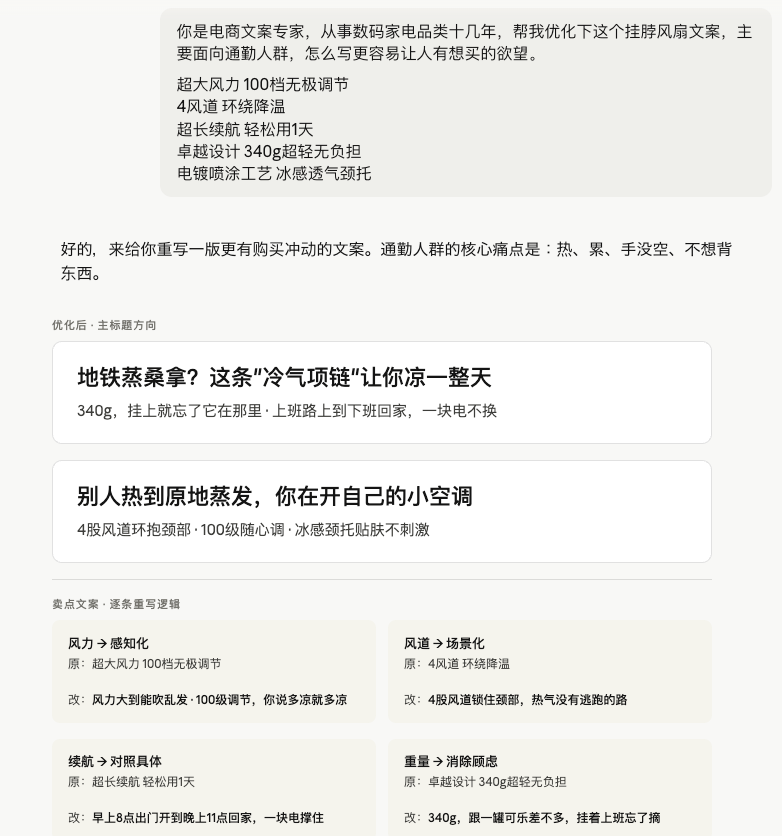
Xiaoliu's daily work mainly involves writing product description page copy. She uses large models for two primary purposes: summarizing product information and popularizing technical concepts to improve work efficiency, which she believes current mainstream large models handle well; and copy optimization, for which she prefers Claude for better results.
(Image source: Leikeji)
As for lobsters, while their core is also a large model, they have more local permissions, including reading, creating, and modifying local files, as well as retrieving information online. Theoretically, Xiaoliu could have lobsters do more work for her. However, in practice, she was more concerned about uncontrollable accidents, such as accidental file deletion or unauthorized product copy uploads.
Xiaoliu felt she lacked the confidence to control lobsters without programming knowledge. Therefore, she ultimately returned to using online large model products. Although these online AIs are confined to a dialog box, this also provides boundaries and a sense of security, making everything controllable—exactly what she wanted.
College Student: Mac mini Sold, Quits Shrimp Farming
Xiaolin, a senior student about to graduate, was 'brainwashed' by the online lobster craze and bought a Mac mini out of curiosity. As a student, he enjoyed educational discounts on Apple computers and additional national subsidies, making the Mac mini M4 quite affordable for him.

(Image source: Tmall)
After getting the computer, Xiaolin eagerly started deploying lobsters. However, the novelty soon wore off, and he discovered an unignorable issue with lobsters on the Mac mini—cost. In his view, while the Mac mini M4 is indeed a capable mini host, its computing power is insufficient for deploying local models, with memory being a significant bottleneck.
Xiaolin explained that deploying a model like gemma-4-31b requires at least 32GB of memory, and for smooth operation, even more is preferable. Buying a Mac mini with 32GB or even 64GB of memory would multiply the cost several times.
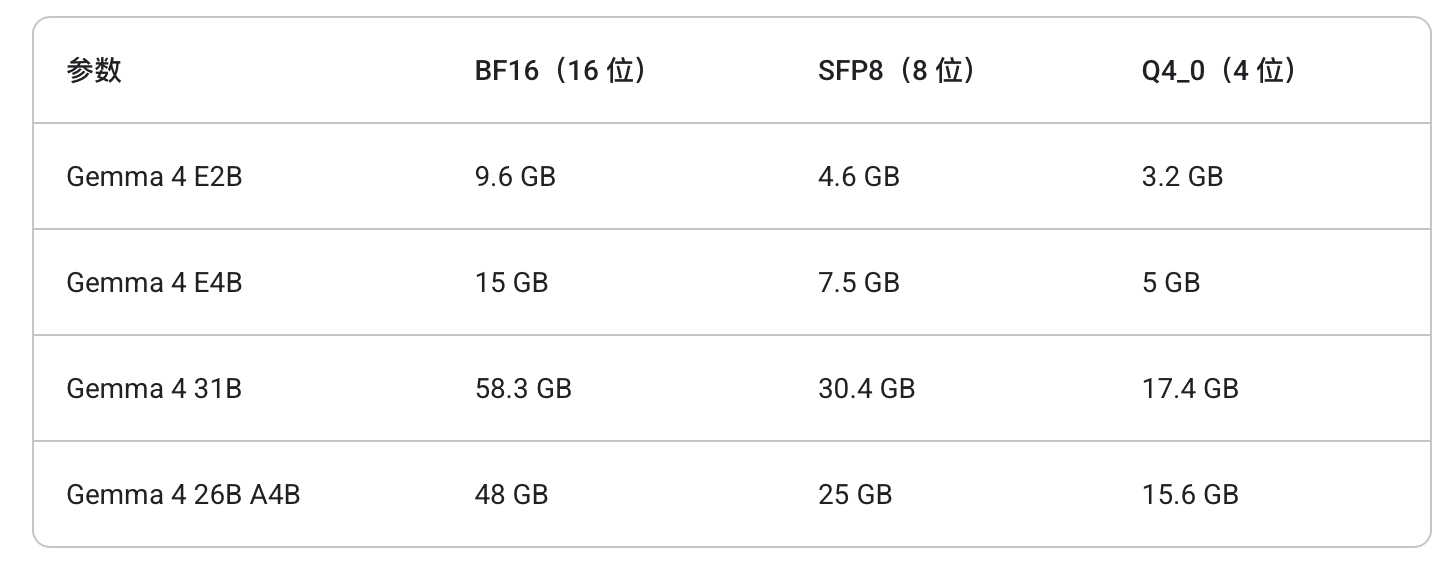
(Image source: Google)
Therefore, most people who deploy lobsters on computers eventually opt for online solutions, purchasing tokens for cloud-based AIs. After weighing the options, Xiaolin sold his Mac mini on the second-hand market while prices were high.
Now, he has transferred lobsters to his gaming laptop and abandoned native OpenClaw for domestic lobster products. Xiaolin believes that domestic large companies' Claw products incorporate safety designs and are more user-friendly and simpler to operate for Chinese users, making them more convenient than OpenClaw for daily use.
Currently, Xiaolin mainly uses domestic lobsters for academic purposes. For example, he created a local graduation thesis database using lobsters, allowing the AI to retrieve relevant literature directly. He feeds the AI the information he collects, which summarizes and saves it as documents locally. When writing his thesis, he can easily access these materials without searching for them.
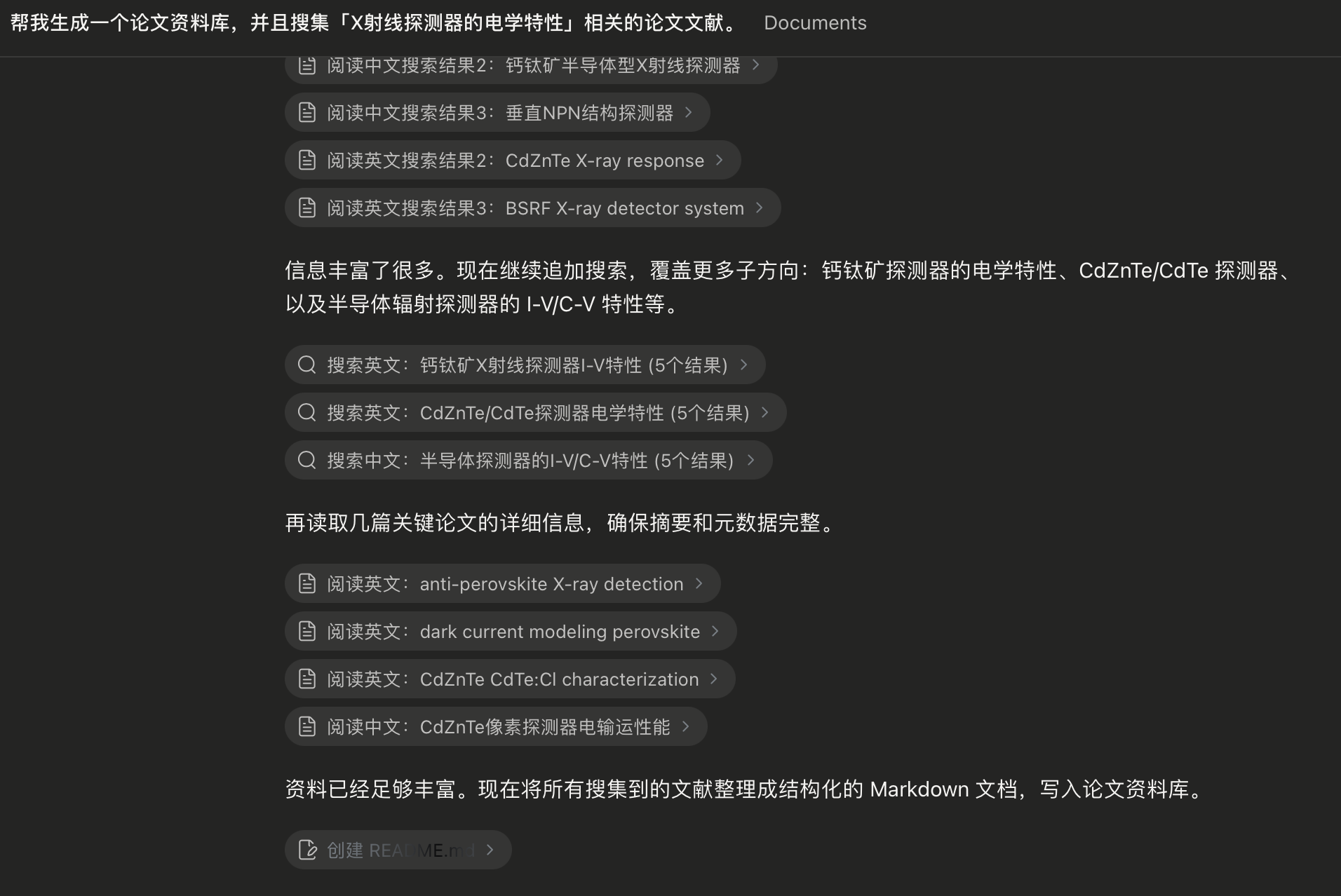
(Image source: Leikeji)
Undoubtedly, the shrimp farming craze was sparked by OpenClaw. OpenClaw's playability and imagination space are indeed vast, and as a decentralized, high-freedom AI tool, it naturally appeals to countless tech enthusiasts.
However, high freedom is a double-edged sword, bringing convenience along with risks, making it less suitable for ordinary people. From the feedback of the users interviewed above, when OpenClaw's usage scenarios involve work content or property, they tend to be less inclined to use it.
In contrast, shrimp farming tools launched by internet giants like Tencent, Alibaba, and ByteDance are relatively more suitable for domestic users in various aspects. First, they are no longer decentralized tools but are backed by internet giants, making their safety designs more reassuring. Second, their interface designs and interaction logics are more user-friendly, reducing the difficulty of use. Additionally, domestic manufacturers offer more cost-effective paid tokens alongside their tools.

(Image source: Alibaba)
For ordinary people, purchasing and using computing power from overseas large models presents many obstacles, and obtaining it through third-party channels involves additional risks. In reality, the development of domestic large models has been remarkably rapid in recent years, fully capable of meeting most people's usage needs.
Moreover, the Mac mini is no longer the only solution for shrimp farming tools. As mentioned earlier, the Mac mini does have many advantages in shrimp farming. However, compared to Windows, the macOS system is applicable in narrower scenarios. For ordinary people, buying a price-increased Mac mini specifically for deploying lobsters is slightly extravagant.
Furthermore, with storage prices soaring, the feasibility of ordinary people buying high-computing-power devices for local lobster deployment is increasingly low. Since everything is deployed online, the requirements for local devices are not as high, and whether it's a laptop or desktop, Windows or Mac, can all suffice.
As for lobsters themselves, whether they are suitable for you ultimately depends on whether the scenarios they enable match your actual needs. From the actual situations of the individuals mentioned above, some are suitable, and some are not. Amid the nationwide craze for lobsters, there were certainly elements of irrational following driven by AI anxiety.
However, we can also see that lobsters, represented by OpenClaw, have successfully created numerous scenarios that subvert previous cognitive and behavioral patterns by fully exploiting the potential of large models and agents, which is the fundamental reason for their explosion in popularity and the formation of the craze.
Now, it seems that OpenClaw won't be the only form of AI tools. As AI technology continues to evolve, more influential products in various forms will emerge. After the OpenClaw craze fades, the 'Hermès' craze arrives. Who will be the next big hit?
AI, OpenClaw, lobster, Mac, Apple
Source: Leikeji
All images in this article come from the 123RF licensed image library. Source: Leikeji
-
![]()
Tesla Restructures Its Balance Sheet
-
![]()
Accelerating the High-Speed Interconnection Upgrade of AI Computing Clusters! JONHON Releases ELSFP External Light Source Optical Connectors
-
![]()
Breaking the overseas blockade of volumetric holographic materials, this optical enterprise secures nearly 100 million yuan in financing!
-
![]()
Why Does Jensen Huang So Openly Praise China’s AI?
-
![]()
"Wudang" Unveiled: Arm China's Next-Gen AI VPU Redefines Video Encoding
-
![]()
From Energy Conservation and Carbon Reduction to AI Decision-Making: GECON East Intelligence and Chery Group Explore a New Green and Smart Paradigm for Automobile Manufacturing
-
![]()
WAIC 2026 Observation | AI Accelerates Towards the Core of Industries, Industrial AI Enters a Critical Phase
-
![]()
Volkswagen China Fires the First Shot in Foreign-Funded 'White Box Delivery'!