High-Speed Toll Collection via Mobile Phones & Cardless License Plate Recognition: Are License Plates at Risk of Misuse? Official Reply: Safeguarded by Domestic Encryption Algorithms
 05/05 2026
 428
428
Kuaikeji, May 3: Recently, a message claiming that "ETC will no longer be utilized on highways starting May 1, and vehicles can pass tolls without cards, using only their license plates" has ignited intense discussions online.
As reported by CCTV News, experts clarified that some of the statements circulating on the internet are actually one-sided and inaccurate interpretations of the "mobile phone+" cardless and convenient toll passage technology.
Lately, the Ministry of Transport has been carrying out a pilot program for "mobile phone+" cardless and convenient toll passage in certain provinces, such as Jiangsu. This approach adheres to the principle of "pilot first, steady promotion" and is not scheduled for nationwide implementation on May 1, 2026.
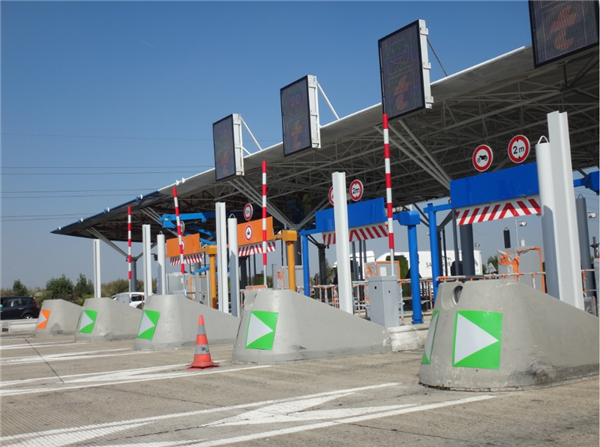
Unlike traditional manual toll lanes, which necessitate stopping to take and return cards for payment, the "mobile phone+" model leverages mobile phones for identity binding and employs license plate recognition to record vehicle information, facilitating "card-free entry and exit" passage.
In simpler terms, users just need to complete registration on their mobile phones in advance. Upon passing through, the system automatically identifies the license plate, raises the barrier for passage, and deducts fees automatically after the vehicle exits the highway. The entire process eliminates the need for stopping or even actively taking out the mobile phone.
In response to concerns raised by netizens regarding data security, such as the potential misuse of license plates and leaks of payment accounts, Yang Liang, Deputy Director of the Highway Bureau at the Ministry of Transport, stated that the emphasis will be placed on data encryption and trusted certification to establish comprehensive security protection for travel.
Sensitive data, including users' identity information, payment details, and toll passage records, will be encrypted for transmission and storage using domestic encryption algorithms, akin to adding a "theft-proof lock" to the information.
Simultaneously, trusted certification technology will be introduced to ensure the integrity and immutability of toll passage data, comparable to providing an "anti-counterfeiting code" for the travel information.
Through this dual protection mechanism, data leaks, identity misuse, and financial risks can be effectively mitigated, further safeguarding users' information security and travel rights.
-
![]()
High-Speed Toll Collection via Mobile Phones & Cardless License Plate Recognition: Are License Plates at Risk of Misuse? Official Reply: Safeguarded by Domestic Encryption Algorithms
-
![]()
Insta360 Enters a Challenging Growth Phase Less Than a Year After Its IPO
-
![]()
The Real Race for Robotaxi Begins When the Steering Wheel Comes Off
-
![]()
China’s AI is Embroiled in a Token Price War, Leaving the U.S. Far Behind, with Prices at a Mere 0.6%
-
![]()
April Witnesses Major Shifts Among Emerging Automakers: Leapmotor Tops 70,000 Units, Xiaomi, Li Auto, and Xpeng Surpass 30,000 Units
-
![]()
OnePlus and realme Unite as OPPO Braces for Industry Challenges
-
![]()
2026 Beijing International Automotive Exhibition: Who Will Shape the Future of Cars?
-
Who Will Succeed Gree’s Dong Mingzhu?