China’s AI is Embroiled in a Token Price War, Leaving the U.S. Far Behind, with Prices at a Mere 0.6%
 05/05 2026
 540
540
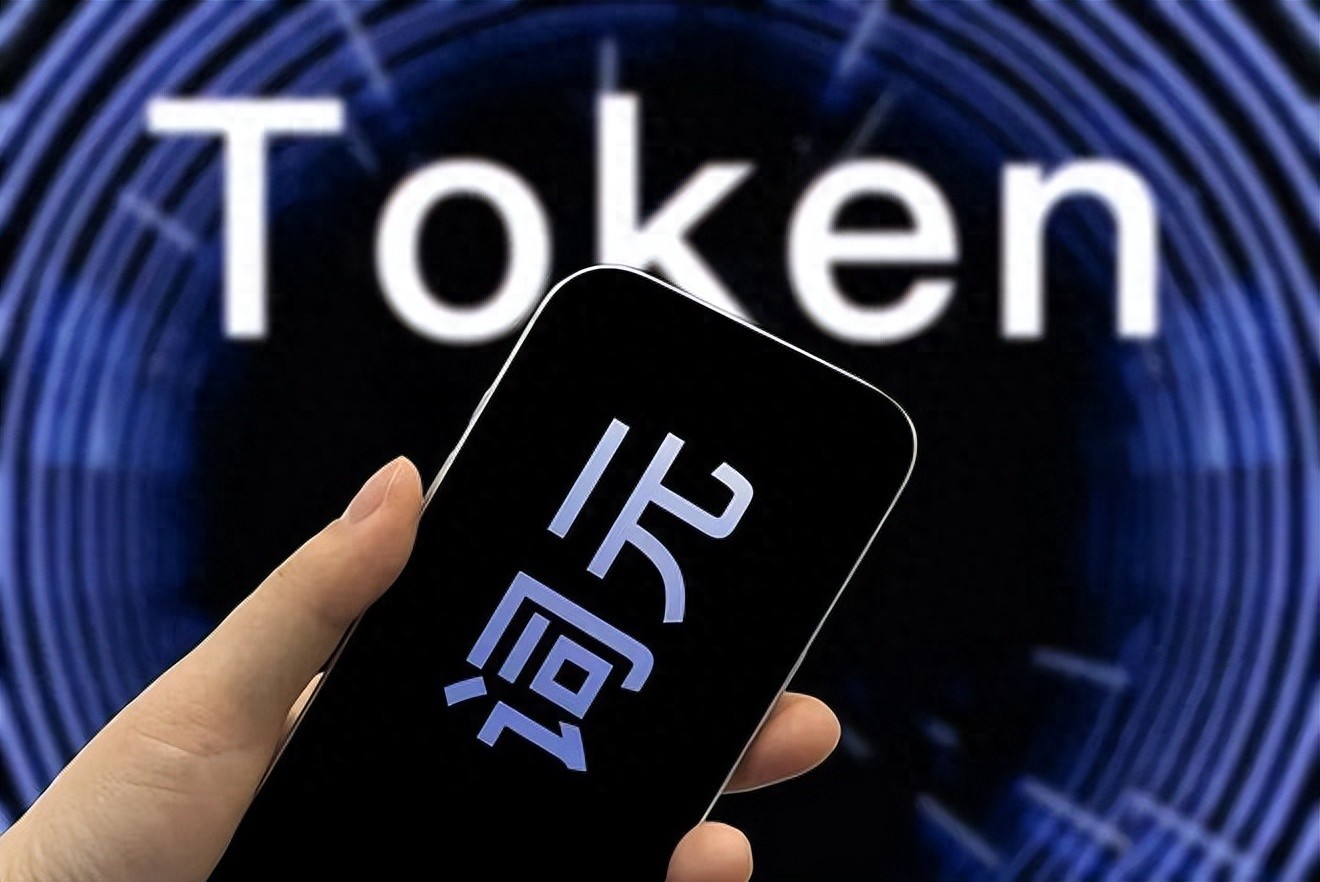
In the realm of AI, Tokens serve as the de facto currency.
Think of it this way: just as your TV requires electricity to function, AI relies on Tokens as its energy source.
Every interaction you have with AI, every image or video it creates, consumes a substantial number of Tokens in the background. How are these Tokens generated? They are produced by GPUs, which in turn consume electricity and employ sophisticated algorithms.
Thus, for AI, the cost of Tokens directly dictates the cost of utilizing AI services. If Tokens are prohibitively expensive, people will be reluctant to use AI; conversely, if Tokens are affordable, people will embrace AI without hesitation.
Take electricity as an analogy: if it costs just a penny per kilowatt-hour, you’d use your air conditioner, floor heating, and various appliances without a second thought about the bill—it’s simply too cheap to worry about.
However, if electricity costs a staggering $10 per kilowatt-hour where you live, you’d likely calculate the exact duration to leave a 10-watt light bulb on because the cost is exorbitant. You’d refrain from turning on the air conditioner unless absolutely necessary.
The same principle applies to AI. If Tokens are inexpensive, you’ll use AI liberally; if they’re costly, you’ll use them sparingly.
Currently, an intriguing phenomenon is unfolding in the global market: Chinese AI is engaged in a Token price war, rendering U.S. AI non-competitive. Chinese Token prices are a mere 1/170th of those in the U.S., or approximately 0.6% when expressed as a percentage.
Drawing a parallel with electricity, if your competitor’s electricity costs $170 per kilowatt-hour while yours costs just $1, how can you possibly compete?
Don’t dismiss this as a joke; it’s a genuine occurrence.
American Anthropic’s Claude Opus 4.6 prices its Tokens at $75 per million output Tokens (roughly 540 RMB). In stark contrast, China’s DeepSeek V3.2 prices its Tokens at a mere $0.42 per million output Tokens (approximately 3 RMB).
Admittedly, some Chinese AI Tokens are slightly pricier than DeepSeek’s, but they still hover between 5-10 RMB. Even at their most expensive, they’re only about 1%-2% of the price of U.S. Tokens.
It’s akin to your competitor’s electricity costing $100 per kilowatt-hour while yours costs just 1-2 RMB. You can use it freely, while they dare not.
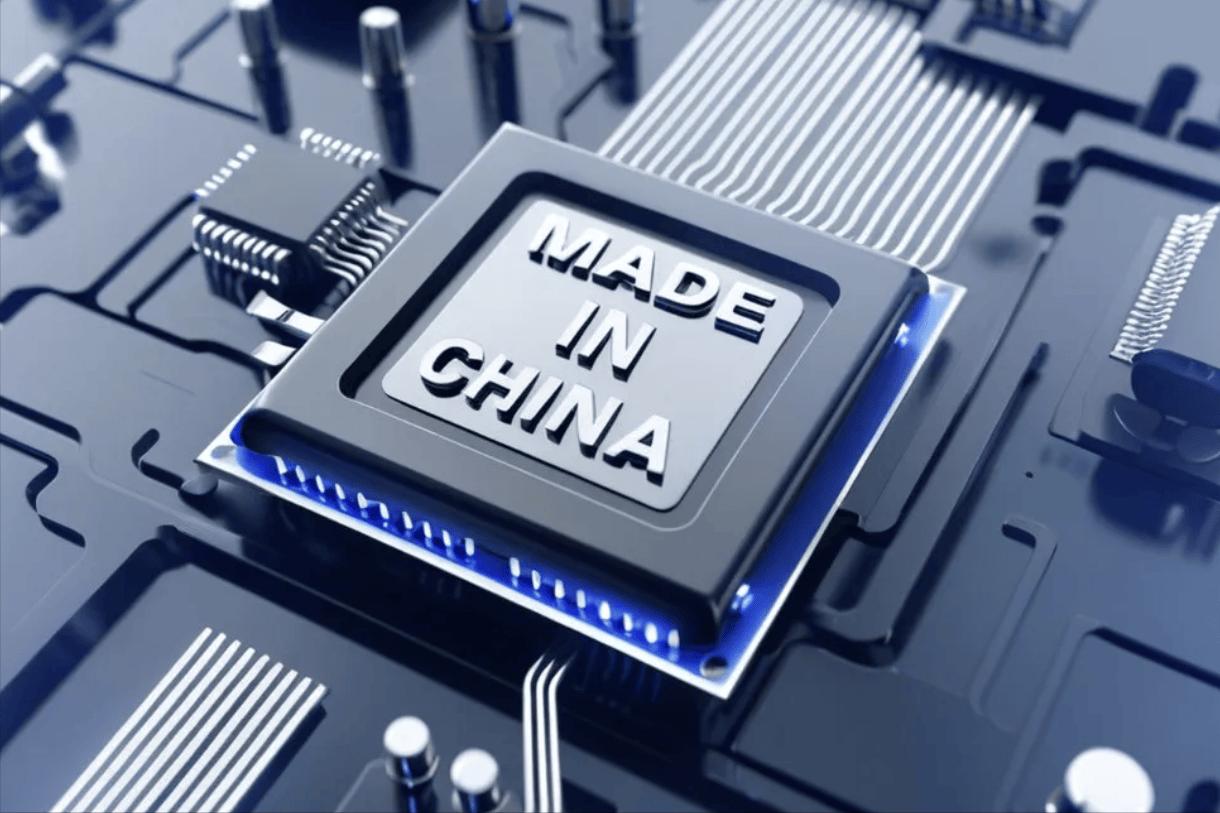
In reality, if your electricity were that cheap, your competitor would undoubtedly find a way to tap into your power supply and exploit your low-cost electricity.
That’s precisely what’s happening now. Americans are frantically using Chinese AI because Chinese AI Tokens are so affordable. According to AI usage data released by OpenRouter, the usage volume of Chinese AI Tokens is already three times that of the U.S. and continues to surge.
The reason is that these Americans have discovered that Chinese Tokens are so much cheaper that they can’t resist the temptation. Consider this: if they used to spend $1.7 million a month on AI, they now only spend $10,000, saving a staggering $1.69 million. The math speaks for itself.

Why are Chinese AI Tokens so inexpensive? It’s because our electricity is cheap, and our domestic AI large models are resource-efficient, eschewing massive computational power requirements and resulting in lower costs.
Consequently, the Tokens generated are also cheap, and when it comes to a price war, U.S. AI stands no chance of competing.
It’s foreseeable that in the future, China will undoubtedly emerge victorious in the AI race due to its lower costs. People are more inclined to use it, leading to larger datasets and faster iteration speeds—something the U.S. can never hope to match.
-
![]()
Tesla Restructures Its Balance Sheet
-
![]()
Accelerating the High-Speed Interconnection Upgrade of AI Computing Clusters! JONHON Releases ELSFP External Light Source Optical Connectors
-
![]()
Breaking the overseas blockade of volumetric holographic materials, this optical enterprise secures nearly 100 million yuan in financing!
-
![]()
Why Does Jensen Huang So Openly Praise China’s AI?
-
![]()
"Wudang" Unveiled: Arm China's Next-Gen AI VPU Redefines Video Encoding
-
![]()
From Energy Conservation and Carbon Reduction to AI Decision-Making: GECON East Intelligence and Chery Group Explore a New Green and Smart Paradigm for Automobile Manufacturing
-
![]()
WAIC 2026 Observation | AI Accelerates Towards the Core of Industries, Industrial AI Enters a Critical Phase
-
![]()
Volkswagen China Fires the First Shot in Foreign-Funded 'White Box Delivery'!